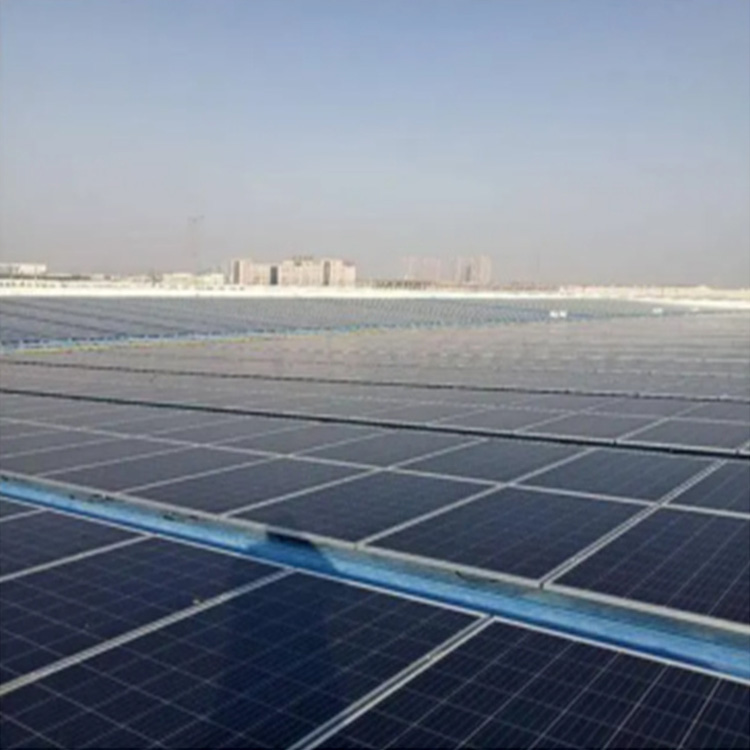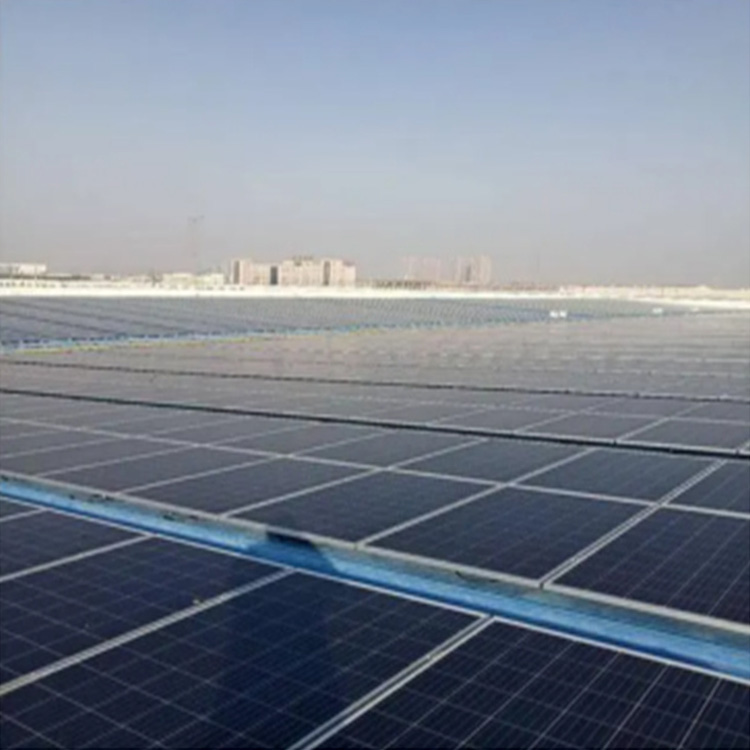

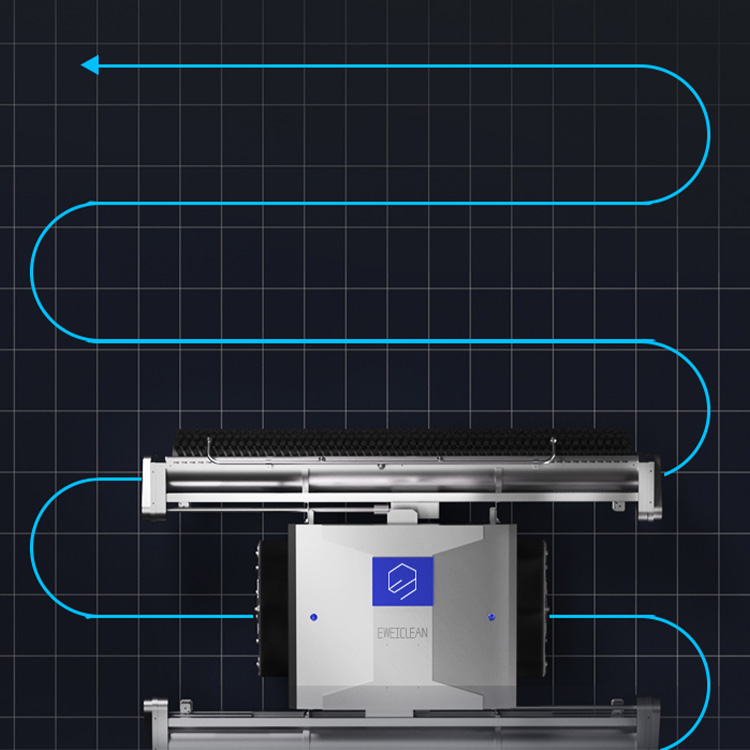










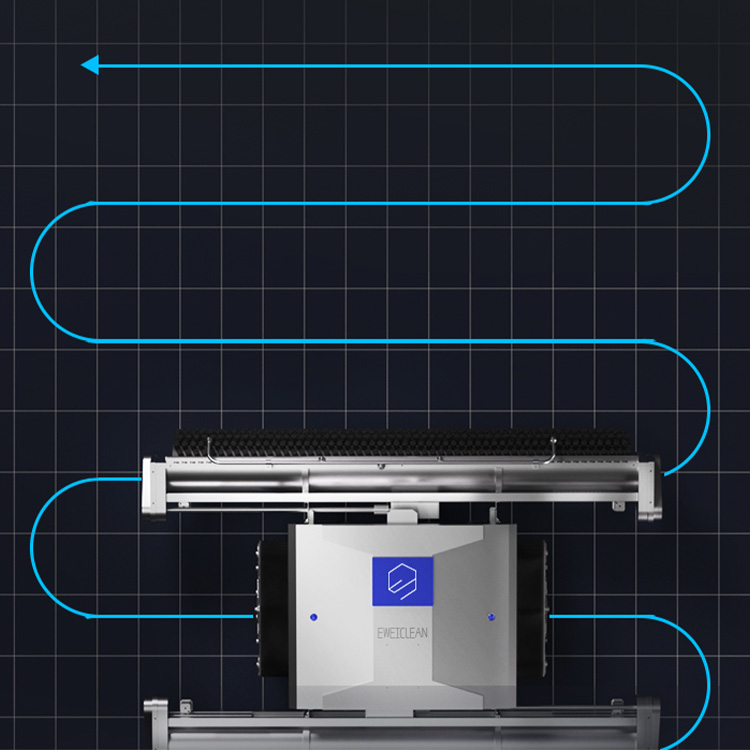


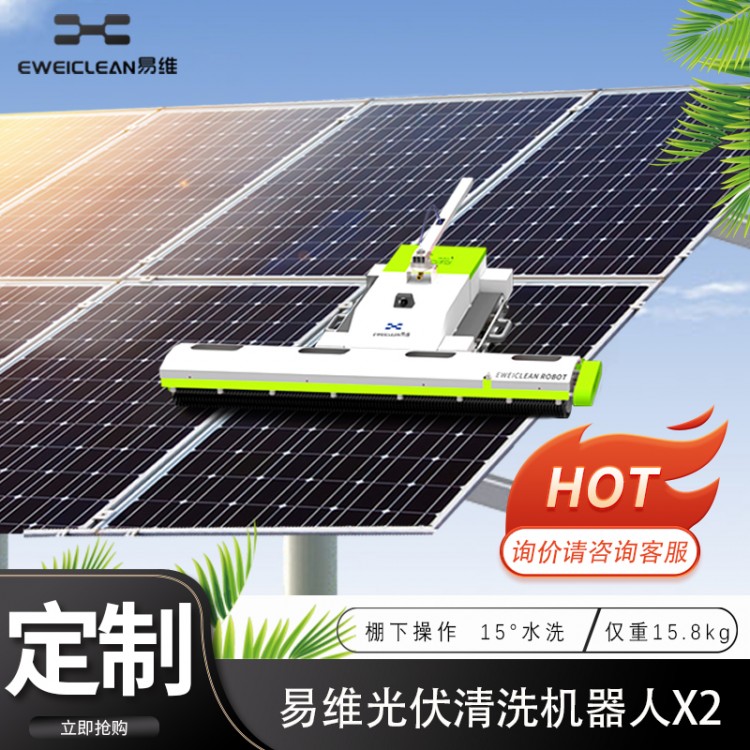

Description:The advantages of the photovoltaic cleaning robot include waterless cleaning, intelligent control, unattended operation, customizable runtime parameters, and easy charging; domestically, the robot can complete component cleaning with minimal human intervention; for large-scale power stations, it can save a significant amount of labor.
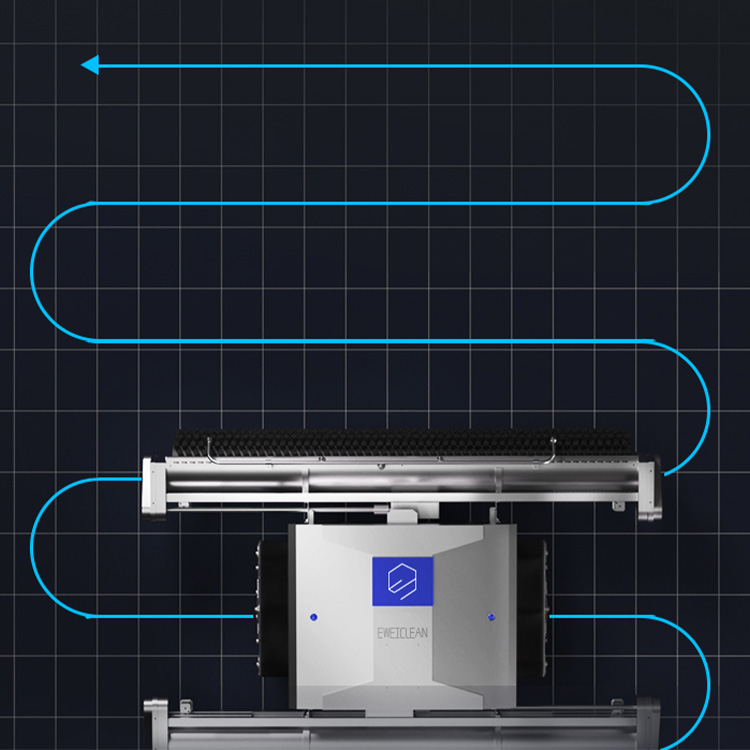
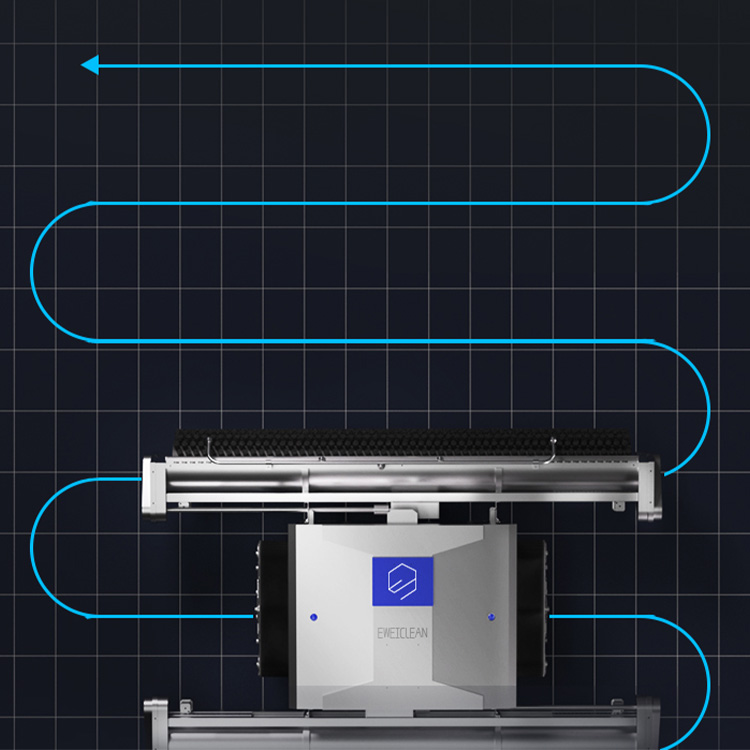
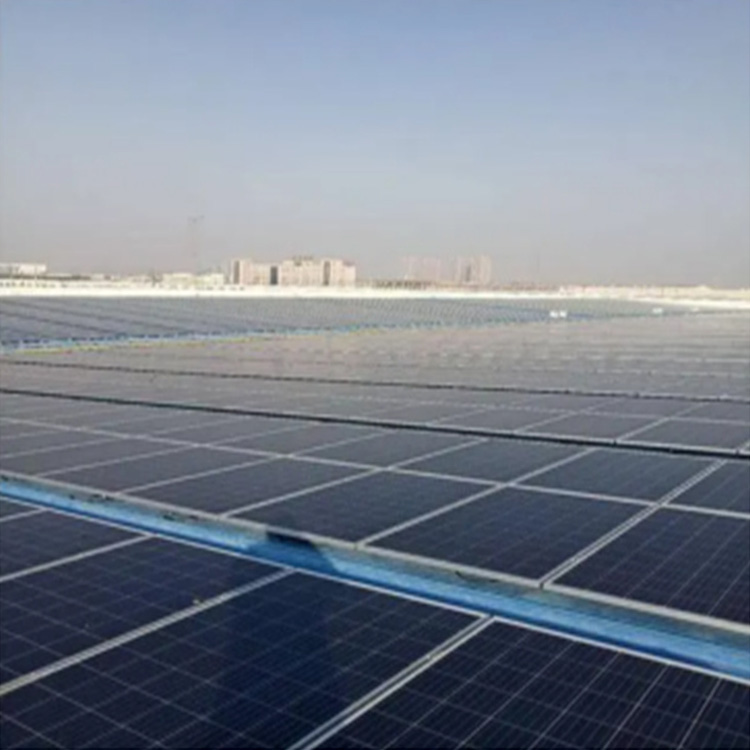
Photovoltaic cleaning robots can automatically plan cleaning paths and complete the cleaning tasks according to a set list; with a cleaning speed of approximately 0.6m/s, equipped with a high-capacity lithium battery (which can operate continuously for 6 hours), the cleaning efficiency reaches 2,000 square meters. With the advancement of science and technology, the introduction of photovoltaic cleaning robots has replaced manual labor, effectively addressing issues such as hidden cracks in solar panels due to uneven manual cleaning efforts and safety concerns for personnel.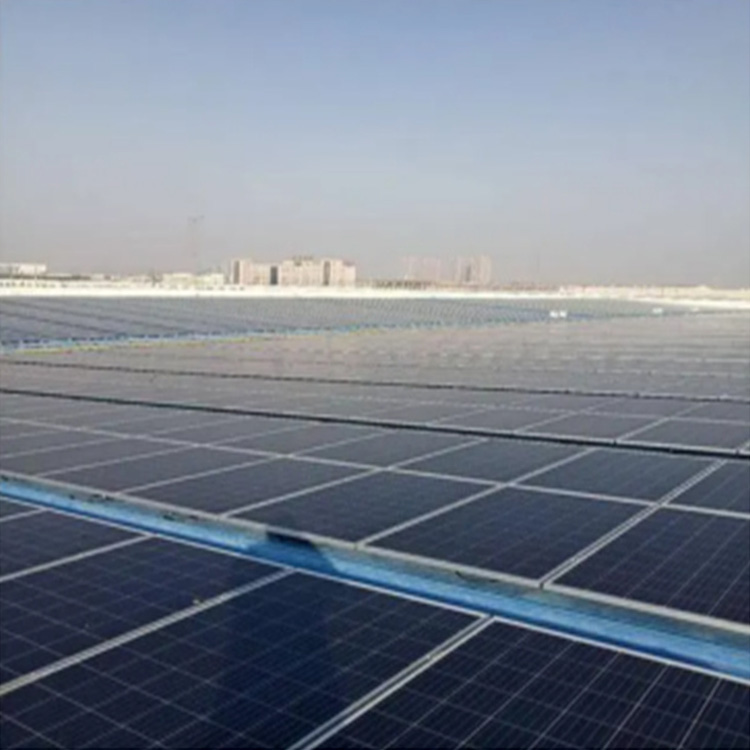
Photovoltaic cleaning robots can achieve indoor positioning and navigation. The first two groups (25 sets) of M and 10M scanning range LiDAR ensure positioning and navigation accuracy to within 2.5 cm. To help the robot effectively and sensitively avoid obstacles, up to 13 groups of ultra-wideband radars are equipped around the robot. The photovoltaic cleaning robot is suitable for public cleaning robots in large shopping malls, airports, exhibition halls, government offices, and other public places; it can assist cleaners in performing repetitive cleaning tasks.
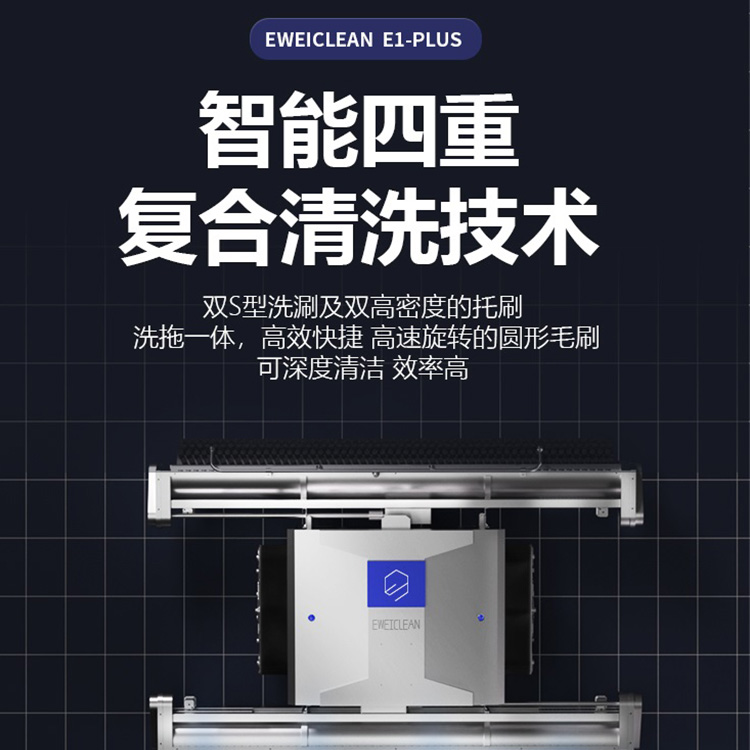
The photovoltaic cleaning robot is mainly composed of three parts: the main body of the cleaning robot, a high-pressure water pump truck, and a remote controller.
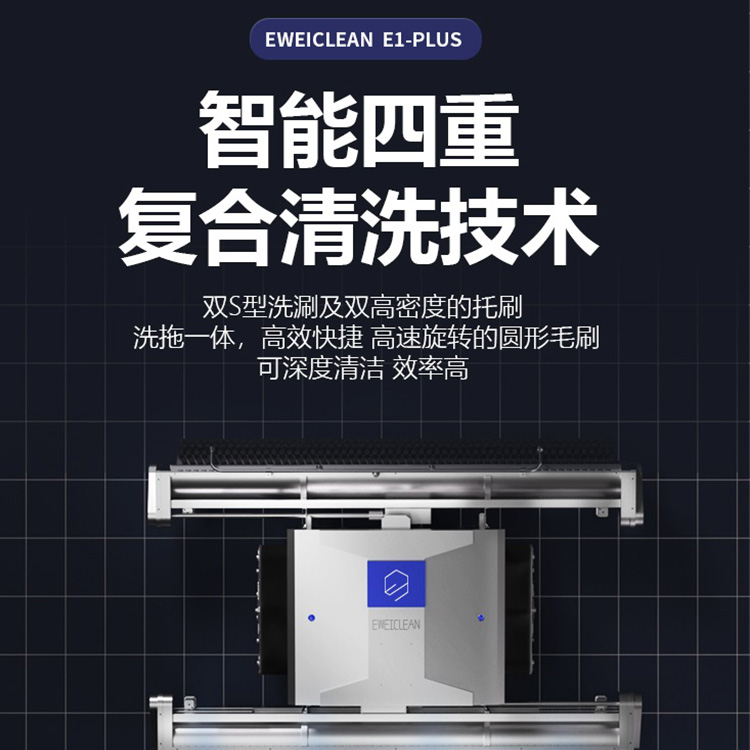
1. Robot Main Body: The main body of the robot is the primary component for cleaning tasks, primarily composed of a tracked chassis, high-efficiency cleaning equipment, and a central control automatic system. It achieves high cleaning efficiency in both wet and dry conditions of photovoltaic arrays, operates without external power connections, and is easy to use and reliable. Under the control of the remote, the robot can move forward, backward, and rotate left and right, allowing it to traverse any direction on the surface of the photovoltaic panels with no blind spots in the cleaning operation.
2. High-pressure Water Pump Truck: To ensure a stable water supply for the cleaning robot, our company uses a high-pressure water pump truck with a pressure up to 12MPa, capable of discharging 14 liters per minute. It is easy to move around, significantly enhancing the cleaning efficiency.
3. Remote Controller: Allows for remote operation of the robot's cleaning functions, including movement direction, speed, drum brush rotation, edge detection switch, and current voltage checks.
4. Additional Extended Equipment: Tailored to meet the client's specific needs, options include perspective image transmission systems, lighting systems, etc., for easy ground-level observation of the solar panel surface and cleaning conditions. This aids in robotic night cleaning operations. Customizable water and electrical supply systems and other complementary transfer vehicles and equipment can also be provided according to the client's specific requirements.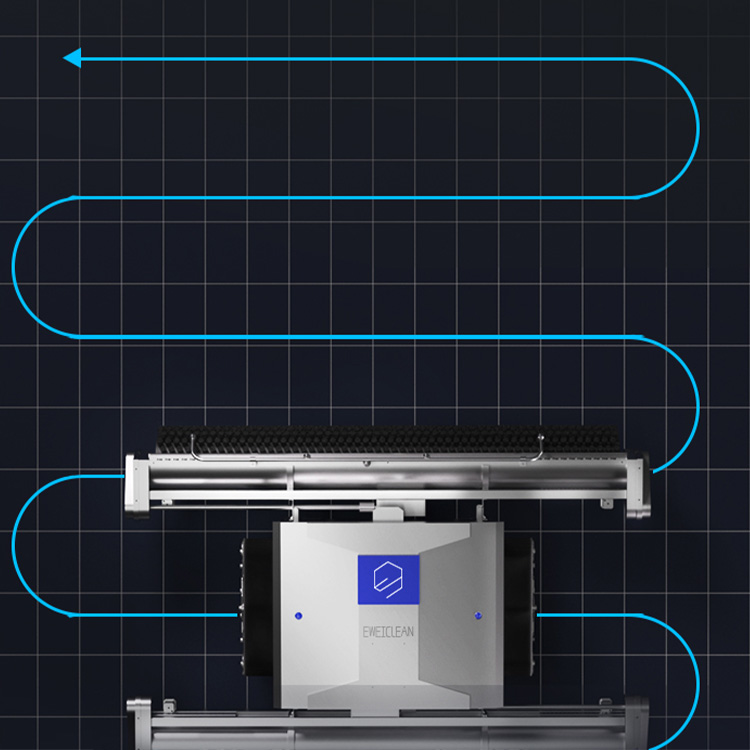
Photovoltaic cleaning robots are equipped with special anti-slip movement to increase contact area with the panels, ensuring water cleaning does not damage the surface or cause slippage, providing safe and reliable operation; the robots operate at high speed; both the front and rear ends are fitted with efficient cleaning devices, achieving five cleaning effects in one movement, with high efficiency and excellent results. The photovoltaic cleaning robots are controlled by remote wireless technology for greater flexibility in use.
Our company, with an earnest and practical work style and a belief in innovative development, surges through the waves of the business sea, growing from nothing to something, from small to large, step by step, flourishing in the baptism and tempering of market storms.
WeChat Official Account

Scan to follow Official Account