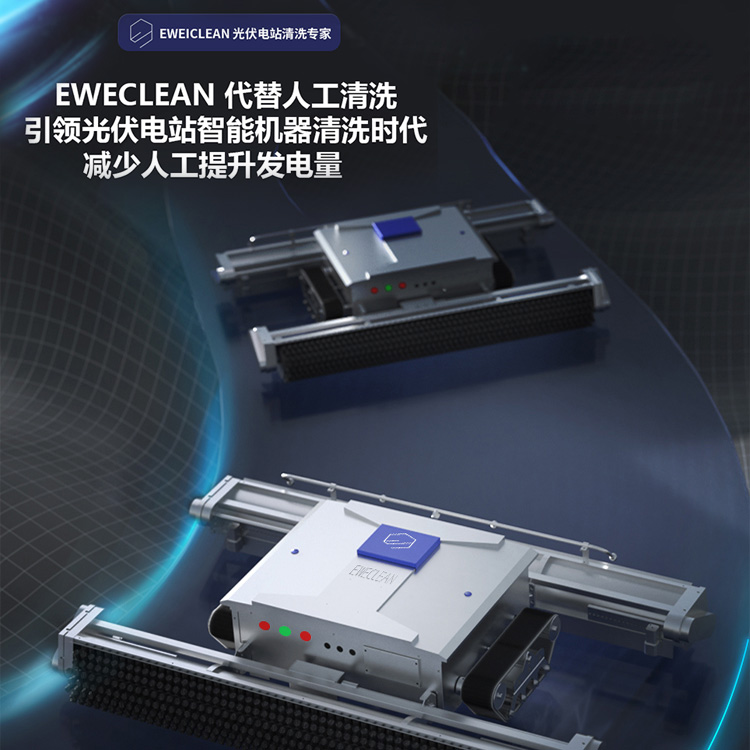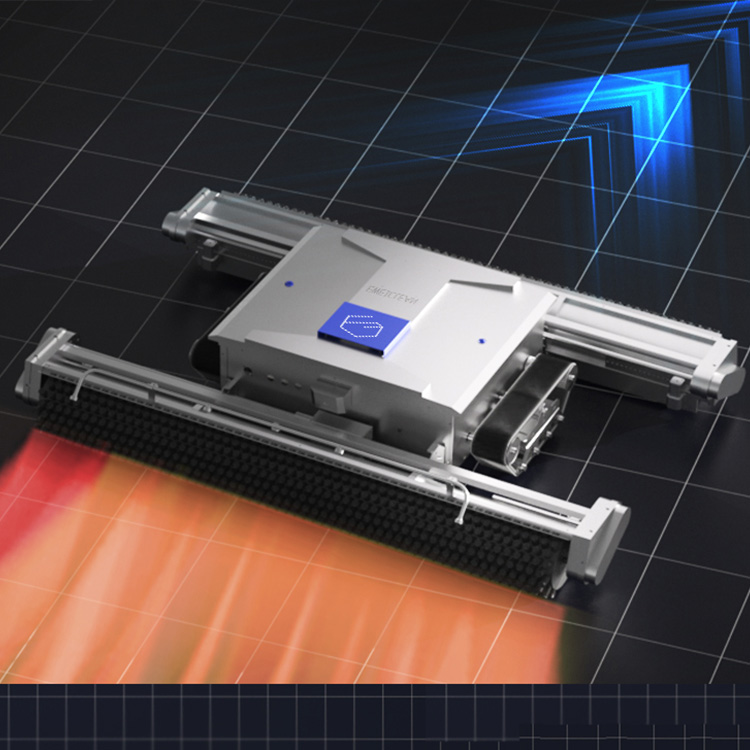












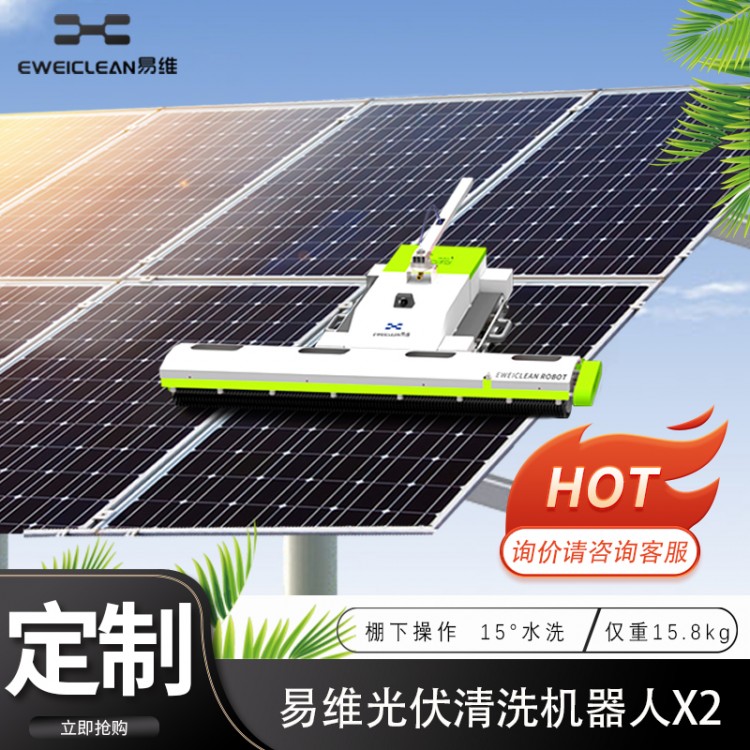

Description:Photovoltaic cleaning robots, as the new energy market grows and labor costs rise, are gradually becoming accessible to a wider user base. Their intelligent and automated cleaning not only saves a significant amount of human, material, and financial resources but also delivers unparalleled cleaning results, rapidly enhancing the economic and social benefits for power generation companies.
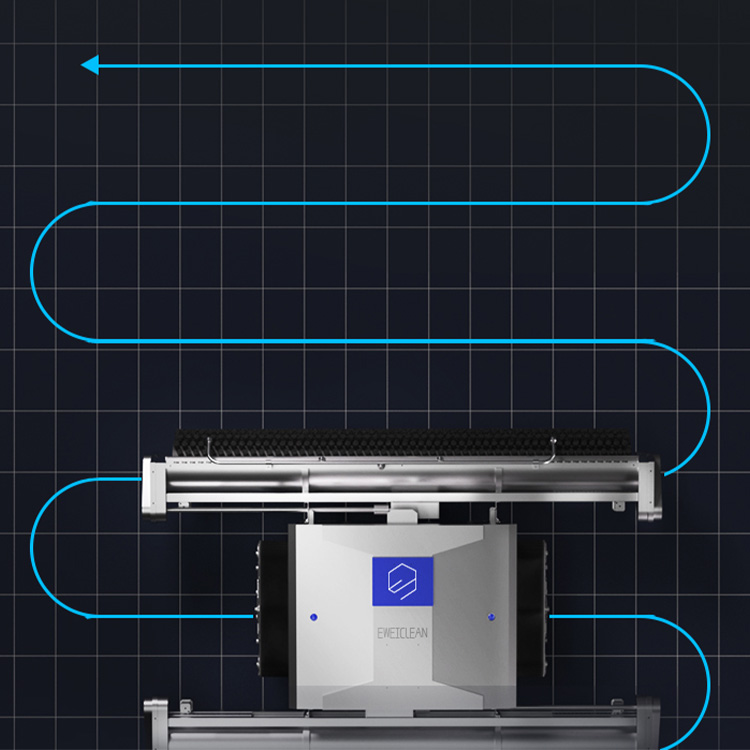
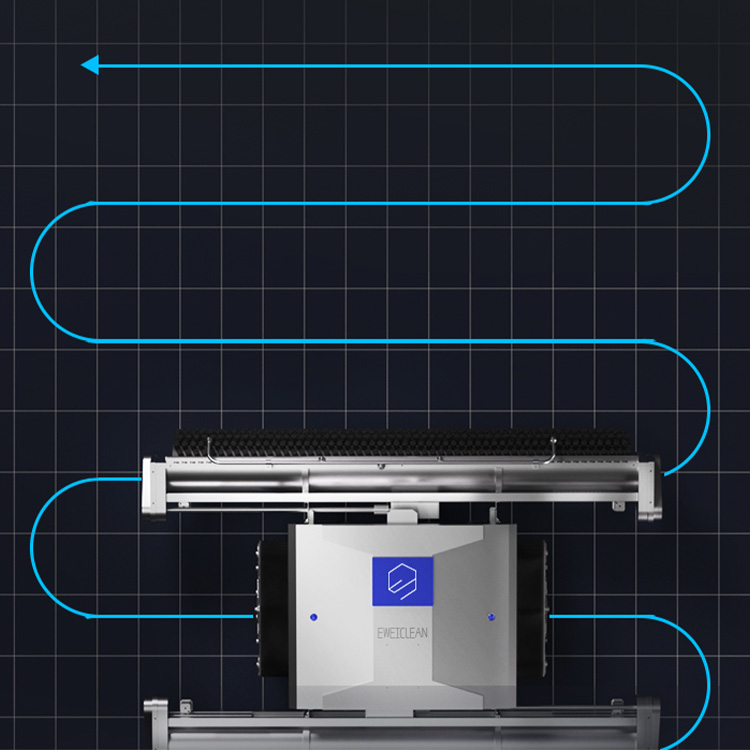
Photovoltaic cleaning robots can automatically plan cleaning routes and complete the cleaning tasks according to the set list; with a cleaning speed of approximately 0.6m/s, and equipped with a large-capacity lithium battery (which can operate continuously for 6 hours), the cleaning efficiency reaches 2,000 square meters. As science and technology advance, the introduction of photovoltaic cleaning robots has replaced manual labor, effectively addressing issues such as hidden cracks on the panels due to uneven manual cleaning force and personal safety concerns.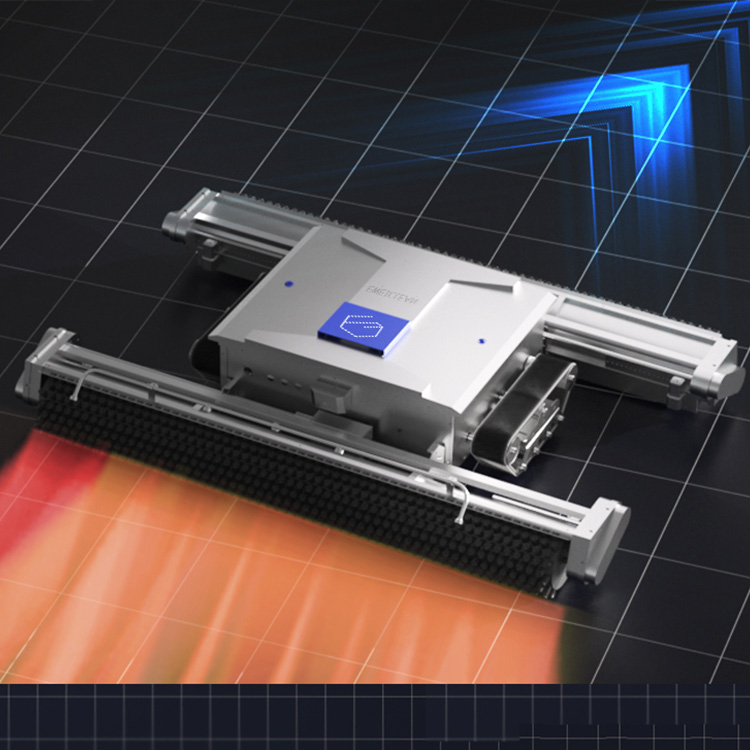
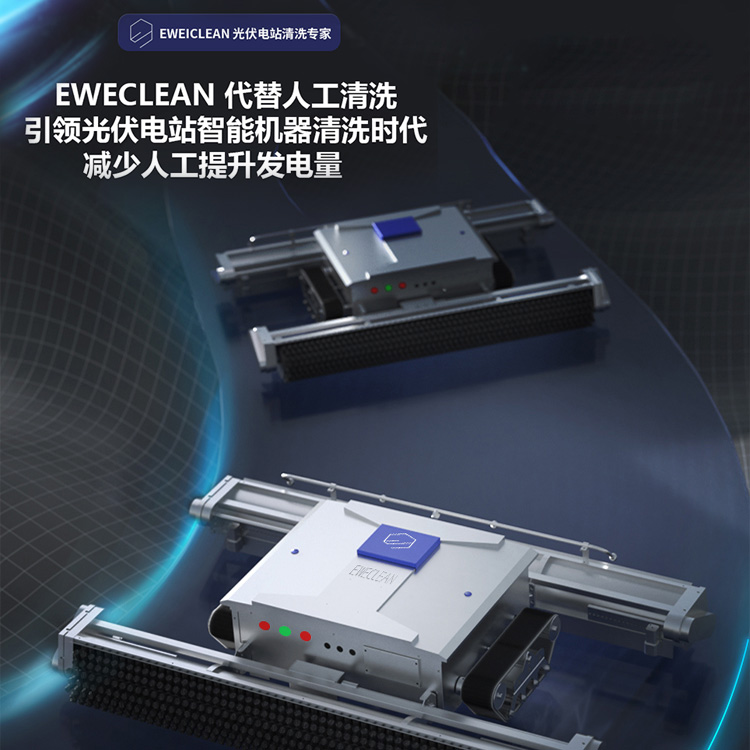
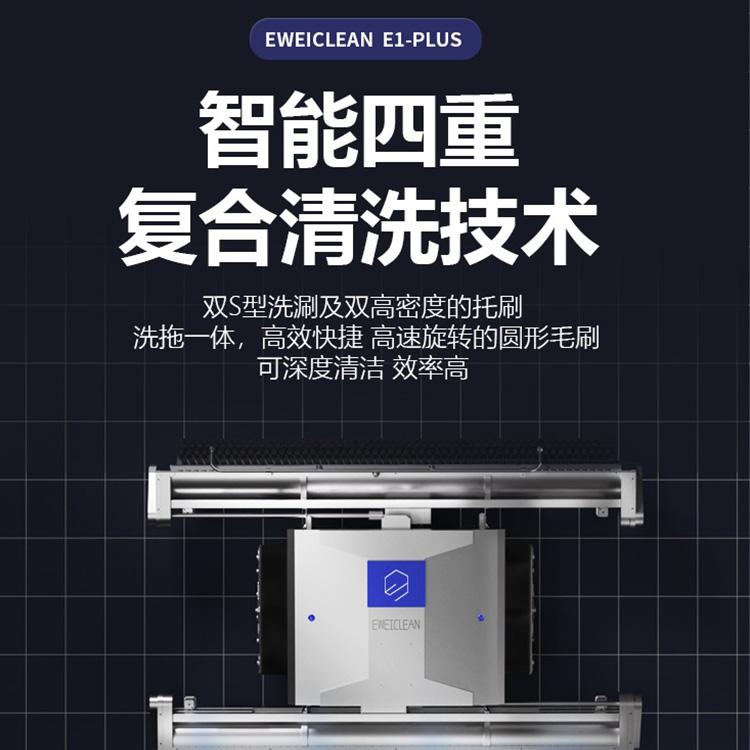
The photovoltaic cleaning robot is mainly composed of three parts: the cleaning robot body, a high-pressure water pump truck, and a remote controller.
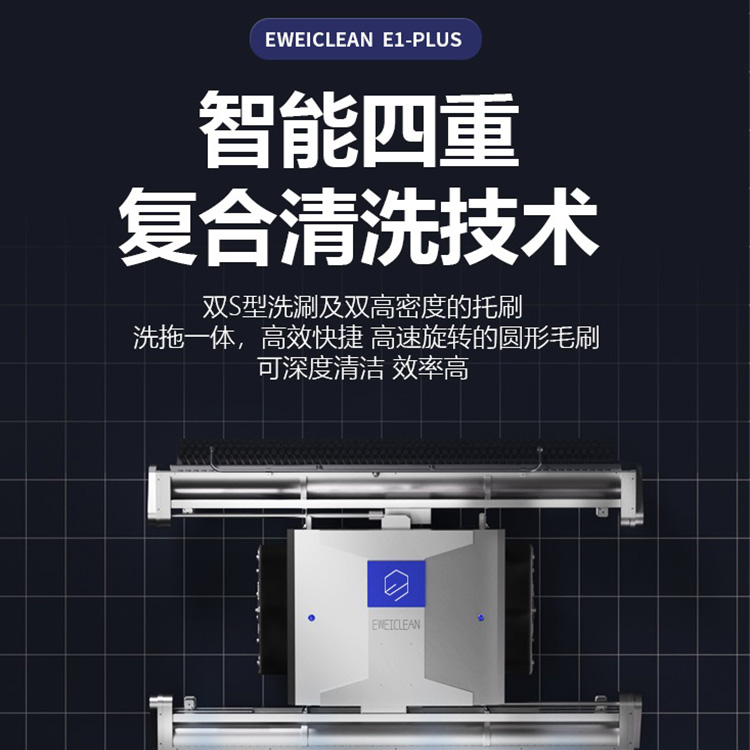
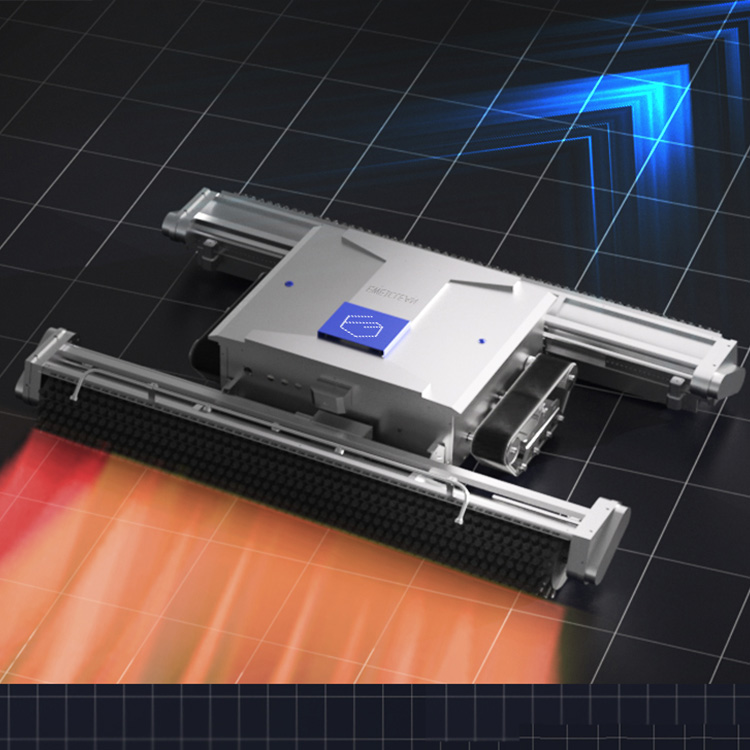
1. Robot Main Body: The main body of the robot is the primary component for cleaning tasks, mainly composed of a track-based chassis, high-efficiency cleaning equipment, and a central control automatic system. It ensures high cleaning efficiency for both water-based and dry conditions, operates without the need for external power sources, and is convenient and reliable to use. Under the control of the remote, the robot can move forward, backward, and turn left or right, allowing it to navigate any direction on the surface of the photovoltaic panels, ensuring no blind spots in the cleaning process.
2. High-pressure Water Pump Truck: To ensure a stable water supply for the cleaning robot, our company uses a high-pressure water pump truck, which can reach a pressure of 12MPa and drain 14 liters per minute. It's easy to transport and can significantly improve the cleaning effect.
3. Remote Controller: Operate the robot's cleaning functions remotely via the remote controller, including movement direction, speed, drum brush rotation, edge detection switch, and current/voltage checks.
4. Additional Expansion Equipment: Tailored to meet the client's specific needs, options include perspective image transmission systems, lighting systems, etc., to facilitate ground-level observation of the photovoltaic panel surface and cleaning conditions. These assist robots in night cleaning operations. Customizable water and electrical supply systems, along with transfer vehicles and other equipment, are available in various lengths to suit the client's exact requirements.
The photovoltaic cleaning robot is equipped with special anti-slip movement, increasing contact area with the panels without damaging the surface during water cleaning and preventing slippage, ensuring safe and reliable operation; the robot operates at a fast speed; both the front and rear ends are fitted with high-efficiency cleaning devices, achieving five cleaning effects in one movement, with high cleaning efficiency and excellent results; the photovoltaic cleaning robot is controlled by remote wireless control, offering greater flexibility in use.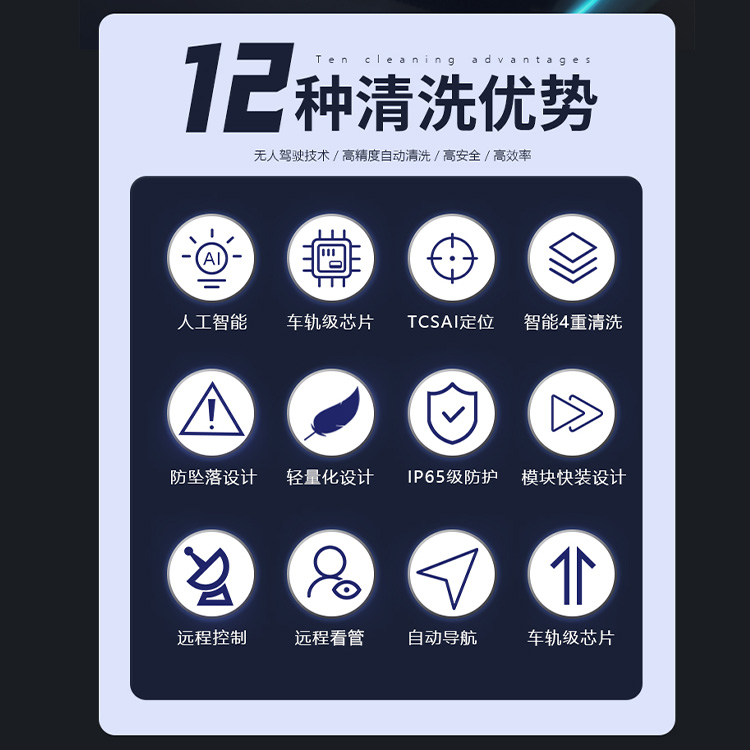 In recent years, I believe we all know about photovoltaic power stations, a relatively new cleaning method; Due to its quick and convenient features, it has been adopted by many businesses; Compared to traditional cleaning methods, what are the advantages of photovoltaic cleaning robots?
1. Save Water Resources: Photovoltaic cleaning robots can operate in either "wet" or "dry" modes based on the on-site environment. They bring great relief to areas with special installation conditions, such as deserts.
2. Customizable Cleaning Time: The photovoltaic cleaning machine can be set with customized cleaning time and operational paths in the backend, offering more flexibility compared to manual cleaning.
3. Relative Safety: Manual cleaning is prone to accidents, such as stepping on solar panels, which can pose a significant risk to personal safety in the event of a leak. Cleaning robots are generally designed to be lightweight, facilitating operation and cleaning on solar panels.
4. Increase Power Generation Efficiency: A one-time investment can boost the power generation rate by 8%-25% annually.
Our company's philosophy: Satisfy the diverse needs of our customers through our business approach of "founded on integrity, gaining trust through sincerity, rooted in credibility, based on quality, and seeking efficiency through speed."
WeChat Official Account

Scan to follow Official Account