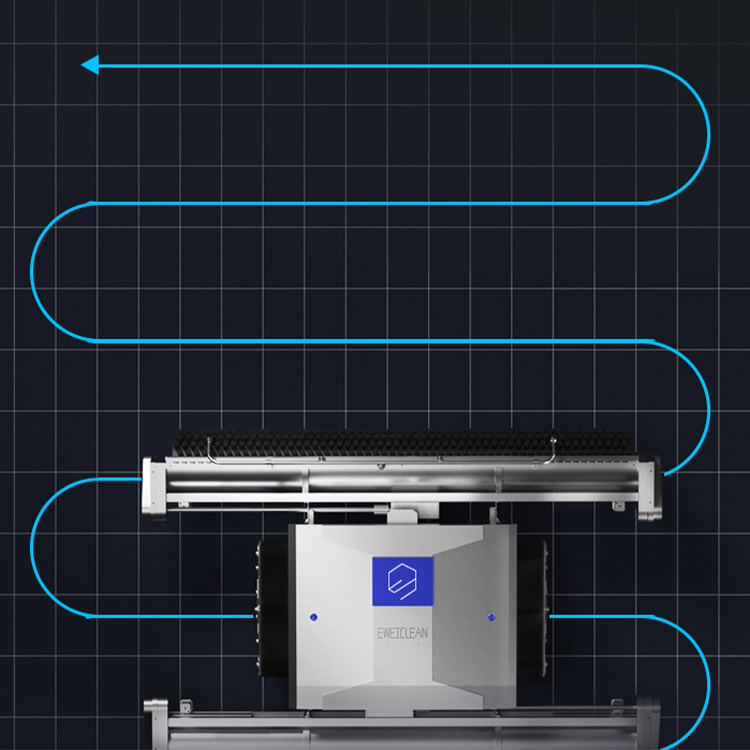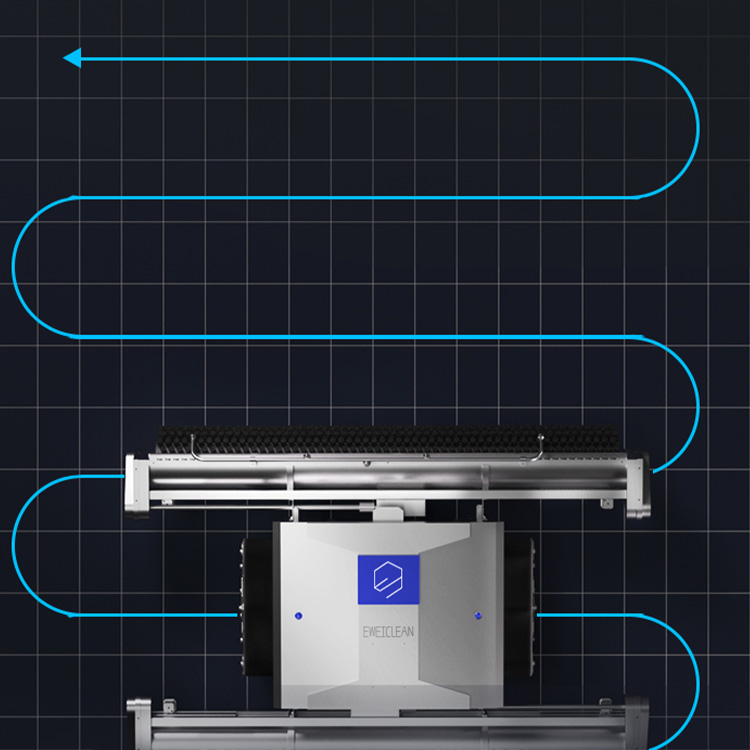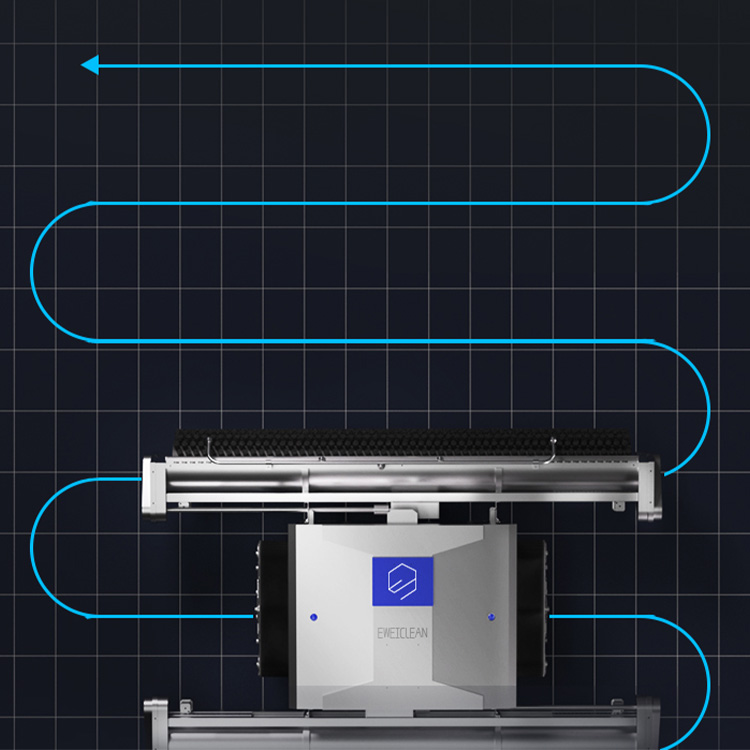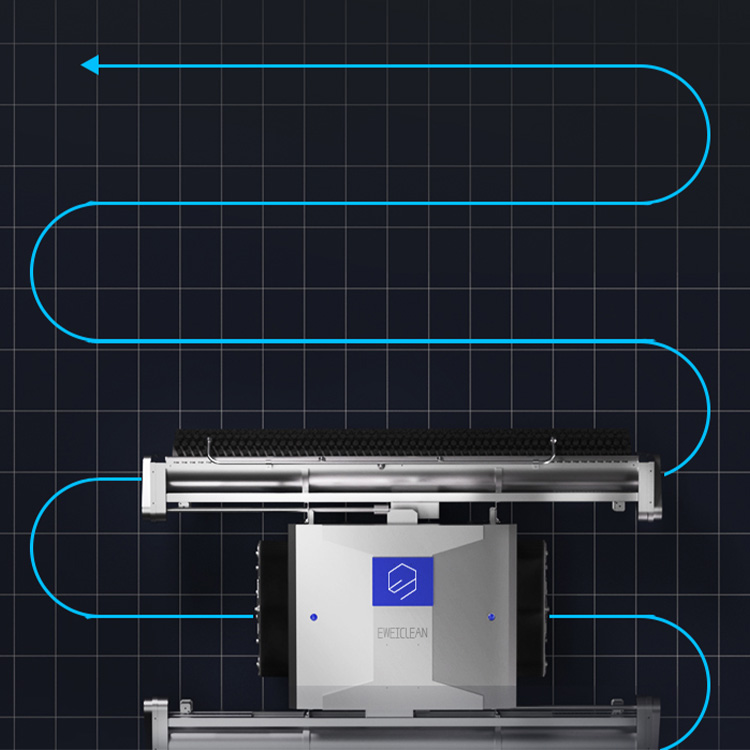

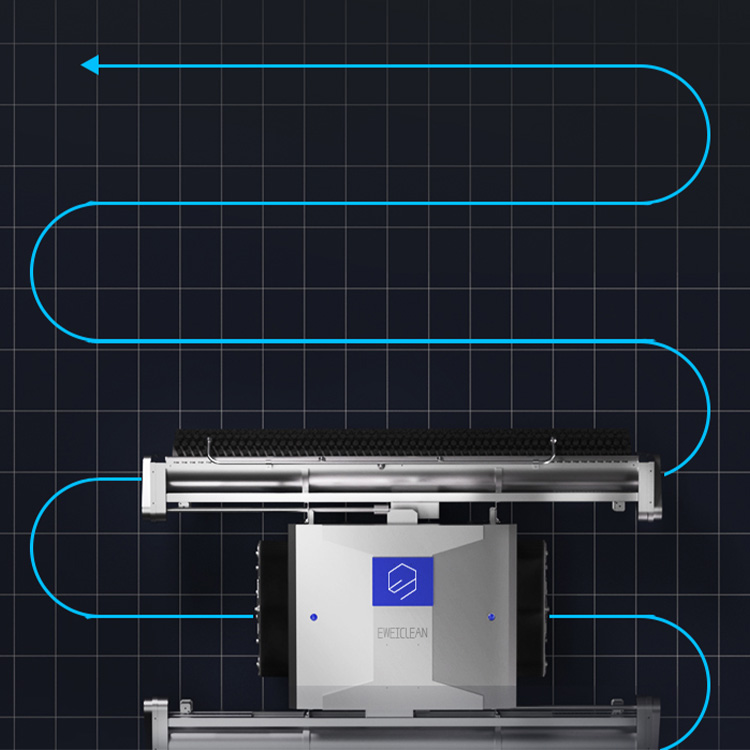
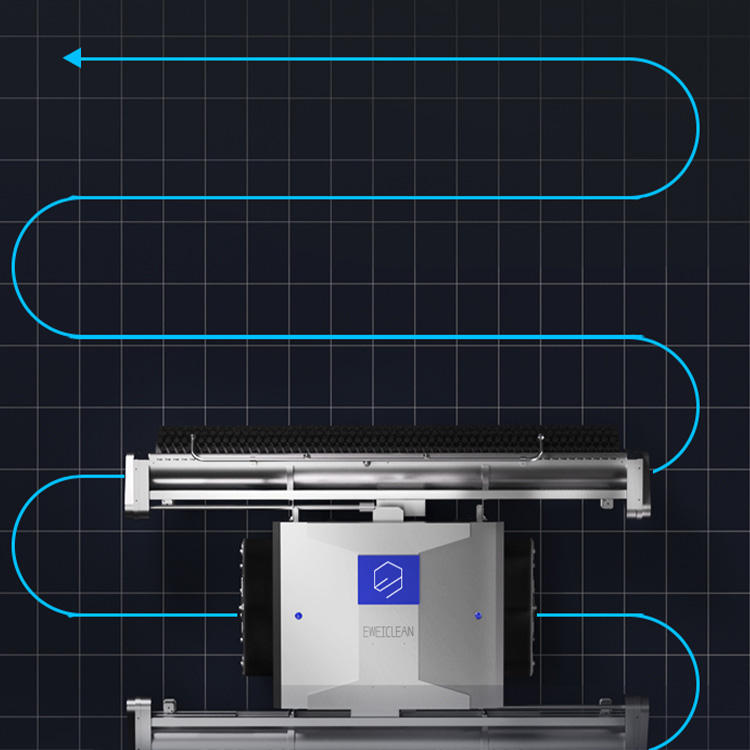









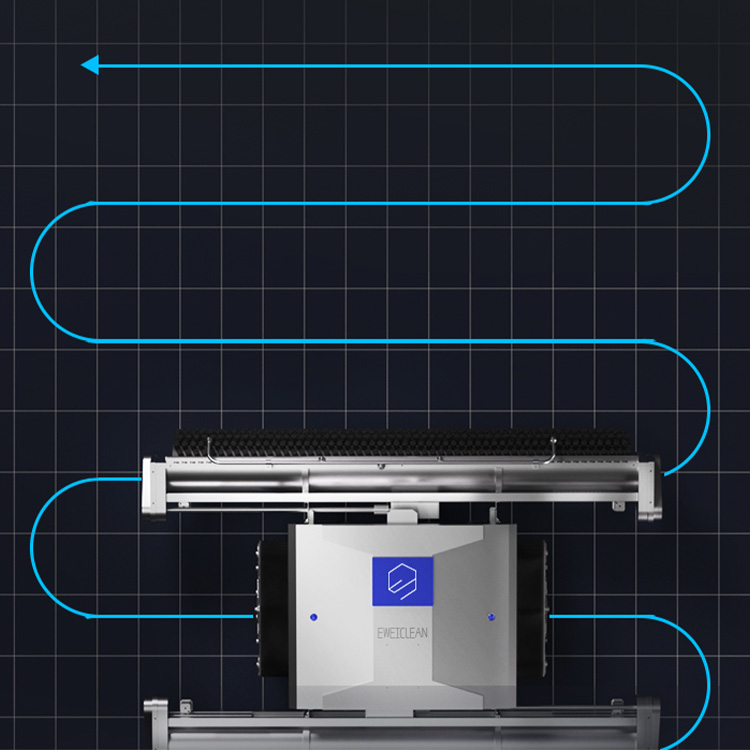


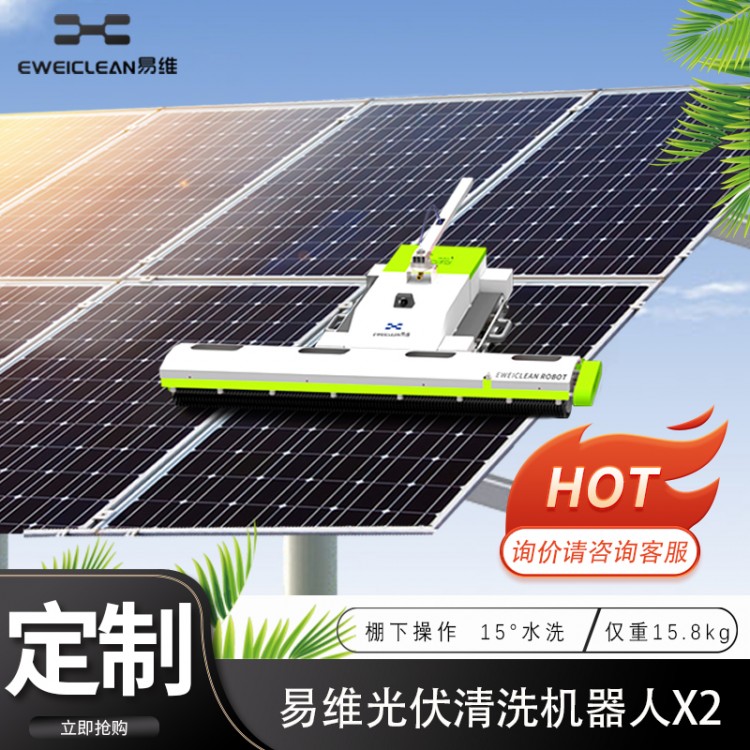

Description:Photovoltaic cleaning robots can automatically plan cleaning paths and complete the cleaning tasks from a set list. The cleaning speed of the photovoltaic cleaning robot is approximately 0.6m/s, with a large capacity lithium battery (which can work continuously for 6 hours), achieving a cleaning efficiency of up to 2,000 square meters.
Photovoltaic cleaning robots can automatically plan cleaning routes and complete the cleaning tasks according to the set list; the cleaning speed of the photovoltaic cleaning robot is approximately 0.6 m/s, with a large-capacity lithium battery (which can operate continuously for 6 hours), achieving a cleaning efficiency of up to 2,000 square meters. With the advancement of science and technology, the emergence of photovoltaic cleaning robots has replaced manual labor, effectively addressing issues such as hidden cracks in solar panels due to uneven manual cleaning efforts and safety concerns for personnel.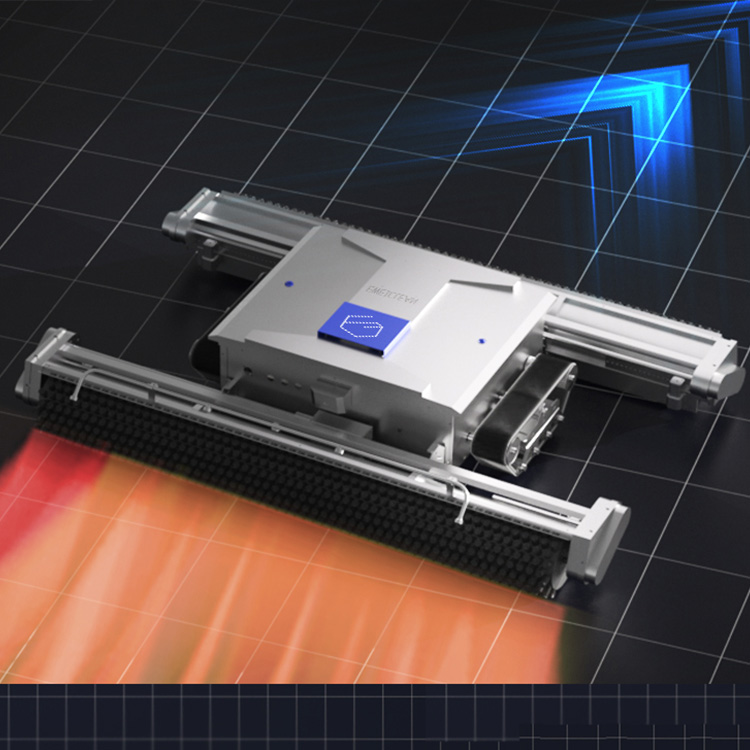
Photovoltaic cleaning robots are equipped with special anti-slip movement, increasing contact area with solar panels, ensuring surface integrity during water cleaning without slippage, and are safe and reliable to use. The robots operate at high speed. Both the front and rear ends are fitted with efficient cleaning devices, achieving five cleaning effects in one movement, with high cleaning efficiency and excellent results. The photovoltaic cleaning robots are controlled by remote wireless technology, offering greater flexibility in use.
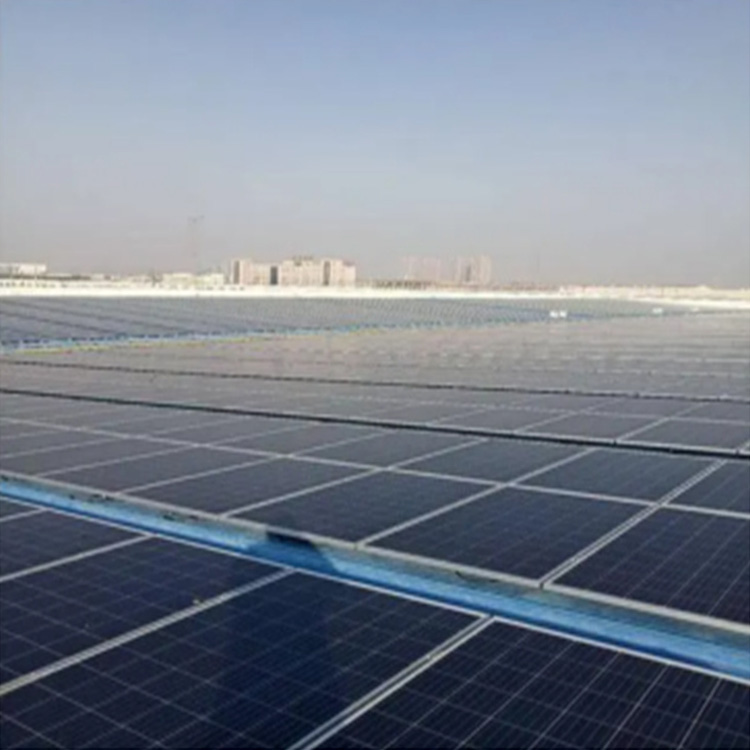
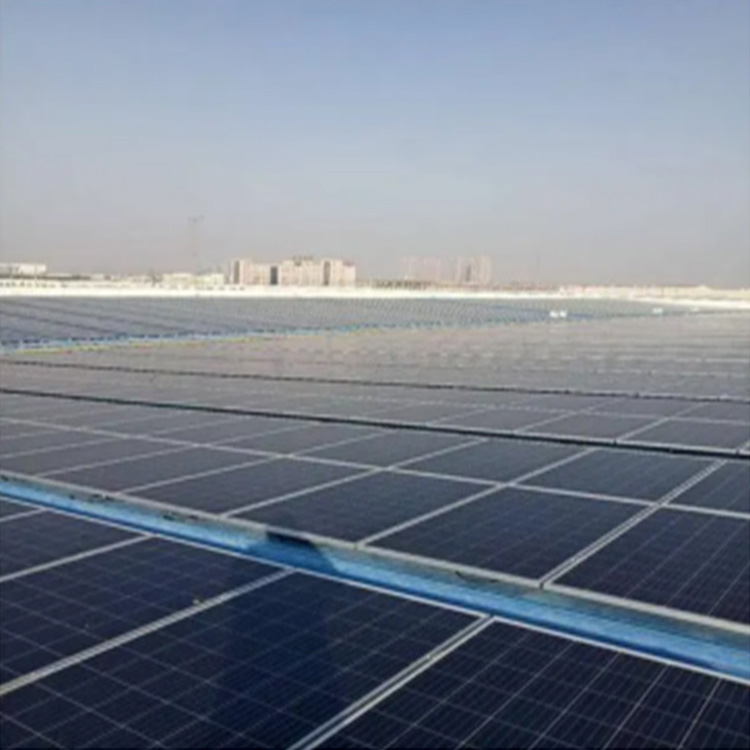
In recent years, we're all aware of photovoltaic power stations, a relatively new cleaning method; thanks to its quick and convenient features, it's been adopted by many businesses; compared to traditional cleaning methods, what are the advantages of photovoltaic cleaning robots?
1. Water Conservation: Photovoltaic cleaning robots can operate in both "wet" and "dry" modes based on the local environment. For areas with special installation conditions, such as deserts, this represents a significant boon.
2. Customizable Cleaning Time: Photovoltaic cleaning machines can be set up with custom cleaning times and operational paths in the backend, offering greater adjustability compared to manual cleaning.
3. Relative Safety: Manual cleaning is prone to accidents, such as stepping on the photovoltaic panels, which could pose a significant threat to personal safety in case of a leak. Cleaning robots are generally designed to be lightweight, facilitating operation and cleaning on the photovoltaic panels.
4. Increase Power Generation Efficiency: One-time investment, boosting power generation rate by 8%-25% annually.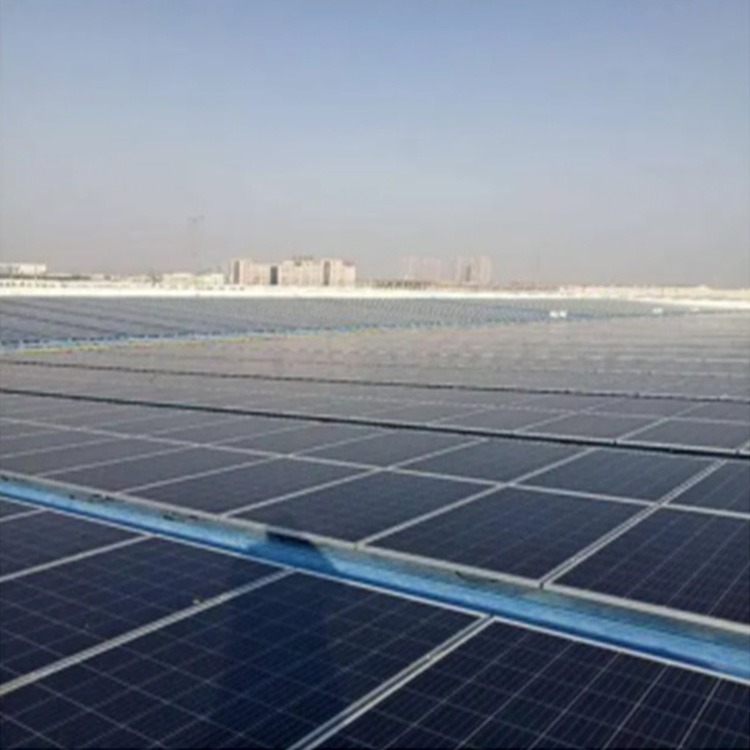 Photovoltaic cleaning robots can achieve indoor positioning and navigation, with the first two groups (25 groups) of M and 10M scanning range LiDAR ensuring positioning and navigation accuracy to within 2.5 cm. To help the robot effectively and sensitively avoid obstacles, up to 13 groups of ultra-wideband radar are equipped around the robot. The photovoltaic cleaning robot is suitable for cleaning robots in public places such as large shopping malls, airports, exhibition halls, and office buildings; the photovoltaic cleaning robot can help cleaners repeat a large number of cleaning tasks.
Our company, with an earnest and practical work style and a belief in innovative development, surges through the waves of the business sea, growing from nothing to something, from small to large, taking one step at a time, and thriving through the baptism and tempering of the market's storms.
WeChat Official Account

Scan to follow Official Account