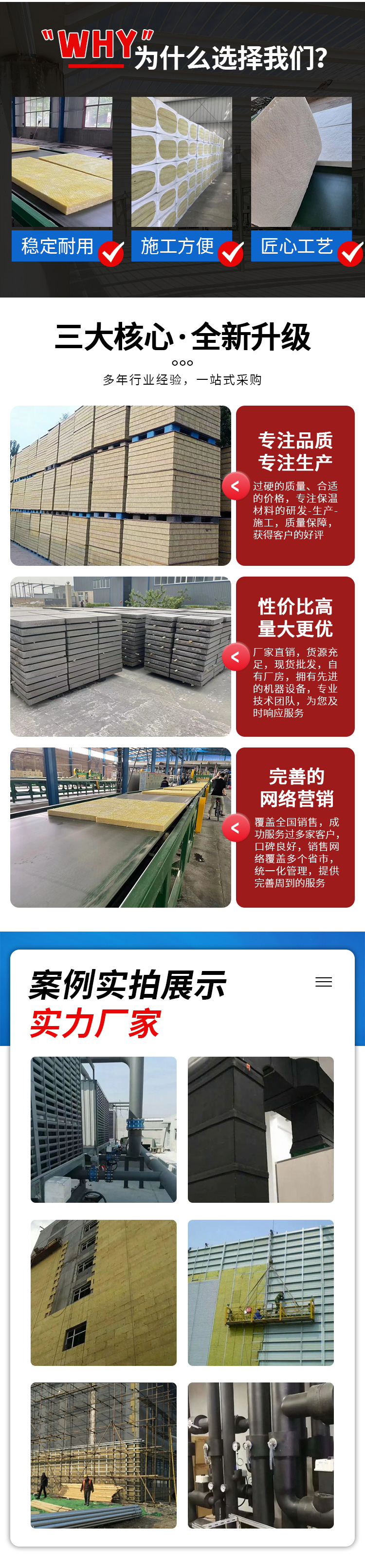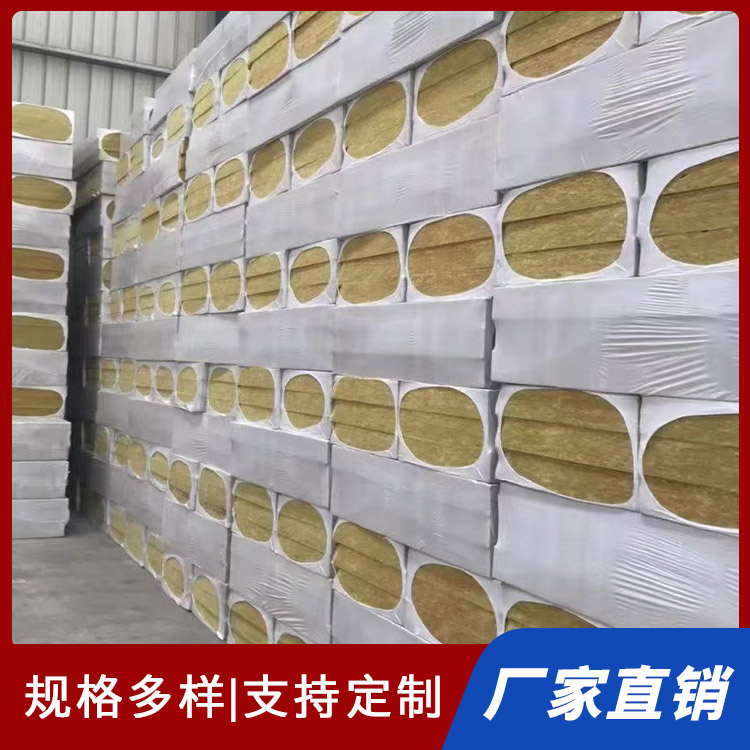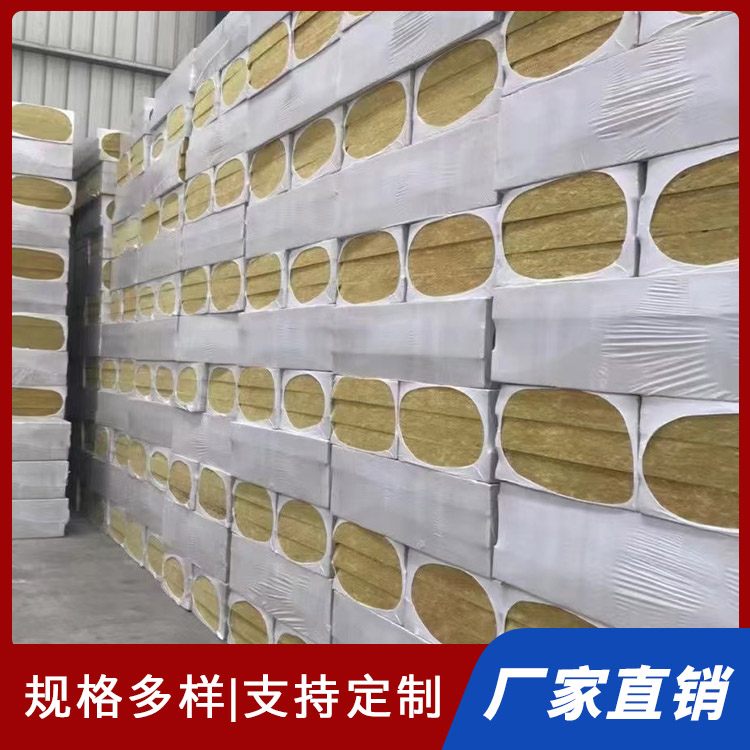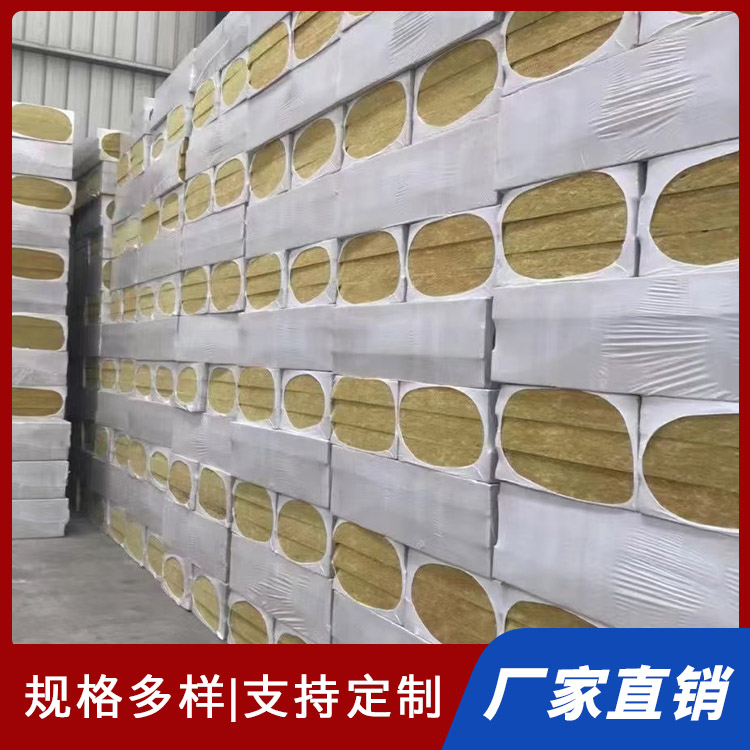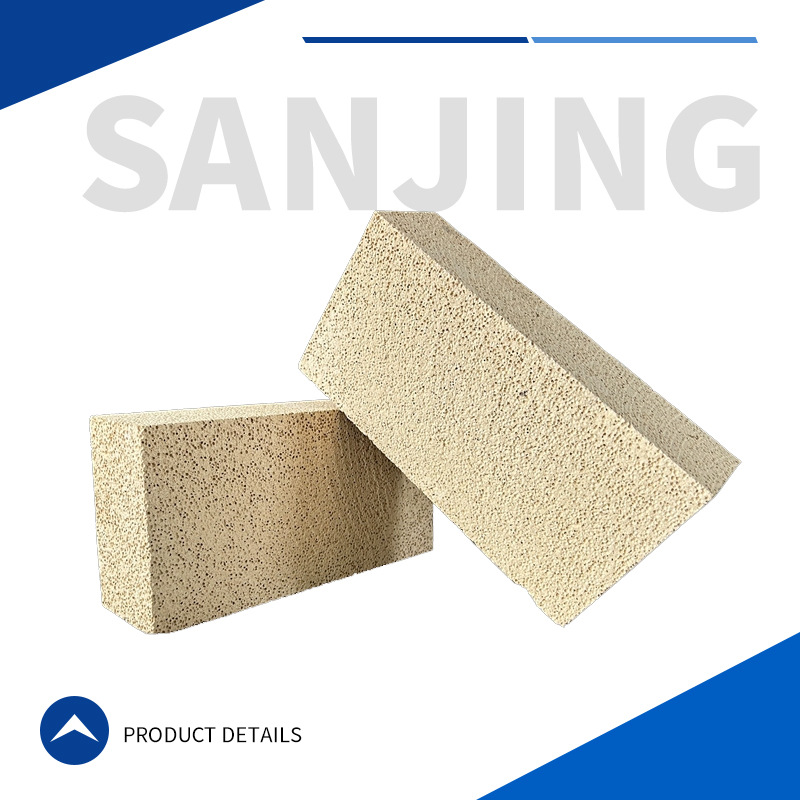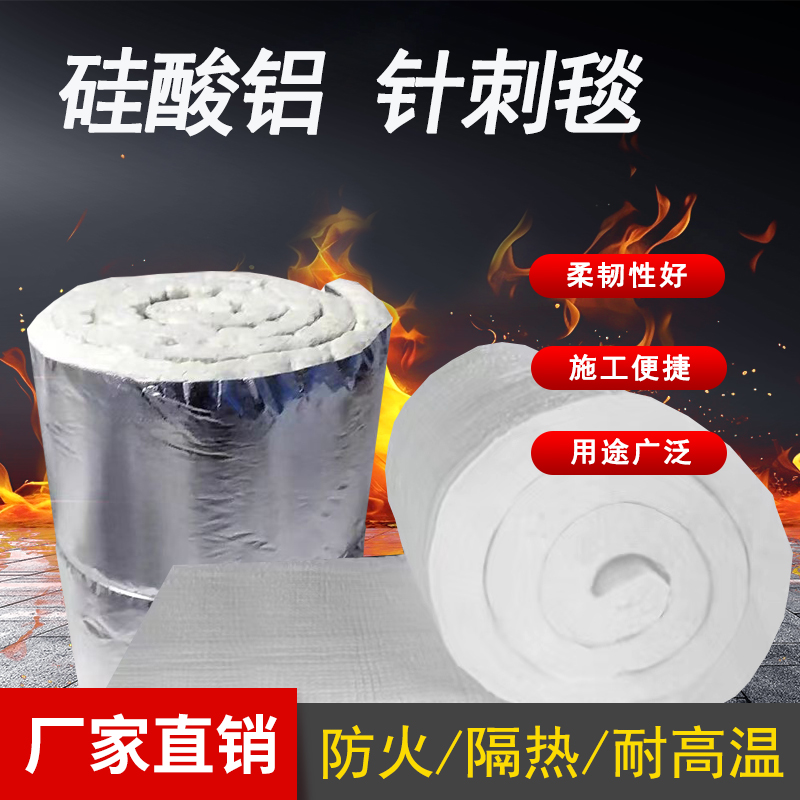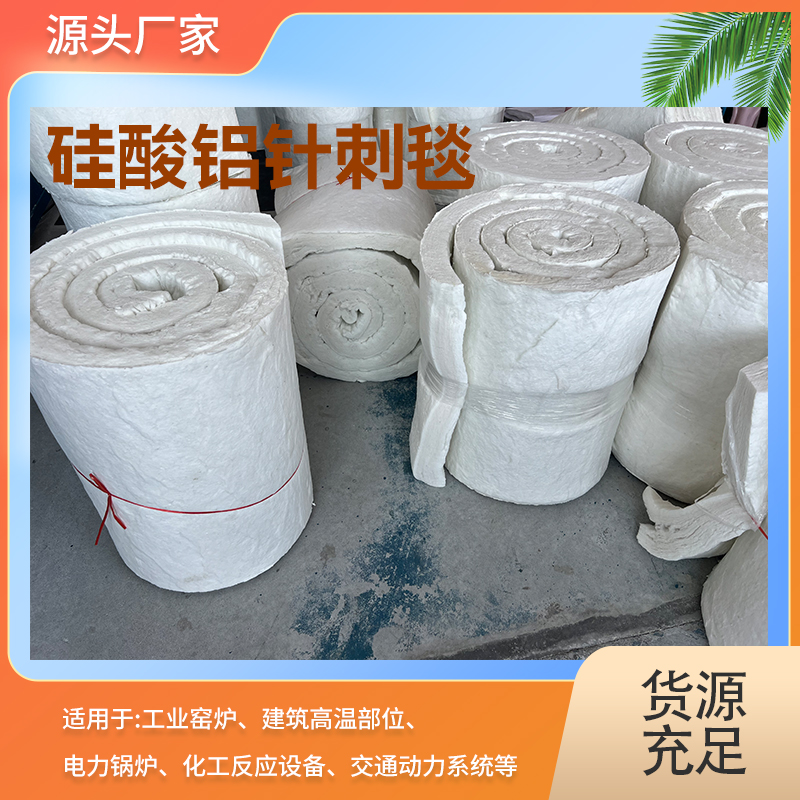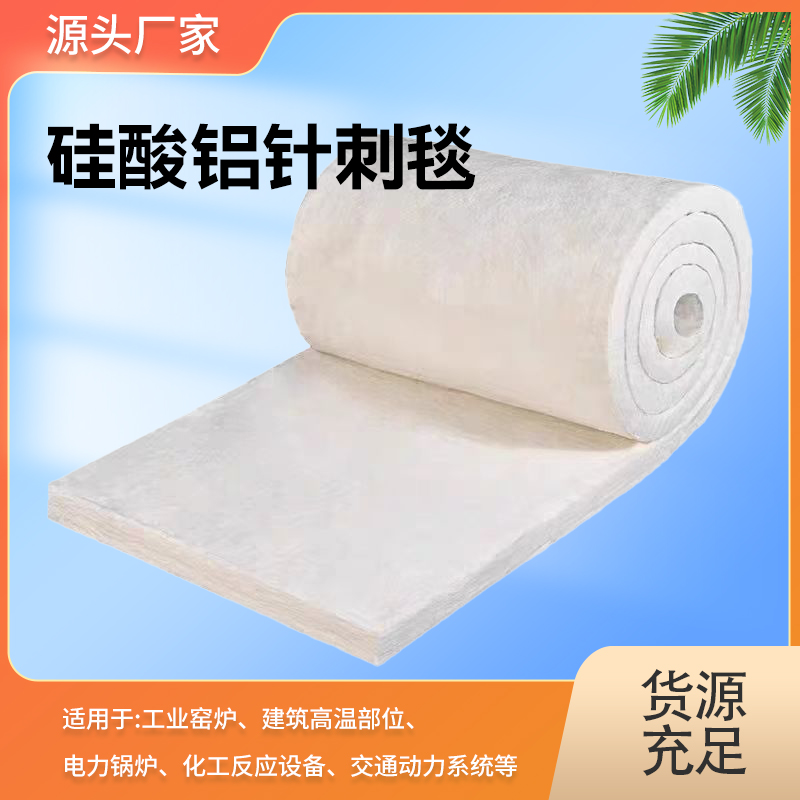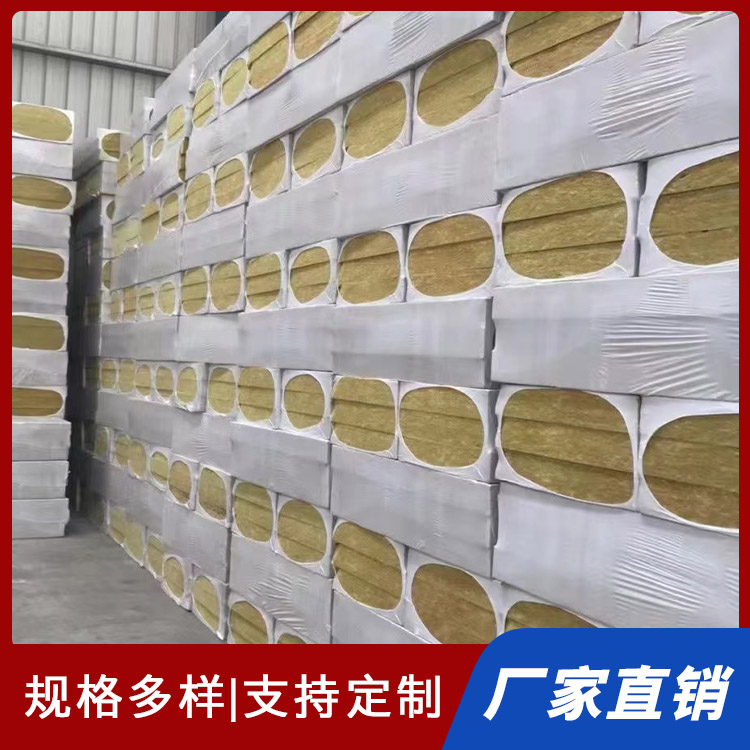



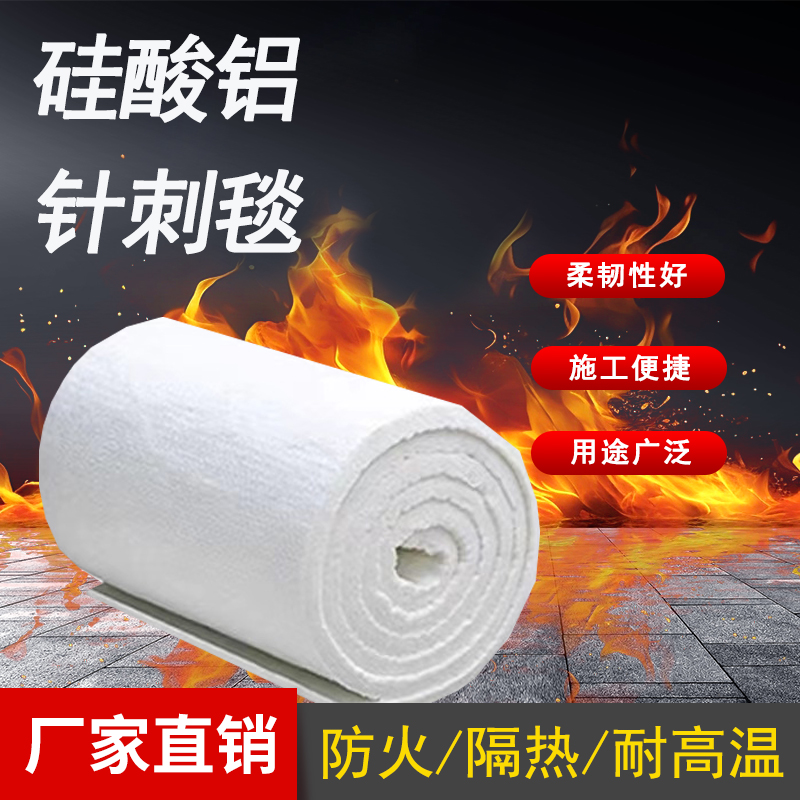
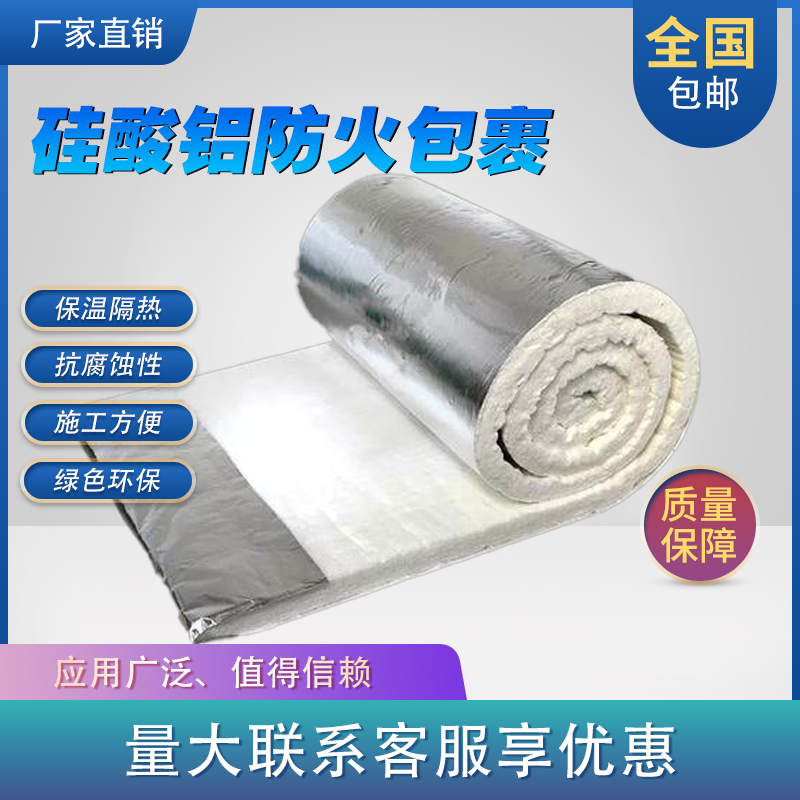
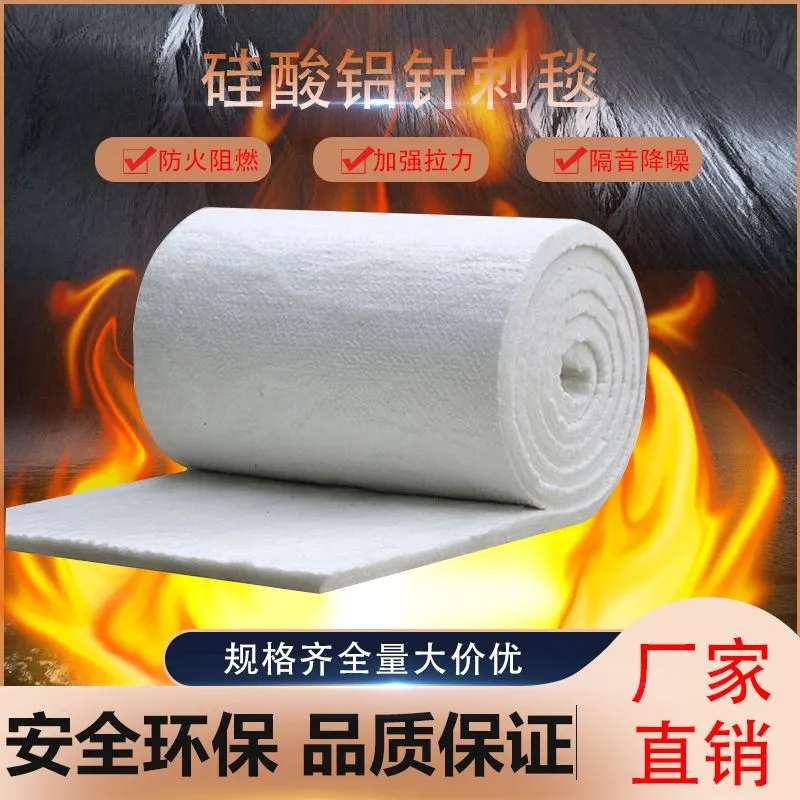






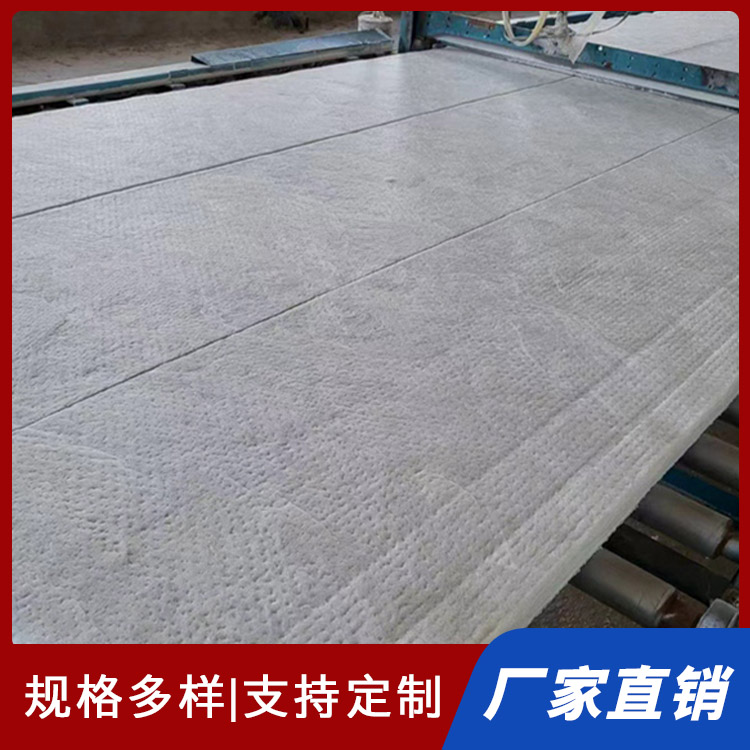


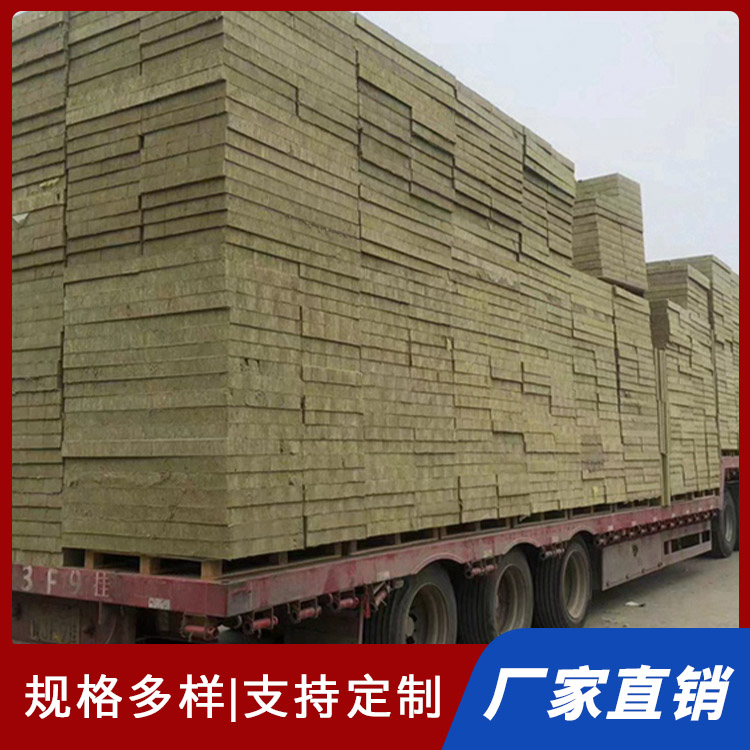
Rockwool boards are primarily made from basalt, which is melted and then spun into discontinuous fibers of 4-7 microns using a four-roll centrifugal spinning process. A certain amount of binder, dust-proof oil, and water-repellent agent is added to the rockwool fibers, followed by sedimentation, curing, and cutting. These processes result in a series of products with different densities for various applications.
Product Specifications: Available for customization to meet your requirements.
Rockwool Board Applications:
Rock wool thermal insulation boards are primarily used for fireproof and soundproofing in building partition walls and curtain walls, as well as for roof and cladding structure insulation. They are also suitable for ground heat system insulation, as well as for thermal and fireproofing in industrial furnaces, ovens, large-diameter storage tanks, and ship insulation.
Rockwool board properties
1. Insulation Performance: Good thermal insulation is a fundamental characteristic of rock wool and slag wool products. Under normal temperature conditions (around 25℃), their thermal conductivity is typically between 0.03~0.047 W/(m·k).
2. Combustion Performance: The combustion properties of rock wool and slag wool products depend on the amount of combustible binder used. Rock wool and slag wool are inorganic silicate fibers themselves and are non-combustible. During the process of manufacturing these products, organic binders or additives may be added, which can affect the combustion properties of the finished products.
3. Sound Insulation: Rock wool and slag wool products offer excellent sound insulation and absorption properties. The sound absorption mechanism is due to the porous structure of these products. When sound waves pass through, friction is generated due to the flow resistance, causing a portion of the sound energy to be absorbed by the fibers, thereby hindering the transmission of sound waves. Consequently, rock wool boards provide good sound insulation and noise reduction capabilities.
Installation method for mineral wool rock wool boards:
In building energy conservation, the installation of mineral wool mainly falls into two categories: dry-hanging and adhesive.
Drywall mainly complements building exterior materials like glass curtain walls and stone curtain walls, acting as an insulating material within the framework. Due to the heavy weight and slightly lower internal strength of mineral wool boards, there are several points to be aware of during construction. Firstly, it is essential to use galvanized wire mesh for protection and to secure it with insulating nails. For mineral wool products with significant weight, consider the construction sequence to avoid deformation caused by excessive weight.