








Product Overview
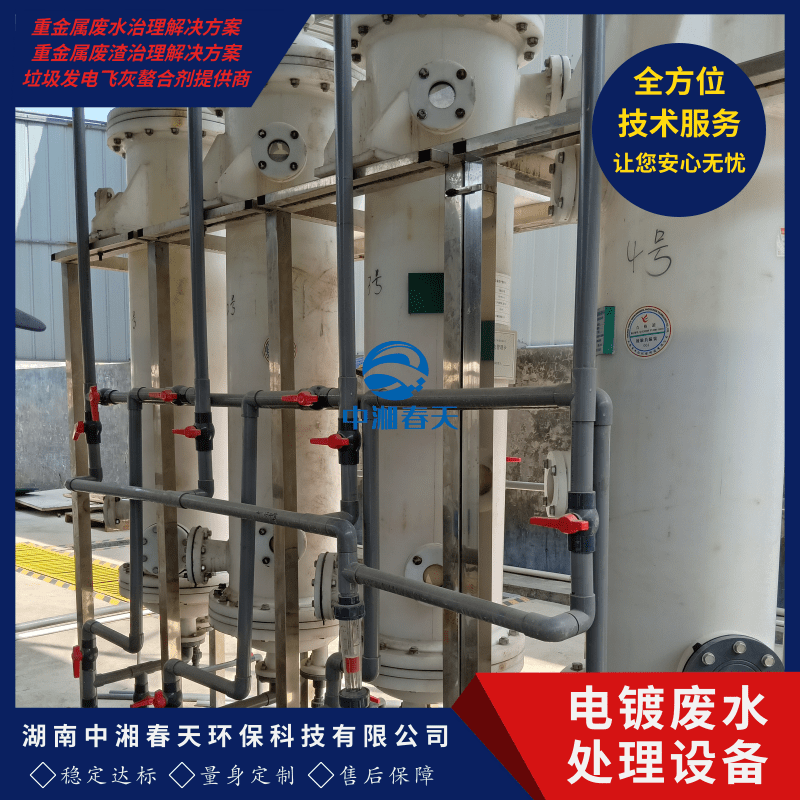
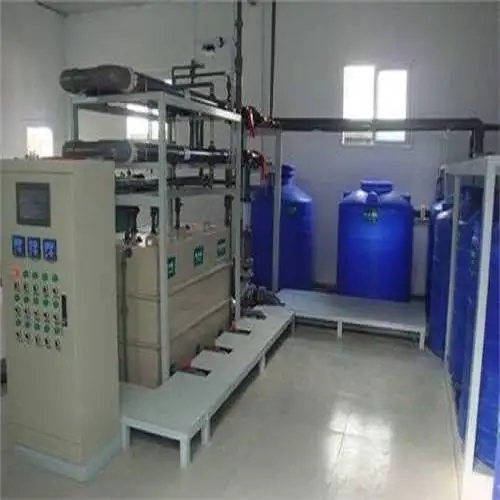
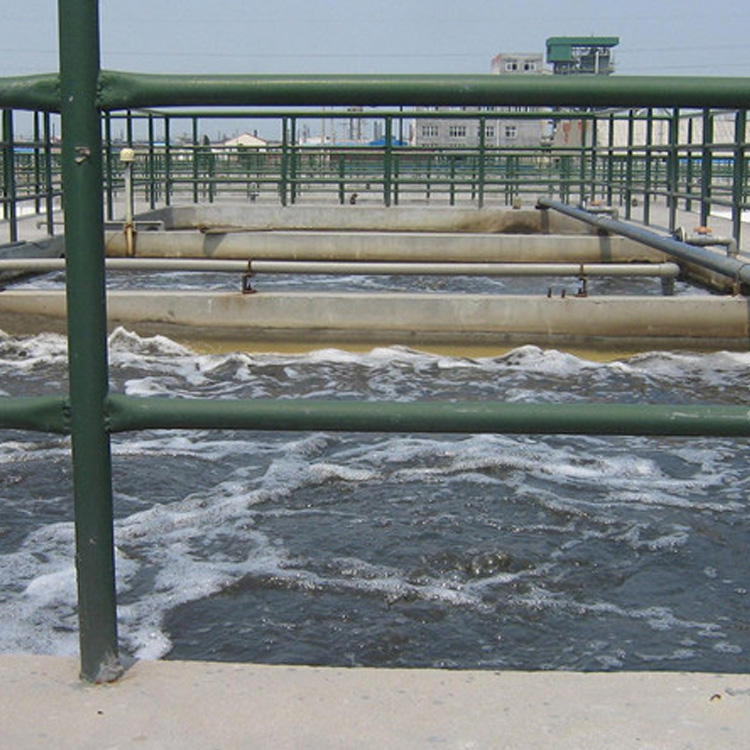
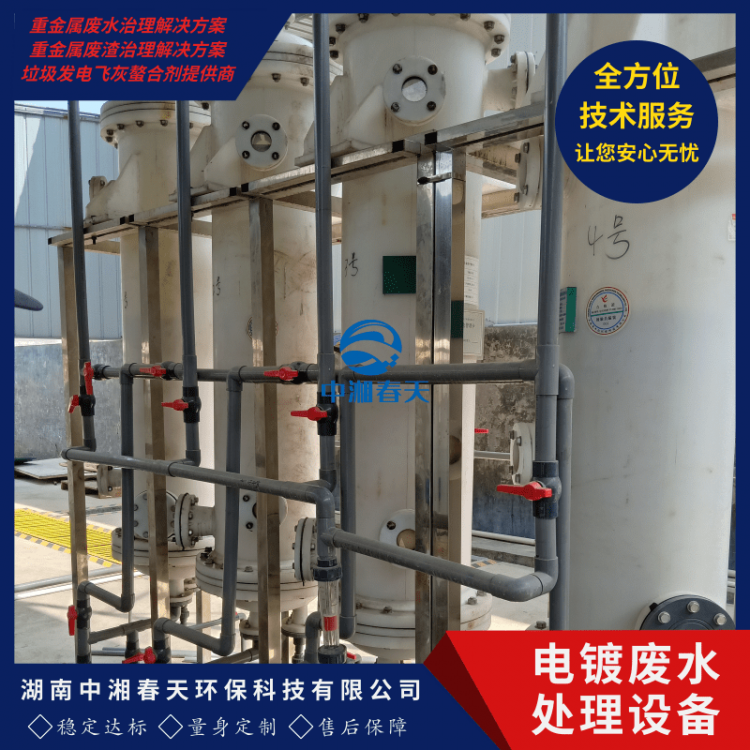
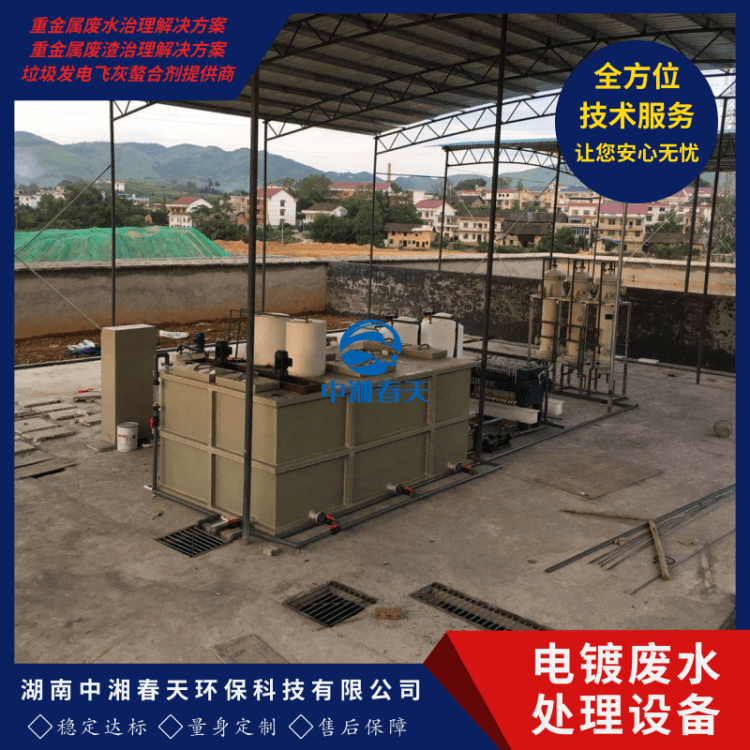
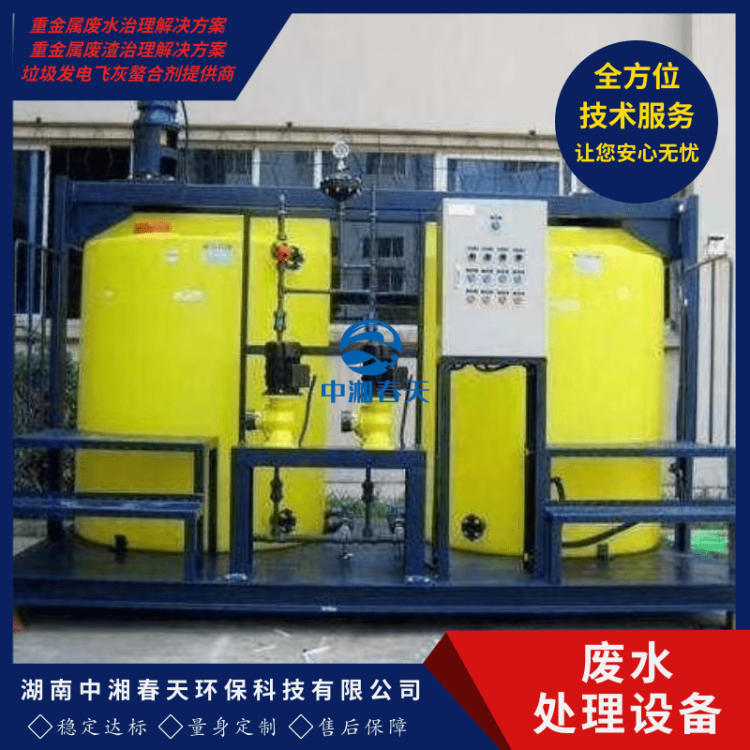
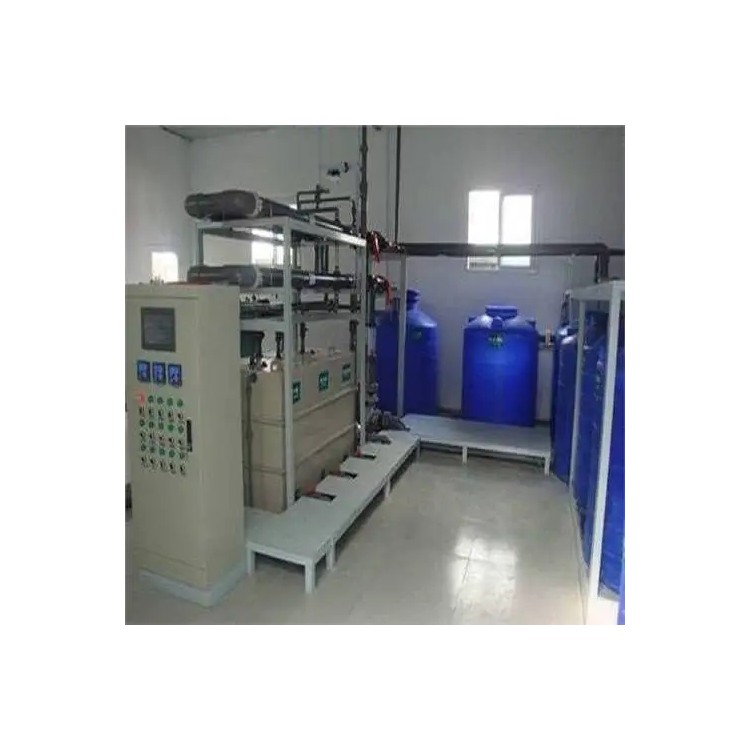
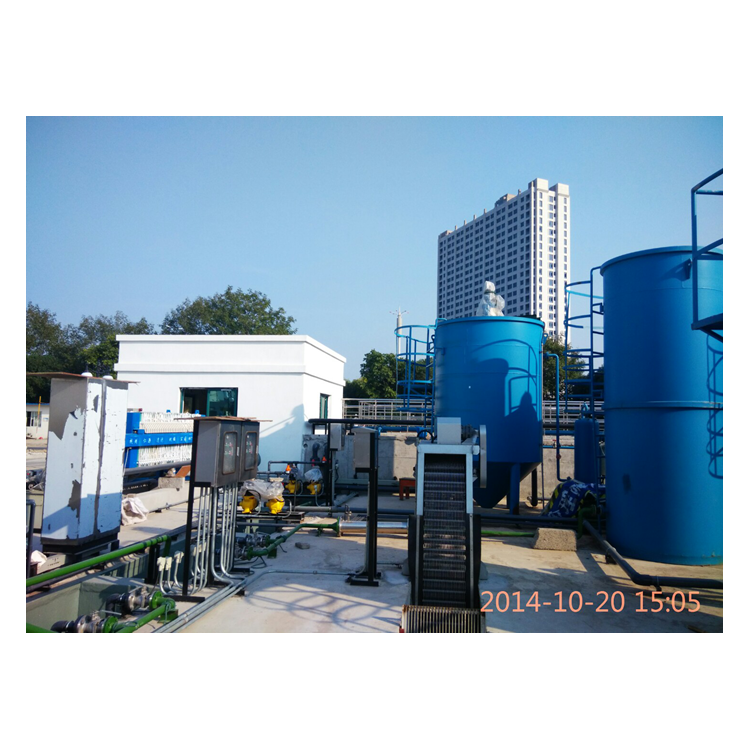
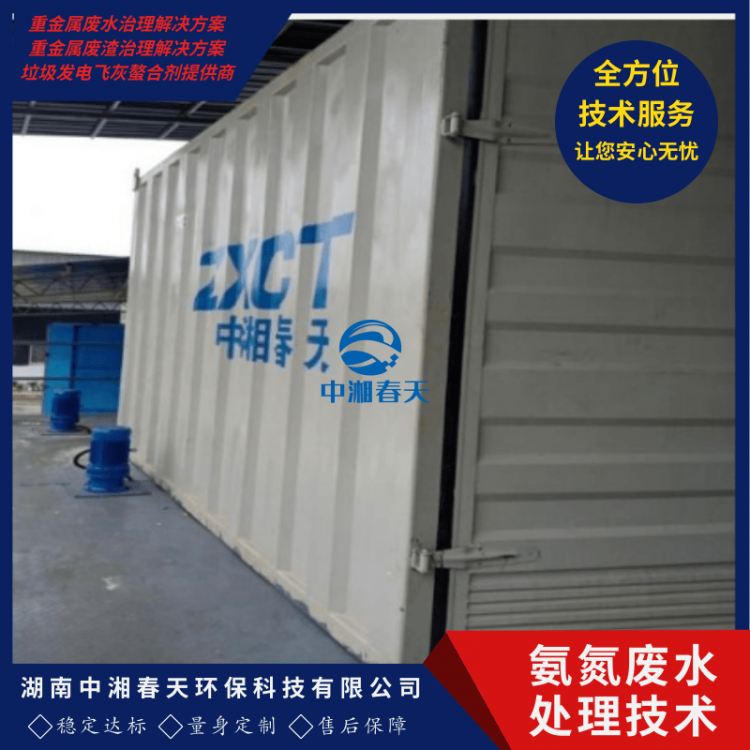
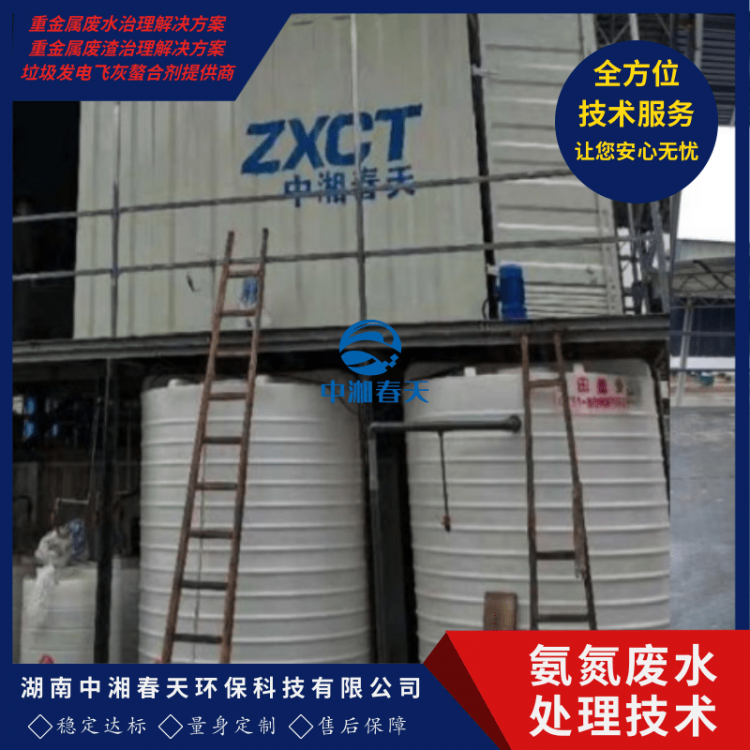
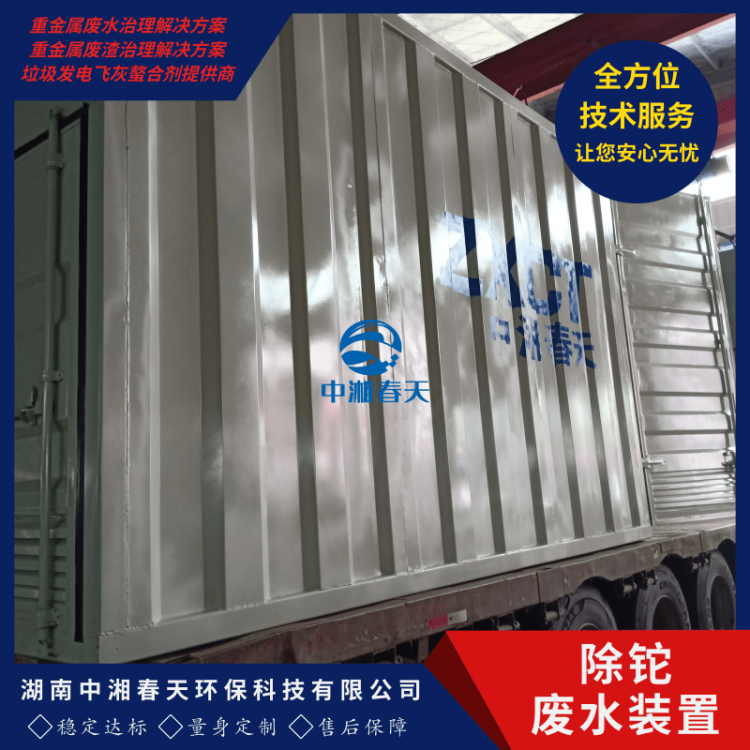
Hunan Zhongxiang Spring Environmental Protection Technology Co., Ltd. employs electroplating wastewater treatment technology that utilizes integrated pre-treatment and advanced treatment equipment. The two-stage treatment process handles heavy metal ions in electroplating wastewater, ensuring it meets the national industry's first-class discharge standards.
Plating wastewater source
(1) Plated Part Cleaning Solution
(2) Waste Electroplating Solution
(3) Other wastewater, including rinse water from cleaning the workshop floor, scraper washing water, condensate from ventilation equipment, and all kinds of tank liquids and drainage caused by leaks or improper operation and management in electroplating tanks.
(4) Equipment cooling water; the cooling water remains unpolluted during use, with the exception of temperature increase.
The quality and volume of electroplating wastewater are related to factors such as the production process, production load, operational management, and water usage methods. The quality of electroplating wastewater is complex and its composition is difficult to control, containing heavy metal ions like chromium, cadmium, nickel, copper, zinc, gold, and silver, as well as cyanides, some of which are highly toxic substances that can cause cancer, malformation, and mutations.
·Mechanism of Action
Our electroplating wastewater treatment technology employs a two-stage process. The first stage, utilizing the reagents in the pretreatment integrated equipment, can reduce heavy metal ions in the wastewater by approximately 99%. The second stage's advanced treatment integrated equipment is our core technology, featuring self-developed heavy metal ion adsorption resins, which can deeply absorb the remaining heavy metal ions in the wastewater, ensuring the treated heavy metal ions meet the first-class discharge standards.
Product Features
1. Expertly handle heavy-duty electroplating wastewater treatment.
2. New eco-friendly energy-saving technology, utilizing integrated equipment, with minimal space requirements and automated operation.
3. Easy to operate, with low cost for operation and maintenance.
4. No solid waste or liquid requiring secondary treatment is produced.
Comparison of our two-stage electroplating wastewater treatment technology with traditional electroplating wastewater treatment methods