








Product Overview
Ammmonium-nitrogen wastewater primarily originates from industrial discharge, such as from chemical, metallurgical, gas, coking, tanning, monosodium glutamate, meat processing, and aquaculture industries, as well as from landfill leachate. This type of wastewater is also toxic to fish and certain organisms. Additionally, when wastewater containing low levels of ammonium-nitrogen is recycled for industrial use, it can be corrosive to certain metals, particularly copper, and can promote the proliferation of microorganisms in water conveyance pipelines and equipment, leading to biofouling and blocking.
Existing ammonia-nitrogen treatment methods in China include blowing off, chemical precipitation, breakpoint chlorination, ion exchange, biological treatment, and membrane treatment. The technologies for ammonia-nitrogen treatment are diverse, but they all have certain issues to varying degrees, such as high investment costs, pollutants requiring secondary treatment, excessive land use, or susceptibility to environmental factors. This affects the application and promotion of ammonia-nitrogen treatment technologies in production.
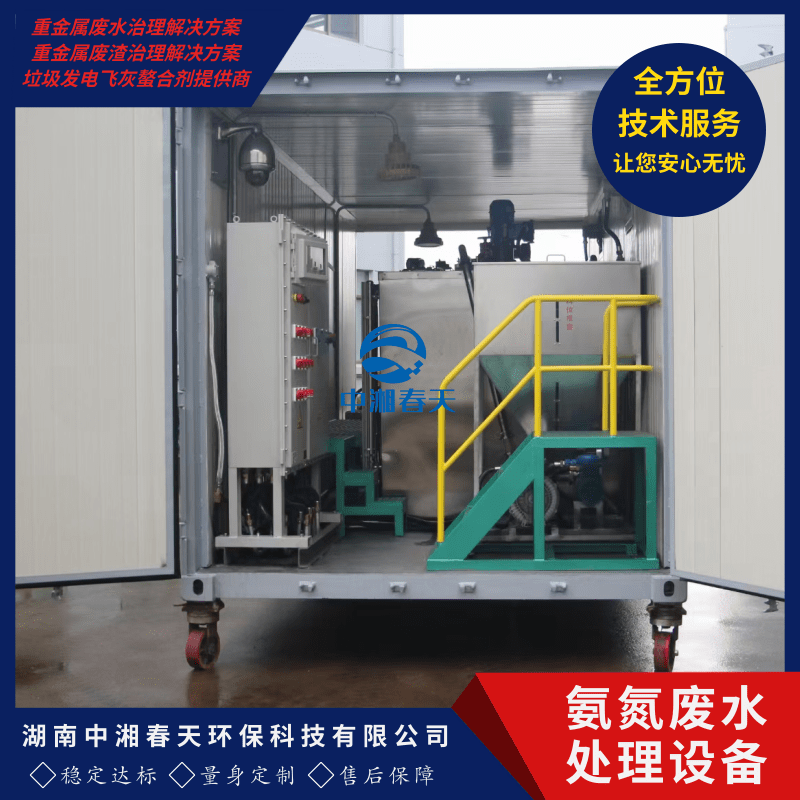
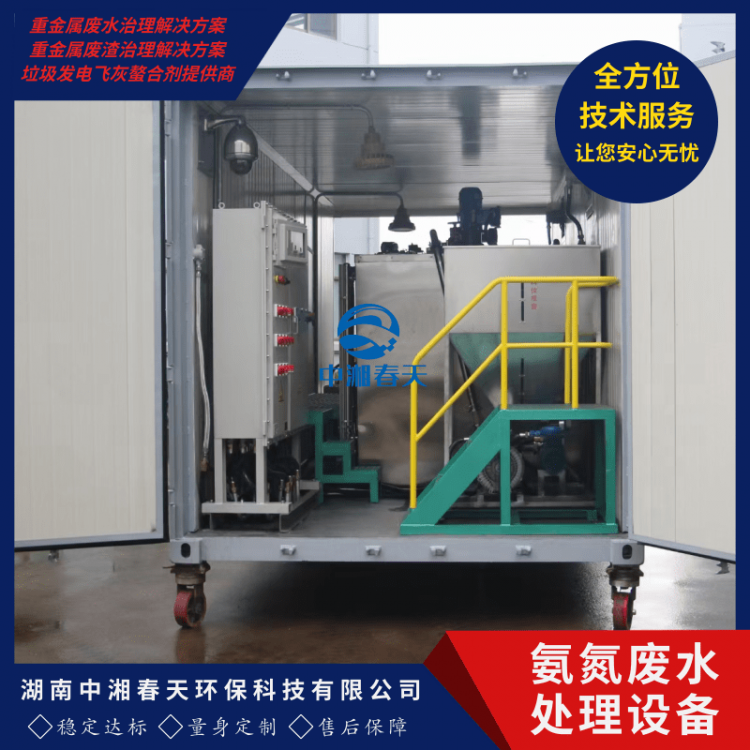
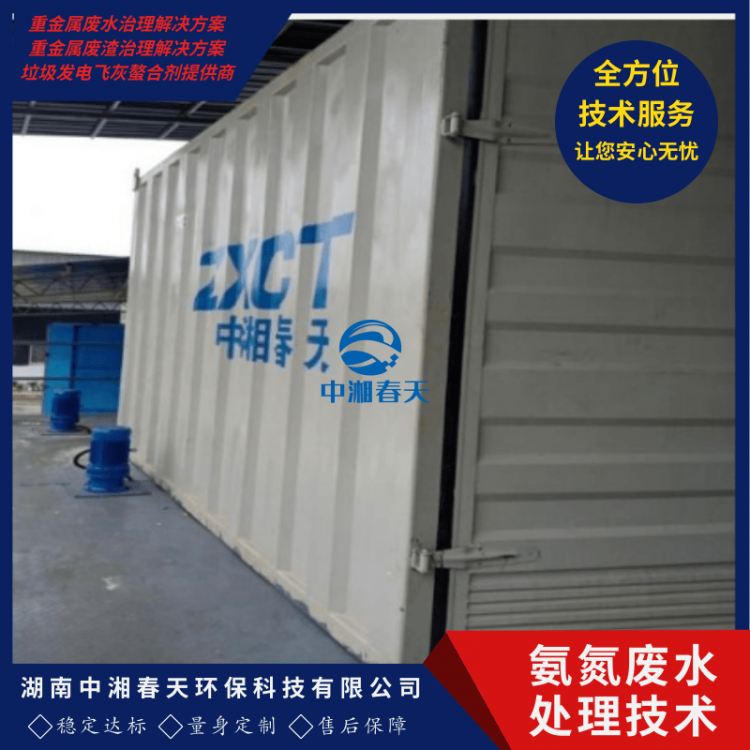
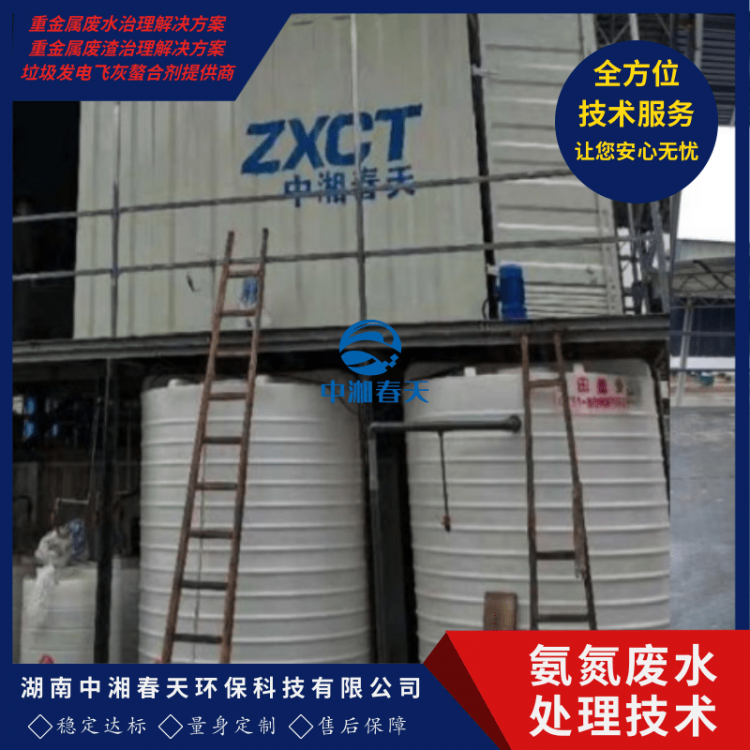
In response to the aforementioned issues, Hunan Zhongxiang Chun Tian Environmental Protection Technology Co., Ltd. in collaboration with Central South University independently researched and developed a short-range high-efficiency catalytic oxidation method for ammonia nitrogen wastewater treatment. This method avoids the aforementioned problems, effectively oxidizing and decomposing ammonia nitrogen in wastewater into nitrogen gas while significantly degrading the COD and total phosphorus content.
· Mechanism of Action
The principle of the ammonia-nitrogen wastewater treatment technology developed by Zhongxiang Spring Environmental Protection Co., Ltd.: Under the catalytic action of metal catalysts, and in conjunction with photocatalysis and chemical catalysis, the NH3 and NH4+ in the wastewater can be rapidly and progressively oxidized and decomposed into N2 and H2O. The content of ammonia-nitrogen in the effluent can be controlled according to the requirements, ensuring compliance with discharge standards and reducing energy consumption. Additionally, the active oxidative molecules can catalytically oxidize and degrade COD in the water, effectively lowering the COD content in the wastewater.
The activation oxidation mechanism is as follows:
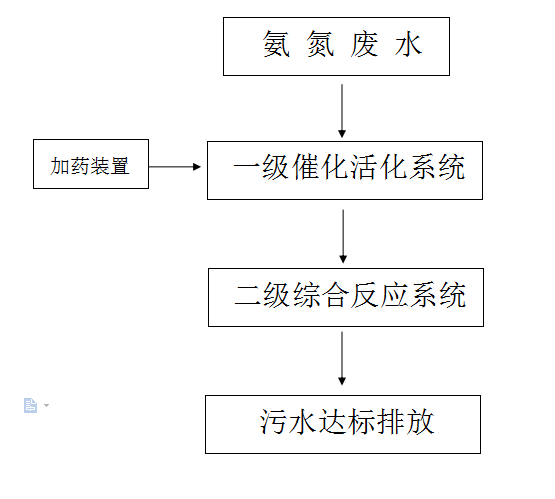
1. In the activation catalytic stage, under the action of an efficient catalyst, water molecules in the wastewater are activated and oxidized to form hydroxyl radical groups and O3+ molecules.
2. In the reaction phase, under the catalysis of a metal catalyst, NH3 and NH4+ react with the free radicals produced by the catalytic oxidation in the first stage, which are more easily oxidized and decomposed into N2 and H2O, thereby meeting the emission standards.
· Product Features
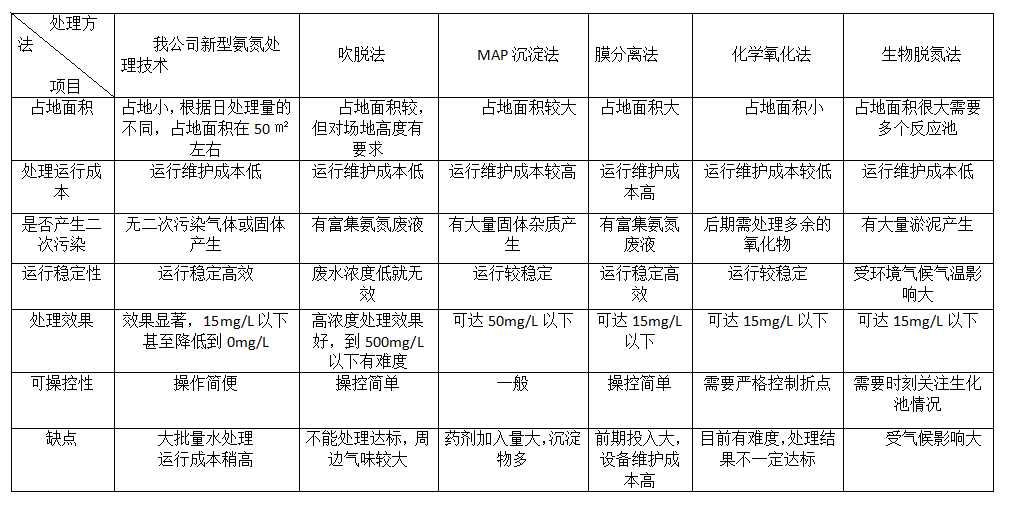
1. Initial investment costs are low.
2. New integrated environmental protection and energy-saving technology, with minimal space required for equipment.
3. Operation is stable and reliable, unaffected by environmental temperature, with consistent treatment results, capable of running automatically for 24 hours a day.
4. Treats the wastewater itself without introducing new substances, producing no sludge or other solid waste.
5. For high-concentration ammonia nitrogen wastewater, it also shows significant effects and has an oxidizing effect on COD as well, achieving the purpose of simultaneous treatment.
Comparison of Our Company's New Ammonium Nitrogen Treatment Technology with Traditional Methods
· Process drawings
· Engineering Case Studies
Project Name: Industrial Ammonia Nitrogen Wastewater Treatment Project
Location: Ningxiang City, Hunan Province
Engineering Overview: 200 m³/d Ammonia Nitrogen Wastewater Treatment Project
Water Treatment Capacity: 200 m³/day
Inflow NH3-N: 500 mg/L
Inflow pH Value: 7-9
NH3-N emission standard: ≤25mg/L
Treated NH3-N water quality: 0-15 mg/L
Effluent pH: 7-9
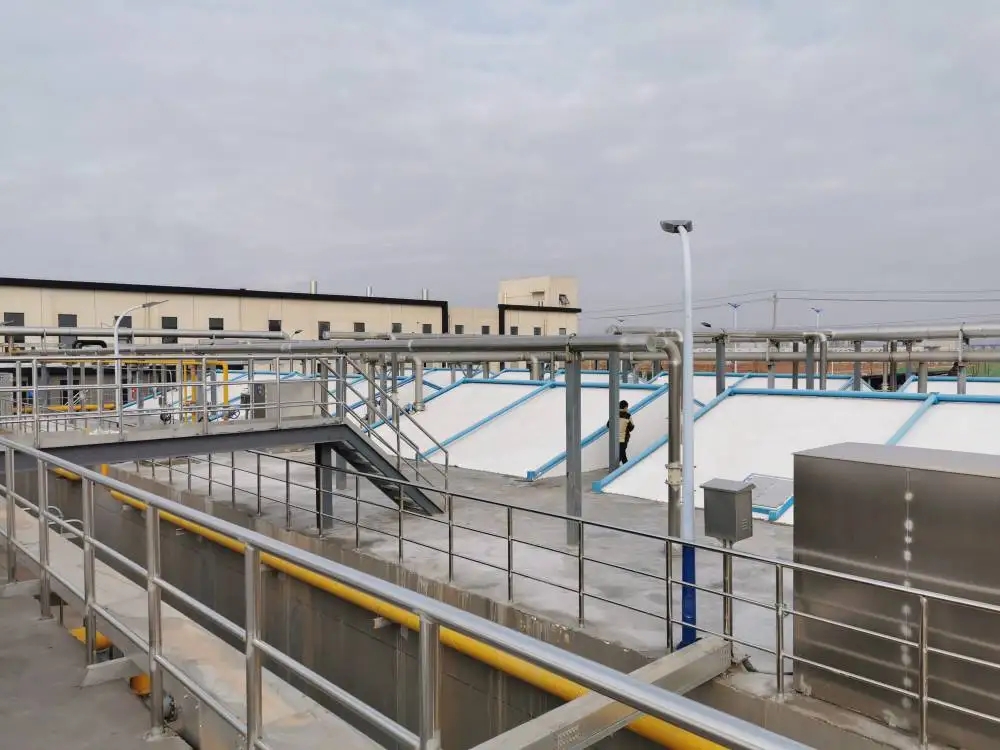
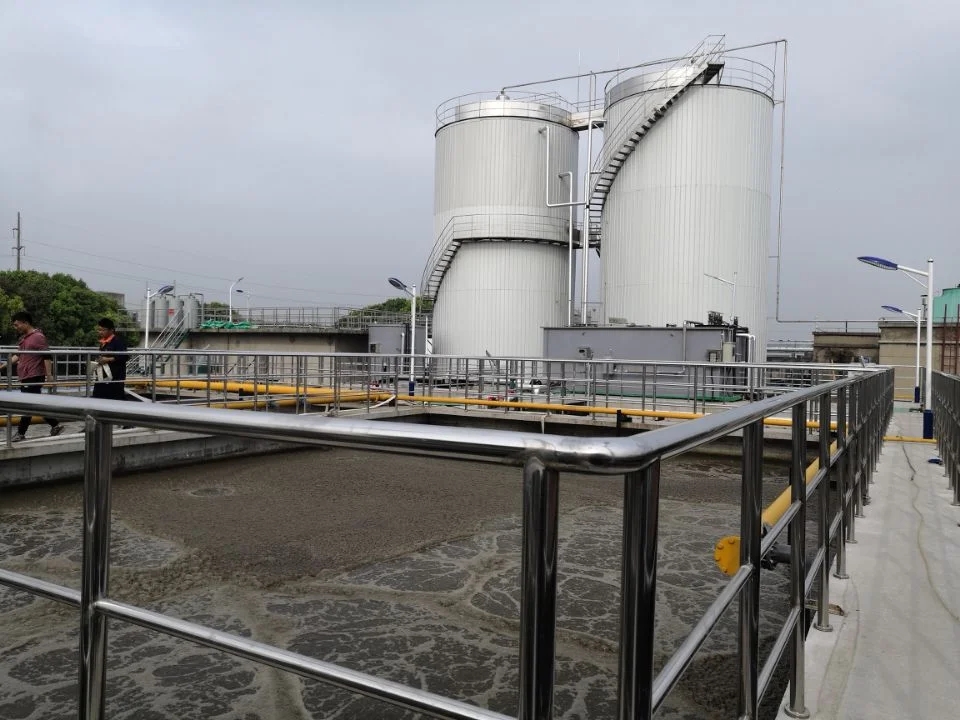
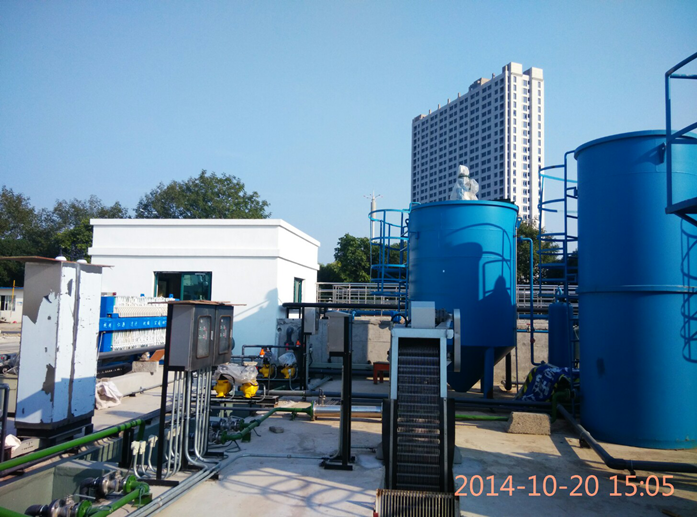
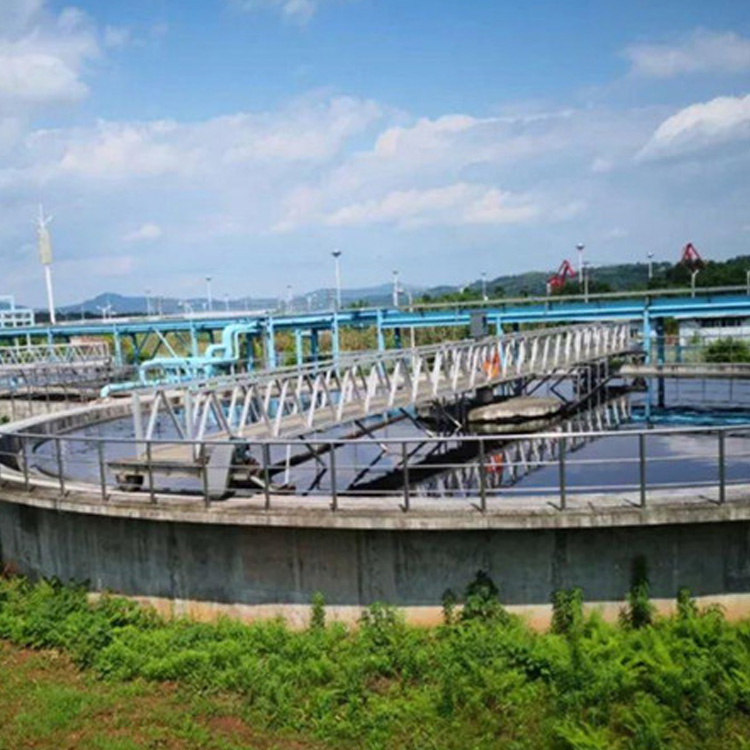
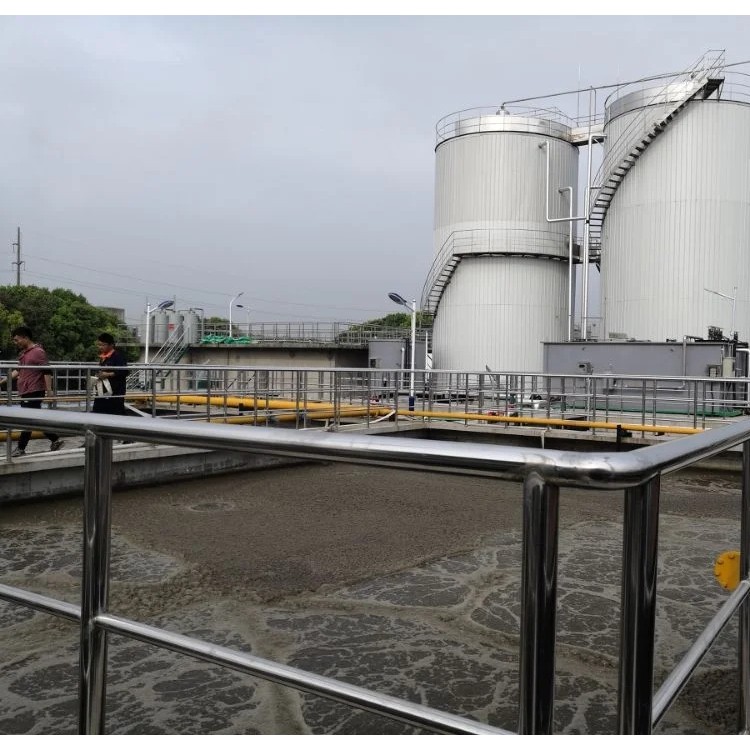
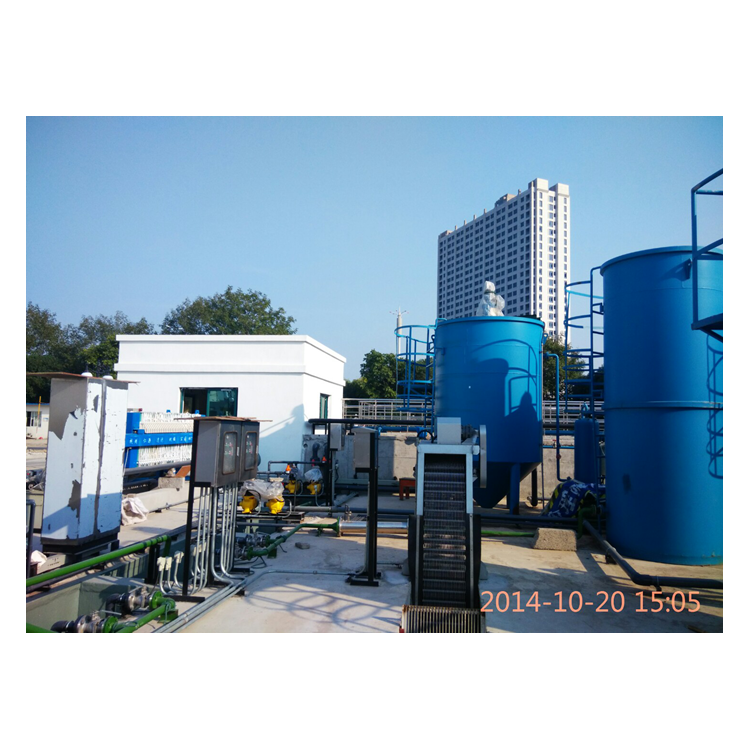
This project has an influent ammonia-nitrogen concentration of 500 mg/L, with an effluent concentration of less than 15 mg/L. It can treat 200 m³ of ammonia-nitrogen wastewater per day, representing a typical small to medium-sized industrial ammonia-nitrogen wastewater treatment project for our company.
Our company utilizes a metal catalyst + photocatalytic catalyst oxidation method to directly activate and decompose ammonia nitrogen in wastewater under certain conditions, converting the ammonia nitrogen in wastewater into harmless N2, which can be directly released into the air without generating solid waste. After wastewater treatment, the ammonia nitrogen content in the effluent can be reduced to the lower limit of the discharge standard or theoretically to zero. The core advantage of this solution is its short-term, stable, and efficient process, with minimal land use and noticeable stable treatment effects. Therefore, it can effectively address issues for special wastewater with high ammonia nitrogen content, exceeding total phosphorus, total nitrogen, COD levels, colony counts, and complex compositions, especially in small to medium-scale water quantities.