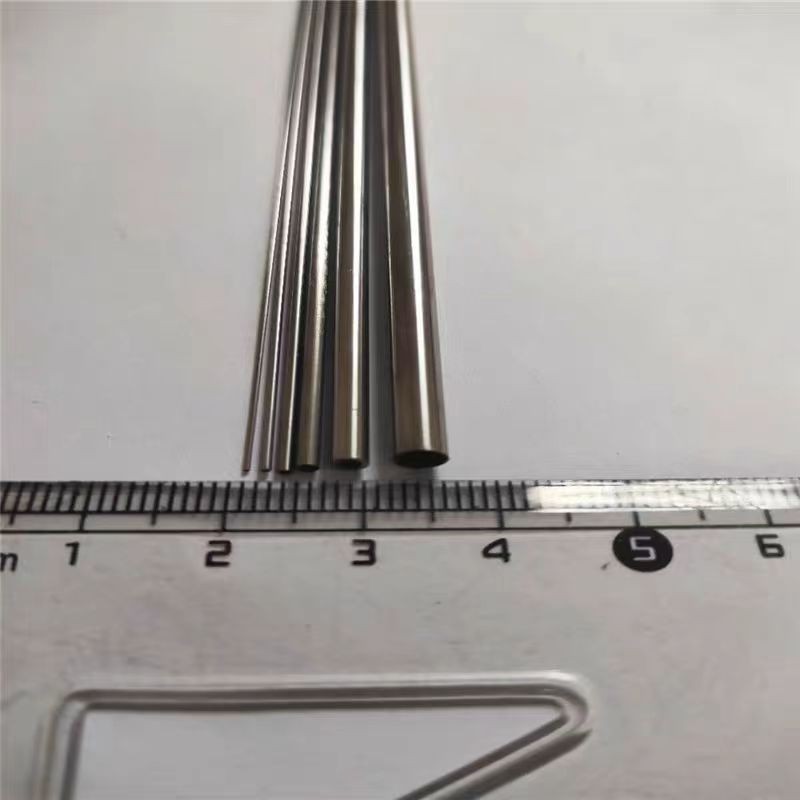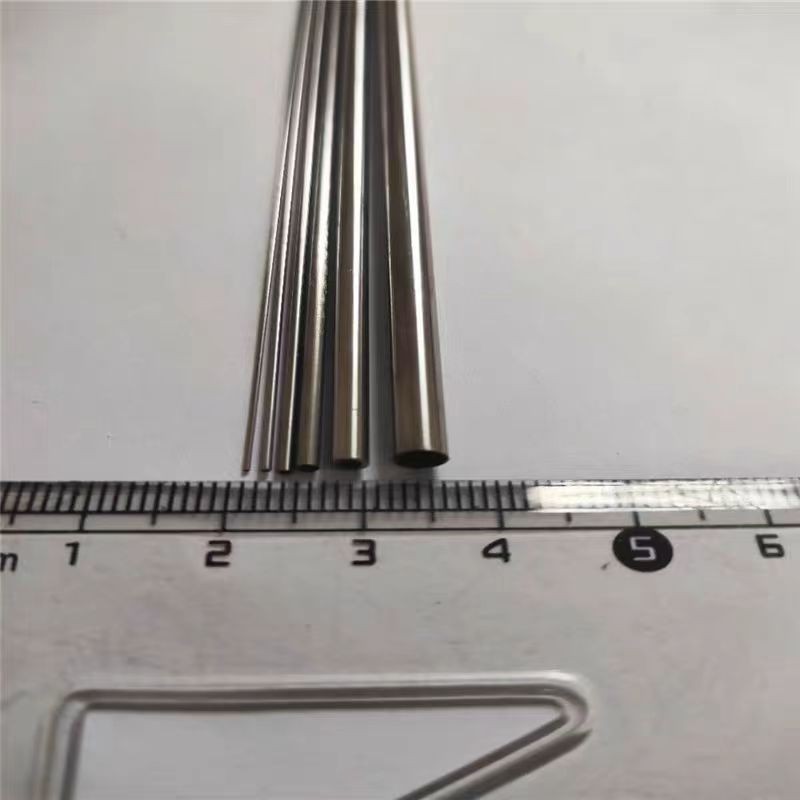

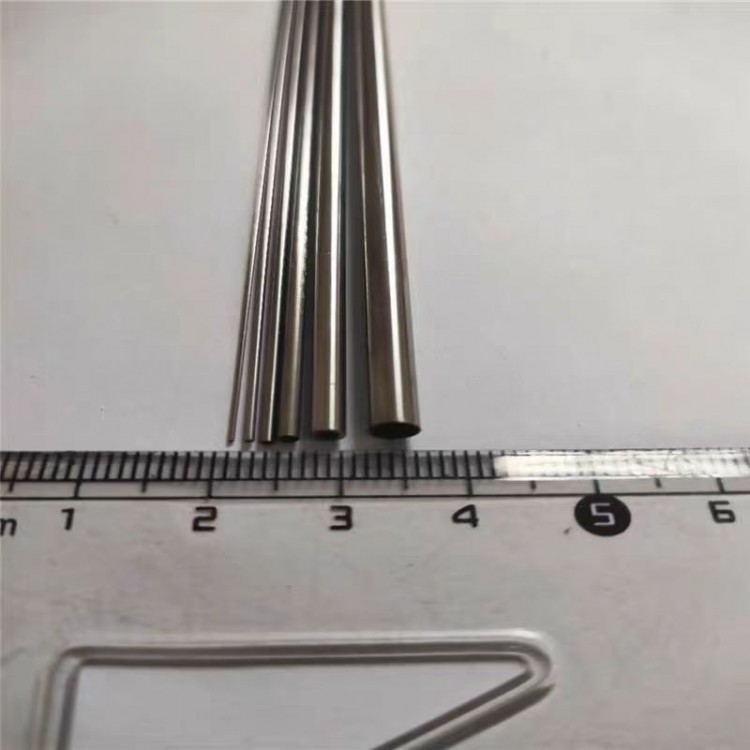

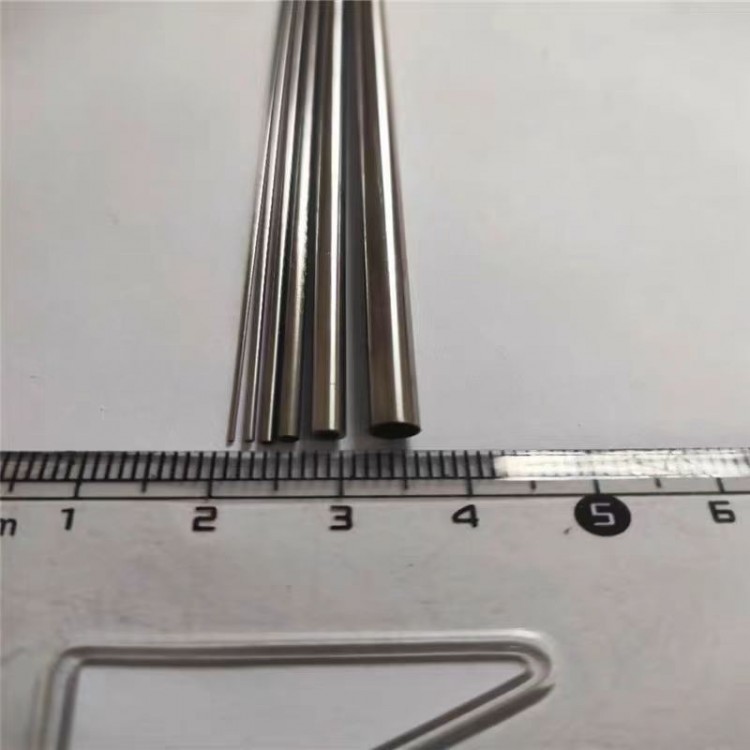
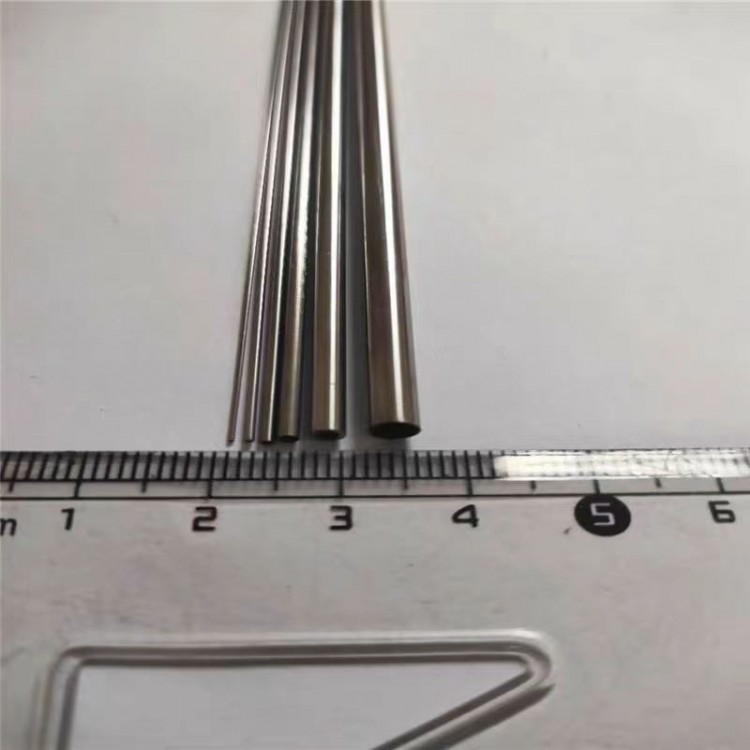
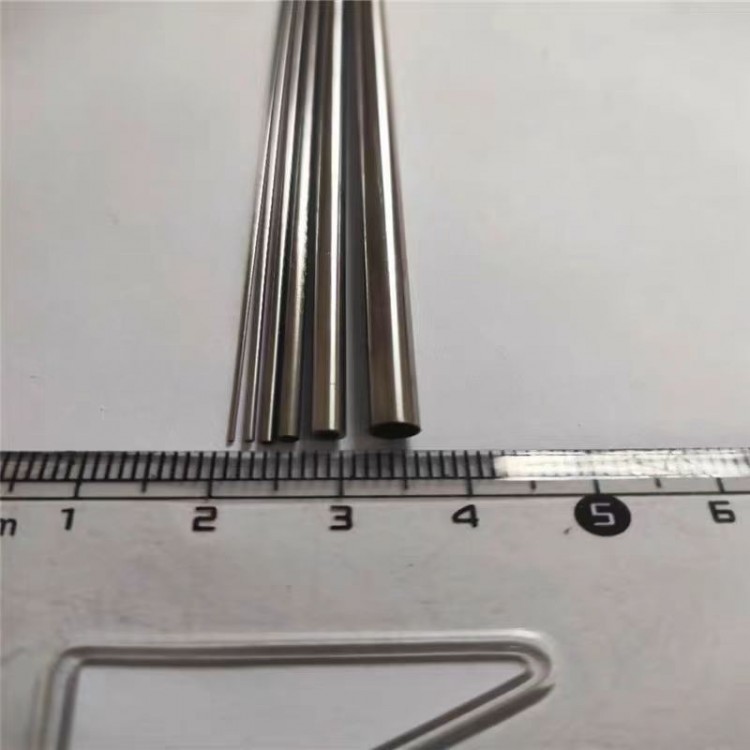








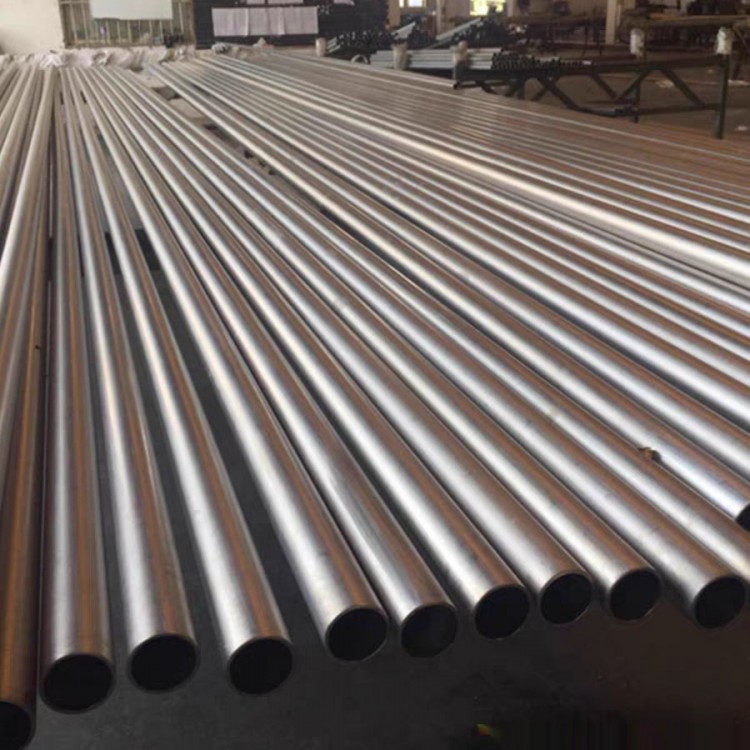
Titanium Capillary Tube Introduction
Domestic commonly used grades include TA1, TA2, TC4, etc., while American grades are GR1, GR2, GR5, etc.
I. Material Characteristics
Excellent corrosion resistance: Titanium performs exceptionally in many corrosive environments. Titanium capillary tubes can withstand corrosion from various acids, alkalis, and salt solutions. For instance, in marine environments, where there is a high concentration of salt and moisture, titanium capillary tubes are not easily corroded like some common metal materials, making them widely used in marine engineering, seawater desalination, and other fields.
2. Higher strength-to-weight ratio: Titanium has a relatively low density while maintaining high strength. Titanium capillary tubes are lightweight while being able to withstand certain pressure and external forces. In the aerospace industry, weight reduction is a crucial factor, and titanium capillary tubes can be used in systems that are sensitive to weight, such as fuel delivery systems.
3. Excellent Biocompatibility: Titanium is a biocompatible material, and in the medical field, titanium capillaries can be used to manufacture medical devices such as implantable drug delivery systems. The human body has a low rejection reaction to titanium, which is beneficial for patients' recovery and long-term use.
Section II: Application Fields
Chemical Industry: Titanium capillary tubes can serve as conveyance pipelines for trace liquids or gases in chemical experiments and production processes. Due to their corrosion resistance, they can safely transport corrosive chemicals such as strong acid and alkali solutions.
2. Electronics Industry: Titanium capillary tubes can be used to manufacture miniature heat dissipation channels in the production of electronic products. As electronics generate heat during operation, an effective heat dissipation path is required. The excellent thermal conductivity and appropriate size of titanium capillary tubes meet this need. Additionally, in the manufacturing of high-precision electronic components, titanium capillary tubes can also serve as part of the vacuum encapsulation, ensuring that the electronic components operate in an oxygen-free and dry environment.
3. Medical Industry: As mentioned earlier, titanium capillaries can be used to manufacture implantable medical devices. Additionally, they can serve as tools for micro-sample collection or transportation in medical testing equipment. For instance, in blood testing devices, titanium capillaries can accurately collect and transport微量 blood samples, ensuring the accuracy of the test.