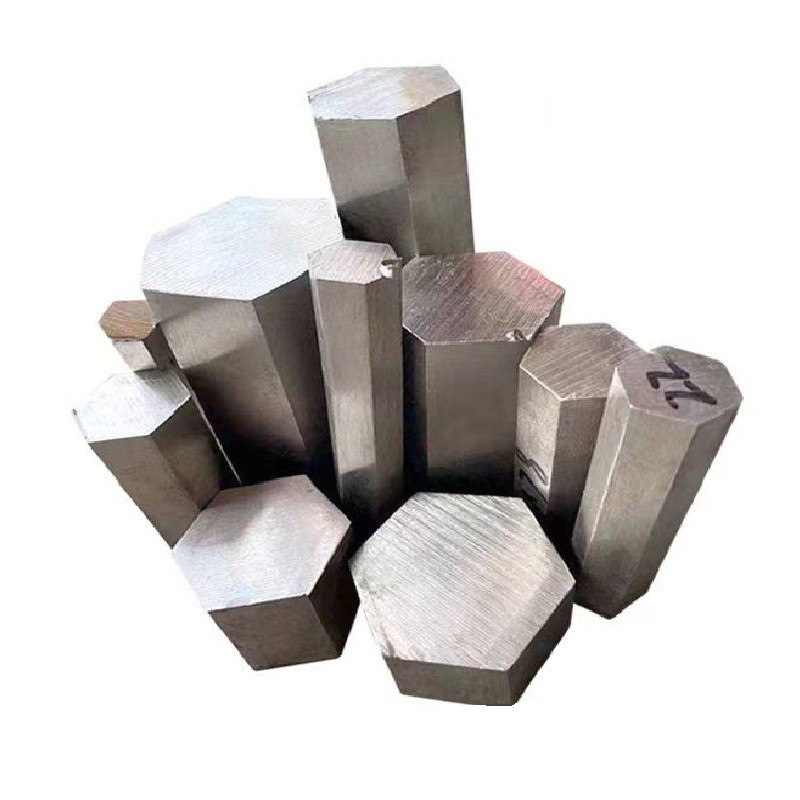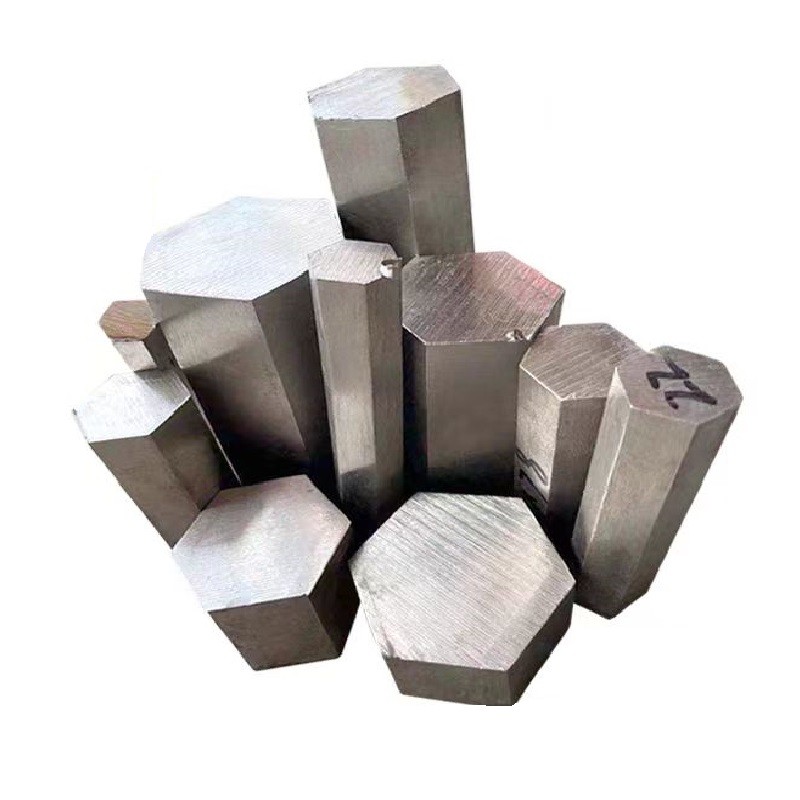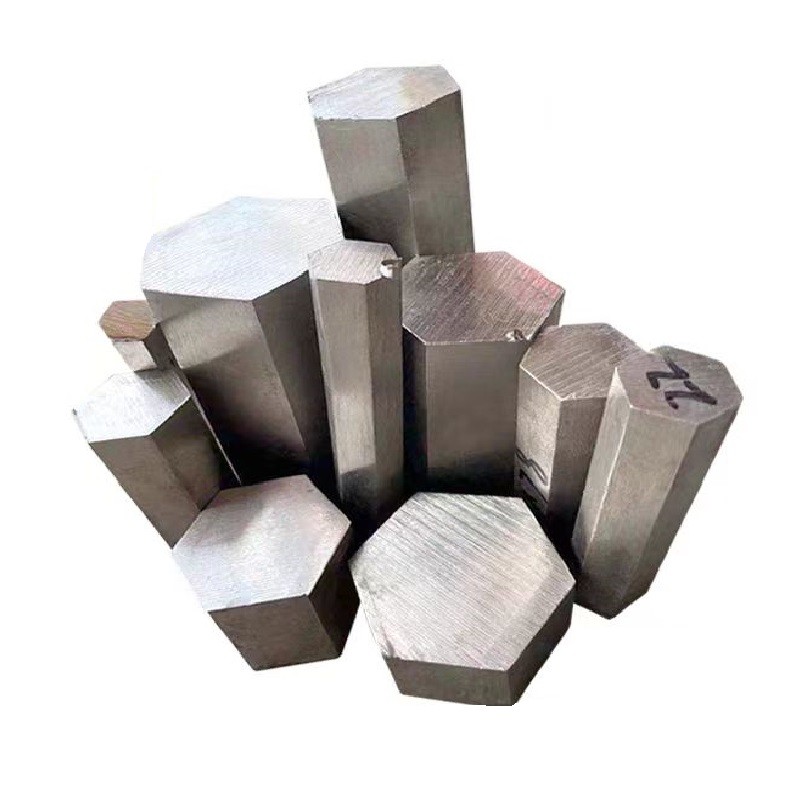

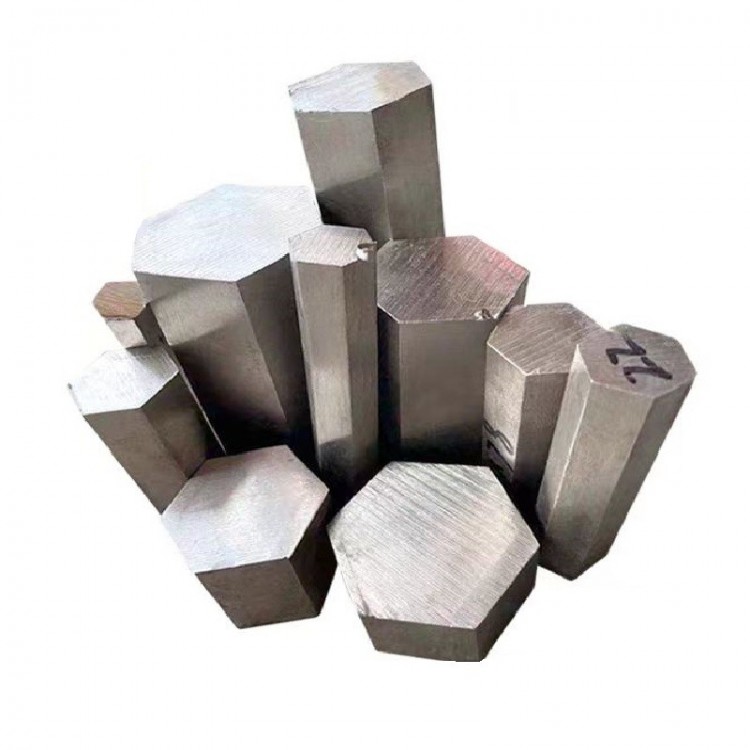


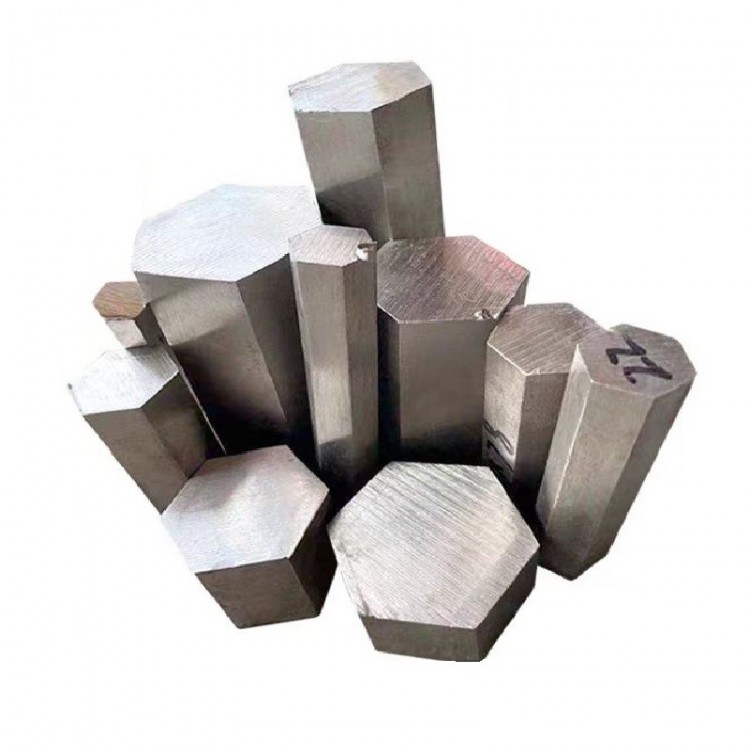








Nickel-based Alloy Hexagonal Bar Introduction
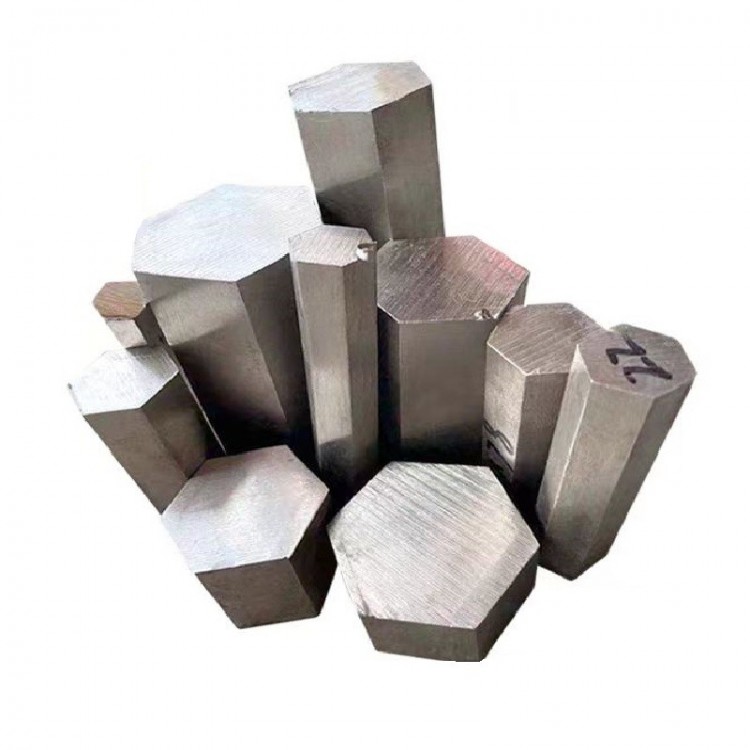
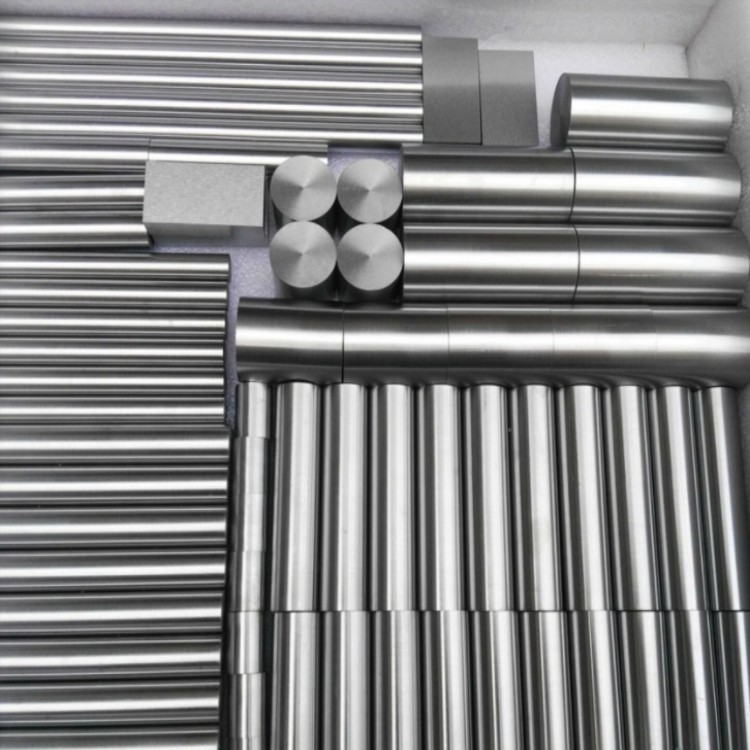
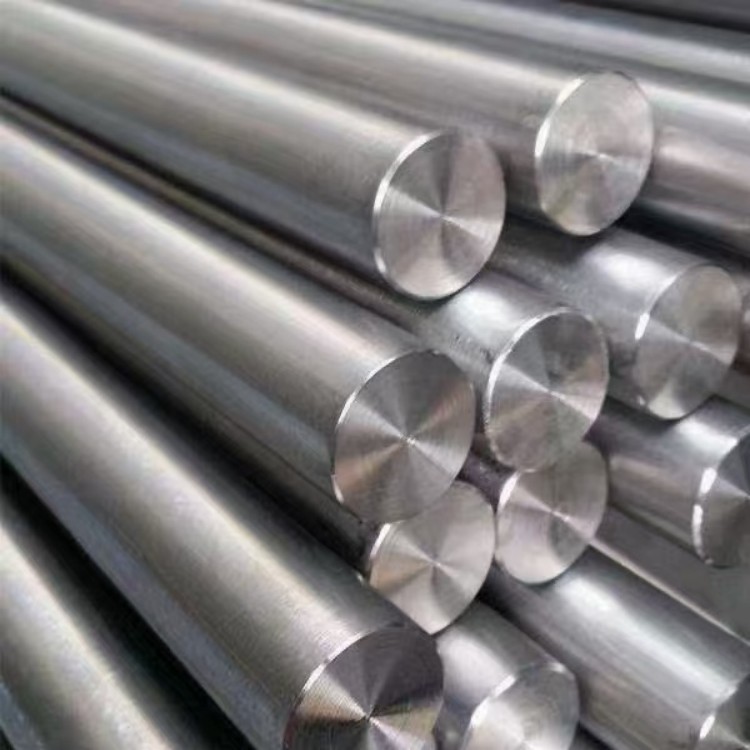
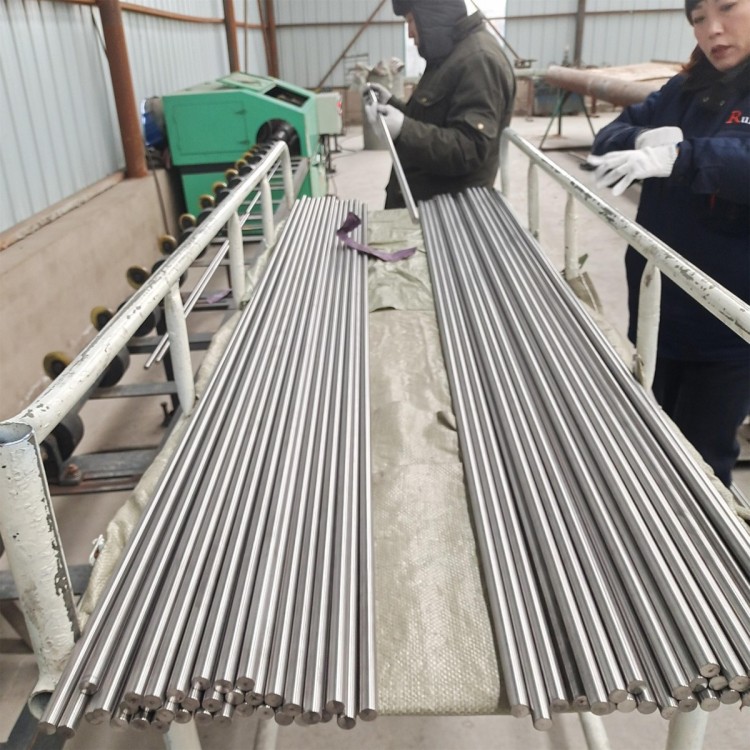
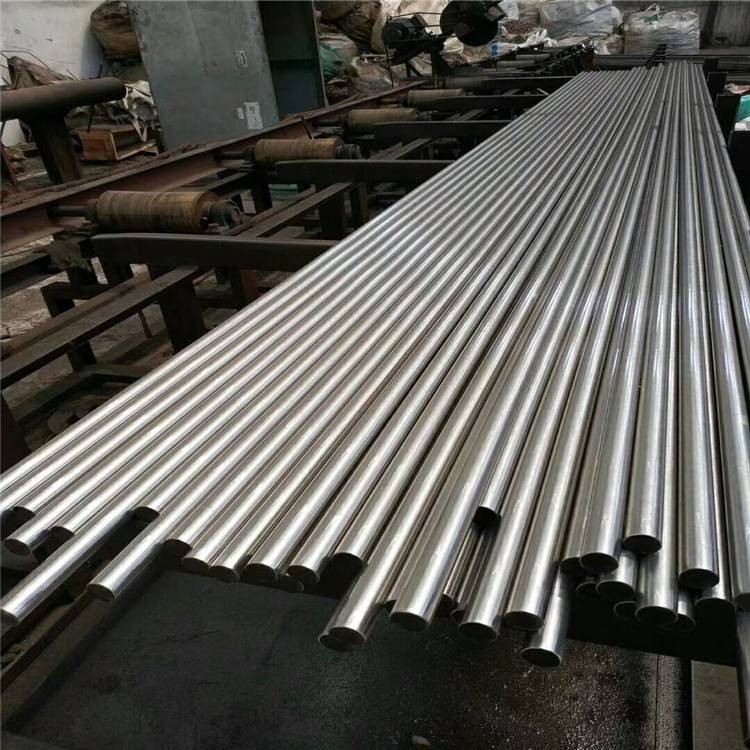
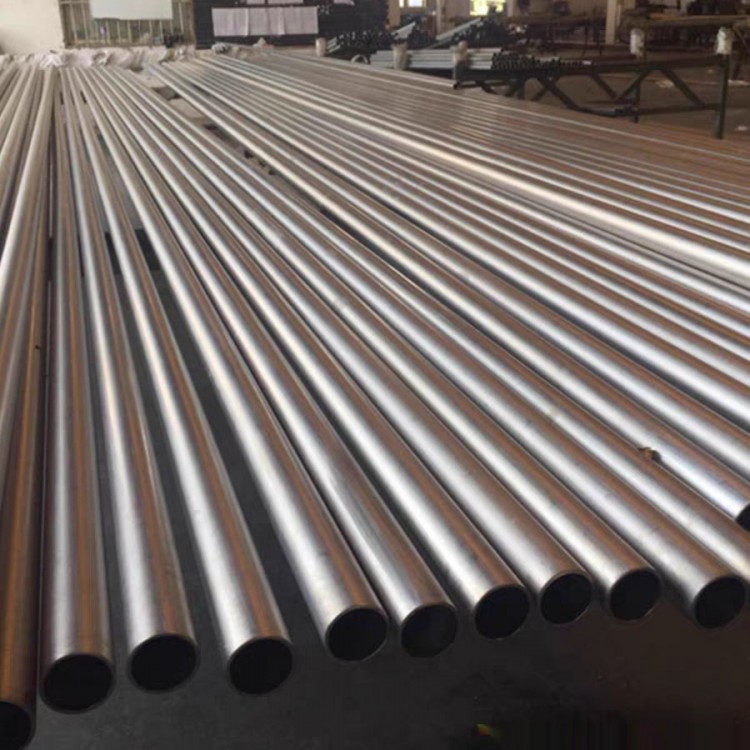
Nickel-based alloy hexagonal bars are solid, elongated metal rods with a hexagonal cross-section, primarily composed of nickel.
2. Common Nickel Alloys Hexagonal Bar Grades and Composition
GH3128: Main components include nickel (balance), tungsten (7.50 - 9.00%), molybdenum (7.50 - 9.00%), aluminum (0.40 - 0.80%), titanium (0.40 - 0.80%), etc., with high plasticity, excellent persistent creep strength, and good oxidation resistance, as well as stamping and welding properties.
(2) Inconel 625: Comprising nickel (≥58%), chromium (20-23%), molybdenum (8-10%) and other elements, it boasts exceptional corrosion resistance to a variety of corrosive media in both oxidizing and reducing environments. It also exhibits excellent resistance to pitting, crevice, intergranular corrosion, and erosion in chloride media.
(3) Monel 400: Approximately 63% nickel content, with additional elements of copper, iron, and manganese. This alloy boasts excellent corrosion resistance in fluorine media and also in hot concentrated alkaline solutions.
(4) Common nickel-based alloy hexagonal bars include Inconel 718 and Hastelloy C-276, among others.
3. Features:
(1) Excellent Corrosion Resistance: Nickel boasts high chemical stability, maintaining good stability in various corrosive environments. Therefore, nickel hexagonal rods can be used in mediums with strong corrosiveness, such as in the chemical industry and marine fields.
(2) High Strength and Hardness: Properly processed and treated, nickel hexagonal bars can achieve high strength and hardness, capable of withstanding certain loads and stresses.
(3) Excellent Machinability: Nickel hexagonal bars feature good plasticity and machinability, which can be processed into various sizes and shapes through methods such as forging, rolling, and stretching, catering to diverse application requirements.
4. Application:
Aerospace Industry: Materials with high temperature strength and excellent corrosion resistance are required for components such as combustion chambers, afterburner shells, and control blades in aircraft engines. Nickel hexagonal bars, due to their superior properties, are suitable for manufacturing these critical parts.
(2) Chemical Industry: Various corrosive media are often involved in the chemical production process. Nickel hexagonal bars are suitable for manufacturing components of chemical equipment, such as agitator shafts for reactors and heat exchange tubes for heat exchangers, etc.
(3) Marine Engineering Field: The marine environment demands high corrosion resistance from materials. Nickel hexagonal bars can be used to manufacture structural components for offshore platforms and ship parts, capable of withstanding seawater corrosion.
(4) Electronic Field: In certain electronic devices, materials with excellent conductivity and corrosion resistance are required. Nickel hexagonal bars can be used to manufacture pins, connectors, and other components for electronic parts.