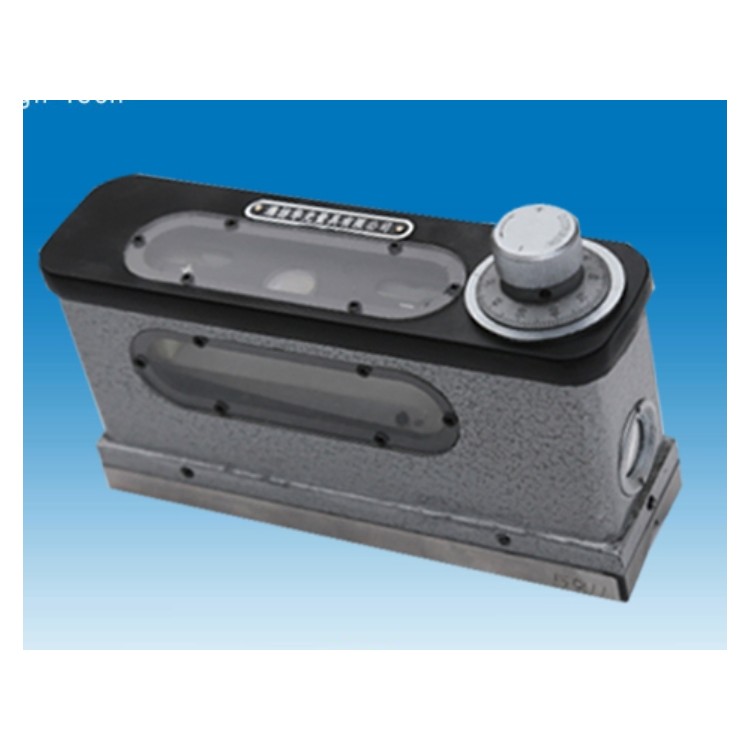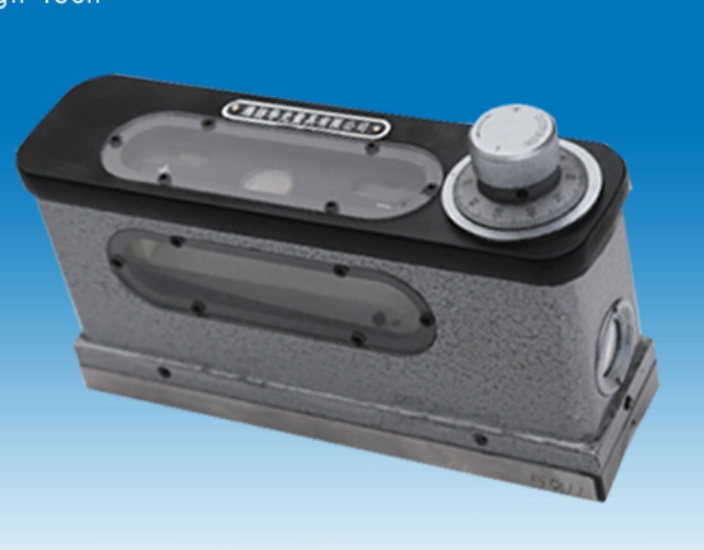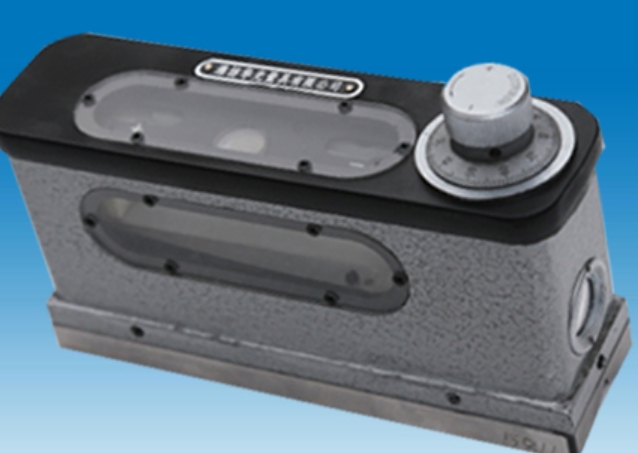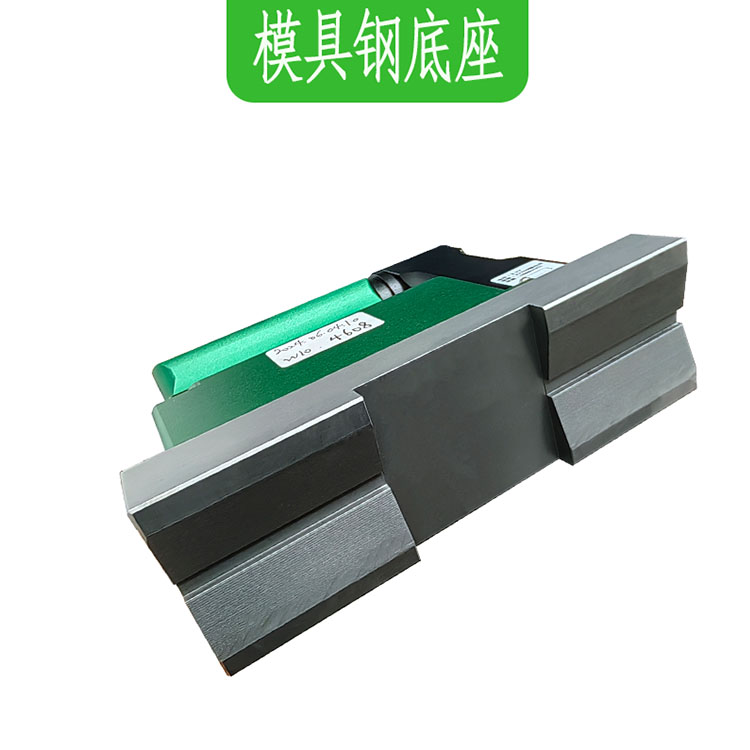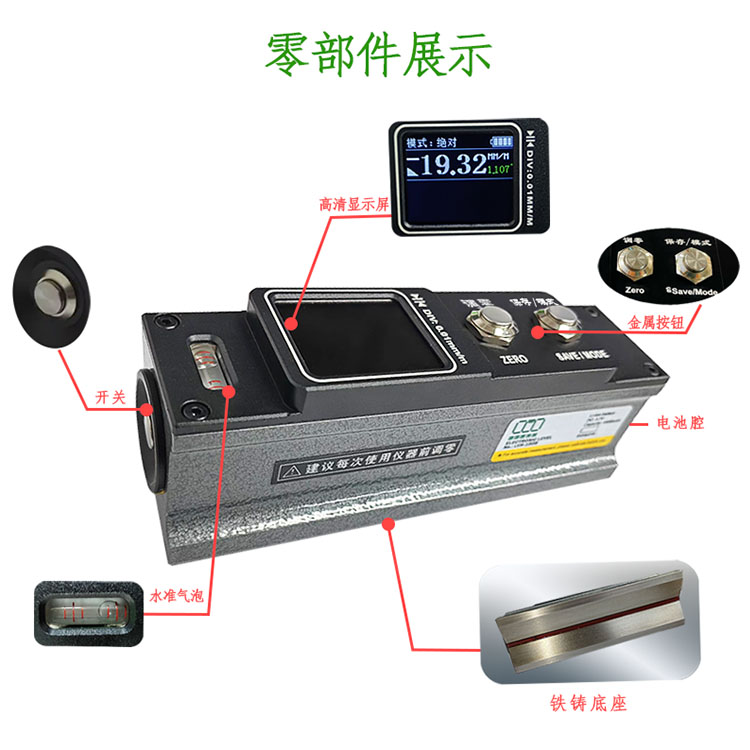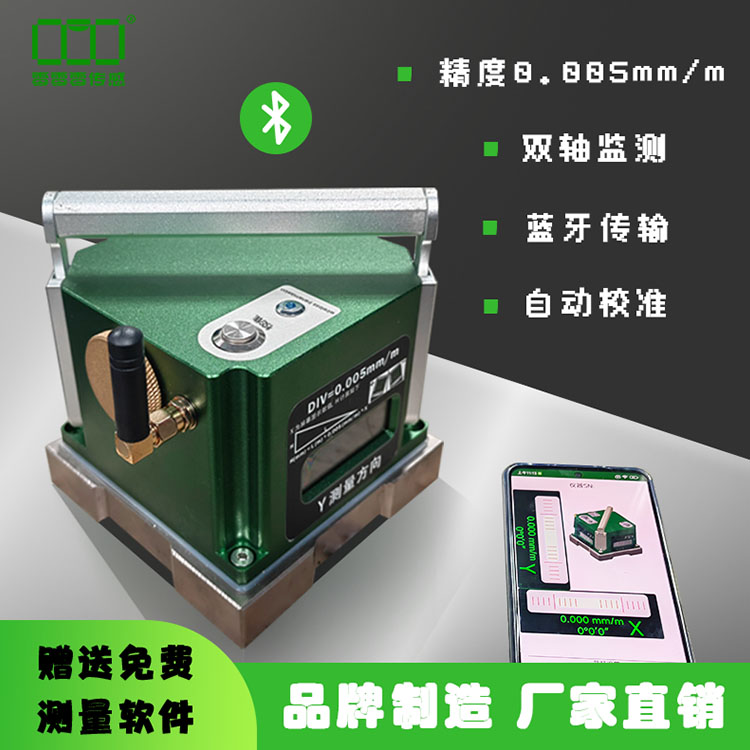

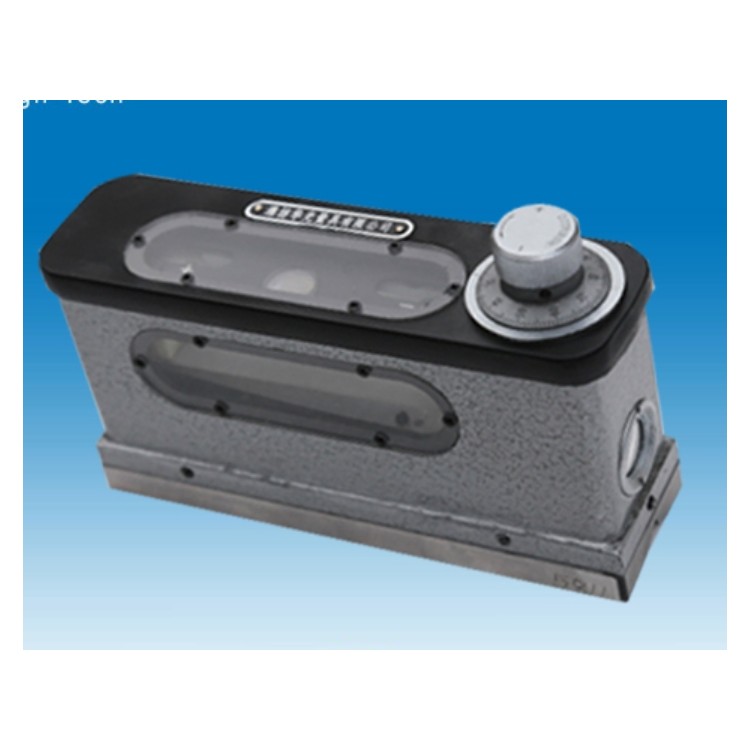

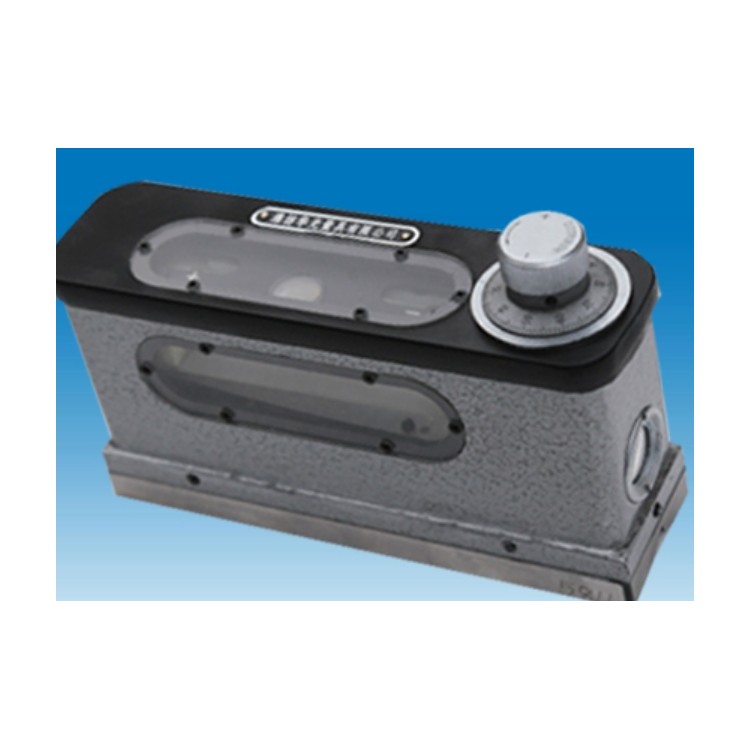









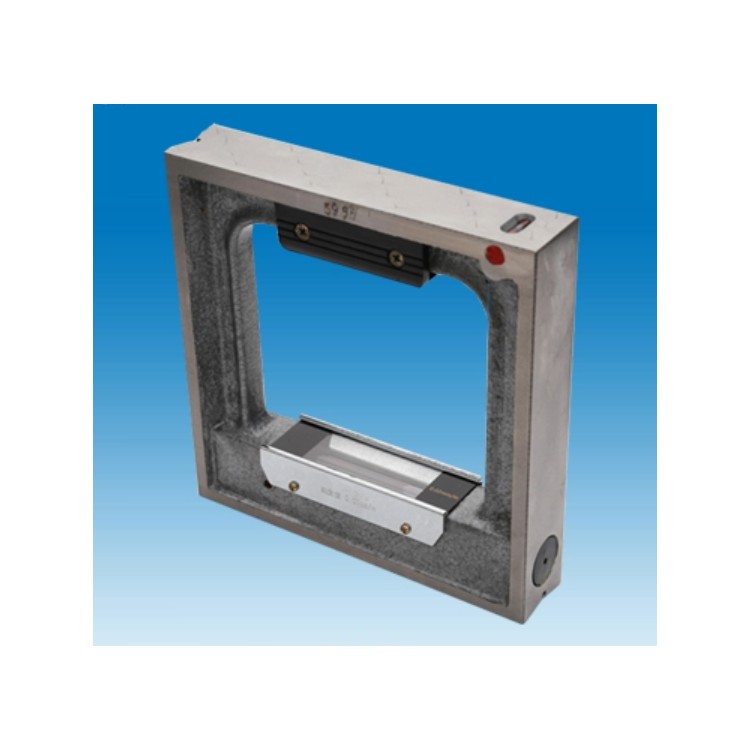
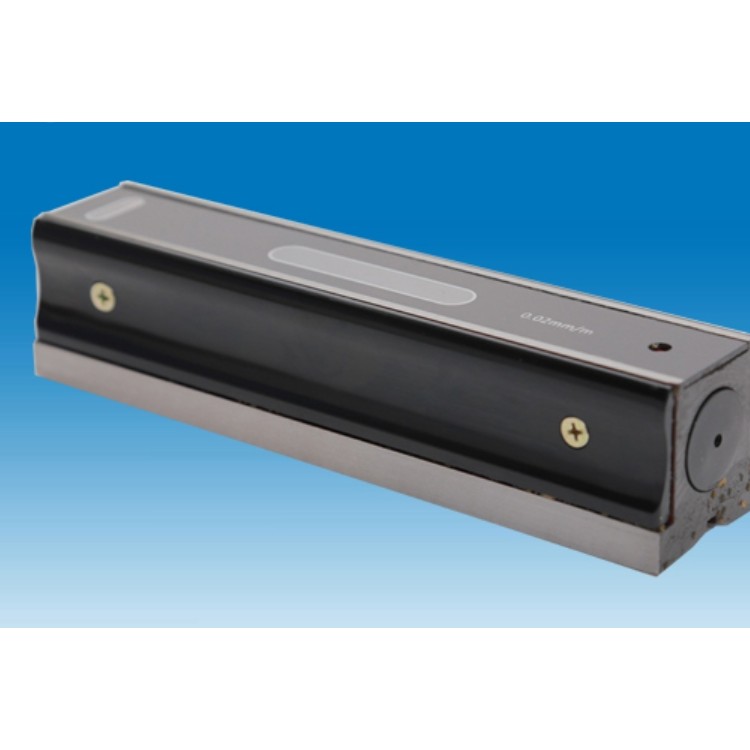
Optical Collimation Level
Purpose
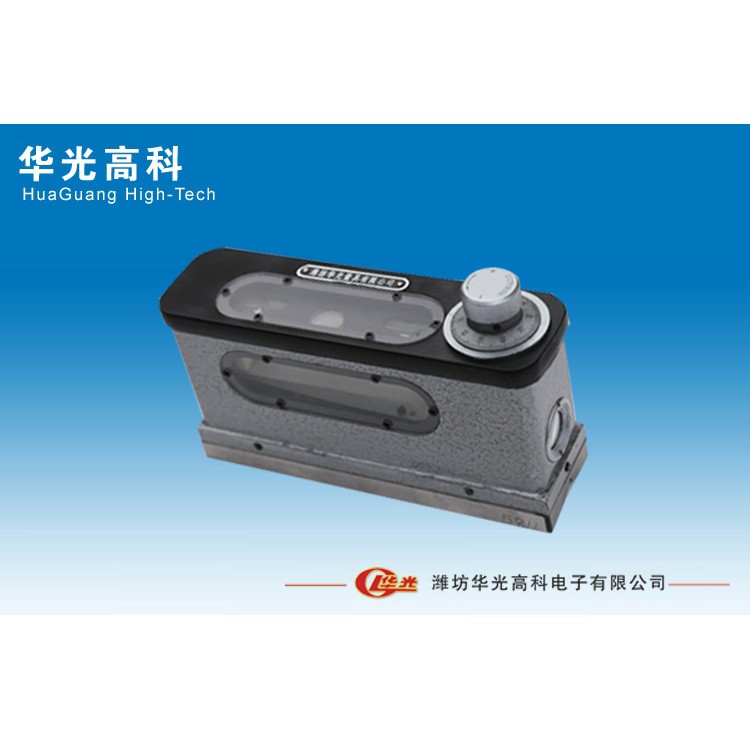
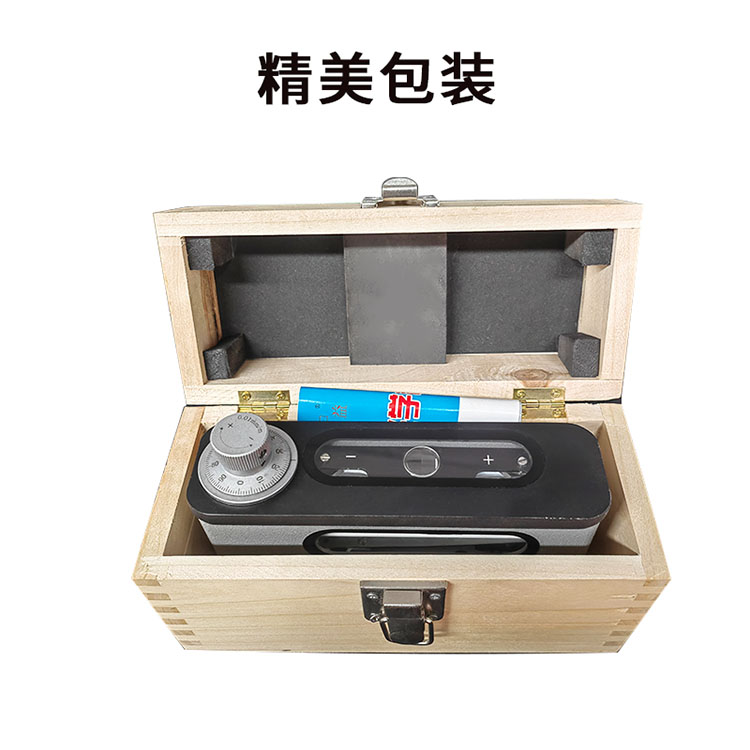
Optical image level, widely used for measuring the inclination of planes and cylindrical surfaces to the horizontal direction, as well as the flatness, straightness, and accuracy of installation positions of machine tool guideways or bases, and optical machinery instruments.
Basic Parameters
Model | Specs | Measurement Rangemm) | Graduation Valuemm/m) |
HGHX-1 | 165×47 | 0-10 | 0.01 |
◎ Imaging Level Gauge
Graduation value:This refers to the tilt produced by the rotation of the graduated disc, corresponding to the tilt of the image level. The tilt is expressed as the ratio of the tilt height to the base length of 1m, with the bottom edge as the reference, unit: mm/m.
Zero Position:When the horizontal level is in a level position, the ideal bubble position (at this point, the bubble should be symmetrical around the midpoint of the scale range) is called the zero position. At this time, the image of the level bubble formed through the prism and magnifying glass should be a smooth, rounded arc.Zero Offset:Reading value deviation from zero.
◎ Operating Principle
HeXiang LevelBy using prisms to amplify the image of the bubble in the level tube, the precision of the reading is enhanced. A set of transmission mechanisms, including levers and micro-motion screws, is employed to increase the sensitivity of the reading. Therefore, when the measured piece tilts by 0.01 millimeters per meter, it can be accurately read in the collimator. (In the collimator level, the level tube primarily serves as a zero-pointer.)
How to Use an Optical Collimation Level: Place the level on the work surface being inspected. If the surface is inclined, the two bubbles will not align. Rotate the dial until the two bubbles meet, at which point the reading can be taken. The actual tilt of the inspected item.Calculations can be made via the following:Actual tilt angle = scale value × fulcrum distance × scale disk readingThe dial reading is 5 scales. For this type of level, the scale value and fulcrum distance are fixed.Immediate degree value is 0.01mm/m, pivot distance is 165mm.Then: Actual Inclination = 0.01/1000x165mmX5=0.00825mm
◎ Technical Requirements
1. The working surface of the hypsometer must be free from rust, dents, scratches, and other defects that may affect its use.
2. The painted surface should be aesthetically pleasing, free of paint chipping or scratches, and other exposed non-working surfaces must not have any visible rust or defects.3. The micrometer screw should turn smoothly without any jamming or skipping.4. As the micrometer screw turns evenly, the bubble within the level bubble should move smoothly without any hesitation or jumps.
◎ Technical Specifications
1. Scale division value: 0.01mm/m
2. Peak measurement range (±): 0-10mm/m3. Indication Error: ±1mm/m, ±0.01mm/m4. ±0.02mm/m throughout the full measurement range5. Work Surface Flatness Deviation: 0.003mm6. Level Gauge Value: 0.1mm/m 7. Working Surface Dimensions: (mm) 165*48