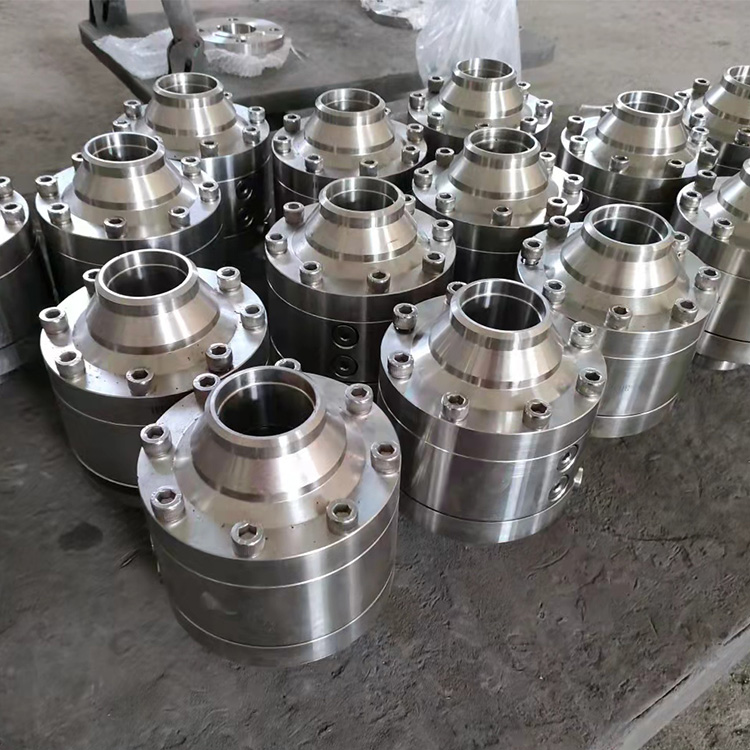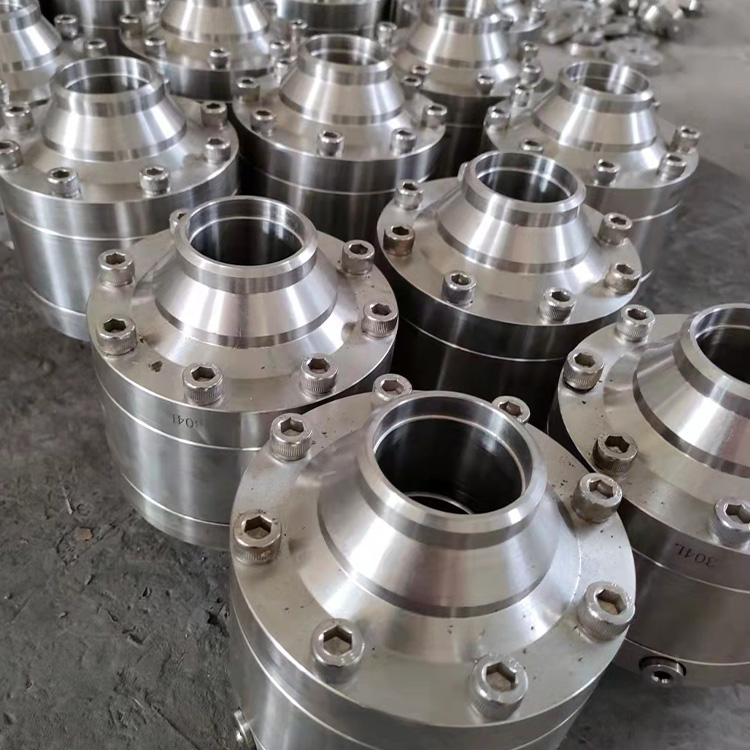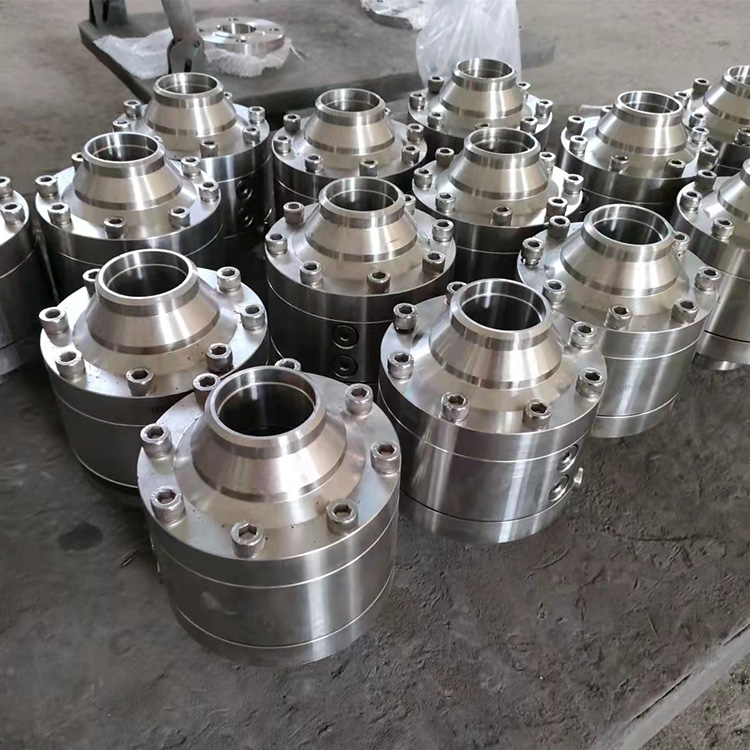

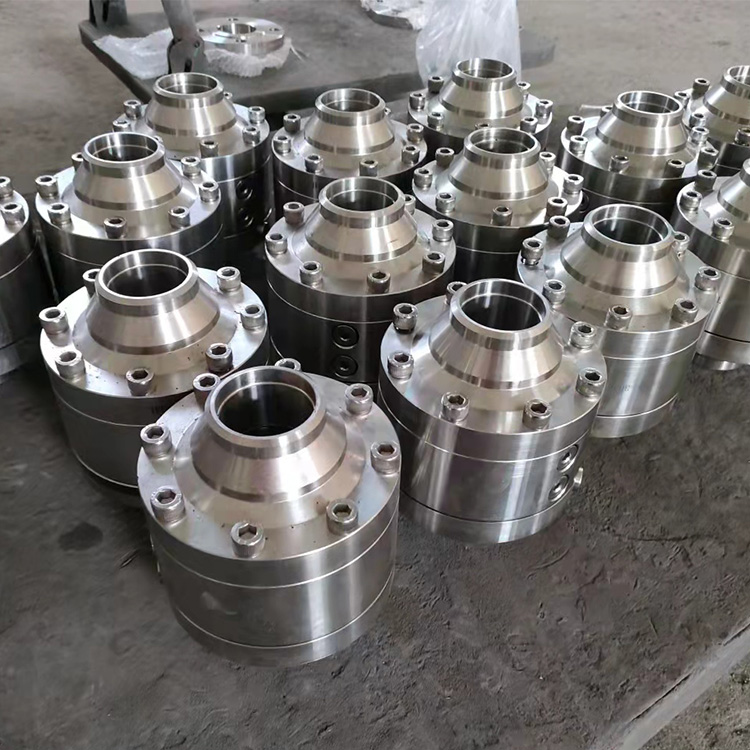
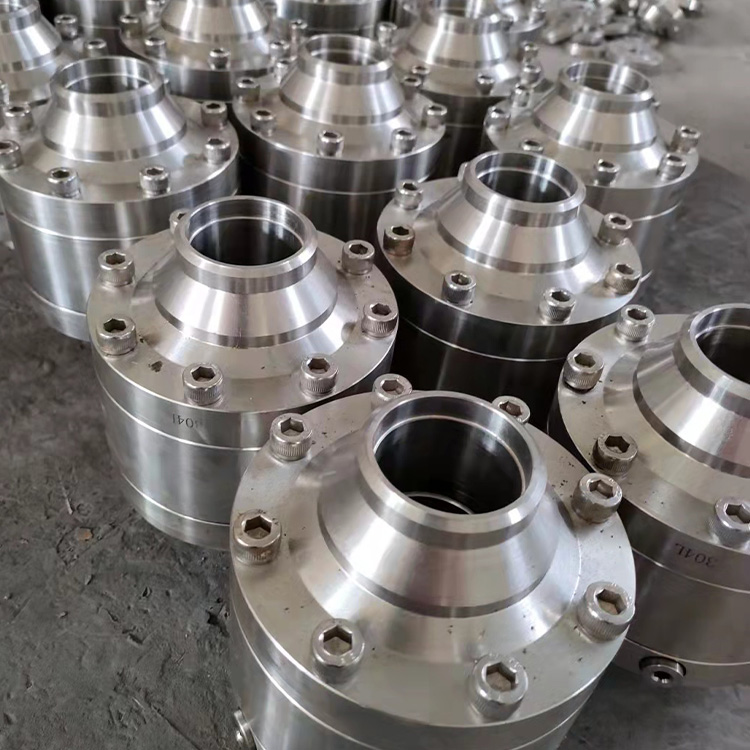
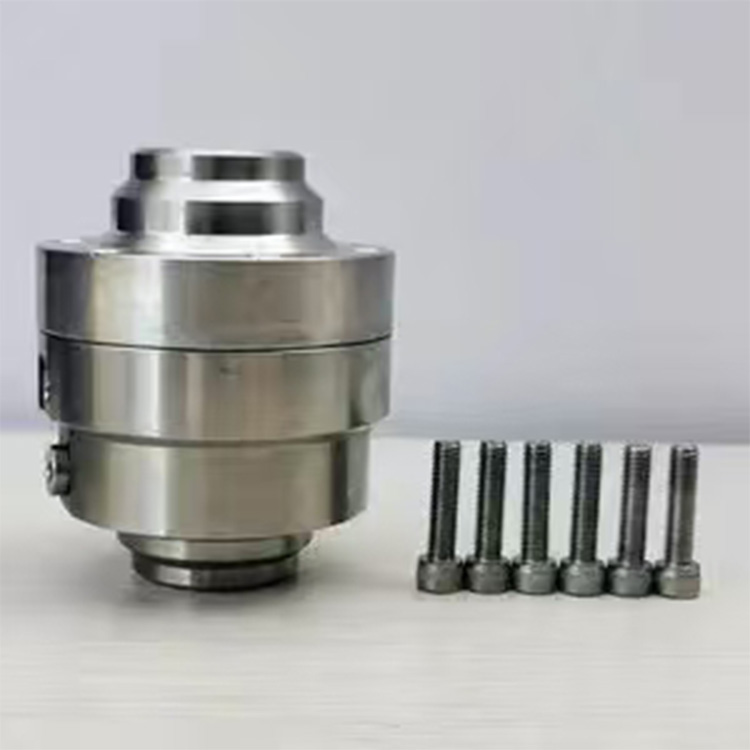








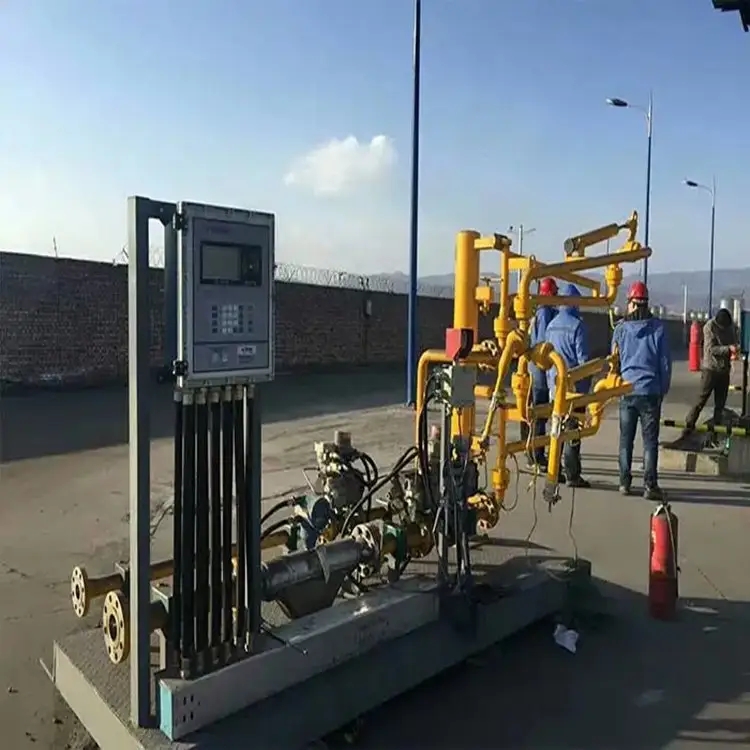
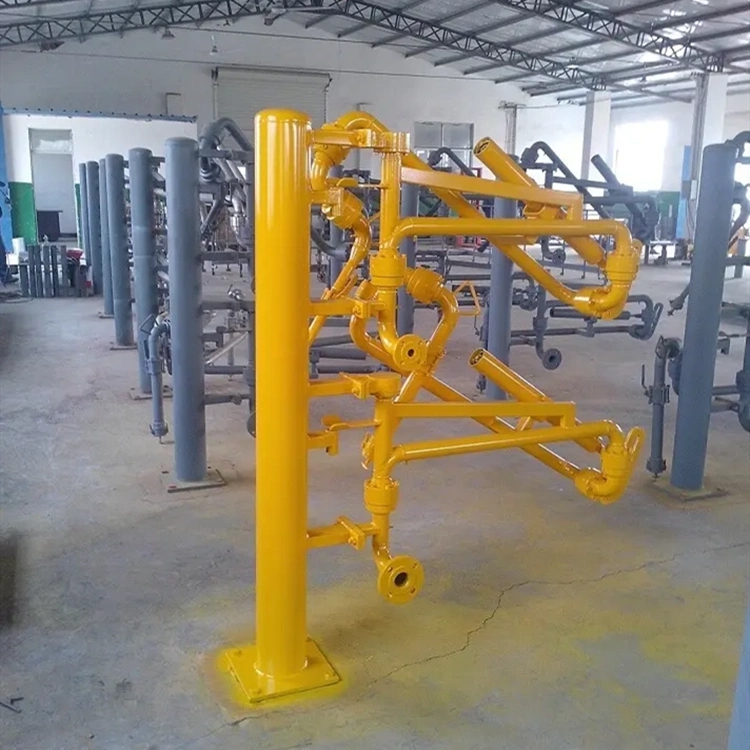
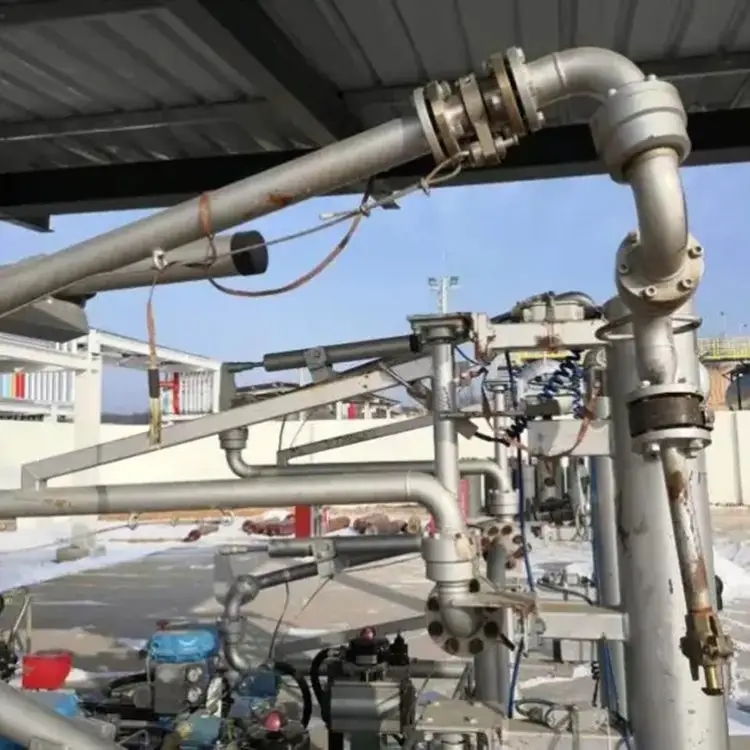

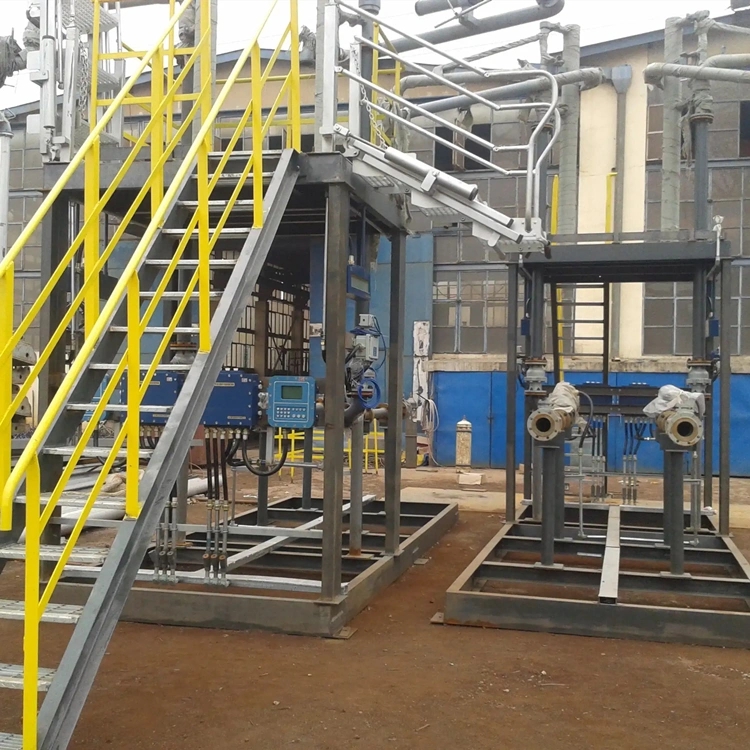
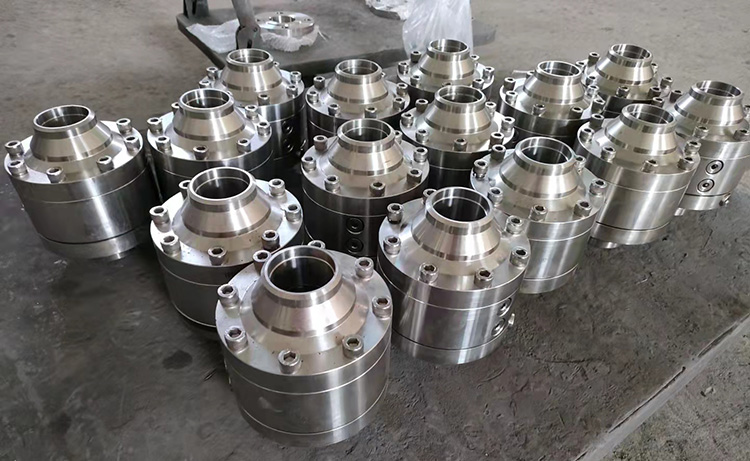
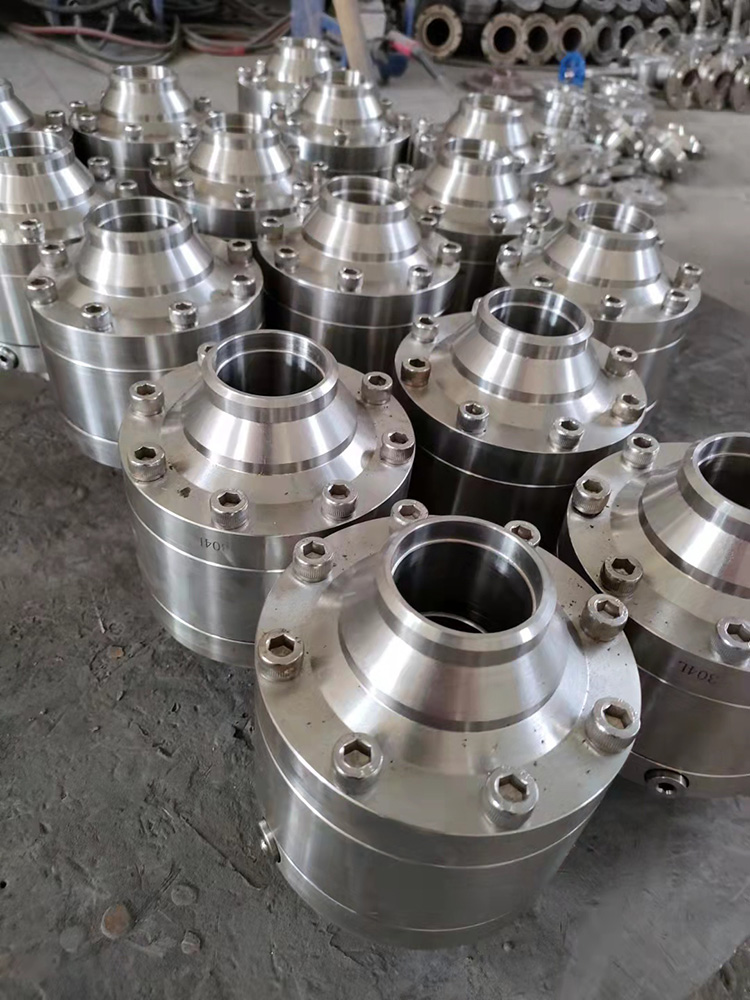
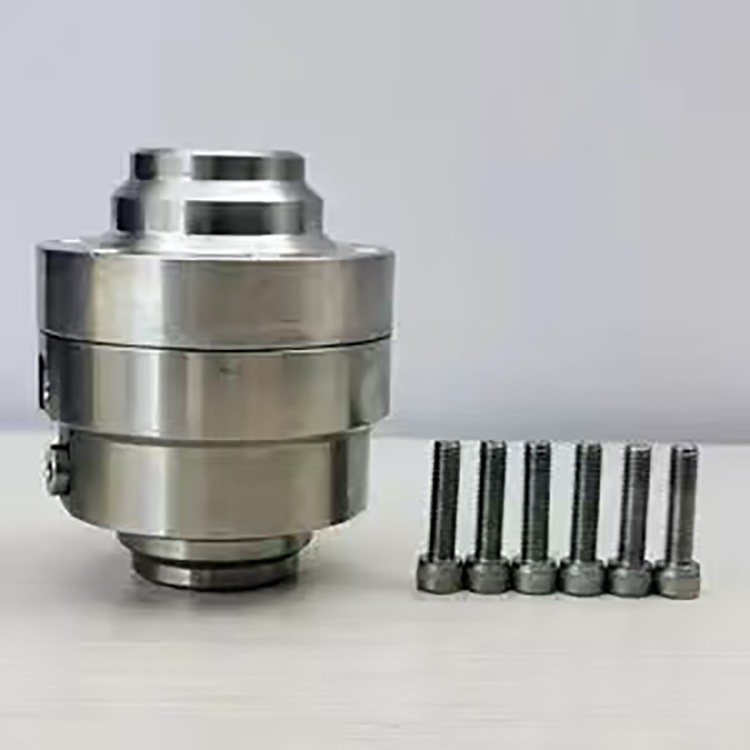
A rotating joint is a sealing device used to connect and transfer fluids from one side of a pipeline to a rotating or reciprocating motion equipment, and then back out.
1. One-way flow design: Rotation joints are installed at both ends of the drum. Fluid enters from one end and exits from the other, without the use of an inner tube.
2. Unidirectional Flow Type: A rotating joint is installed at one end of the drum, where fluid intake and discharge are conducted simultaneously. The inner tube remains stationary relative to the drum's rotation.
3. Bi-directional Flow (Inner Tube Fixed): Different from the previous type, the drum is equipped with different types of siphon tubes to drain condensate. This model is commonly used for steam applications.
4. Bi-directional Flow Type (Inner Tube Rotation): This type is used for structures where the inner tube is fixed relatively to the drum and rotates synchronously with the drum. In this case, fluid enters through the inner tube and exits through the outer tube.
5. Bidirectional Flow (Inner Tube Rotation): An aspirator that rotates synchronously with the drum is installed inside the drum to expel condensate. This type is commonly used for steam applications.