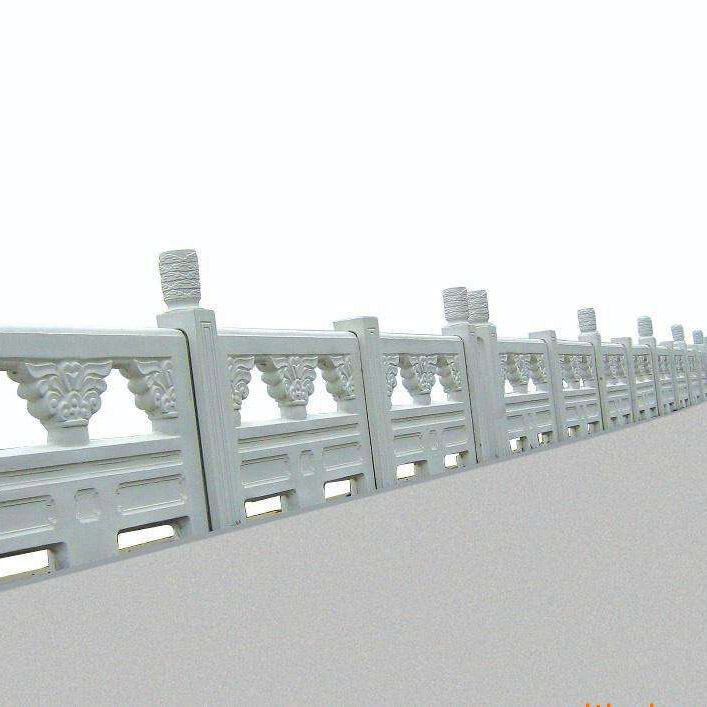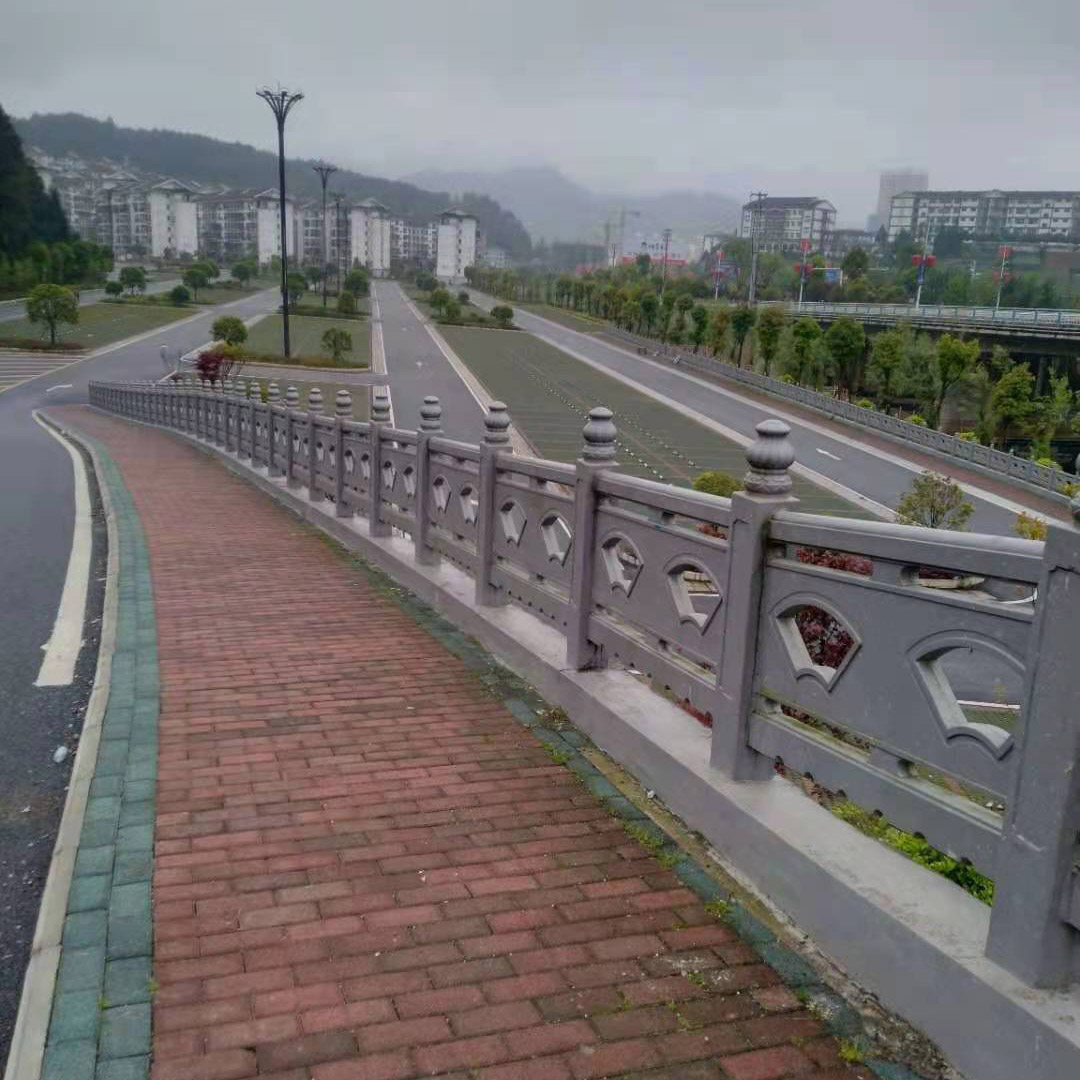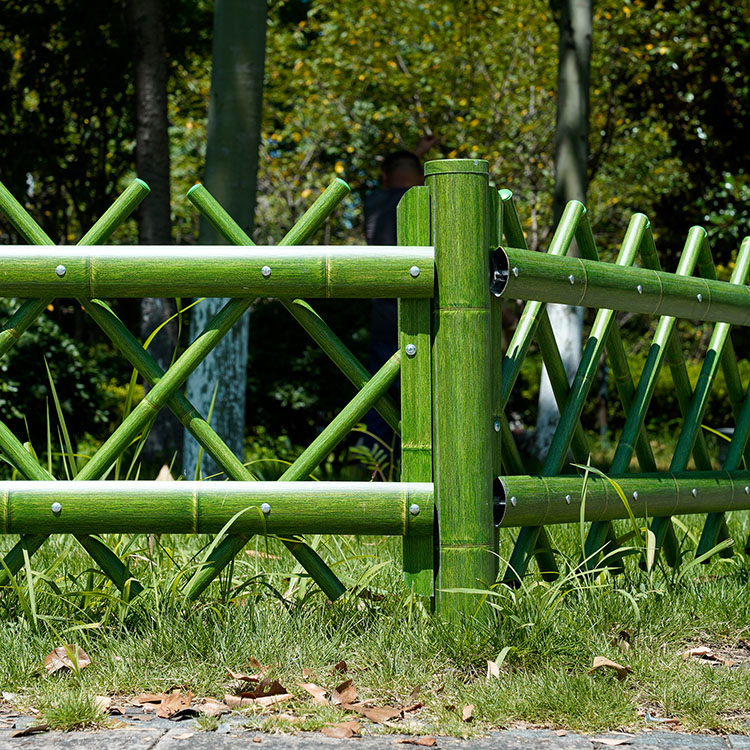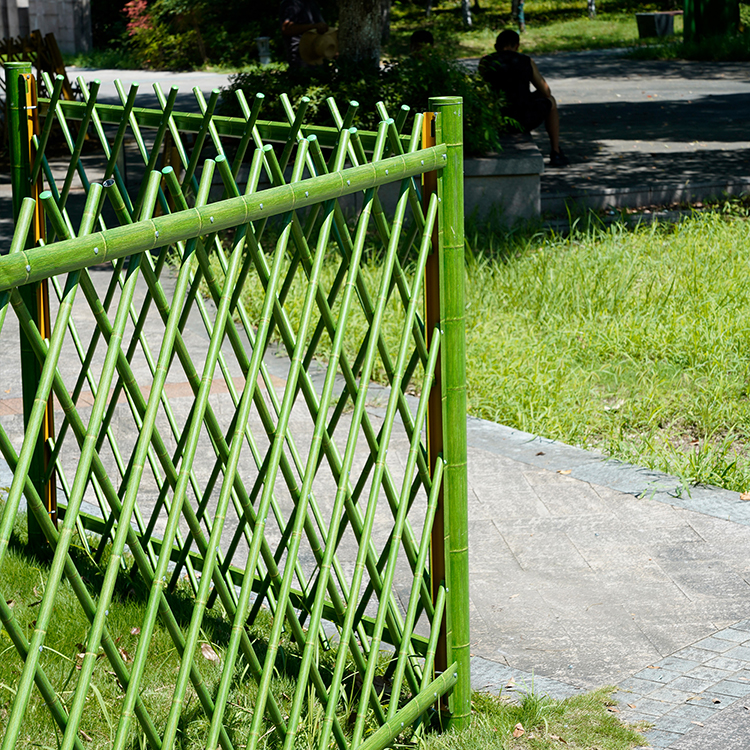










The main materials for concrete railing include cement, sand and stone, rebar, and additives, with the following main features and advantages:
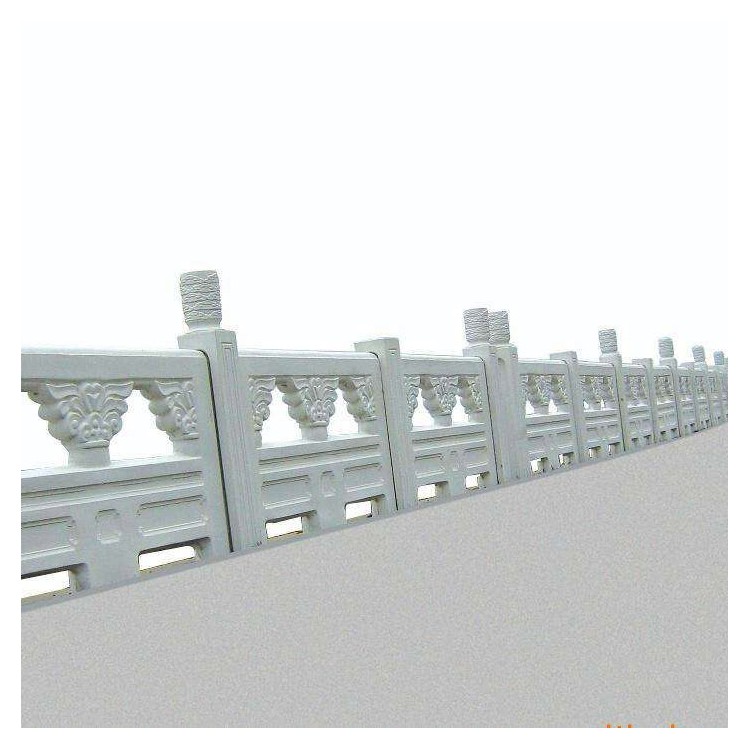
Durable and Robust: Made of reinforced concrete, these cement railings feature characteristics such as resistance to deformation, breakage, and corrosion, capable of withstanding substantial loads and impacts.
Low maintenance costs: Compared to iron or stainless steel railing, concrete railing has no theft value and is less prone to rust and aging, resulting in lower maintenance costs.
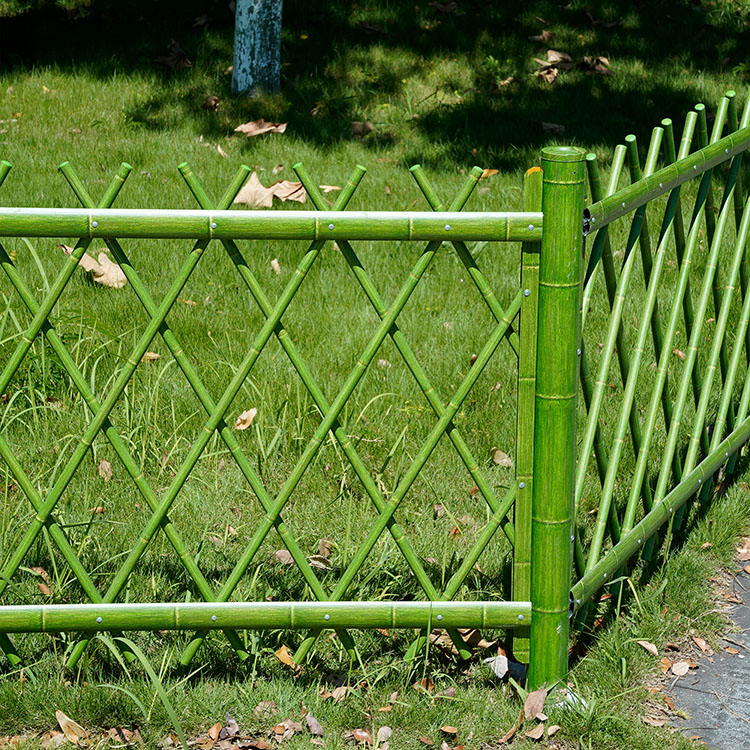
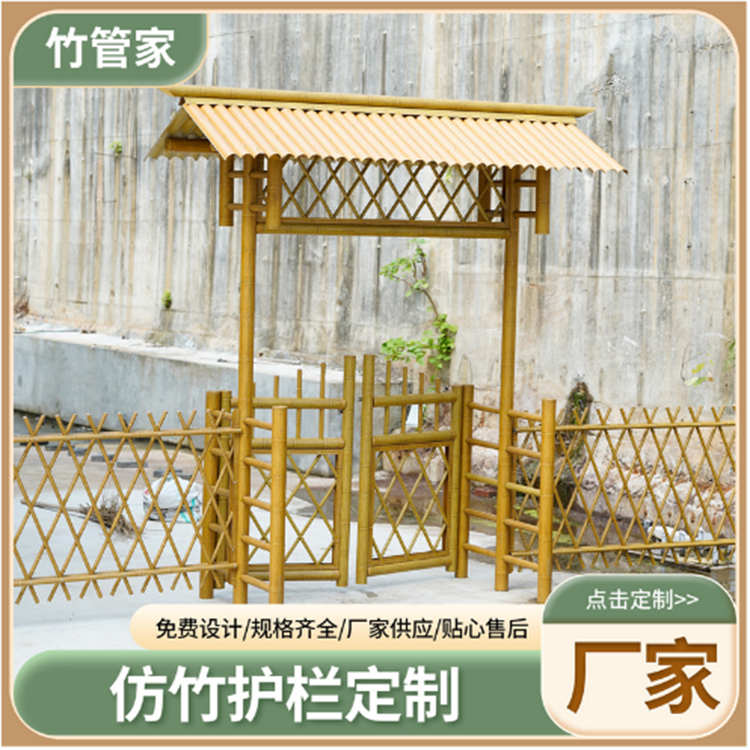
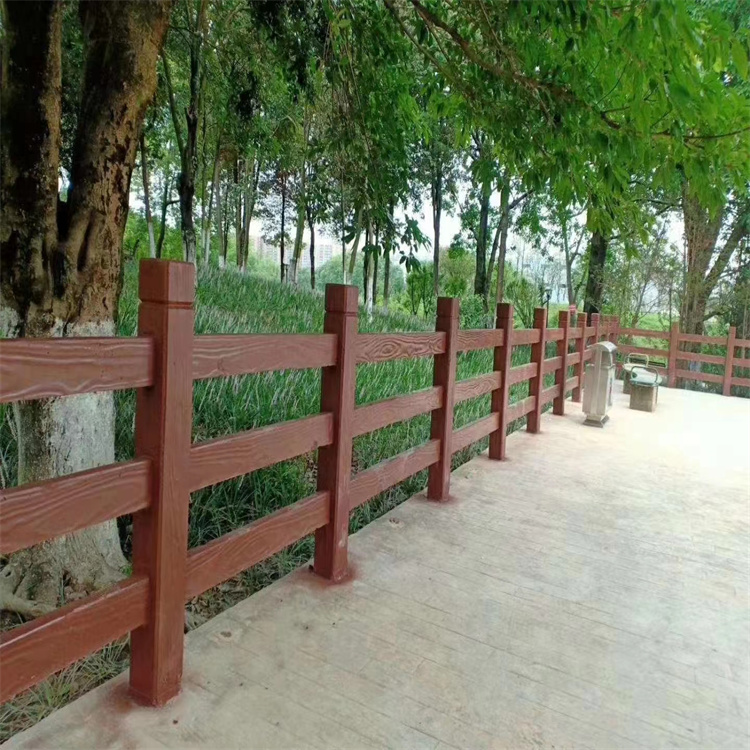
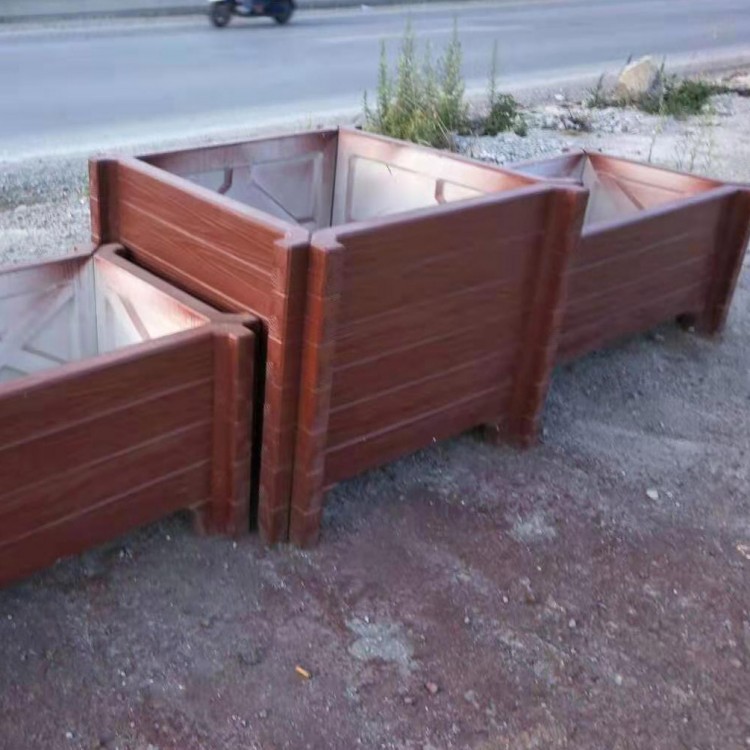
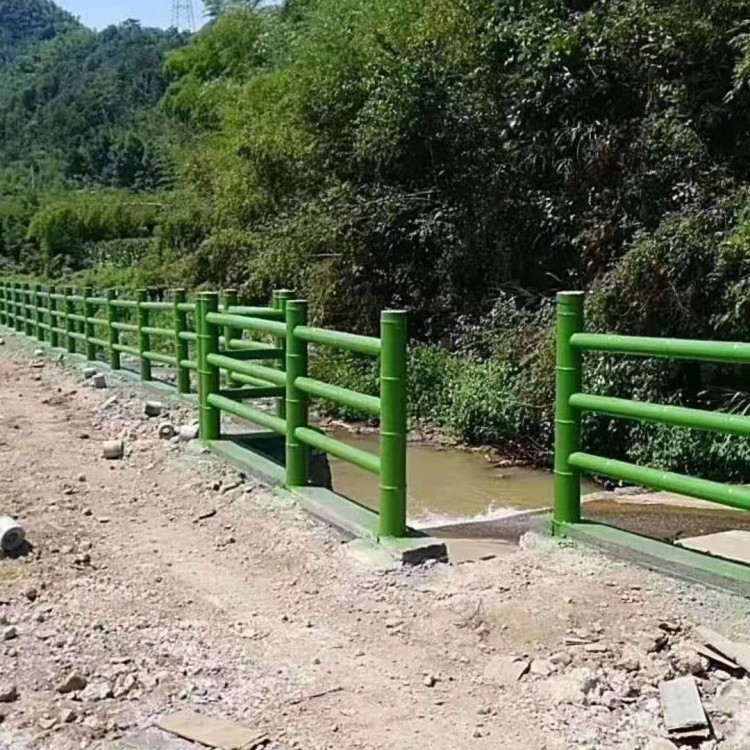
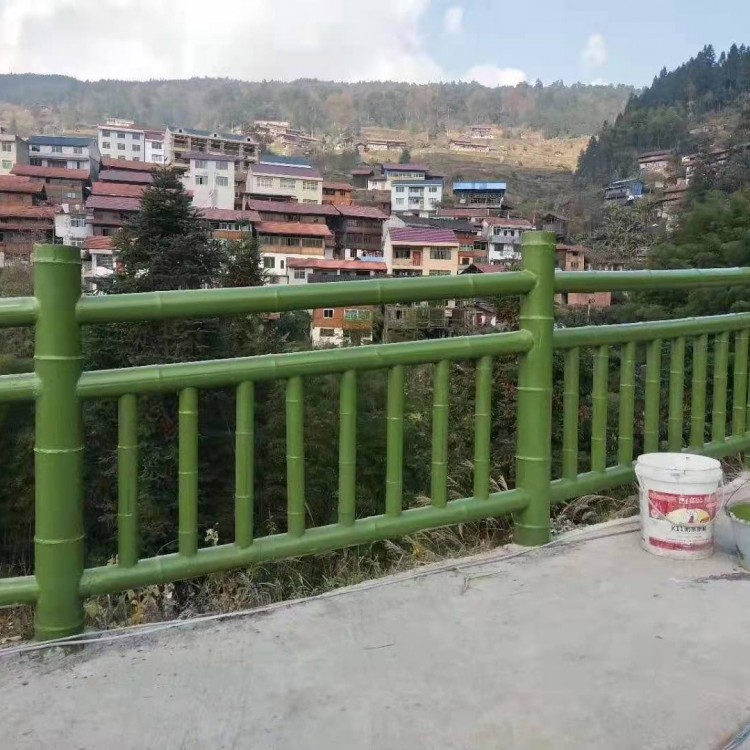
Aesthetically pleasing: Concrete railings can be molded into various textures and shapes, such as wood, stone, and bamboo模仿, catering to different aesthetic requirements for various locations.
Eco-friendly & Economical: The raw materials for concrete railing are readily available and affordable. The production process generates no waste, emissions, or effluents, meeting environmental standards. Additionally, it boasts a relatively low cost with high cost-performance ratio.
Widely used in various locations, including but not limited to:
1. Road Traffic Infrastructure: Including highways, urban roads, and bridges, designed to segregate vehicle and pedestrian lanes, ensuring the safety of both pedestrians and vehicles.
2. Landscape Gardening: Includes parks, scenic areas, residential communities, etc., designed for beautifying the environment and adding a touch of nature.
3. Hydraulic Engineering: Including reservoirs, dams, ponds, etc., for water protection and landscaping beautification.