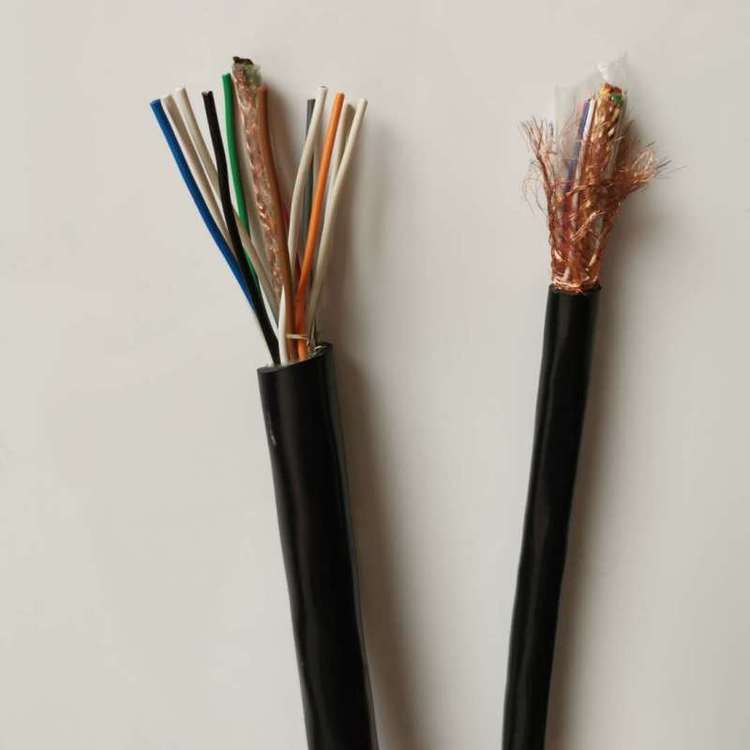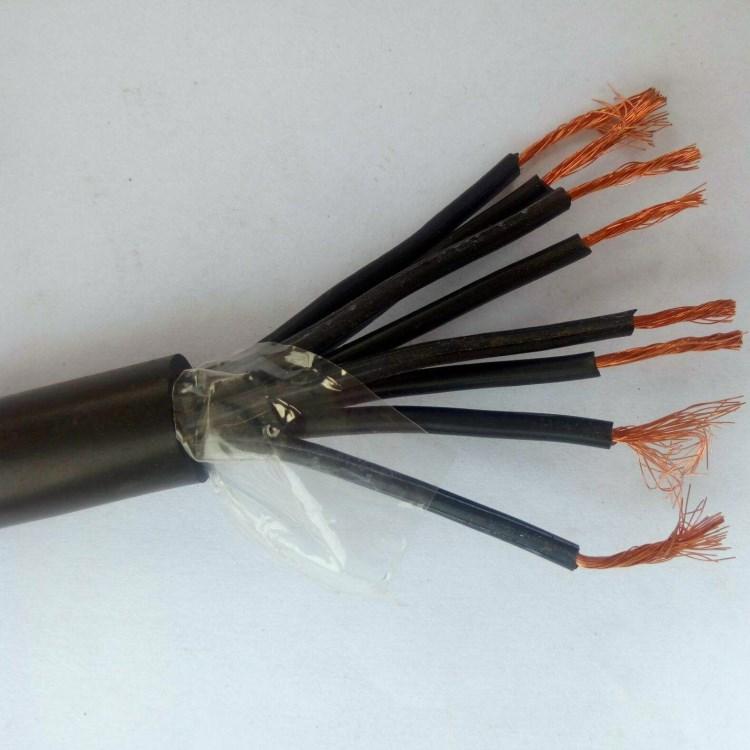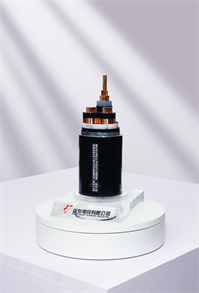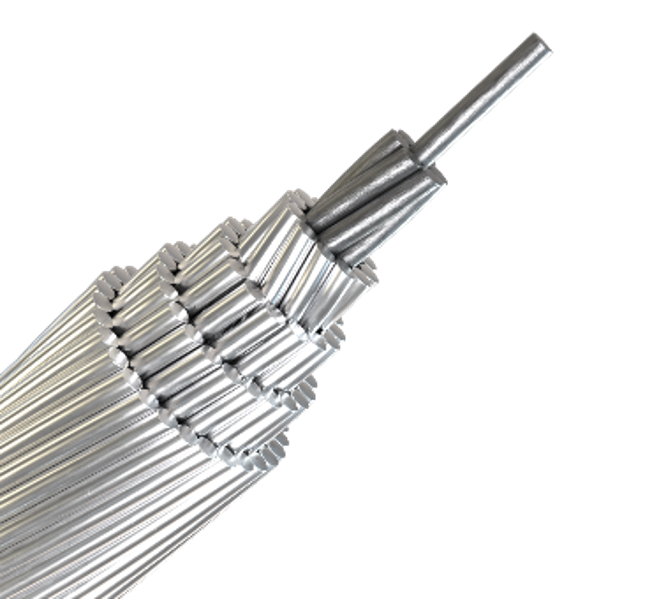

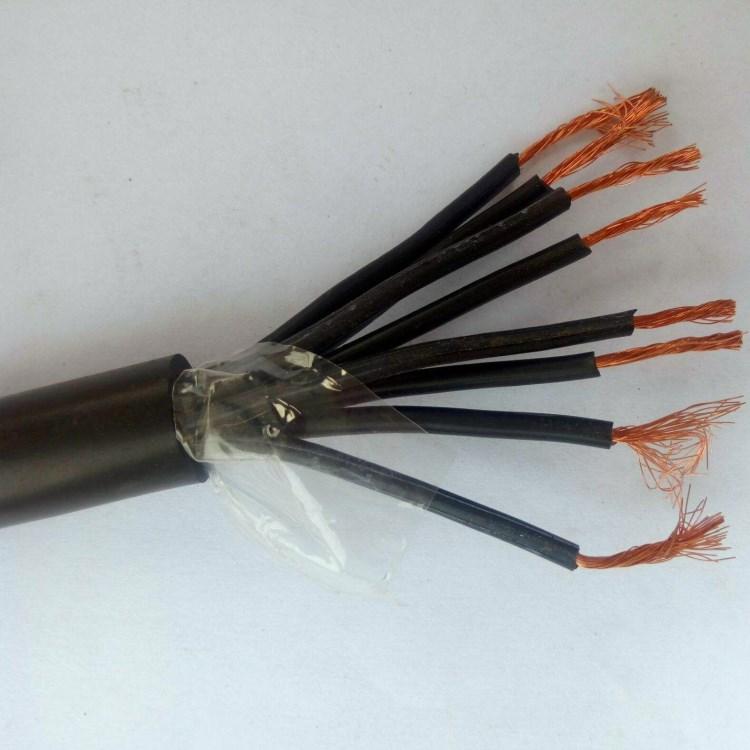

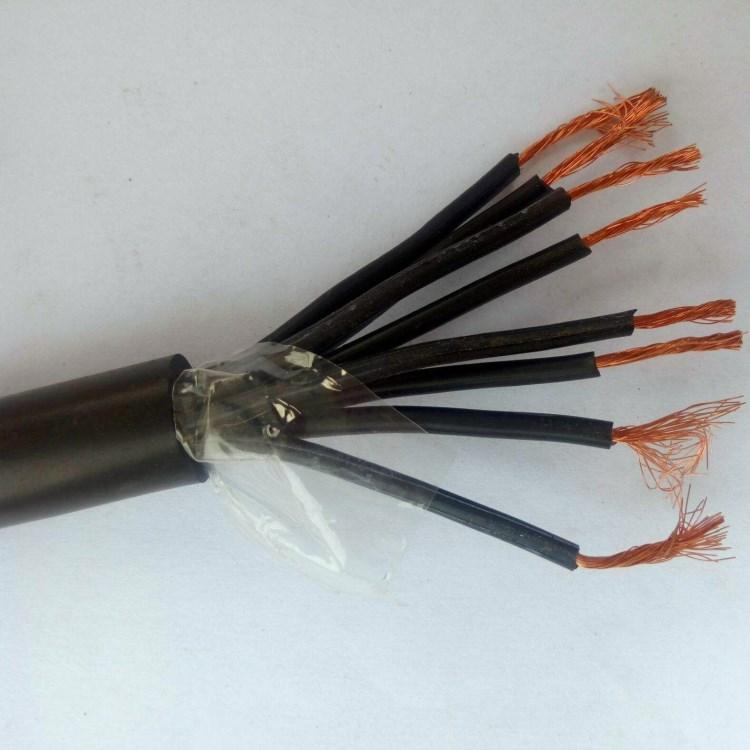







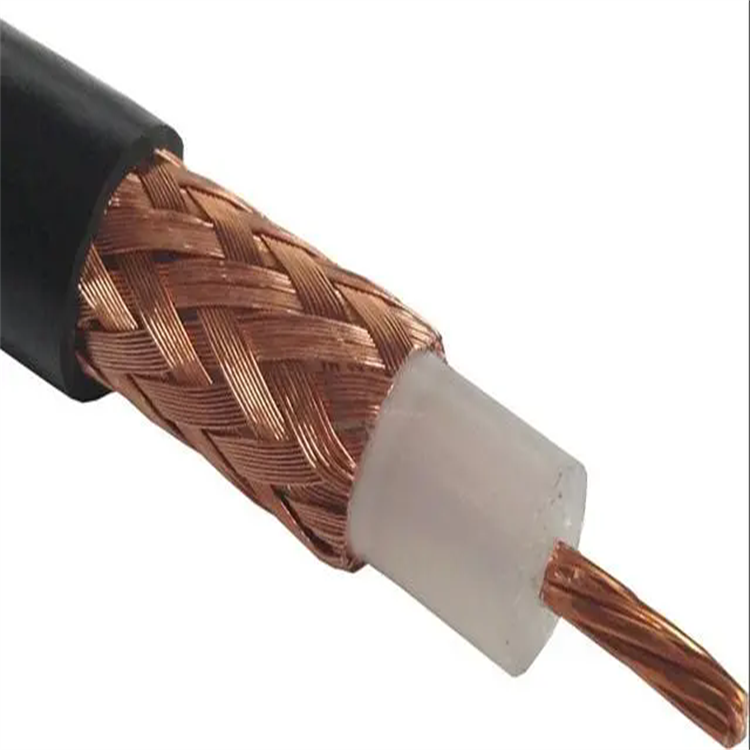
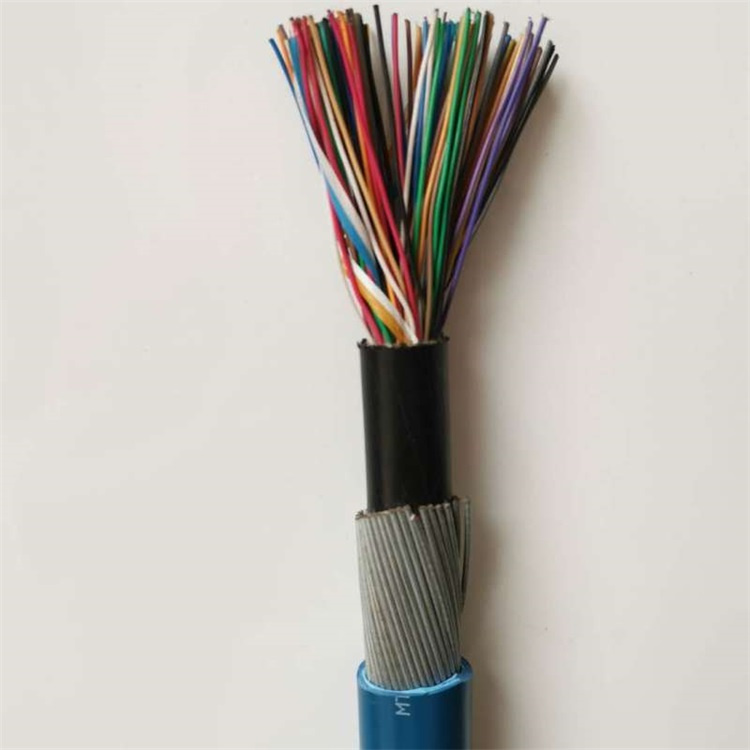
PTYL23 Railway Signal Cable
Model: PTYV, PTY22, PTY23, PTYA, PTYA22, PTYA23
Product Description: Model Name
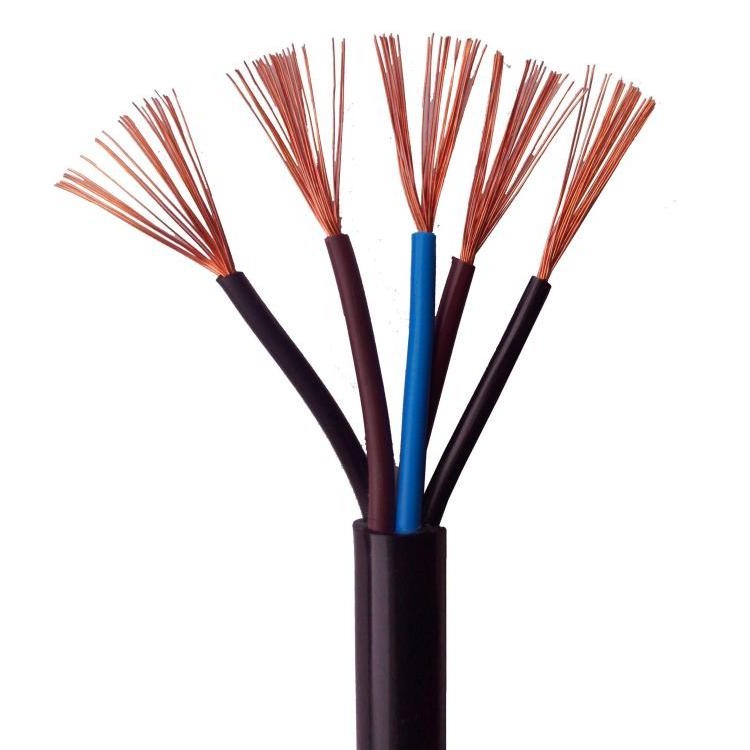
PTYV Insulated Polyethylene Sheathed Railway Signal Cable with Polyvinyl Chloride Jacket
PTY22 Polyethylene Insulated Steel Tape Armored PVC Sheathed Railway Signal Cable
PTY23 Polyethylene Insulated Steel Tape Sheathed Polyethylene Sheathed Railway Signal Cable
PTYA Polyethylene Insulated Composite Sheath Rail Signal Cable
PTYA22 Polyethylene Insulated Composite Sheath Steel Tape Jacketed PVC Outer Sheath Railway Signal Cable
PTYA23 Polyethylene Insulated Composite Sheath Steel Tape Armored Polyethylene Outer Sheath Railway Signal Cable
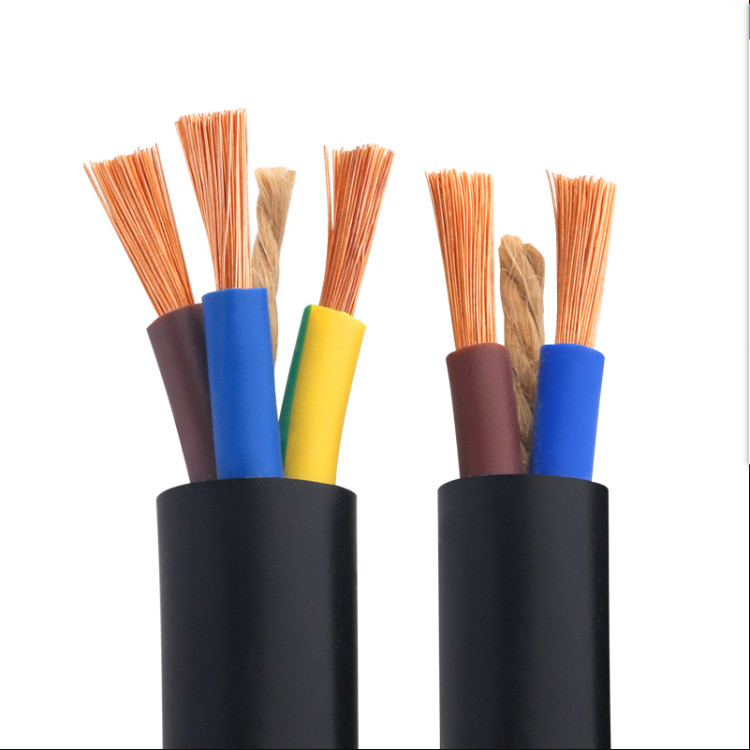
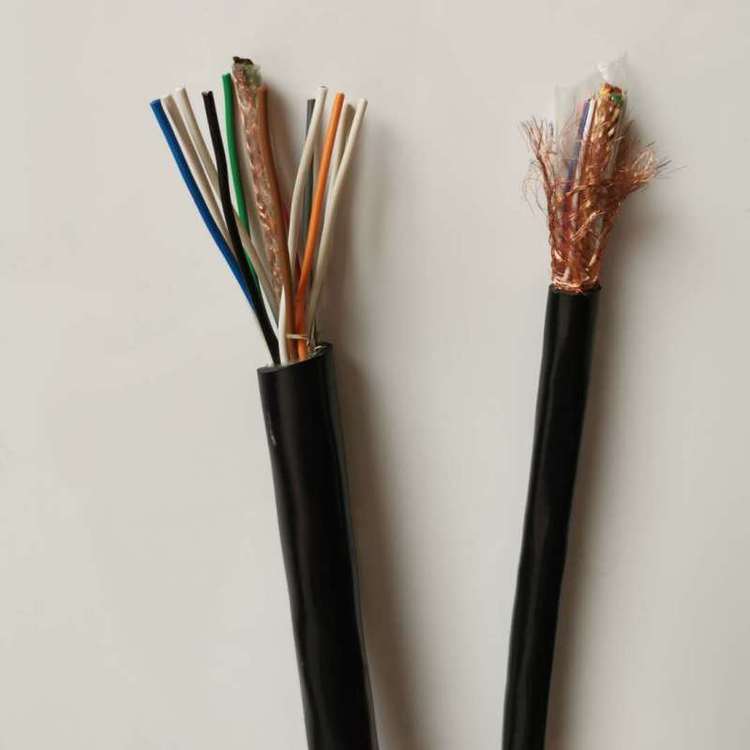
This product is suitable for control circuits transmitting rail signals, audio signals, or automatic signal devices at rated voltages of AC 500V or DC 1000V and below. The integrated jacket and aluminum sheathed rail signal cables offer certain shielding properties, making them ideal for laying in electrified sections or other areas with strong electrical interference.
From a macro perspective, the entire Chinese wire and cable industry is experiencing rapid development and growth. The pace of development is swift, and with it, issues arise. Particularly in the mid-to-low-end wire and cable product market, where technological value-added is relatively low, price-cutting competition is quite common. Industry insiders believe that the fundamental cause of the low-price competition is blind investment, overcapacity, and supply exceeding demand. On one hand, due to low investment thresholds, a large number of companies have flooded in, leading to an excess of enterprises within the industry.
Yangzhou PTYA23/Aluminum Sheathed Cable 37x1.0, Standard Conformity
2.1 The cable is suitable for use in an ambient temperature range of -40℃ to +60℃.
2.2 Cable conductor *Operating temperature should not exceed +70°C.
2.3 Cable Laying Environmental Temperature: The polyvinyl chloride (PVC) sheathed cable should not be below 0℃; the polyethylene (PE) sheathed cable should not be below -20℃.
2.4 Allowable bending radius for cables: Unarmored cables should not be less than 10 times the outer diameter of the cable; armored cables should not be less than 15 times the outer diameter of the cable.
2.5 The ideal shielding coefficient for integrated sheath railway signal cables should be ≤0.8; for aluminum sheath railway signal cables, it should be ≤0.3.
*3* Delivery Length
Cables 500m and above should account for at least 50% of the total delivery length; for cables between 50~250m, the delivery length should not exceed 5% of the total delivery length; the measurement error of cable length should not exceed ±0.5%. Delivery based on the length agreed upon by both parties.
Up until the early 1990s, state-owned enterprises held an unshakable absolute dominance in China's wire and cable industry. In the 1980s, the two dominant players were the Shenyang Cable Factory and the Shanghai Cable Factory; by the 1990s, this had evolved into a three-way standoff with the Shenyang Cable Factory, Shanghai Cable Factory, and Zhengzhou Cable Factory. 2. Wide range of production processes and high material flow: The manufacturing of wire and cable involves a broad spectrum of processes, ranging from the smelting and pressure processing of non-ferrous metals, to chemical technologies such as plastics, rubber, and paints; textile techniques like wrapping and weaving of fiber materials, to metal forming processes such as wrapping of metal materials and longitudinal wrapping and welding of metal strips, etc.