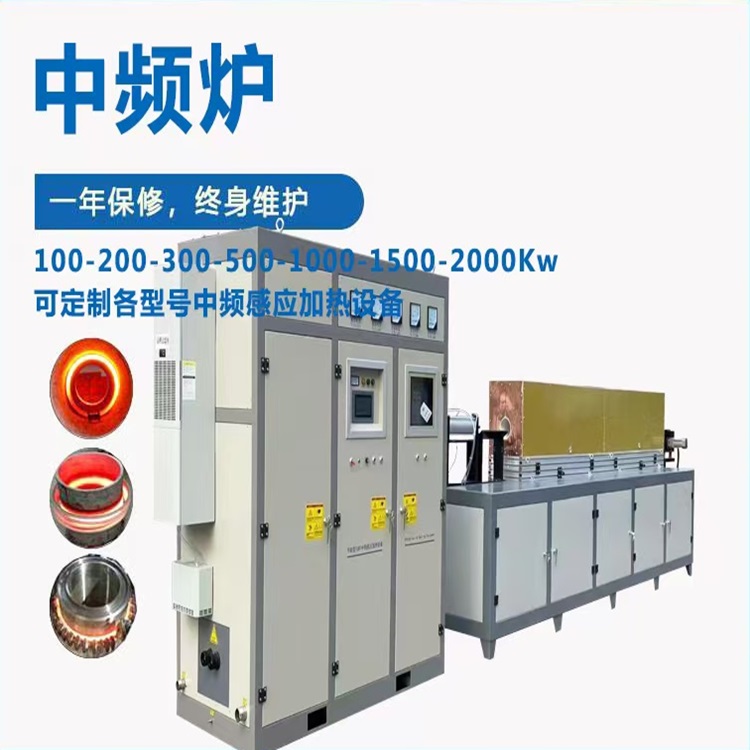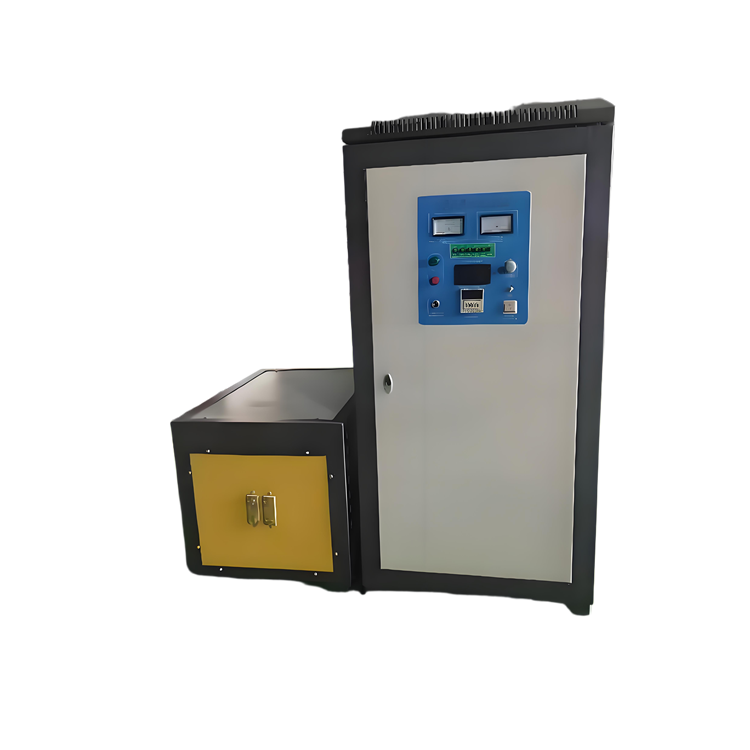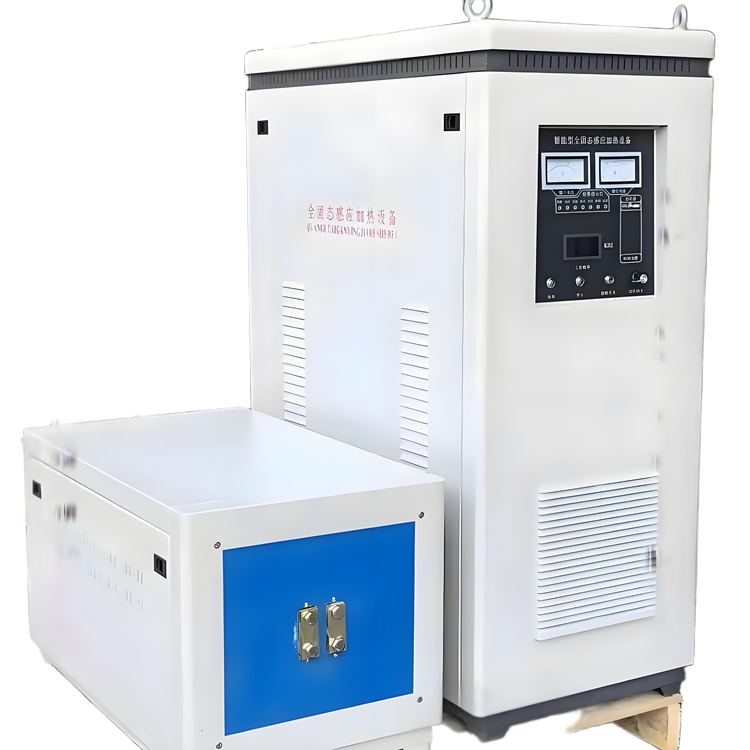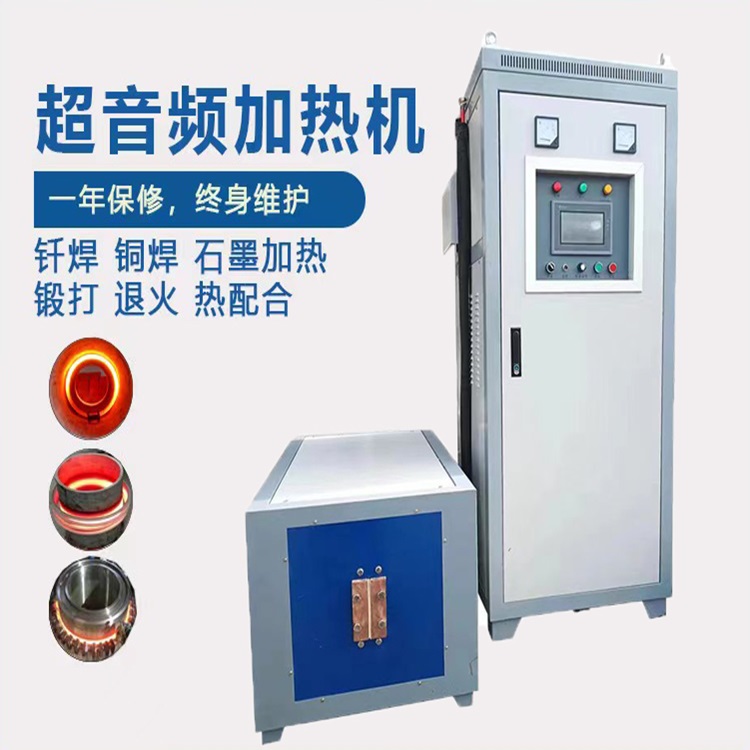

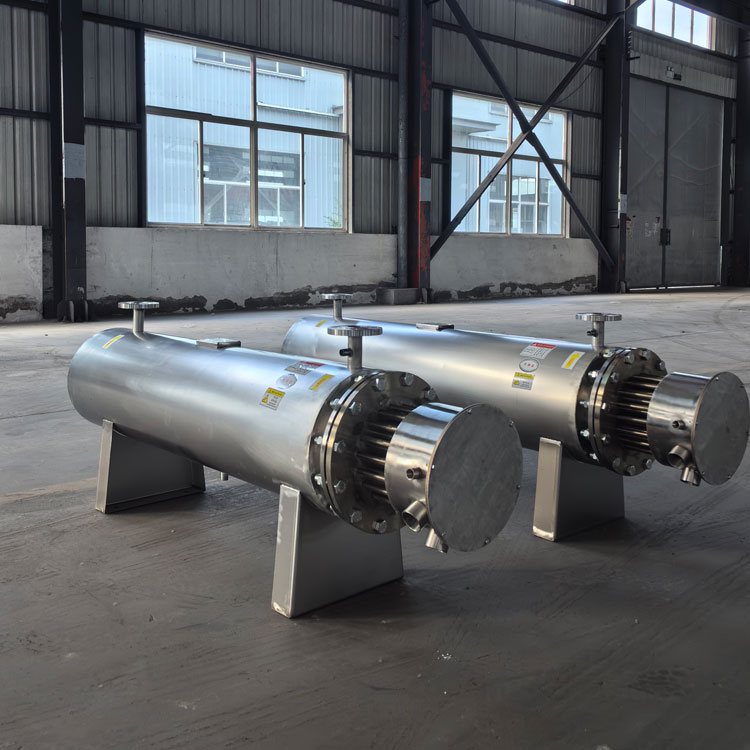

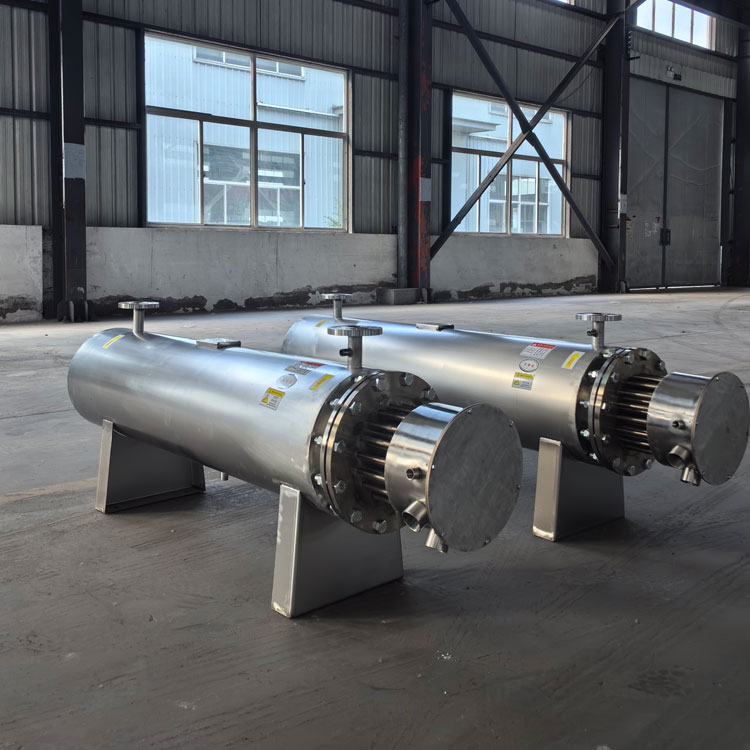
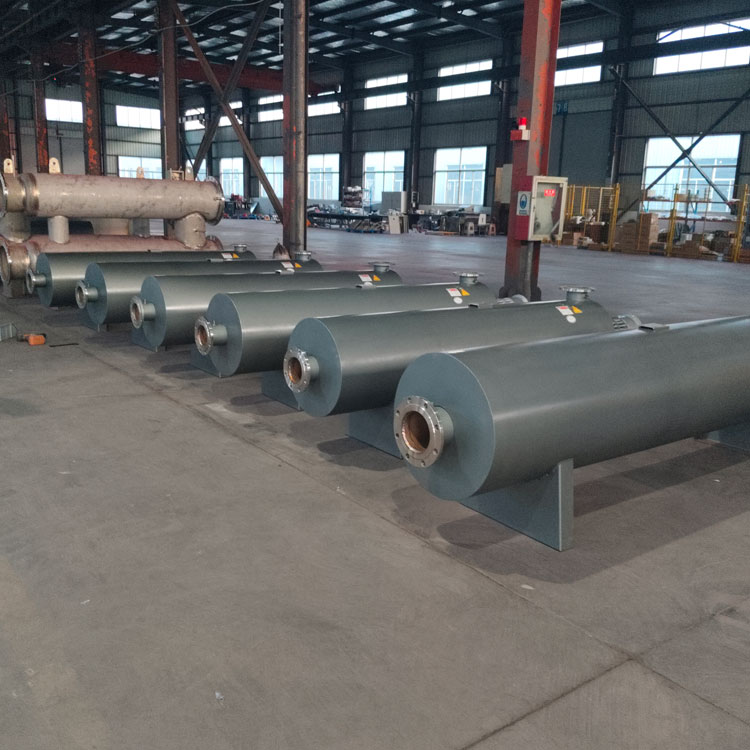







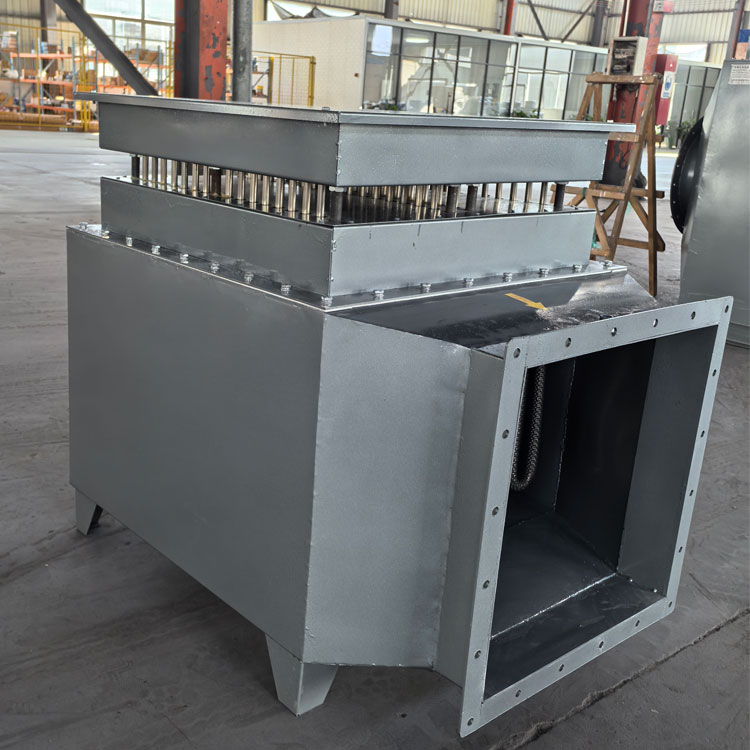
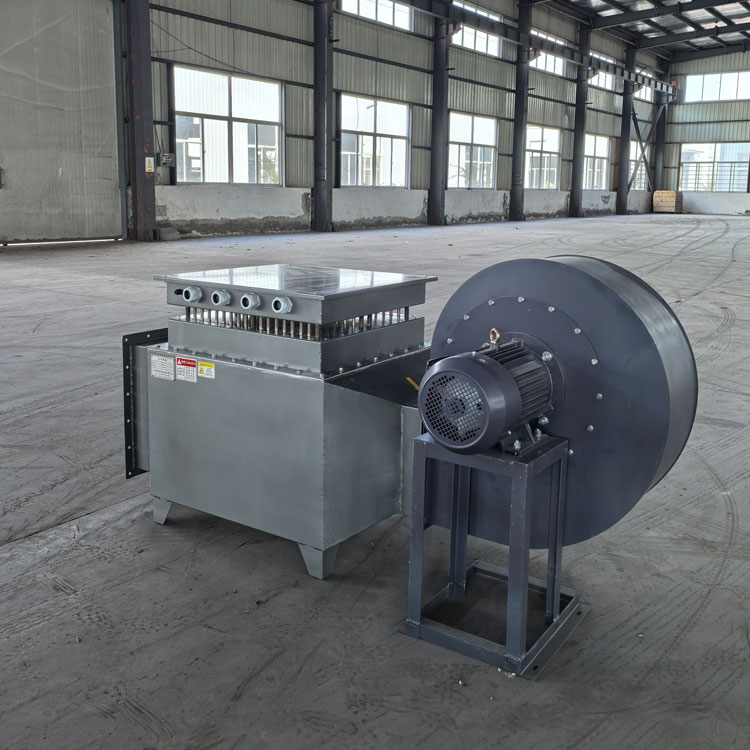
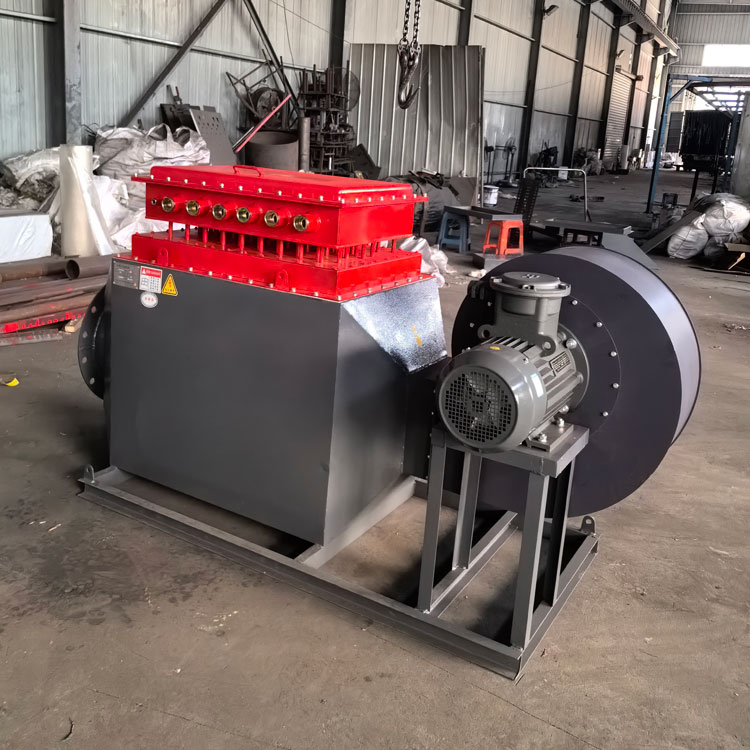
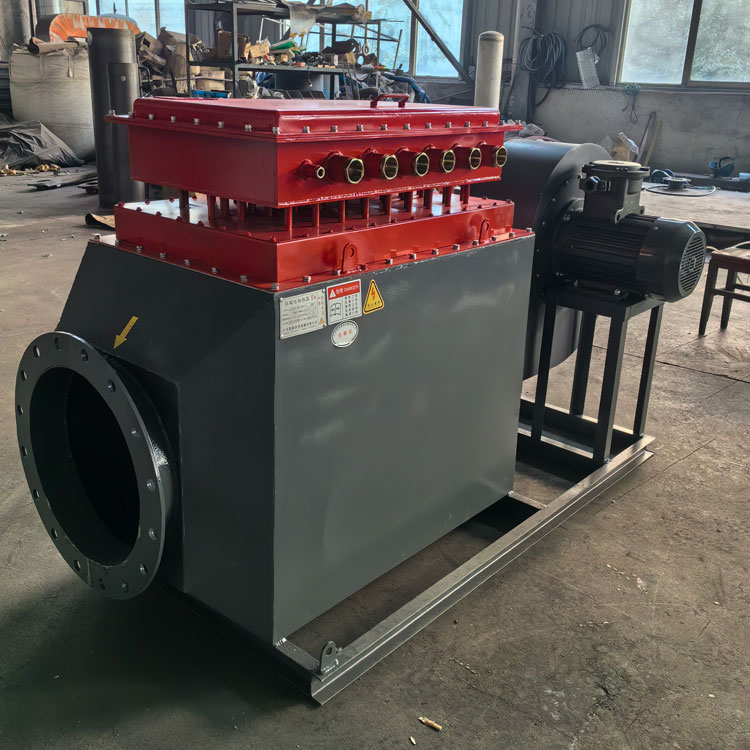
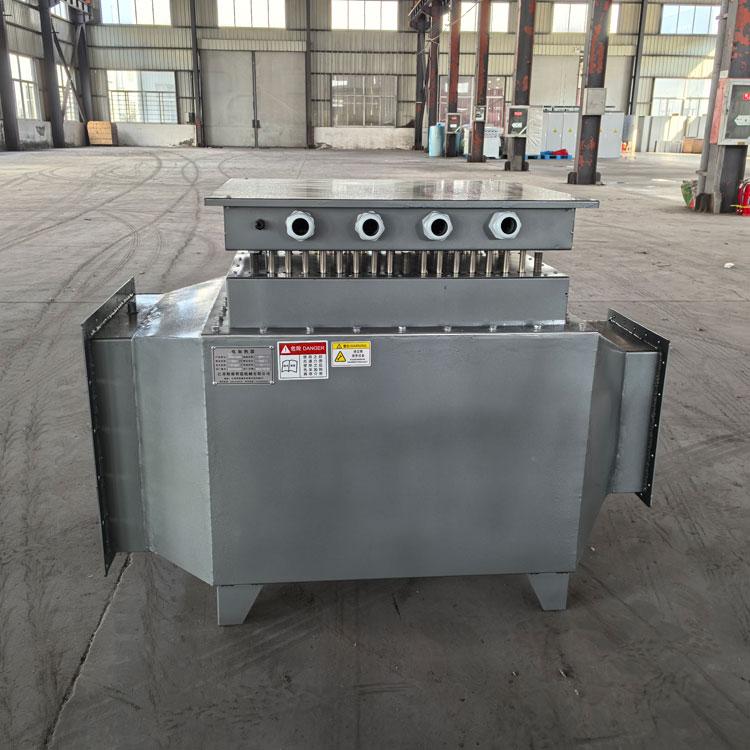
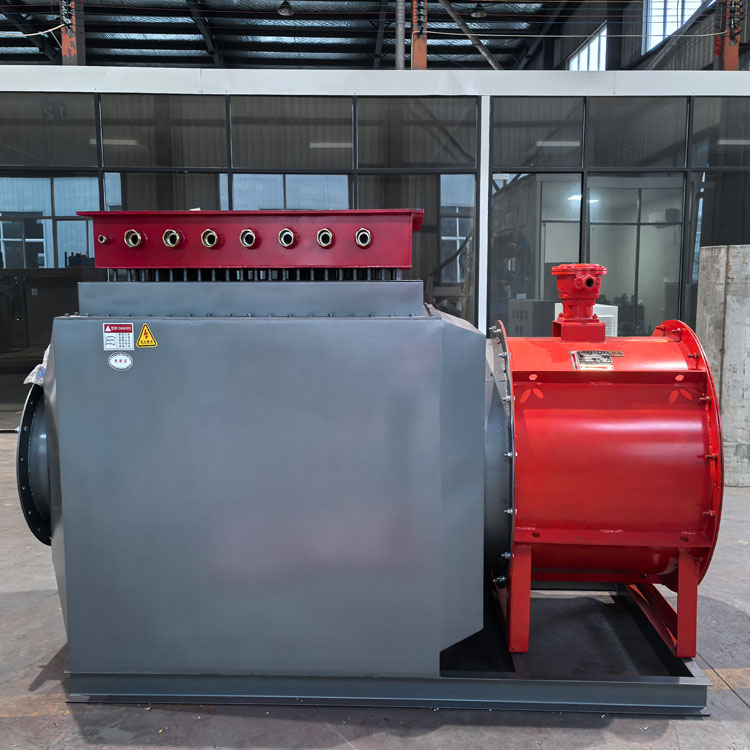
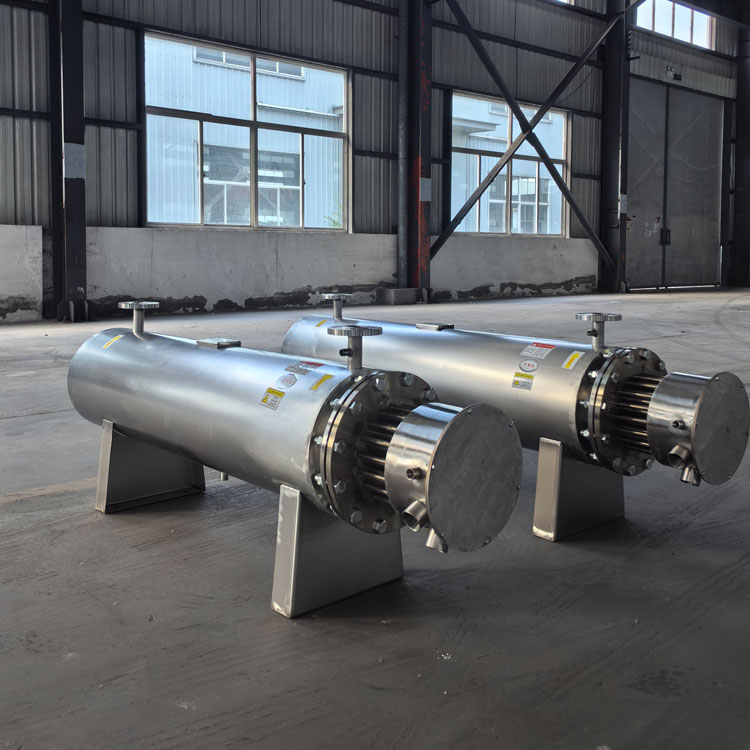
A pipe-type heater is an efficient heating device; here is a detailed explanation of it:
I. Definition and Working Principle
A pipe heater is a device that heats a fluid to the desired temperature by transferring heat through the pipe walls as the fluid flows through them. It operates primarily through two methods of heat transfer: direct and indirect. Direct heat transfer involves the heating element coming into direct contact with the fluid, converting electrical or thermal energy into heat within the fluid. Indirect heat transfer occurs when the fluid in the pipes transfers heat to the pipe walls, which then transfer it back to the fluid itself.
II. Structural Features
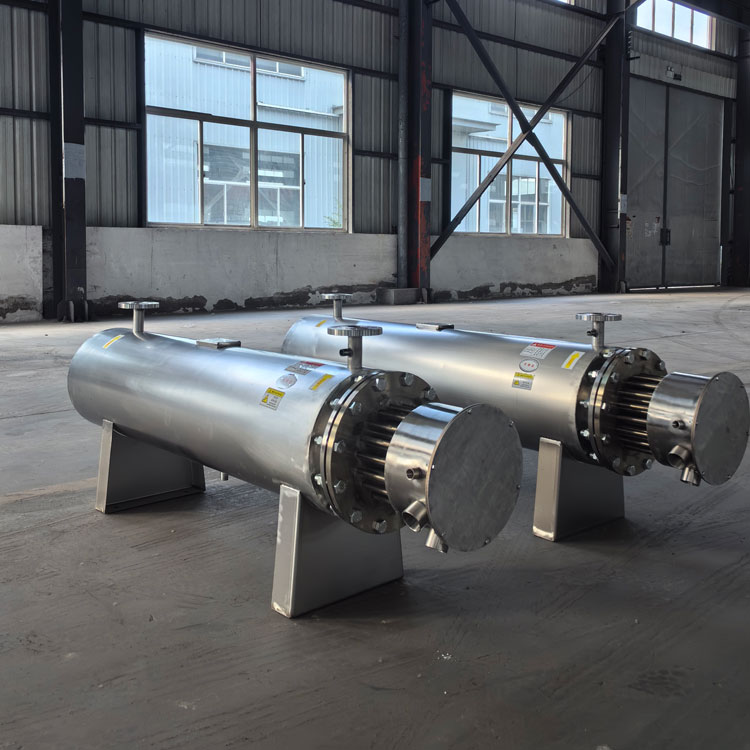
Material: The pipe-type heater is made of stainless steel, offering strong resistance to temperature and corrosion, ensuring long-term stable operation of the equipment.
Heating Element: The internal electric heating tube is made of stainless steel, combined with high-temperature alloy heating wire, high purity magnesium oxide powder, and other materials, ensuring high heating efficiency and reliable quality.
Insulation: Thicker insulation reduces heat loss and improves energy efficiency.
Control System: The internal control system is adjustable and capable of regulating temperature, effectively preventing situations of water shortage or excessive heat, ensuring the safe operation of the equipment.
Section 3: Technical Features
Fast heating speed: The tubular heater can quickly heat the fluid to the required temperature, enhancing production efficiency.
Excellent thermal insulation: The insulating layer ensures minimal heat loss, maintaining a stable heating temperature.
High heating temperature: Pipe-type heaters can achieve higher heating temperatures, meeting various high-temperature heating requirements.
Safety and Reliability: The heating medium of the product is non-conductive, non-flammable, non-explosive, free of chemical corrosion, and environmentally friendly, ensuring the safety of use.