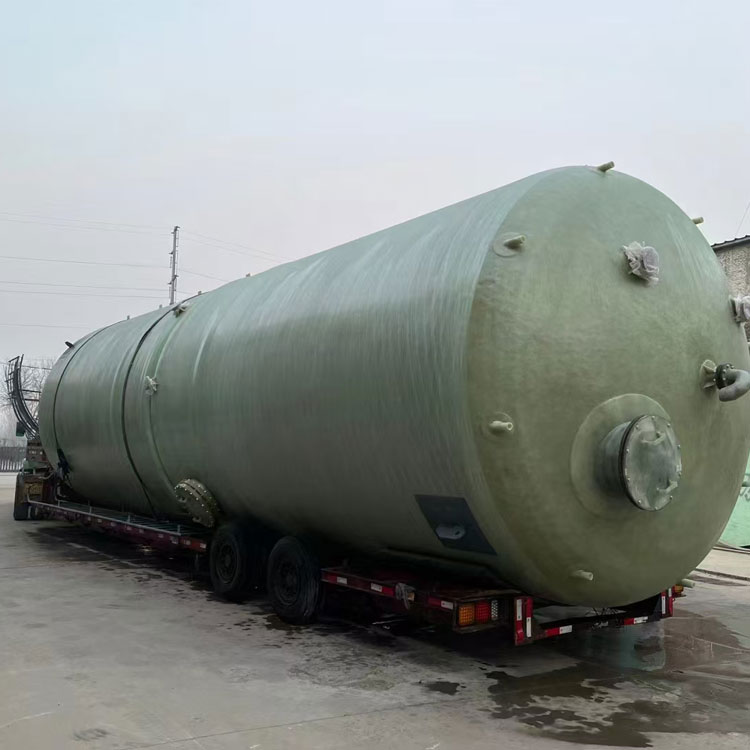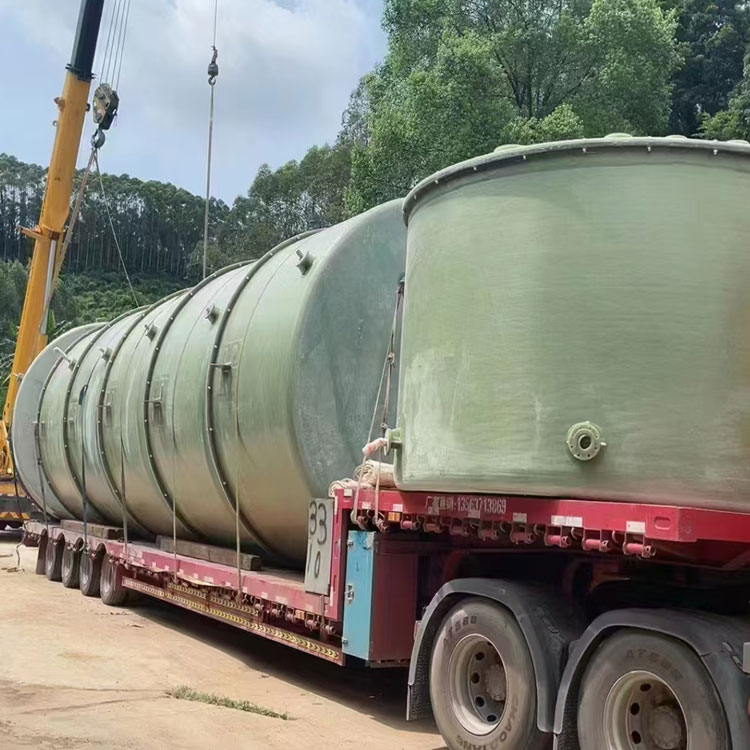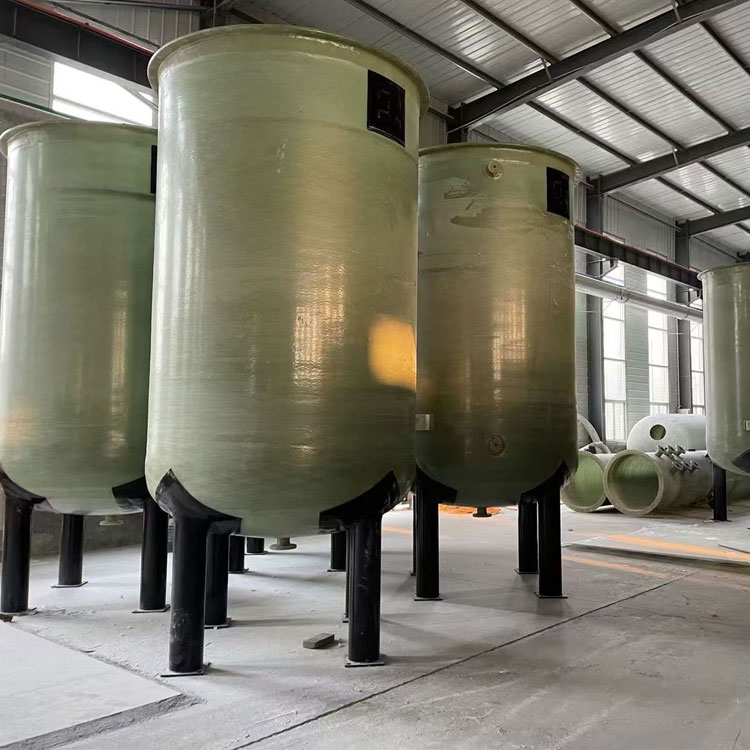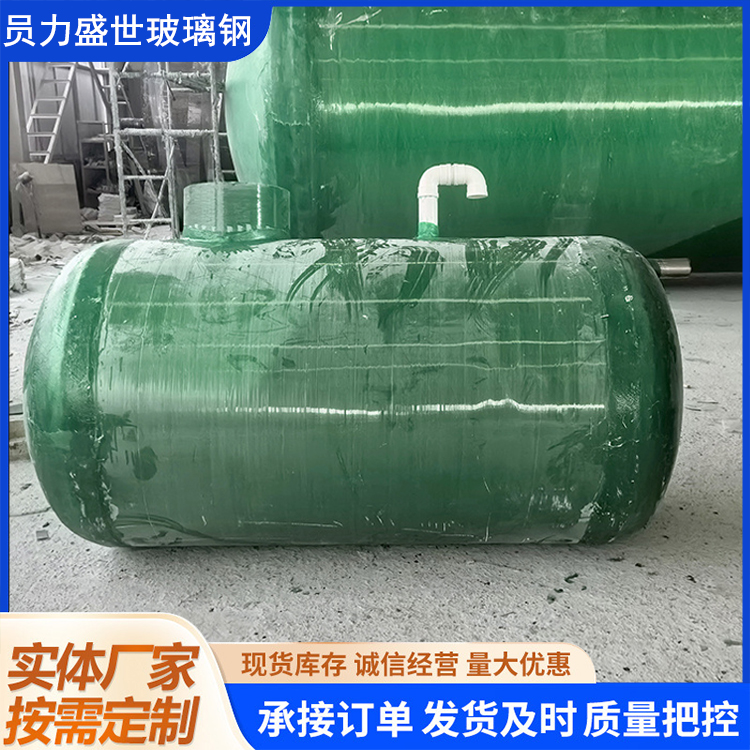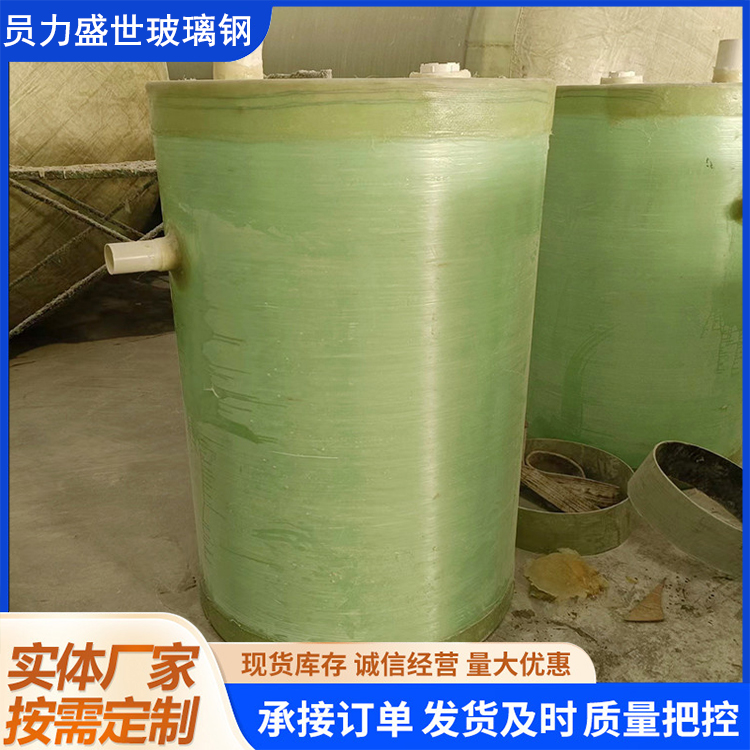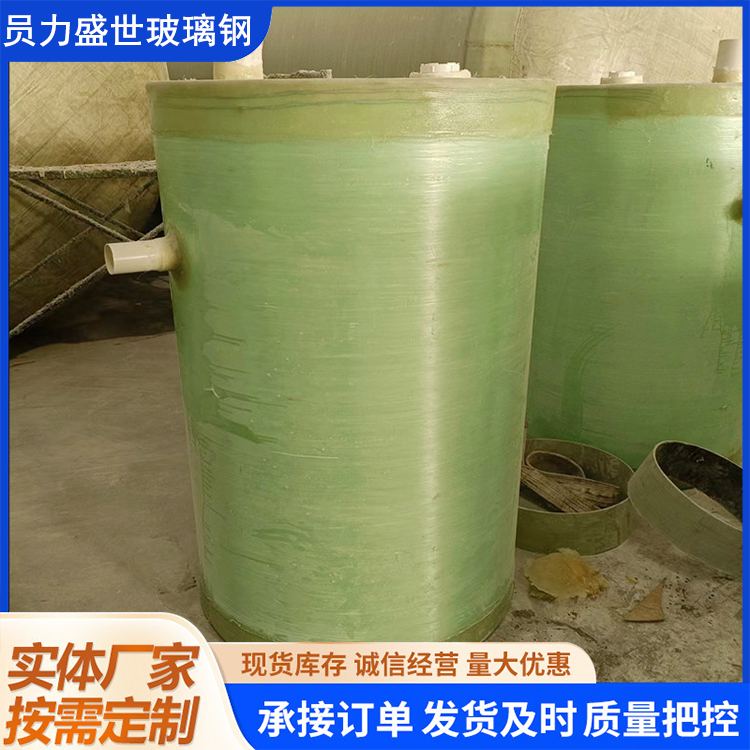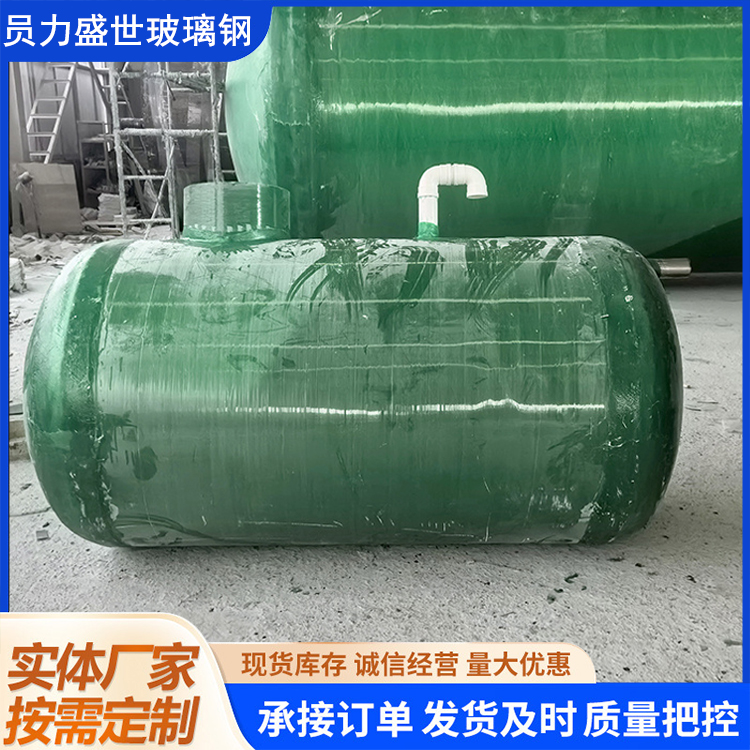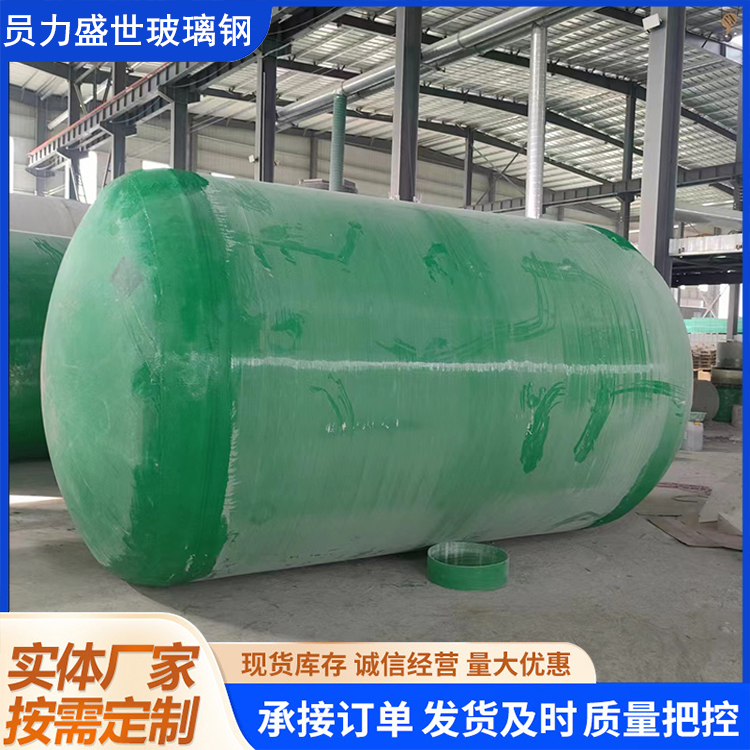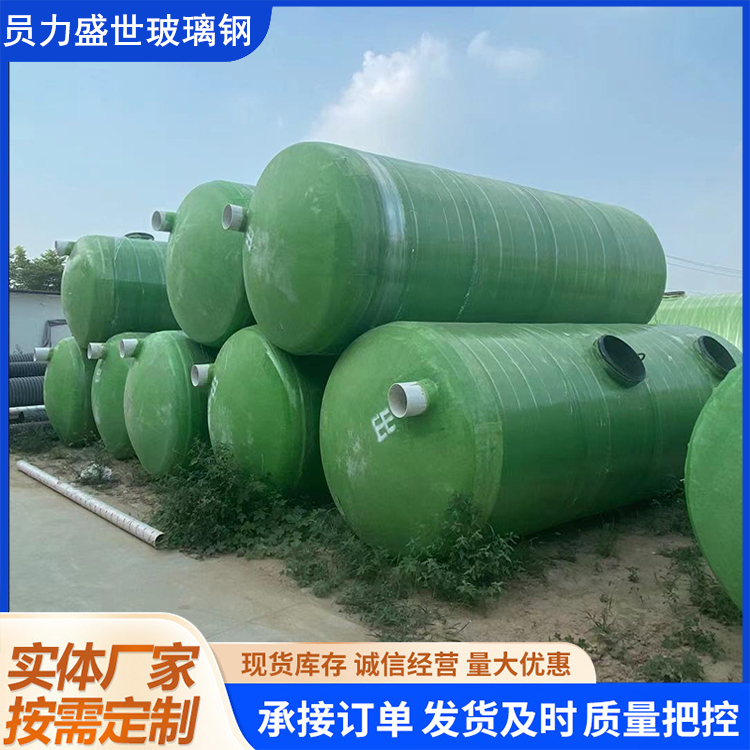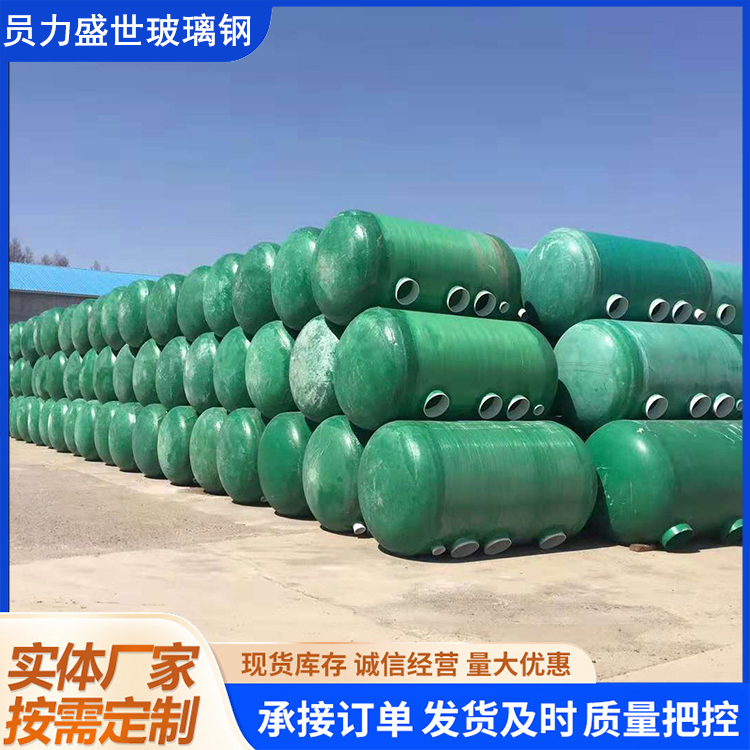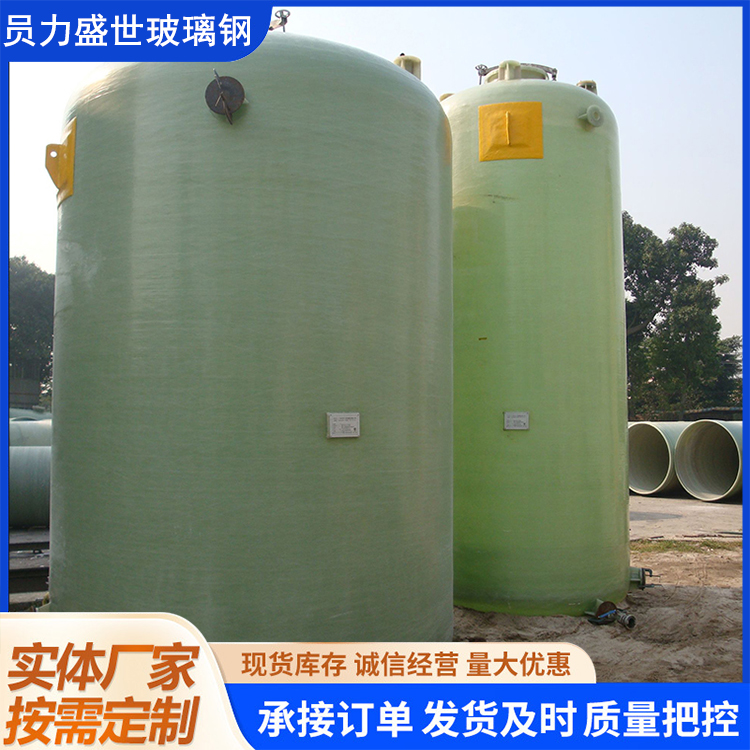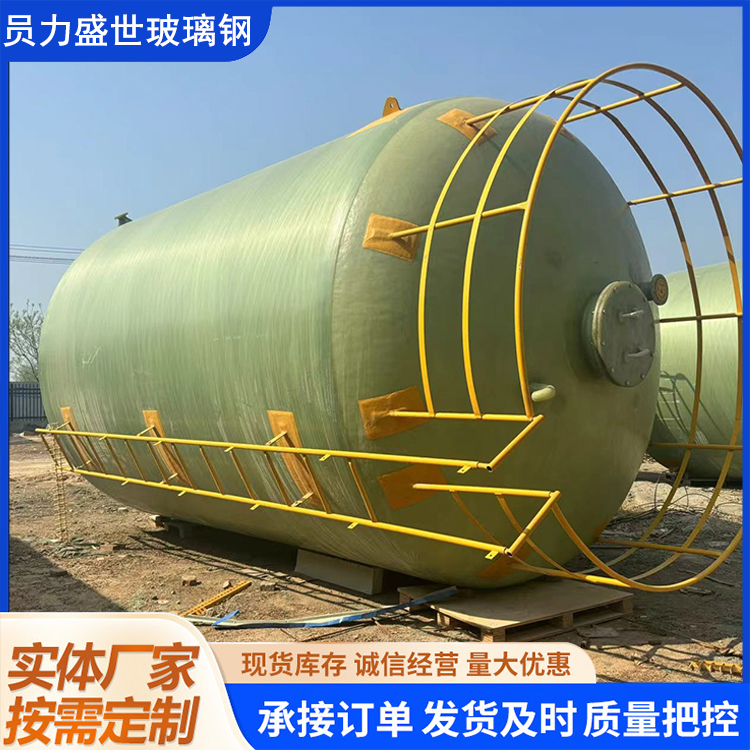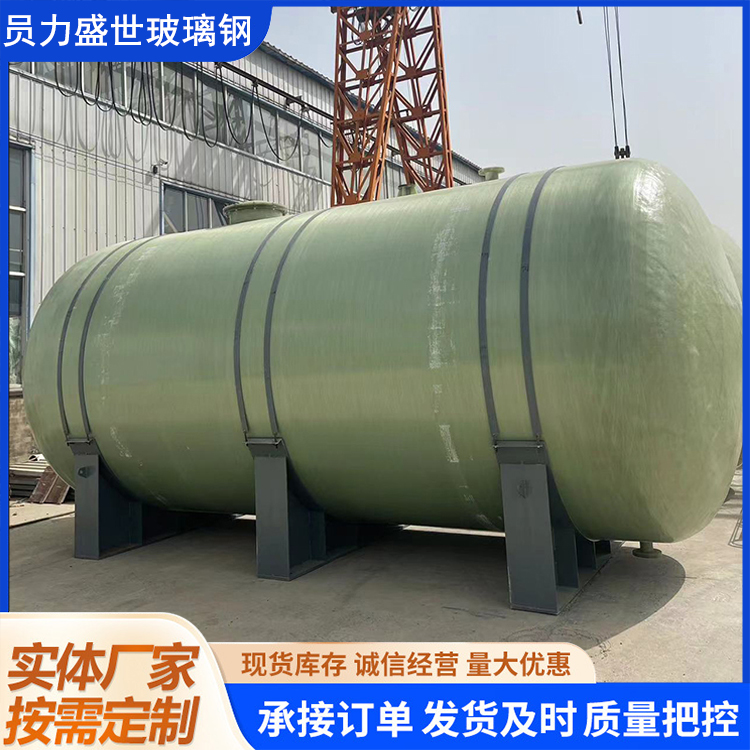

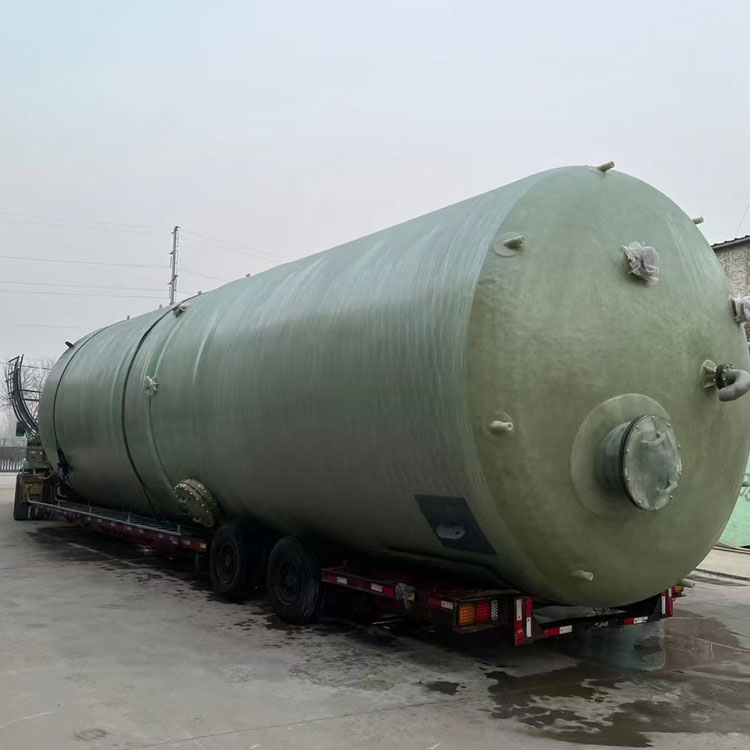

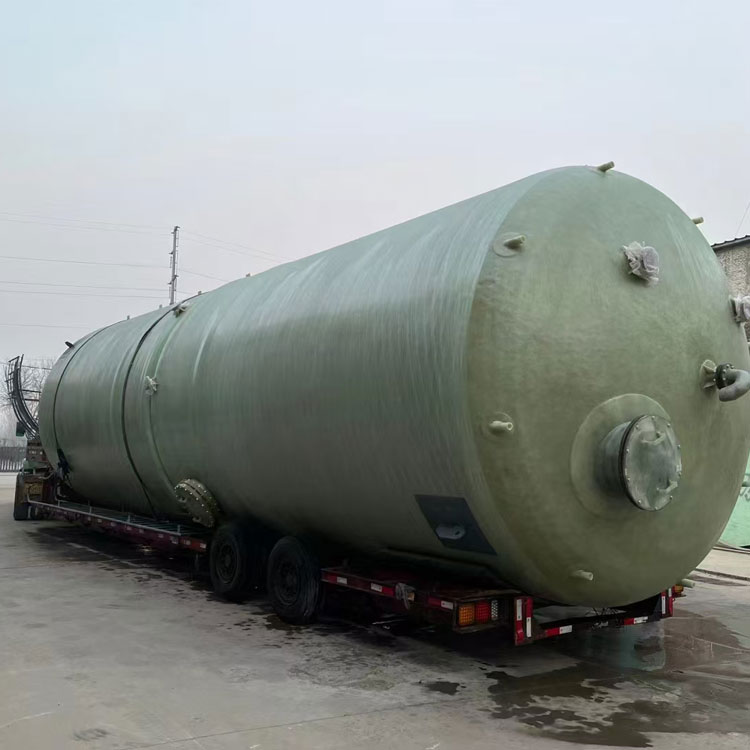


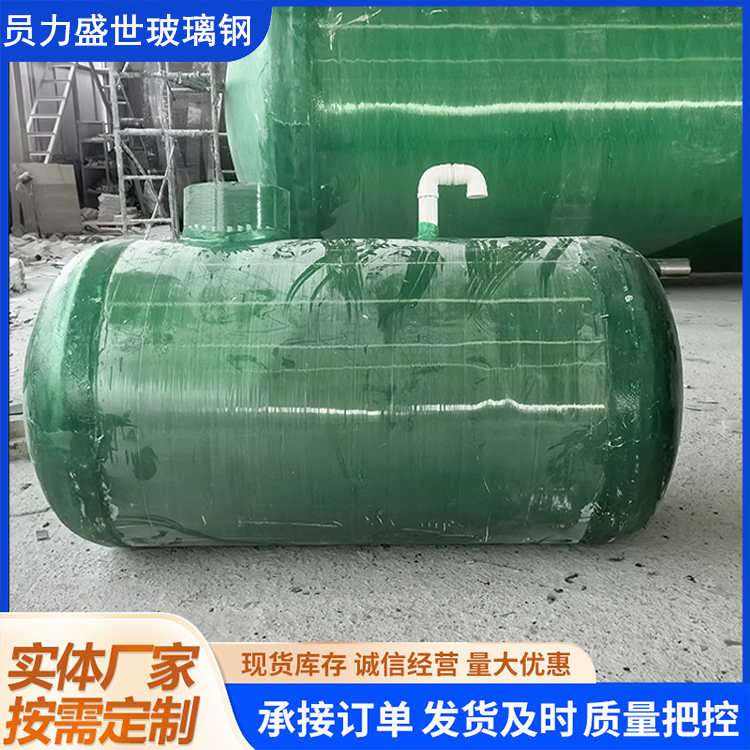
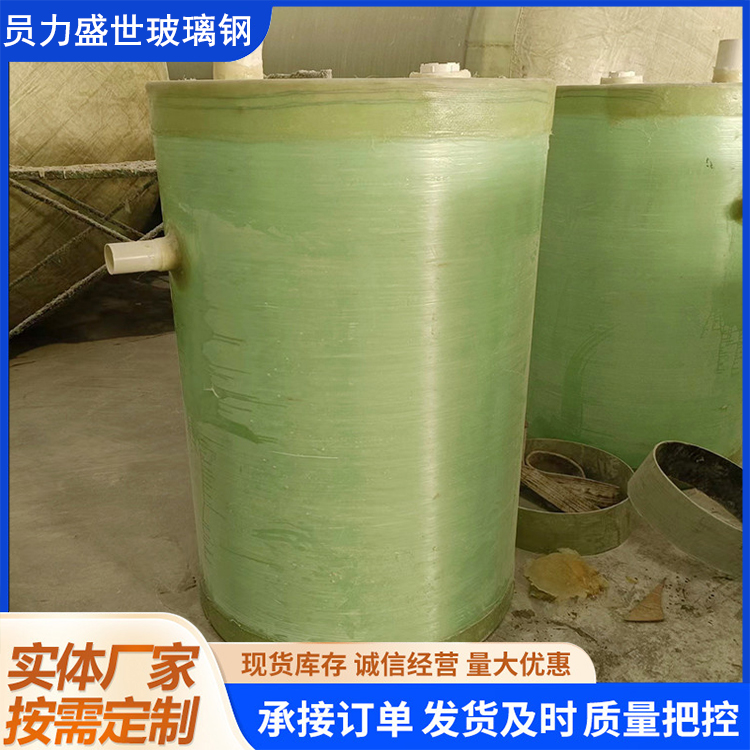

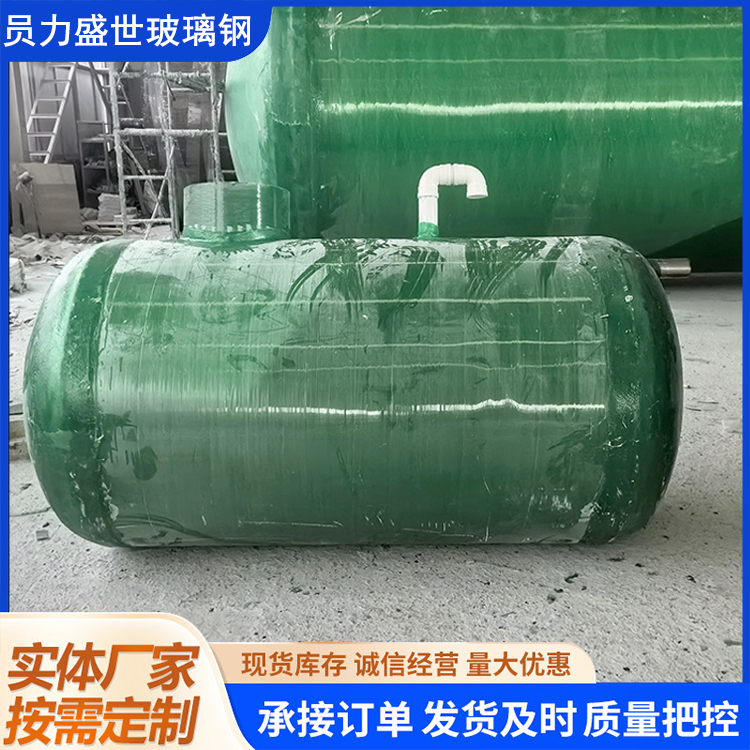
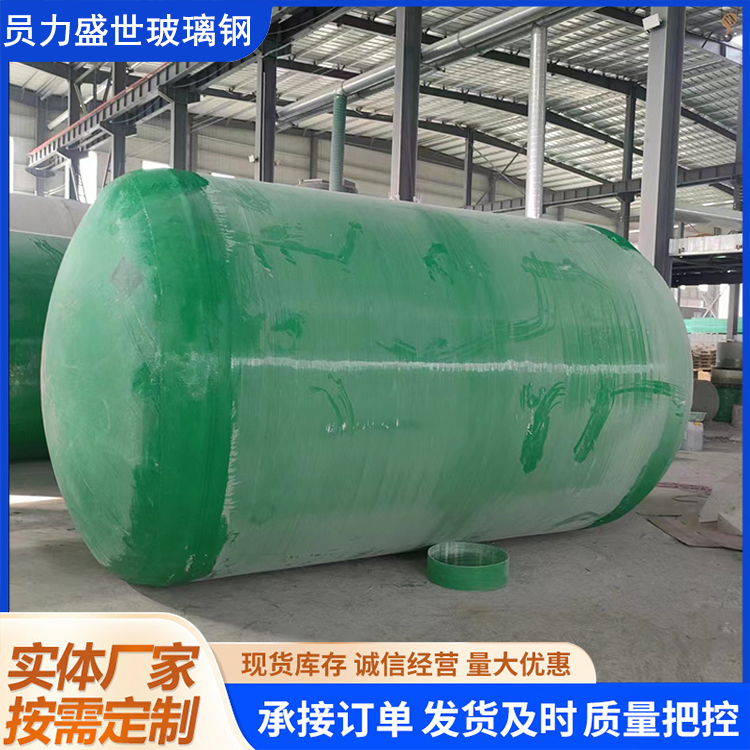






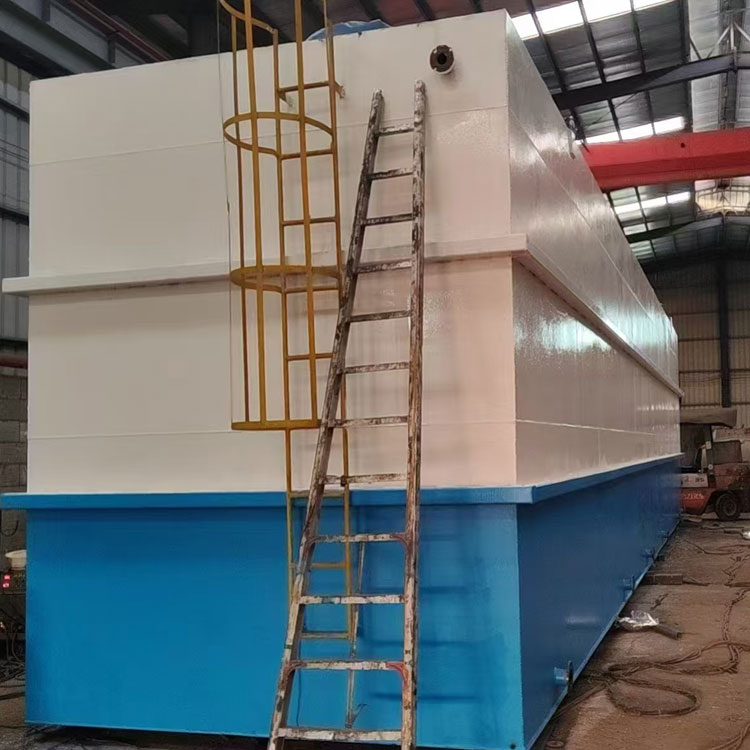
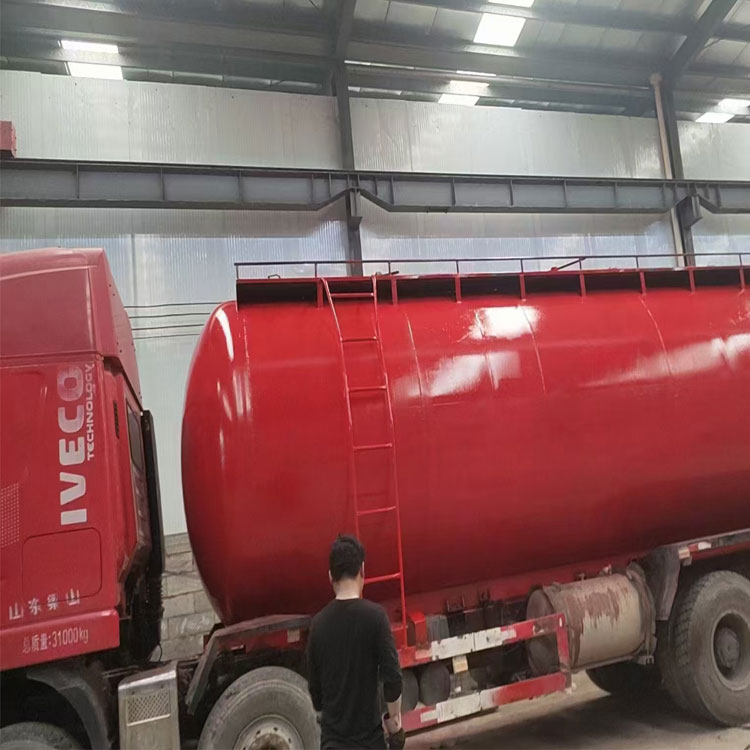
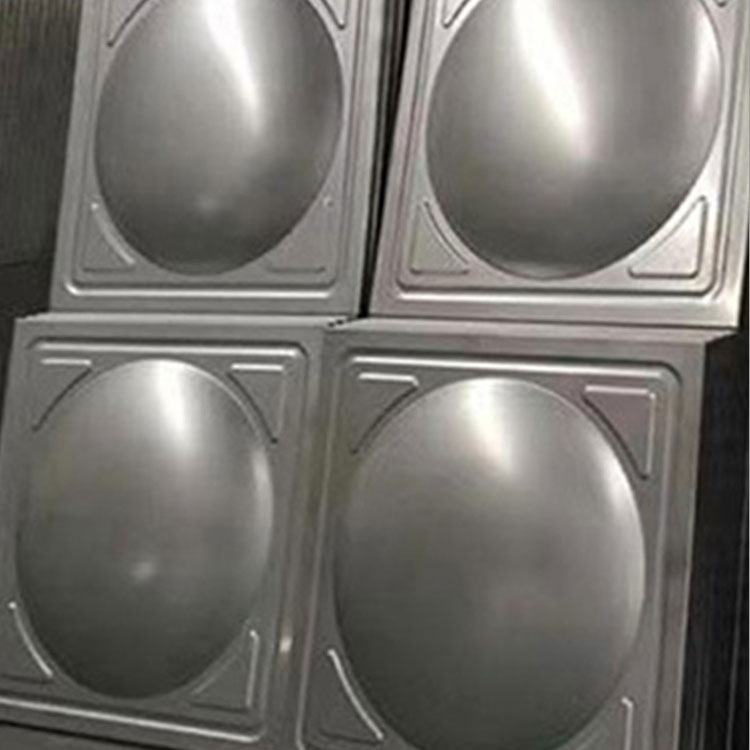
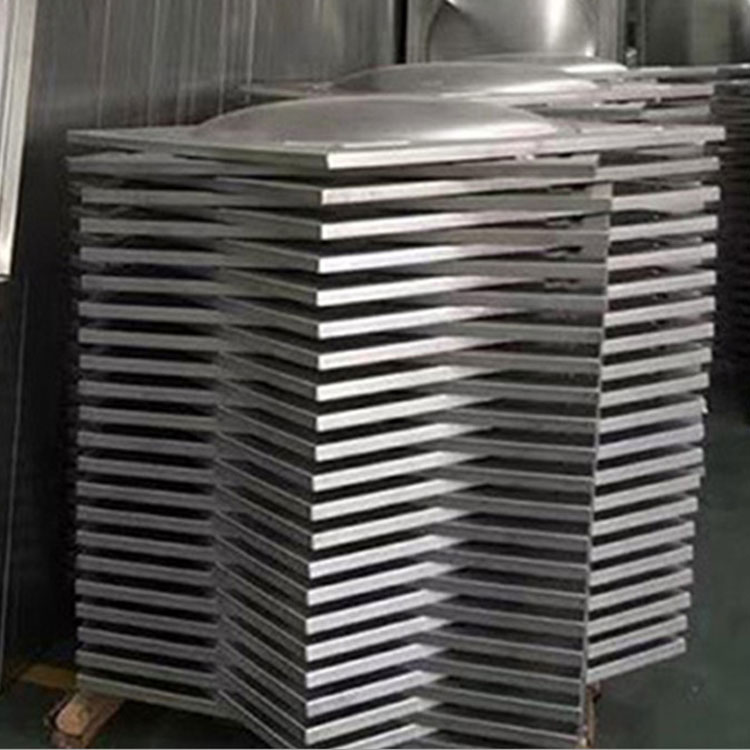
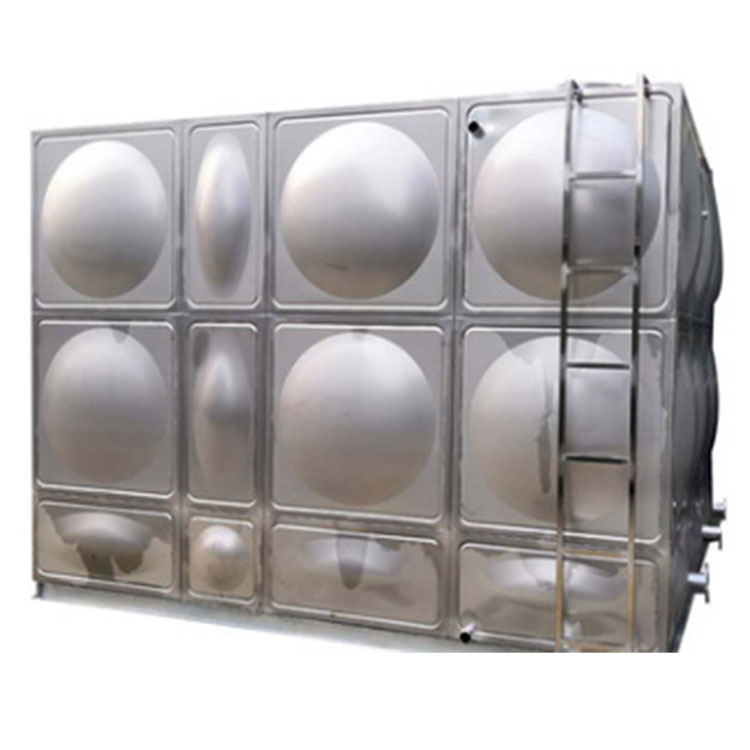

Fiberglass tanks are categorized into vertical and horizontal fiberglass storage tanks, fiberglass transport tanks, fiberglass reaction tanks, various chemical storage tanks, food-grade storage tanks, large fiberglass containers. They are composed of different types of epoxy, furan, and phenolic resins as binders, selected based on the medium used (storage or transportation). They consist of a high-resin content corrosion-resistant inner lining, a leakage prevention layer, a fiber-wound reinforcing layer, and an outer protective layer.
Advantages and Characteristics of Glass-Fiber Reinforced Plastic Tanks: Glass-fiber reinforced plastic products possess excellent physical properties, with higher specific strength than steel, cast iron, and plastic. Their thermal conductivity coefficient is only 0.5 of that of steel, making them excellent insulators for heat and electricity. These products offer great design flexibility, superior wall structure performance, and operate within a temperature range of -50 to 200°C. They are typically pressure-resistant up to 6.4 MPa and boast features like pressure resistance, corrosion resistance, anti-aging, and long service life. Additionally, they are lightweight, high-strength, leak-proof, insulating, non-toxic, and have a smooth surface. Mechanical winding glass-fiber reinforced plastic containers can adjust their physical and chemical properties by altering the resin system or using different reinforcing materials to suit various media and working conditions. This allows for the creation of different pressures through structural layer thickness, winding angle, and wall thickness design, which is a notable characteristic of fiber-wound composite materials.
Fiberglass tanks applications: Widely used in industries such as oil, chemical, textile, dyeing, electricity, transportation, food brewing, artificial synthesis, water supply and drainage, seawater desalination, and irrigation. Capable of storing various corrosive media, these tanks are resistant to a variety of acids, alkalis, salts, and organic solvents. Suitable for storing and transporting products like hydrochloric acid, sulfuric acid, nitric acid, alcoholic beverages, hydrogen peroxide, and wastewater. They can also be used as underground oil tanks, insulated storage tanks, and transport tankers.