








Metallurgical crane

Introduction to Metallurgical Cranes.
Structural Features:
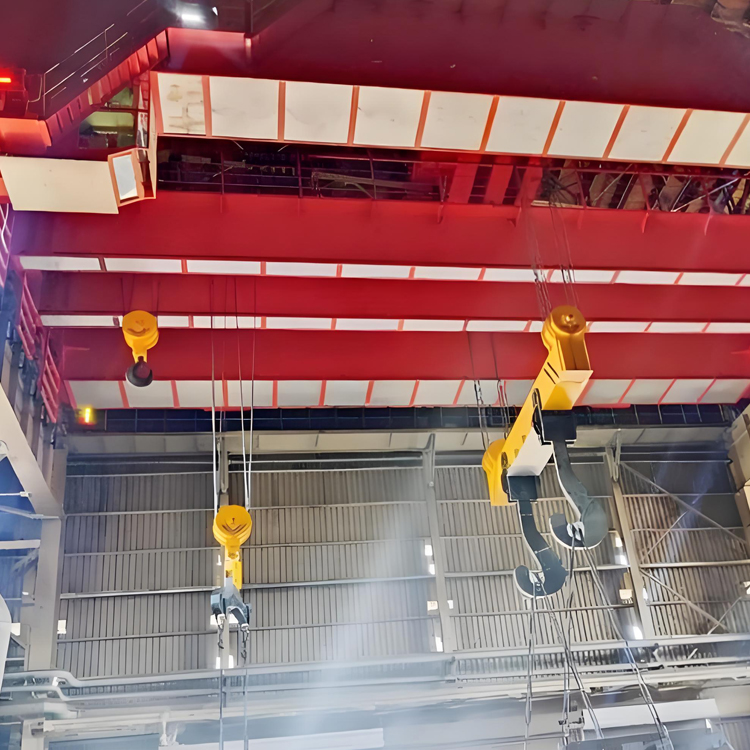
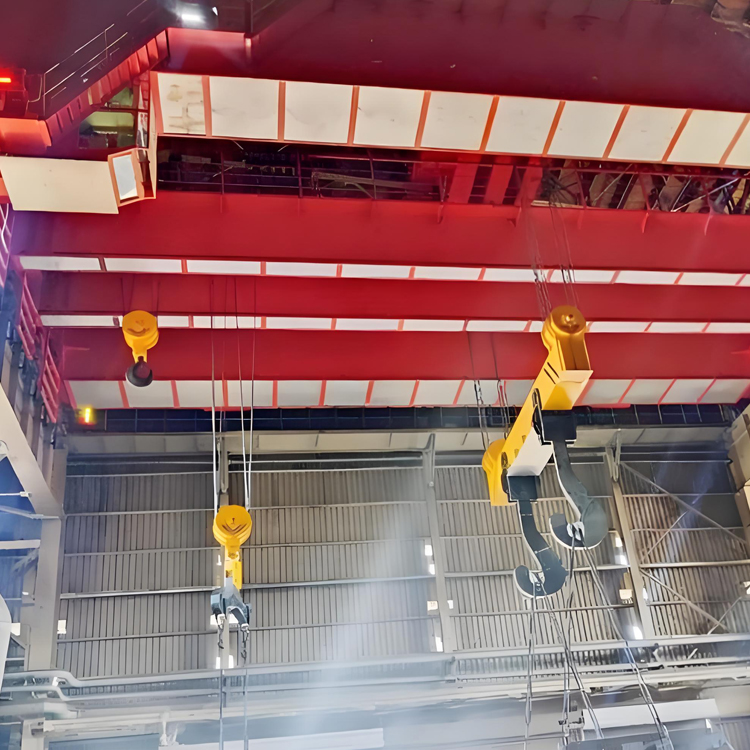
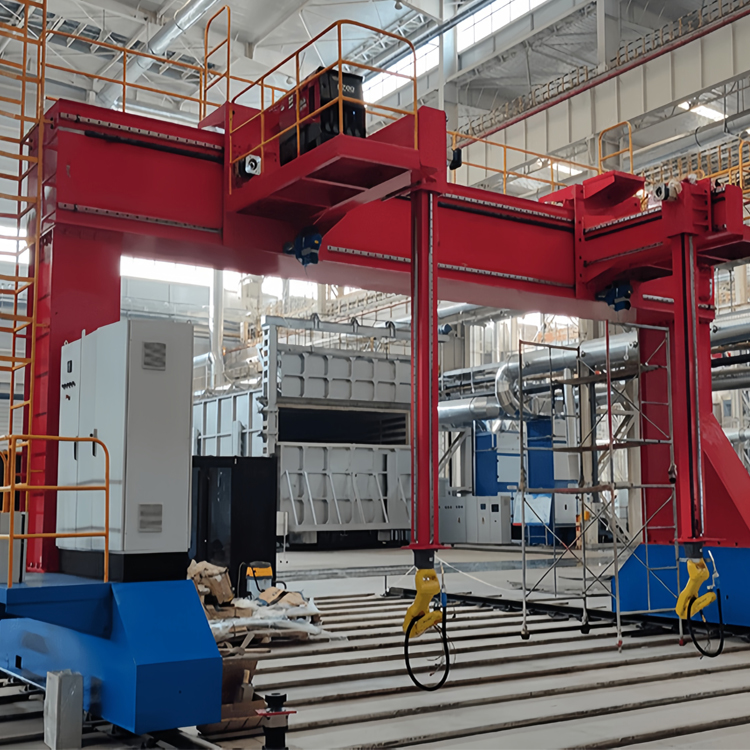
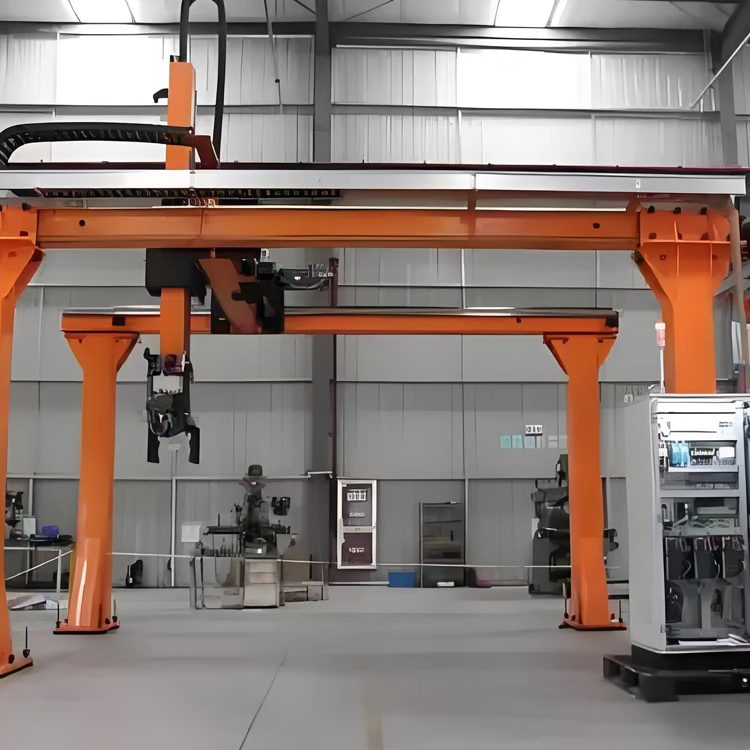
- Bridge Frame Structure: Primarily utilizes box-shaped main beams, such as double girder bridge structures, offering excellent vertical and horizontal rigidity, capable of bearing significant loads.
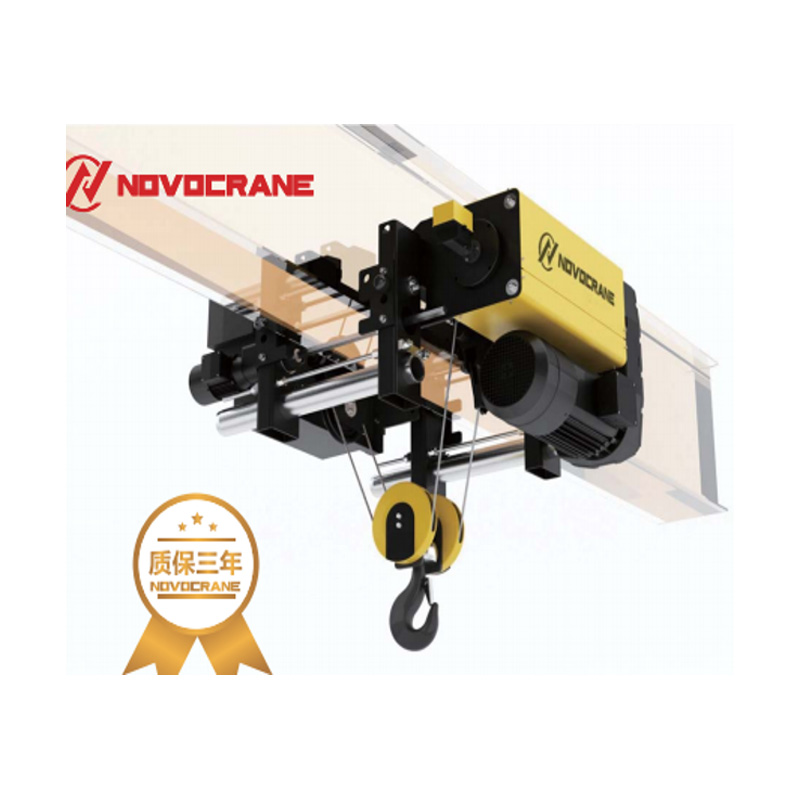
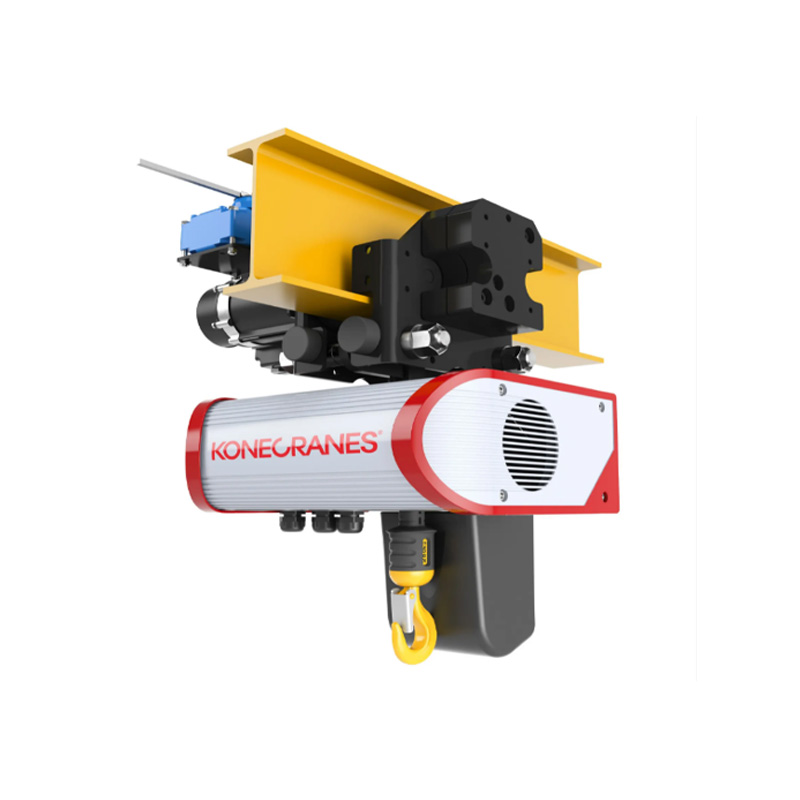
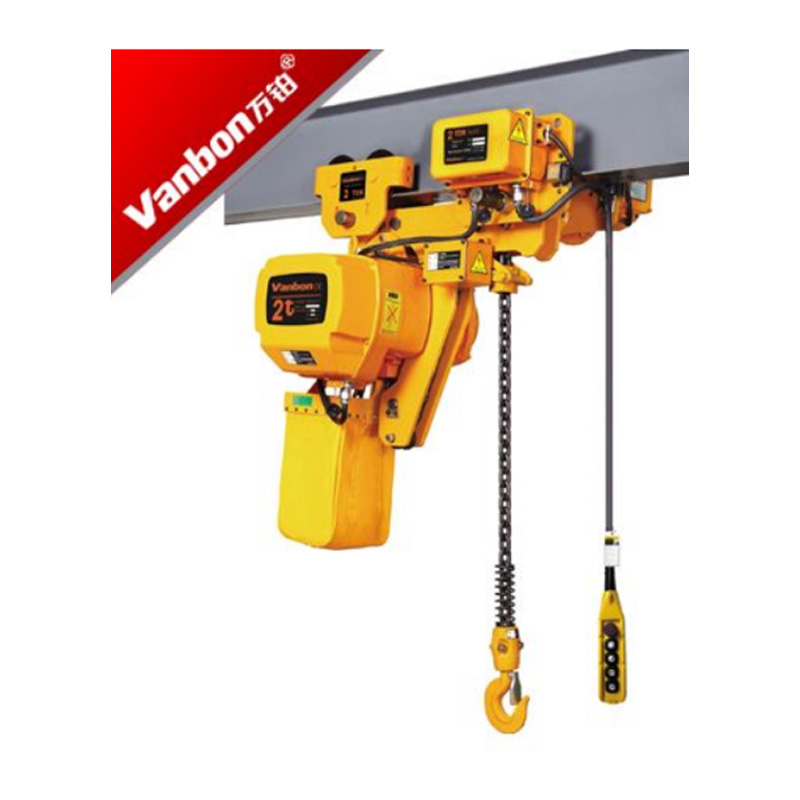
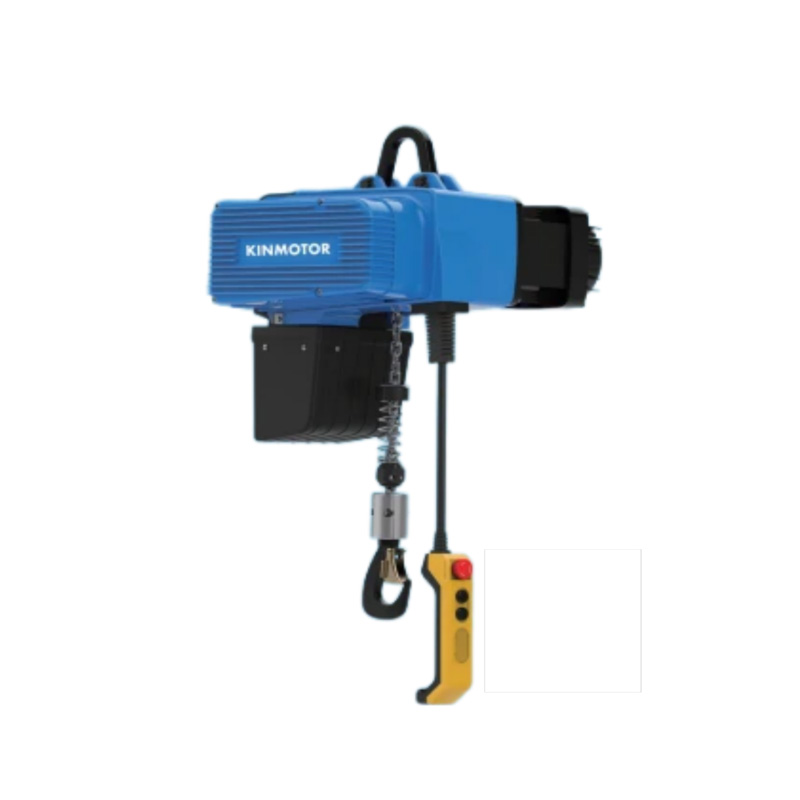
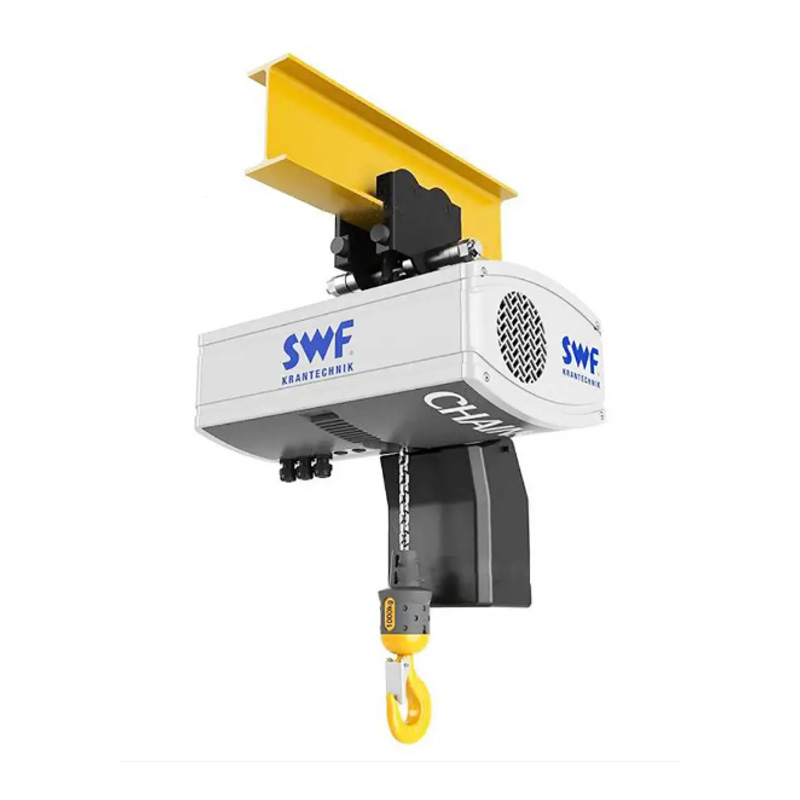
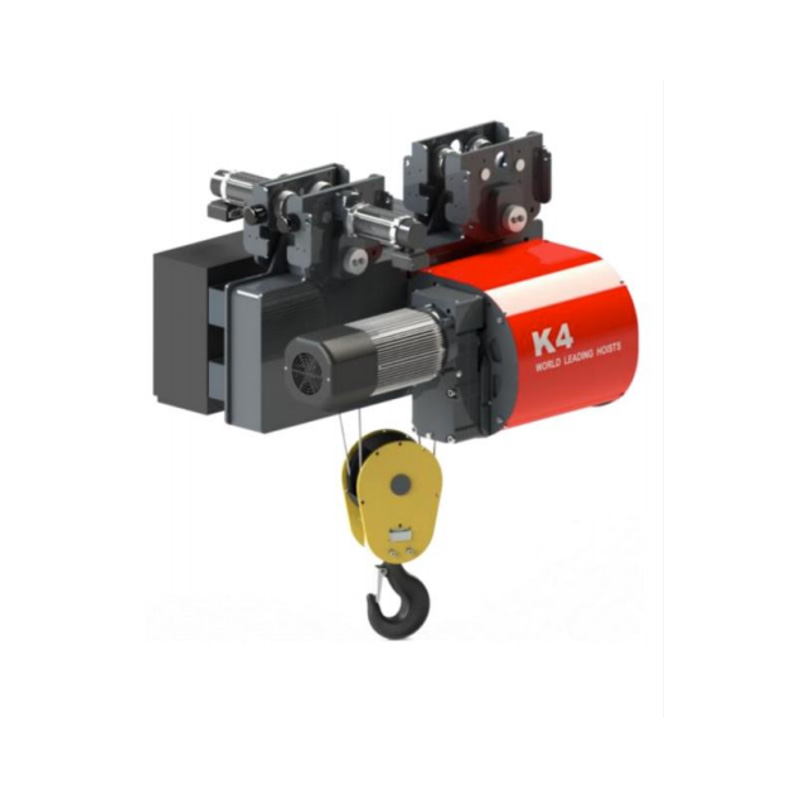
- Hoisting Mechanism: Typically equipped with two drive units and two braking systems, including both working and safety brakes, to ensure safe and reliable operation even if one drive or braking system fails.
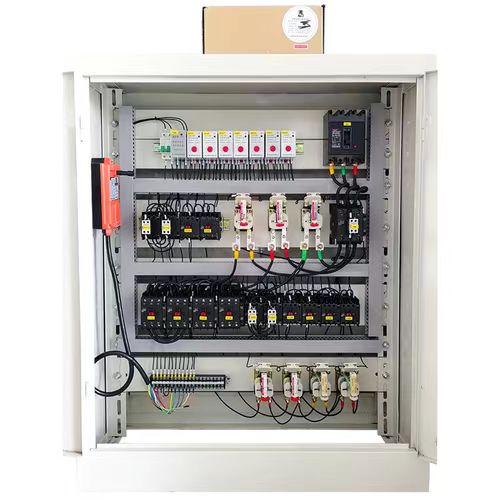
- Electrical System: Insulating protection measures are used externally on electrical equipment, with the hoisting motor employing a cone rotor motor with higher starting torque to accommodate frequent direct starts during the crane's intermittent operation, and high-temperature-resistant cables are used.
Working Principle:
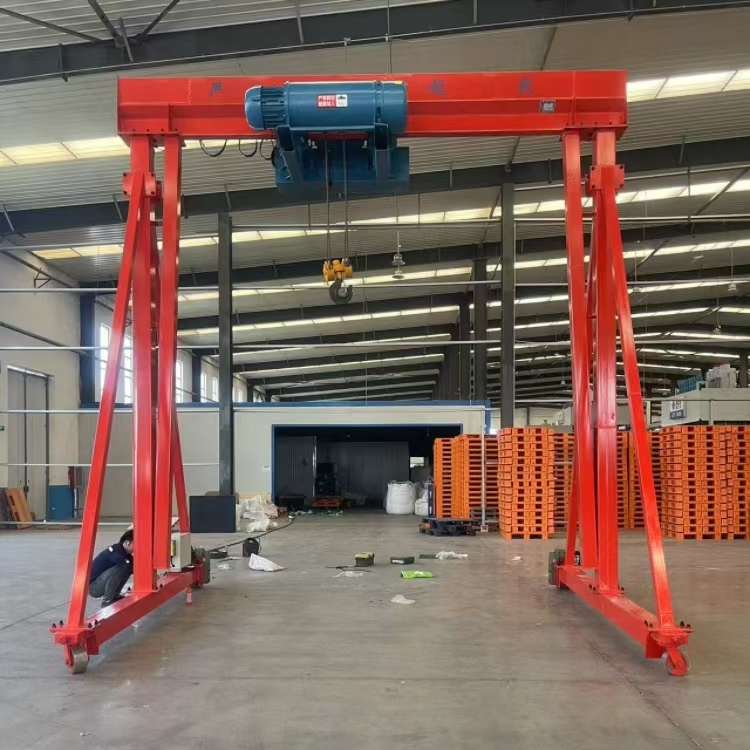
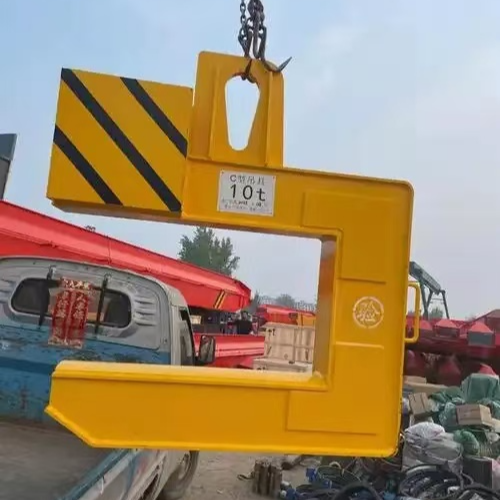
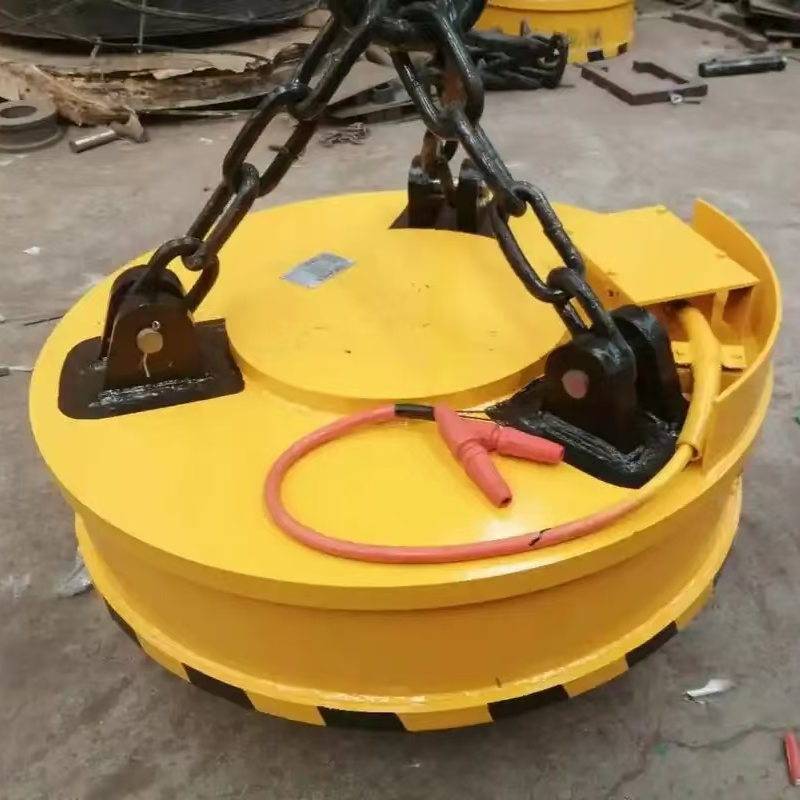
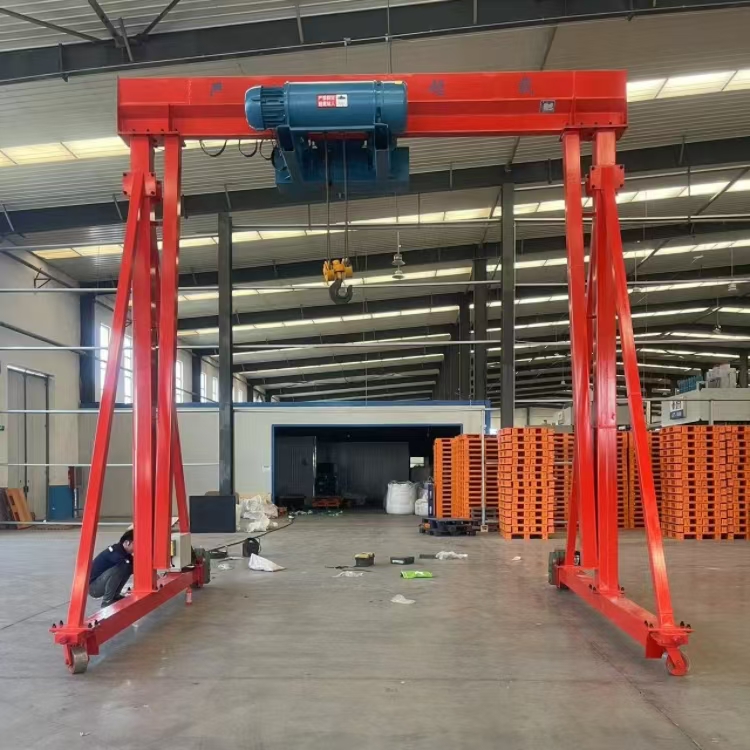
By the longitudinal movement of large vehicles along the factory track, the lateral movement of small carts, and the lifting and lowering of crane hooks, we achieve hoisting, handling, and transportation operations for metal materials, equipment, and components.
Application Fields:
- Steelmaking Process: Iron melt is poured into a mixer furnace or directly into a converter in the converter workshop. The molten steel ladle can also be lifted to the tundish rotation table or refining furnace, etc.
- Rolling Process: Hoisting steel billets to the rolling mill for rolling, and then lifting the rolled steel to the finished product storage area.
Non-ferrous Metallurgy: Used in non-ferrous metal smelting factories for lifting various raw materials, intermediate products, and finished goods.
- Hot Processing Workshop: Used for lifting high-temperature workpieces in forging, heat treatment, and other hot processing workshops, to perform forging, quenching, and other processes.