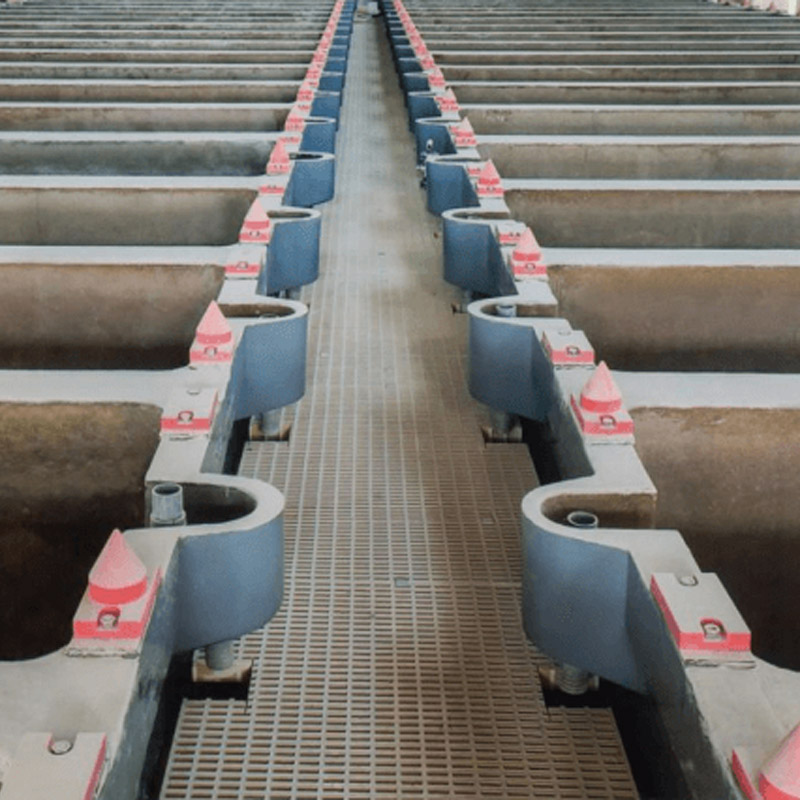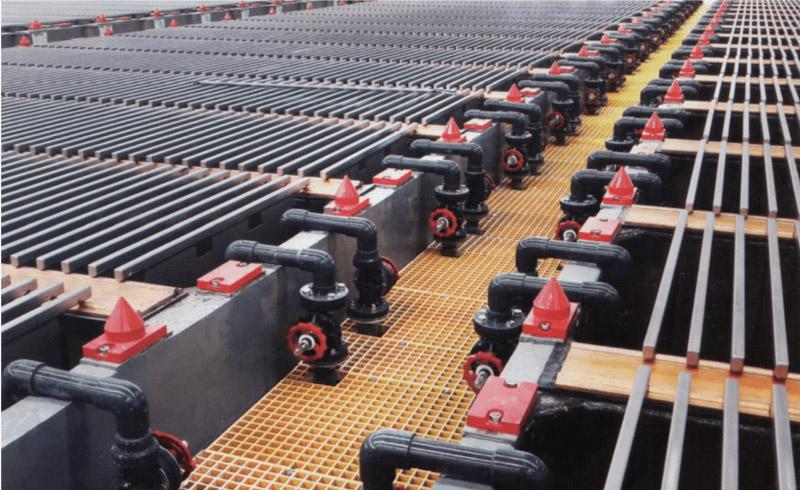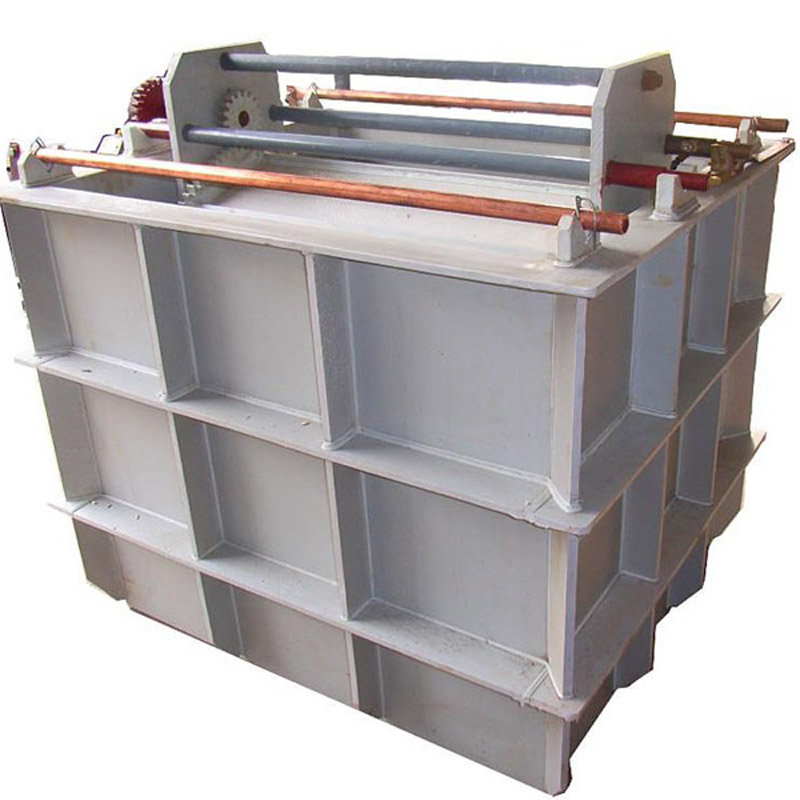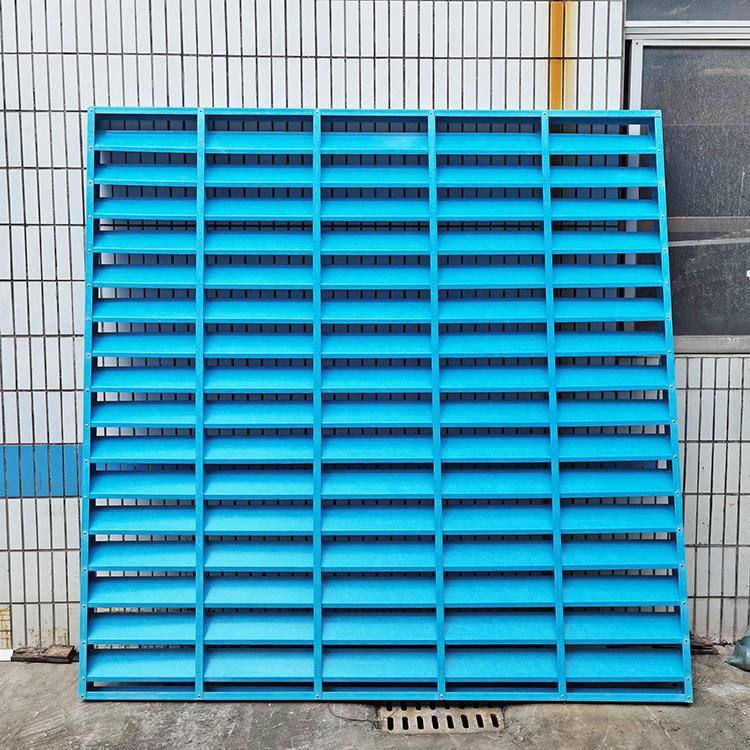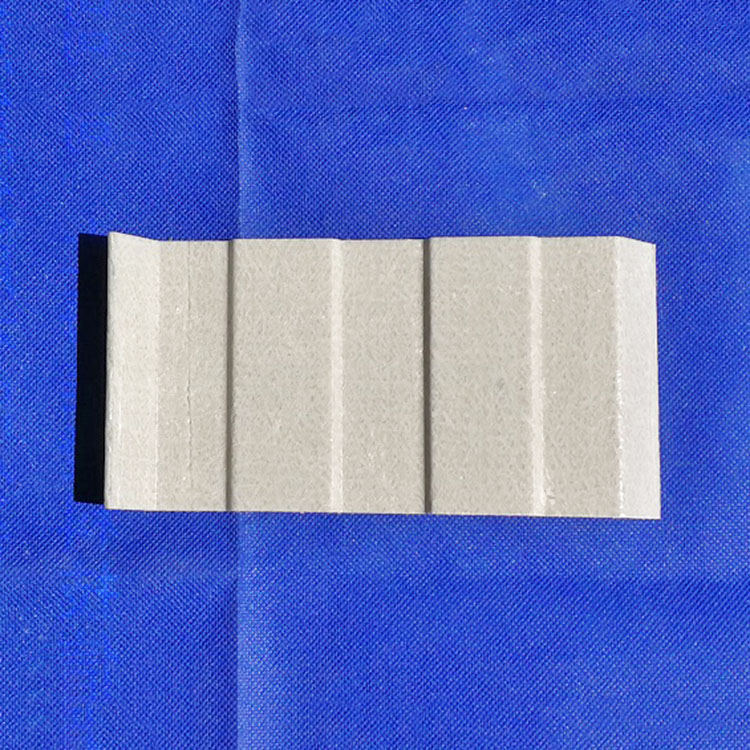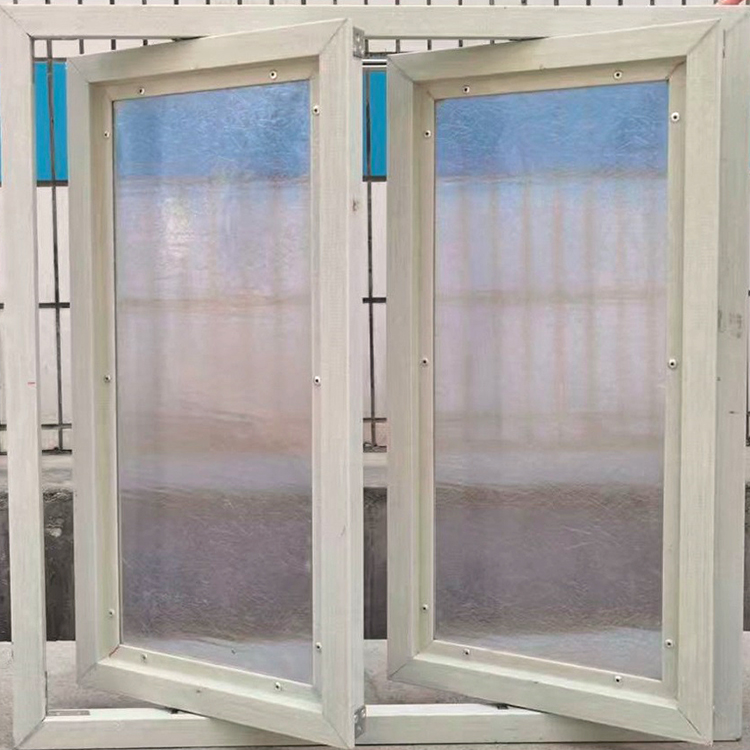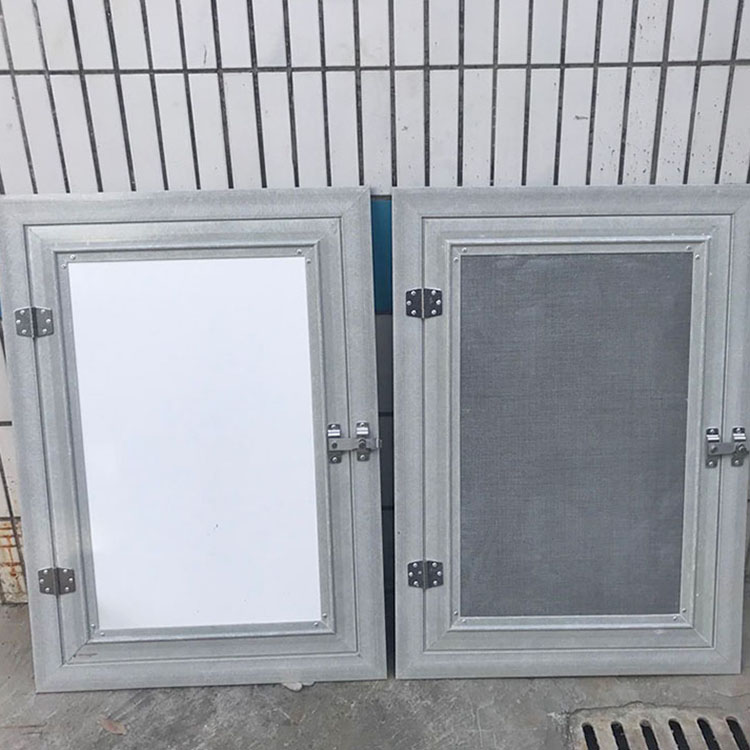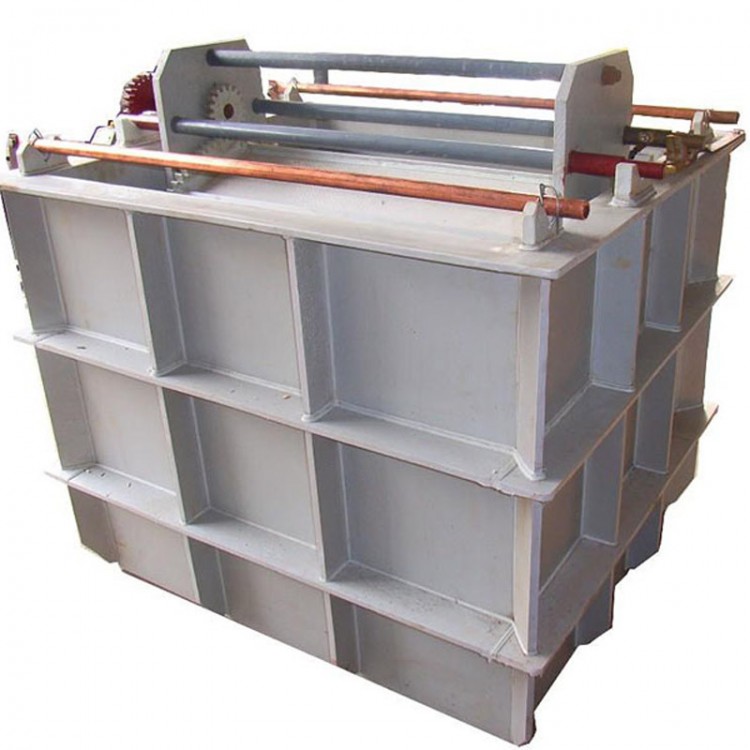


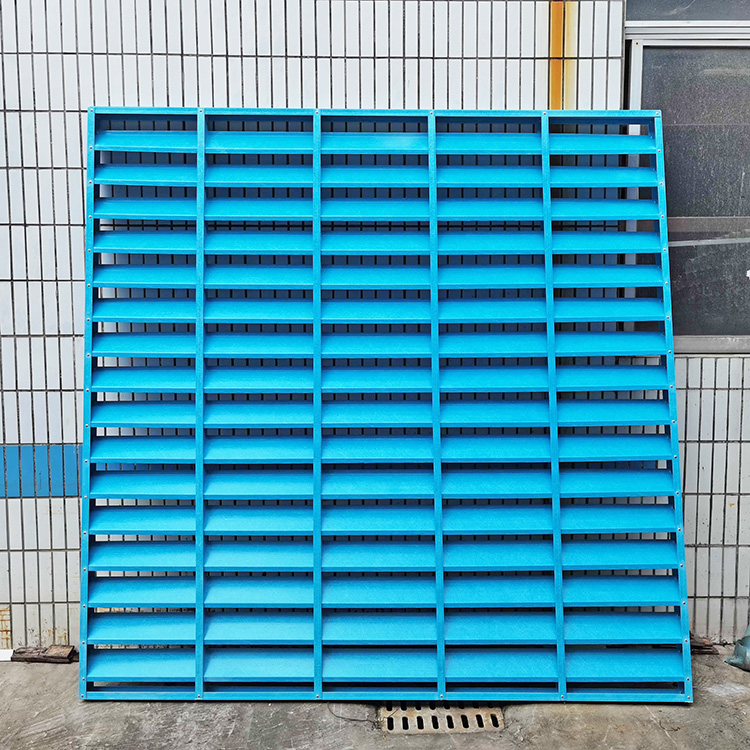
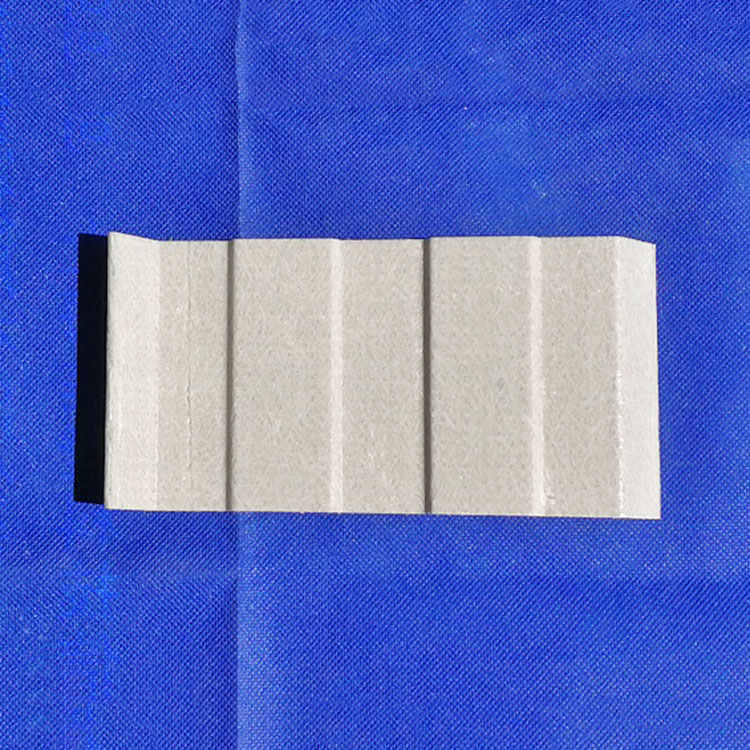
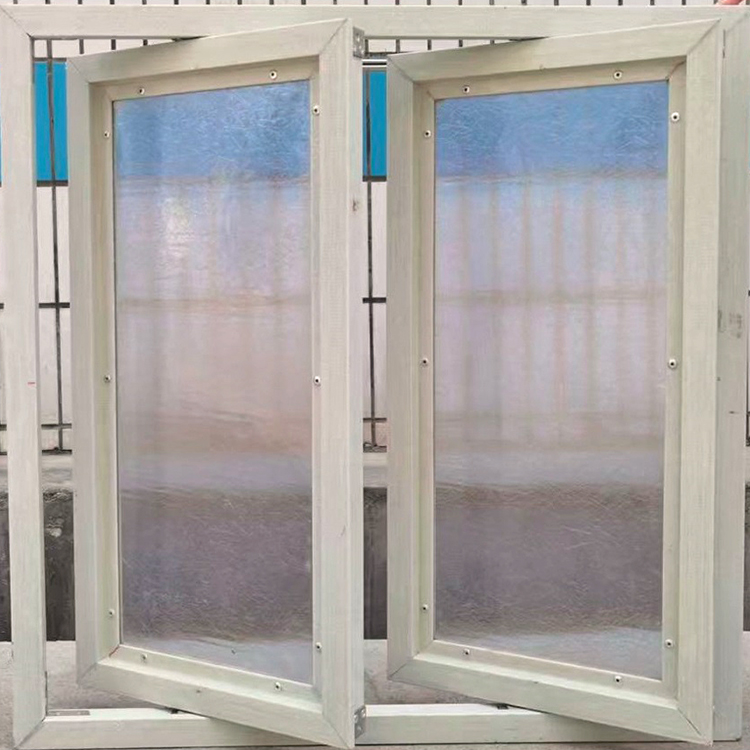

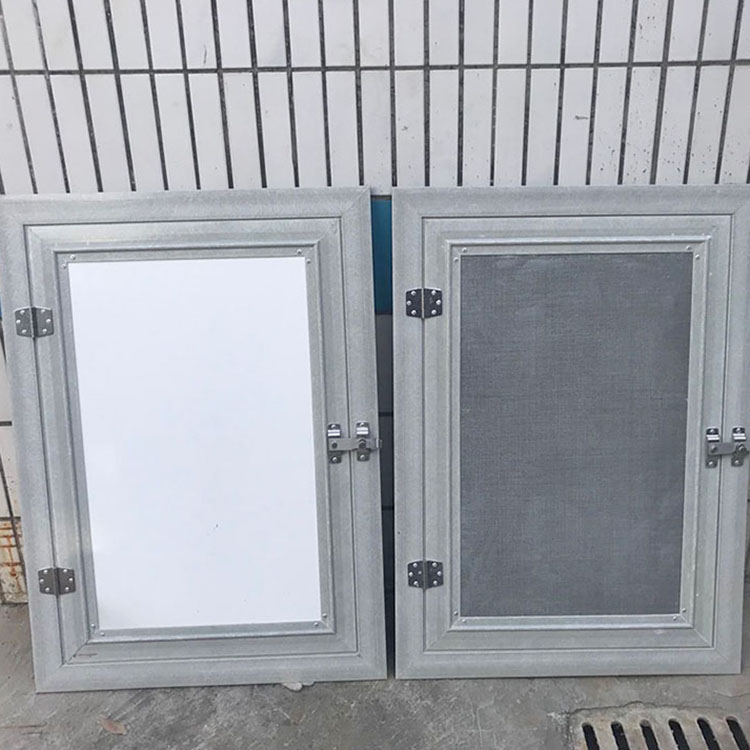






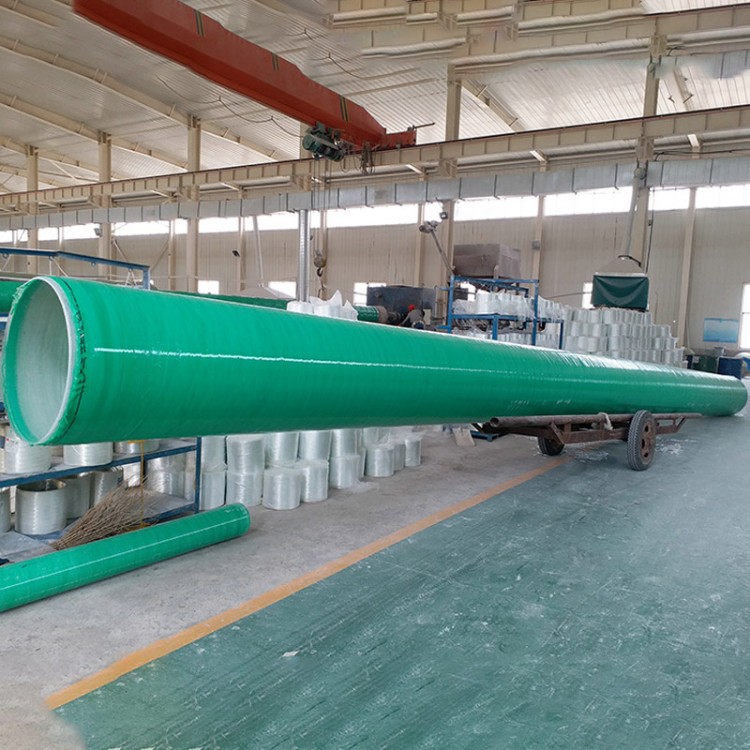
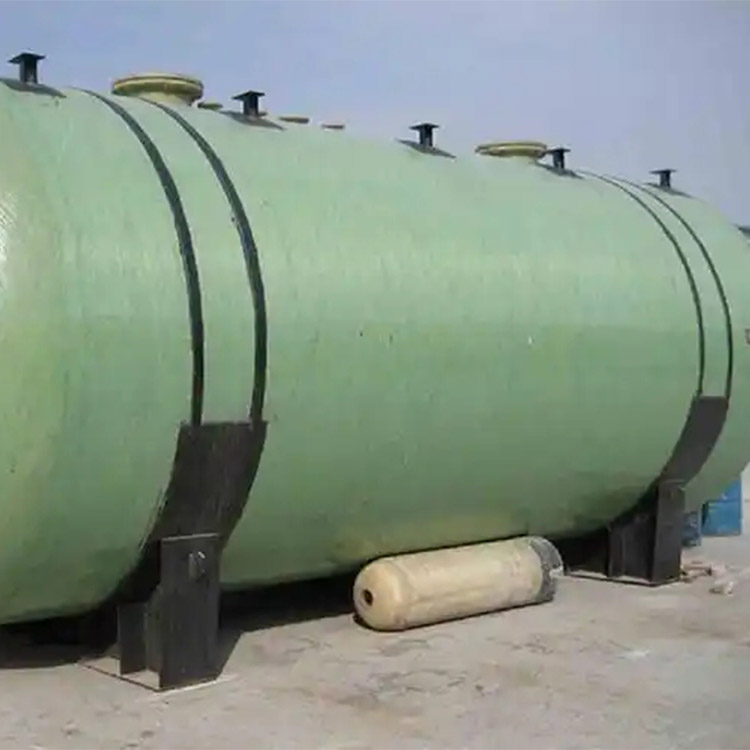
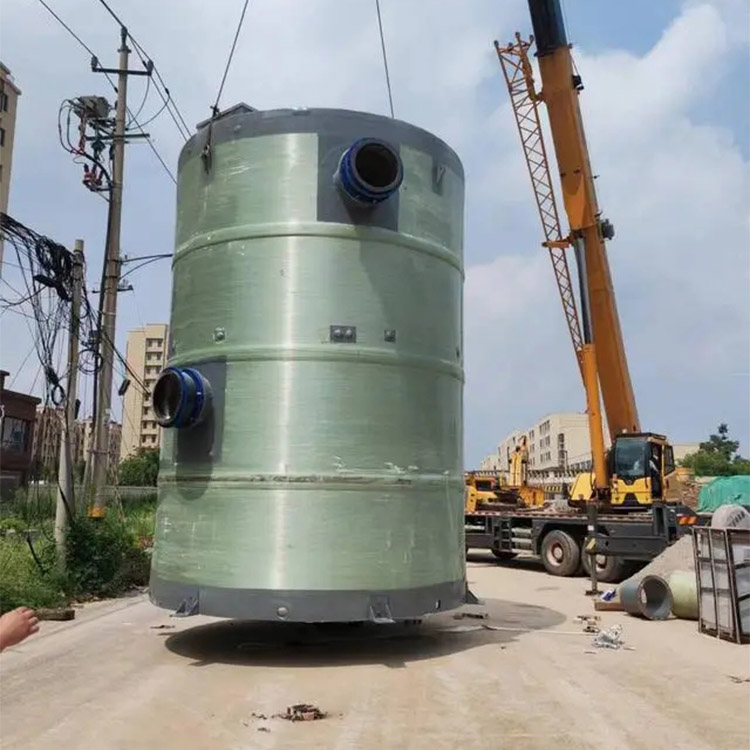
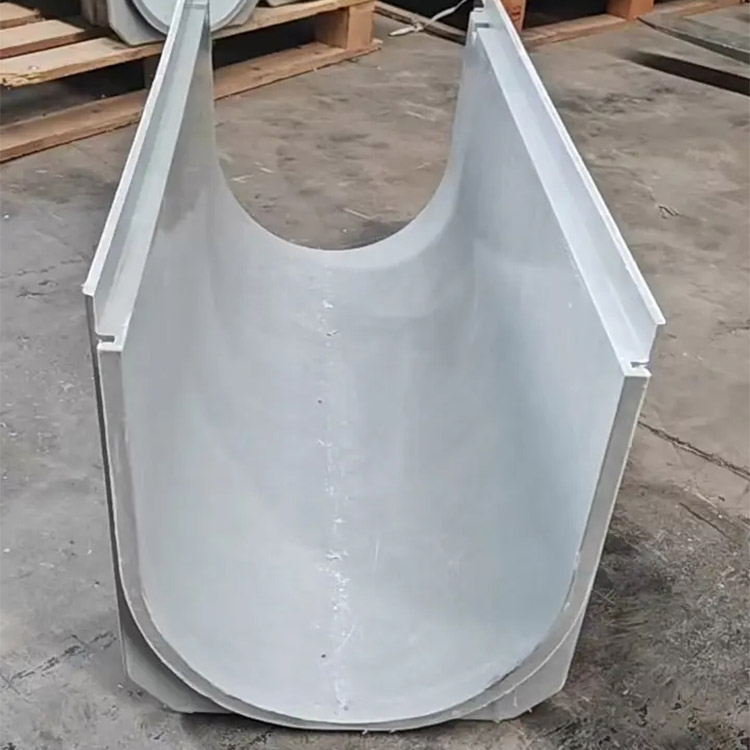

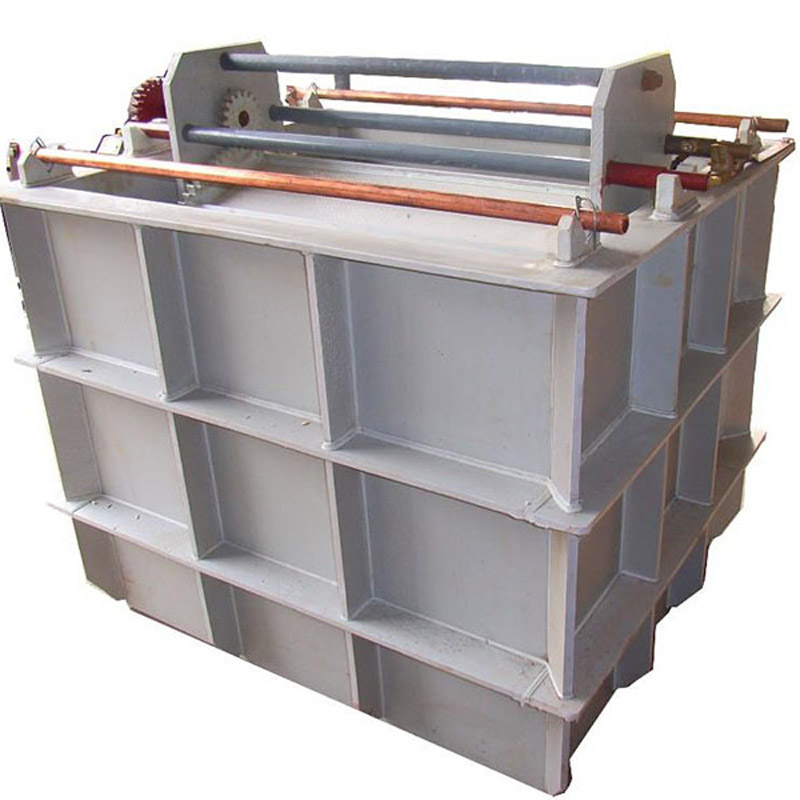
Fiberglass electrolytic cells consist of a cell body, an anode, and a cathode, often separated by a diaphragm between the anode and cathode chambers. They are categorized into three types based on the electrolyte: aqueous solution electrolytic cells, molten salt electrolytic cells, and non-aqueous solution electrolytic cells. When direct current passes through the electrolytic cell, oxidation occurs at the anode-solution interface, and reduction occurs at the cathode-solution interface, to produce the desired product. Optimizing the cell structure, selecting the right electrode and diaphragm materials, is crucial for enhancing current efficiency, reducing cell voltage, and saving energy consumption.