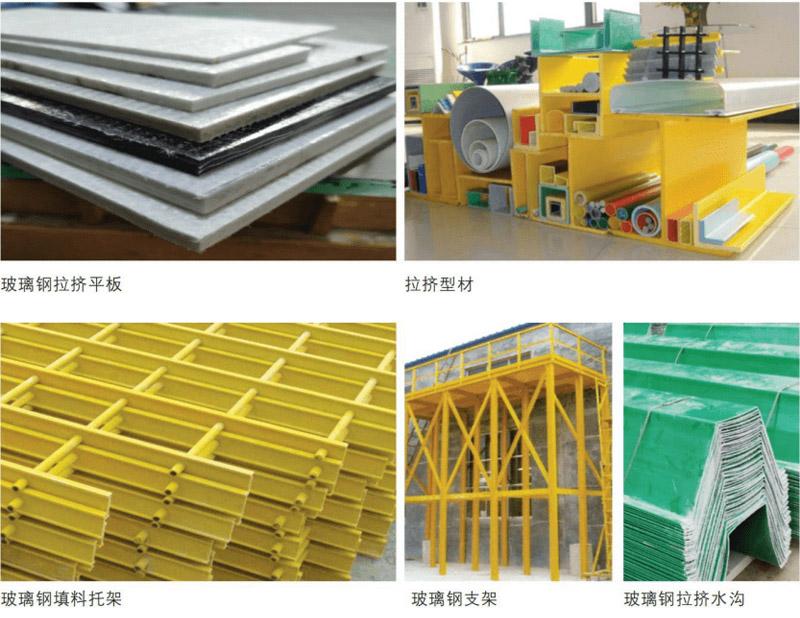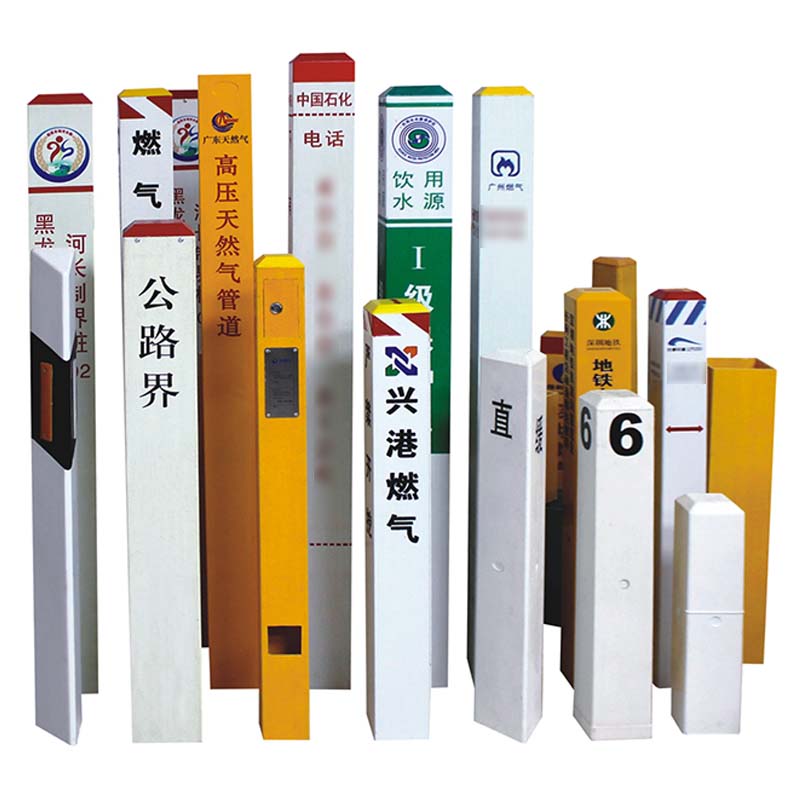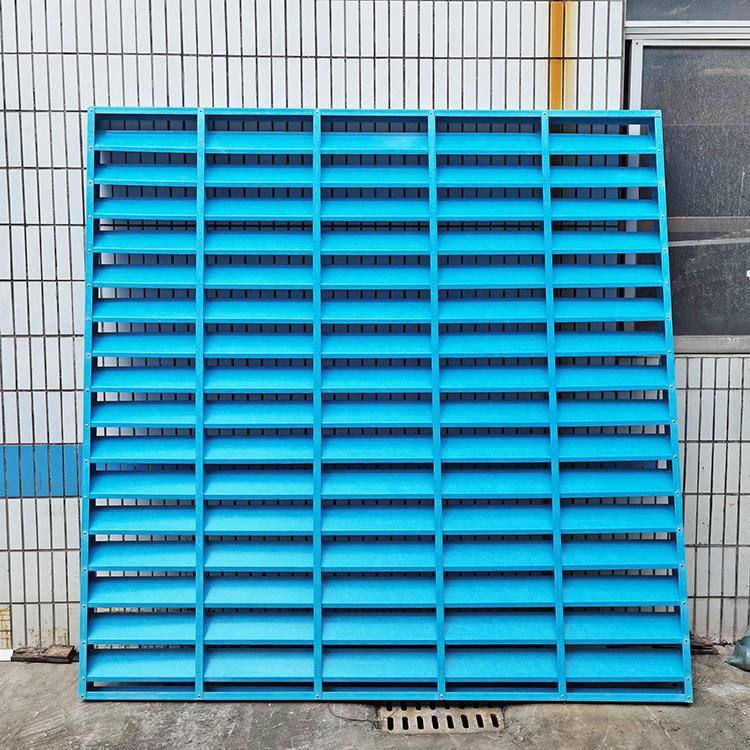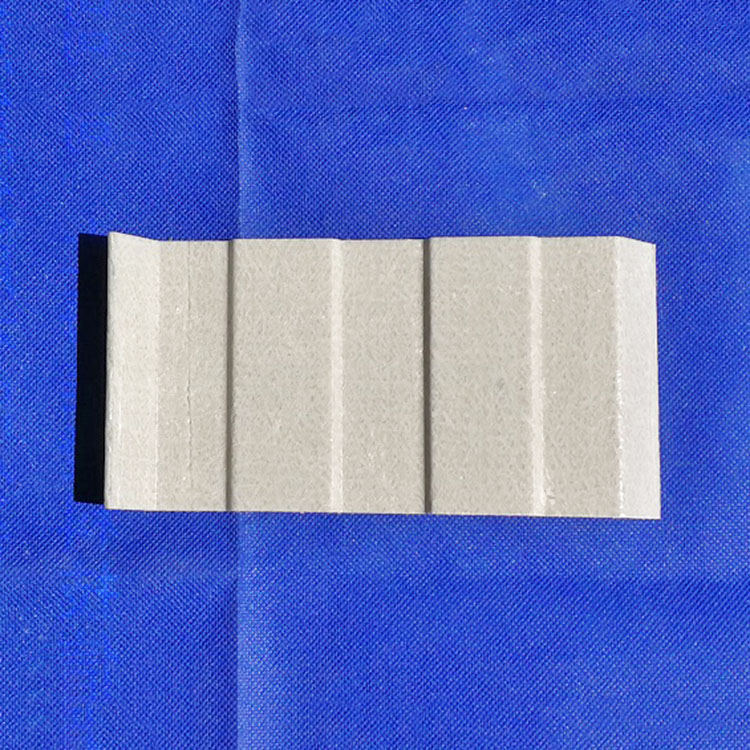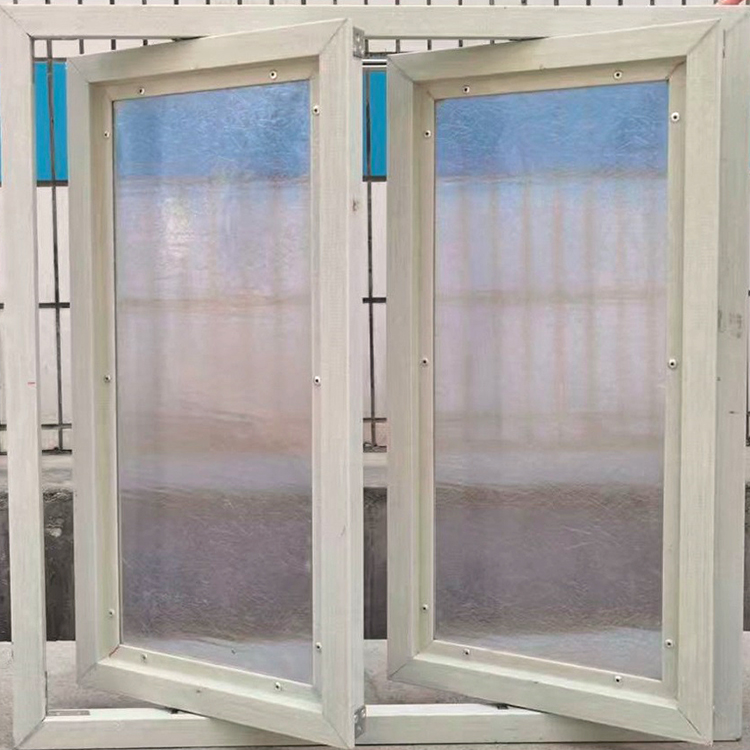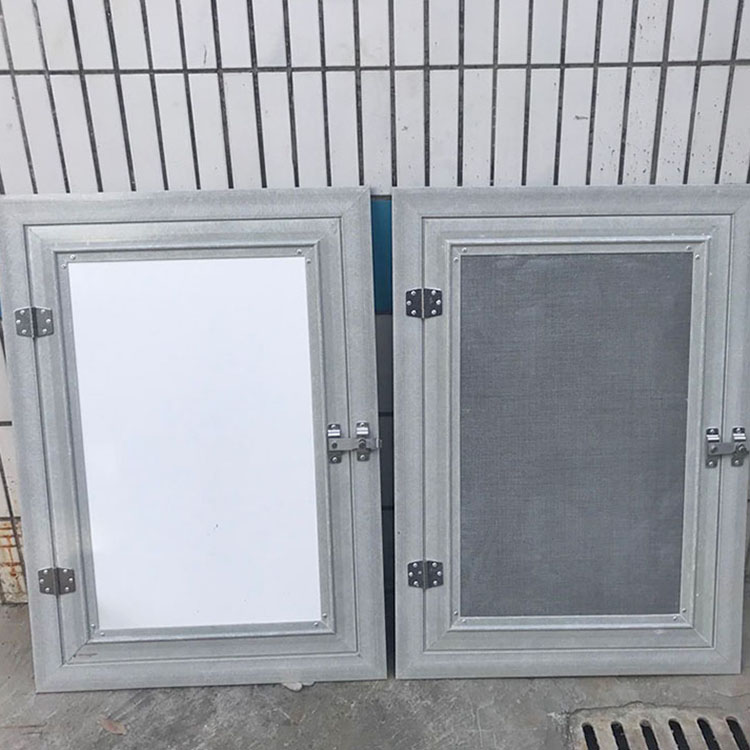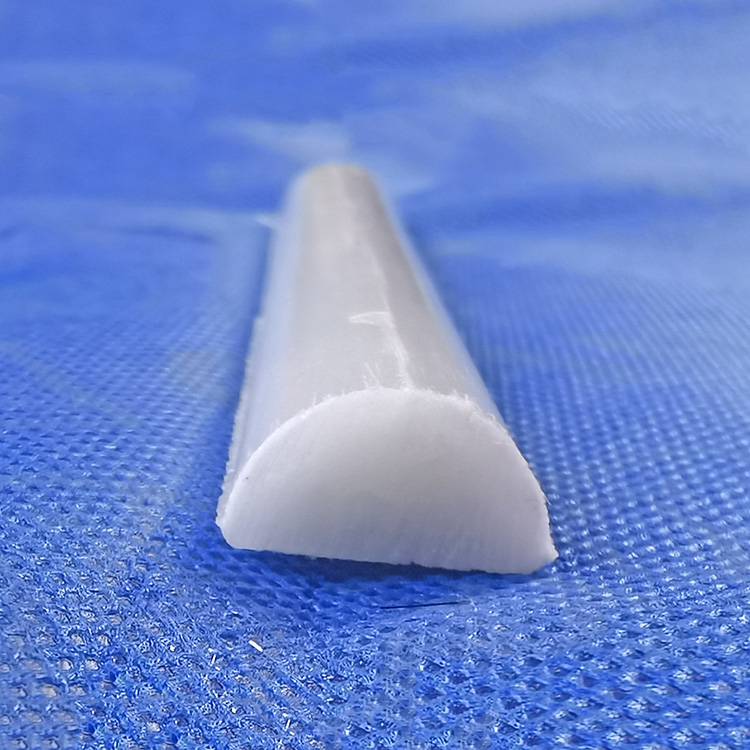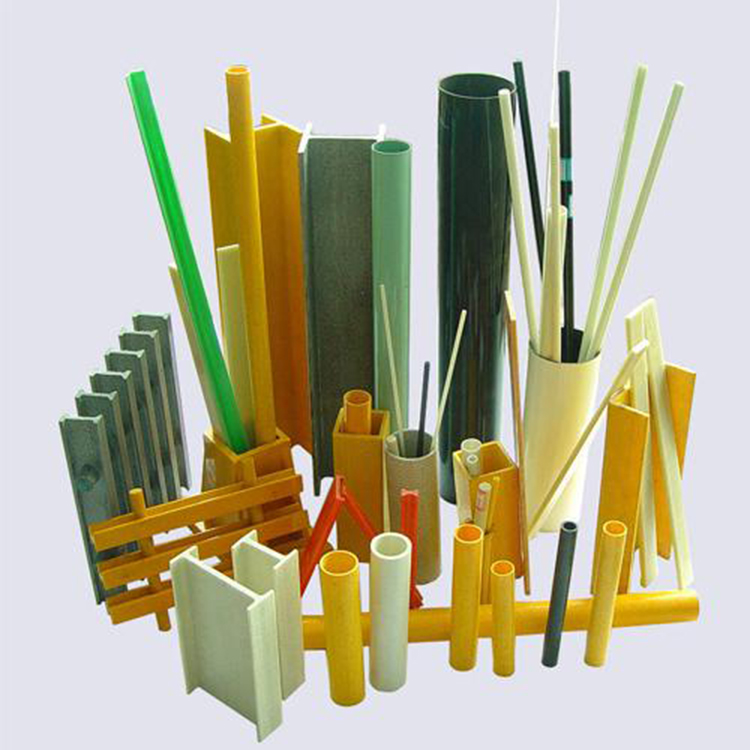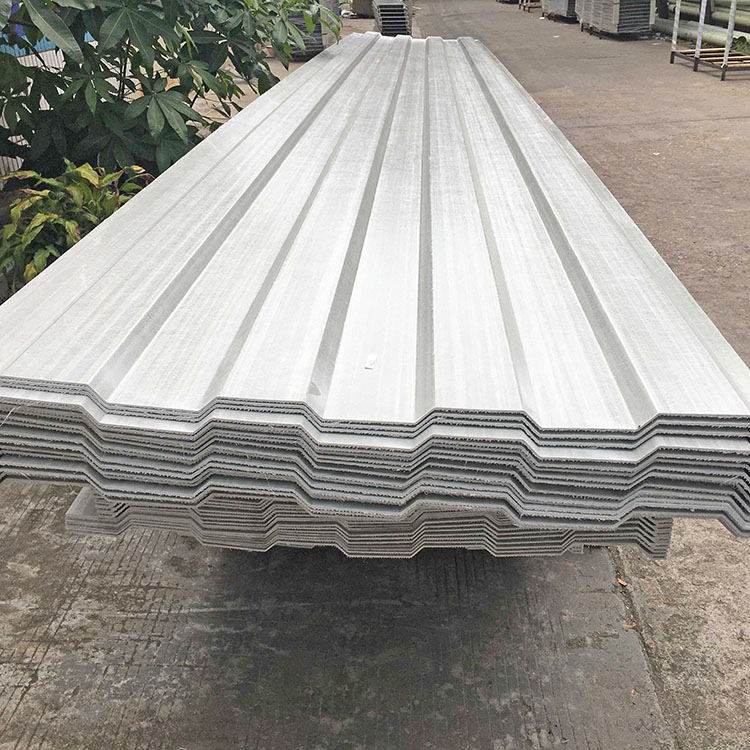



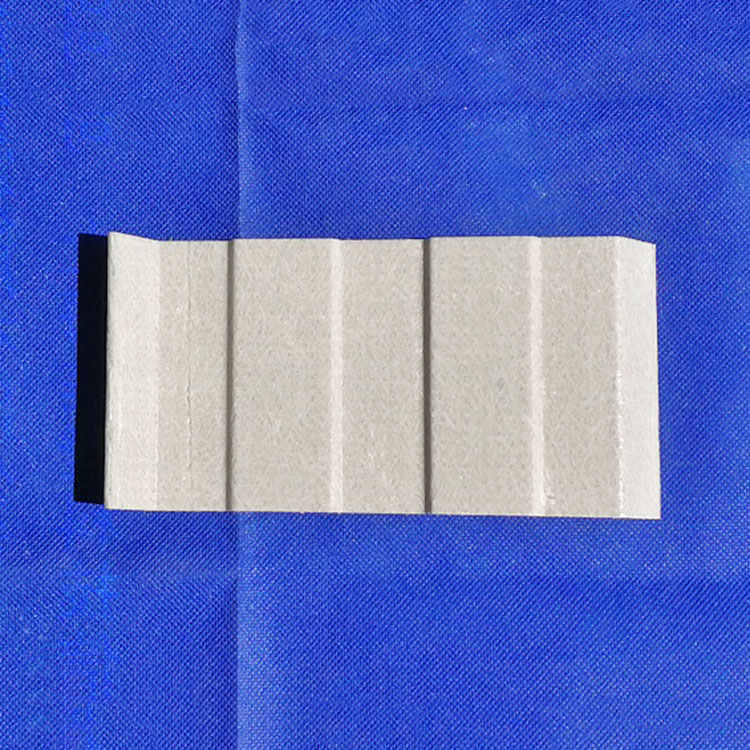
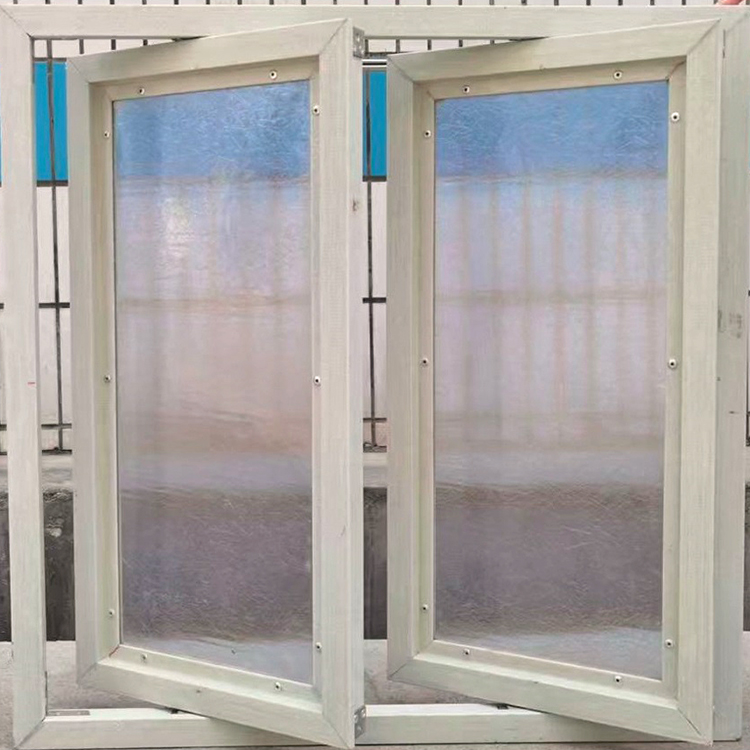
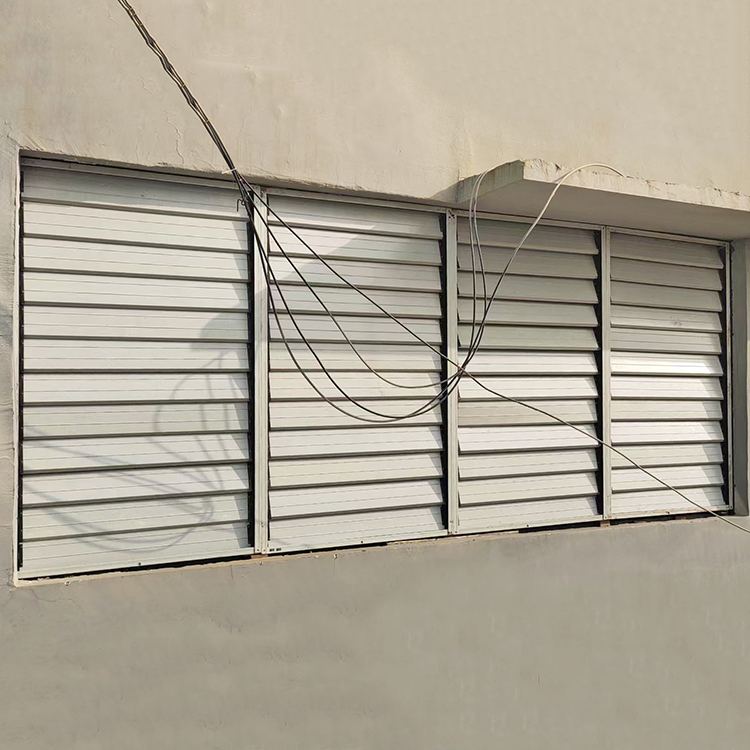
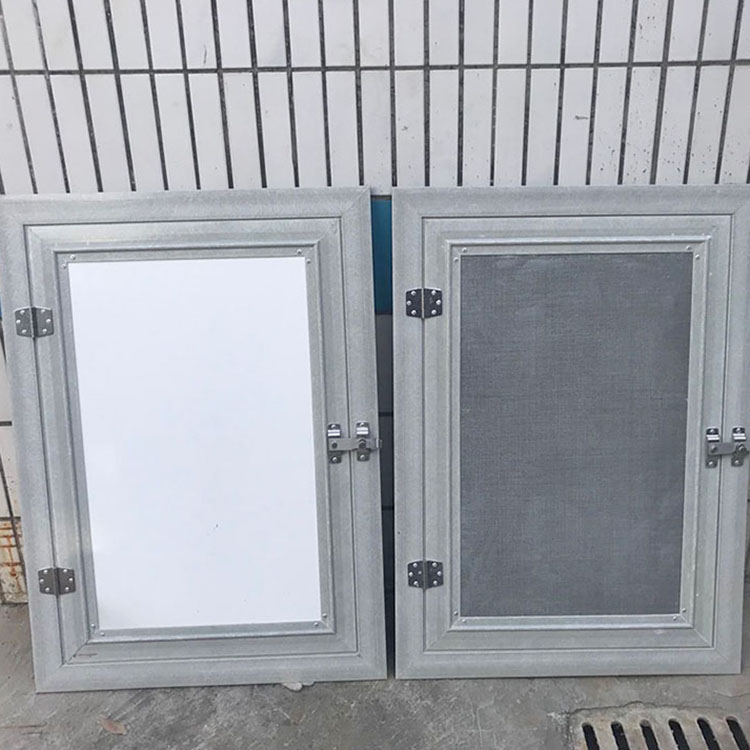






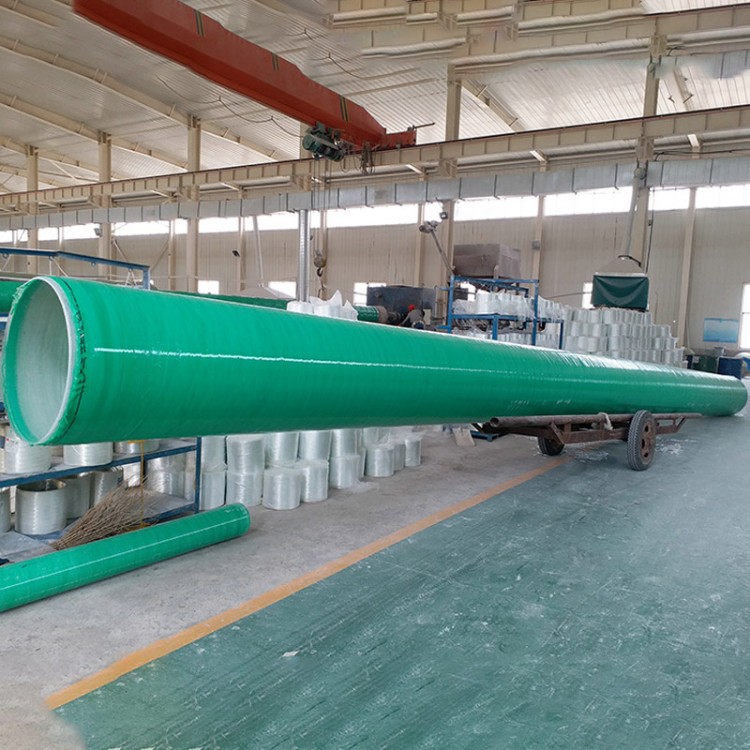

Extrusion forming is a process for continuously producing glass fiber reinforced plastic profiles with uniform cross-sectional shapes and dimensions. The process involves: under the traction force of the forming equipment, reinforcing materials (such as unwoven glass fiber roving, glass fiber continuous mat, etc.) are impregnated with matrix materials according to a specific configuration, passed through a mold system, and continuously cured and shaped within it, resulting in glass fiber reinforced plastic profiles with smooth surfaces, stable dimensions, and high strength.
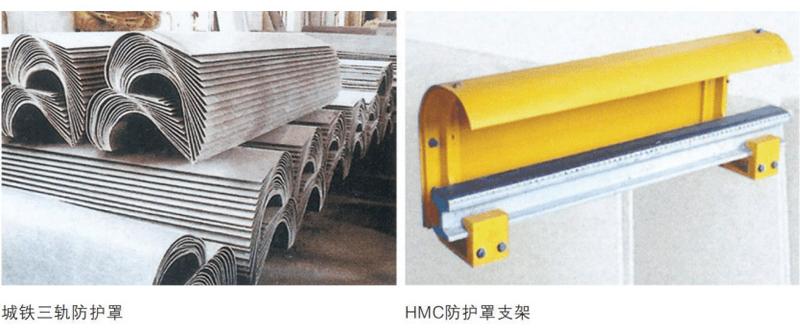
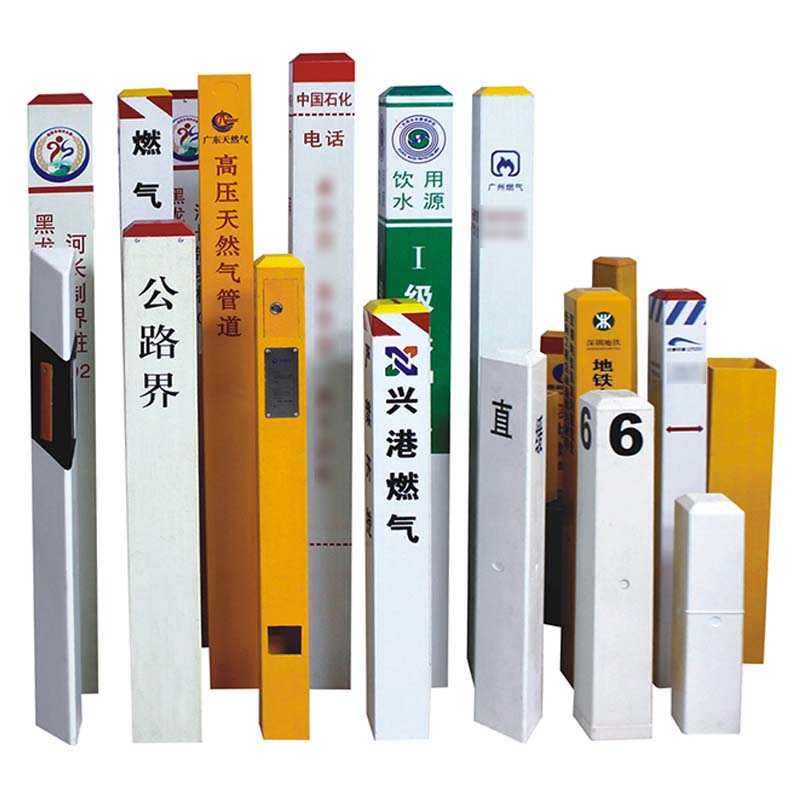
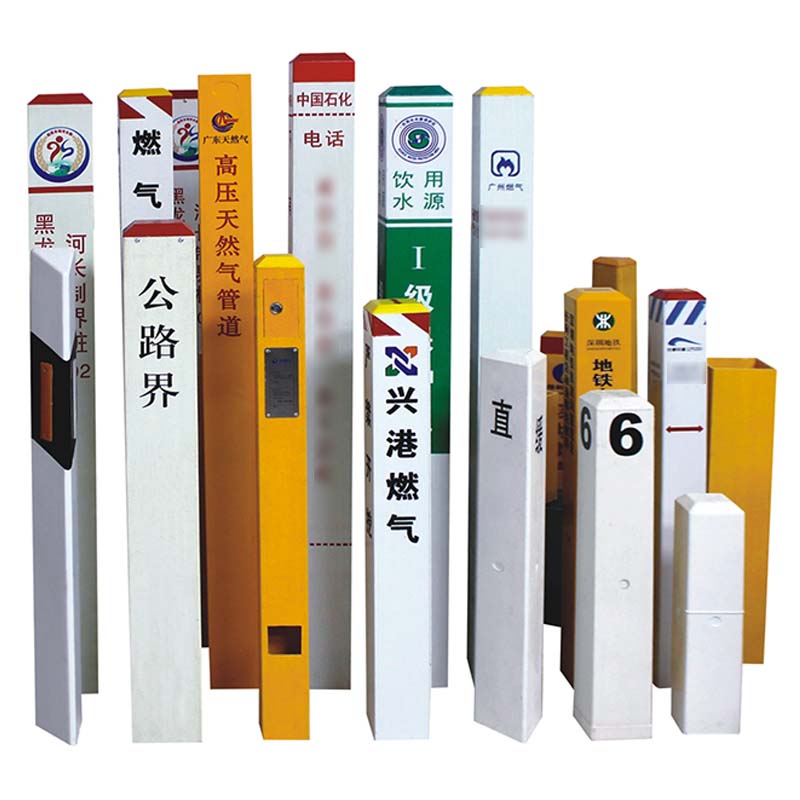
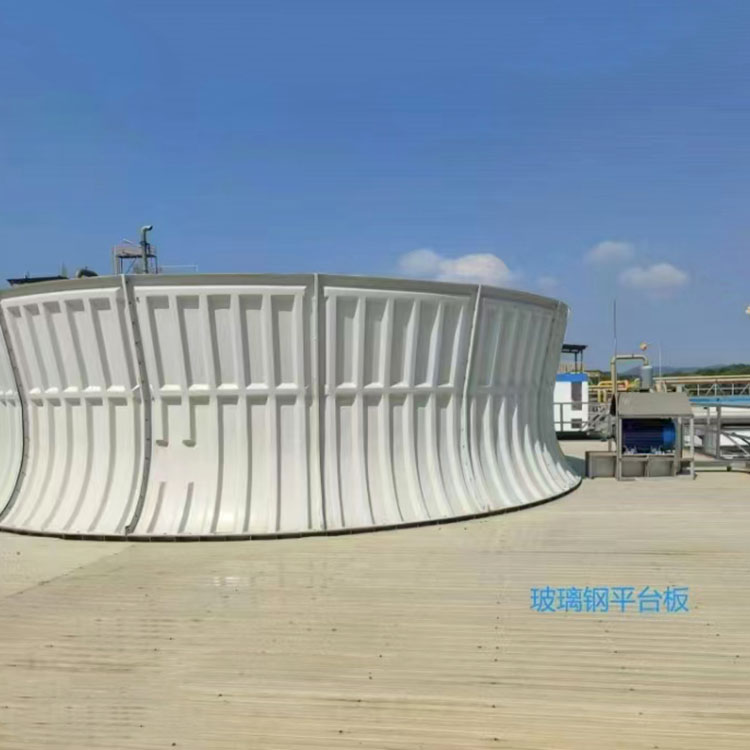
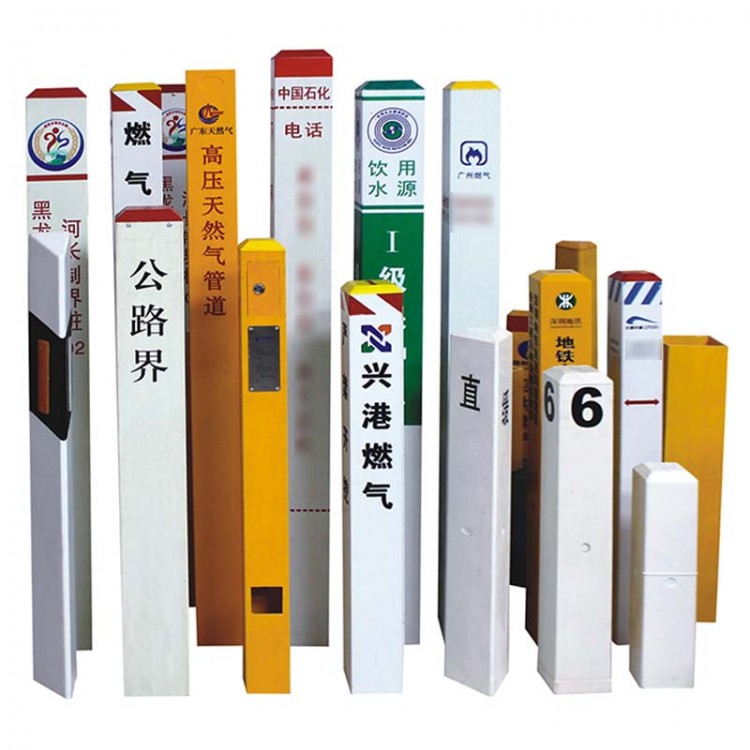
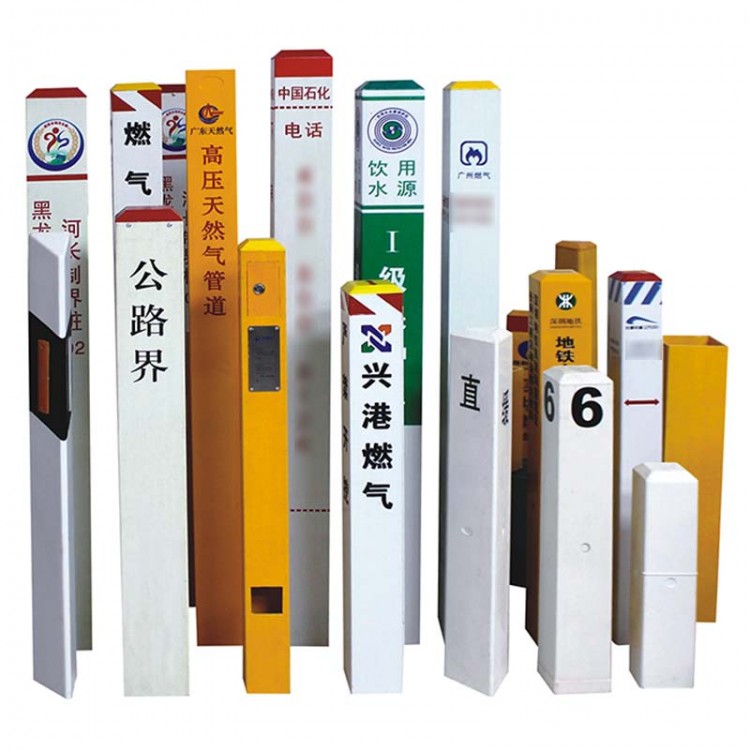
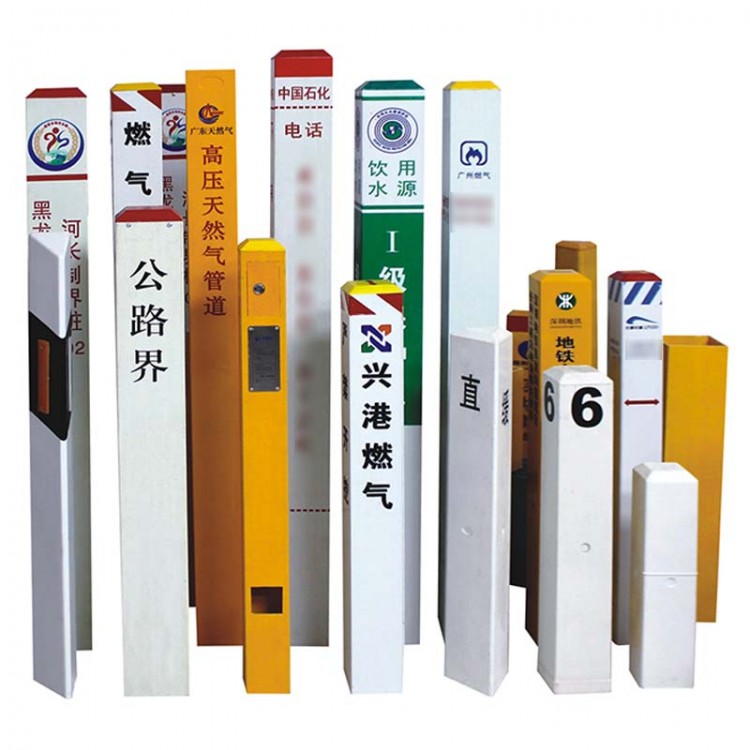
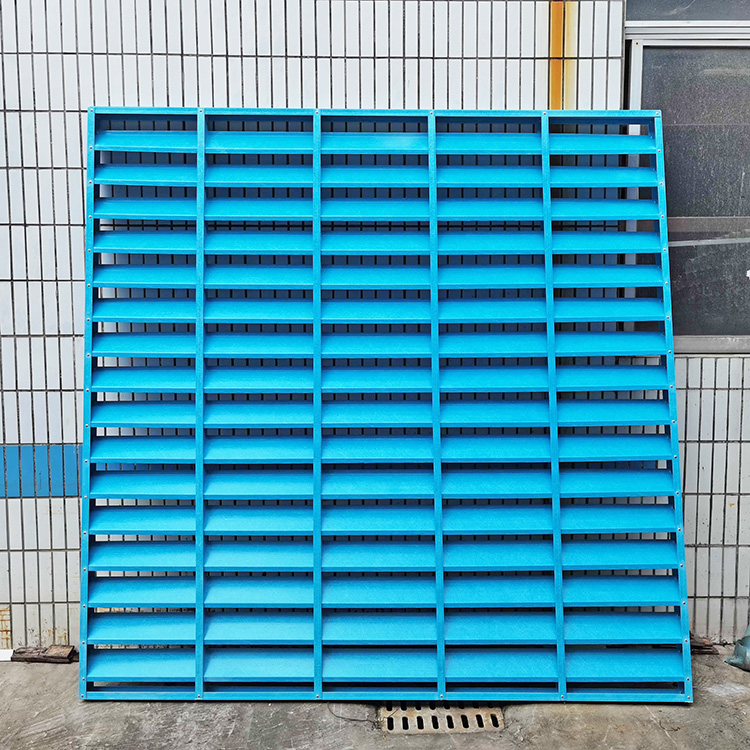
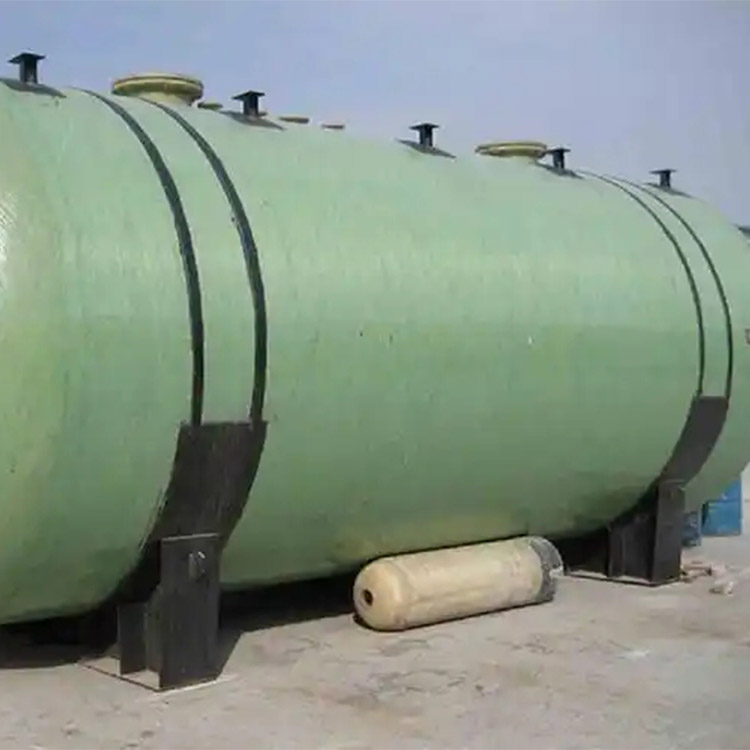
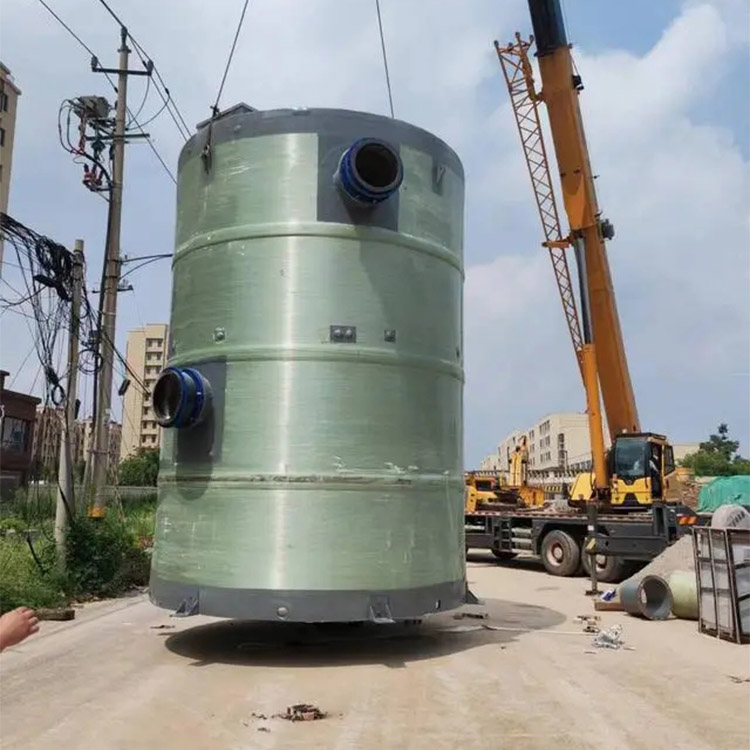
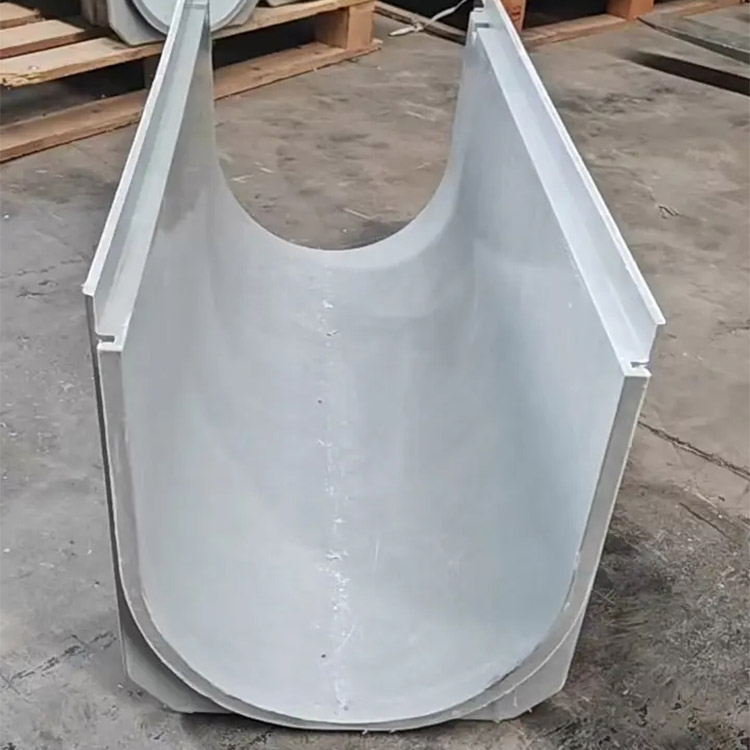
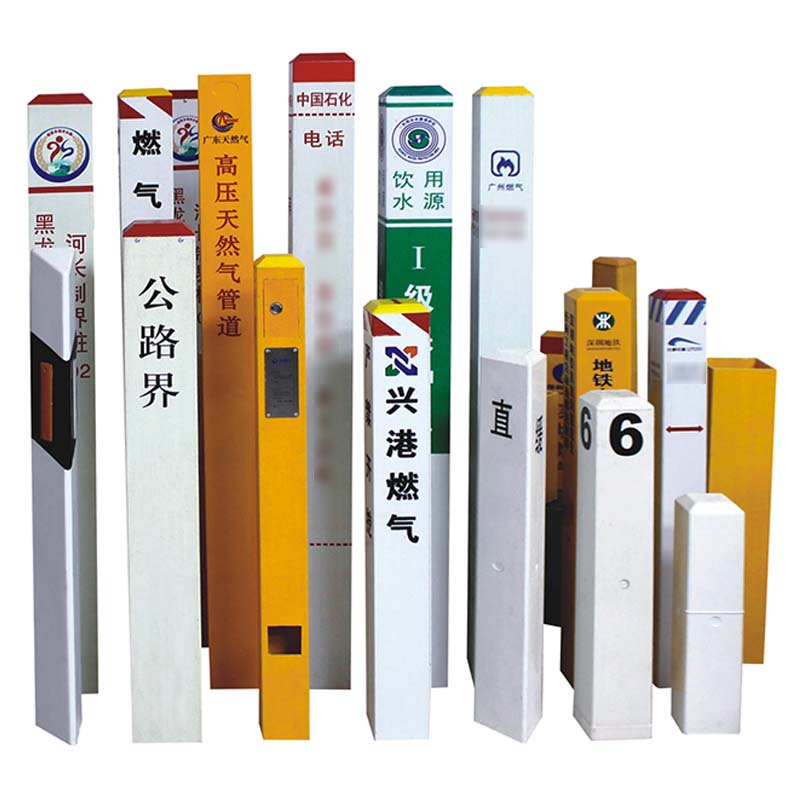
Extruded fiberglass profiles main applications: urban rail three-track protective covers and brackets, insulating support structures, antenna columns, high-voltage cable bridge structures, high-voltage power operation rods, generator radiators, staircases and handrails, operation platforms, corridors, oil storage tanks, distribution boards and rooms, drainage systems, berths and underwater identification markers, pressure rods in trains and cars, corner plates, highway guardrails, sound-absorbing panels, anti-glare panels, filling supports in towers, filter plate supports, frame materials for cold storage, etc.
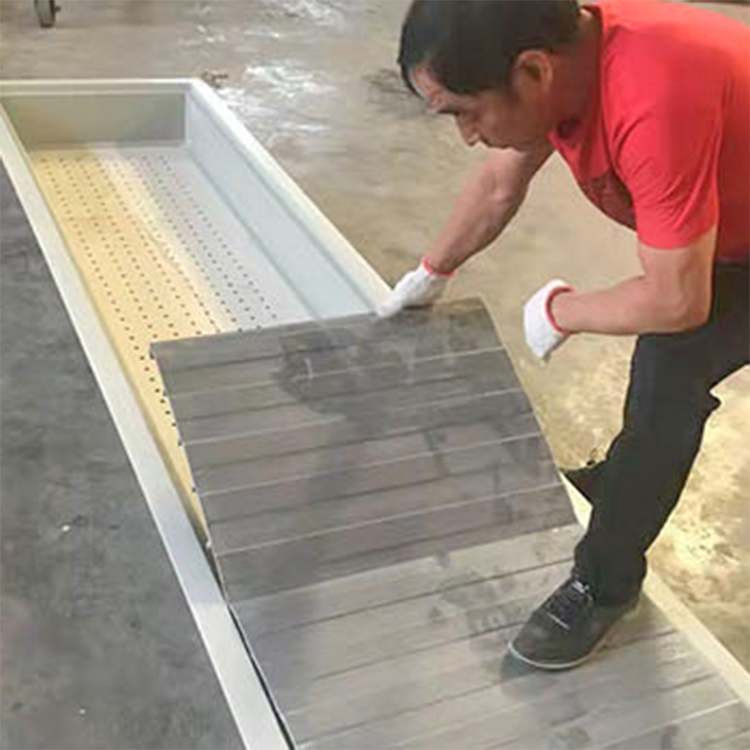
Extruded fiberglass reinforced plastic (FRP) series products feature extruded FRP crossbars passing through load-bearing rods, which can distribute and adjust the load on the rods while securing them. The superior properties of extruded FRP meet various application requirements and are widely used in industries such as oil, chemicals, power, offshore exploration, electroplating, ships, water treatment, papermaking, and brewing for work platforms, equipment platforms, stair treads, trench covers, bridge decks, filter plates, and support structures for packing material, making them ideal load-bearing components in corrosive environments.