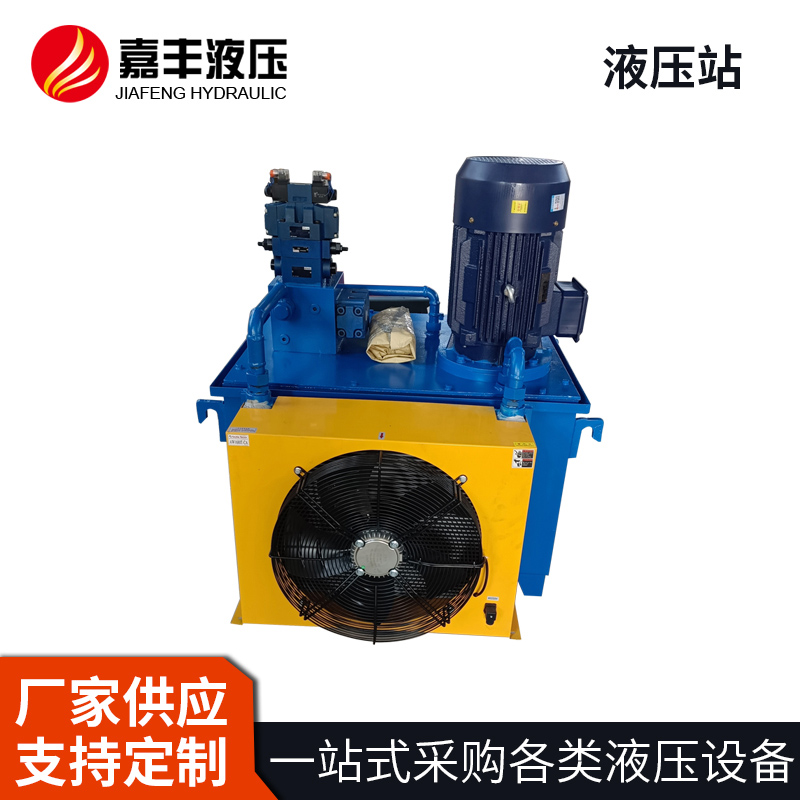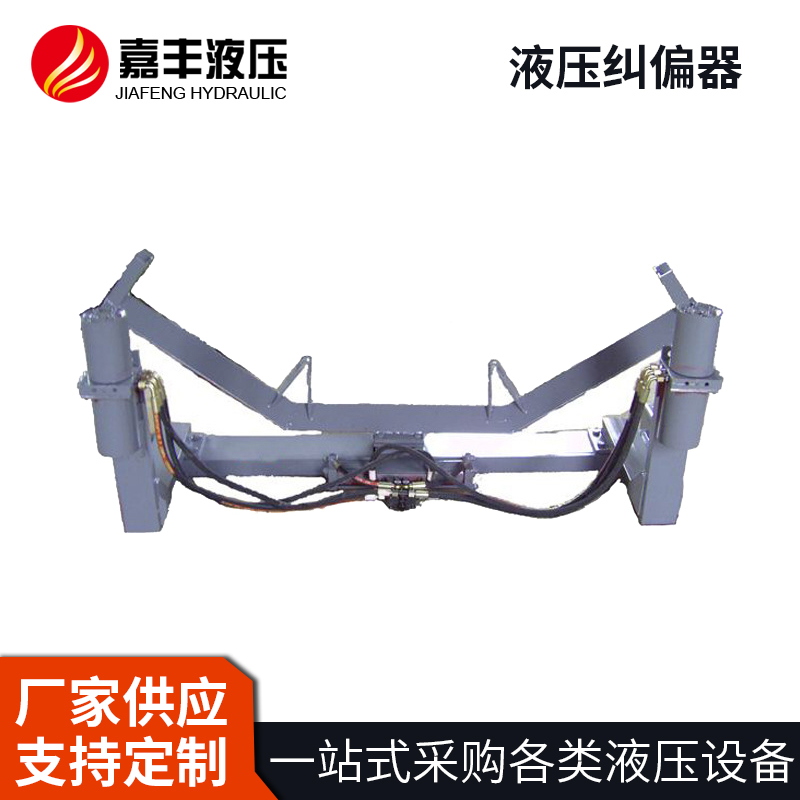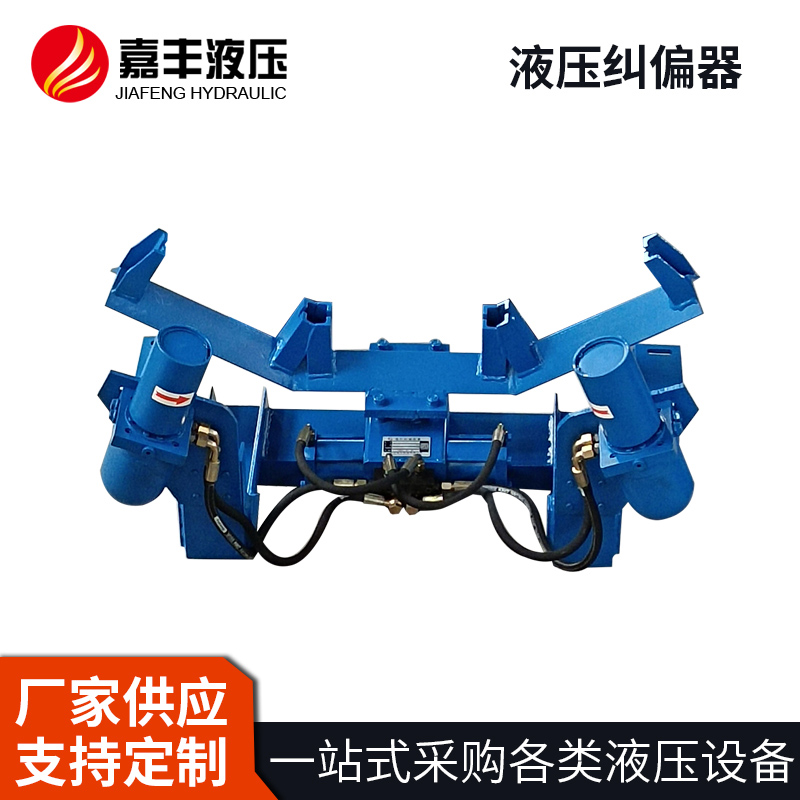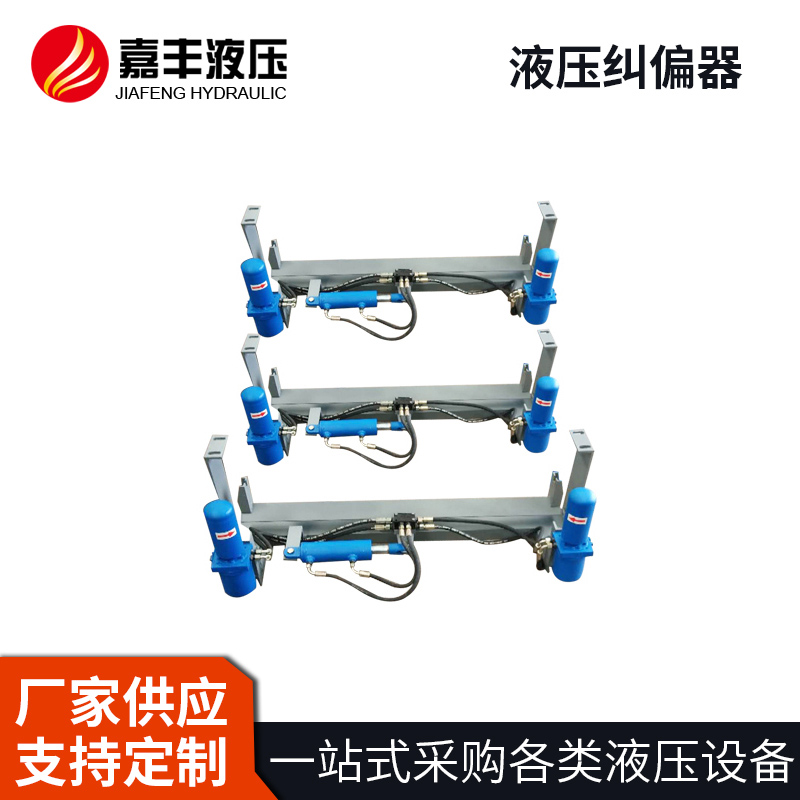










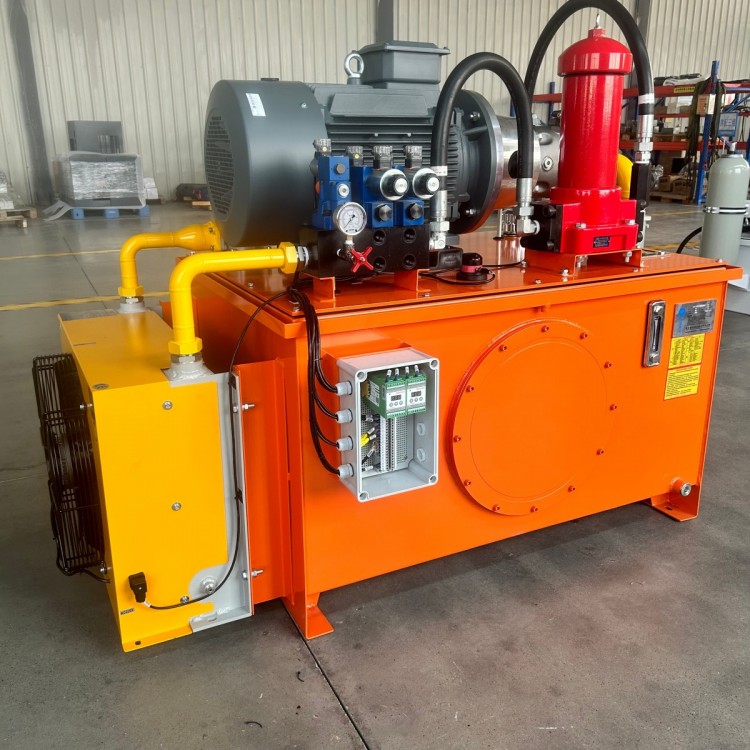
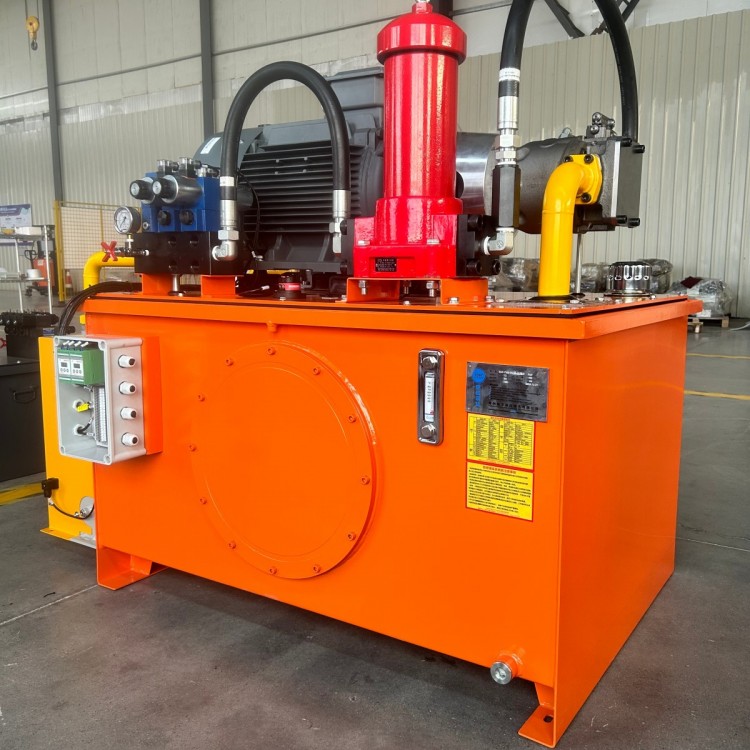
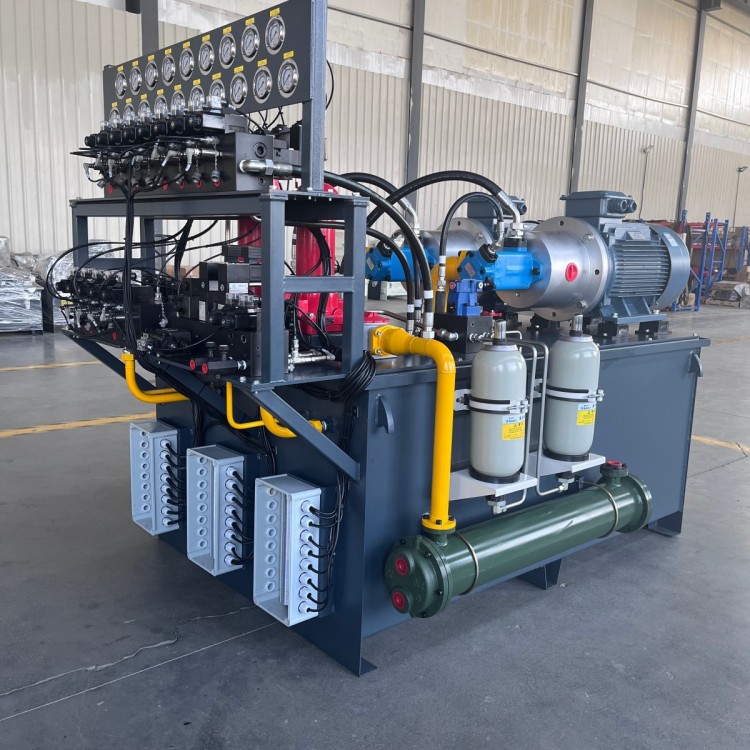
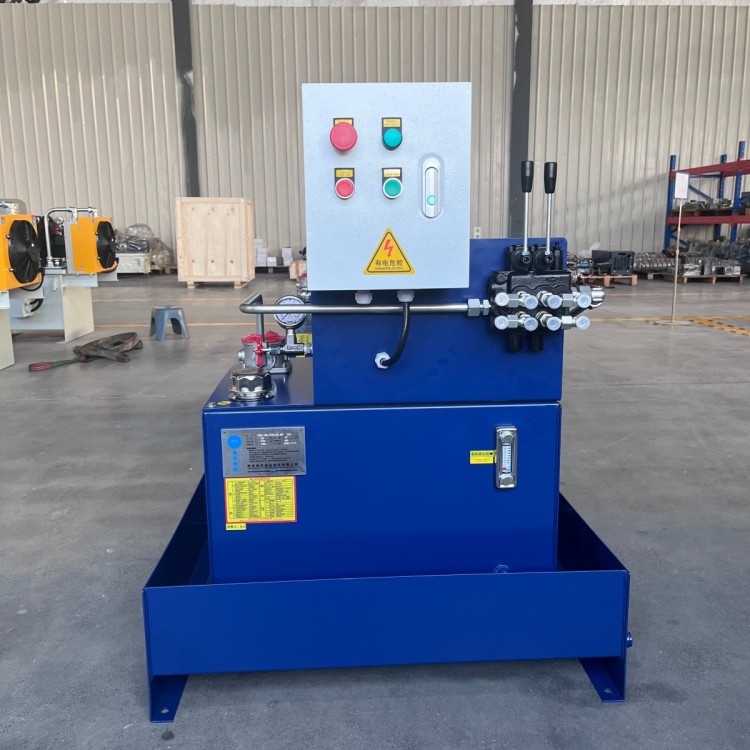


A well-designed hydraulic system operated according to standardized procedures typically has a low failure rate. However, improper installation, adjustment, and maintenance can lead to various issues, affecting production and operations. Therefore, correctly and reasonably installing, adjusting, and maintaining the hydraulic system in accordance with standard procedures is crucial for ensuring its long-term performance and reliability. To this end, during the installation and adjustment of the hydraulic system, it is essential to be familiar with the main machine's process objectives, operating characteristics, and the working principles and structures, functions, and roles of its various components, and to strictly adhere to the design requirements. In system use, daily maintenance and management should be enhanced, and relevant usage and maintenance requirements should be followed. This chapter briefly introduces the installation and adjustment of the system, while the system's usage, maintenance, and troubleshooting will be discussed separately.
Hydraulic system installation:
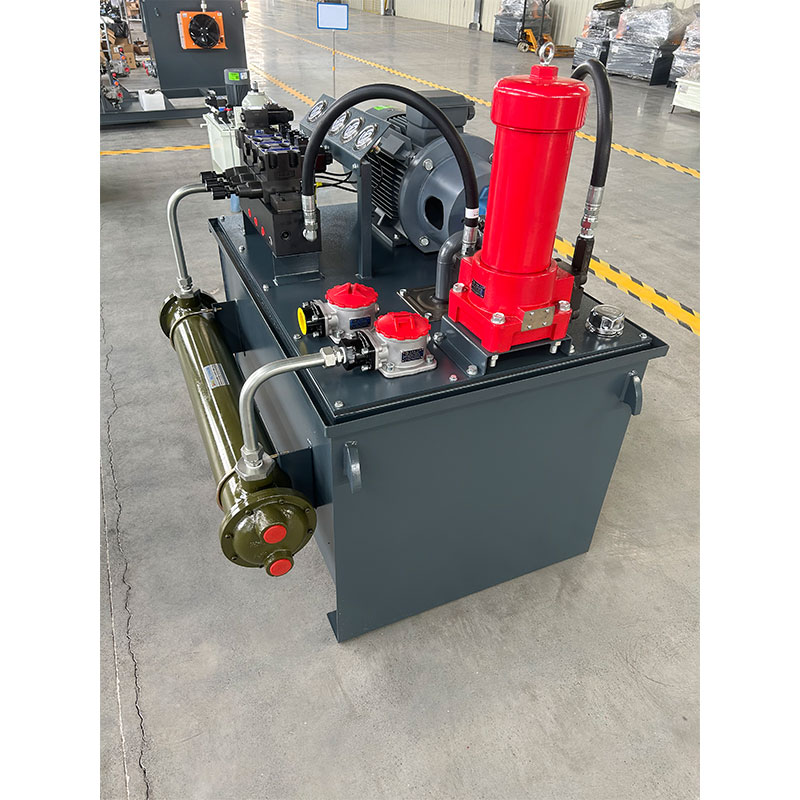
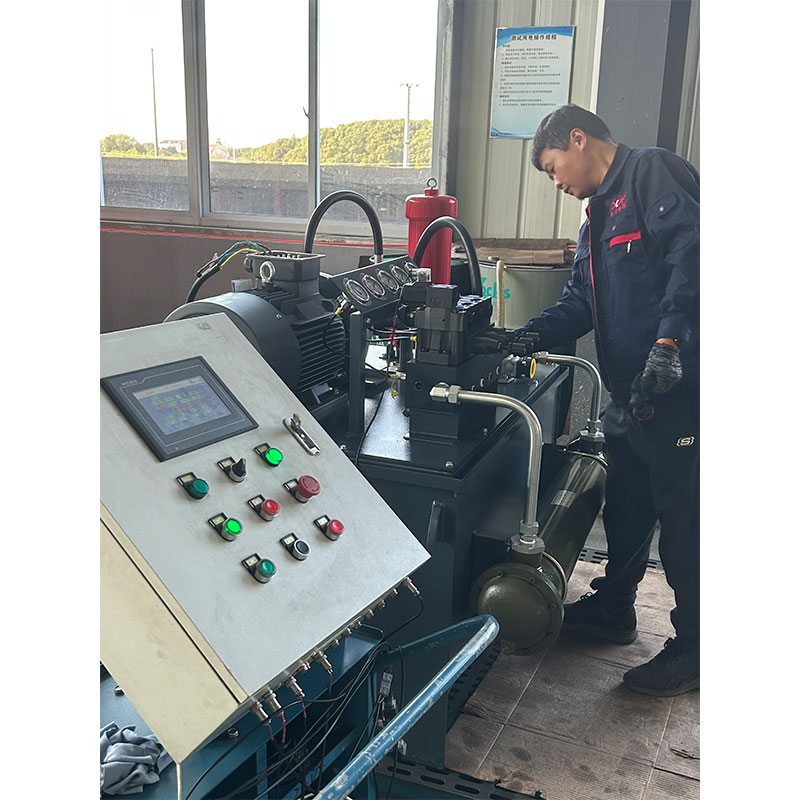
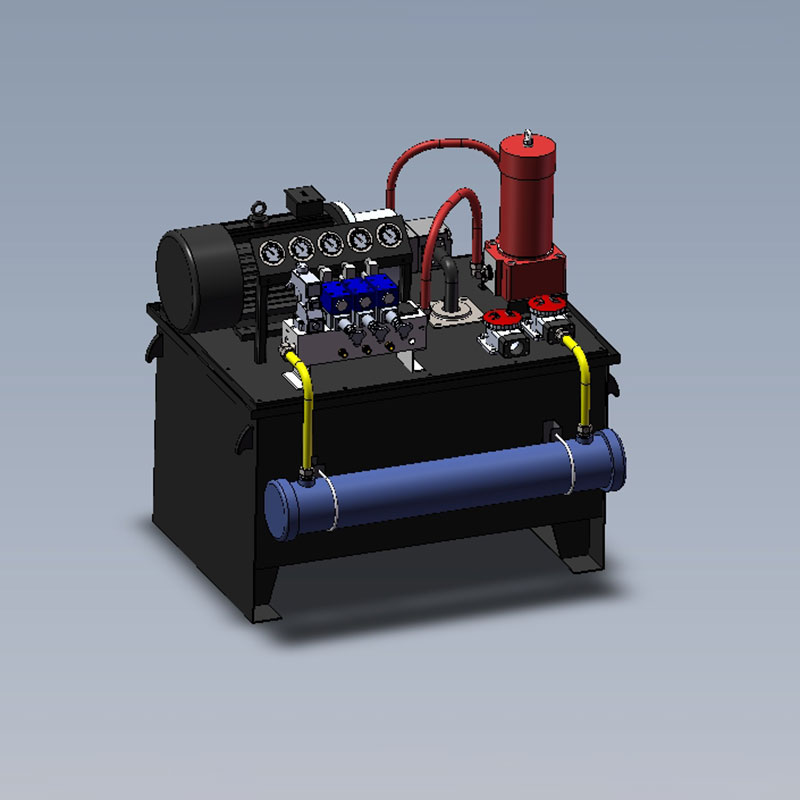
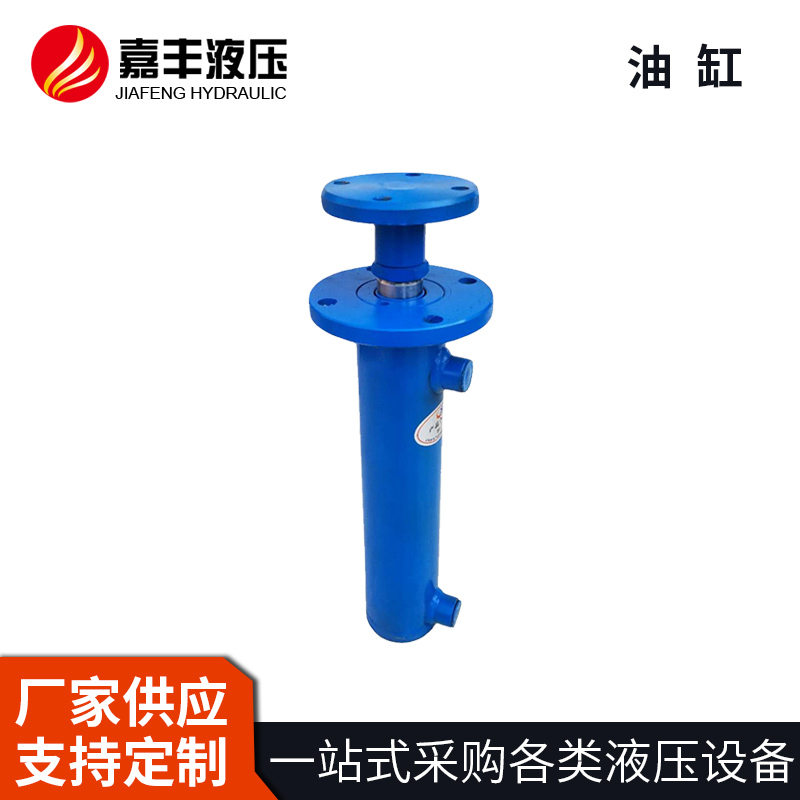
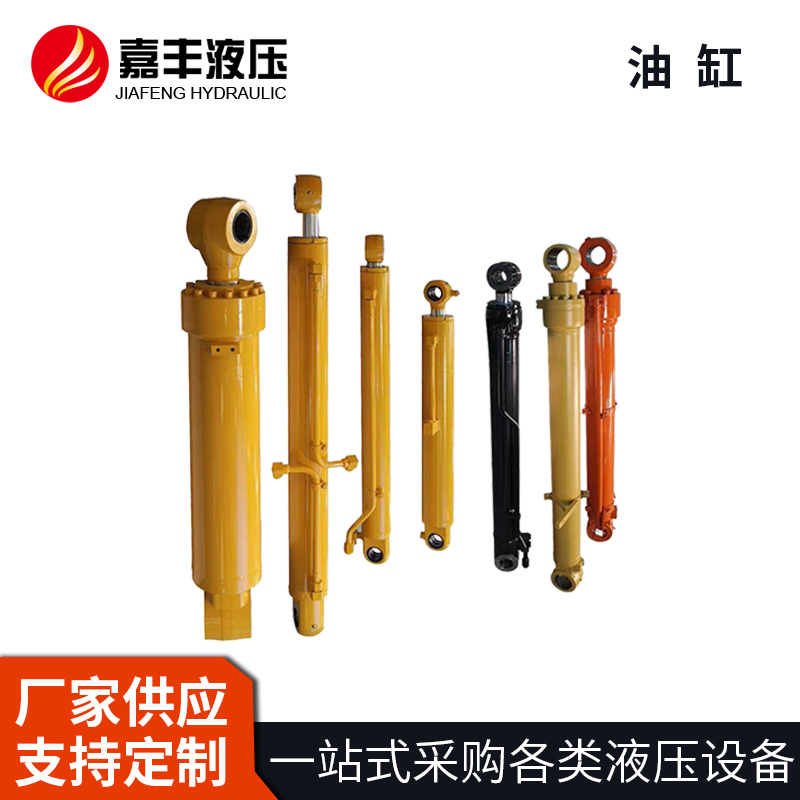
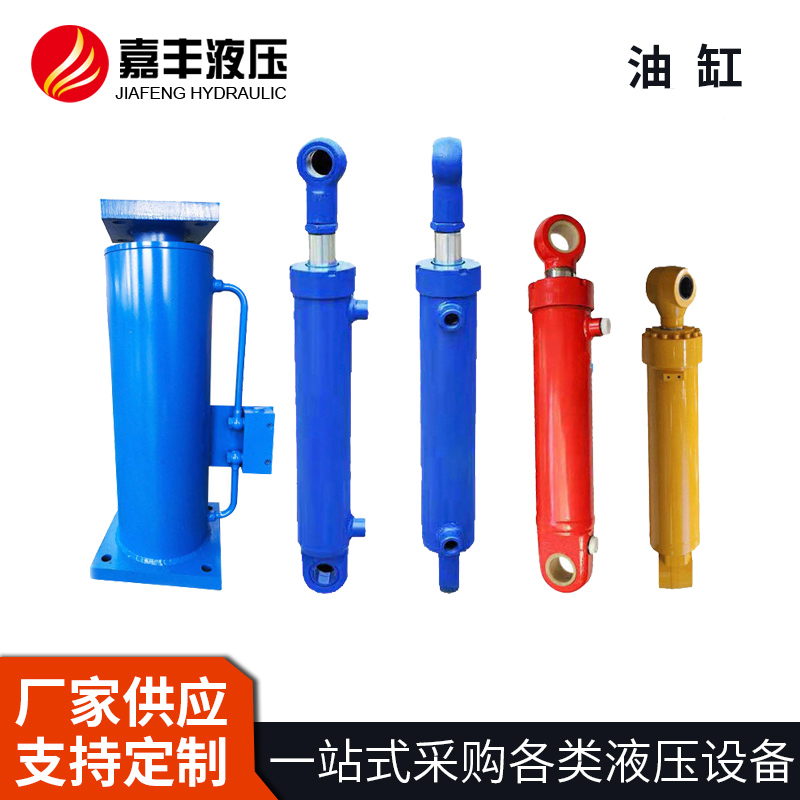
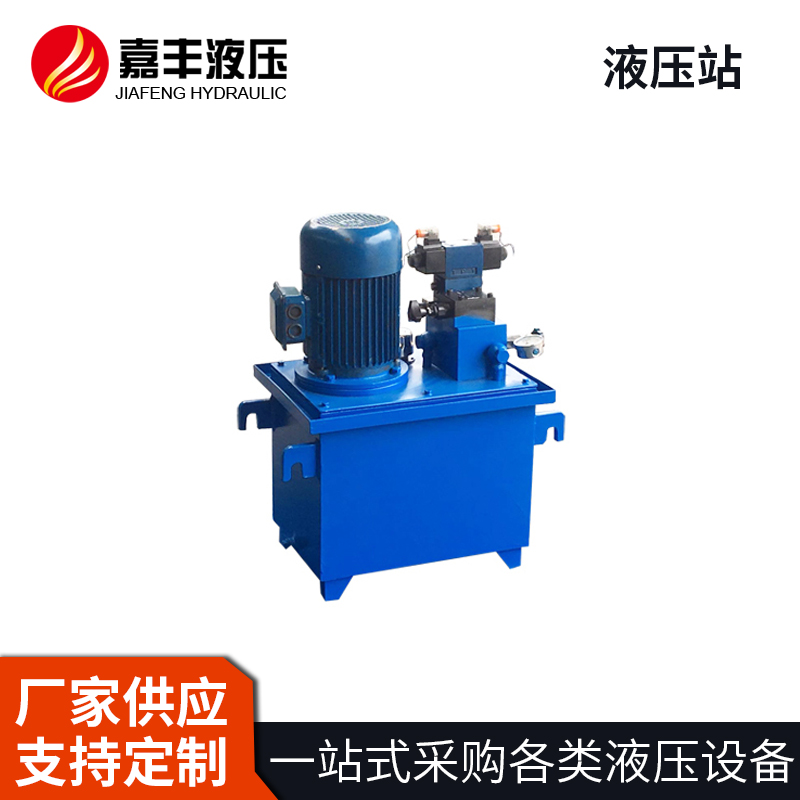
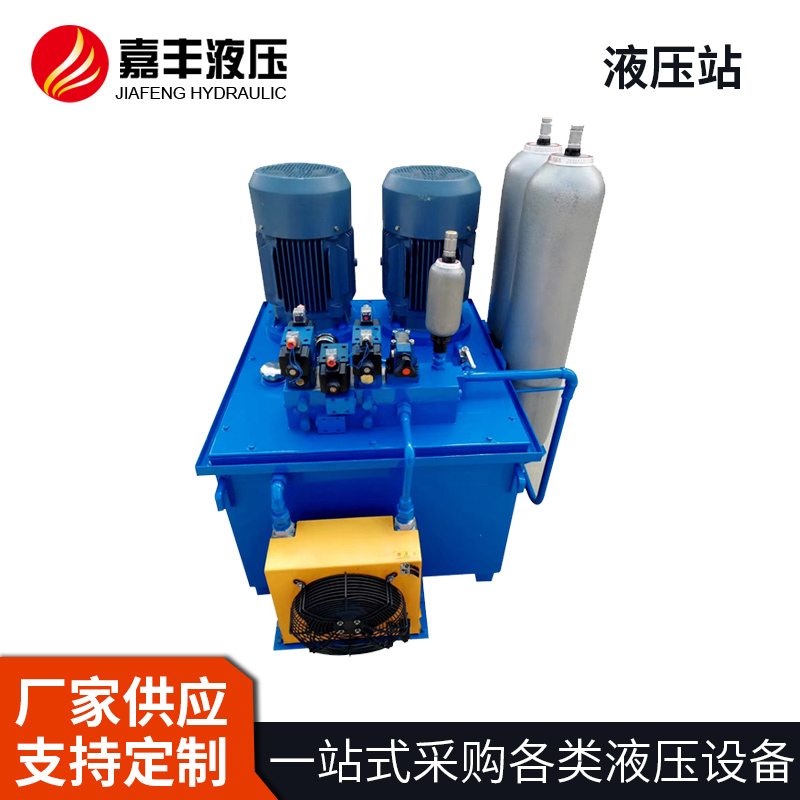
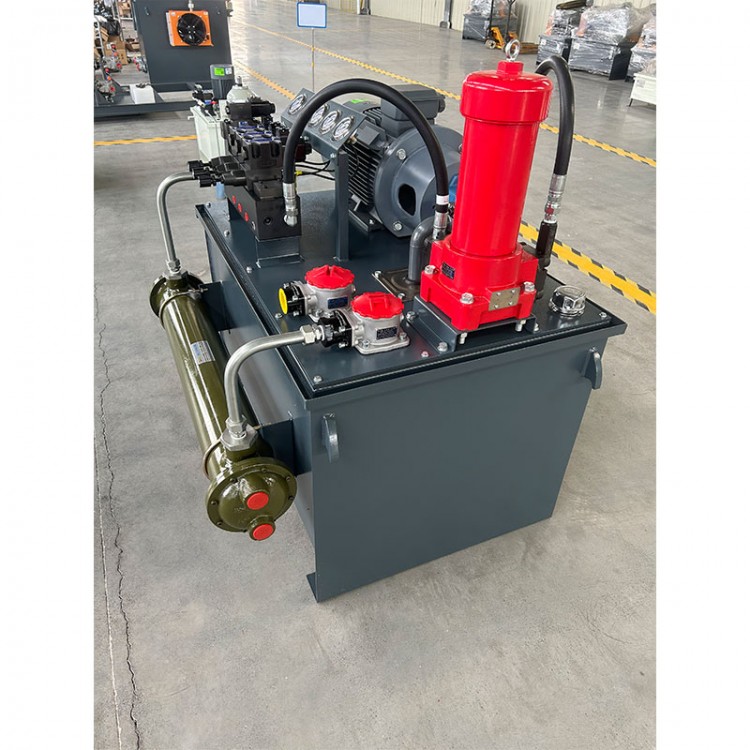
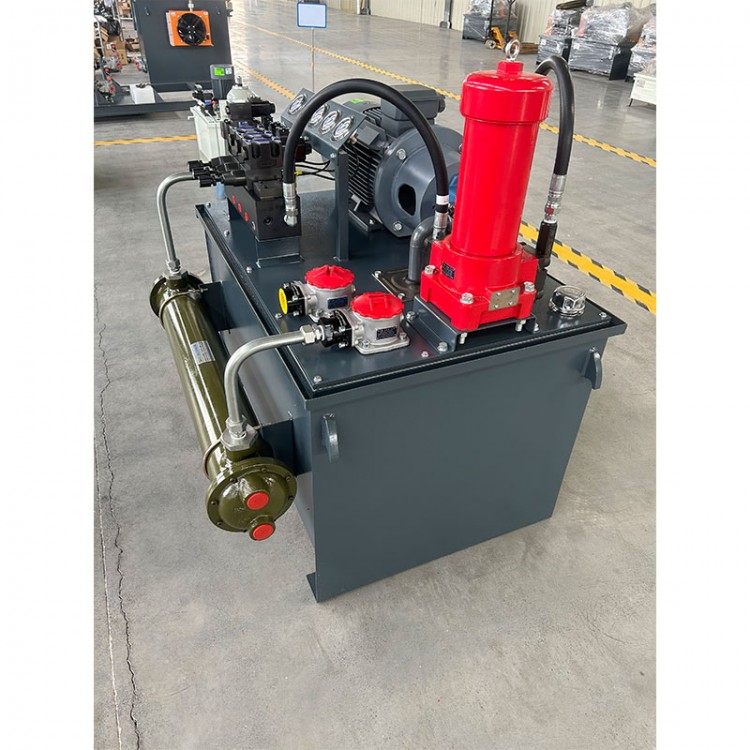
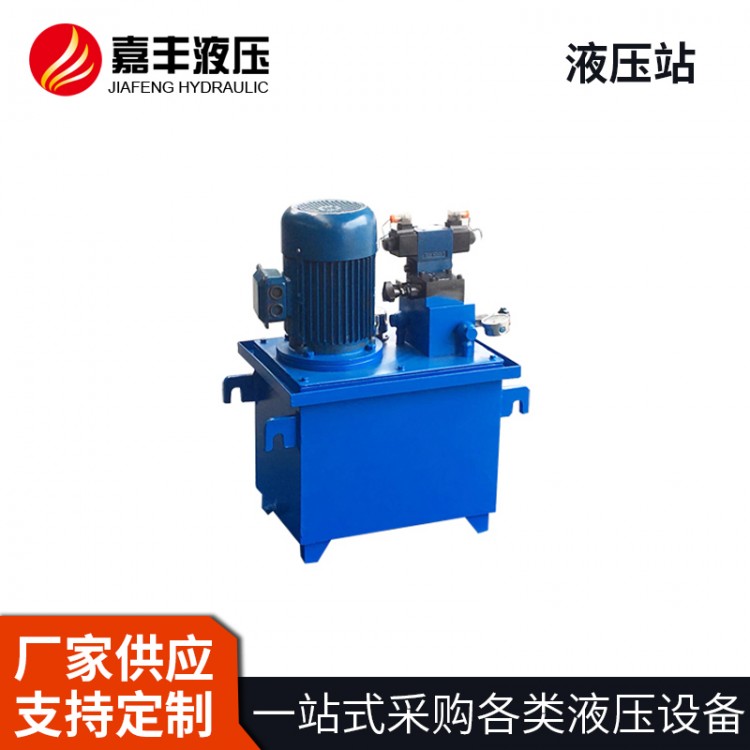
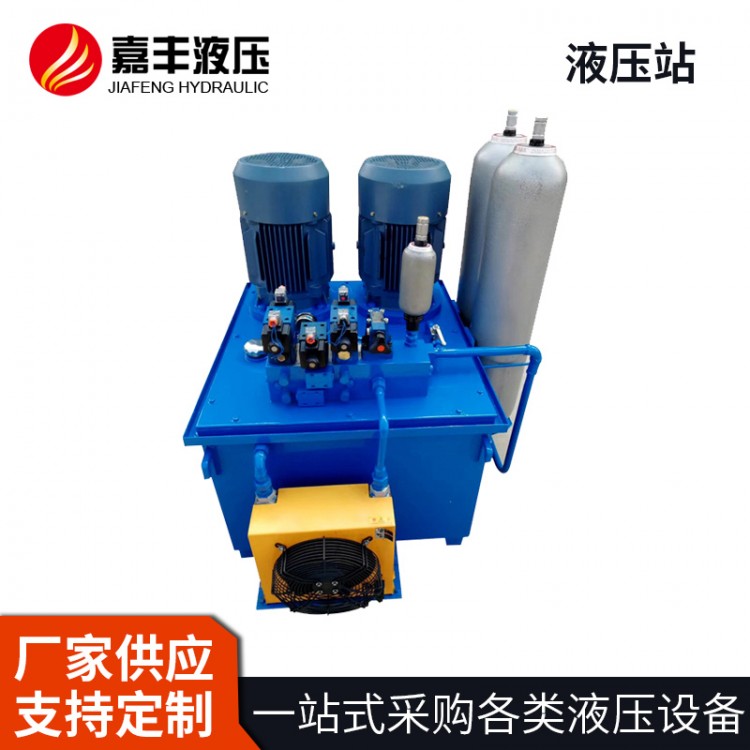
The installation of the hydraulic system includes the setup of the hydraulic power unit (pump and prime mover along with their connecting parts, oil tank and accessories), hydraulic control valves, and hydraulic actuators, etc. Essentially, it is the act of connecting these components together through fluid connectors (hydraulic pipes and pipe joints or manifold boards). The quality of the installation is crucial for ensuring the reliable operation of the hydraulic system, hence every detail in the installation process must be carried out reasonably.
Preparation before installation:
1. Understand the installation requirements for each part of the hydraulic system and clarify the construction procedures and plans at the installation site.
2. Proficient in relevant technical documents and materials, including hydraulic system schematics, integrated circuit diagrams of hydraulic control devices, electrical schematics, assembly drawings of various components (such as hydraulic oil tanks, hydraulic pump sets, hydraulic control devices, accumulator units), pipeline layouts, lists of hydraulic components and accessories, and related product samples.
3. Ensure the personnel required for installation and prepare the necessary hydraulic components, machinery, and tools as listed. Conduct a thorough inspection of the specifications and quality of the hydraulic components according to design requirements and relevant regulations. Any components or materials that do not meet the standards must not be installed in the hydraulic system.