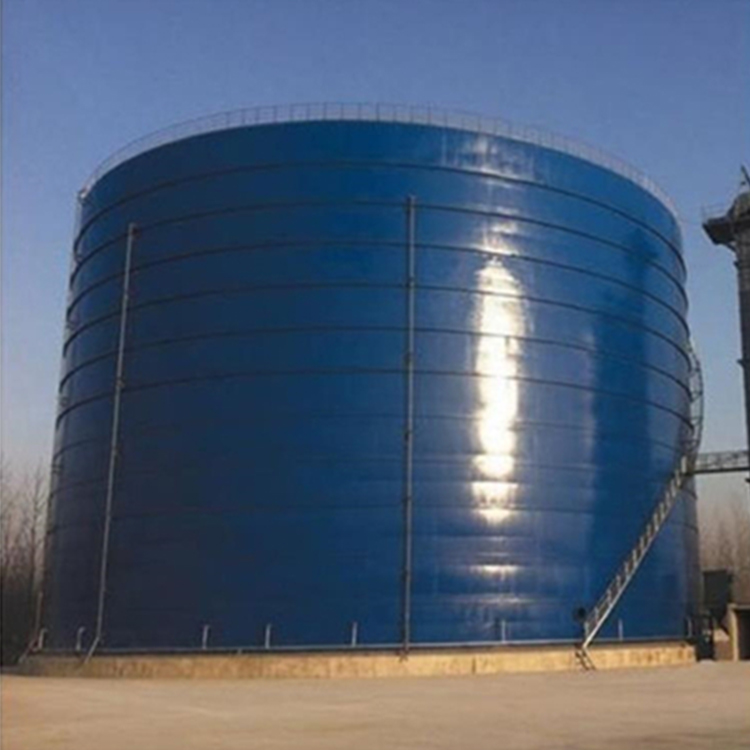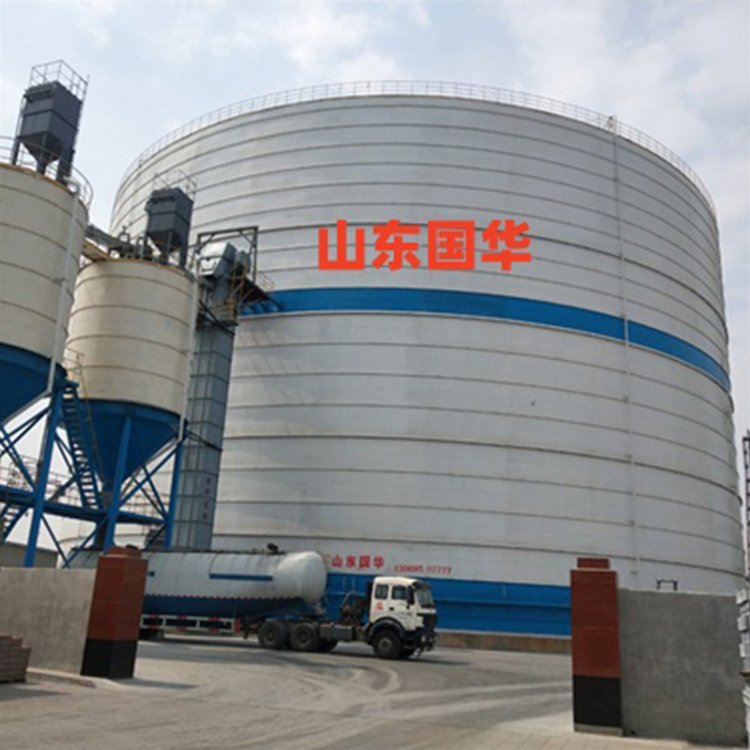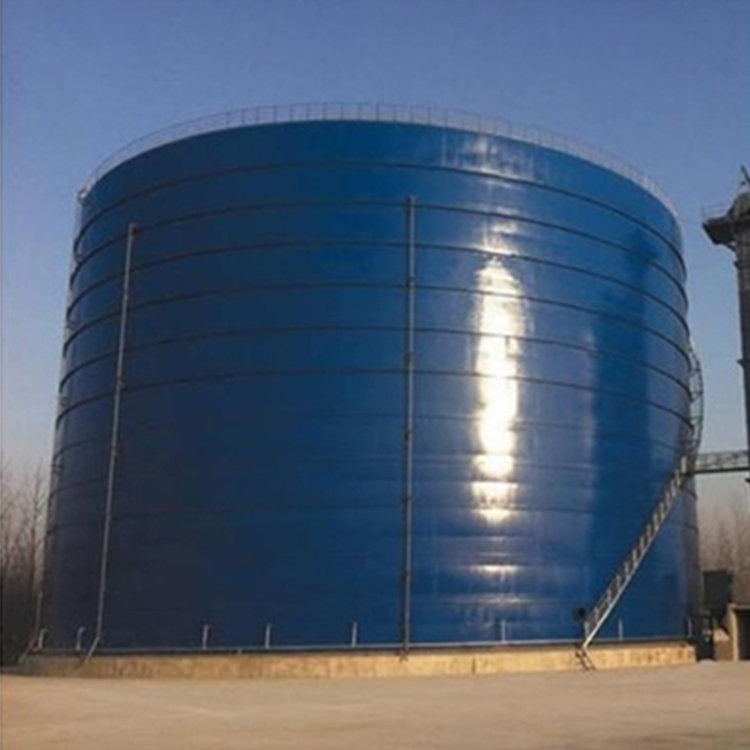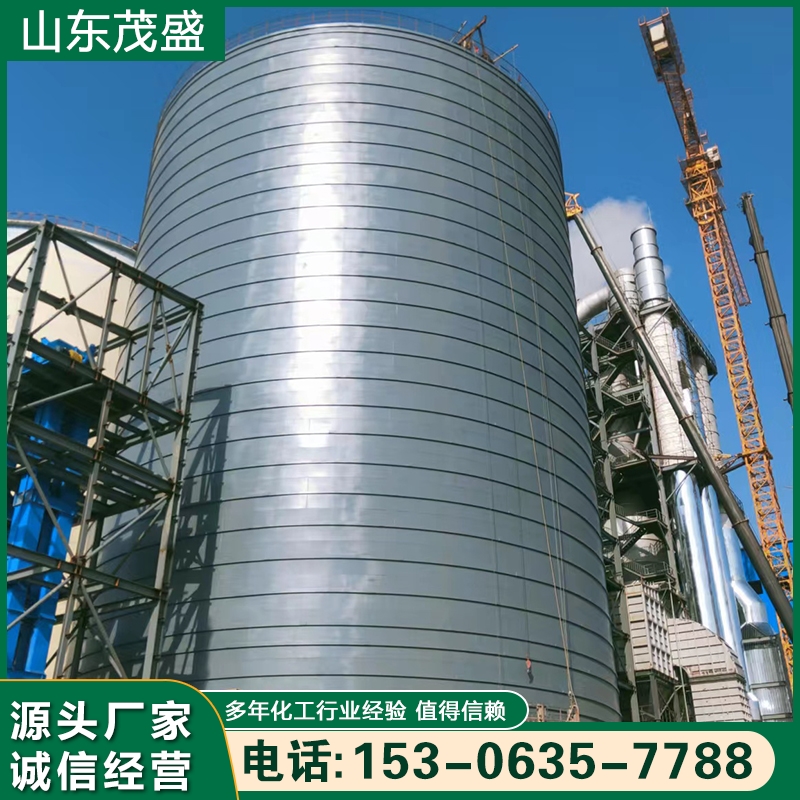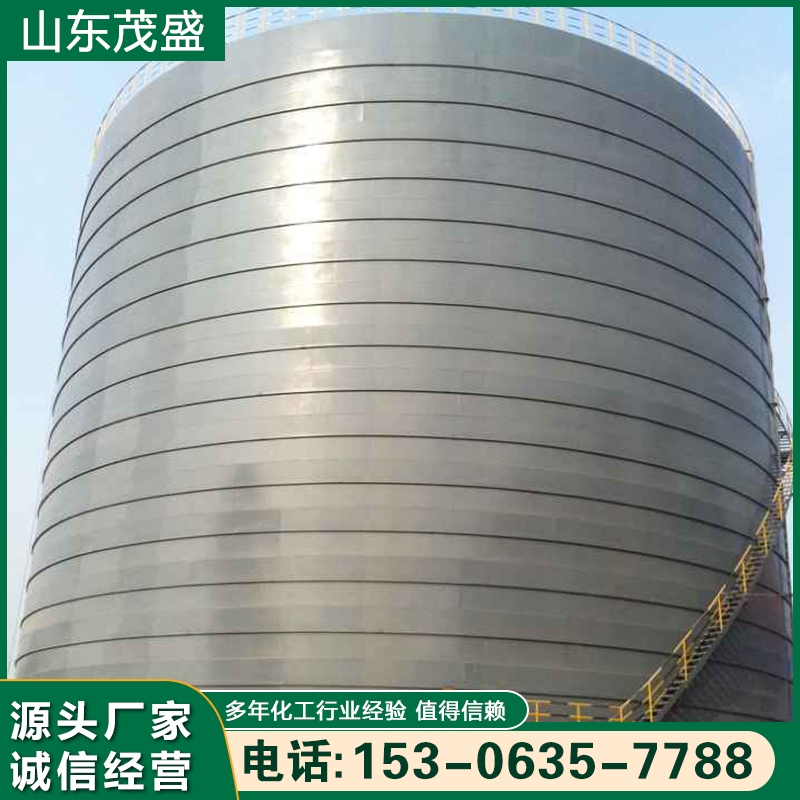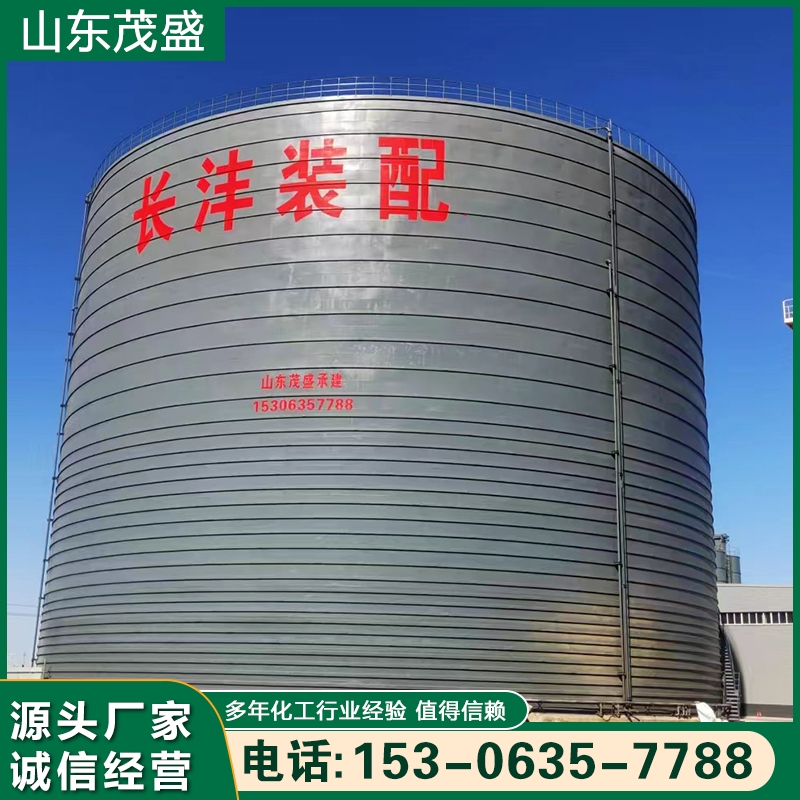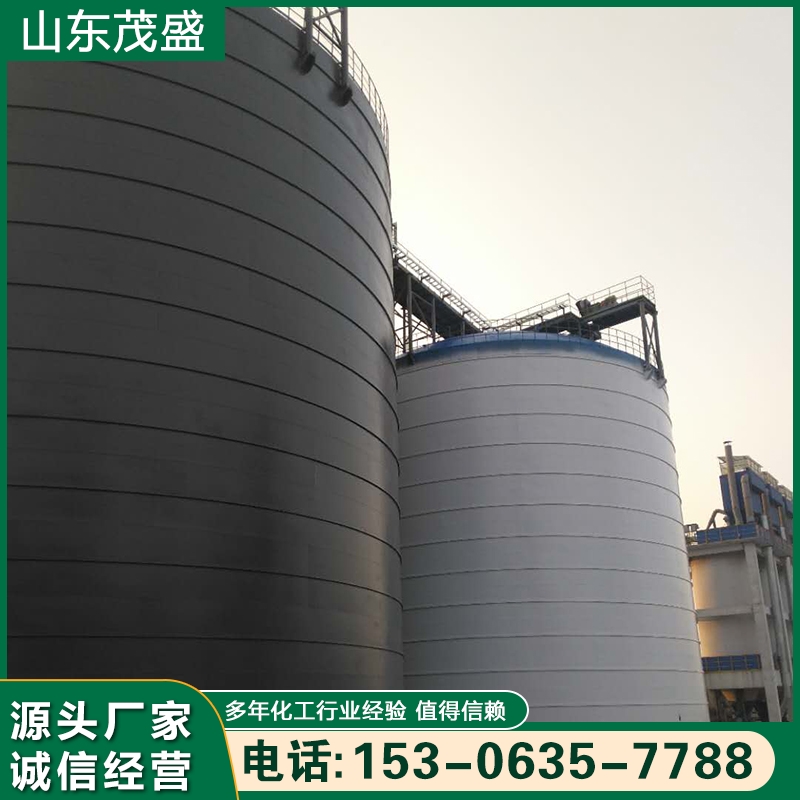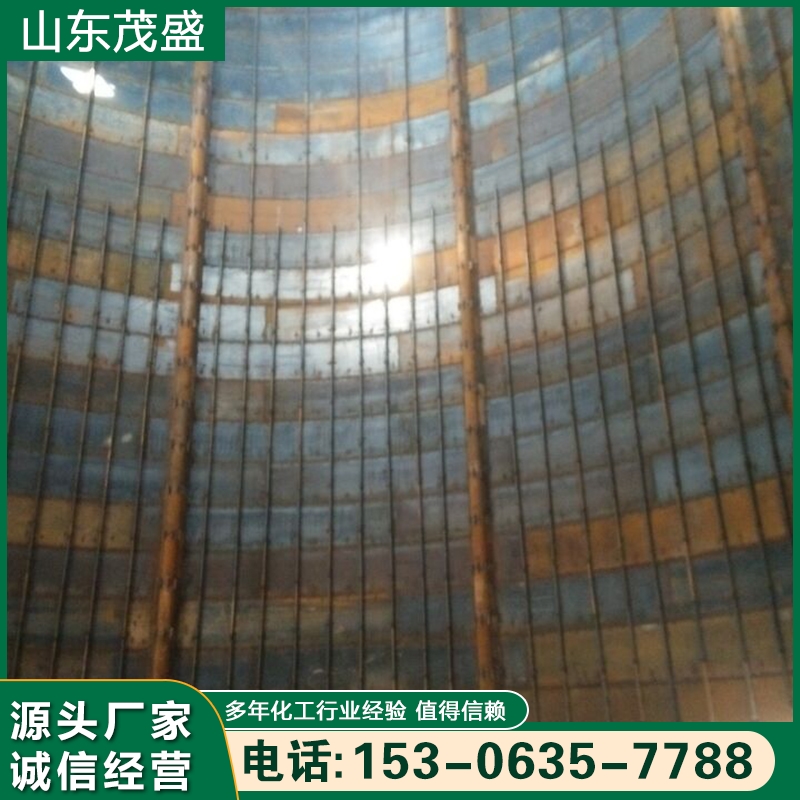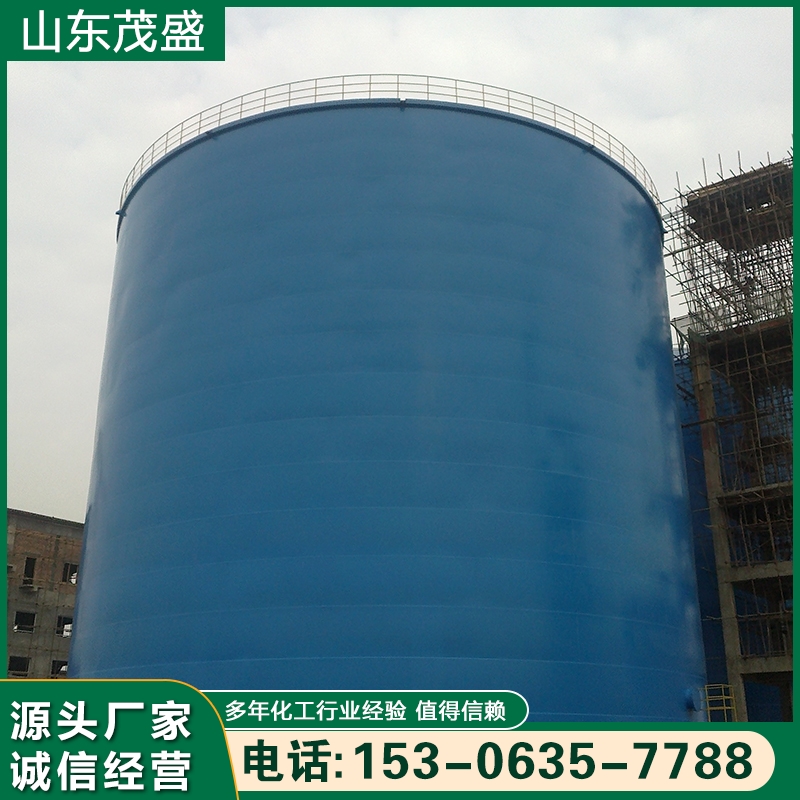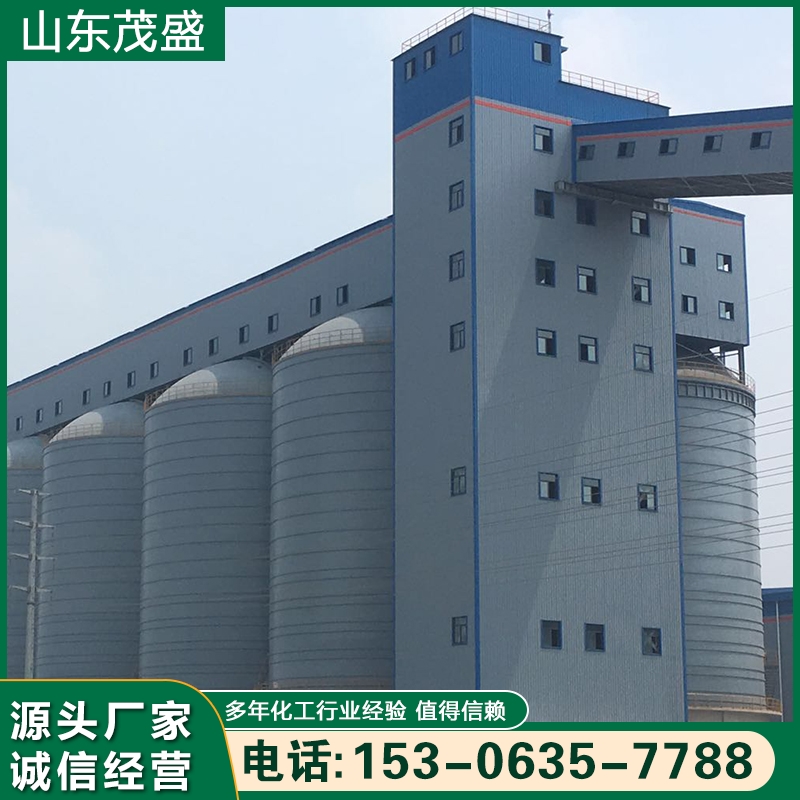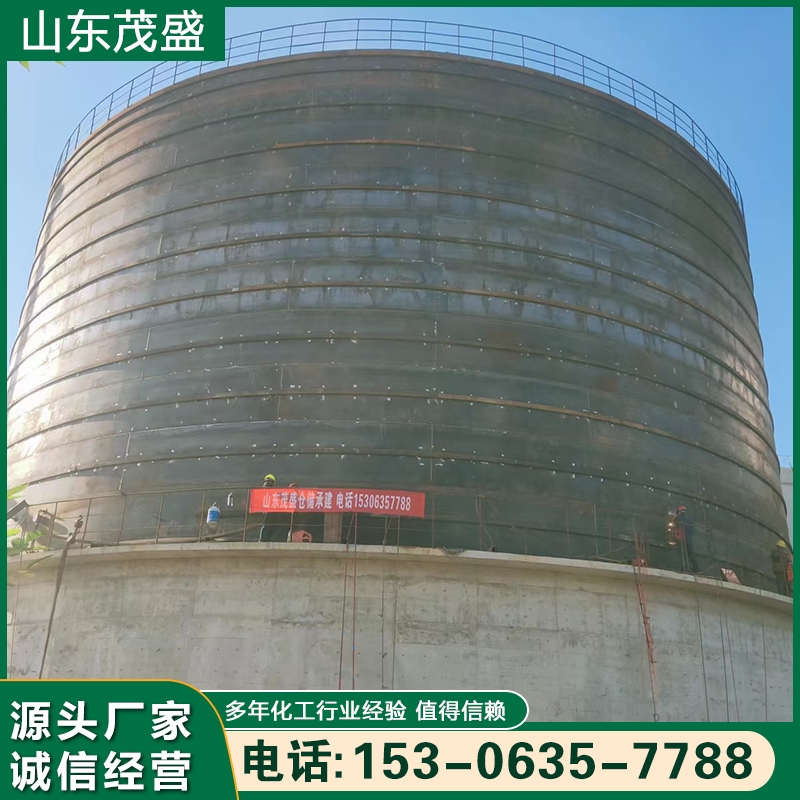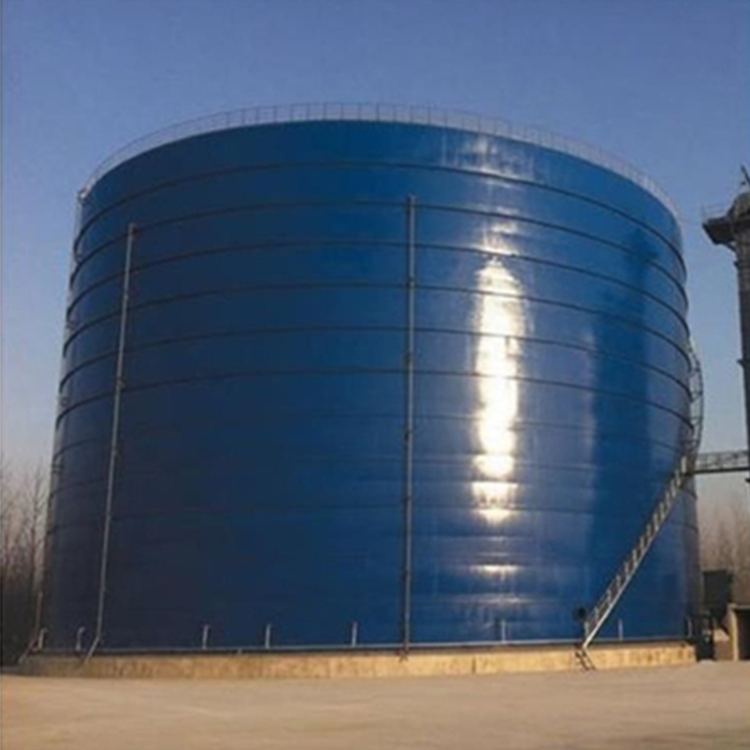

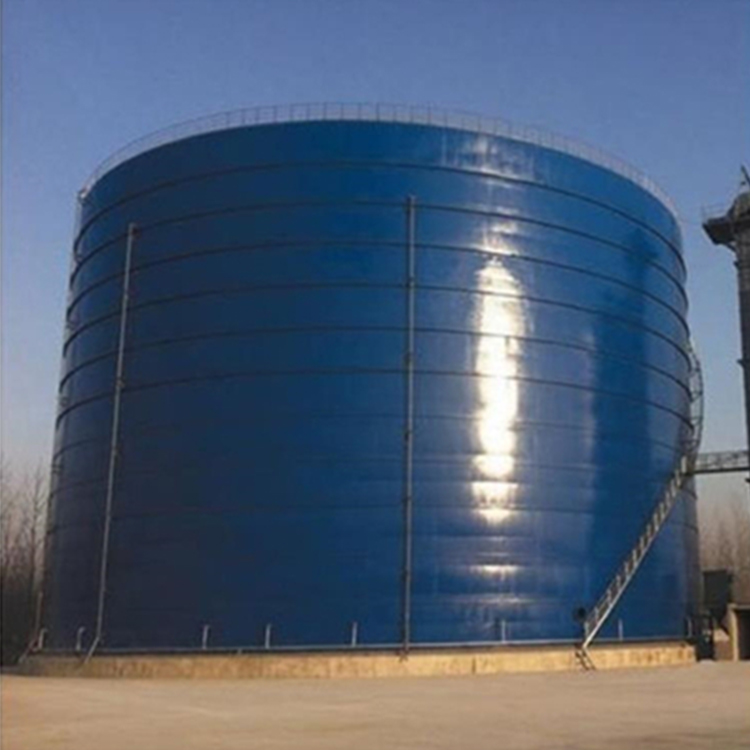
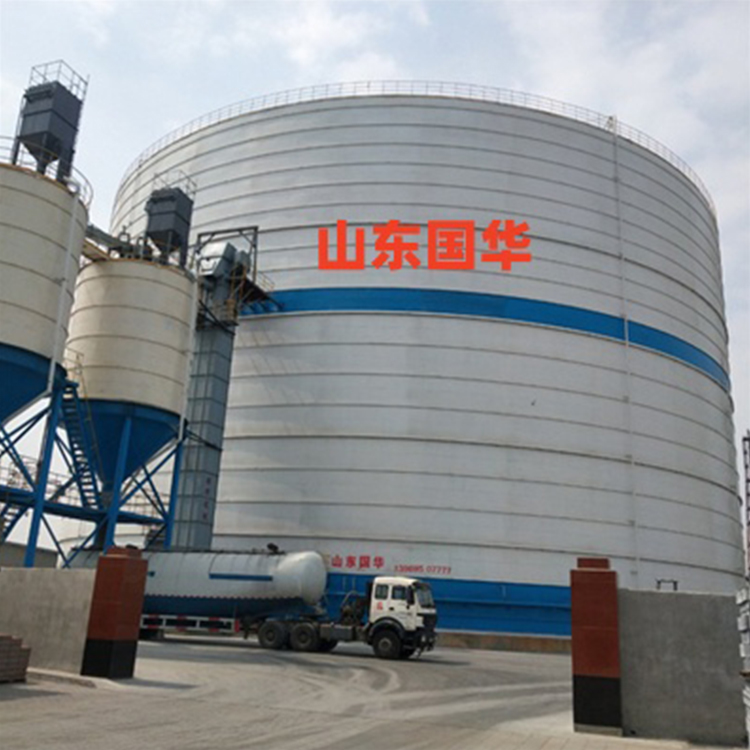
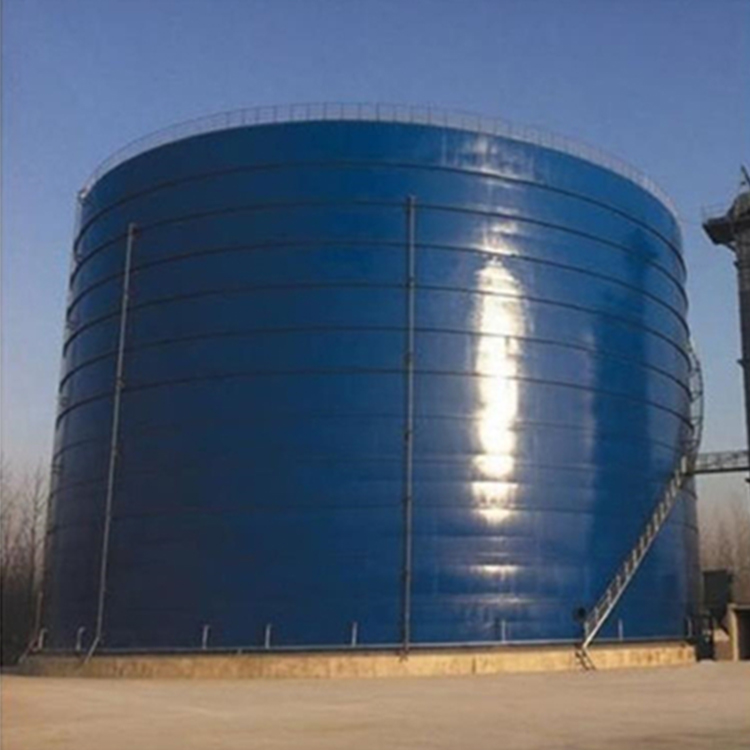









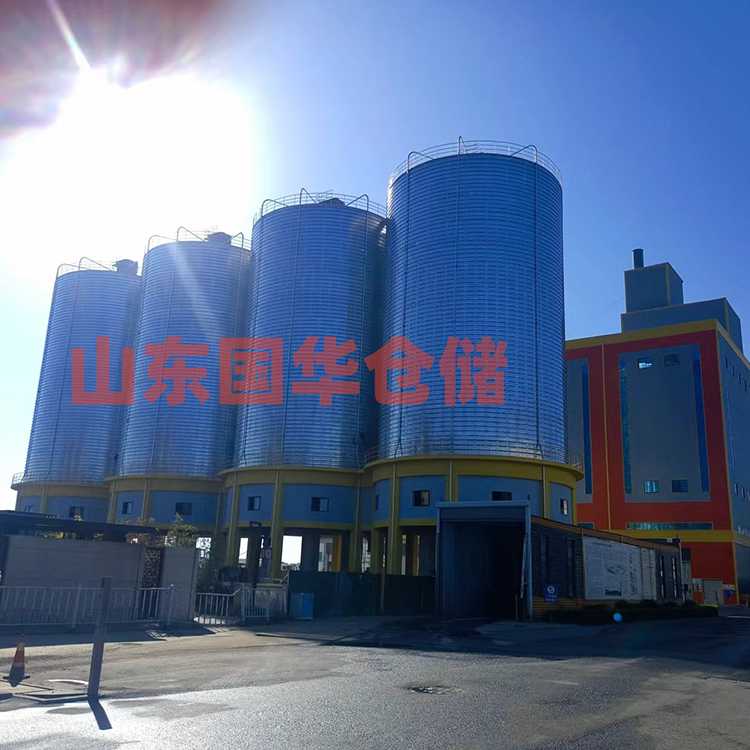

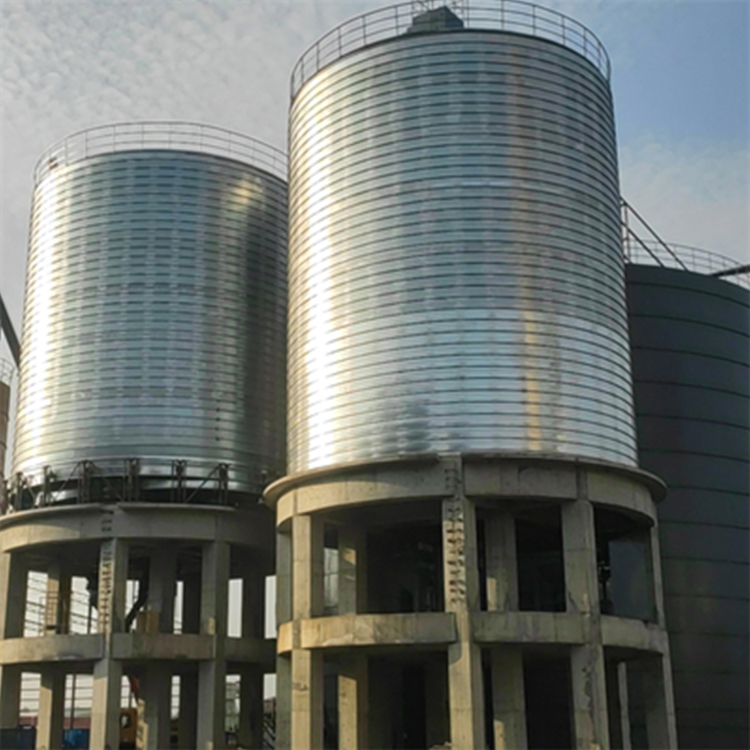
If bolts become loose, they should be replaced immediately; after unloading and emptying the silo, it is essential to regularly inspect the tightness of the silo's seal and the door frame as well as the adjacent side panels.Large steel plate siloInspection and Maintenance Method: Regularly check for local deformation in the warehouse walls and the condition of the bolt connections on the reinforced wall panels. Inspect for any deformation or cracks in the reinforcing bars and take appropriate maintenance measures based on the actual situation.
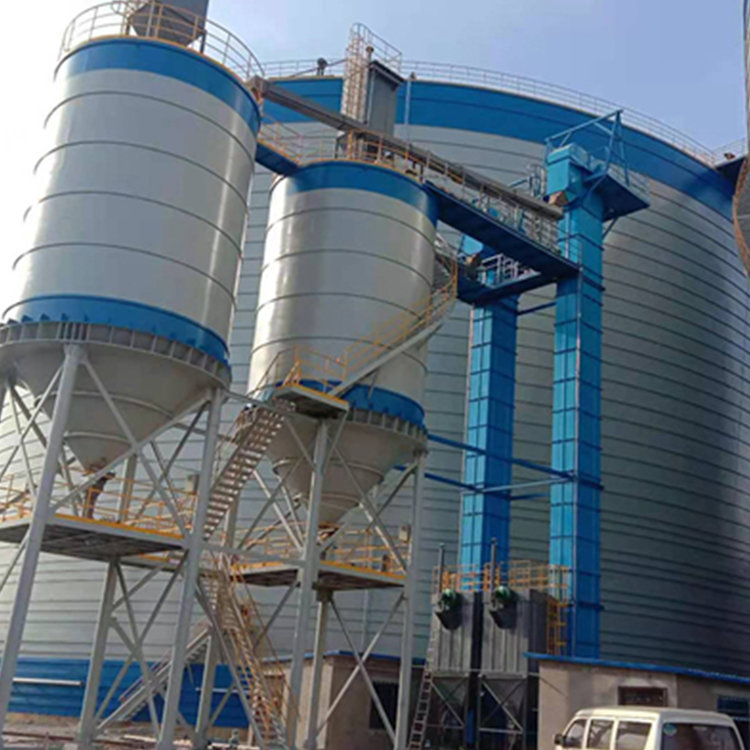
After unloading and emptying the silo, the connection points, welding joints, and the surface of the cone plate should be inspected regularly. If there are abnormalities such as welding deformation or crack in the welds, stop feeding grain to avoid unforeseen incidents. Check the top hoop, process holes, and other bolted connections of the silo monthly to ensure they are intact, and verify that bolts are tight and washers are not damaged; inspect their surface rust and sealing conditions, and address any issues promptly. Since the conditions in the silo are alternating loads, the welds on the silo body should be inspected every six months, and correction welding should be performed on deformed weld areas.
Corrosion-prone areas should be timely treated with anti-corrosion measures.Large steel plate siloFeatures: Large storage capacity, single warehouse storage up to 1.1 million tons; cost-effective, investment per ton of storage under 200 yuan, less than 50% of concrete silos; easy operation, gas discharge rate of 100-500 tons per hour, over 96% of inventory turnover; short construction period, ready for use in 34 months; excellent overall performance, environmentally friendly, energy-saving, land-saving, with a lifespan of 50 years; energy-saving: less than 0.3 kilowatt-hours of electricity per ton of cement discharged.