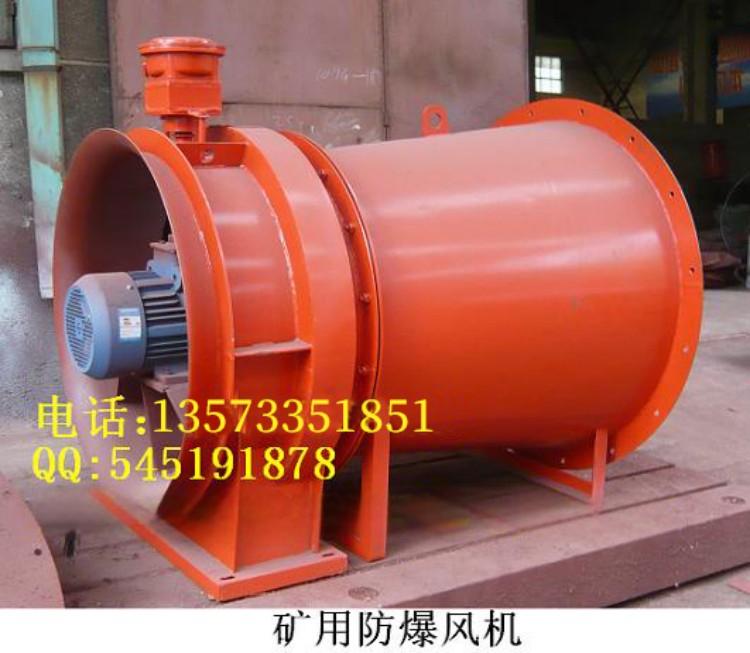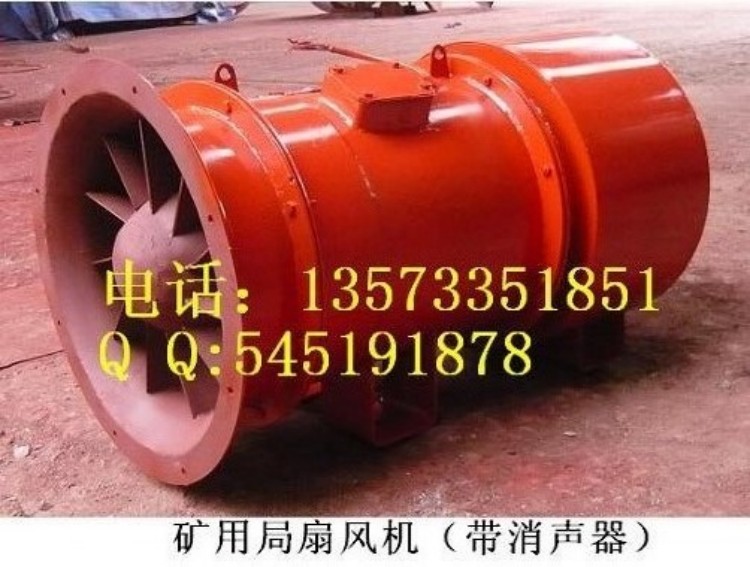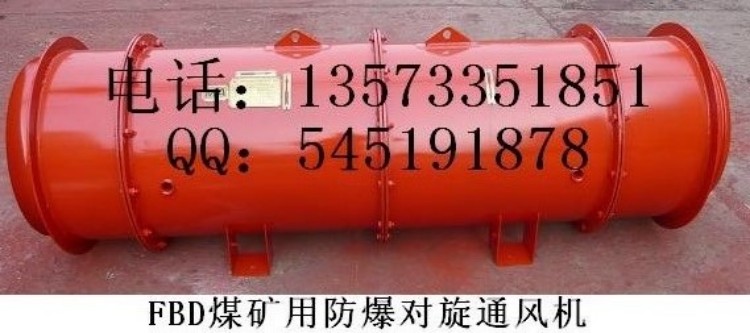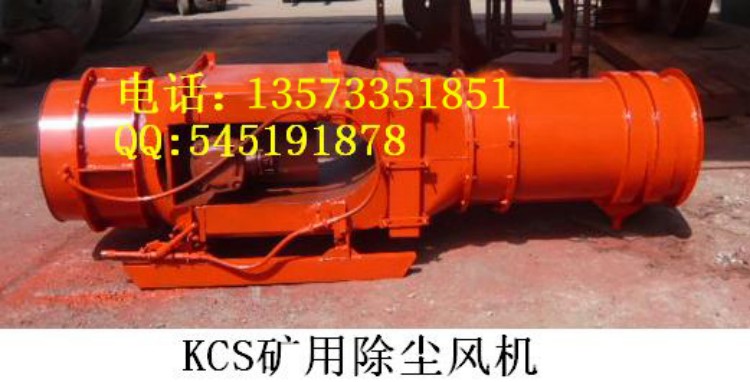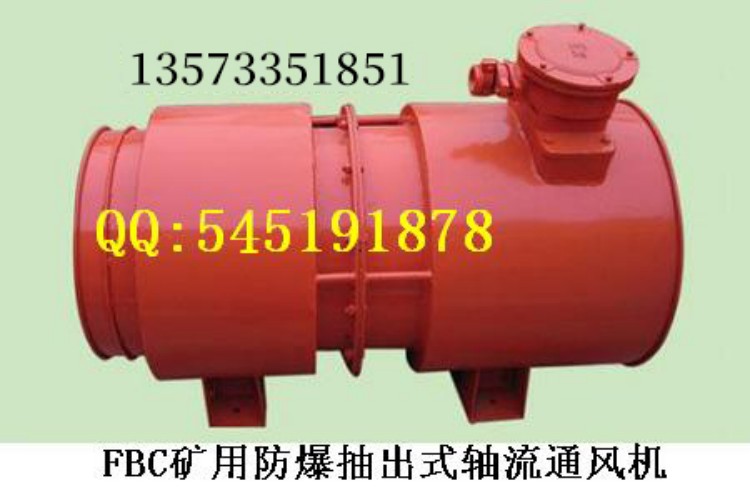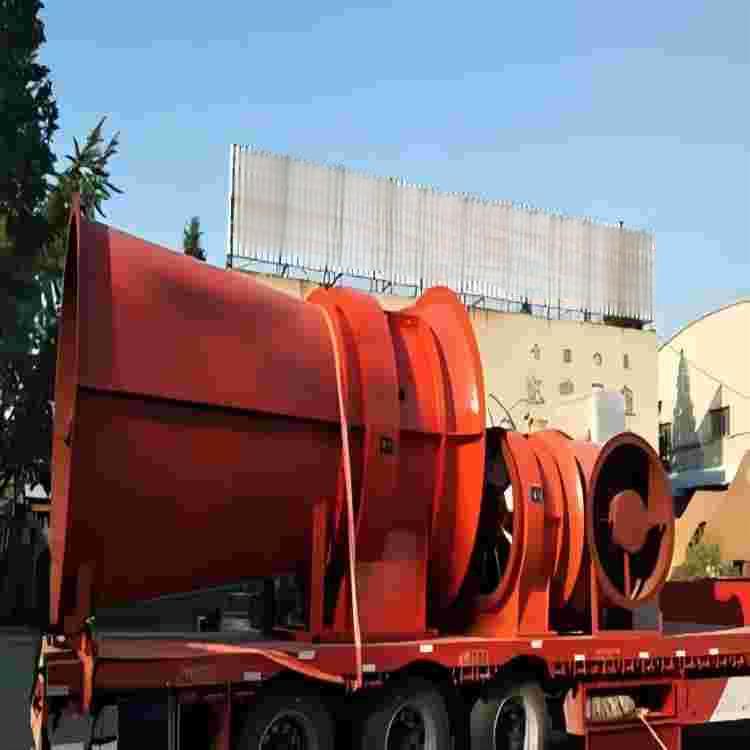

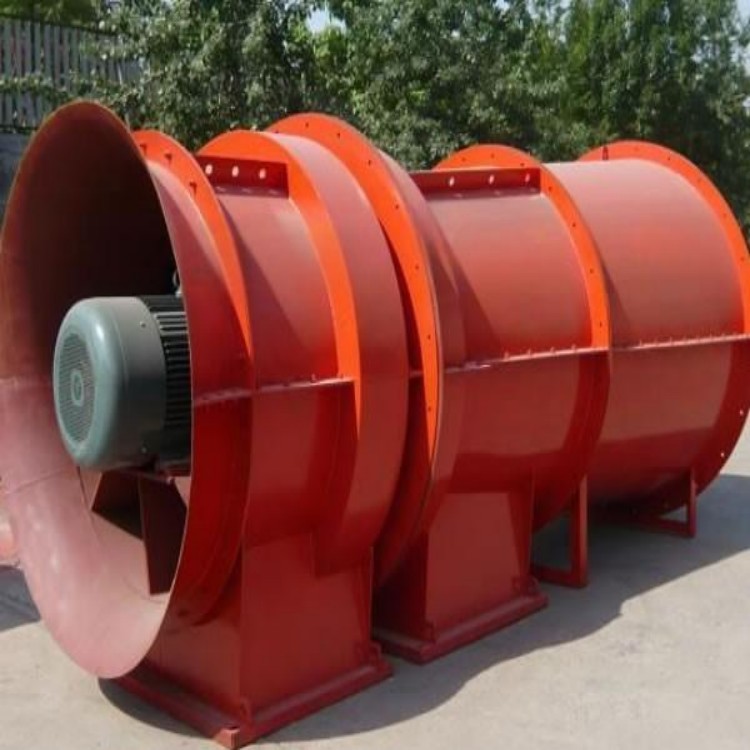









I. Overview
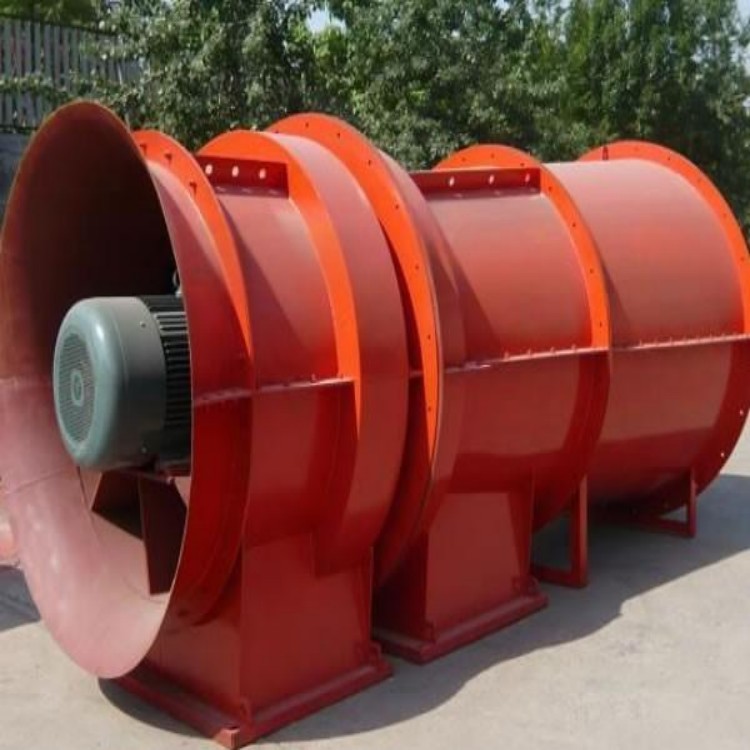
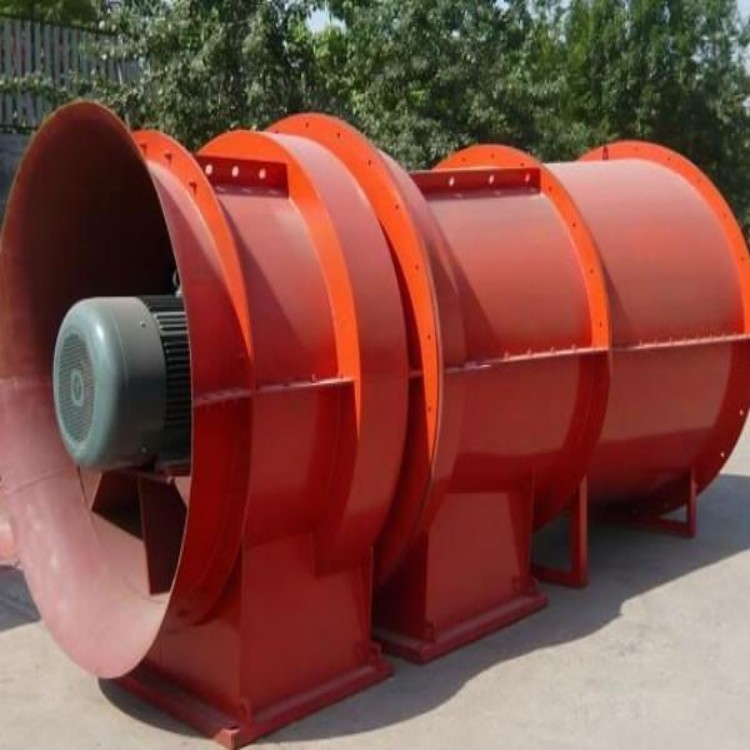
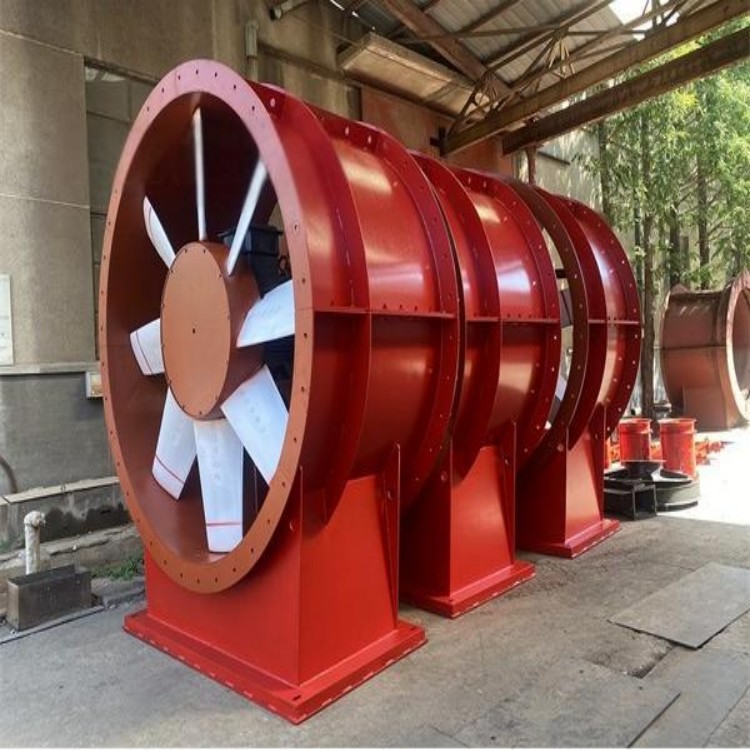
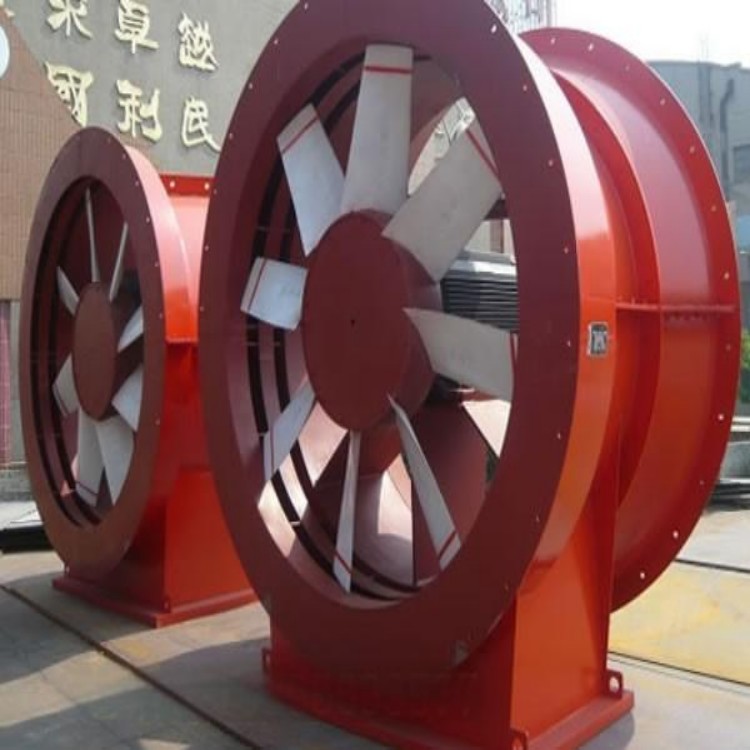
The new generation K, DK (now named FKZ, FKCDZ by the safety standard certification) series of mine energy-saving fans are designed successfully based on the original mine energy-saving fans, through technical improvements, structural perfection, performance enhancement, and expansion of the fan model. This series of fans boasts higher operating efficiency, lower noise, a broader performance range, and more significant energy-saving effects. Additionally, a flow stabilizing ring device is installed inside the main air duct, with a characteristic curve free of humps, ensuring stable operation of the fan under any air resistance condition.
To expand the performance range of this series of fans to meet the needs of various large, medium, and small non-coal mines, ensuring that ventilation networks with low, medium, and high resistance and large, medium, and small air volumes can all select main fans, auxiliary fans, and multi-stage station fans operating in the high-efficiency area. This series of fans utilizes two hub ratios of 0.40 and 0.45, and two structural types: single-machine and counter-rotating. They are categorized into K40, K45, DK40, and DK45. The K40 model is available in three speeds with 4, 6, and 8-pole motors, while the K45 model comes in two speeds with 4 and 6-pole motors. The DK40 and DK45 models both have two speeds with 6 and 8-pole motors.
By combining various machine numbers with two hub ratios, two structural types, and three speeds in a certain manner, the series of fans boasts a total of 93 specifications.
Part II: Applications
This series of fans is specifically designed to meet the needs of various non-metallic mines, including metallurgy, non-ferrous metals, gold, chemicals, building materials, and nuclear industries. They can serve as main or auxiliary fans, and are suitable for installation both on the surface and underground. They are ideal for multi-fan operation and are perfect for multi-stage fan stations in a series-parallel multi-stage ventilation system. They are also suitable for ventilation and air exchange in large workshops, tunnels, and civil defense projects.
III. Features
Key Features of K Series Fans:
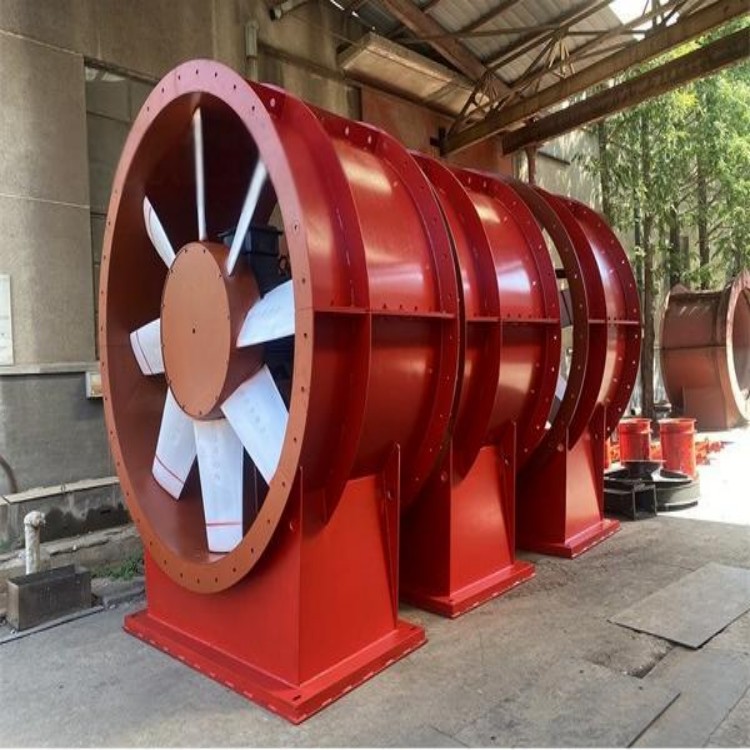
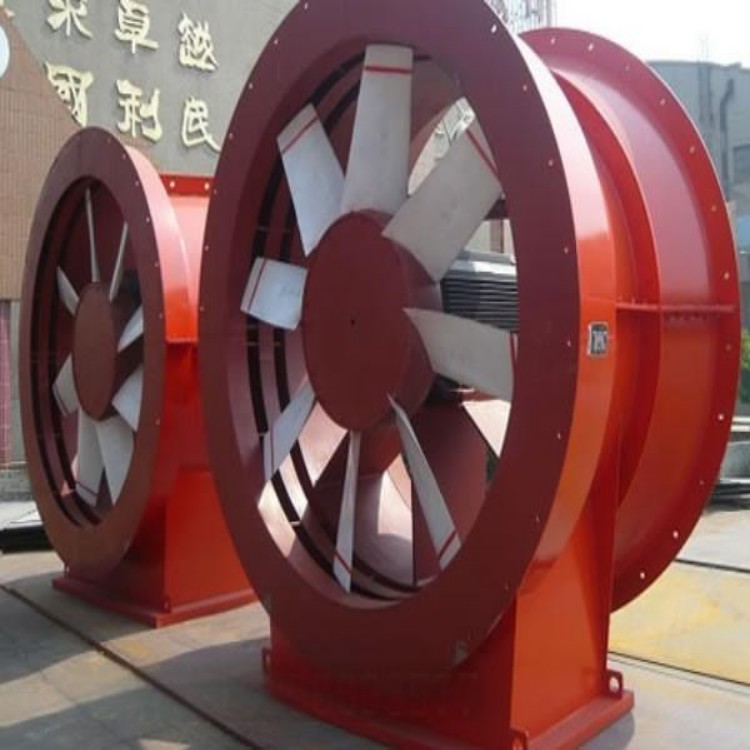
1. Utilizing twisted wing-shaped blades, it boasts high aerodynamic efficiency and exhibits extremely significant energy-saving effects.
2. Diverse in performance and complete in specifications, it can perfectly match various resistance and airflow types of ventilation networks, ensuring long-term and efficient operation.
3. Equipped with a flow control loop, the characteristic curve has no hump and no surge risk, ensuring safe and stable operation under any resistance condition, and is suitable for simultaneous operation of multiple fans.
4. Utilizes a direct connection between the electric motor and impeller, offering excellent overall stability, easy installation, simple maintenance, and low local resistance.
5. Compact structure with excellent moisture resistance. The fan body is made of steel plate and section steel welding structure, with blades made of steel plate material, hollow, featuring high strength in both blades and the entire unit. It has strong resistance to underground blasting shock waves, suitable for installation on the surface as well as underground. Particularly well-suited for use as the fan unit in multi-stage station ventilation systems.
6. Capable of reversing wind direction with a reversal rate over 60%, no need to construct a wind reversal channel.
7. Blade installation angle is adjustable, allowing for real-time adjustments to the fan's condition in response to changes in mine production.
8. Civil engineering volume is minimal, allowing for significant investment savings.
9. Lower noise level.
Four: Diffuser
K & DK series (now named FKZ and FKCDZ according to the safety standard certificate) mine-saving energy fans, when used as main fans and station fans, should be equipped with a special diffuser. The installation of a diffuser on the surface main fan can convert the dynamic pressure to static pressure, reducing the loss of dynamic pressure at the outlet, thereby achieving energy-saving goals. Fans installed underground, when equipped with a diffuser, can both reduce the local coefficient and the dynamic pressure at the diffuser outlet, significantly lowering the local resistance of the fan unit and saving ventilation energy consumption.