









I. System Overview
The new generation of intelligent and energy-saving local ventilators for mines is developed based on the current situation of mine ventilation in China and extensive research conducted in deep-seated coal mines. Aimed at reducing gas accidents, it is designed with the objectives of "safety, reliability, energy conservation, and environmental protection," featuring "modular units, personalized combinations, real-time monitoring, and intelligent control." It achieves the effects of "real-time early warning, dual control by humans and machines, demand-based air supply, and disaster prevention and reduction," thereby filling a gap in the field of intelligent control for local mine ventilation in China.
II. System Composition
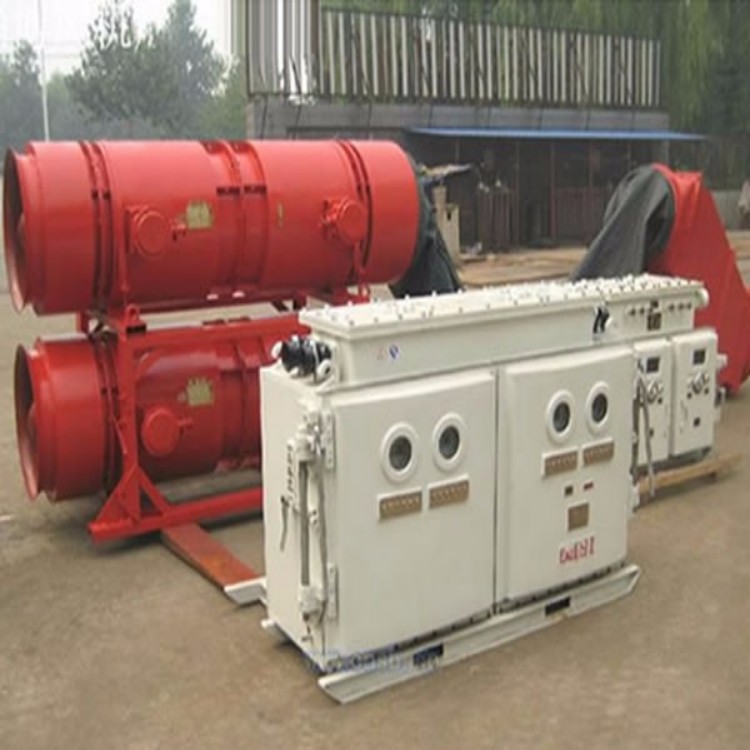
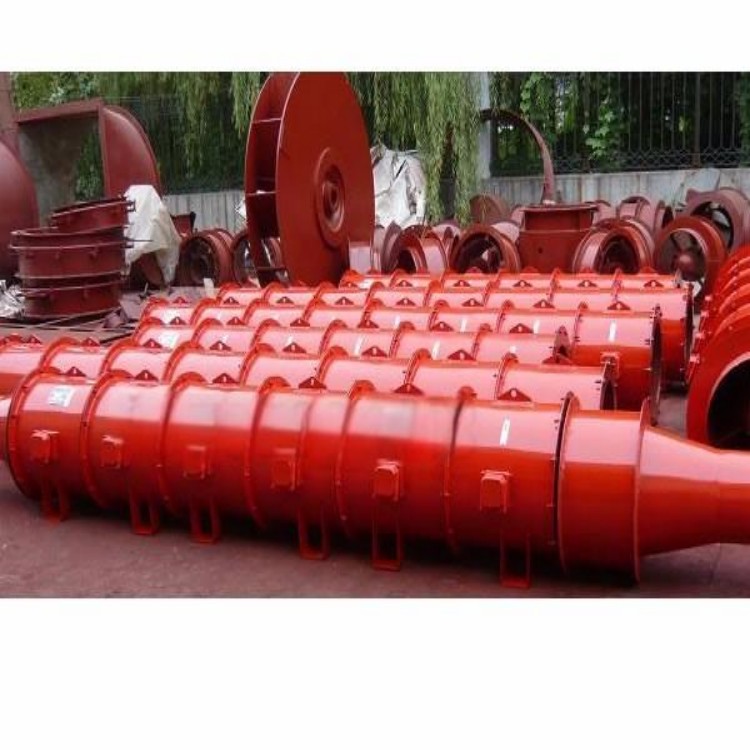
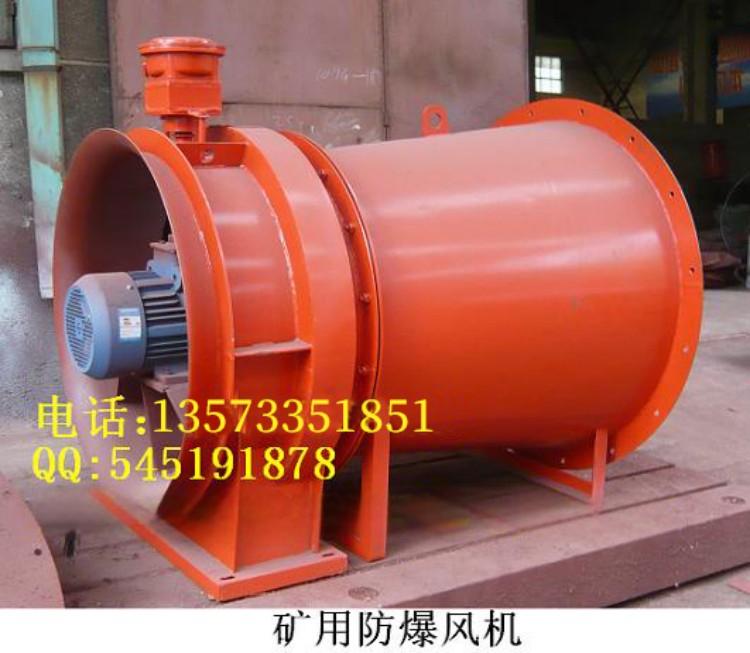
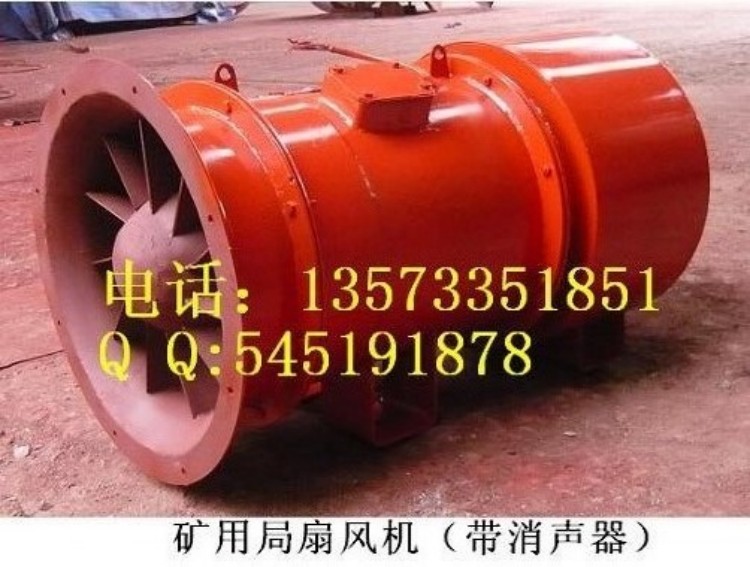
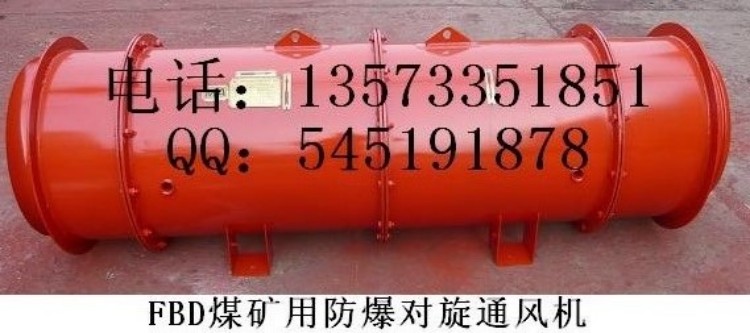
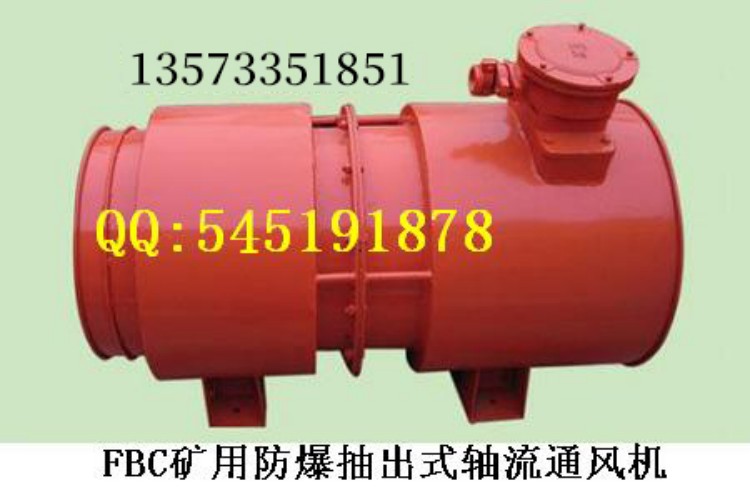
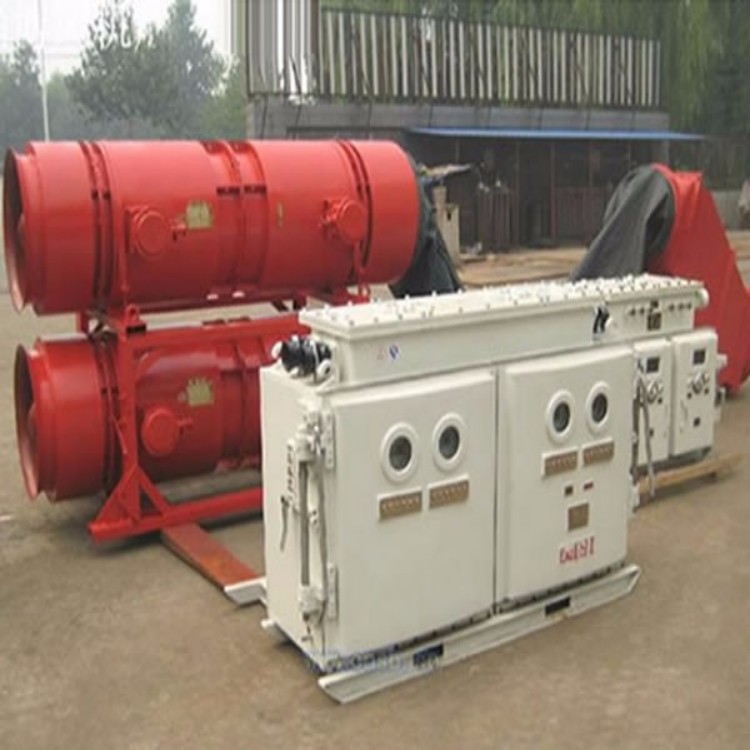
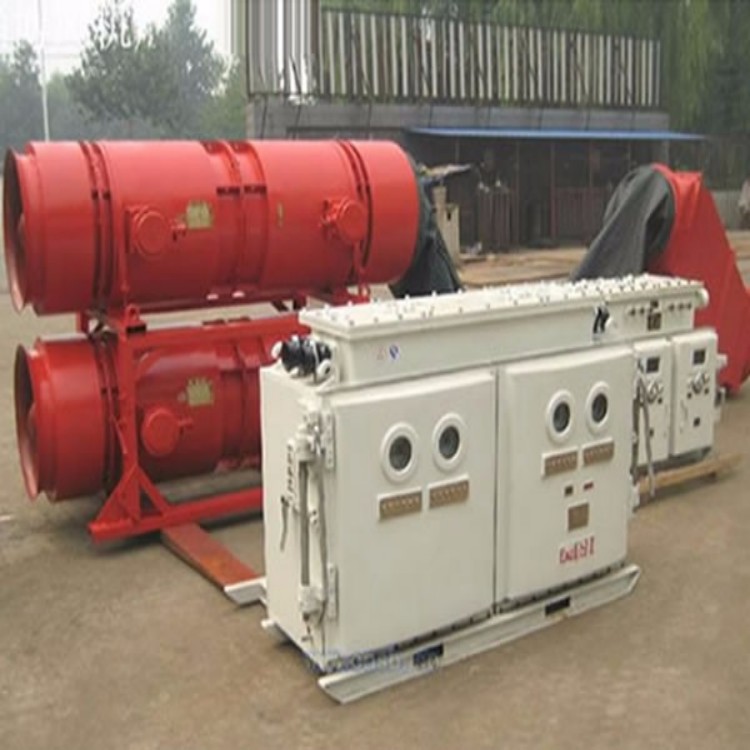
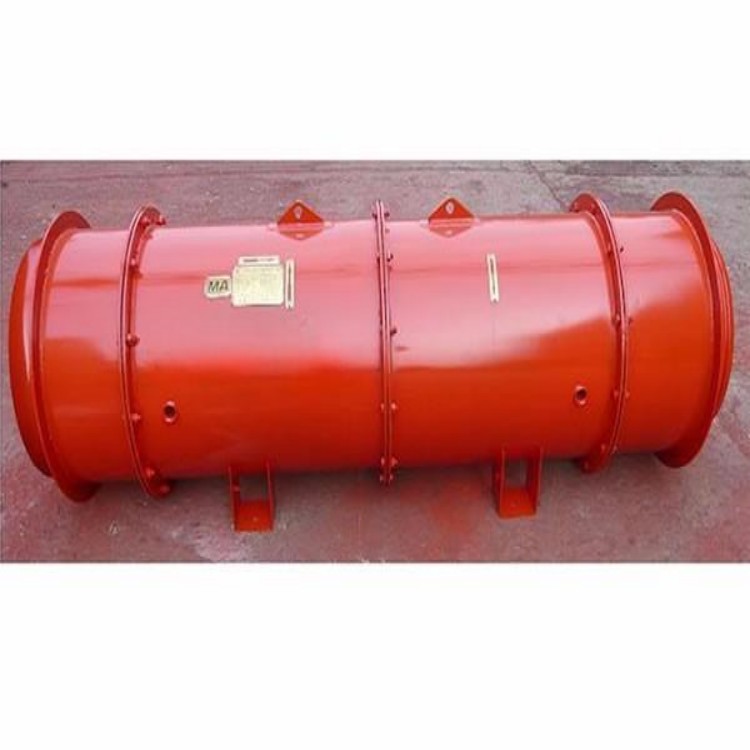
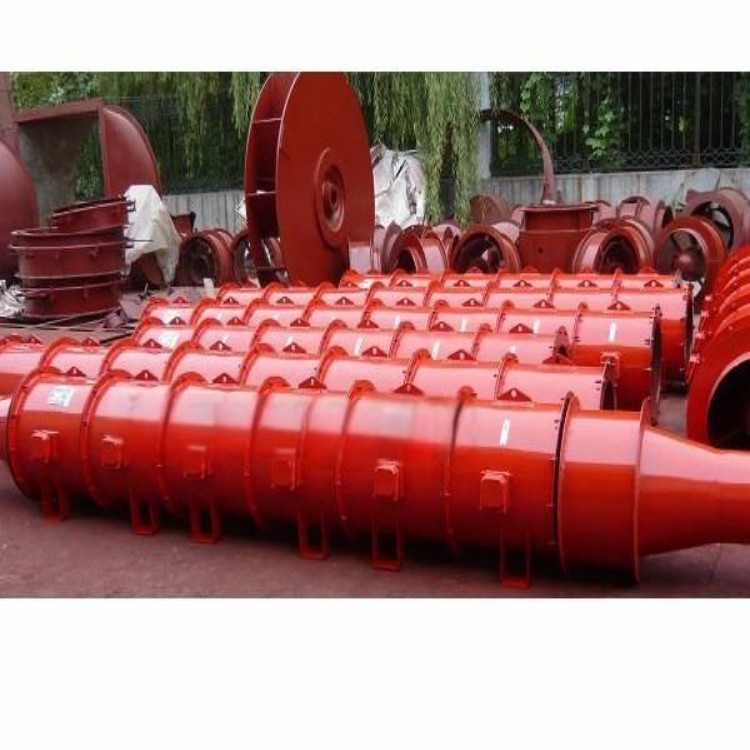
The system is composed of FBD series coal mine explosion-proof axial flow fan units, explosion-proof and intrinsically safe variable frequency speed regulation devices, V-type automatic switching dampers, air distributors, air ducts, brackets, and other components. The speed regulation device consists of variable frequency speed regulation systems, gas monitoring systems, LCD displays, and parameter setting systems. It incorporates advanced IGBT variable frequency speed regulation and heat pipe self-cooling technology, along with fuzzy control theory, into the speed regulation device, featuring high automation and superior technology.
III. Function Overview
The intelligent local ventilation system for mines is a closed-loop control system. Its primary function is to determine the amount of air supply based on parameters collected from underground sensors and substations, thus avoiding the "one-blow" phenomenon of existing local ventilators. This addresses the issue of demand-based ventilation in mine local areas. Designed with safety and energy-saving requirements in mind, the system utilizes a control system composed of PLC and variable-frequency inverters to real-time regulate the fan speed, achieving the effects of "real-time early warning, dual control of man and machine, demand-based air supply, and disaster prevention and reduction." This ensures efficient and safe local ventilation and automatic gas emission in mines, reducing gas accidents and saving energy and electricity.
1. Demand-based ventilation feature:
Automatically adjusts the fan speed to regulate the output air volume and pressure, avoiding over-limit gas levels to ensure the fan operates energy-efficiently and economically. When the system detects that the T1 and T2 concentration values are below the set upper limit, it automatically enters the speed control mode. Based on the heading gas concentration detected by T1 and T2 and the return air flow gas concentration in the tunnel (if below the lower limit of T1 and T2 concentration settings, the fan slows down; if above the upper limit, the fan speeds up), it controls the variable-frequency inverter to automatically adjust the air volume.
2.瓦斯排放 feature
Upon manual or automatic activation of the gas drainage state, the speed of the local fan is automatically controlled based on the gas concentrations detected by the T1, T2, and T3 sensors at the working face, return air flow, and total convergence air flow. When the T3 concentration does not exceed the set value (1.5%), increase the speed and airflow. When the T3 concentration exceeds the set value (1.5%), decrease the speed and reduce the airflow. Adjust the output airflow accordingly to maintain the gas concentration in the return air flow within the safe set value, ensuring efficient and safe gas drainage, thus preventing over-limit gas levels and reducing gas safety accidents.
3. Manual air volume adjustment feature:
The human-machine interface of the variable-frequency drive display panel and the intelligent control switch display panel can be used to set the output frequency of the variable-frequency drive to control the fan speed and adjust the air volume.
4. Gas-electric interlock function:
When the main control switch is operational and the data from each gas sensor is below the lockout value, the power for the driving face is on and production can proceed normally. At this time, the vacuum contactor of the standby control switch is disconnected, and the standby control switch is in a power-off readiness state. When the gas sensor data exceeds the lockout value, the main control switch outputs a control signal to control the feeder switch, which then controls the power supply to the driving face, thus achieving the gas-electric lockout function.
The system's standby control switch is in operation, it only achieves tunnel ventilation and cannot control the power supply to the tunneling face to implement gas electric interlock.
5. Wind Turbine Lockout Function
When the main control switch is open/close failure (main control switch shutdown), the main control switch outputs control signals, the feeder switch controls the power supply to the driving power of the excavation face, and the wind power interlock function is achieved.
6. Audio-Visual Alarm Function: To promptly alert on-site personnel during abnormal situations, this system is equipped with an audio-visual alarm device that operates on a 36V AC input. When the PLC detects a gas sensor limit exceeded via the probe, or a variable frequency inverter fault through the 485 bus communication, the PLC will trigger an audio-visual alarm, prompting staff to take appropriate actions to address the abnormal condition.
Section 4: Security Assurance
1. In the event of a main system failure or shutdown, the intelligent local ventilation system's intelligent control switch initiates an online switch to start the hot standby fan for air supply, ensuring more reliable air supply.
2. Improve the working environment on the job site. Under normal ventilation conditions, the intelligent local ventilation system automatically adjusts the wind speed and air volume based on the amount of gas emitted from the excavation face, to prevent excessive air volume from causing dust.
3. Rapid automatic gas exhaust. In the event of unexpected power outages, planned wind shutdowns, or excessive gas outbursts leading to gas exceeding permissible levels at the excavation face, the intelligent local ventilation system can automatically exhaust the gas quickly and safely.
4. The intelligent local ventilation system can also switch between the main and backup units while operating in the exhaust gas state, ensuring safety.
5. Prevents "one-blow" issues. The fan speed is adjustable, and the air volume can be regulated; the fan's full-pressure start-up is a soft start, which can avoid the wind tube failure caused by the fan's full-pressure start-up. As well as power supply failure caused by current surge.
6. Compatible with intelligent local ventilation and monitoring systems, the system is secure and reliable.
V. System Features:
1. The channel-type variable-frequency inverter uses an explosion-proof housing, with the outer diameter of the explosion-proof housing matching that of the local fan motor. This design satisfies the heat dissipation requirements of the inverter without affecting the fan's operational performance. The channel-type inverter is integrated with the local fan main unit, featuring an outer cylinder designed according to the series dimensions of the fan and can be installed or removed independently. 2. The inverter itself is equipped with a local operation box, offering convenient operation.
3. The control circuit is separated from the main circuit for better layout, minimizing interference, ensuring greater stability and reliability of the system.
4. Achievable demand-driven ventilation;
5. Controlled gas emissions;
6. Dual power supply with automatic dual-fan switching;
7. Power-down memory, lock display, and locked interface;
8. Network with the underground substation.
9. Operation status control
10. Reliable protection features.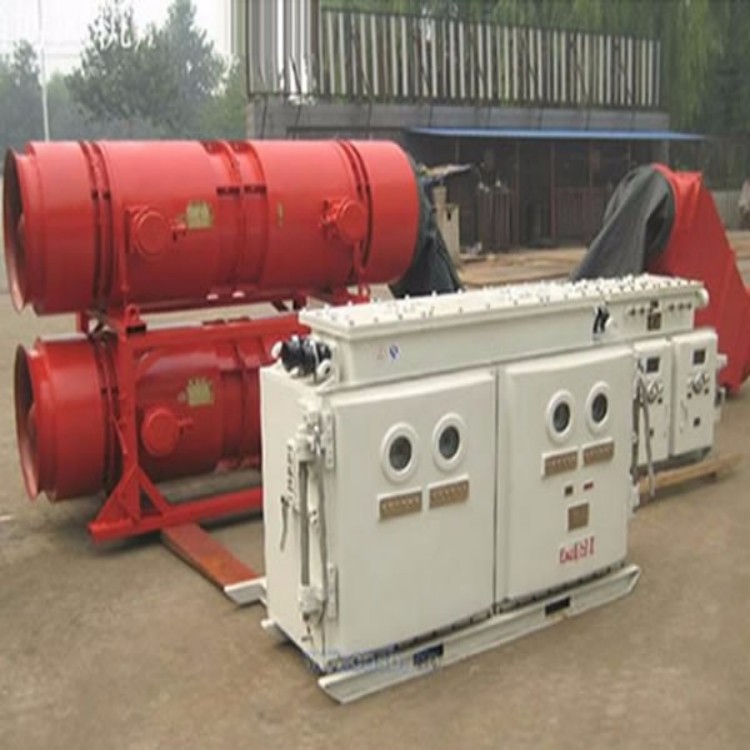
WeChat Official Account

Scan to follow Official Account