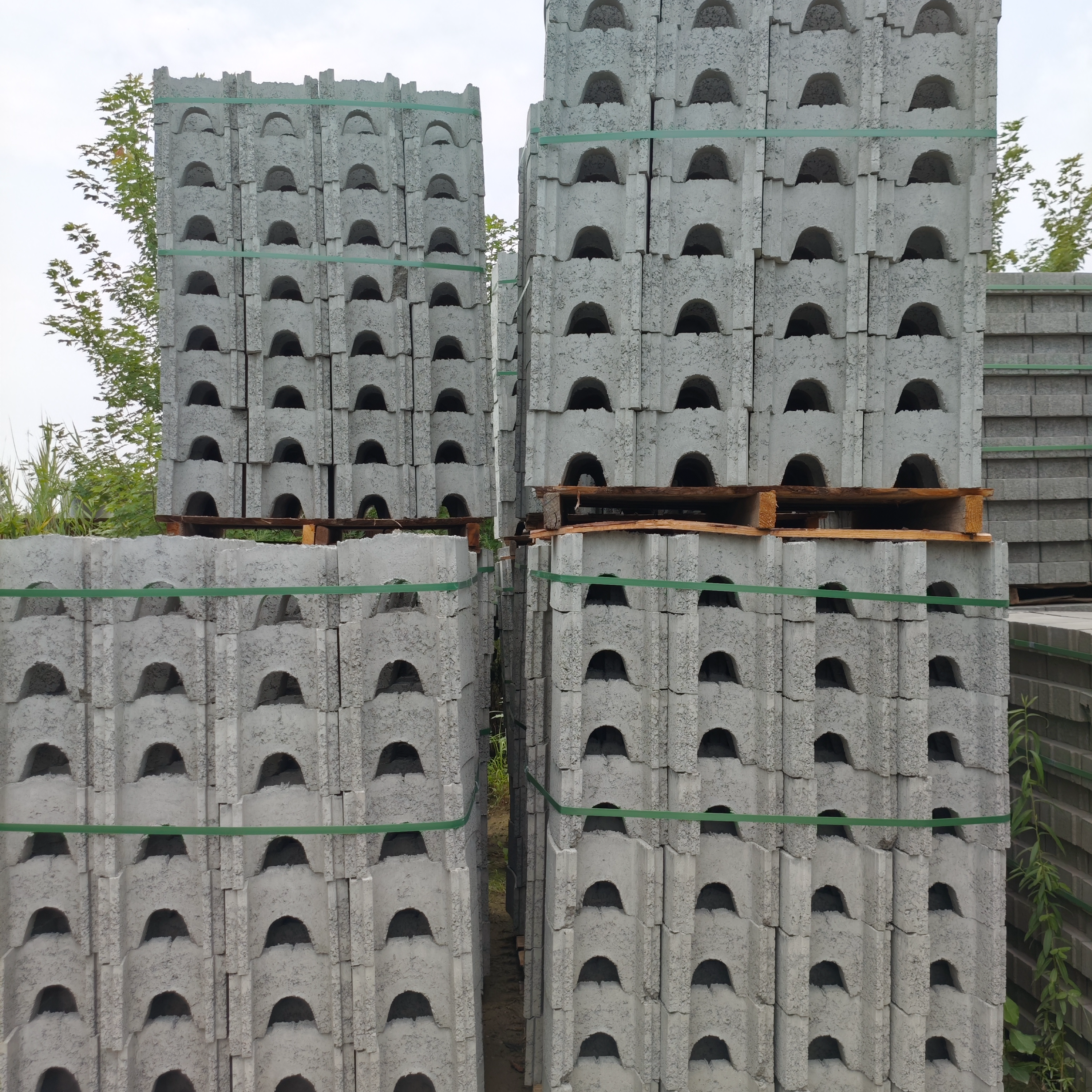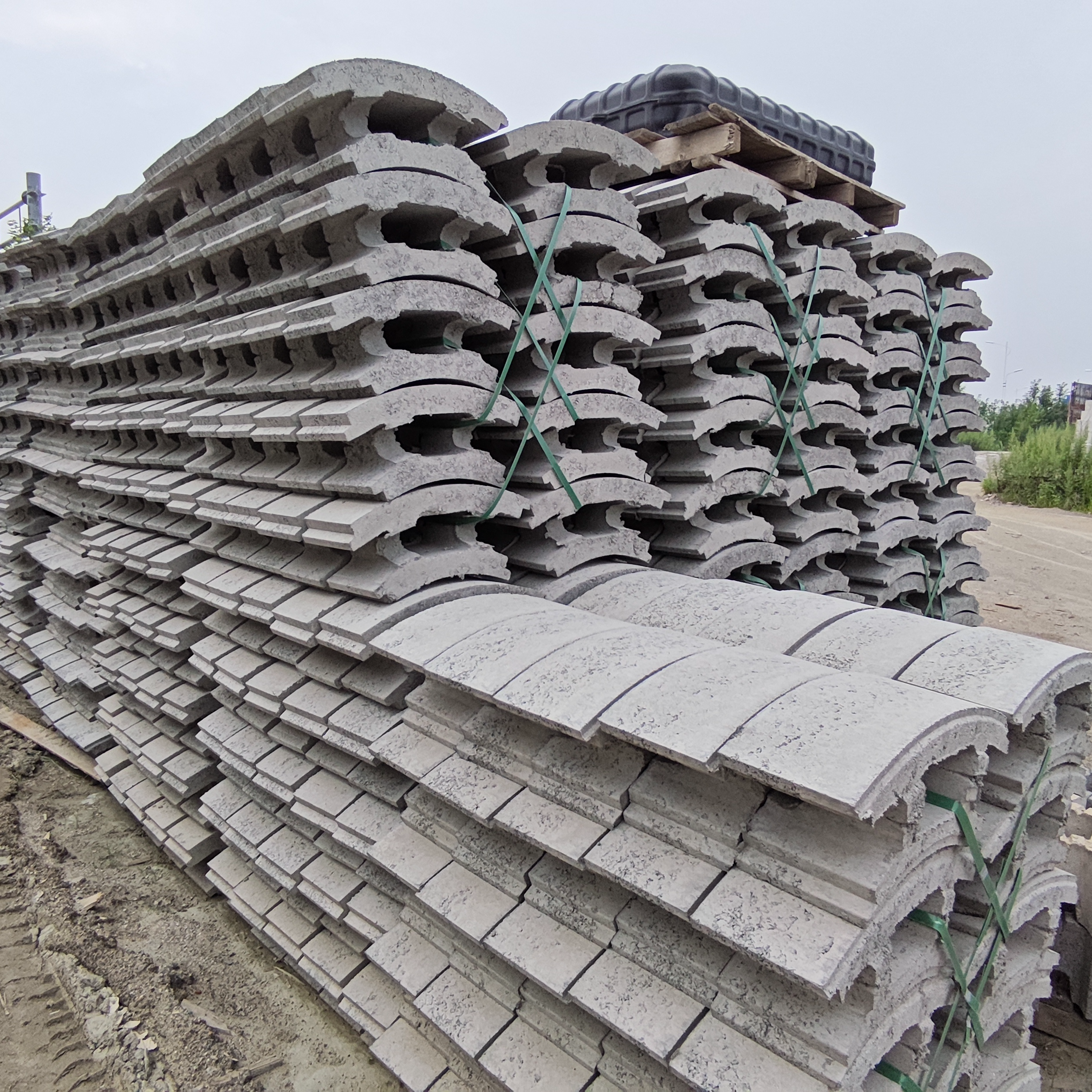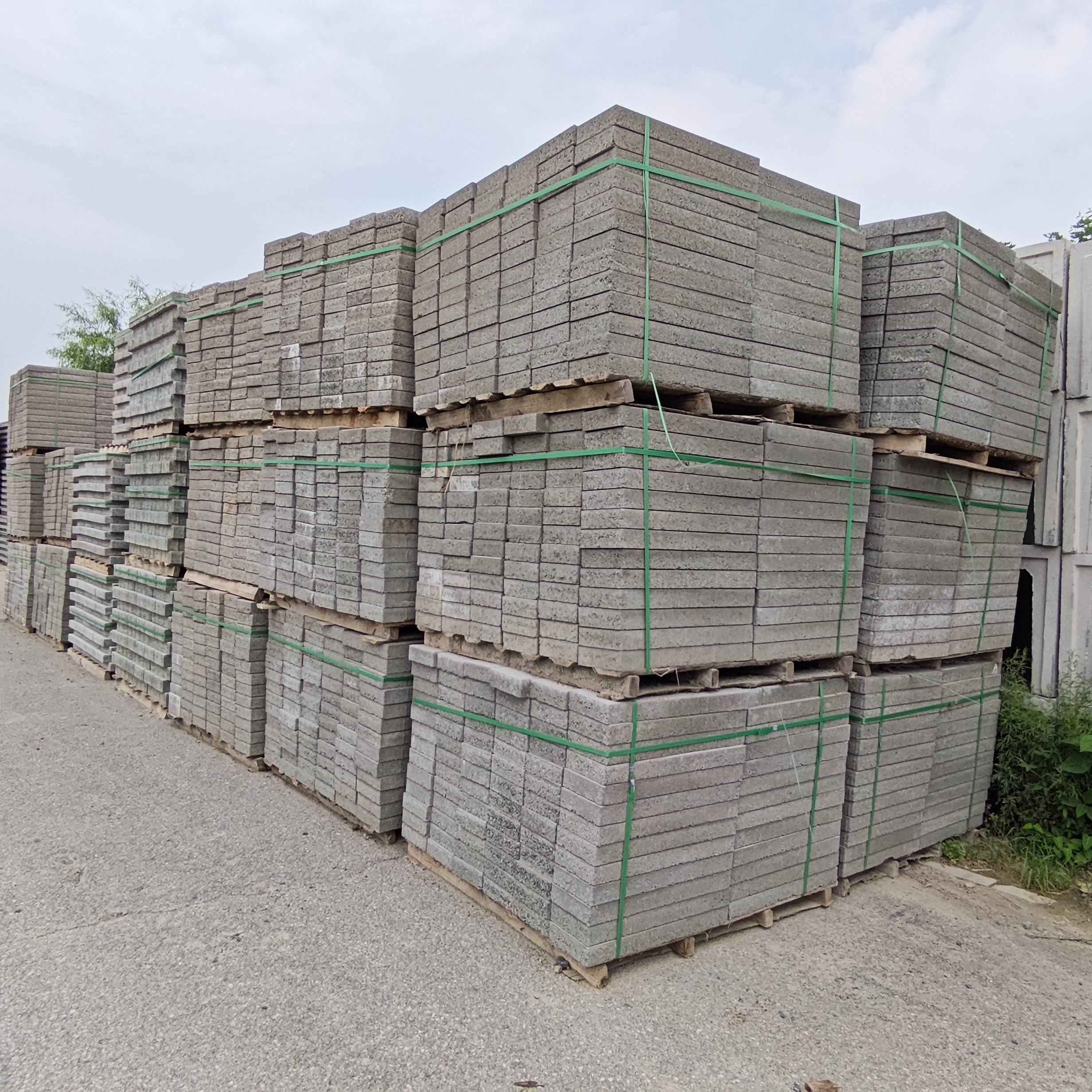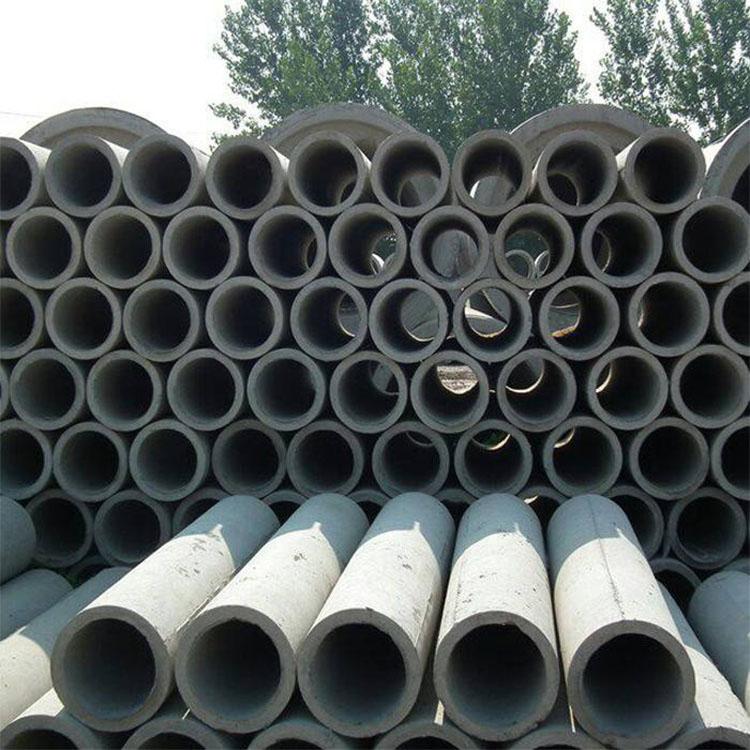




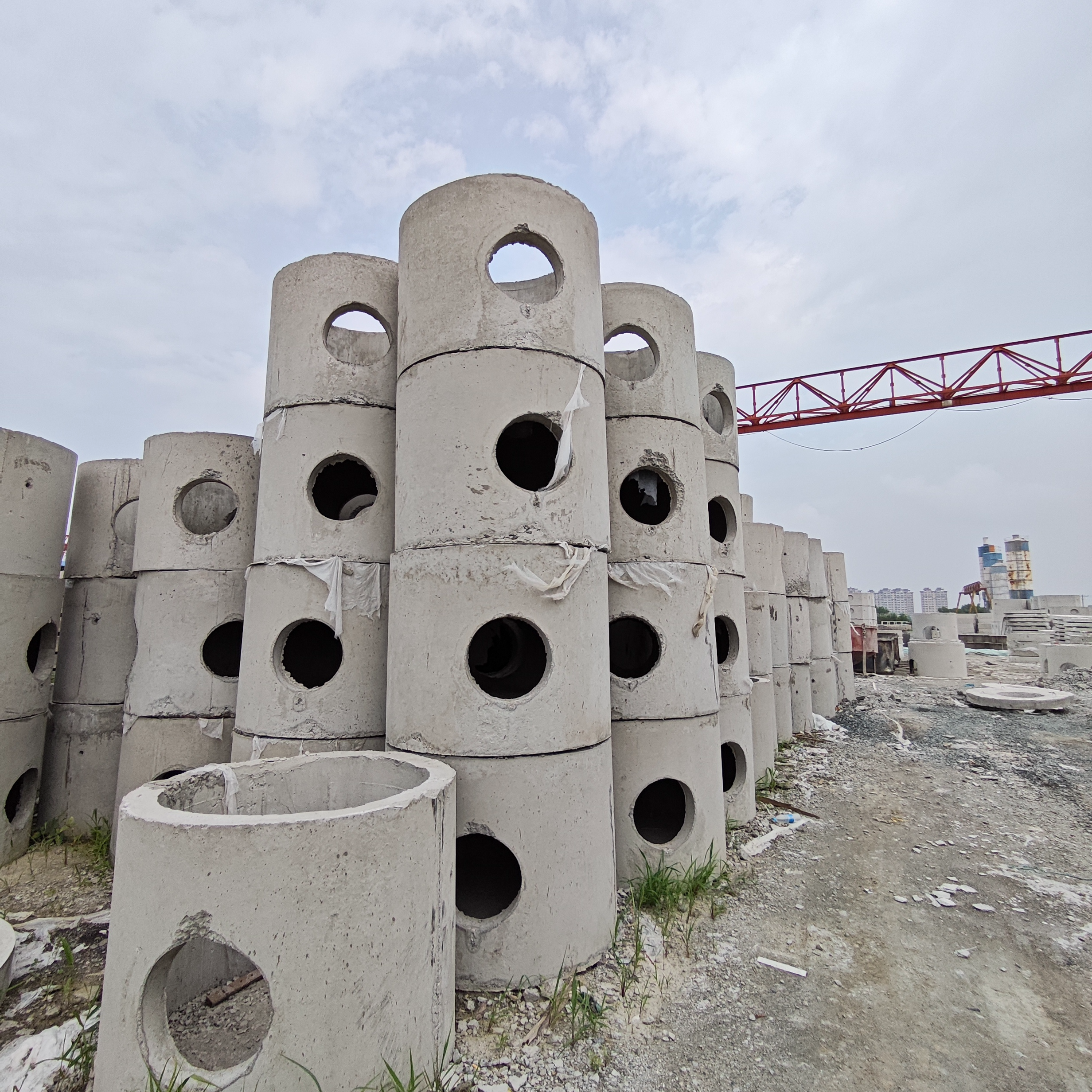
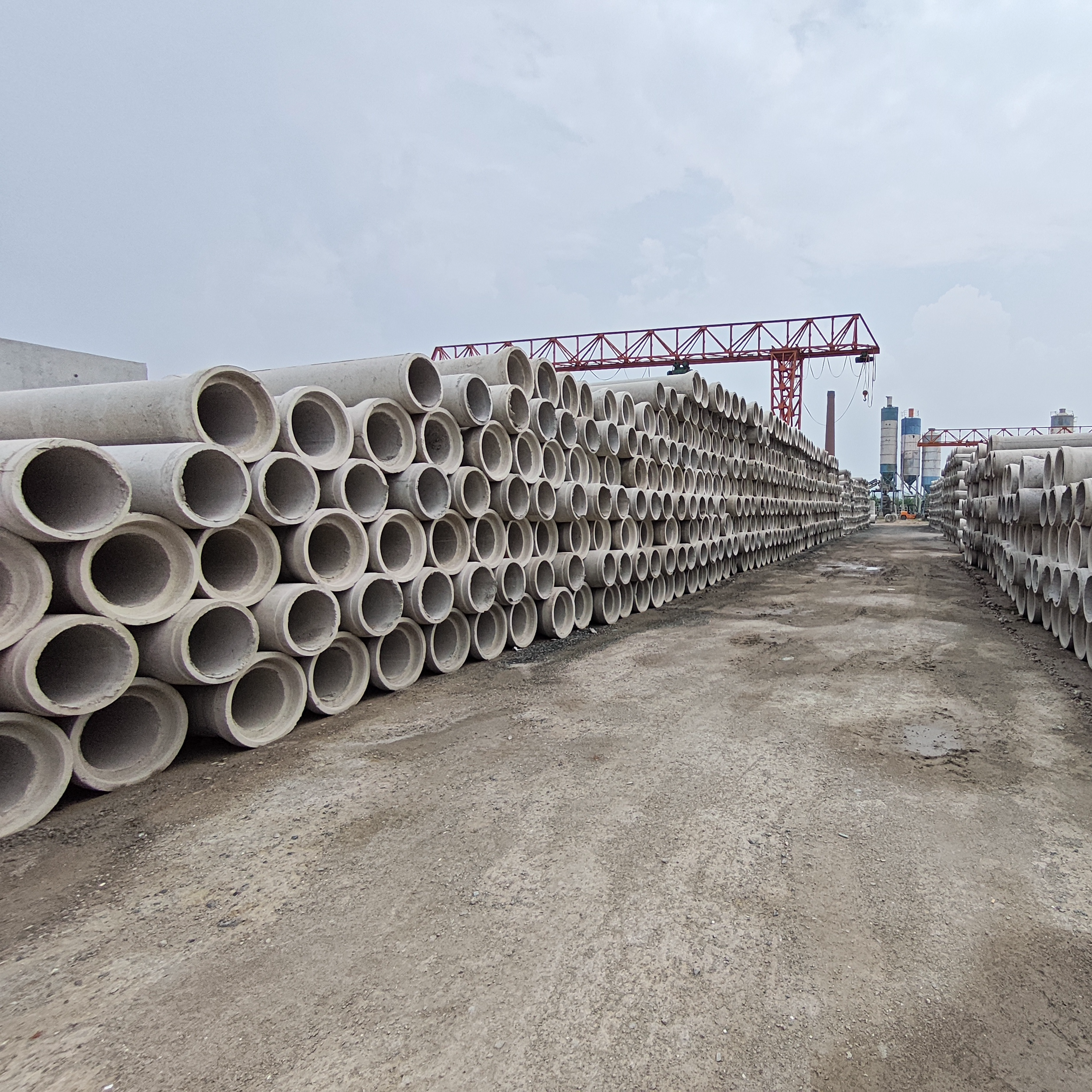
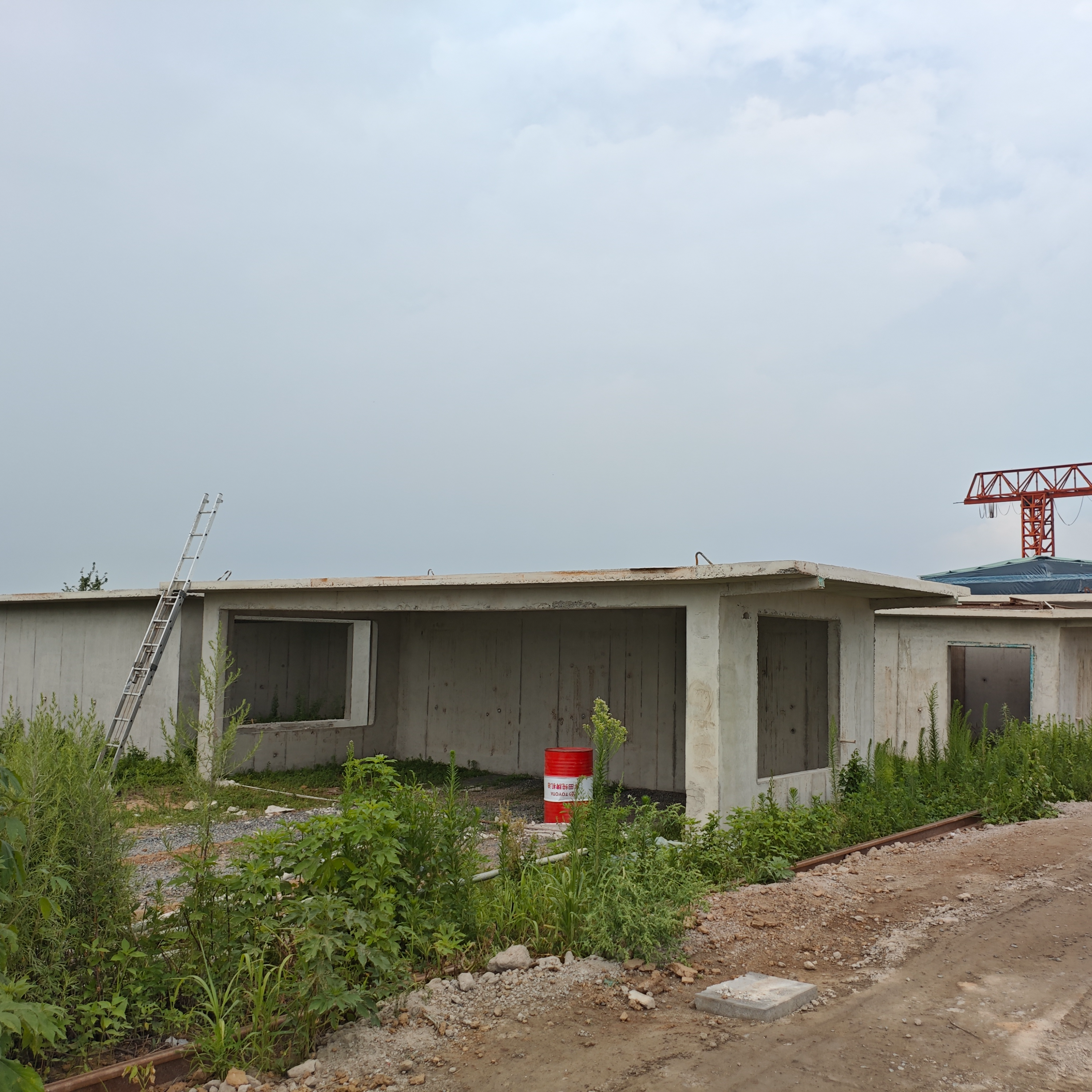
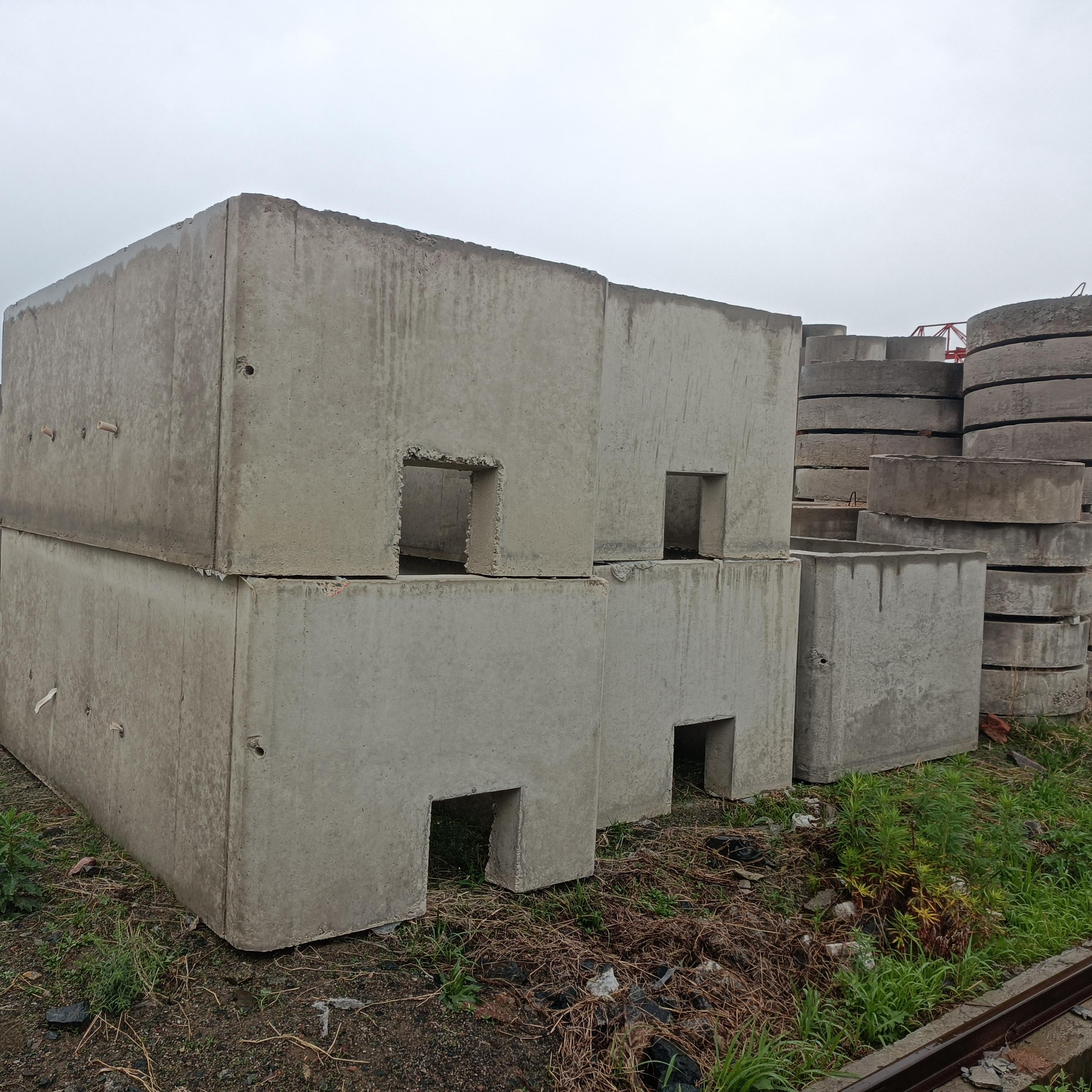





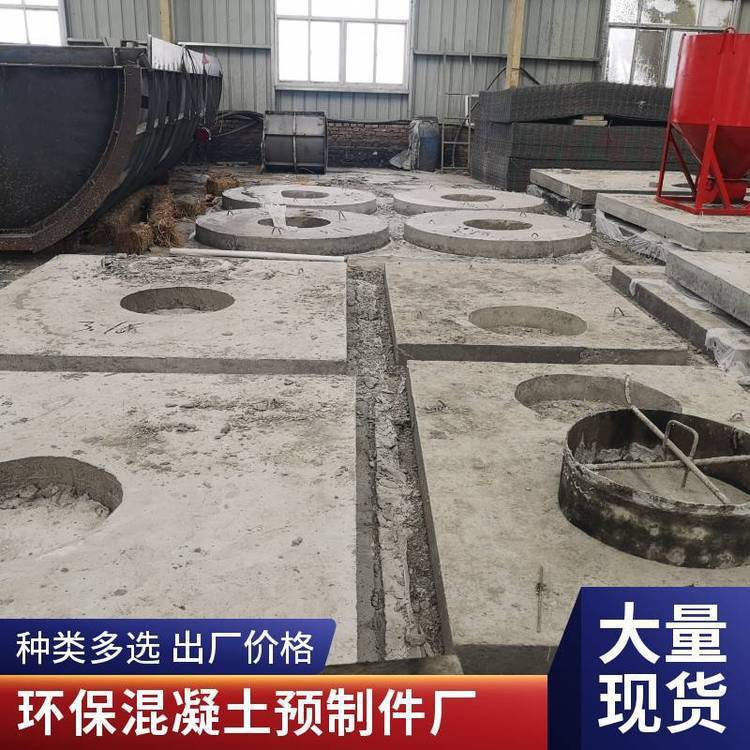
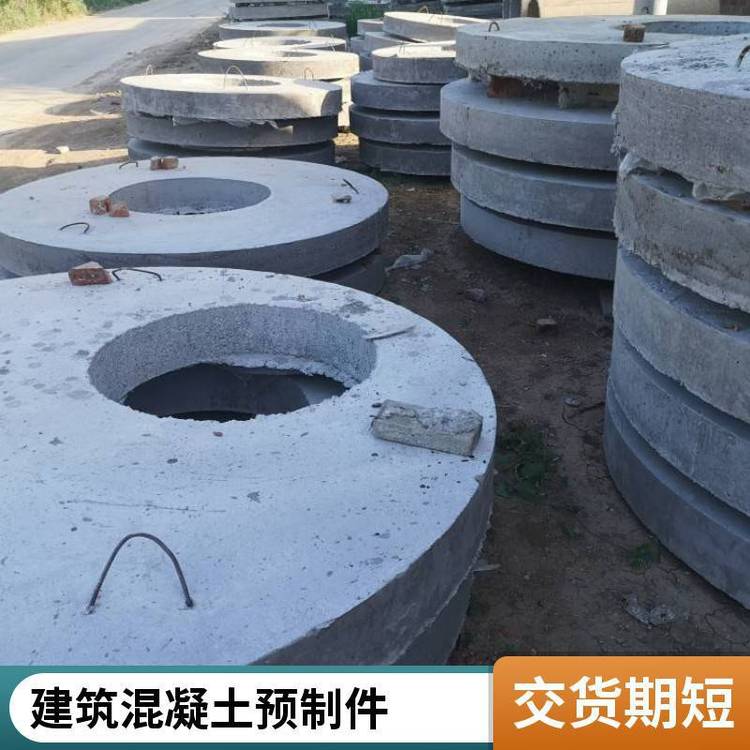
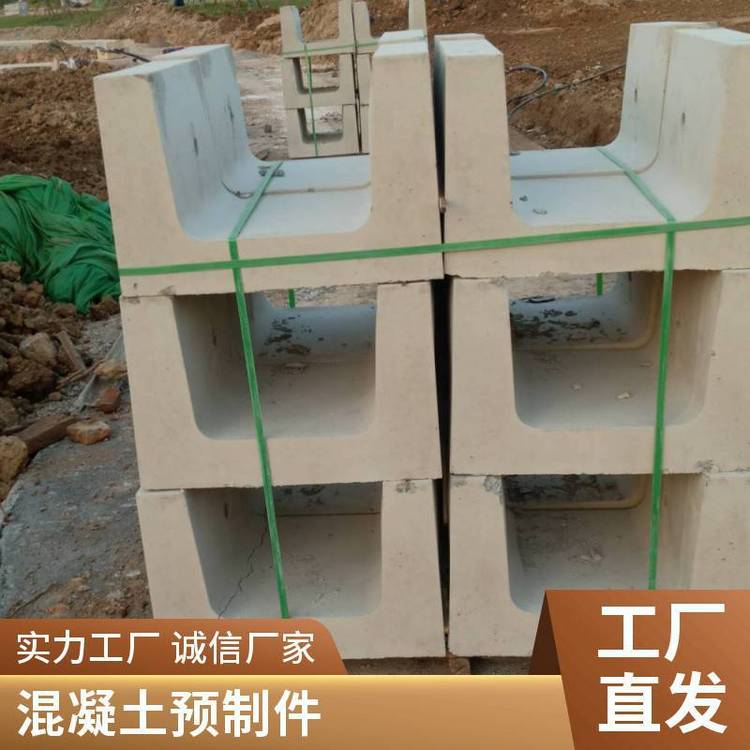
Description:
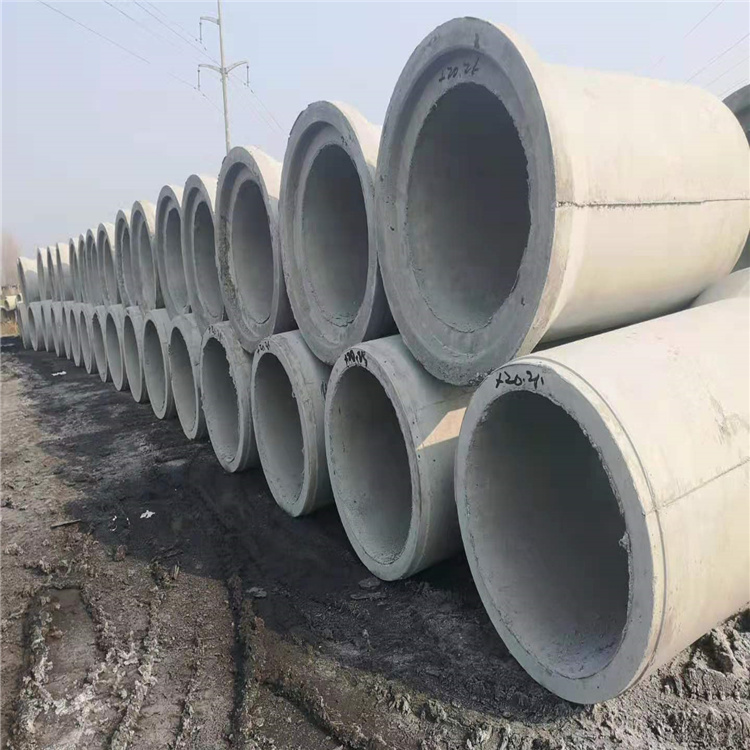
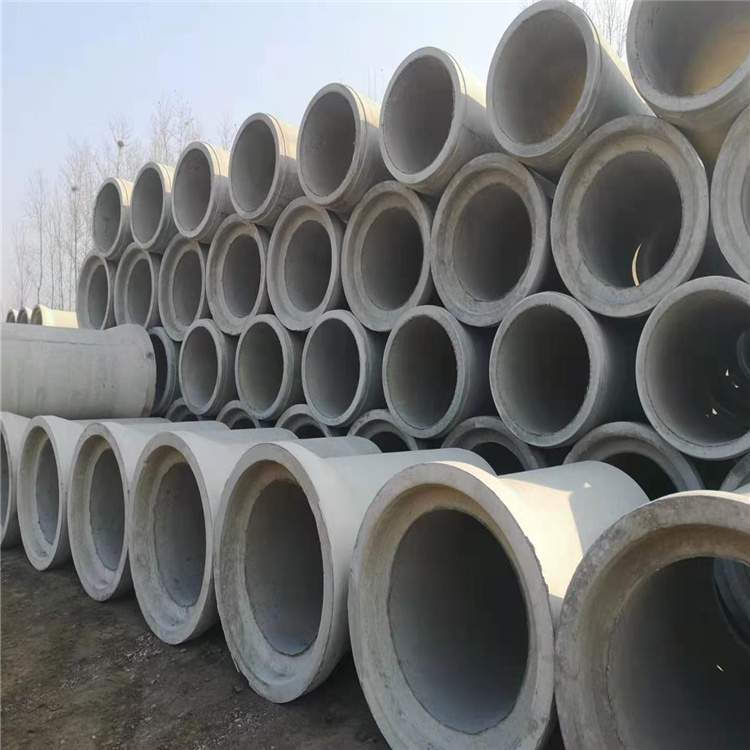
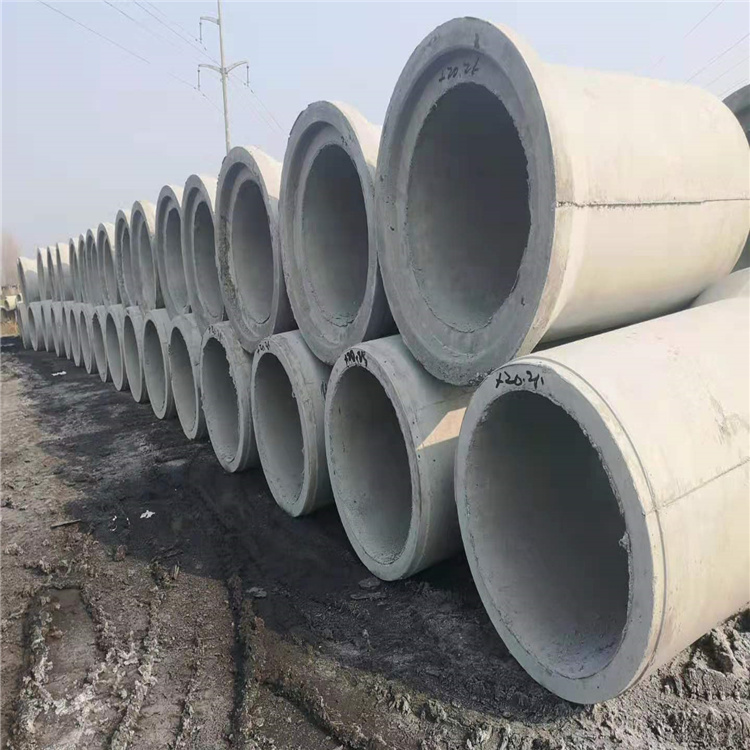
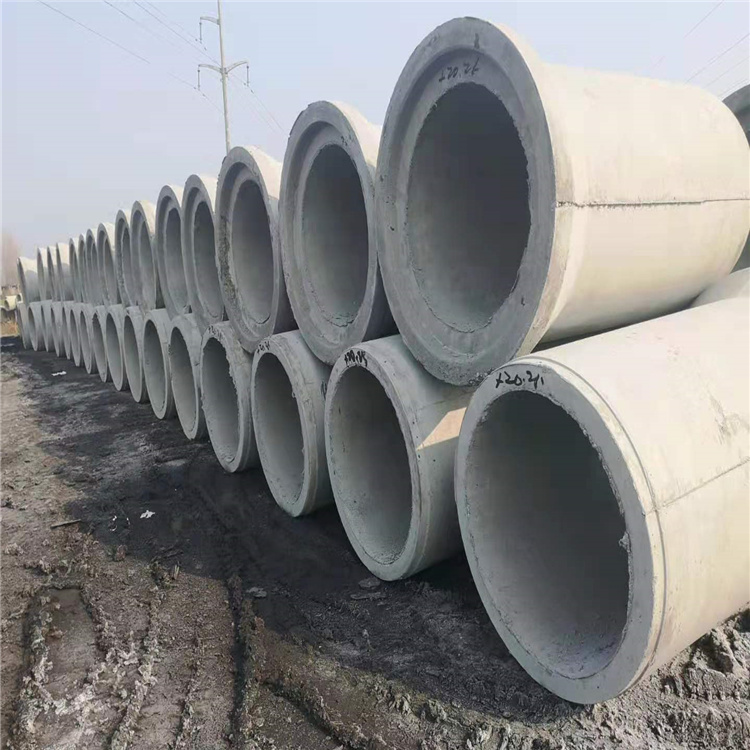
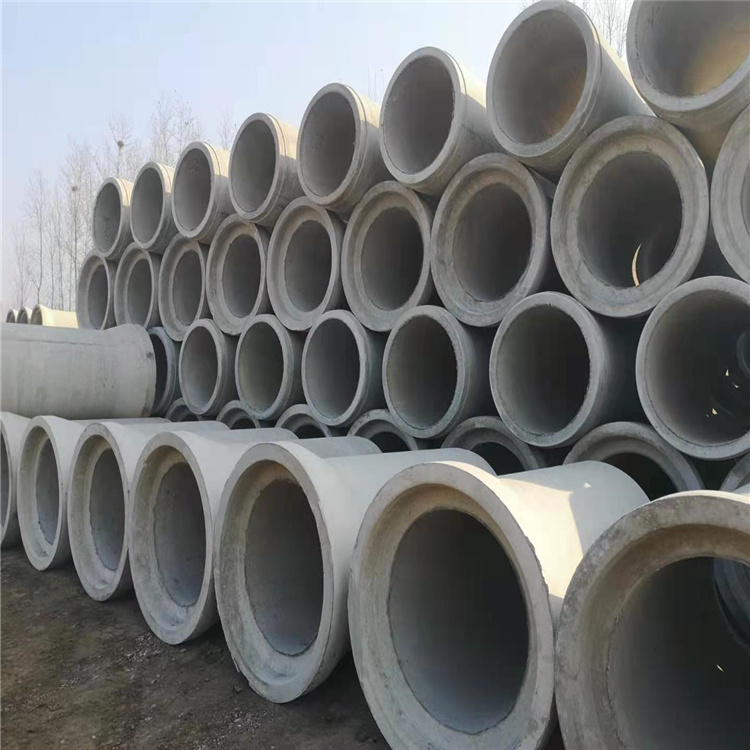
Cement drainage pipes play a crucial role in drainage engineering. The quality of cement drainage pipes directly impacts the overall quality of the entire construction project, as well as the daily operation of the drainage system.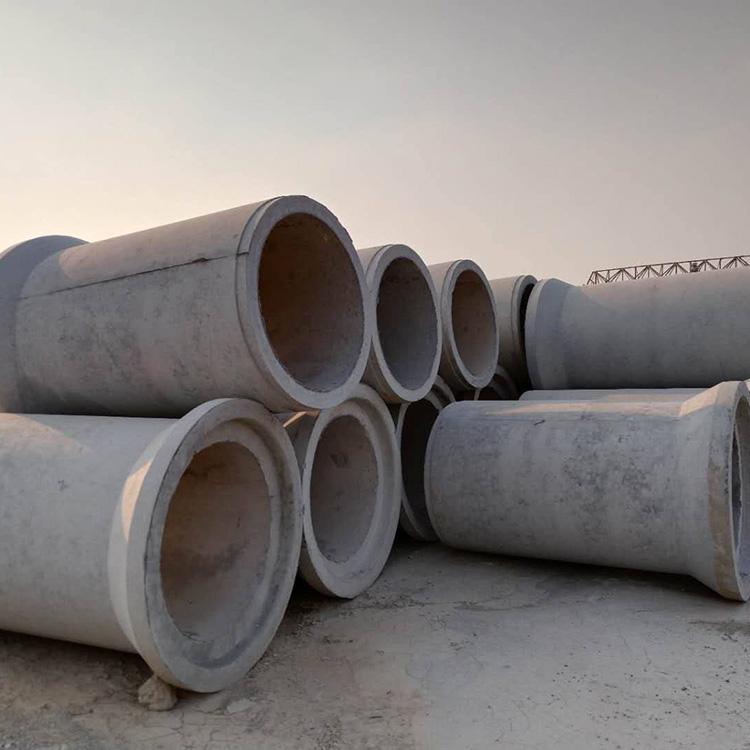
Waste Water Cement Pipe Usage Method
1. Measurement: Measure the centerline according to the drawings, and calculate the groove depth and gradient at intervals of 10m and 5m for straight and curved lines respectively.
2. Excavating Trenches: Trench excavation is primarily mechanical with manual assistance for site preparation and slope grading. Ensure a base reserve of 20-30 centimeters.
3. Base Preparation: Clear debris from the grooves and level and compact the base to ensure compliance with relevant regulations.
4. Pipeline Foundation: After the original soil has been compacted, we can directly lay the pipeline on it. If the subgrade foundation is not good, it should be treated first.
5. Pipe Installation: Select the appropriate pipe, apply joint sealing, and clean the pipe ends, abrade and moisten them. During pipe placement, ensure the base remains clean. Then, properly align the pipes, calibrating the centerline and elevation.
Standard for Cement Drainage Pipe Installation – Your Sewage Backup is All Its Fault!
6. Corrosion Treatment: Inspect the completed pipeline and, upon confirming no issues, proceed with the subsequent treatment of the piping materials.
7. Trench Backfilling: After the pipeline is laid, backfill the trench from both sides of the pipe. Ensure the accumulated water in the trench is drained, then backfill with soil that meets the specifications and compact it.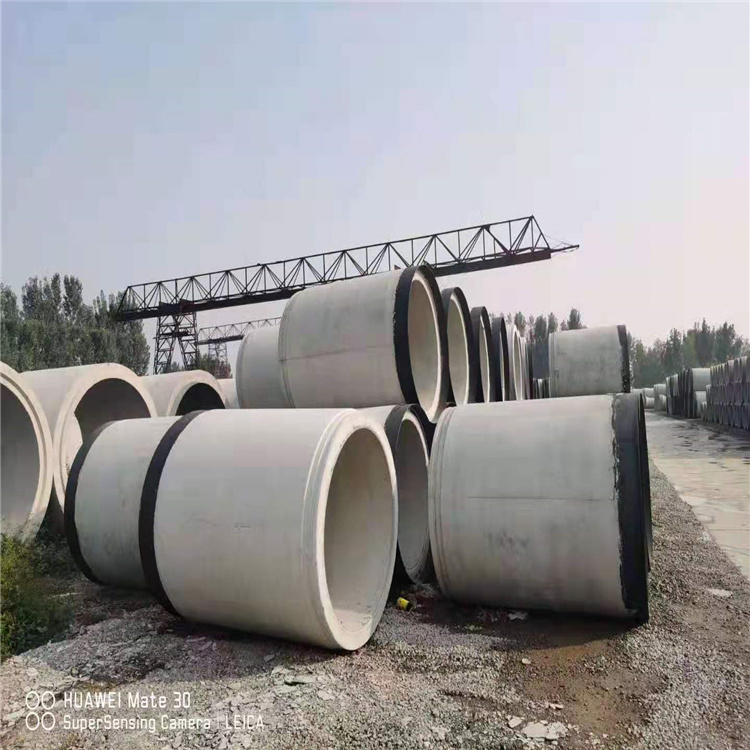
Cement drainage pipes are an essential component in drainage projects, and their quality directly affects the overall project quality and the smooth operation of the entire drainage system.
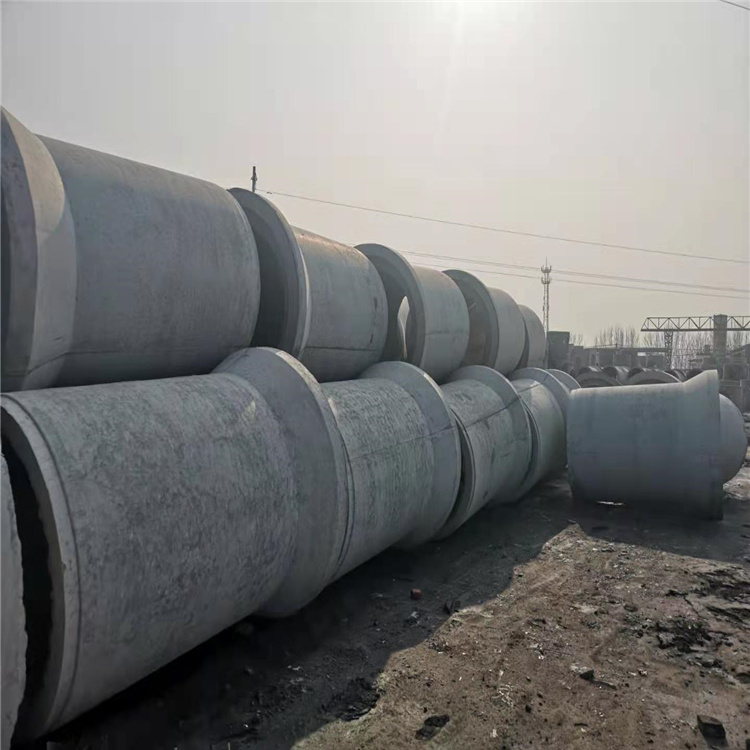
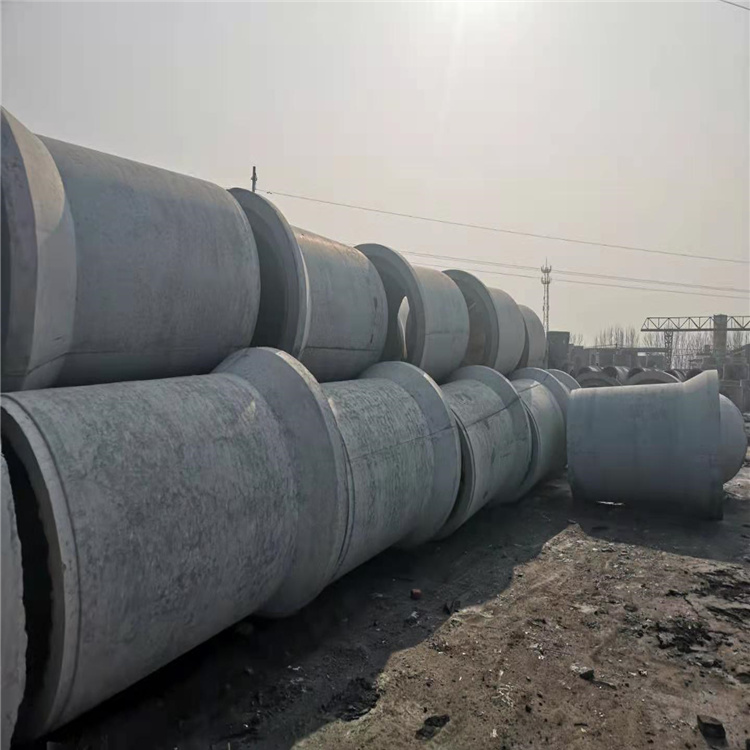
However, drainage pipes are generally categorized as: flat-end reinforced concrete cement pipes, flexible socket reinforced concrete cement pipes, socket-and-socket reinforced concrete cement pipes, F-type steel socket cement pipes, flat-end sleeve joint cement pipes, socket cement pipes, and so on.