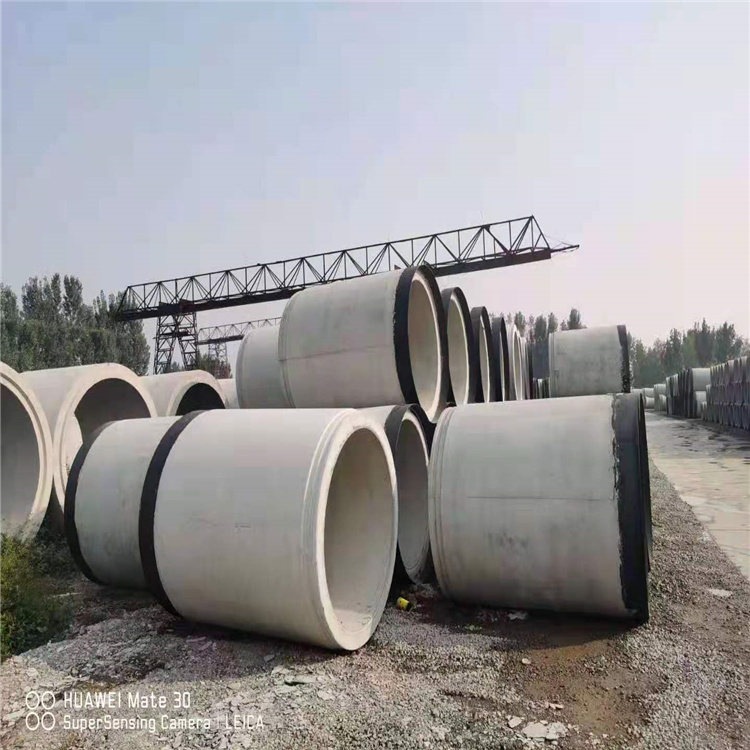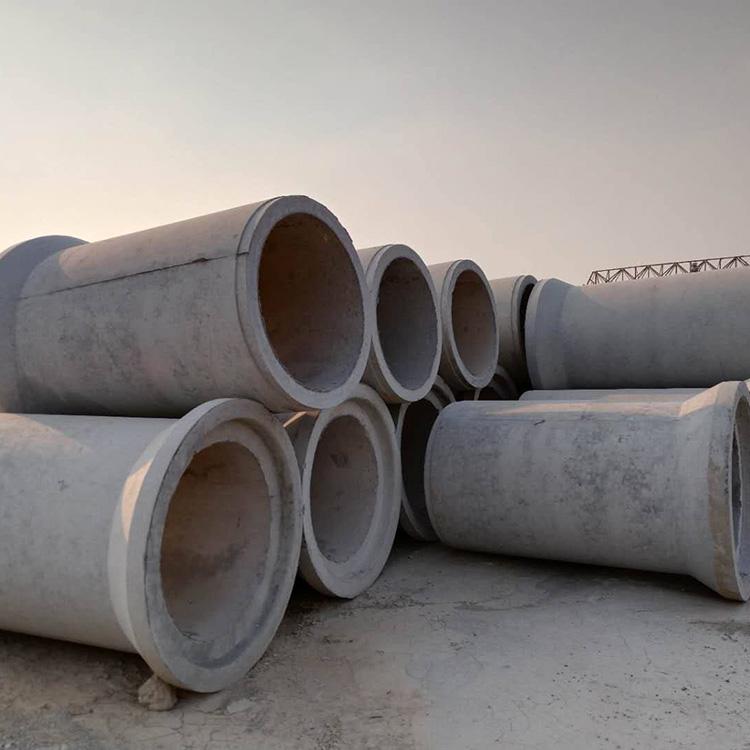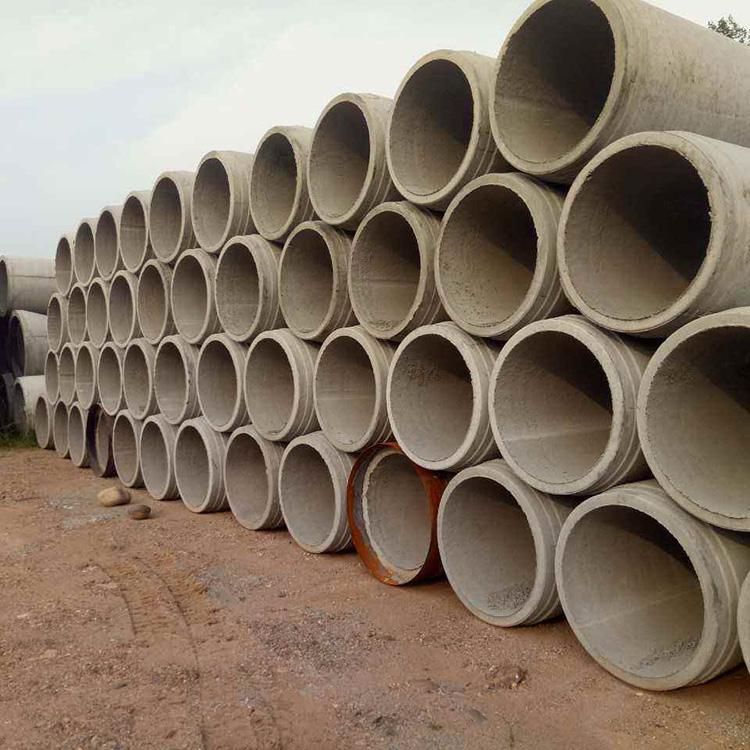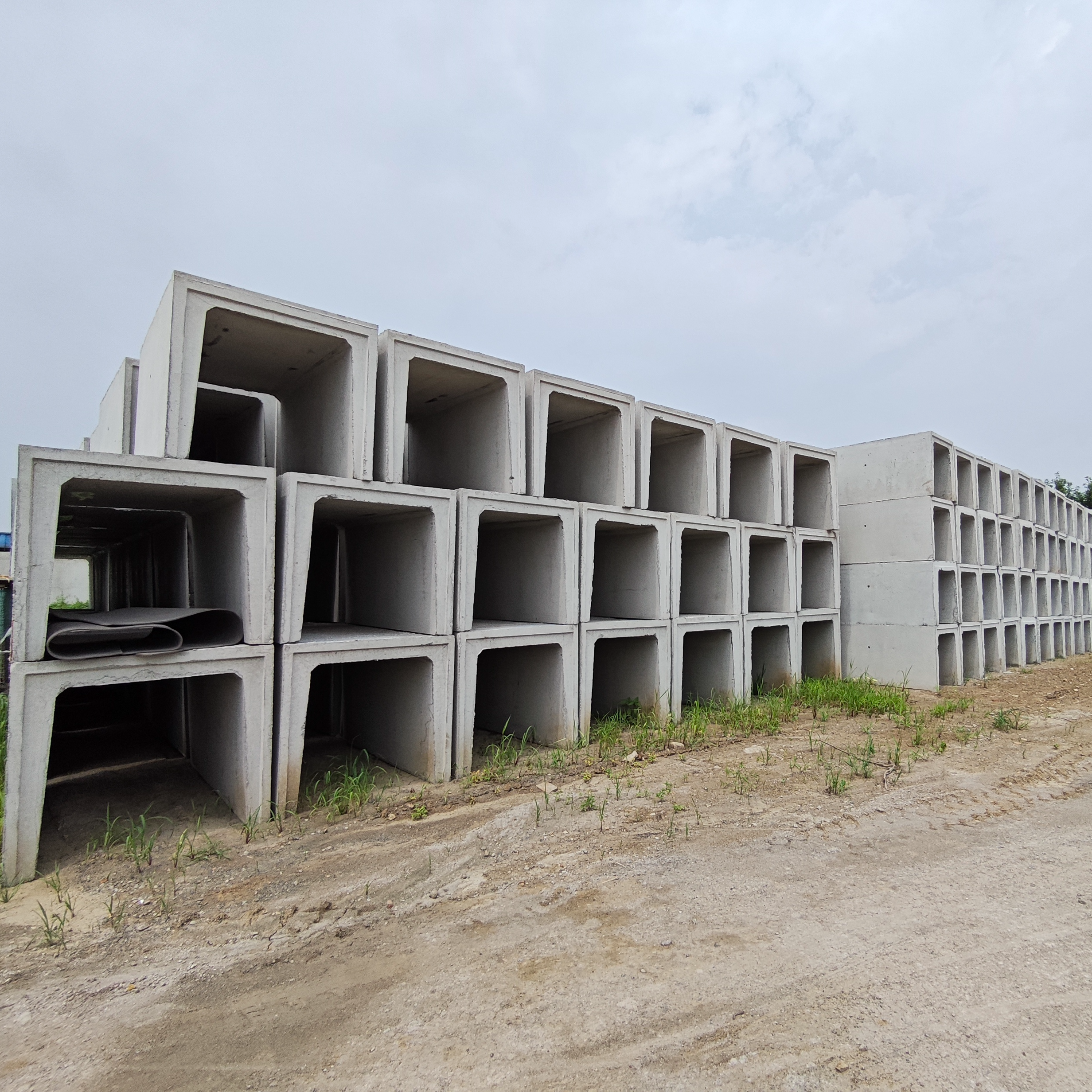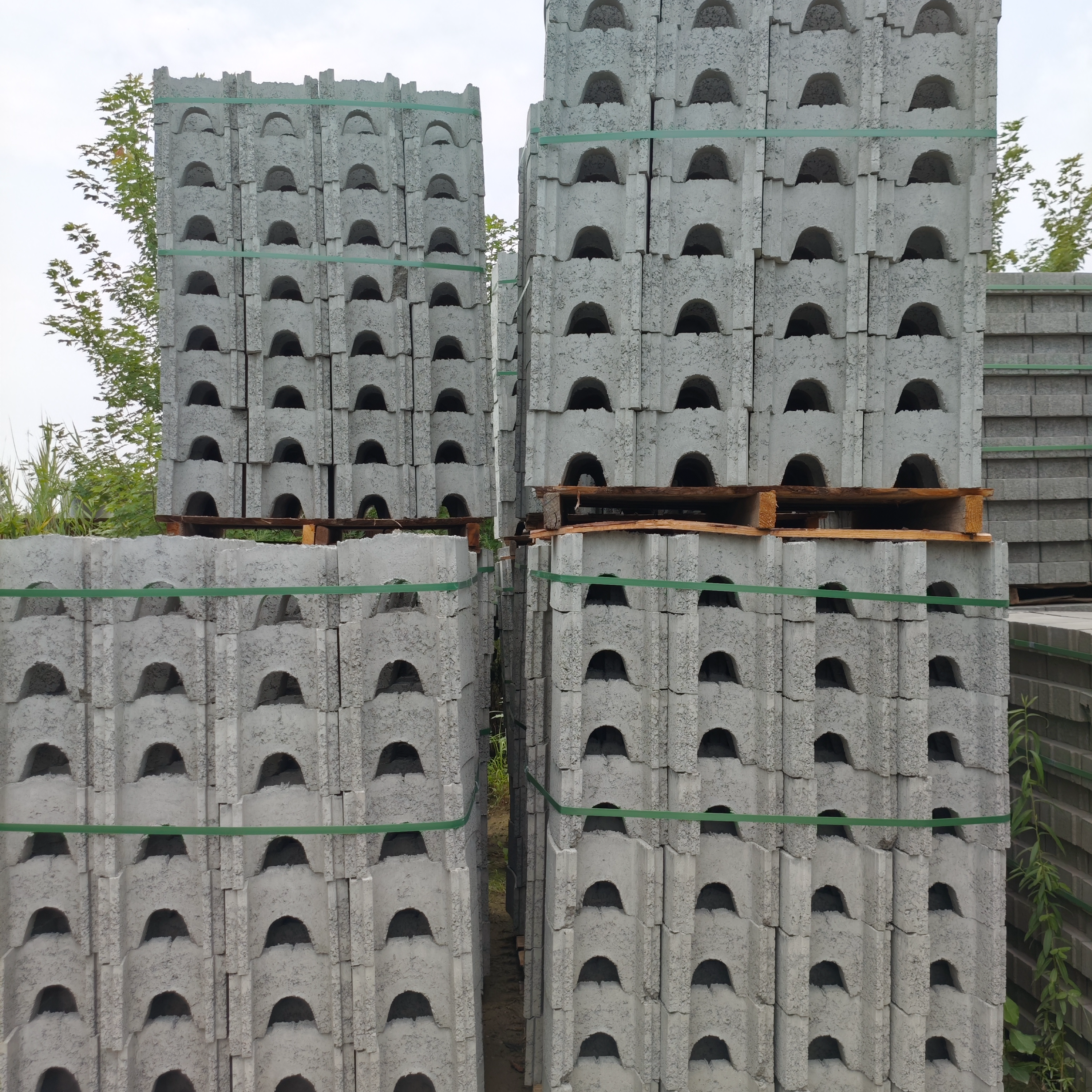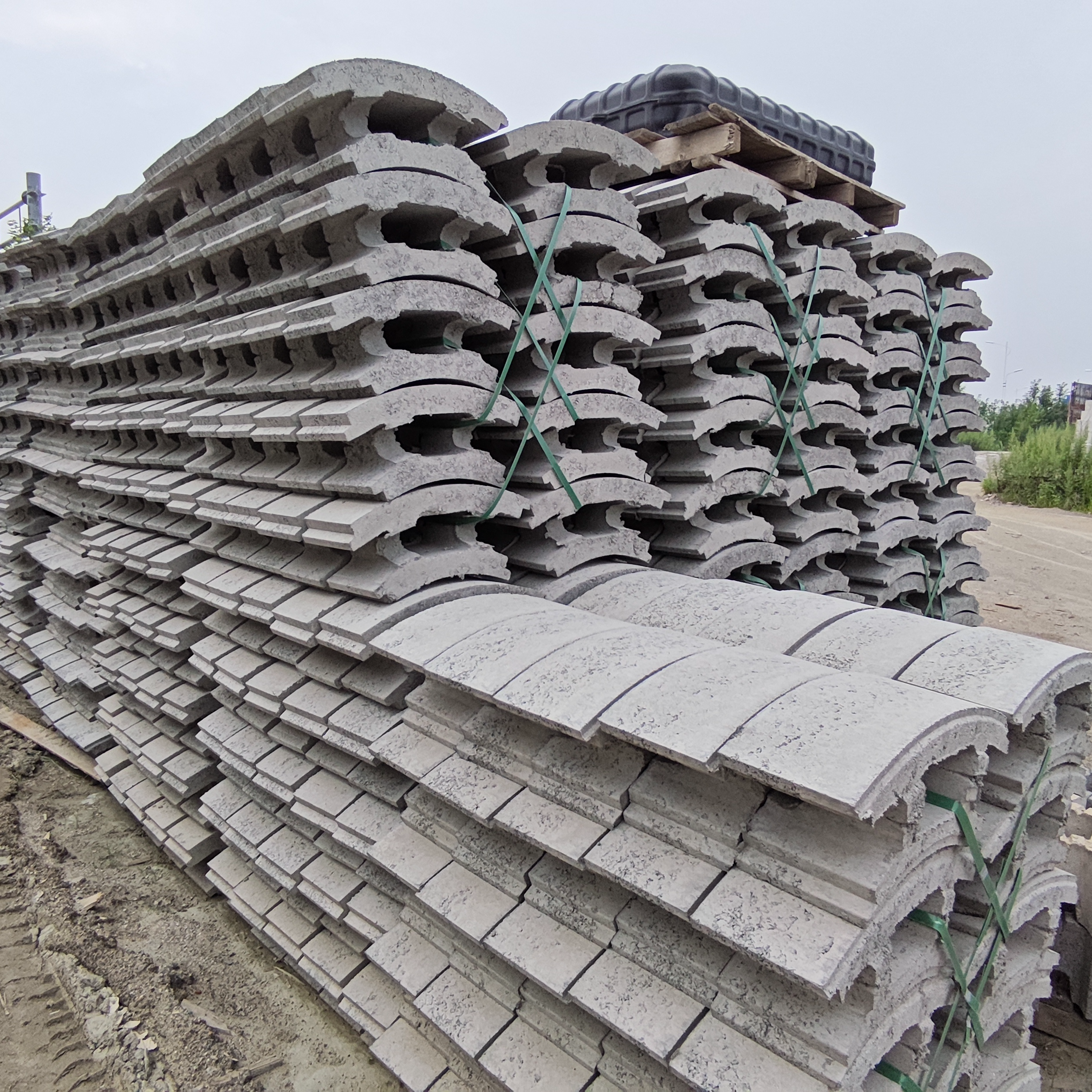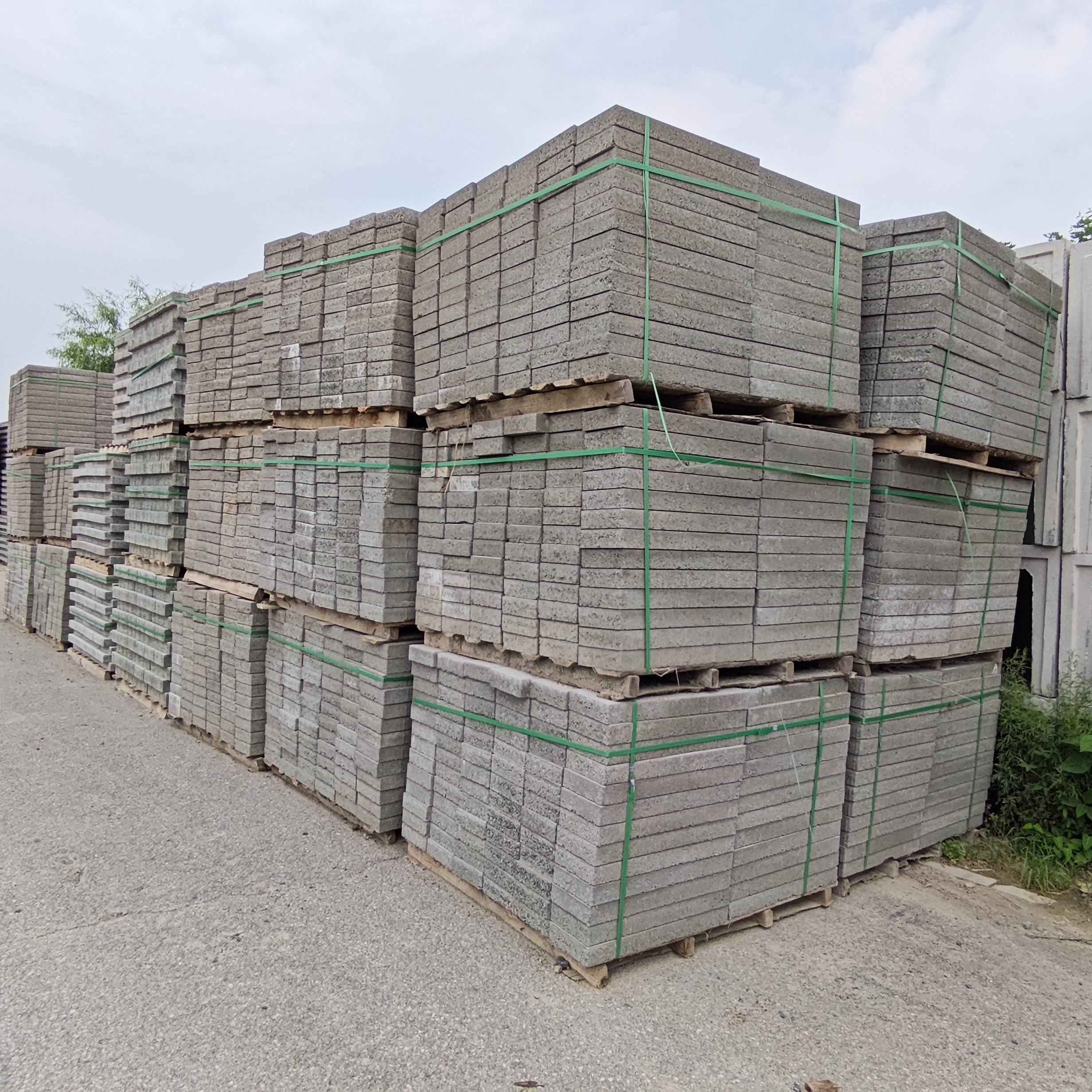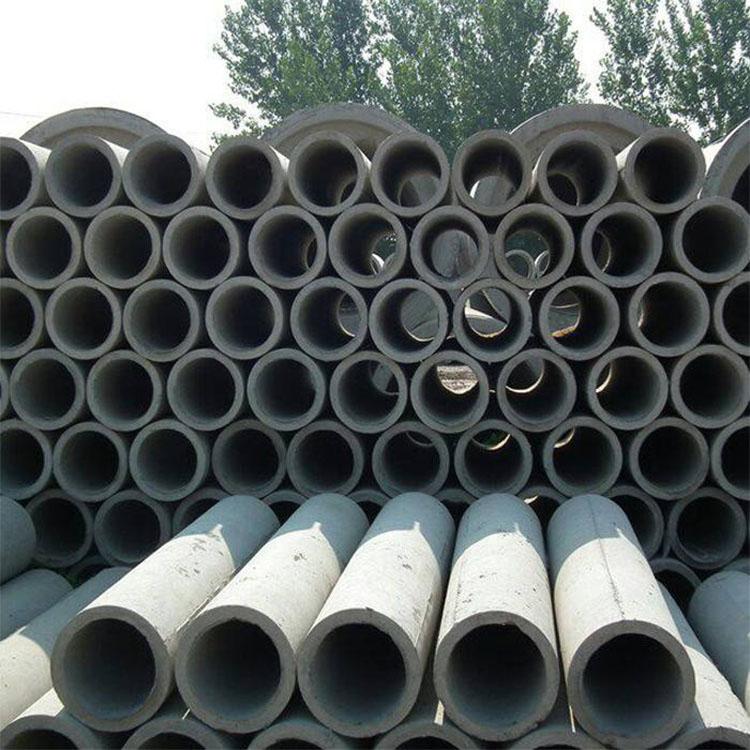

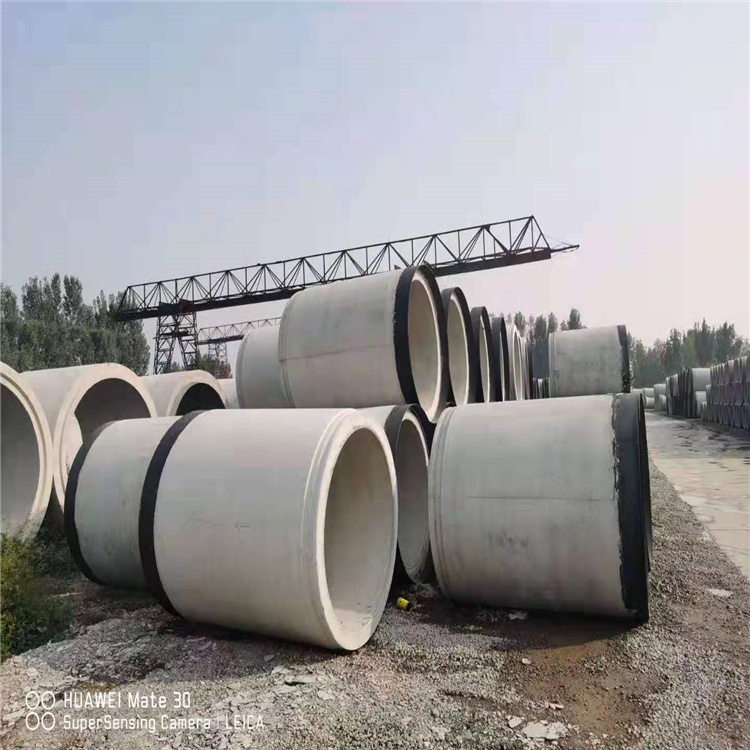

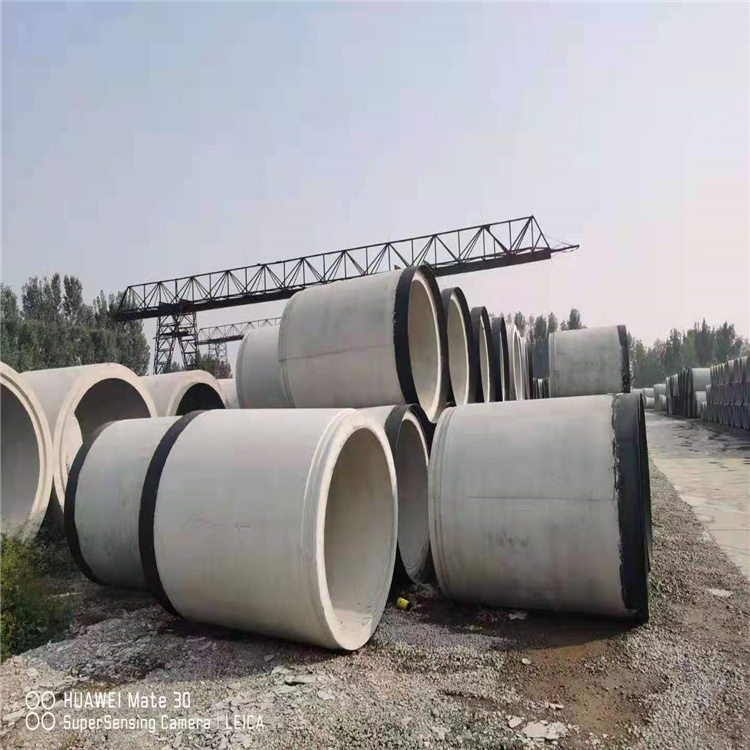
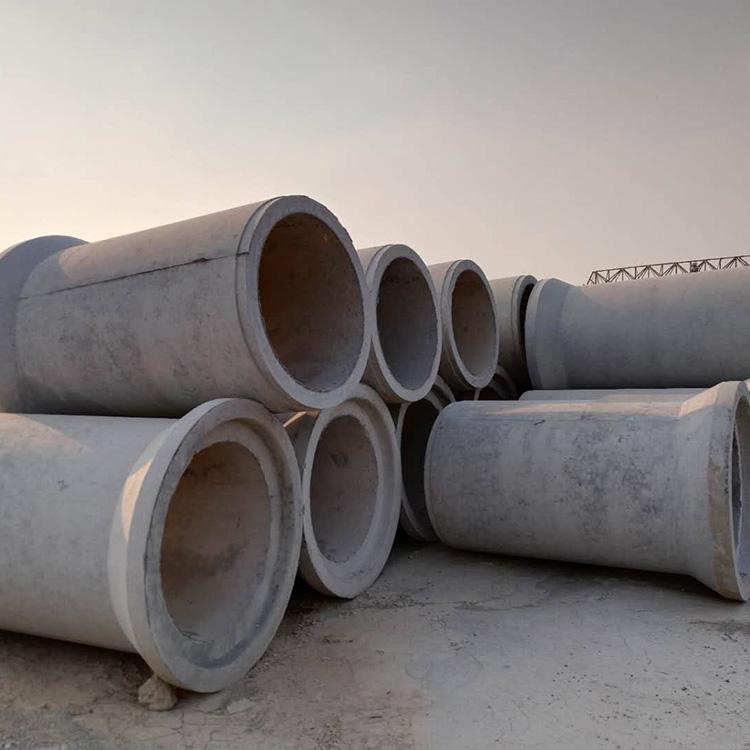
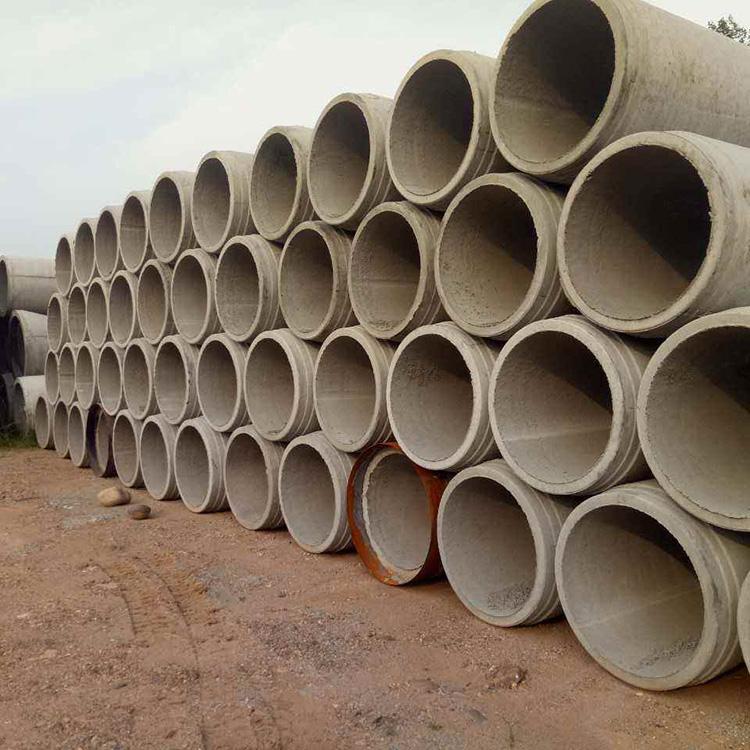


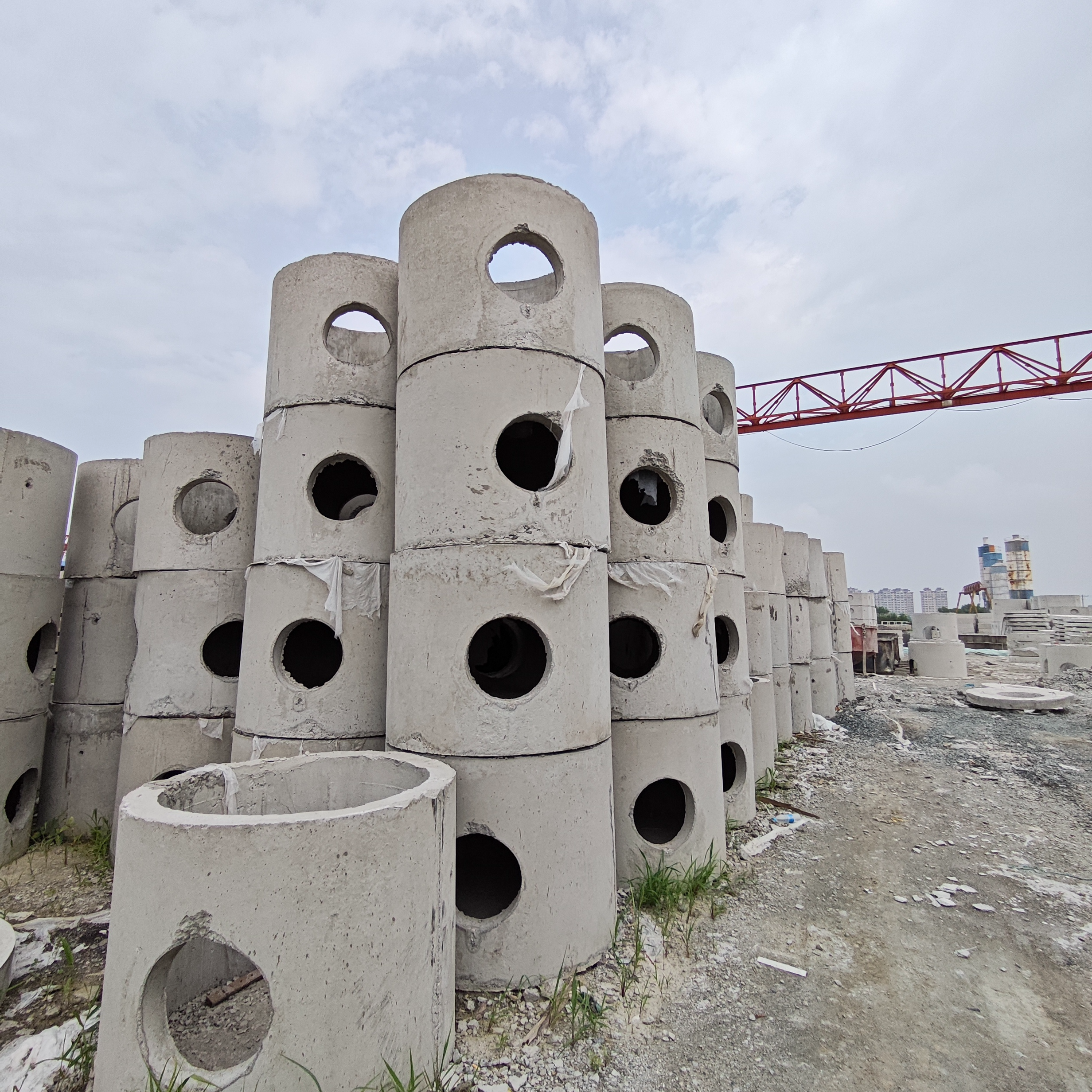
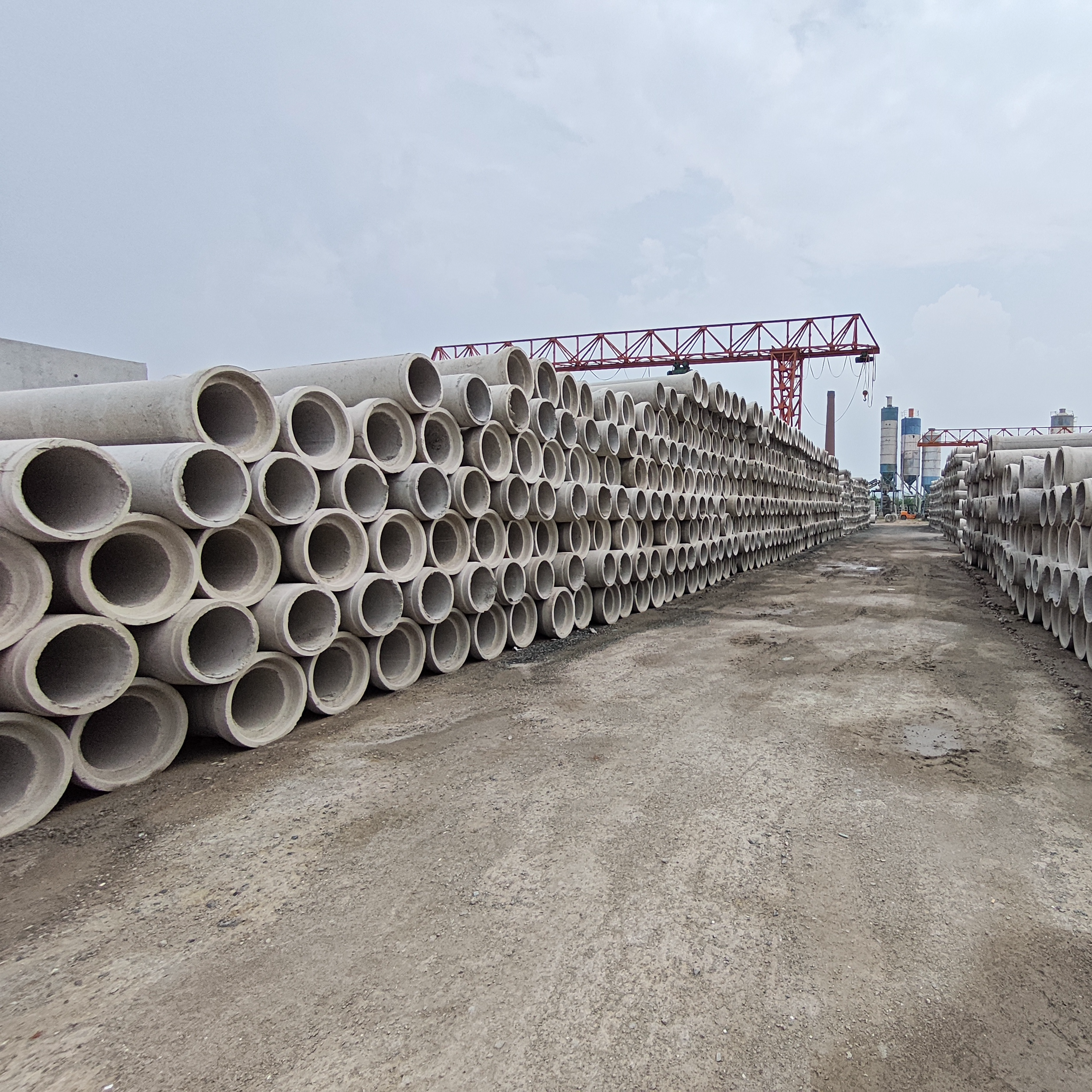





Description:The pipe body of the plain-end cement pipe also boasts excellent heat resistance, with flame-retardant and fire-resistant properties as its standout features; being non-metallic in material, it lacks magnetism. Placing a single-core cable inside the pipe ensures that no eddy currents are generated during transmission, thereby doubling the benefits of this plain-end cement pipe.
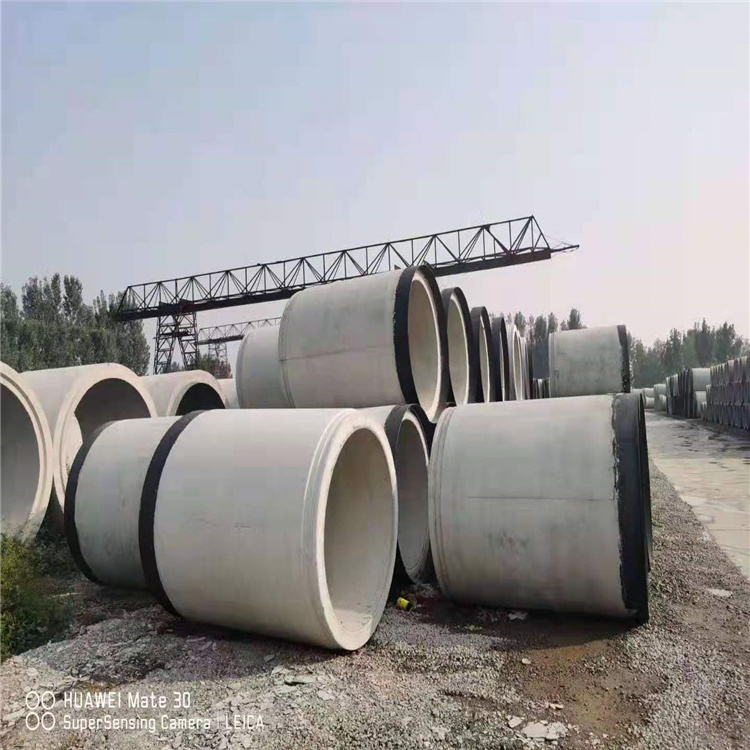
When laying flat-end cement pipes, pay attention to the following matters:
1. Before laying, flat-end cement pipes should be inspected for any damage or cracks.
2. The foundation for pipeline laying must be strictly inspected and undergo multiple levels of verification, as its quality directly impacts the subsequent construction.
3. During pipeline installation, it is crucial to strictly follow the construction plan and avoid hasty installations, as this can severely impact the quality of the completed installation.
4. Always conduct inspections after pipeline installation. Address any issues promptly to eliminate potential safety hazards.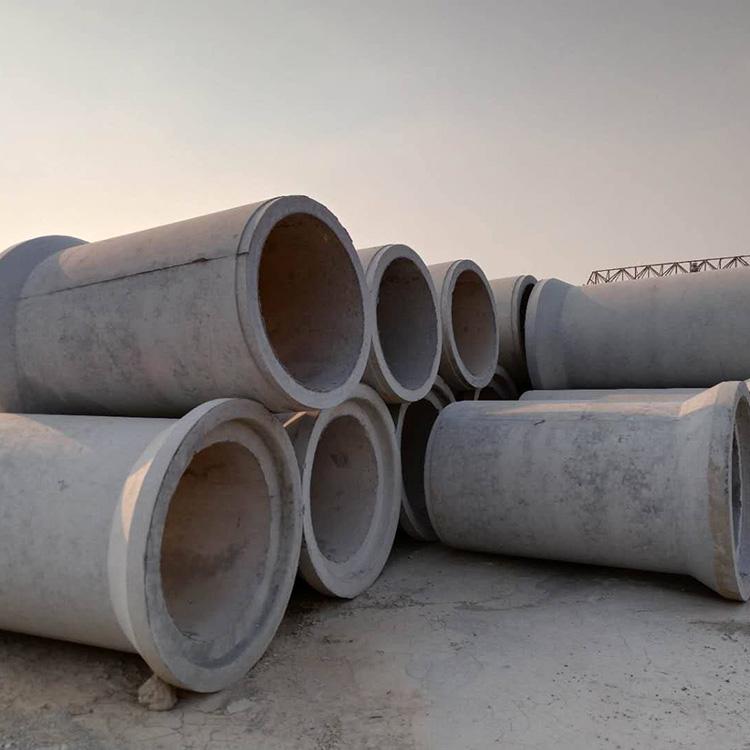
In addition to using concrete pipes in areas such as highways, residential communities, urban and rural construction, municipal construction, industrial and mining enterprises for stormwater and wastewater discharge, sports fields or squares, and irrigation of farmland, concrete pipes, especially socketed concrete pipes, can also be used for underground cable protection, underground optical cable protection, chimney pipes, irrigation pipes. They are also suitable for draining groundwater, oil, or corrosive liquids and gases.