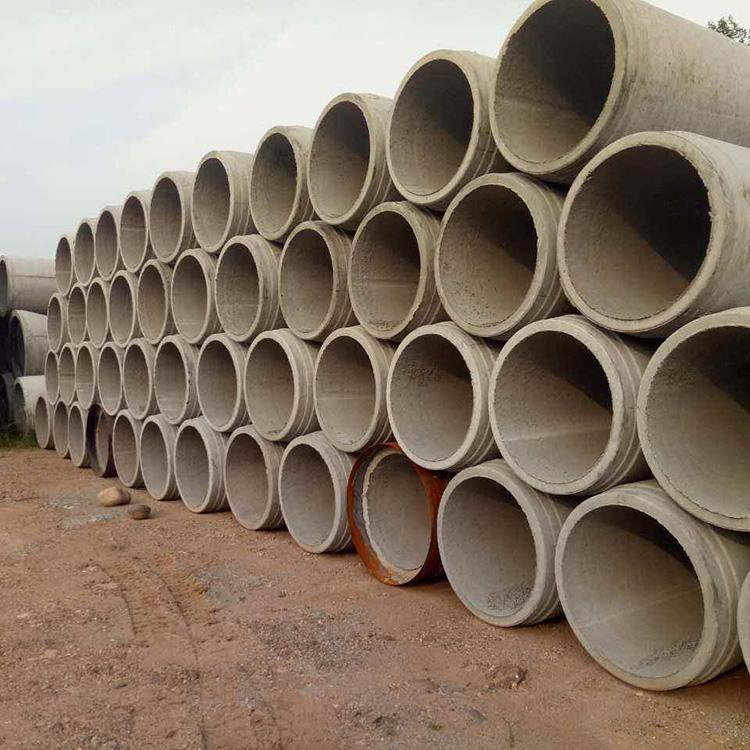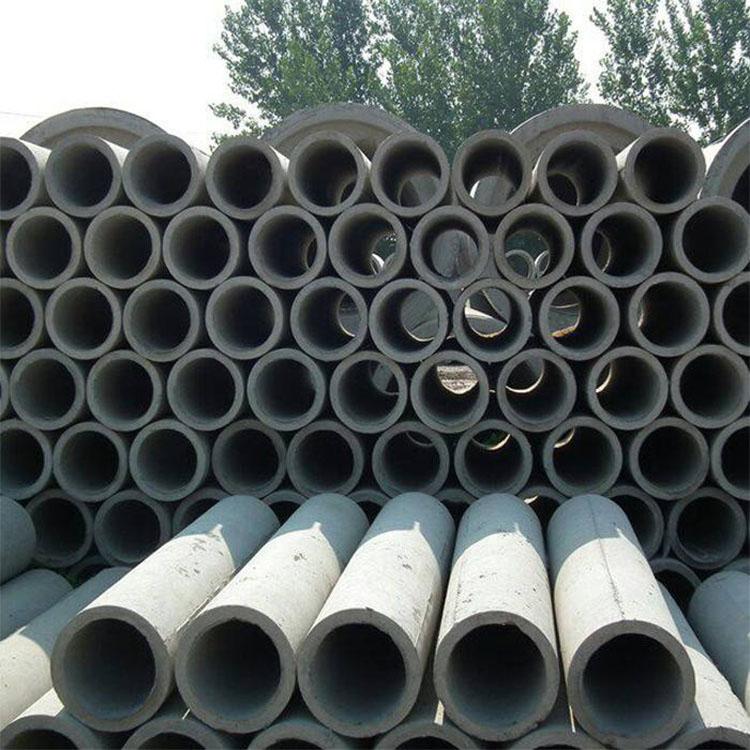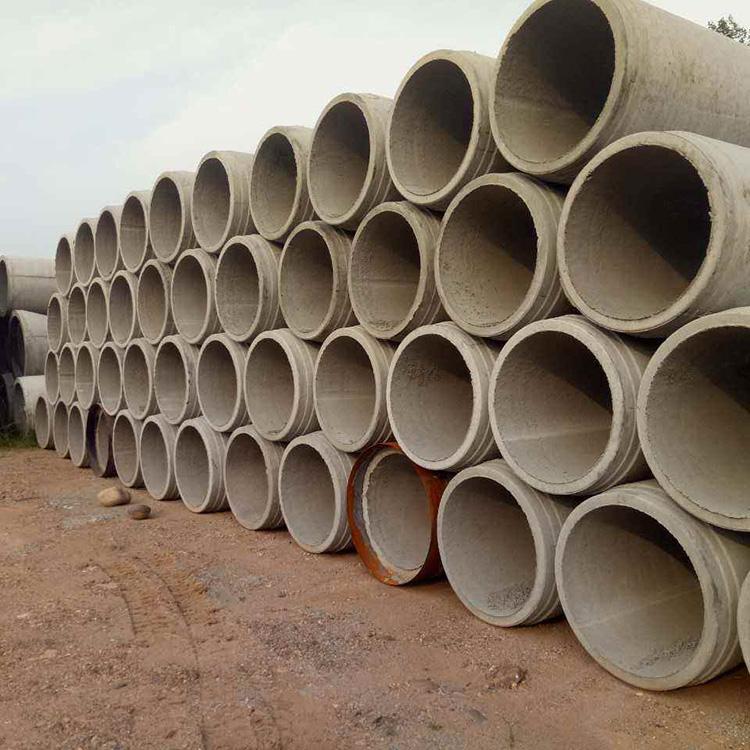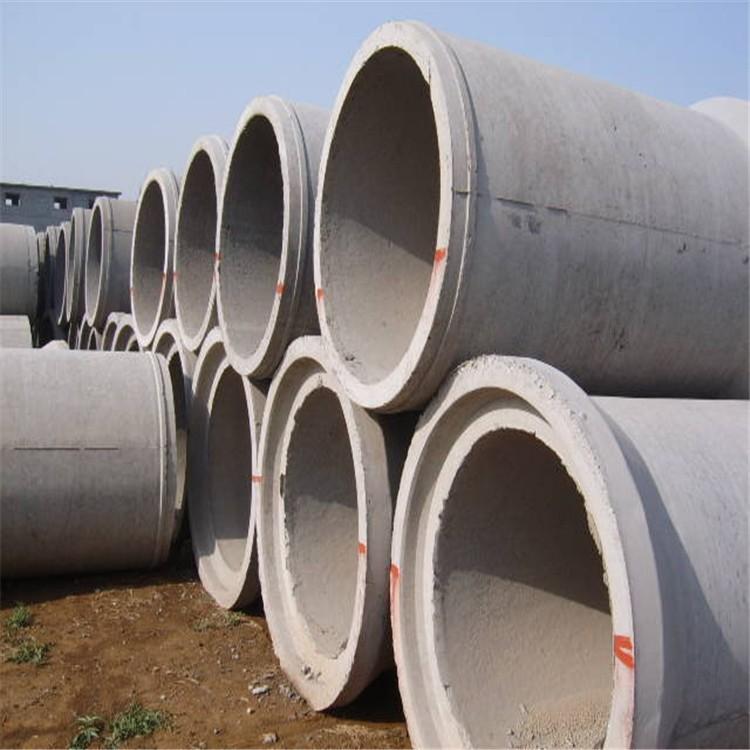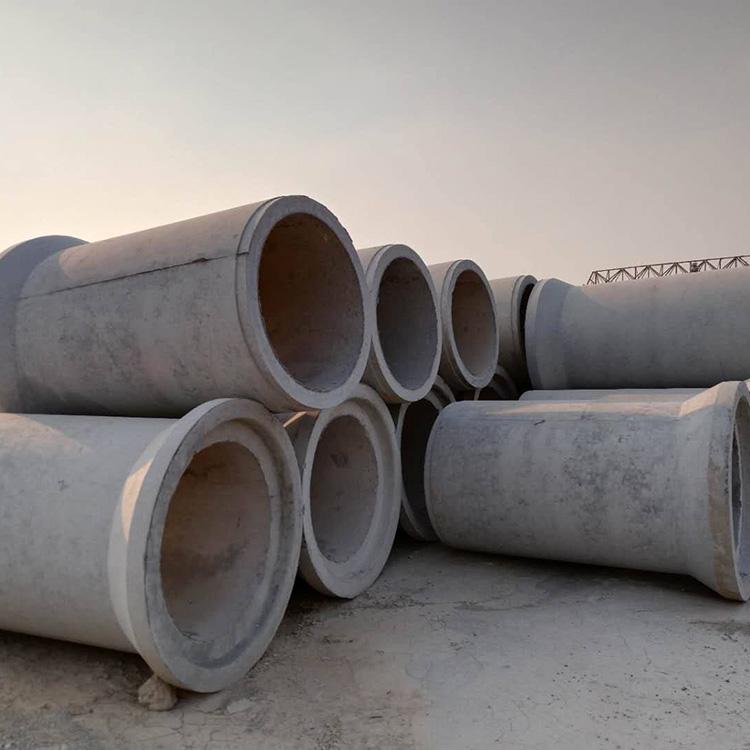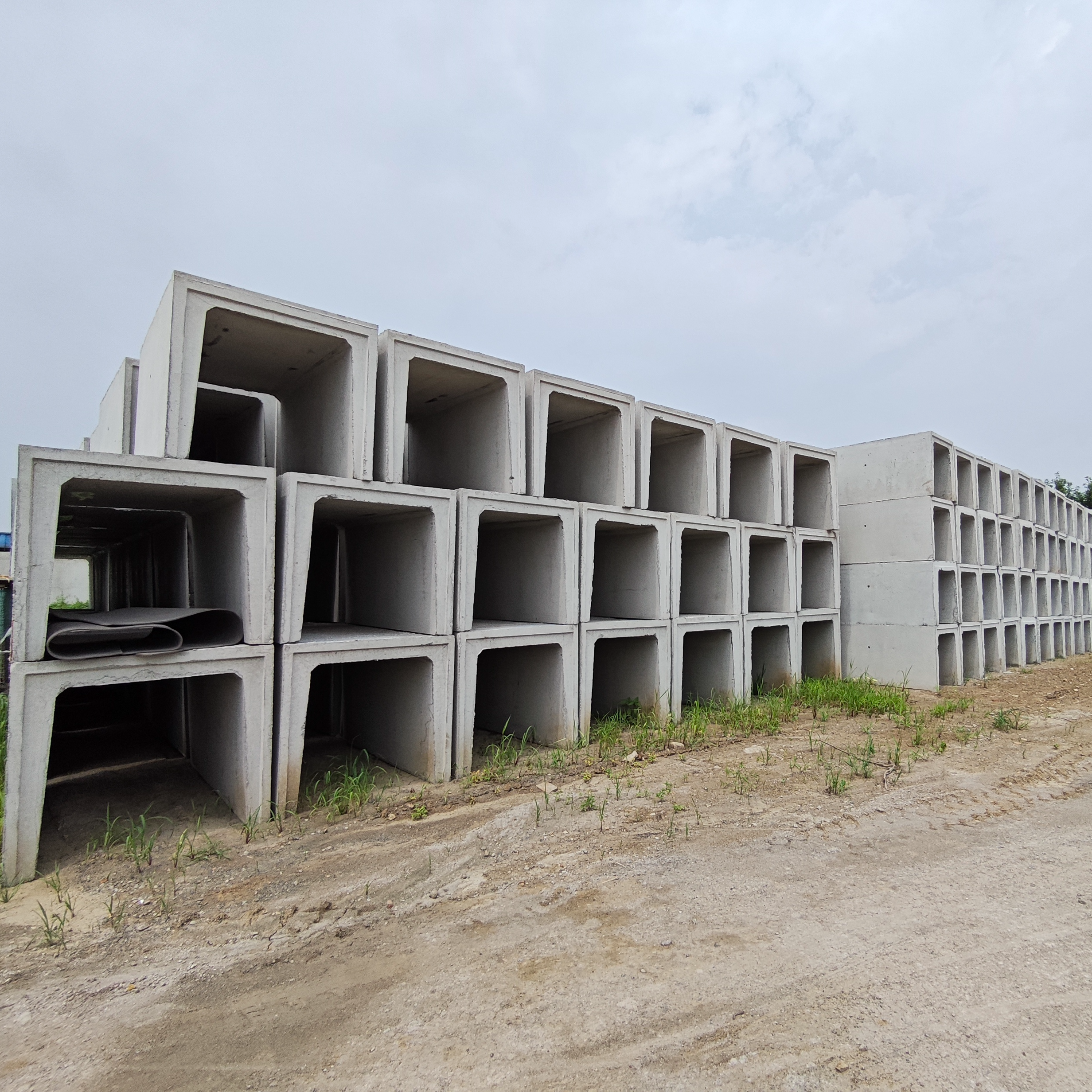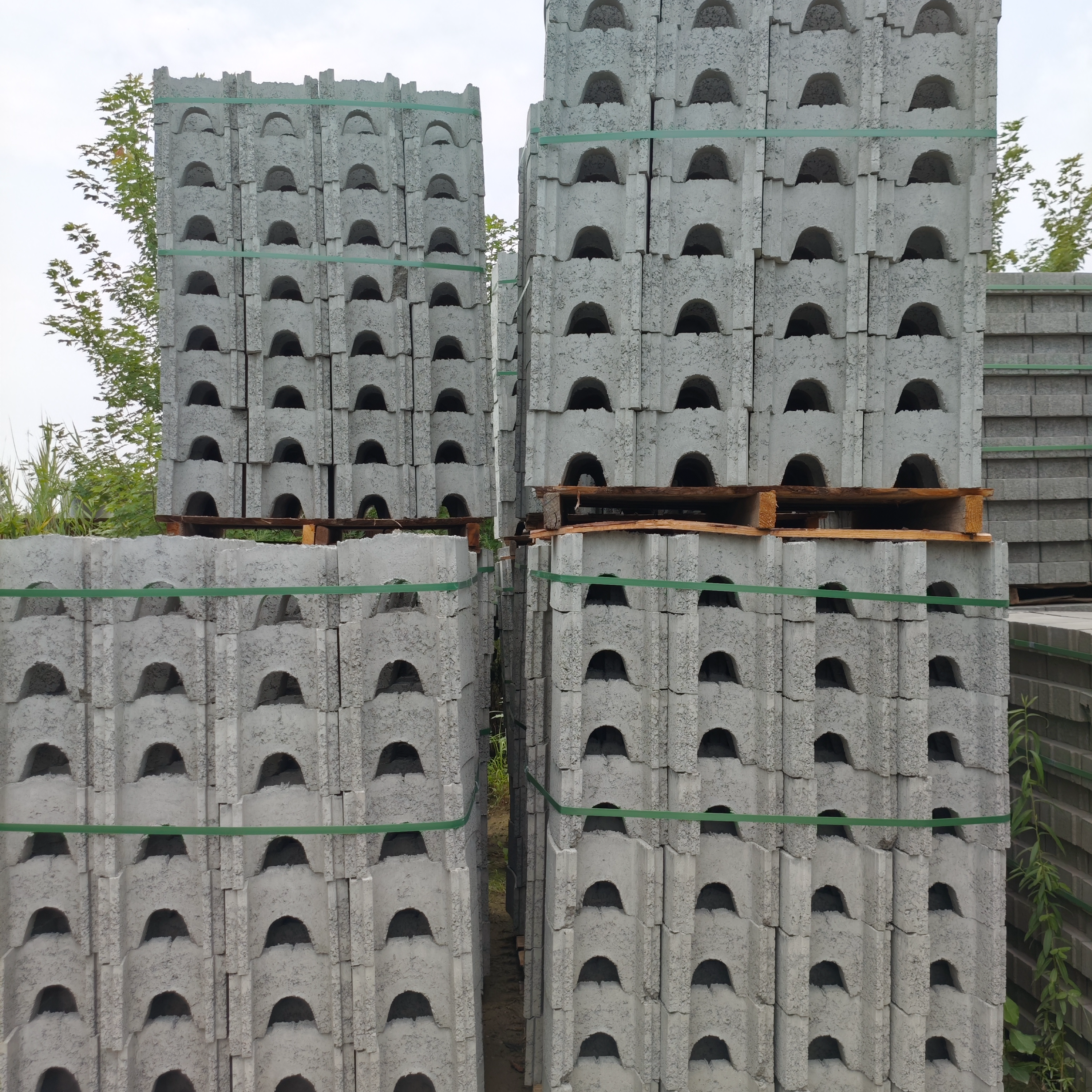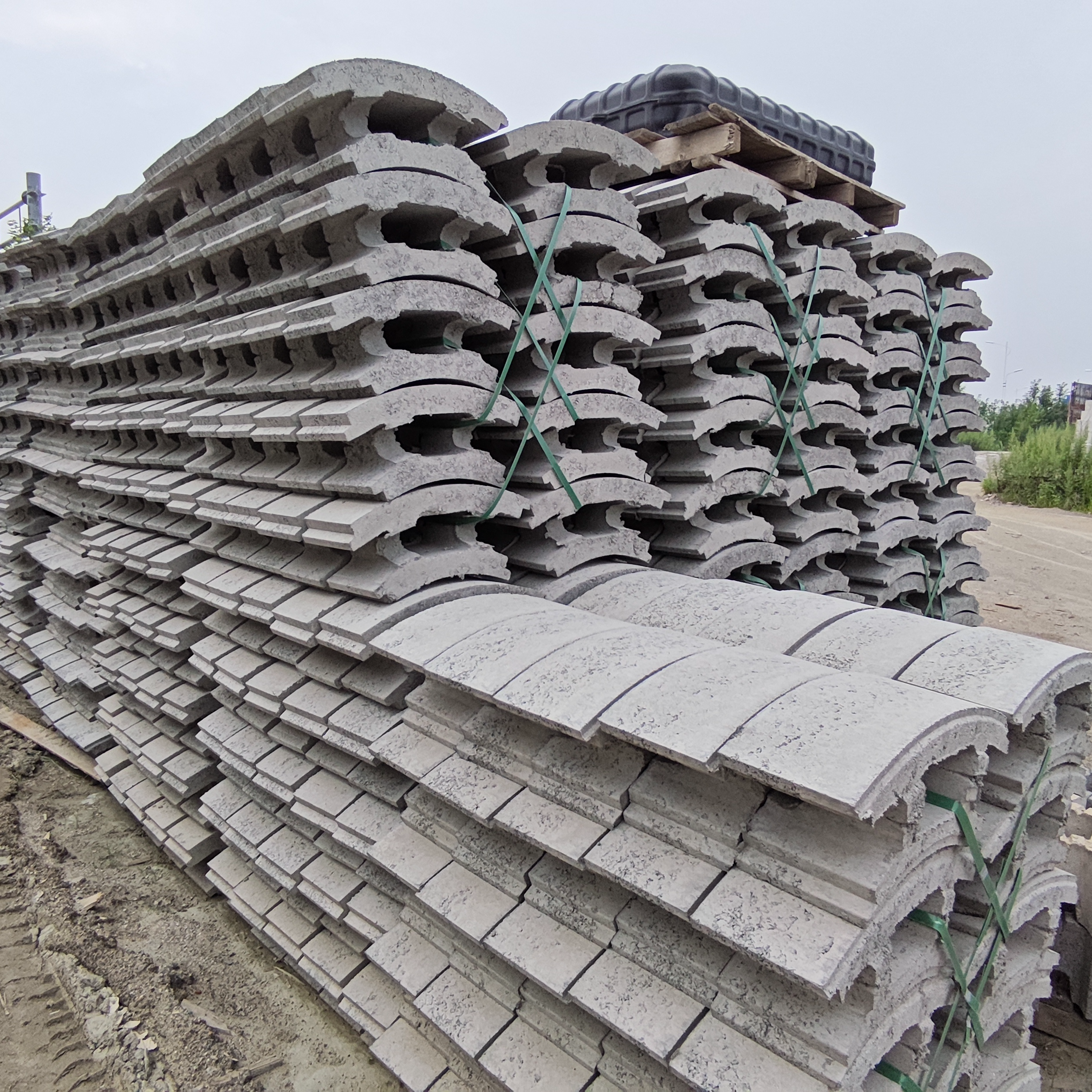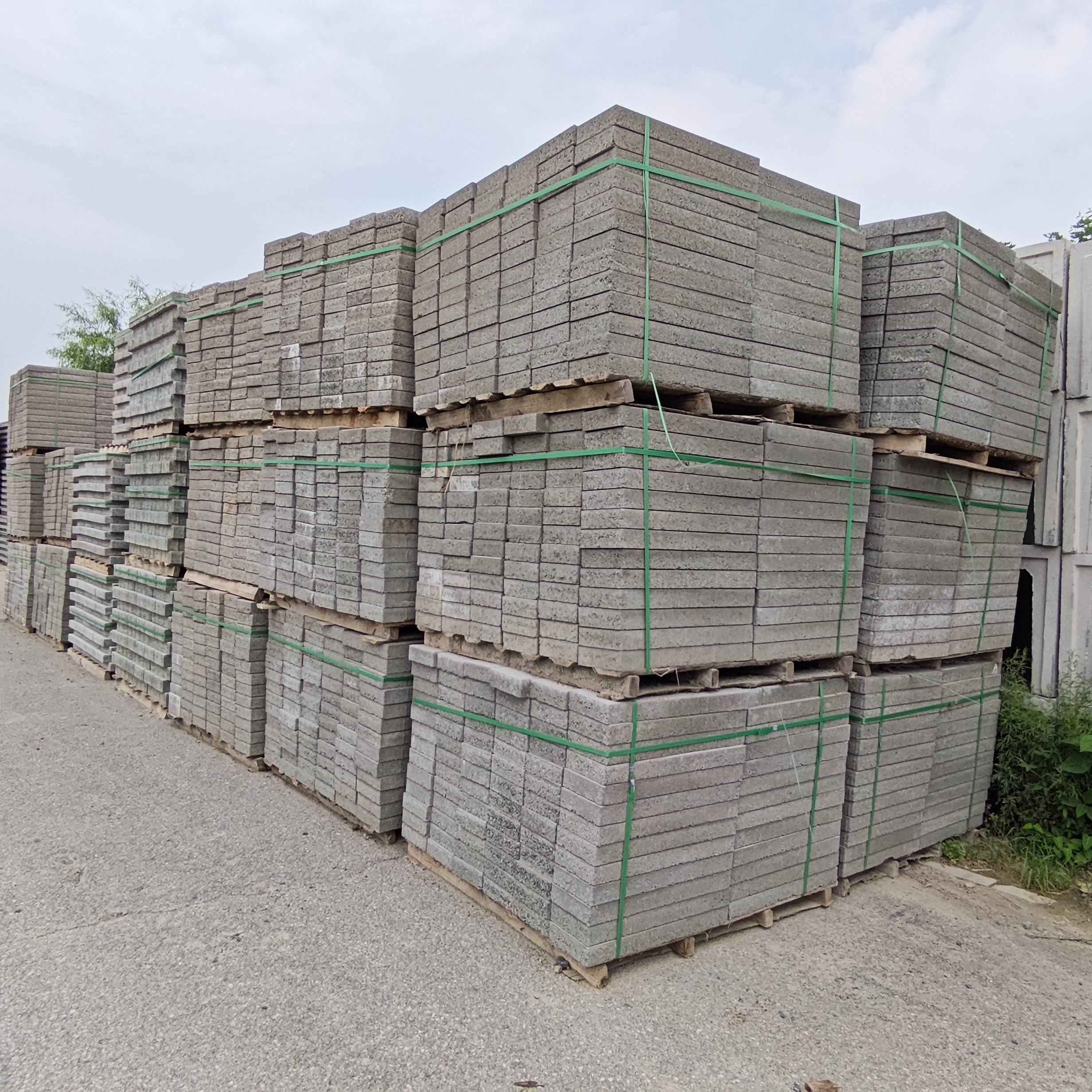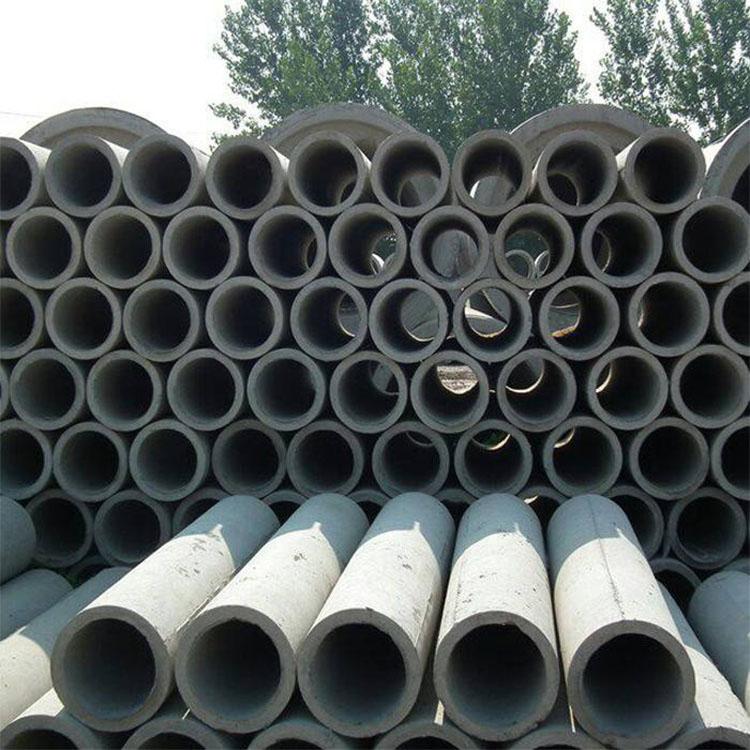


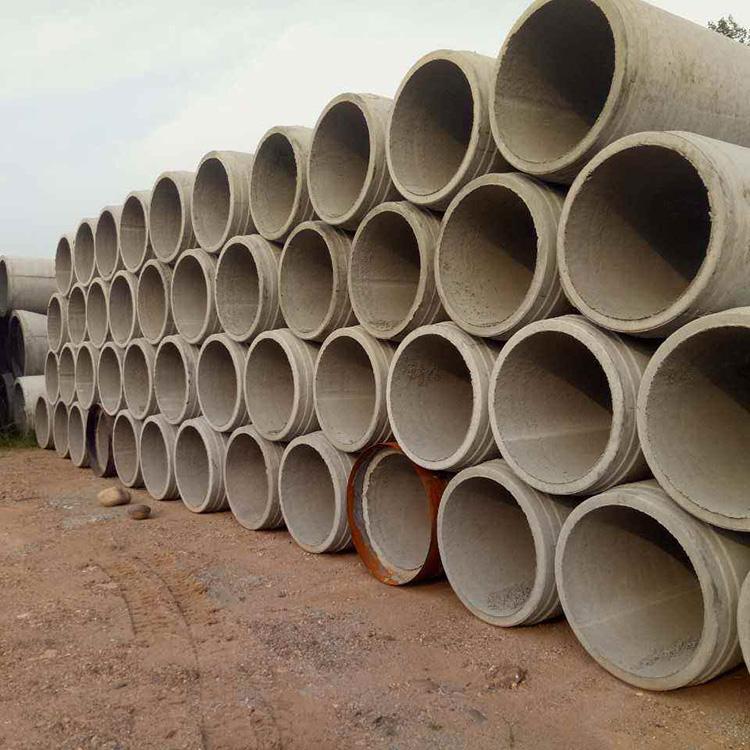
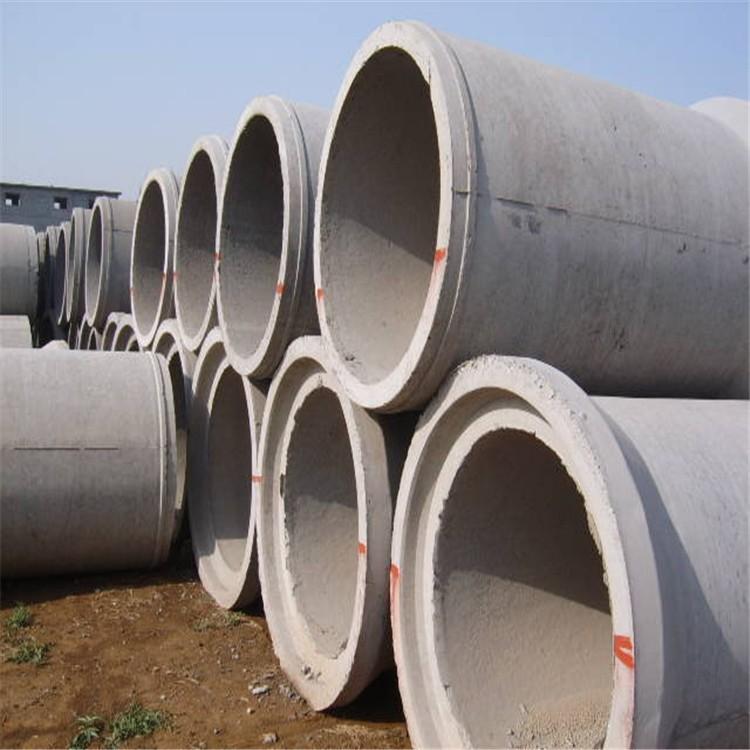


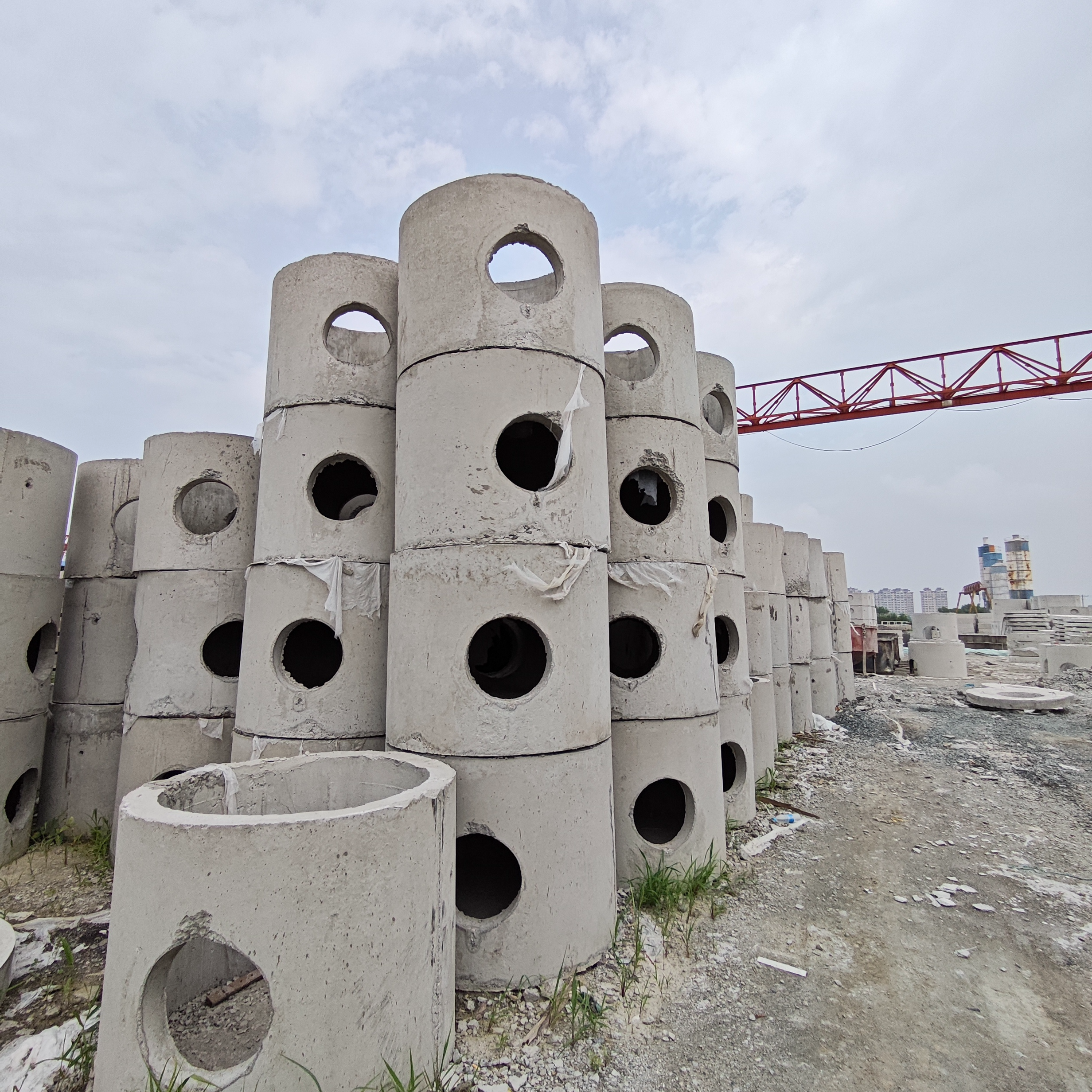
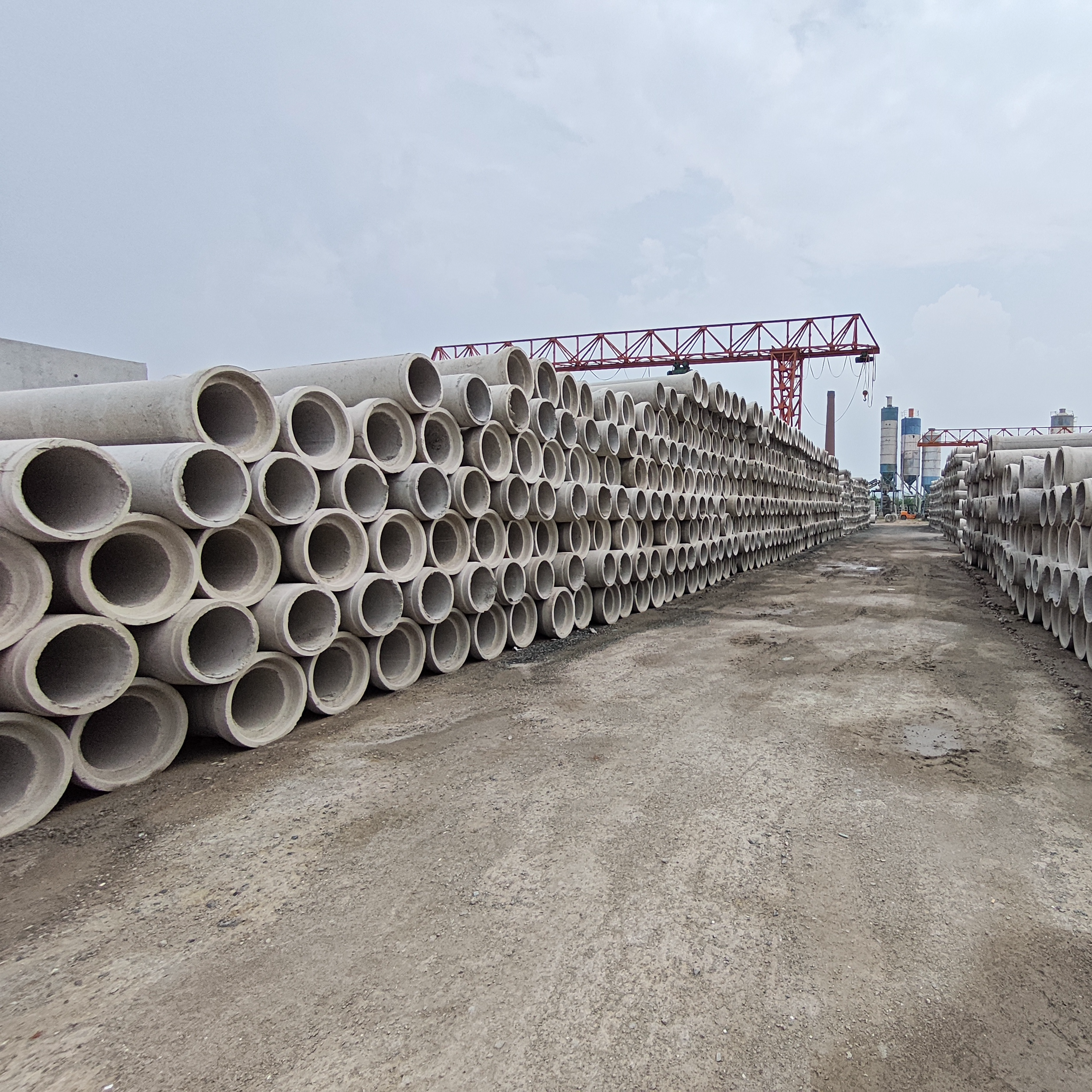
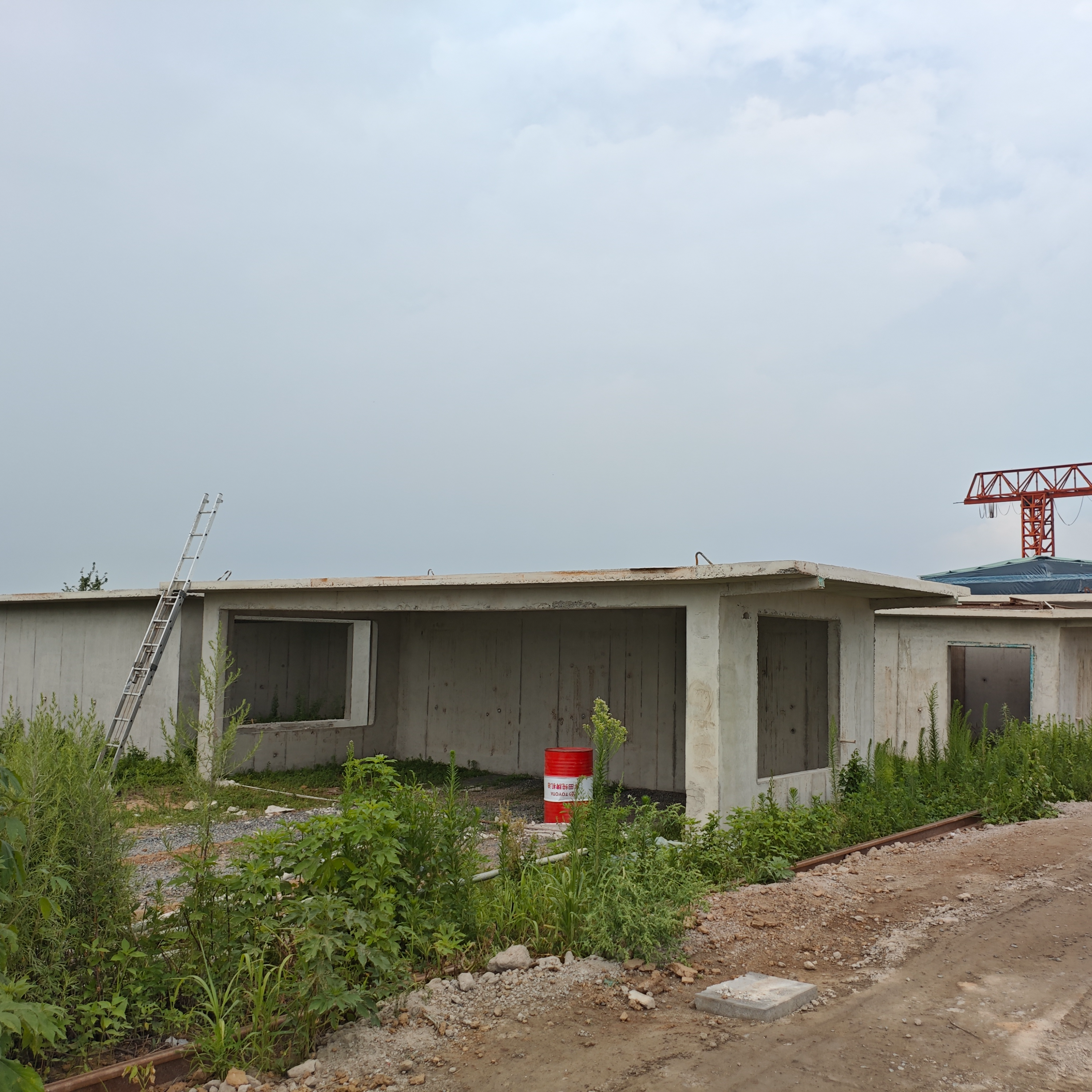
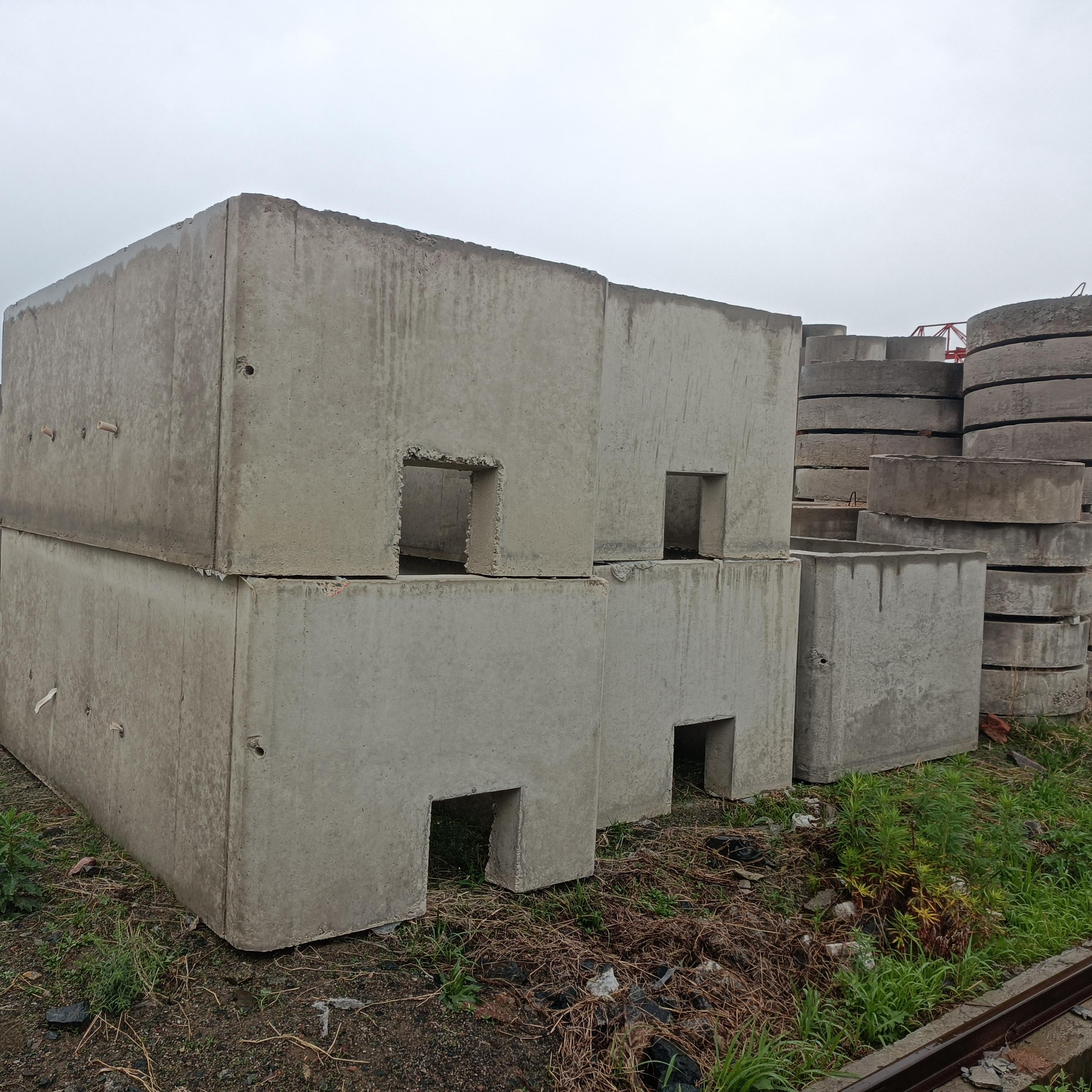





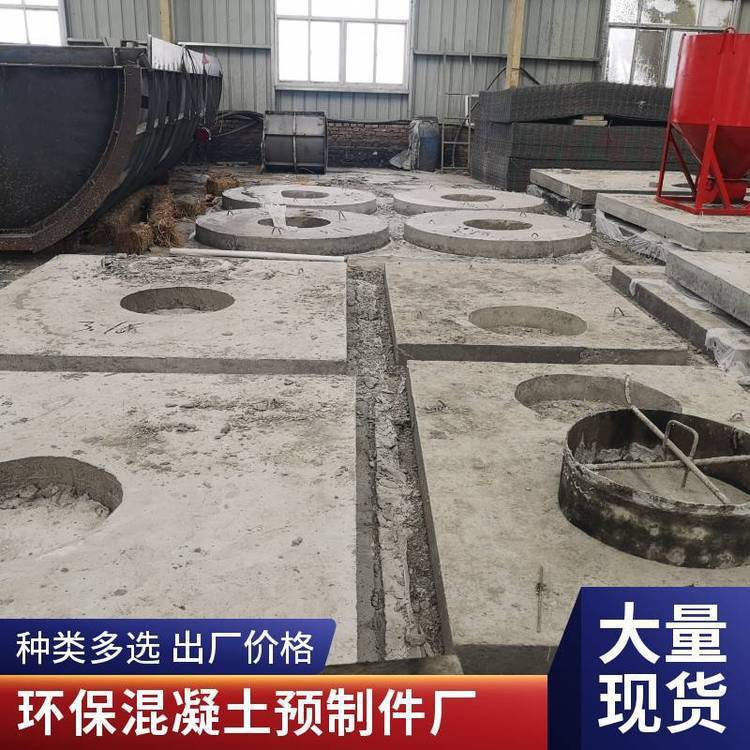
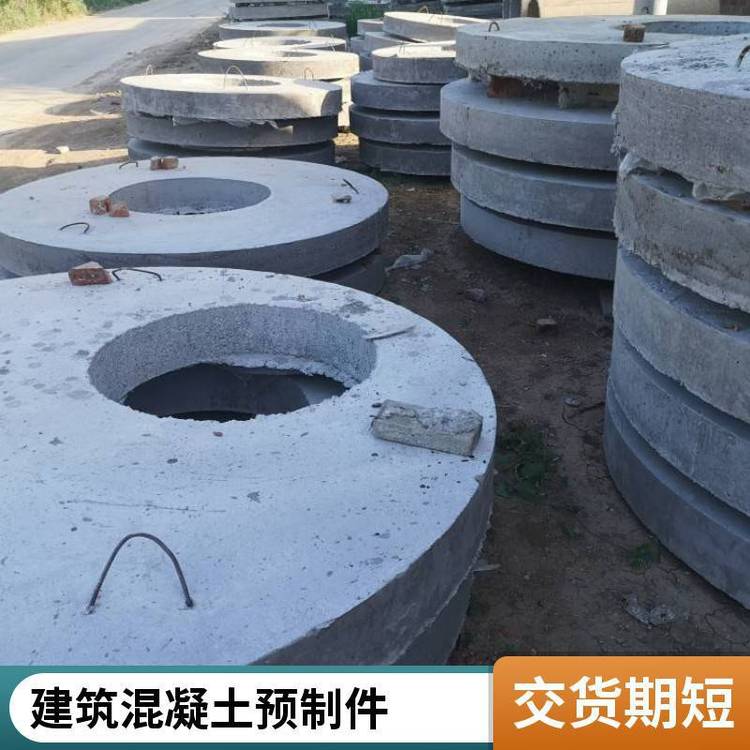
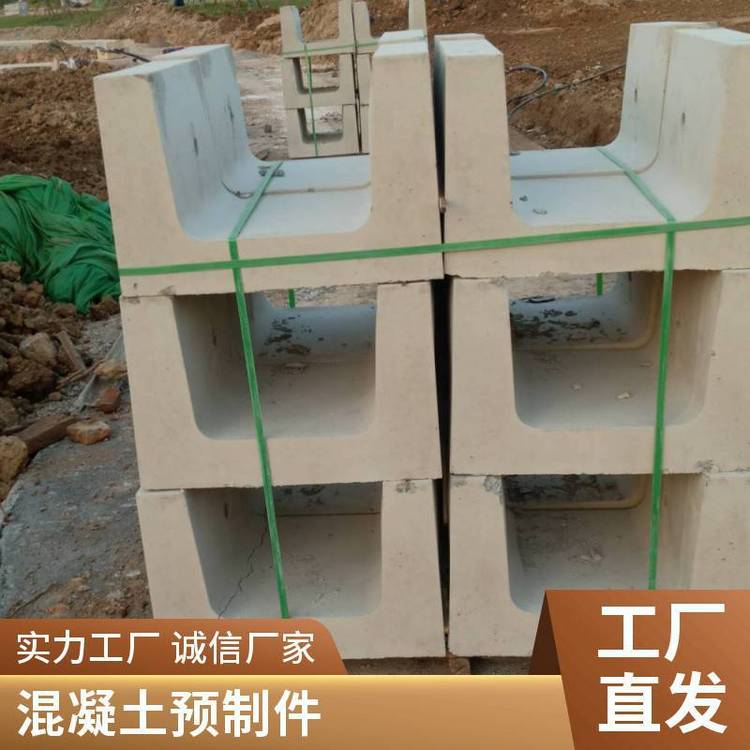
Detailed overview of cement pipe installation:
1. Establish Pipeline Centerline: Prior to construction, the starting and ending points, plane and longitudinal bend points, and straight line control centers of the centerline can be measured on-site based on the design's given centerline control points. Directional control posts should be set at an appropriate location outside the trench at the starting and ending points and plane bend points, and the post numbers can be determined through measurement.
2. Establish Temporary Benchmarks: Pipeline projects often require additional temporary benchmarks, which should be set in stable and collision-proof locations, with an interval not exceeding 30 meters. The closure difference of the temporary benchmarks should meet the specified standards.
3. Excavation is primarily done with excavators, with manual clearing as a supplement, and manual excavation for rainwater drain connections and branches. During excavation, pay attention to soil changes and use support and protection for sections showing signs of collapse.
4. Excavators should dig to a depth of approximately 10cm from the bottom of the trench, leaving the bottom soil untouched for later manual removal and trench bottom finishing. During manual trench cleaning, carefully inspect the trench bottom soil for any disturbances. If disturbances are found, appropriate measures should be taken.
5. At both sides of the groove, 1 meter above the groove bottom, symmetrically set elevation stakes and nail stakes of equal height to them. Before the groove is completely excavated and before the surface is poured smooth, the centerline of the channel and the elevation of the stakes should be re-measured.
6. The single-sided soil height at the edge of the groove should not exceed 2 meters, and the distance from the groove edge should be no less than 1 meter. Protection of underground pipelines during groove construction: First, request pipeline as-builts from the relevant departments to clarify the basic location of underground facilities. If necessary, first excavate a sample hole to determine the exact location, which is conducive to construction and ensures the proper installation of various pre-buried pipelines.
Safety of the wires, during construction, protective support measures are implemented for exposed pipelines.