














I. Usage
This equipment is designed for universities and basic research institutions, specializing in the development of miniature lightweight gas cannons. It can propel projectiles to speeds of up to 8 km/s, enabling the study of the impact damage caused by the projectiles' materials, shapes, and collision velocities through high-speed collisions with ground targets. It investigates the high-speed penetration and destructive characteristics of materials and structures.
Section II: Equipment System Composition
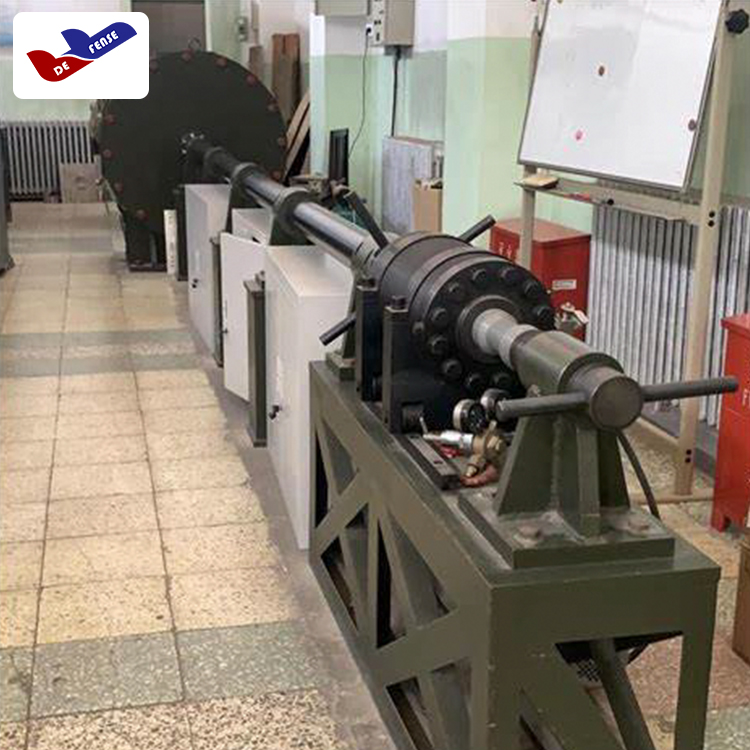
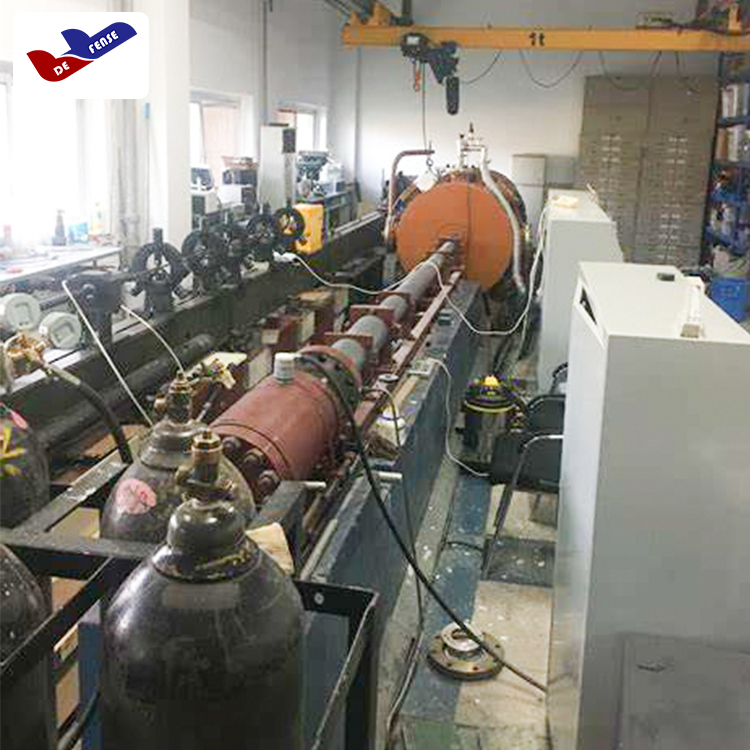
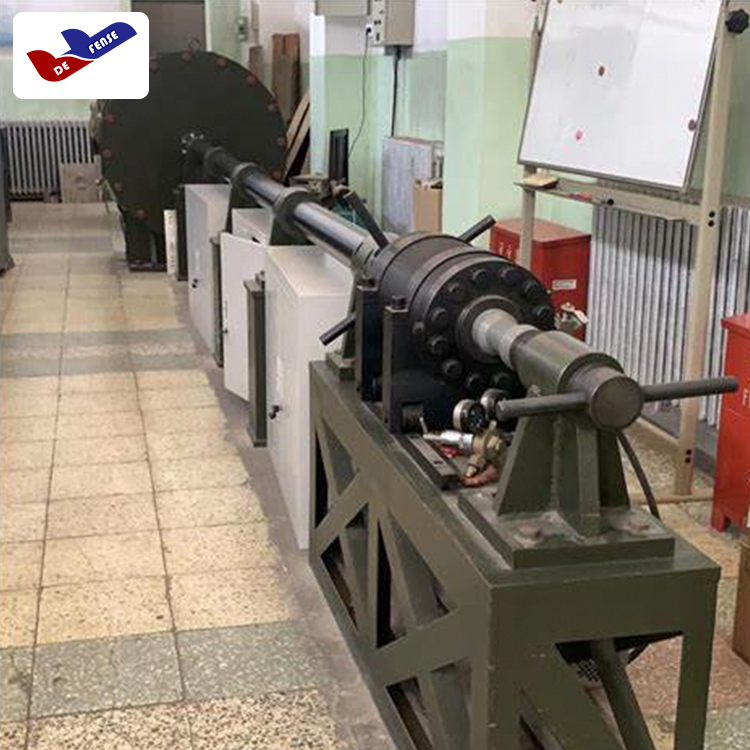
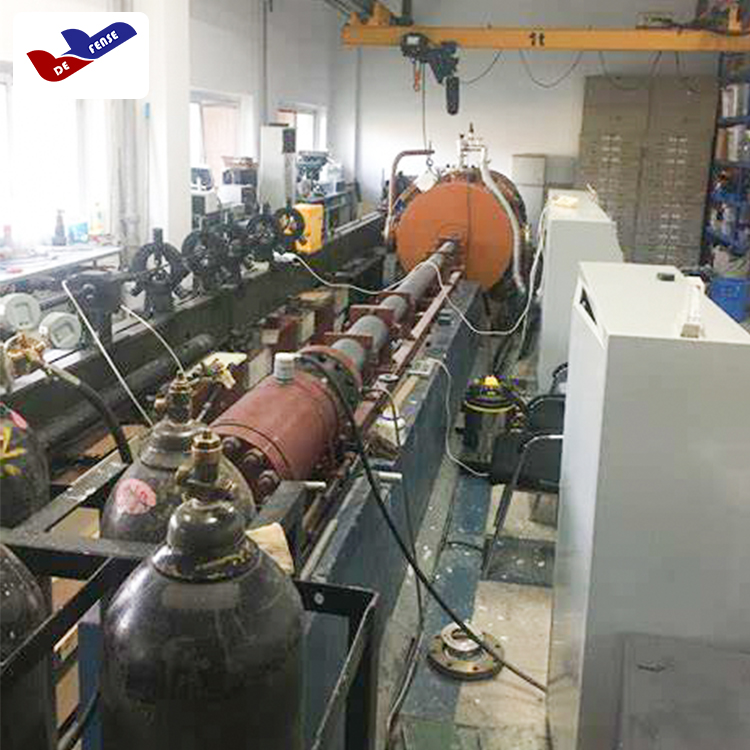
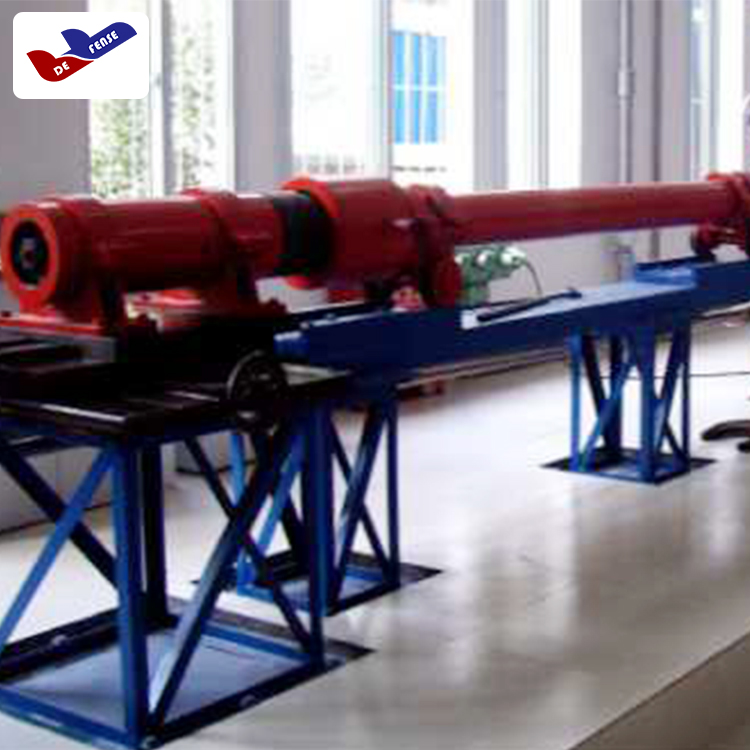
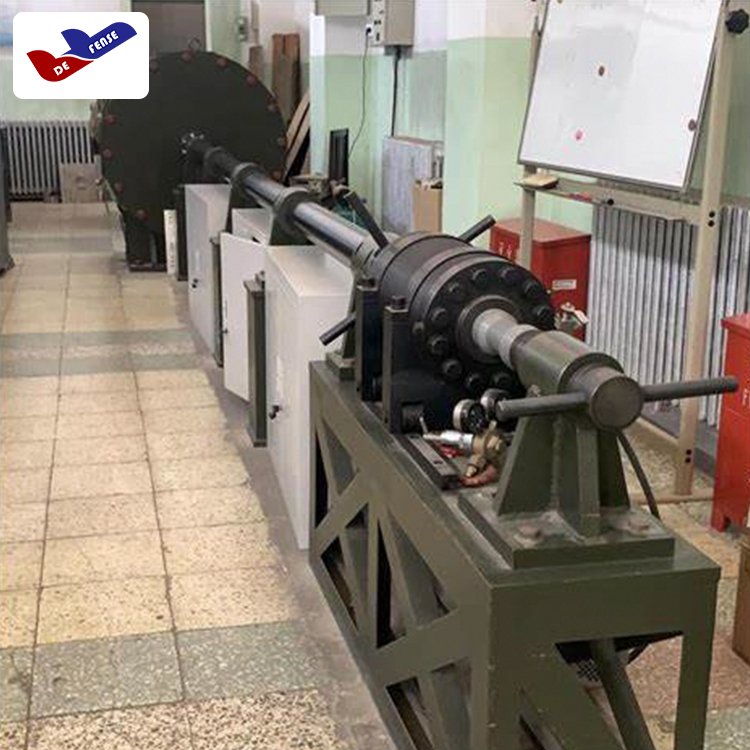
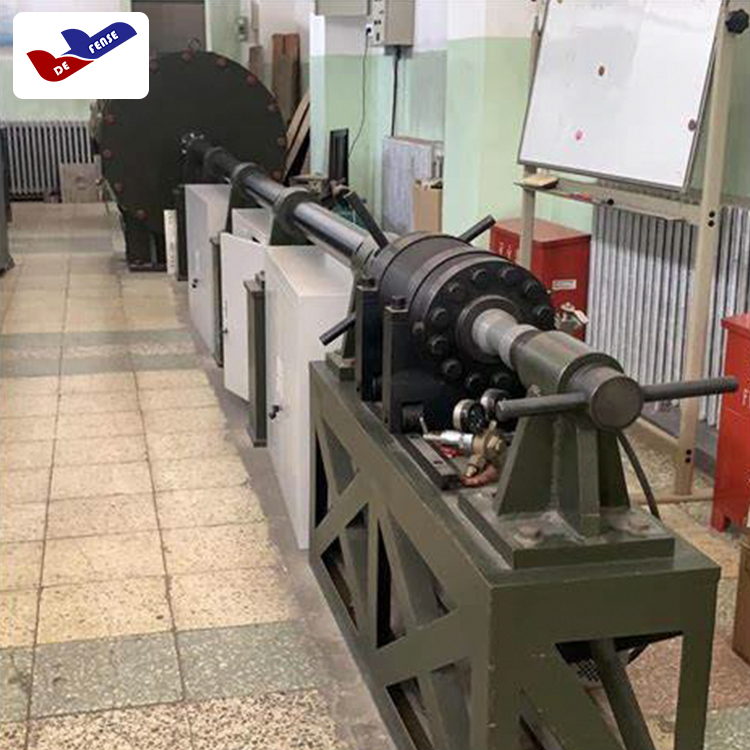
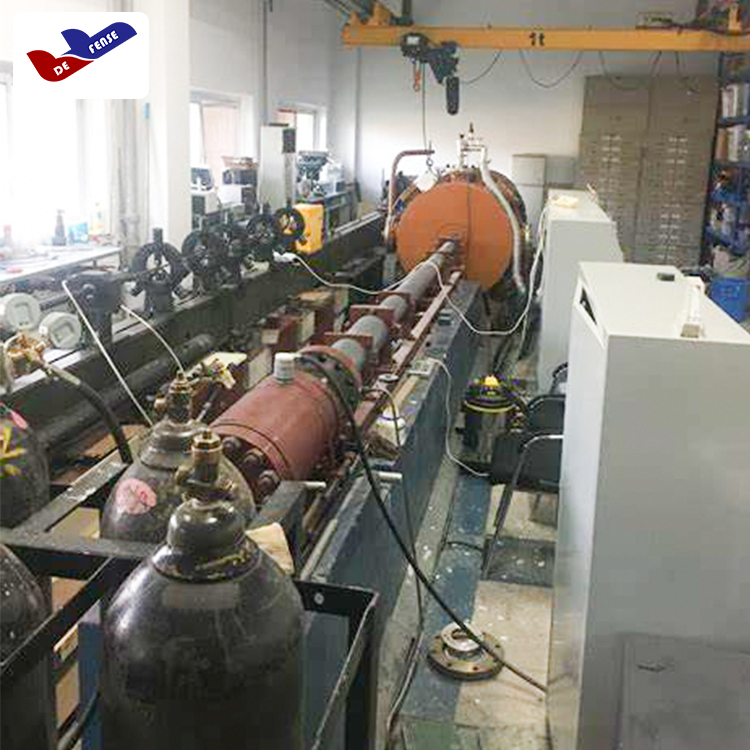
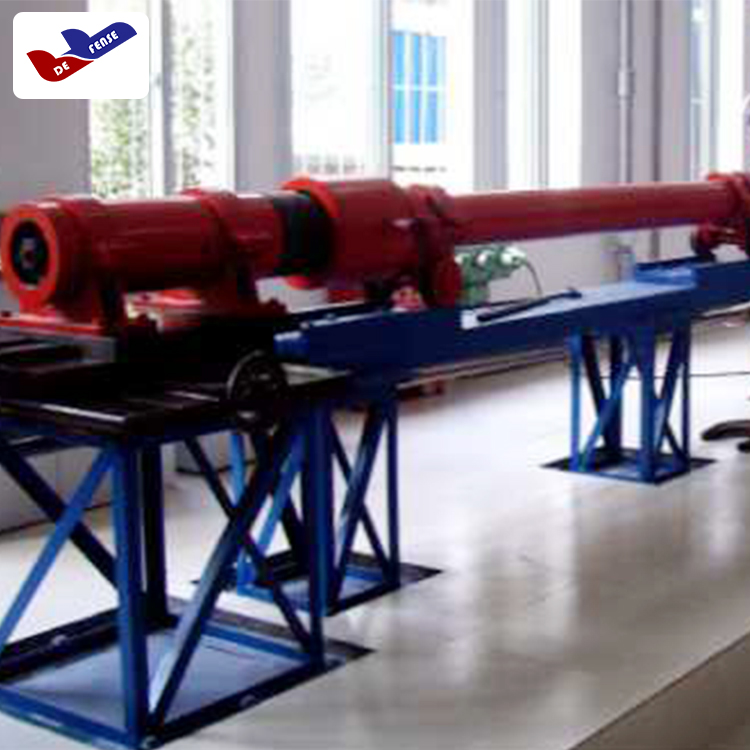
High-speed/ultra-high-speed impact test systems are primarily composed of gas-driven motors, first or second-stage light gas guns, expansion chambers, velocity measurement sections, impact target hatches, high-vacuum pump systems, gas distribution systems, bullet carrier separation systems, and velocity measurement systems.
Section 3: Equipment Specifications and Parameters
Barrel diameter: 5.0mm - 50mm.
2. Projectile velocity range: 1-8 km/s, continuously adjustable according to test requirements.
3. Low-speed usage: nitrogen; high-speed usage: helium.
4. One set of test impact section, each side equipped with two optical observation windows, vacuum extraction interface, and data collection wiring ports. The rear of the section features a hatch, ensuring the section is effectively sealed.
5. A speed measurement section set, with 2 observation windows on each side, should ensure effective sealing.
6. The gas supply system is composed of various high-pressure hoses, steel pipes, high-pressure switches, and compressors, etc.
7. The vacuum system ensures the vacuum degree of the launch system and the target chamber system.