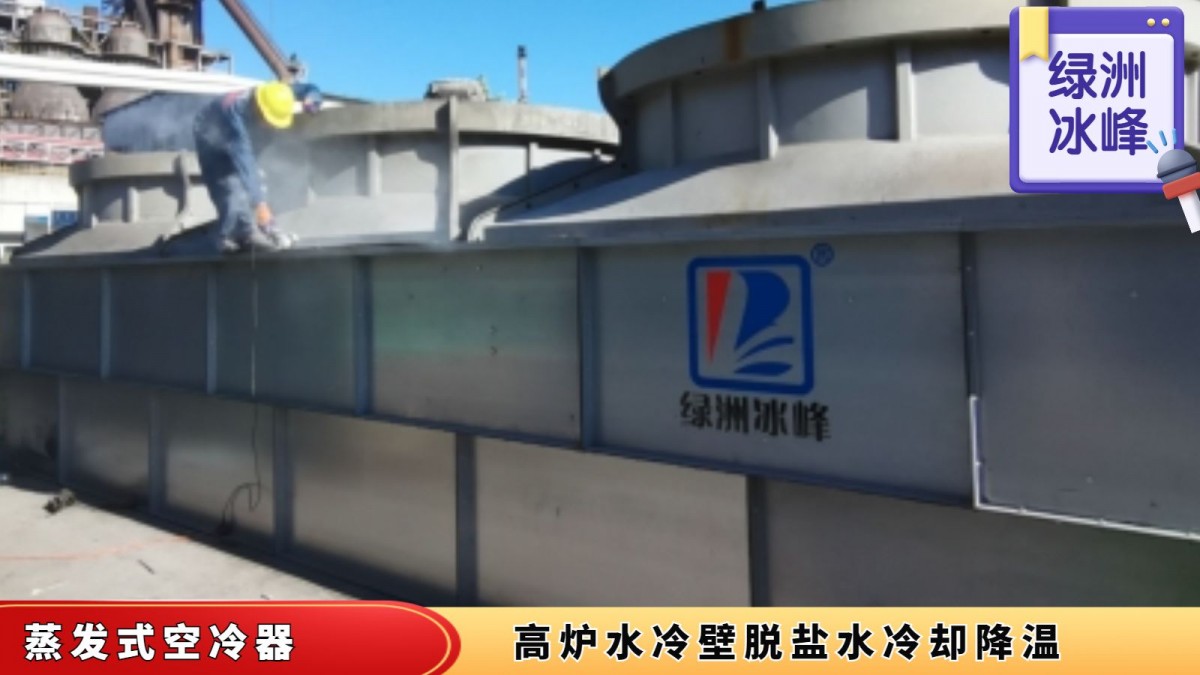














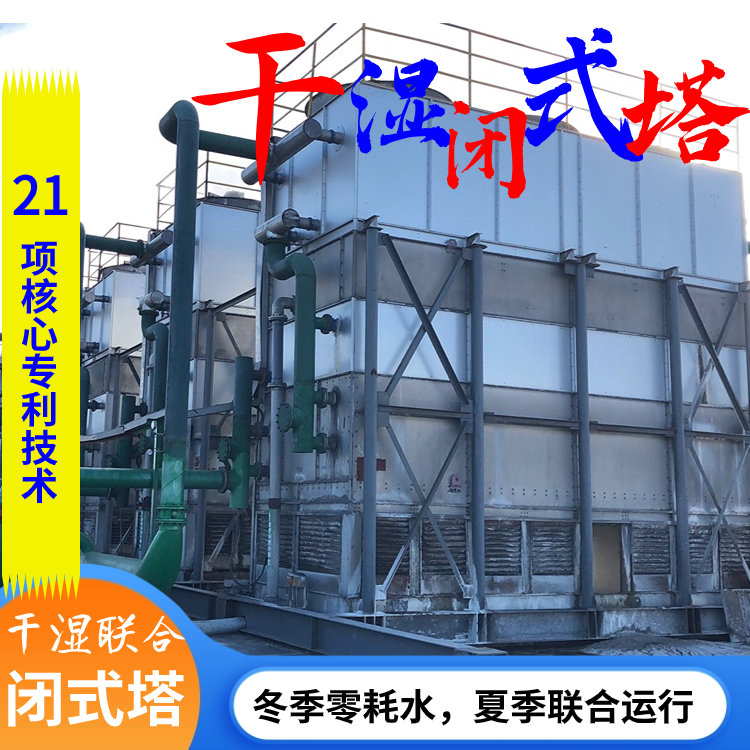
The blast furnace of a steel metallurgy company features molten iron at high temperatures inside, encased in a shell made of the same metal material. To prevent the shell from melting, refractory bricks are placed adjacent to the molten iron, reducing heat transfer to the shell, increasing resistance, and expanding the temperature difference. Additionally, a circulating water system, known as the water-cooled wall, is installed inside the shell. Cold circulating water flows within it, carrying away heat energy.
A decade ago, due to the un认可 of closed-loop cooling towers, open-loop cooling towers were used for cooling the water-cooled walls. After use, it was discovered that there were insurmountable defects.
Firstly, there's the issue of scaling. As the circulating water cools and降温 through evaporation in open towers and ponds, the scaling ions in the water do not脱离 and are continuously concentrated. Eventually, they exceed the saturation point, crystallizing and precipitating throughout the system, particularly within the water-cooled walls. The scale on the inner walls thickens over time, severely affecting heat transfer and causing the blast furnace shell temperatures to rise continuously. This can lead to the shell becoming soft and even developing cracks. To address this, the metallurgical system uses demineralized water and pure water as the circulating medium, but no matter how clean the treatment, it will never reach 0%. Over time, the accumulation of scaling ions will still exceed the saturation concentration.
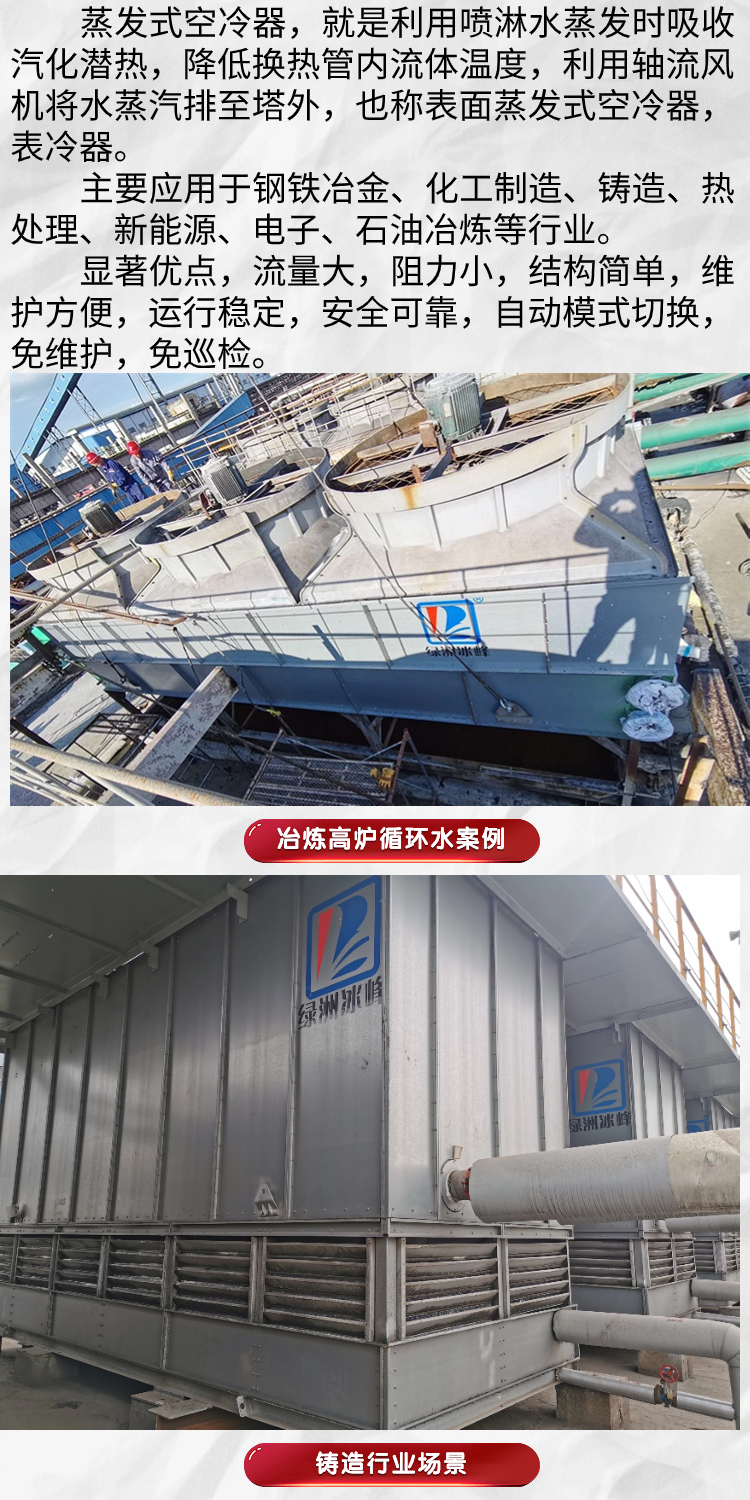
Next, issues with impurities, the tower and pond, require ample contact and heat exchange with the air. Meanwhile, various impurities in the environment, after multiple layers of filtration, can still enter the circulating system, leading to blockages and severe consequences.
Again, algae issues in large ponds ensure water buffer, enhancing safety coefficients; however, it leads to an increase in still water, slow water flow, abundant algae growth, and is also one of the causes of blockages.
Furthermore, the issue of water waste includes: increased evaporation, frequent discharge, the飘逸 amount from open towers, and leakage from ponds, all contributing to increased operational costs.
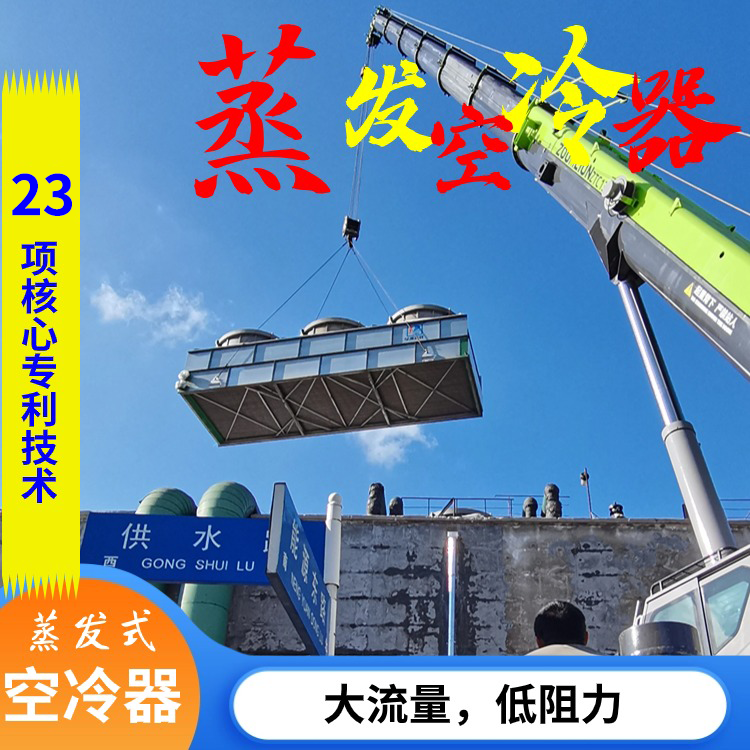
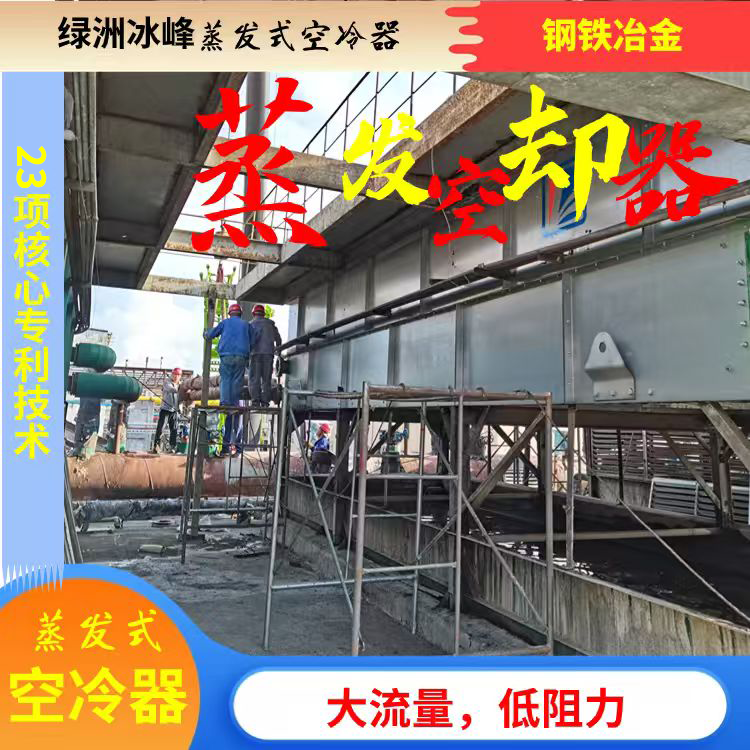
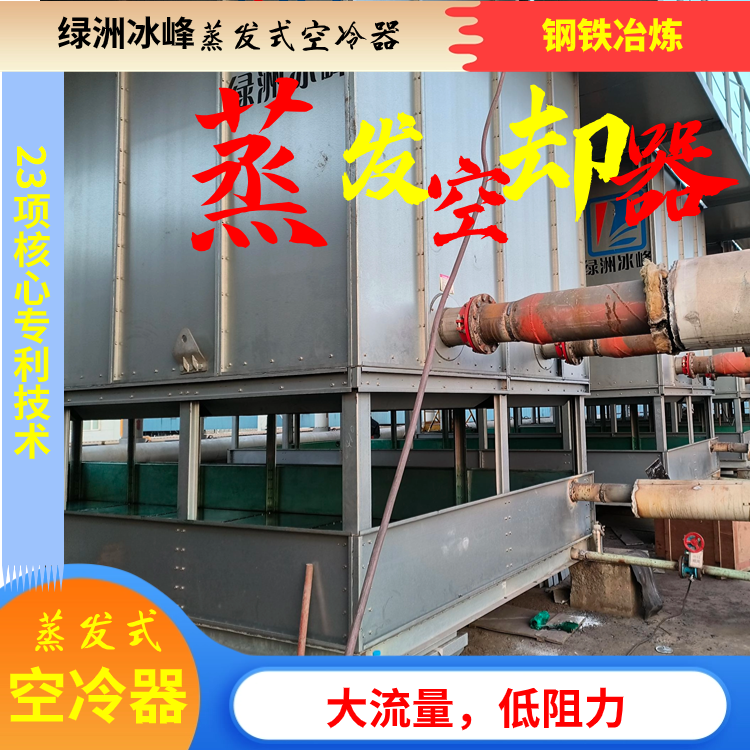
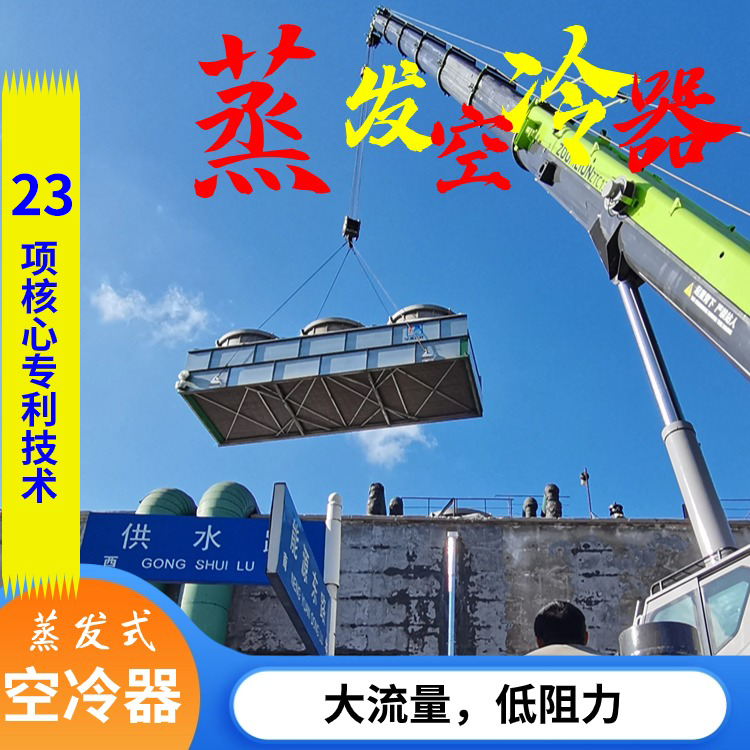
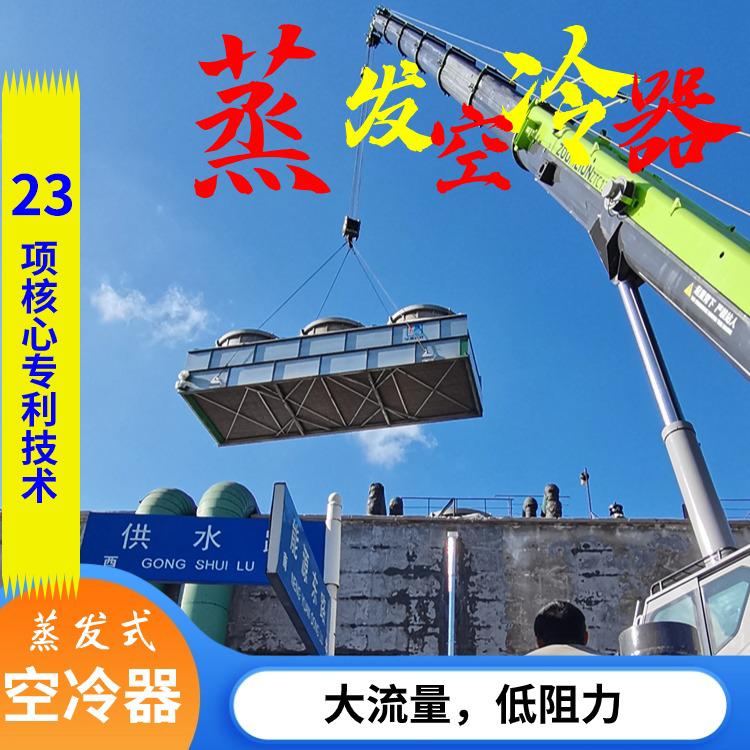
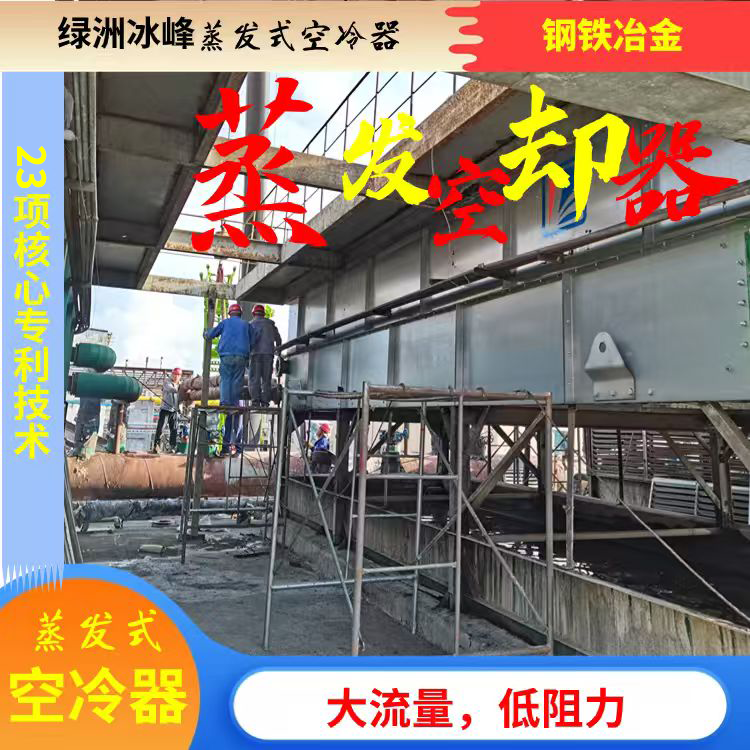
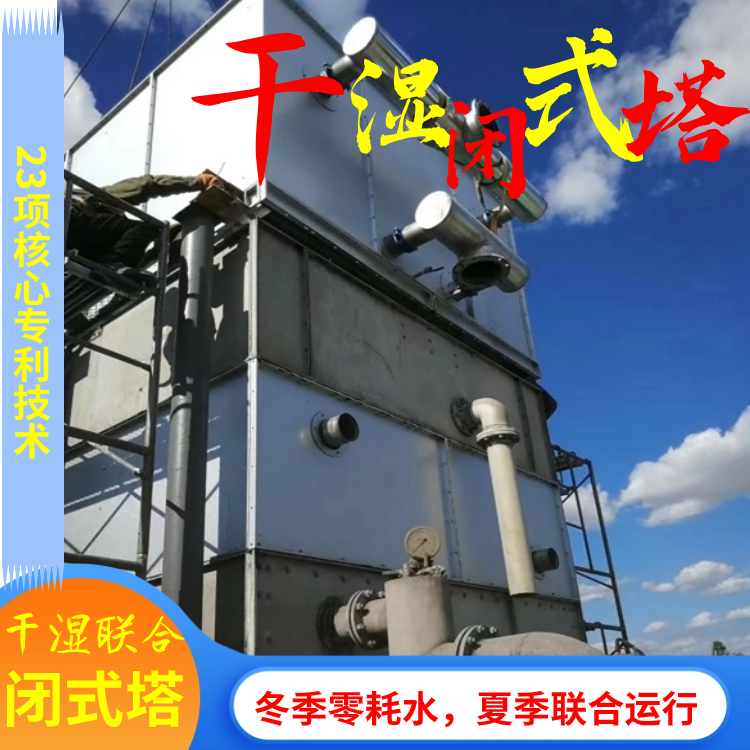
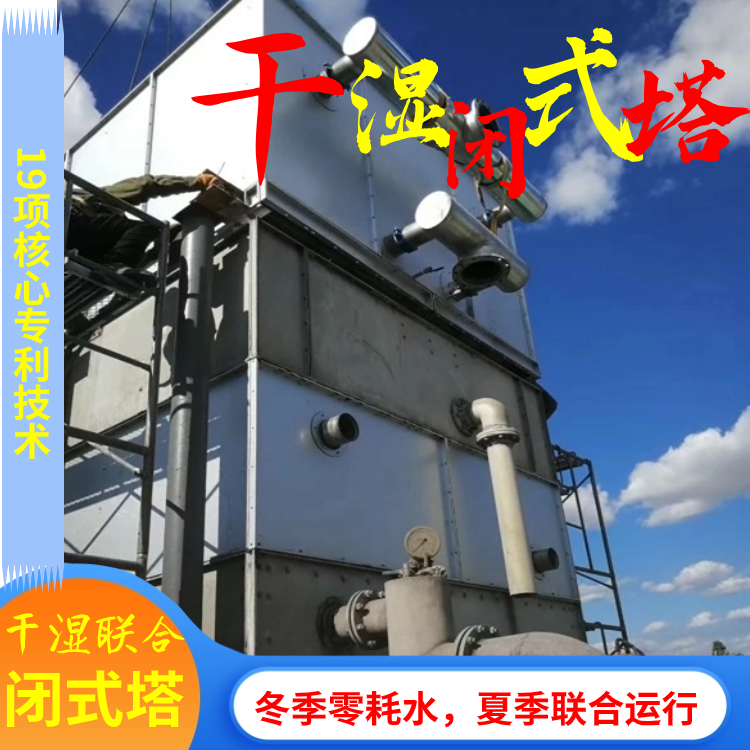
Now, with the continuous maturation of the design and manufacturing technology for closed cooling towers, also known as evaporative air coolers, the standard equipment for blast furnace cooling has been changed to evaporative air coolers, effectively eliminating the aforementioned issues while also reducing operating costs.
The following are its advantages:
1. No Evaporation: Only temperature reduction, no evaporation or consumption. The circulating medium is completely isolated from the outside air, with no contact at all. This eliminates medium evaporation and contamination, ensuring the stability of the internal medium composition.
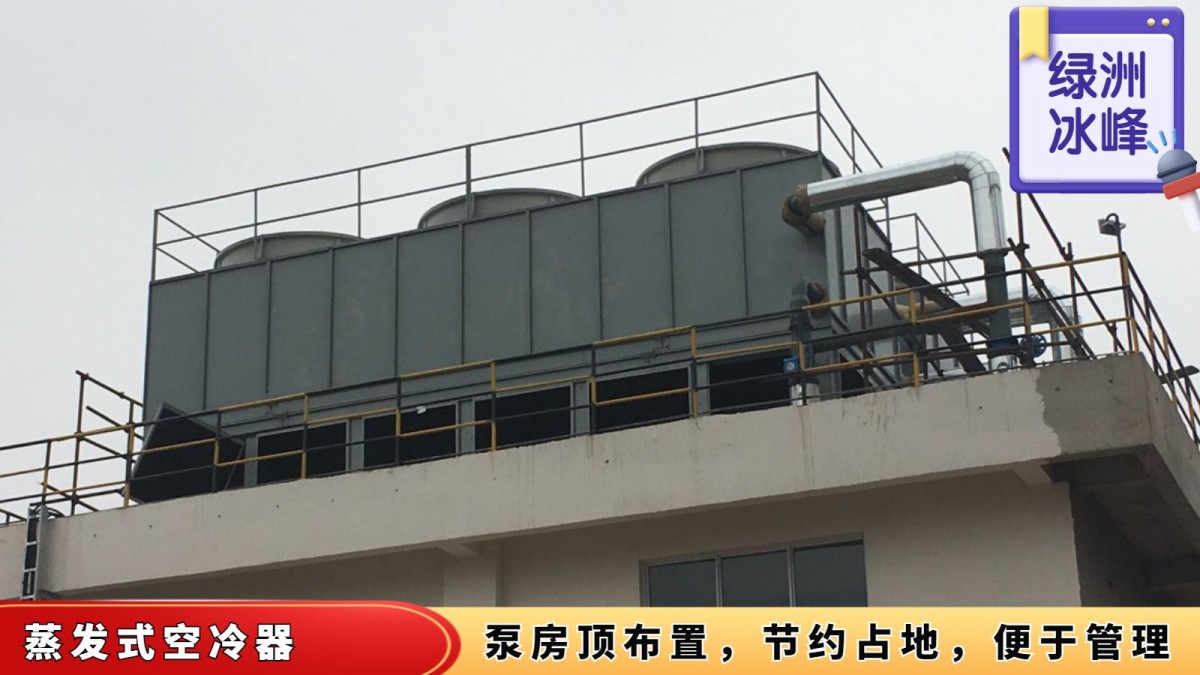
2. Non-scaling: Due to no evaporation, the concentration of scaling ions such as calcium, magnesium, and sulfate in the medium remains unchanged, thus no scaling occurs.
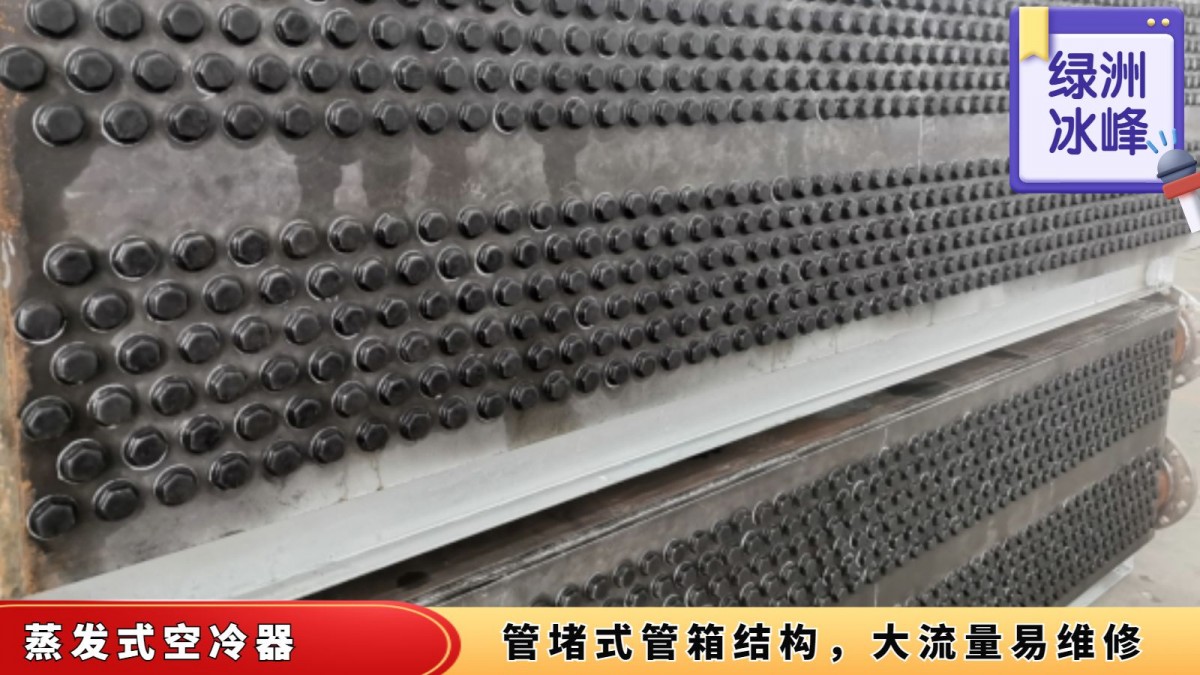
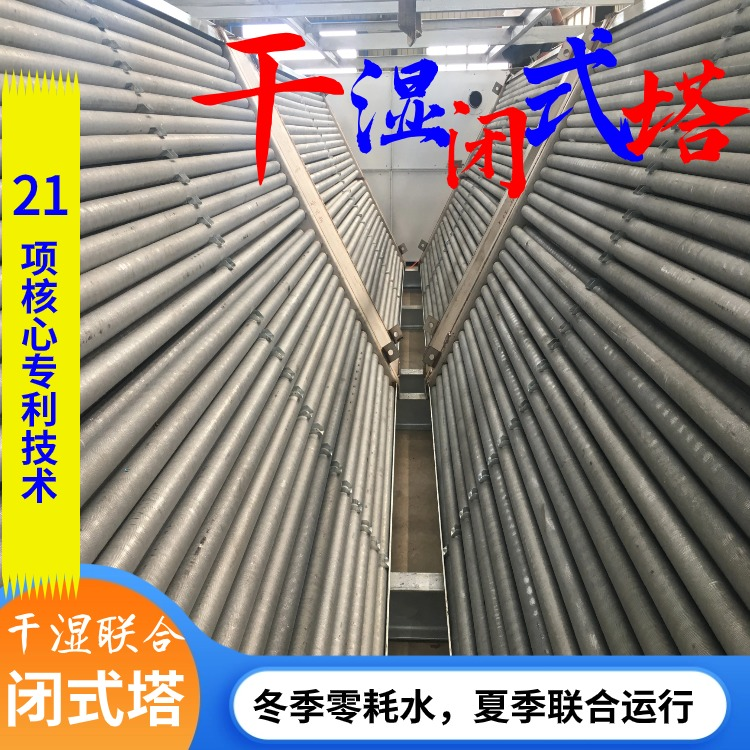
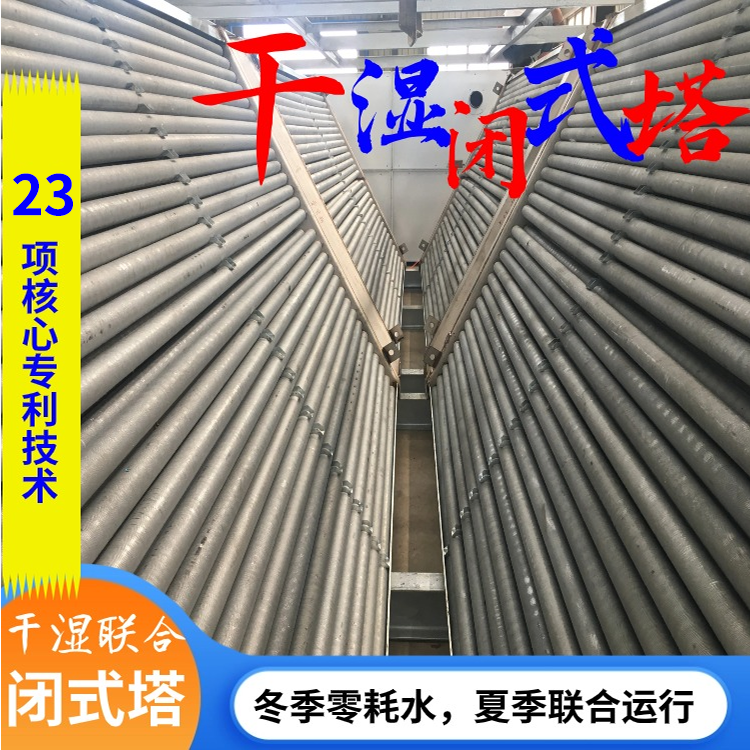
3. Easy Maintenance: All coils are fully visible for easy maintenance and simple repairs.
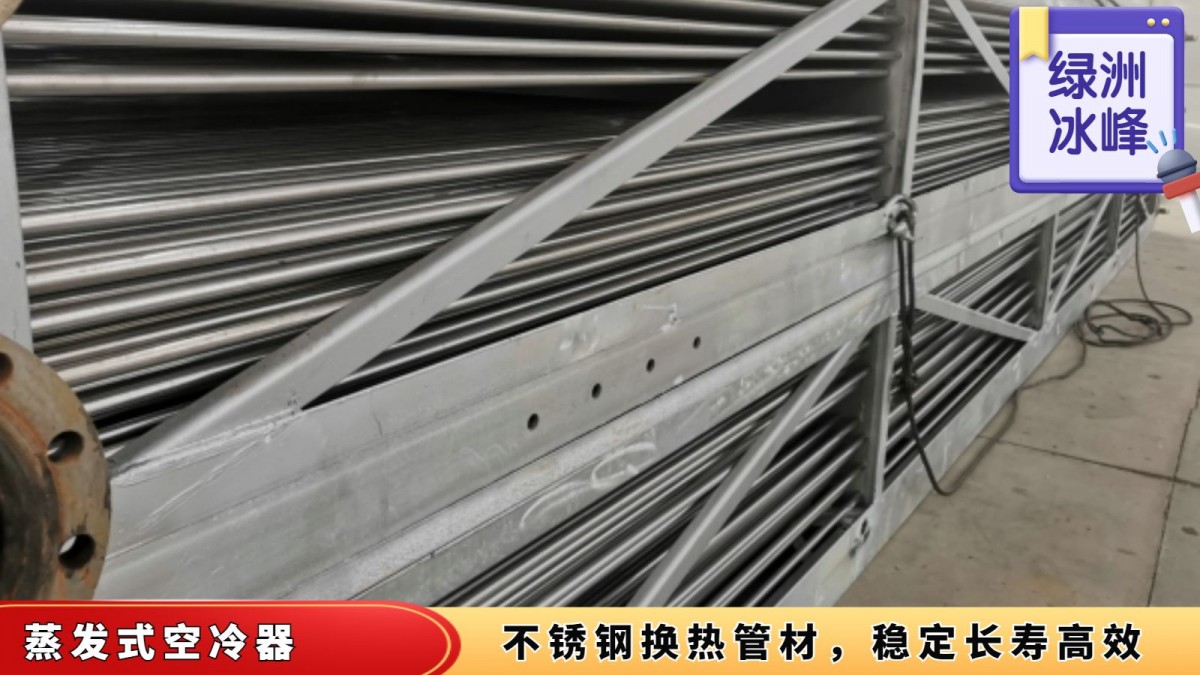
4. The equipment features four-sided air intake with low air resistance, resulting in reduced fan power.