













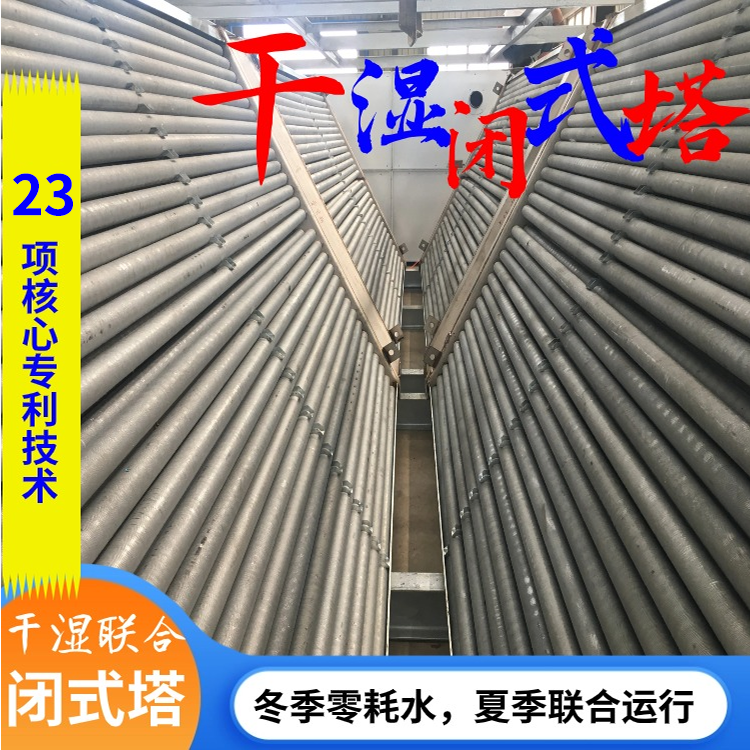
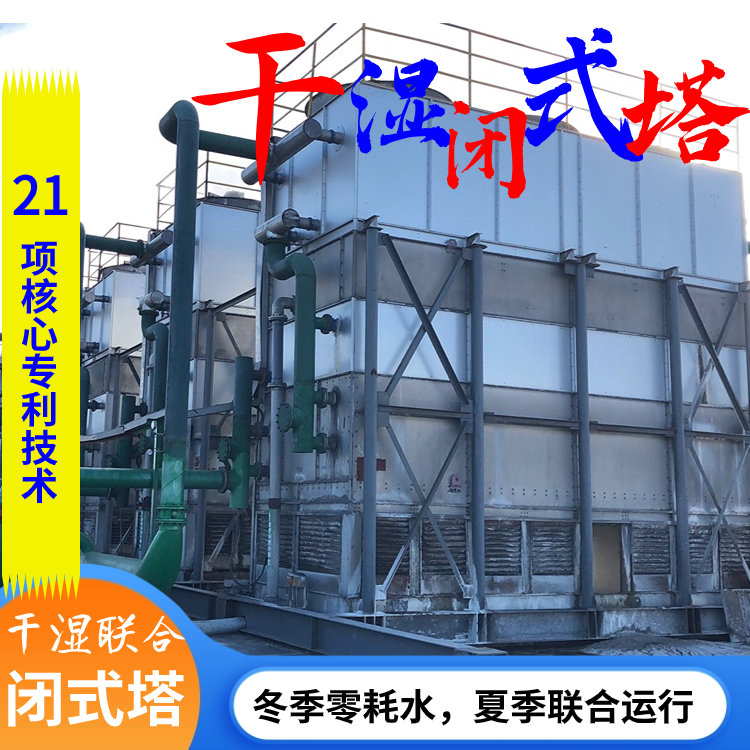
I. Overview
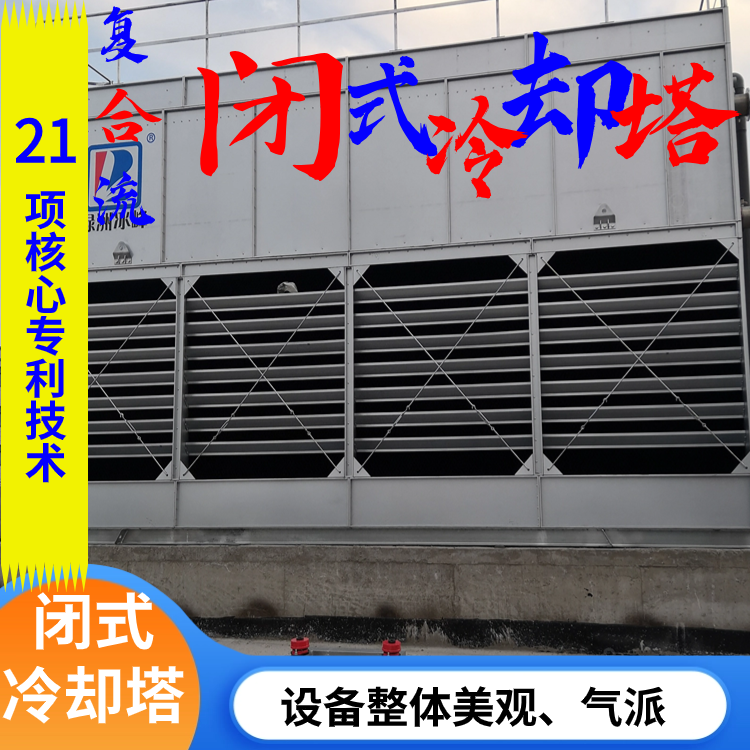
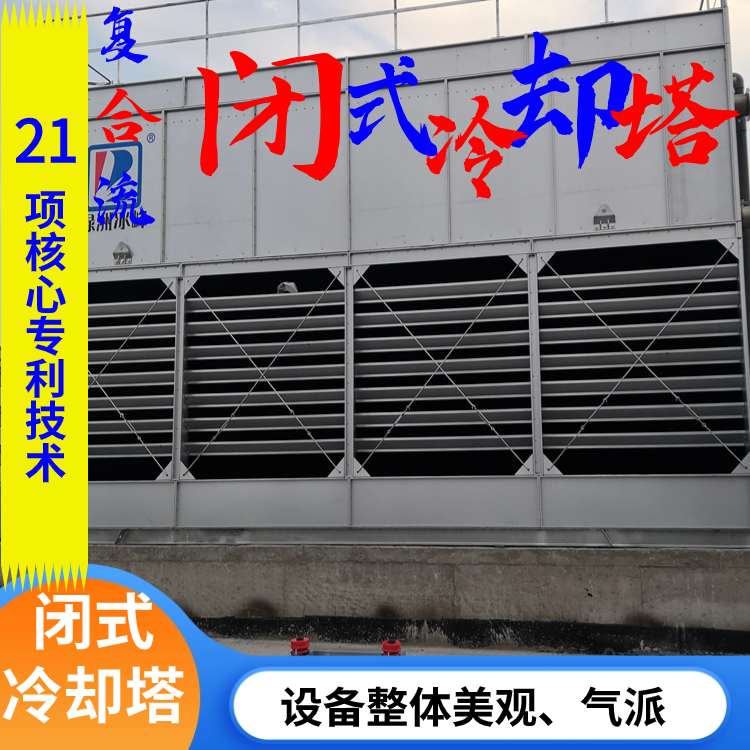
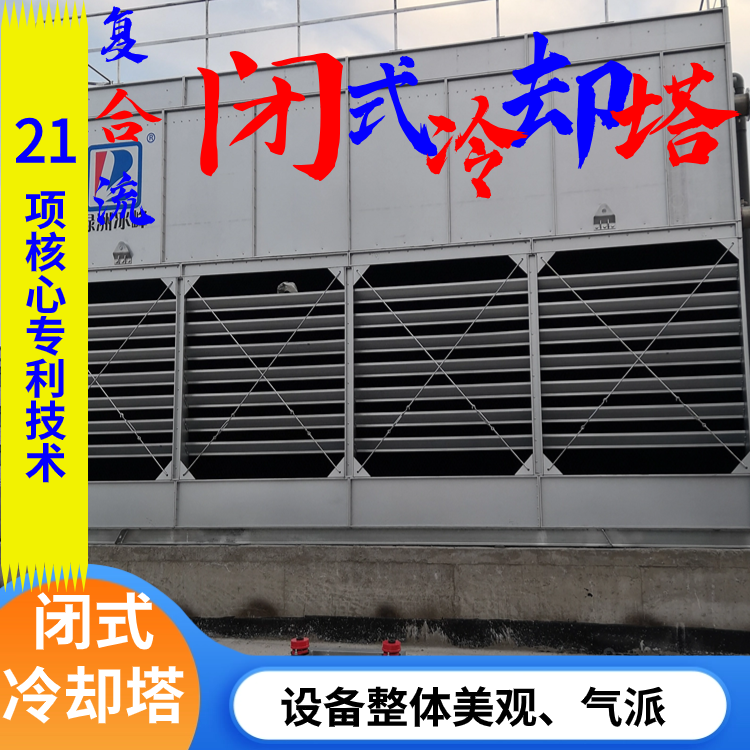
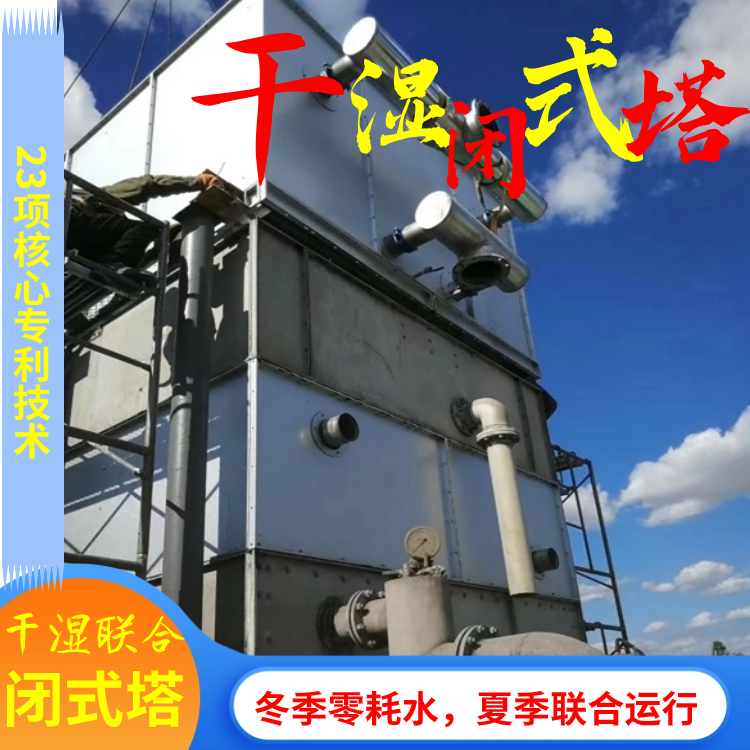
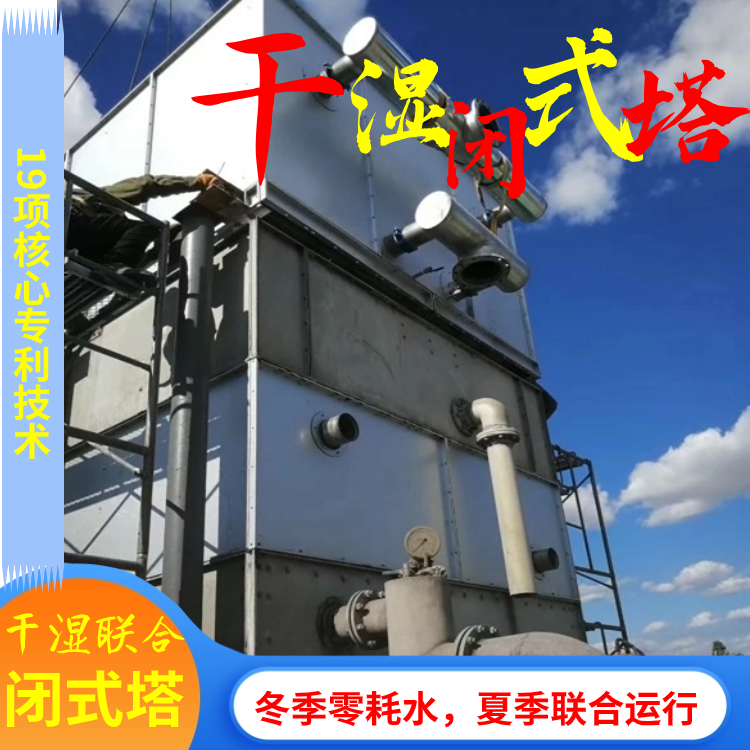
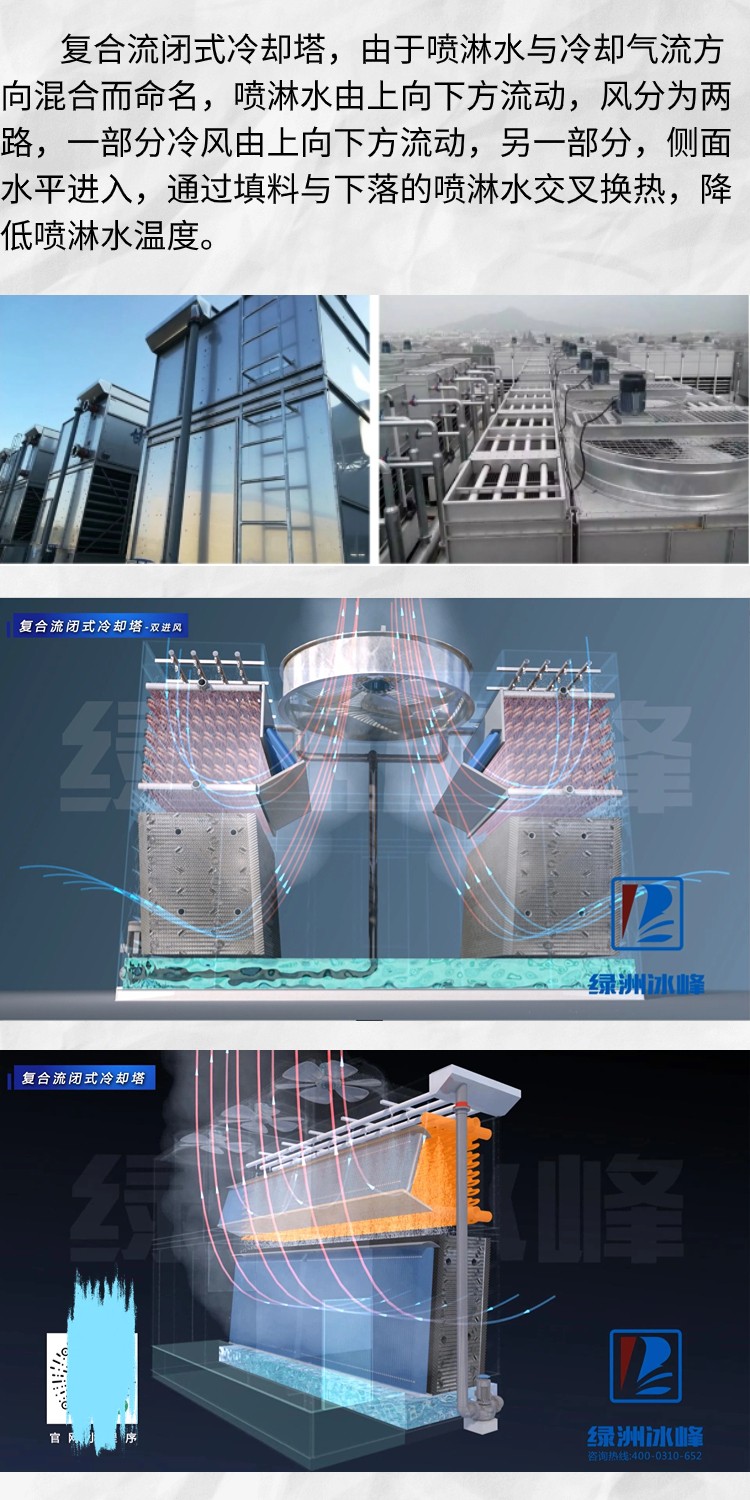
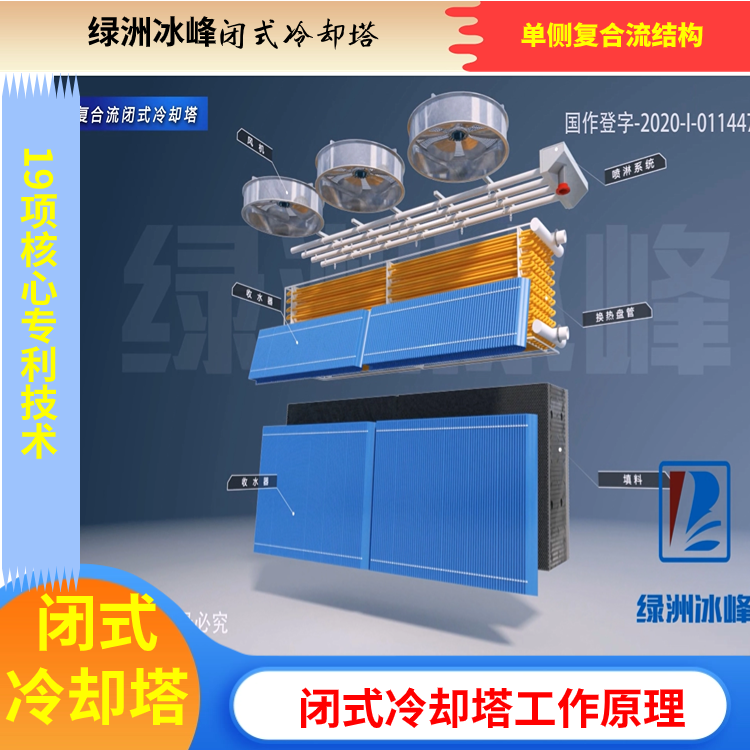
Composite flow closed cooling tower, sometimes abbreviated as composite closed tower, named due to the mixing of spray water and hot air, with spray water flowing from top to bottom, the wind divided into two paths—one part of cold air flows from top to bottom, and the other enters horizontally from the side, exchanging heat with the descending spray water through the packing to lower the temperature of the spray water.
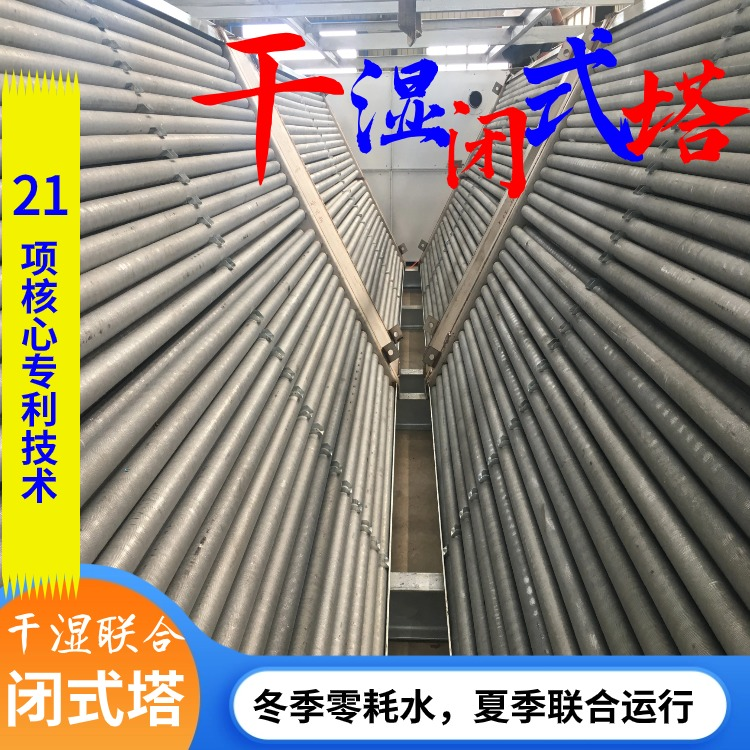
Primarily composed of heat exchanger coils, spray irrigation water system, exhaust ventilation system, and frame housing.
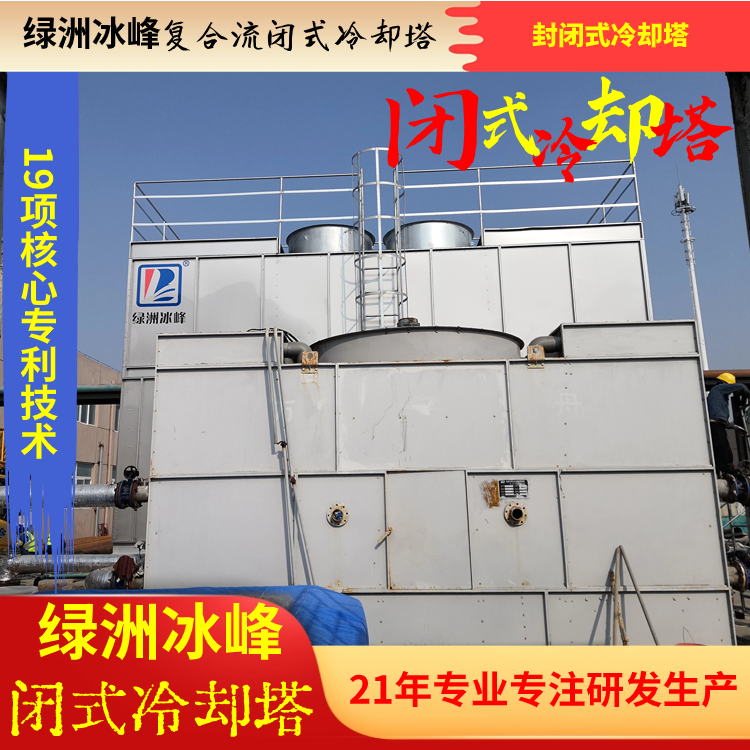
Section 2: Work Process:
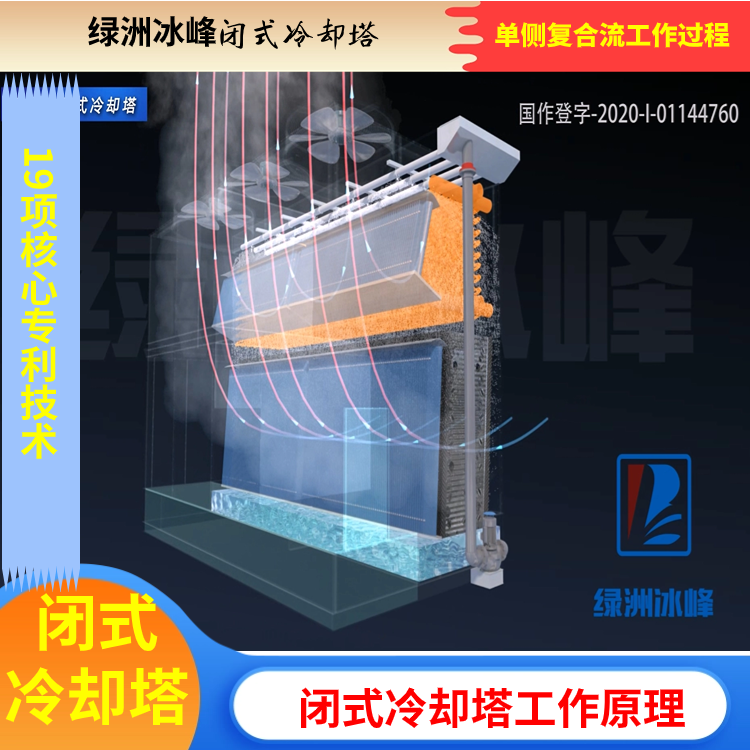
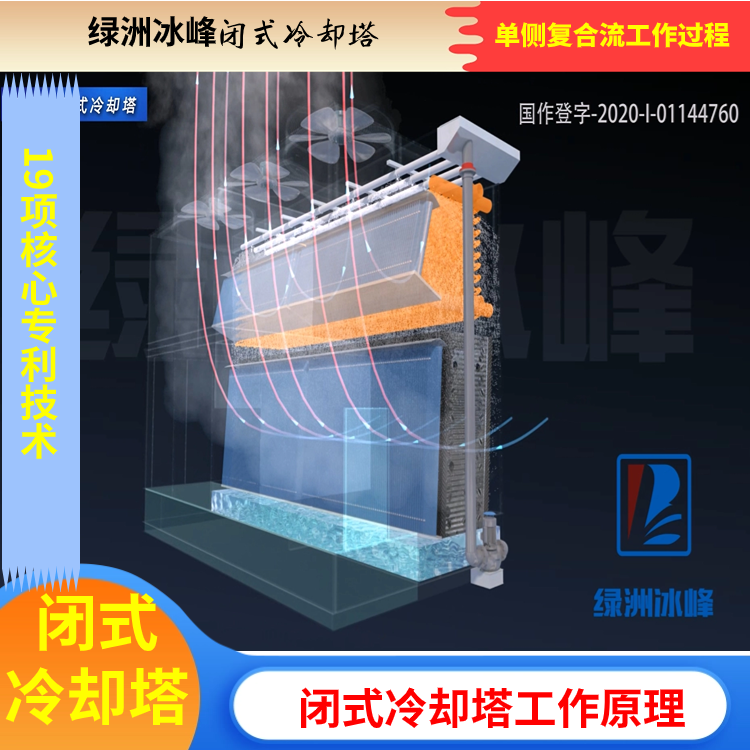
The spray pump draws water from the reservoir, pumps it to the upper part of the heat exchanger coils, where it is dispersed in an umbrella-like pattern through nozzles, uniformly covering the external surface of the pipes. This forms a thin water film, some of which absorbs the heat energy of the high-temperature refrigerant inside the pipes, converting it into latent heat of vaporization and evaporating into a gas state. The refrigerant inside the pipes is then cooled or condensed back into a liquid state. The water that does not evaporate falls back into the spray water reservoir.
The exhaust system features an intake-type fan at the top of the tower, drawing air from inside the tower and expelling it outside. Cold, dry air outside the tower enters the tower through the heat exchanger coils and the air intake grate. It flows downward through the top of the heat exchanger coils, carrying away the evaporated water vapor, thereby increasing the air humidity and temperature. Additionally, cold, dry air is also drawn in from the side of the tower, exchanging heat with the descending spray water through the packing. The two parts of hot, moist air are eventually exhausted outside the tower by the fan.
In the spray trough, a float valve is installed. It automatically replenishes the supply when the water level is low, ensuring a consistent water level in the trough.
III. Principle of Operation
The working fluid (water, oil, or other liquids) flows through the coil, with the coil exterior wrapped in spray water. Heat from the fluid is transferred through the tube walls, forming saturated humid steam with water and air. The heat is then exhausted into the atmosphere by a fan. During the recirculation process, the spray water is cooled through PVC heat exchangers, creating cold water that flows in the same direction as the fresh air. The coil primarily relies on humid heat conduction. A key feature of the closed-loop cooling tower's composite flow principle is its ability to significantly inhibit the formation of scale on the coil exterior.
Section 4: Our Advantages
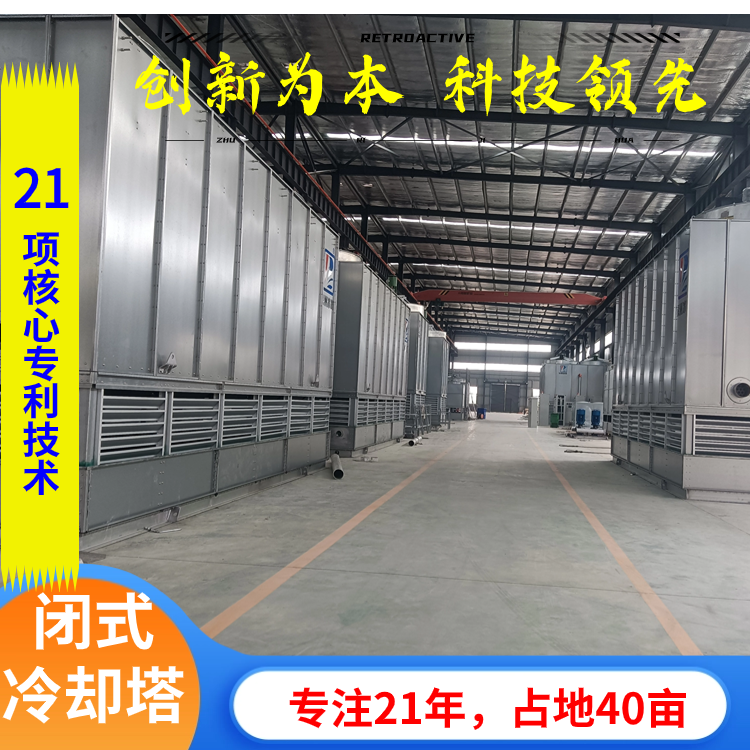
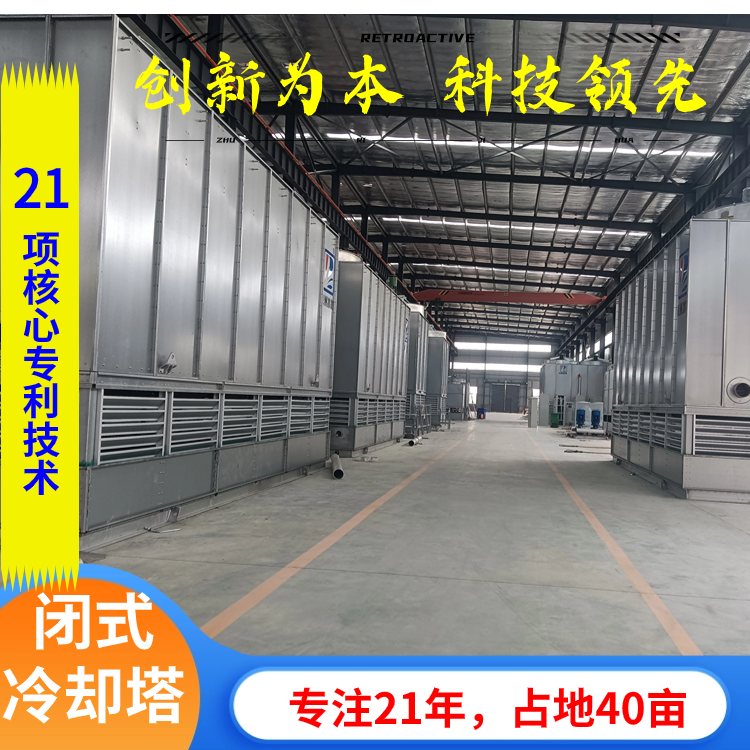
Focused for 21 years, we specialize due to our focus, boasting extensive experience and unwavering quality.
21 patents, patent-protected, reliable technology, excellent performance, stable operation.
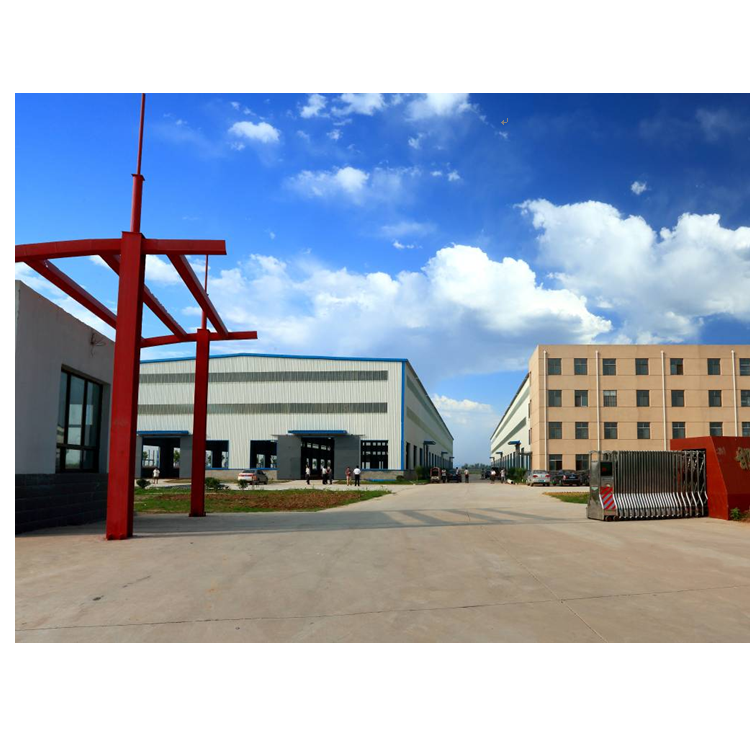
40 acres of land, robust resources, strong backing, long-term collaboration.