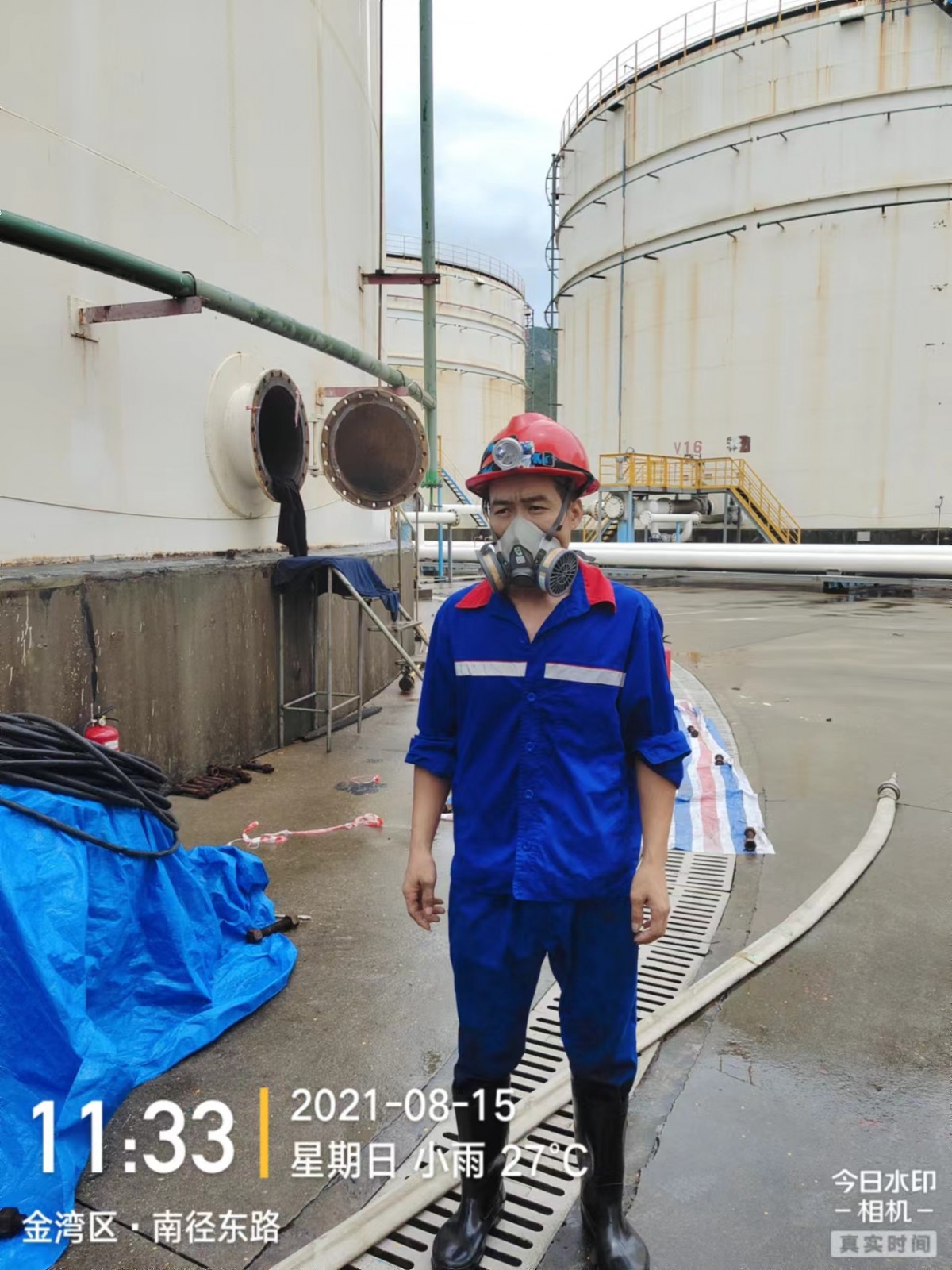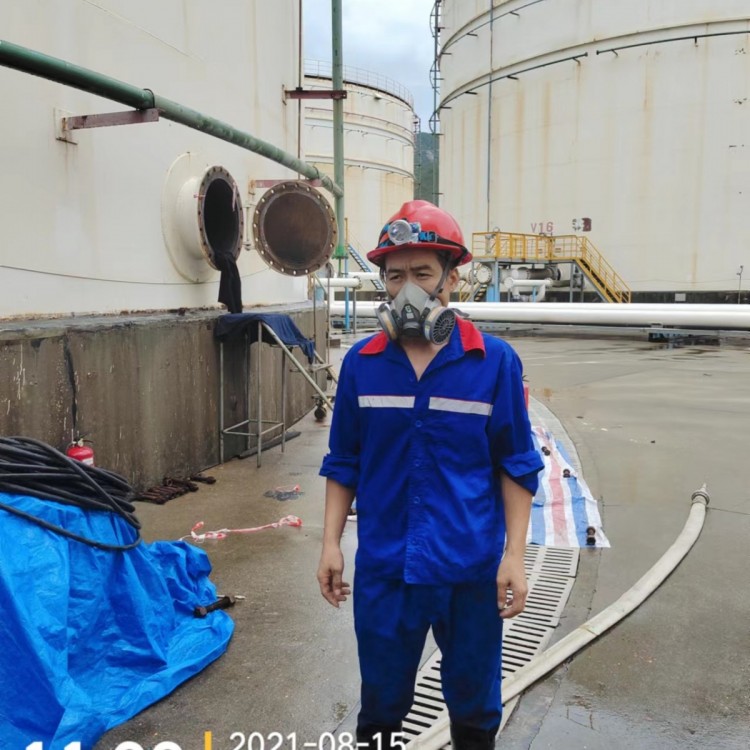


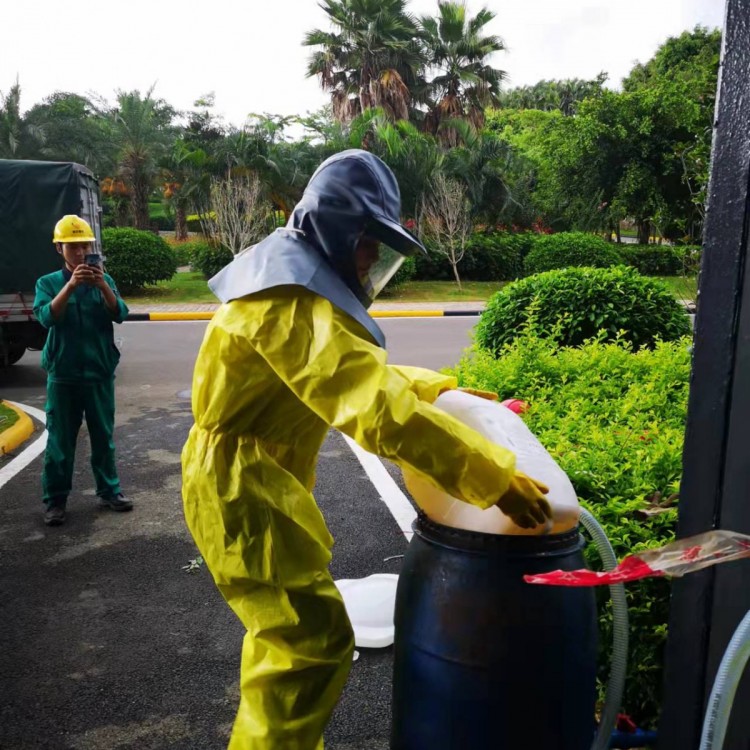
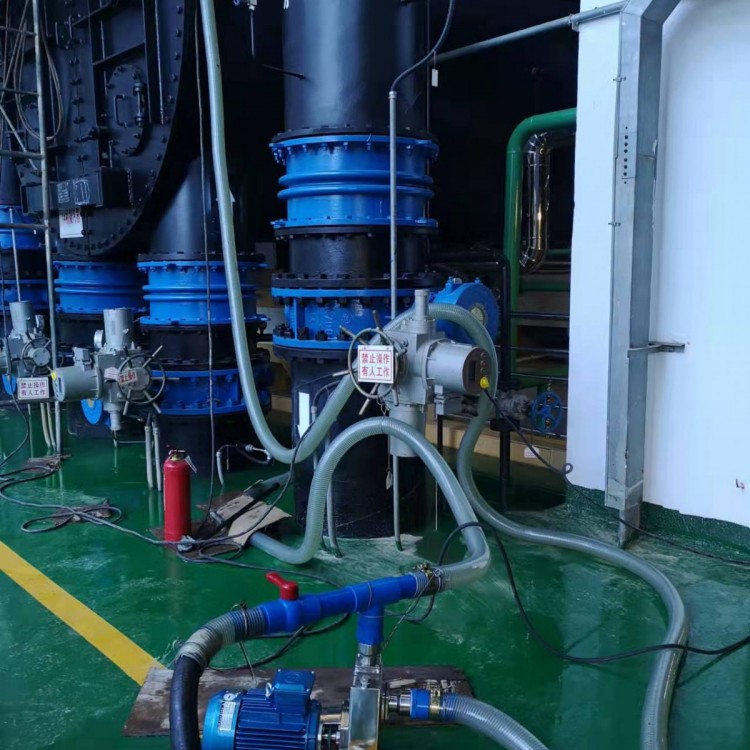











Hongda Cleaning - Condenser Cleaning
With the rapid development trend of intelligent industrial production, the demand for cooling circulating water is increasing. At the same time, due to the inability to receive scientific and reasonable cleaning, the dirt in many interchangeable equipment of circulating systems often leads to issues for newly installed heat exchangers. Generally, before startup, organic chemical cleaning is used for heat exchanger cleaning, condenser cleaning services, to eliminate high-temperature oxidation scale and silicon oxide scale generated during the production and manufacturing process, as well as rust, weld marks, and fine sand, oil film coatings, and contaminants formed during storage, transportation, and installation. Condenser Cleaning
Hongda Cleaning - Condenser Cleaning
Step: Scale and Cleaning Removal
Add the prepared descaling cleaner at a ratio to the cooling circulating water in the cleaning tank, initiate the heating furnace cleaning and descaling process. Determine the duration and amount of cleaning for the circulating system based on the scale amount, and once all scale is removed, proceed to the next cleaning procedure.
Rinsed Clean
After connecting the cleaning equipment and heating furnace, use the clean water recirculation system to clean for 10 minutes, check the system status for any leaks, and at the same time, remove the rust.
Condenser Cleaning
Hongda Cleaning - Condenser Cleaning
Step 3: Remove Corrosion Cleaning
Add surface strippers and release agents to the cooling water in the cleaning tank based on their proportion, run the recirculation system for 20 minutes to separate scale and the components being cleaned. Meanwhile, apply rust prevention treatment to surfaces without scale to prevent corrosion caused by the cleaning agent during descaling and cleaning.
Step 4: Passivation Plating Solution
Add passivation dipping agent, implement passivation dipping solution for the heating furnace cleaning system software, to prevent pipeline and component corrosion and the conversion of new rust into.
Condenser Cleaning
Hongda Cleaning - Condenser Cleaning
During the production process in chemical factories, various factors can lead to a significant amount of residue on heat exchanger machinery, equipment, and pipeline systems, such as carbon deposits, oil stains, dirt, buildup, corrosive substances, polymers, bacteria, algae, and mucus. This residue can cause common malfunctions in machinery and pipelines, leading to reduced production output, increased energy consumption, and higher raw material consumption in the equipment system software. When the corrosion caused by the residue is particularly severe, the entire process may be halted, forcing the equipment system software to shut down, which can immediately result in various property losses and even potentially lead to hazardous production safety accidents. Condenser Cleaning
Hongda Cleaning - Condenser Cleaning
It's typically not possible to completely prevent stains in today's scientifically advanced era, thus, the cleaning of industrial equipment such as heat exchangers has become an indispensable step in heating systems, industrial production, particularly in the manufacturing processes of petrochemical equipment and thermal power plant processing plants.
Chemical water treatment and high-pressure jet flushing. Traditional washing production processes and methods, such as mechanical equipment methods (scraping, brushing), and scale prevention, have always been in use. However, in addition to not effectively solving the problem, they also cause significant damage to the machinery and equipment themselves, as well as to the body and geographical environment. Condenser cleaning
Hongda Cleaning - Condenser Cleaning
Purpose of Heat Exchanger Cleaning in Industrial Equipment Cleaning:
Enhance the appearance design of machinery and equipment, purify treatment to resolve and protect the ecological environment. Remove stains from the interior and exterior surfaces of factories, buildings, and transportation vehicles, offering condenser cleaning services. Restore their original look, ensuring an improved appearance design and achieving environmental governance goals.
Maintain standard human production and manufacturing, expand machinery and equipment. Clean the surface dirt of raw materials to preserve the original material's surface characteristics, ensuring the implementation of the production process after processing. Regularly clean or wash the dirt from production equipment to maintain the machinery's standard operation, prevent control system corrosion, and extend the service life of the machinery and equipment.
Condenser Cleaning
Hongda Cleaning - Condenser Cleaning
Common Chemical Cleaning Agents
Cleaning agents that remove dirt through dissolution (including water).
Surfactant cleaners that utilize surfactant action for cleaning (such as cationic, anionic, non-ionic, and ionic surfactants).
(3) Chemical cleaning agents that use chemical reactions for degreasing (such as acids, alkalis, salts, oxidizers, etc.). Condenser cleaning
Hongda Cleaning - Condenser Cleaning
Manual Cleaning Method. When the scale thickness on the heat exchange plates is thin and not water-soluble, they can be disassembled and each plate can be jet-washed with pressurized water (0.1-0.2 MPa) or with low-pressure steam containing water. For deposits that are difficult to clean with water, soft fiber brushes or bristle brushes can be used. Chemical Cleaning Method. For the surface of heat exchange plates, especially in dead zones where the medium flows, such as in a chemical plant's condenser cleaning, where there are harder deposits (oxides or carbides), manual cleaning is difficult to resolve. Different chemical solvents can be used for cleaning based on the material of the heat exchange plates. Condenser Cleaning
Hongda Cleaning - Condenser Cleaning
Disassembly, cleaning methods, and precautions:
Before disassembly, measure the dimensions within the two clamping plates of the heat exchanger product and make a record for assembly.
(2) Disassemble the flanges of the plate heat exchanger, clean the Chaozhou condenser, move it to an open area, and open the drain to release the remaining water inside the heat exchanger.
(3) After the water is drained, lay the plate heat exchanger flat (the side with the flange facing down), then evenly loosen the bolts on the heat exchanger clamping plate, paying attention to loosen them symmetrically.
Apply even pressure to prevent warping or deformation of the board due to unequal side pressure.
(4) After all bolts are loose, first remove the top clamping plate, then take out the sheet one by one for cleaning. Pay close attention to the position of the sheet and the sealing pad.
(5) Cleaning Method: Hand washing or mechanical cleaning is acceptable. It is recommended to select an appropriate cleaning agent based on the dirtiness of the plates and seals to remove the dirt.
To prevent slippage or misalignment during assembly, which could lead to poor sealing performance. Condenser cleaning
Chaozhou Condenser Cleaning - Chemical Plant Condenser Cleaning - Hongda Cleaning (Recommended Vendor) provided by Guangzhou Hongda Cleaning Co., Ltd. Guangzhou Hongda Cleaning Co., Ltd. is a company specializing in "industrial equipment cleaning, boiler cleaning, oil tank cleaning, chemical cleaning, and high-pressure water jet cleaning." Adhering to the philosophy of "honest operation and dedicated service," we offer you superior products and services. Call for inquiries! Contact: Mr. Lin.