













Product Introduction
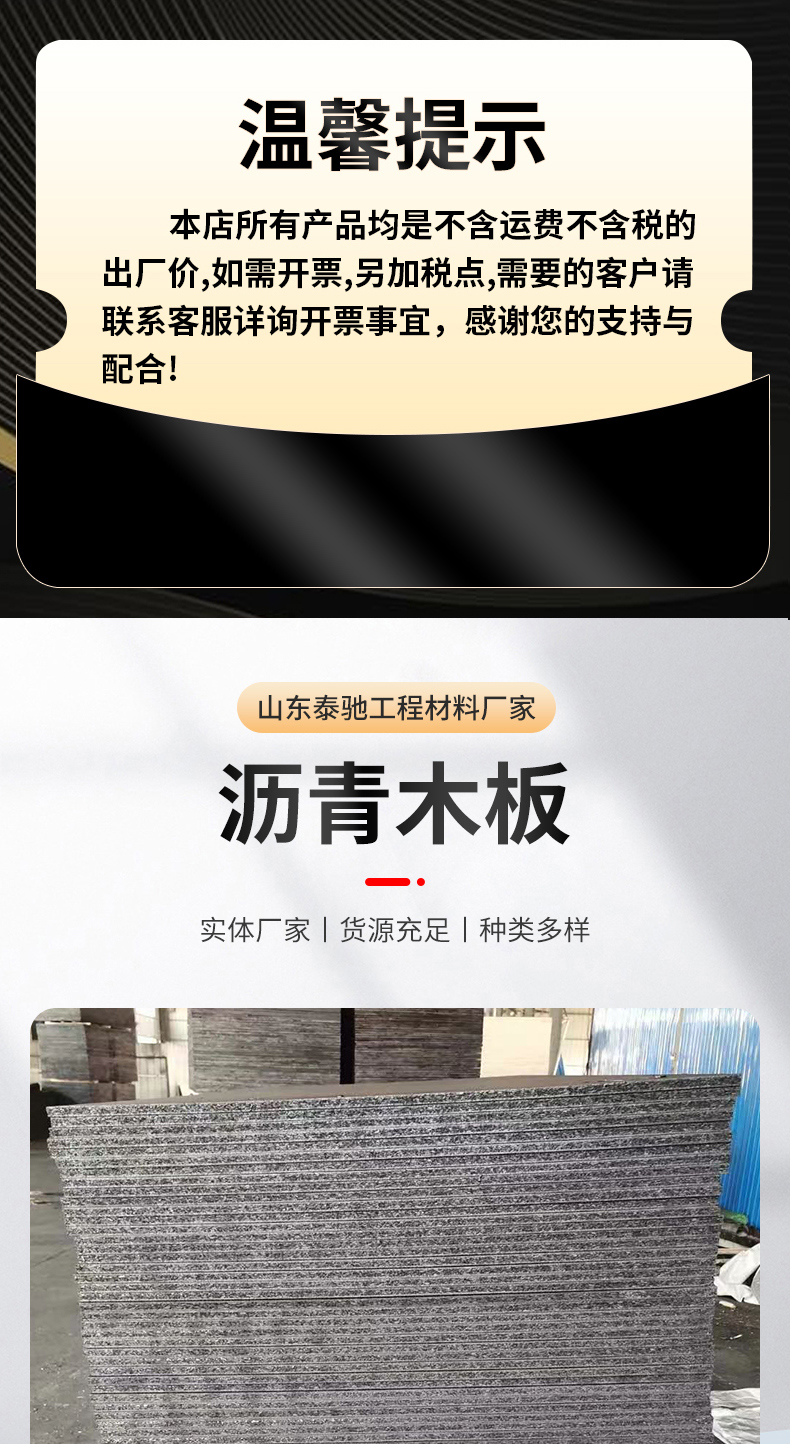
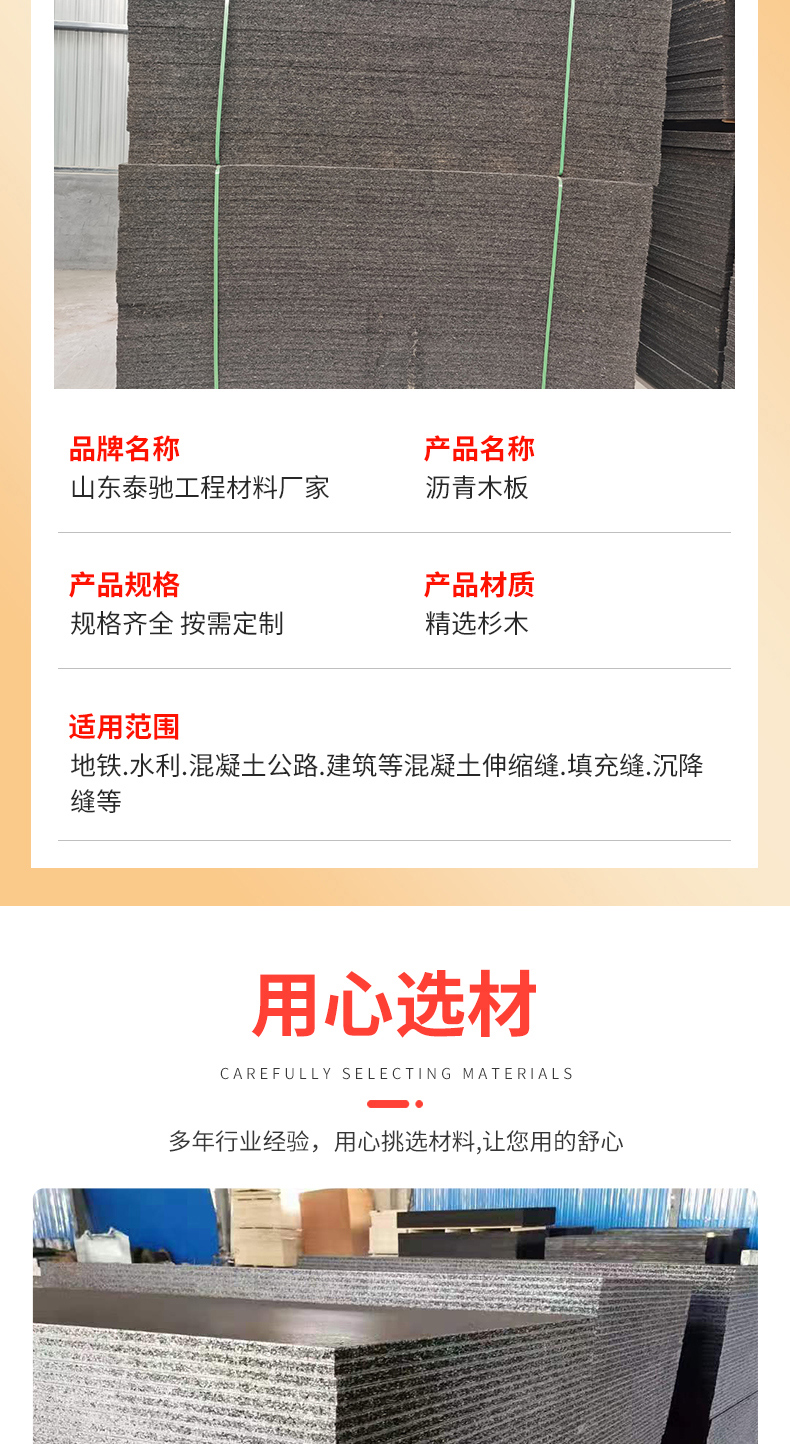
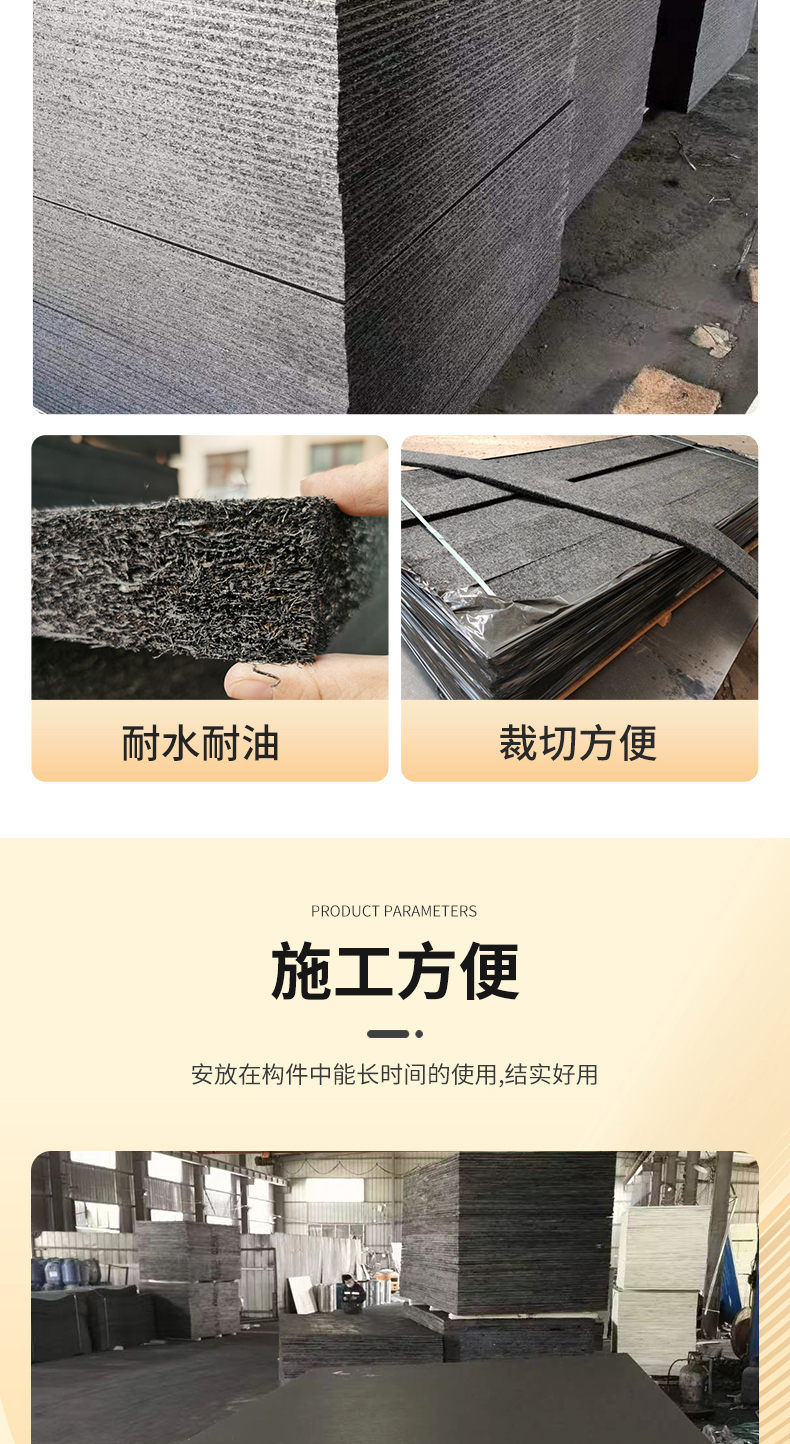
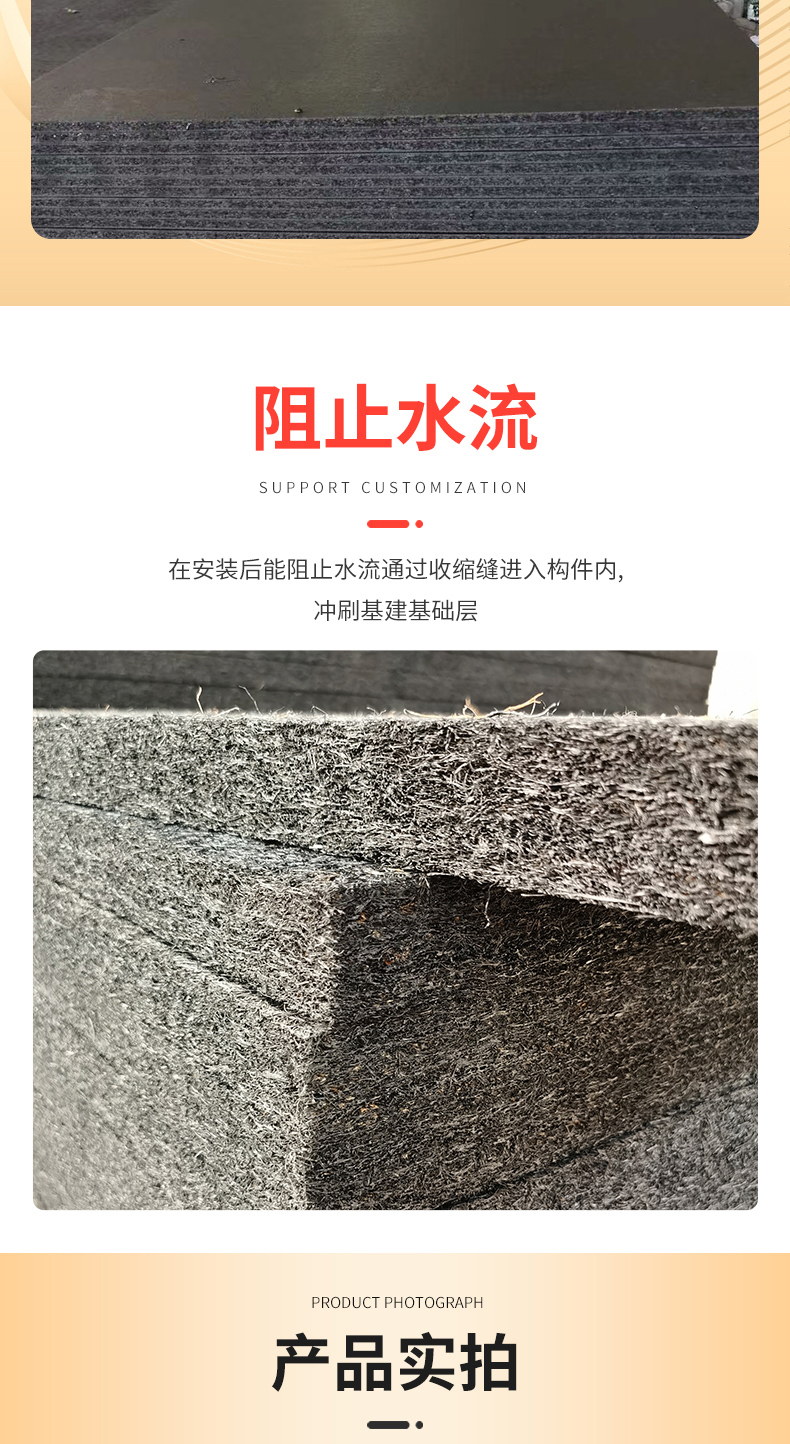
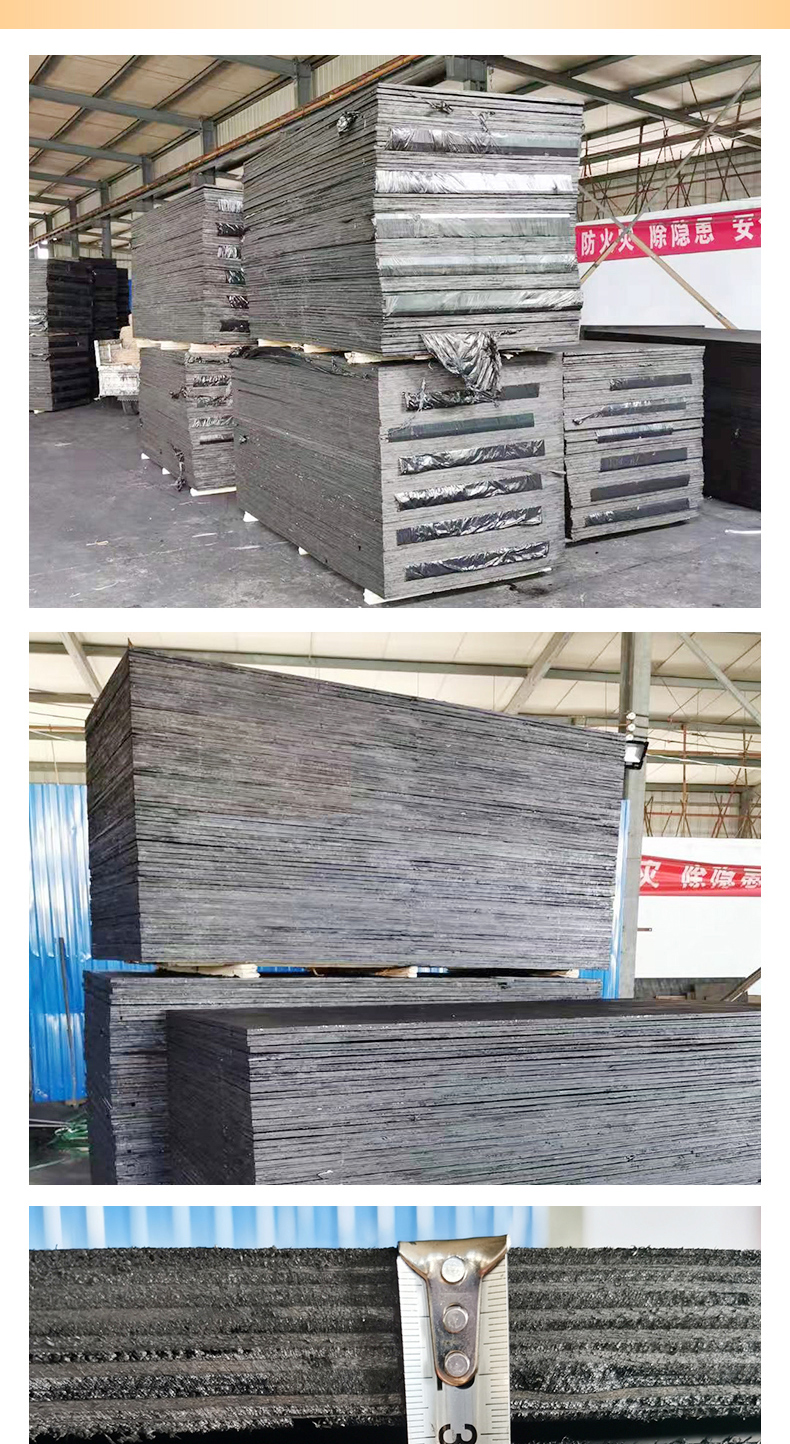
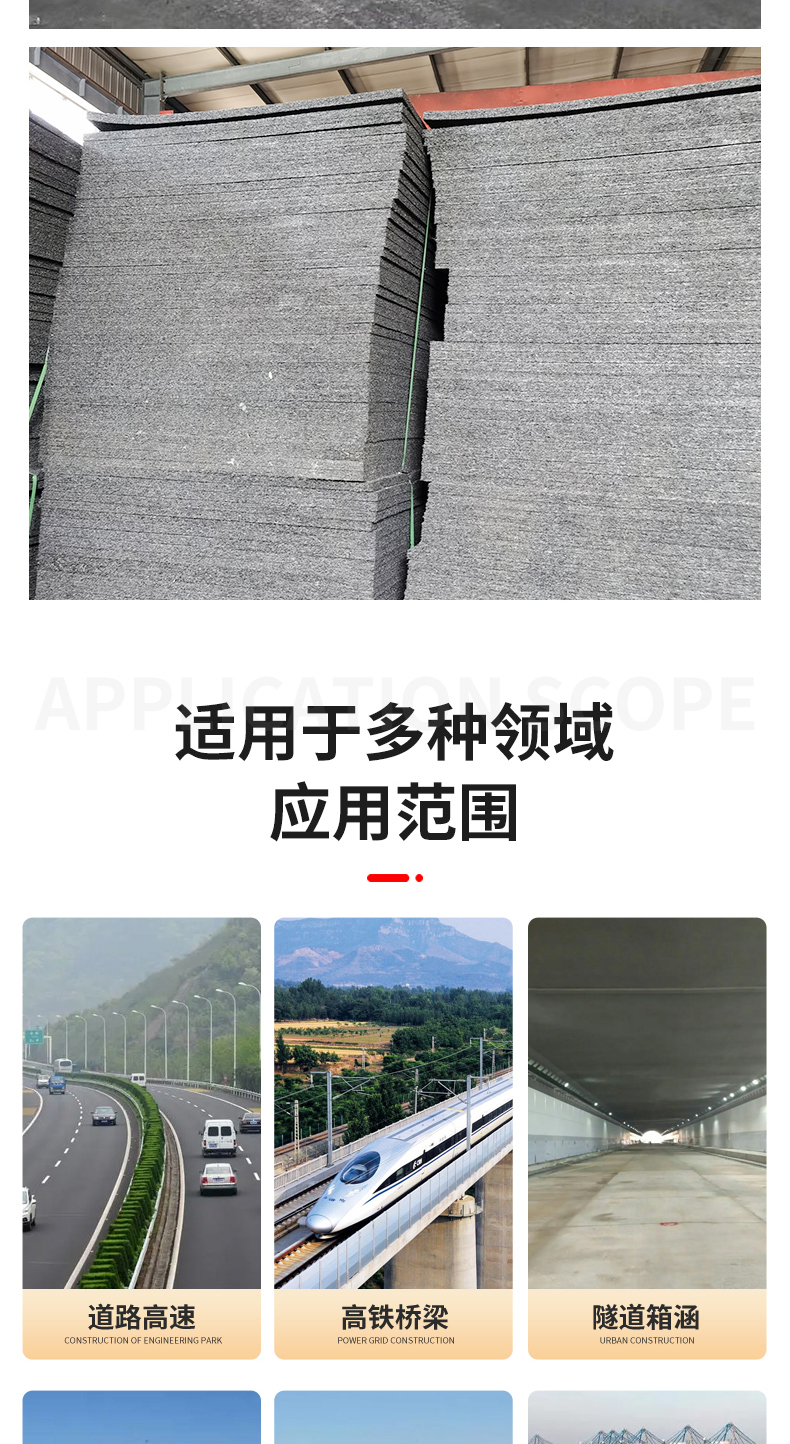
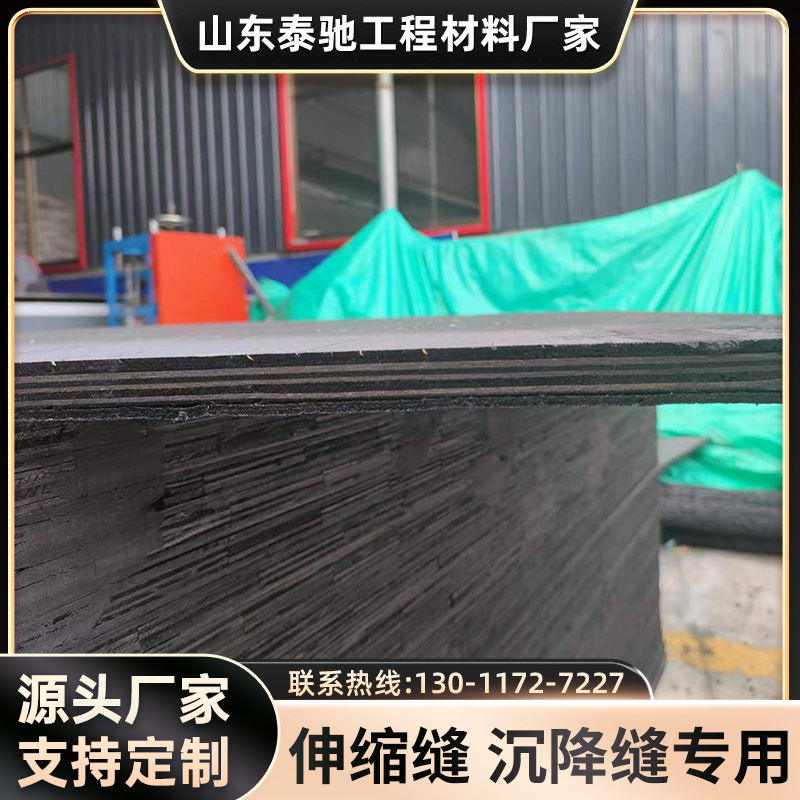
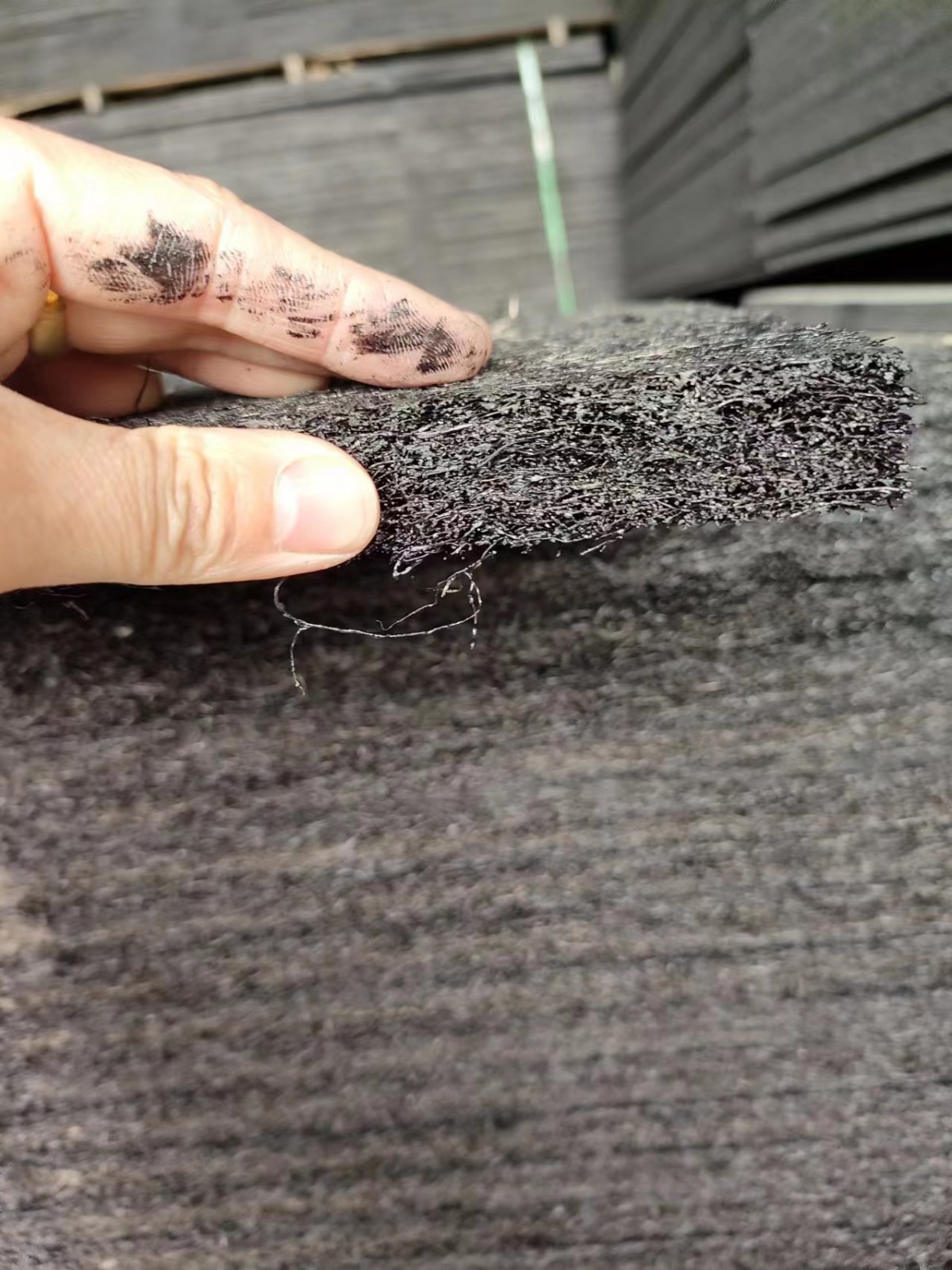
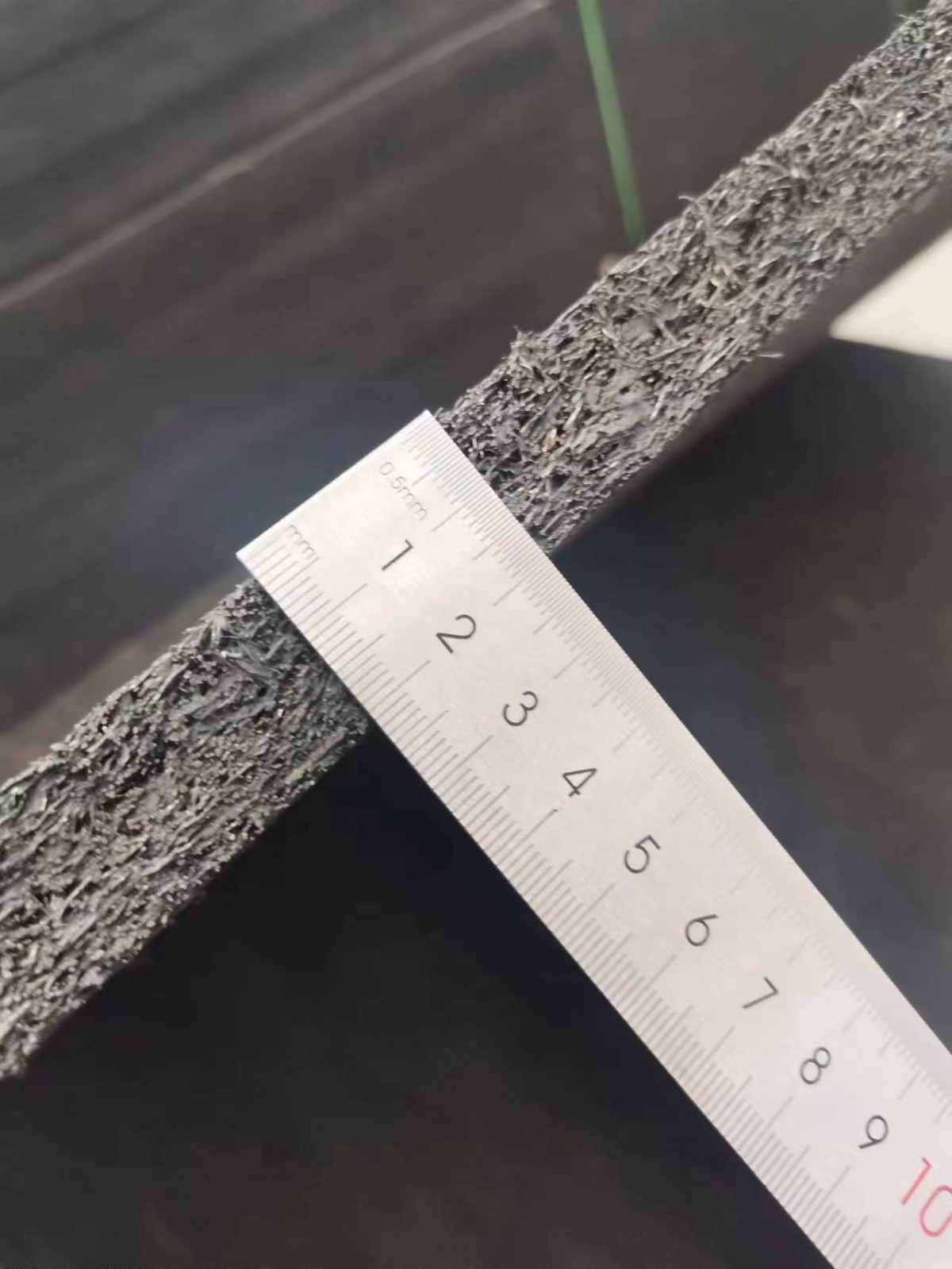
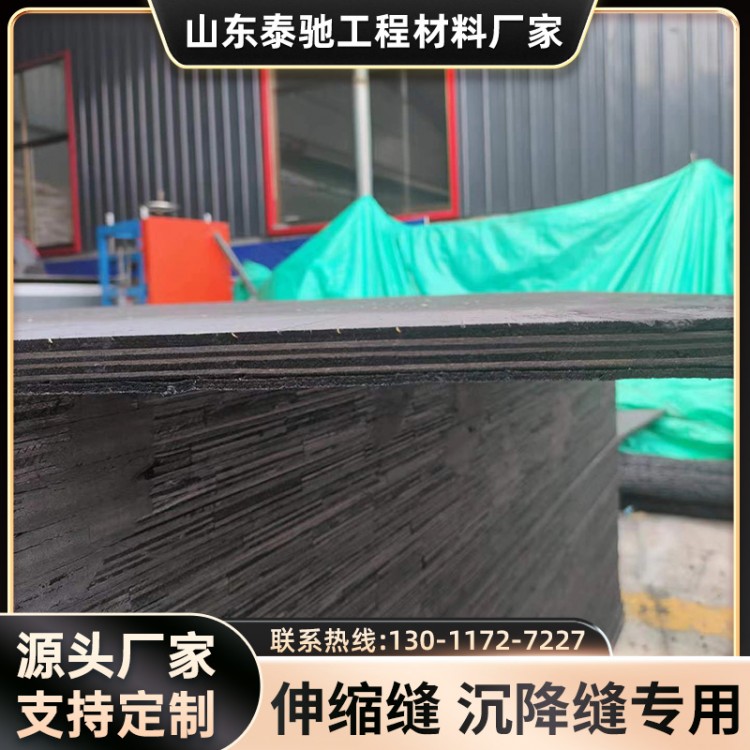
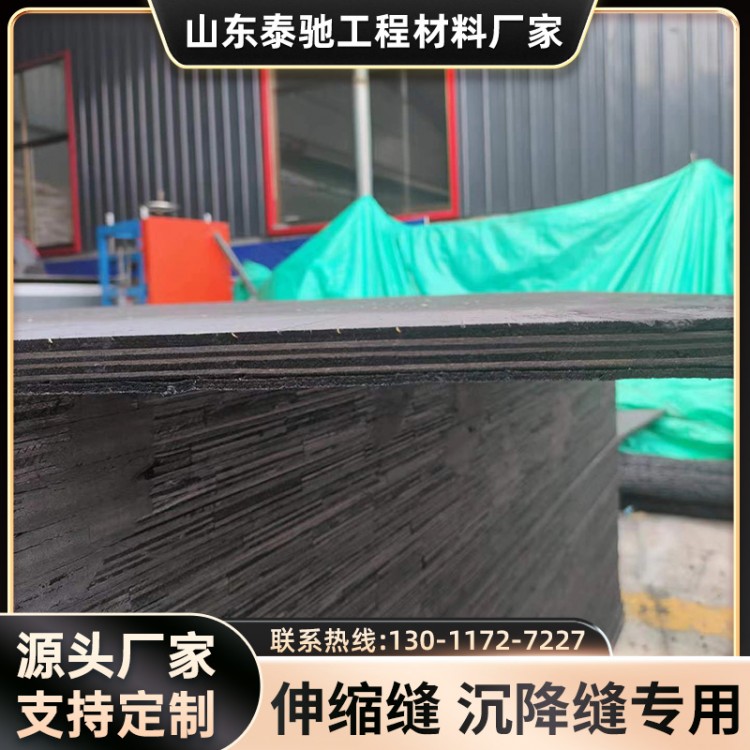
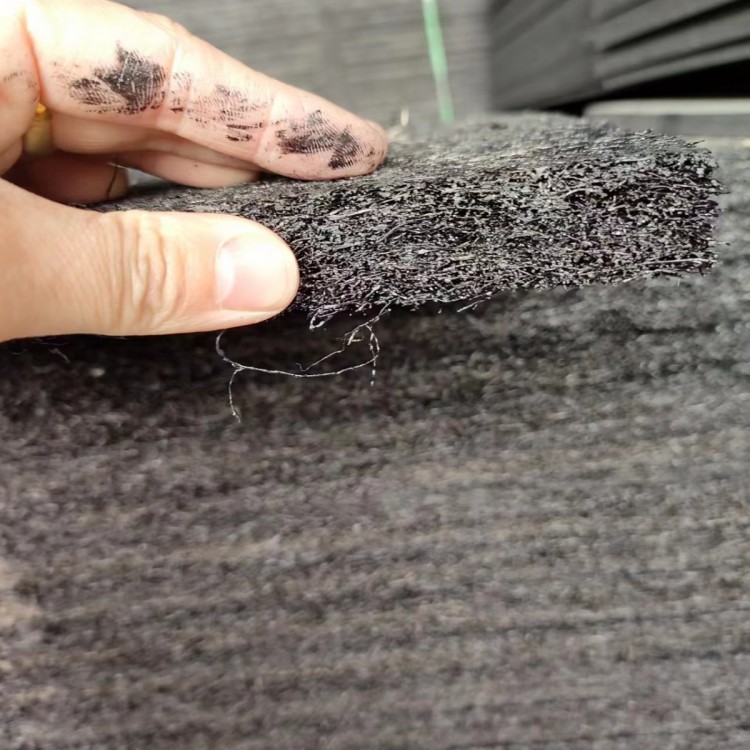
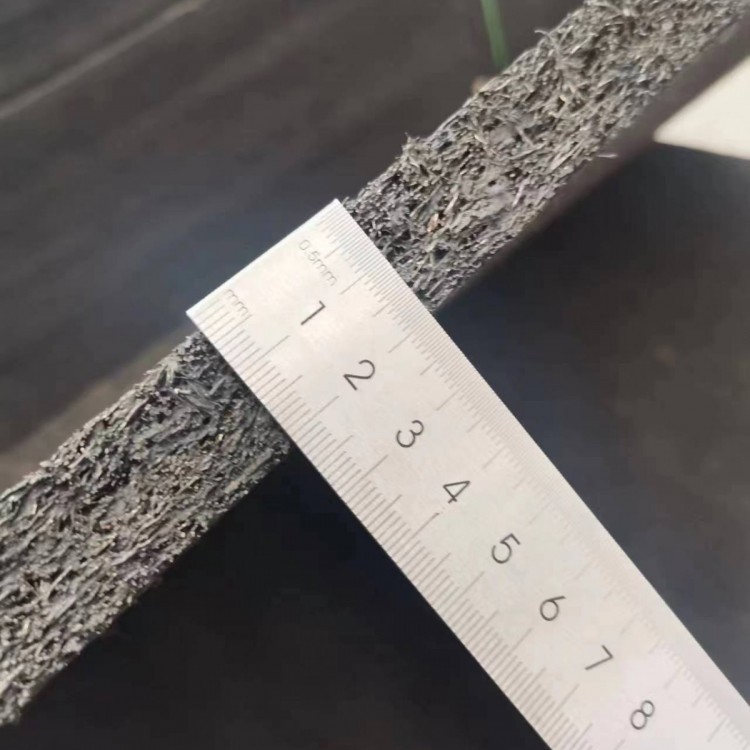
Asphalt plywood, also known as asphalt wood wool board, asphalt cedar plywood, asphalt wood chip board, asphalt fiberboard, and oil-soaked sugarcane, is available in a full range of specifications and can be customized to meet your needs.
Bitumen plywood manufacturing process
1. Manufacture cedar boards to the specified dimensions as per design requirements.
2. Allow the formed product to air dry, controlling the moisture content to meet specifications, usually less than 3%-5%.
3. Soak the boards in asphalt within the asphalt steam boiler pond.
This asphalt wood expansion joint filler is acid-resistant, alkali-resistant, water-resistant, oil-resistant, mildew-resistant, fatigue-resistant, and boasts excellent anti-aging properties. It can withstand temperatures ranging from -200 to 150 degrees Celsius, and is widely used in various fields requiring moisture-proofing and other specifications.
Our company produces asphalt board expansion joint fillers for road, bridge, and construction expansion joints, settlement joint filling materials, and other expansion joint fillers. The asphalt board expansion joint fillers meet national standards in terms of water resistance and resistance to hydrochloric acid and other key indicators. These fillers have a service life of over 50 years, do not age, rot, mildew, or become infested with insects. The specifications of the asphalt cedar board expansion joint fillers are produced according to design requirements. The company continuously improves product quality and technological level, ensuring that the products produced on our excellent production line offer corrosion resistance, thermal insulation, and a long service life, giving both new and old customers peace of mind and satisfaction. Our company can deliver goods nationwide to the cities where customers are located.
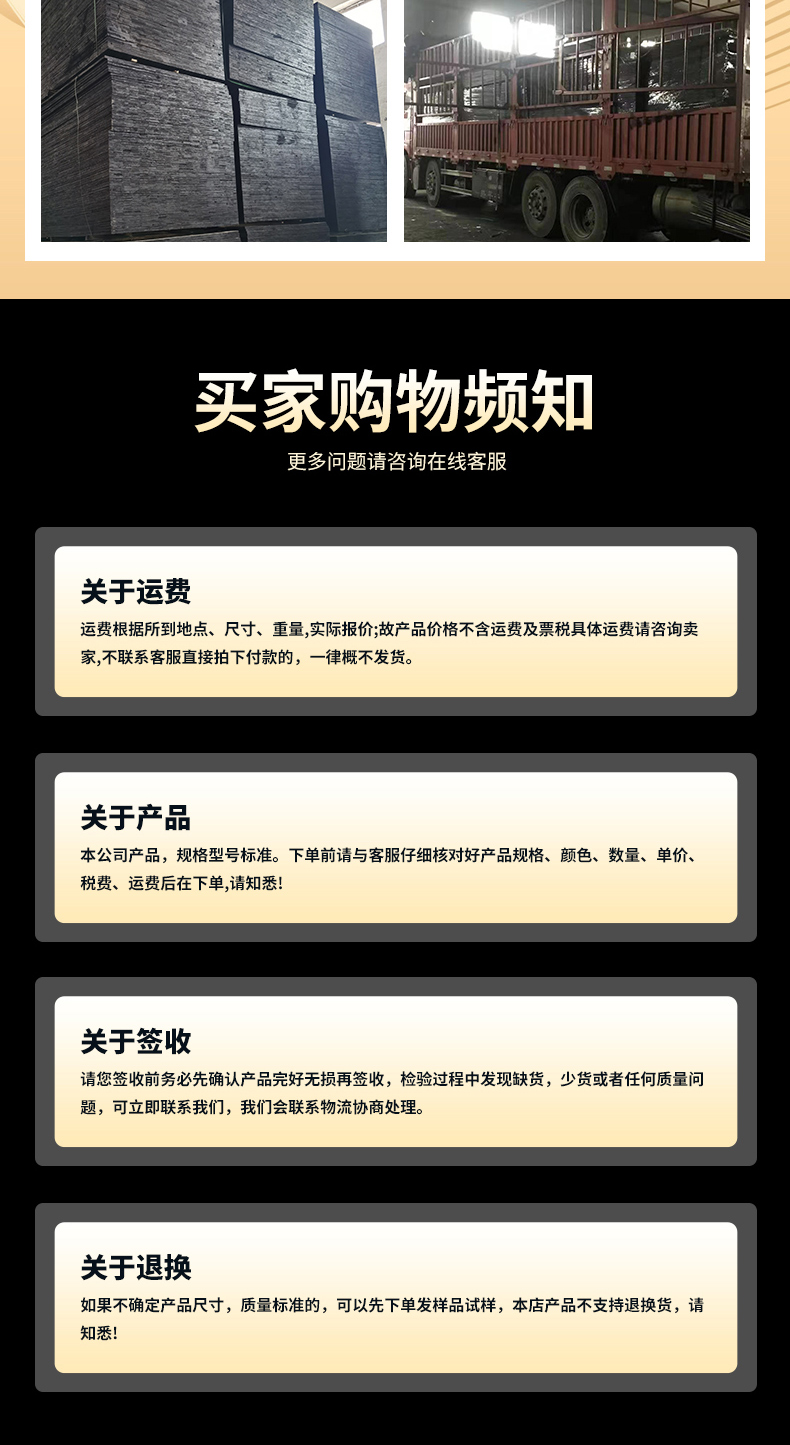
Application Scope
Joint plates for concrete highway expansion joints.
2. Road and bridge joint waterstop boards.
3. Expansion joints for embankments, retaining walls, energy dissipation grooves, slope protection, and retaining walls.
4. Building settlement joints and filler boards for frame structures.
5. Water supply and wastewater treatment plant water storage tank sealing plates.
6. Airport runways, ports, docks, concrete expansion joints plates.
7. Water-filled concrete tunnel and pipeline joints.
8. Concrete Waterstop Joints for Subway and Underground Passages