











Product Introduction
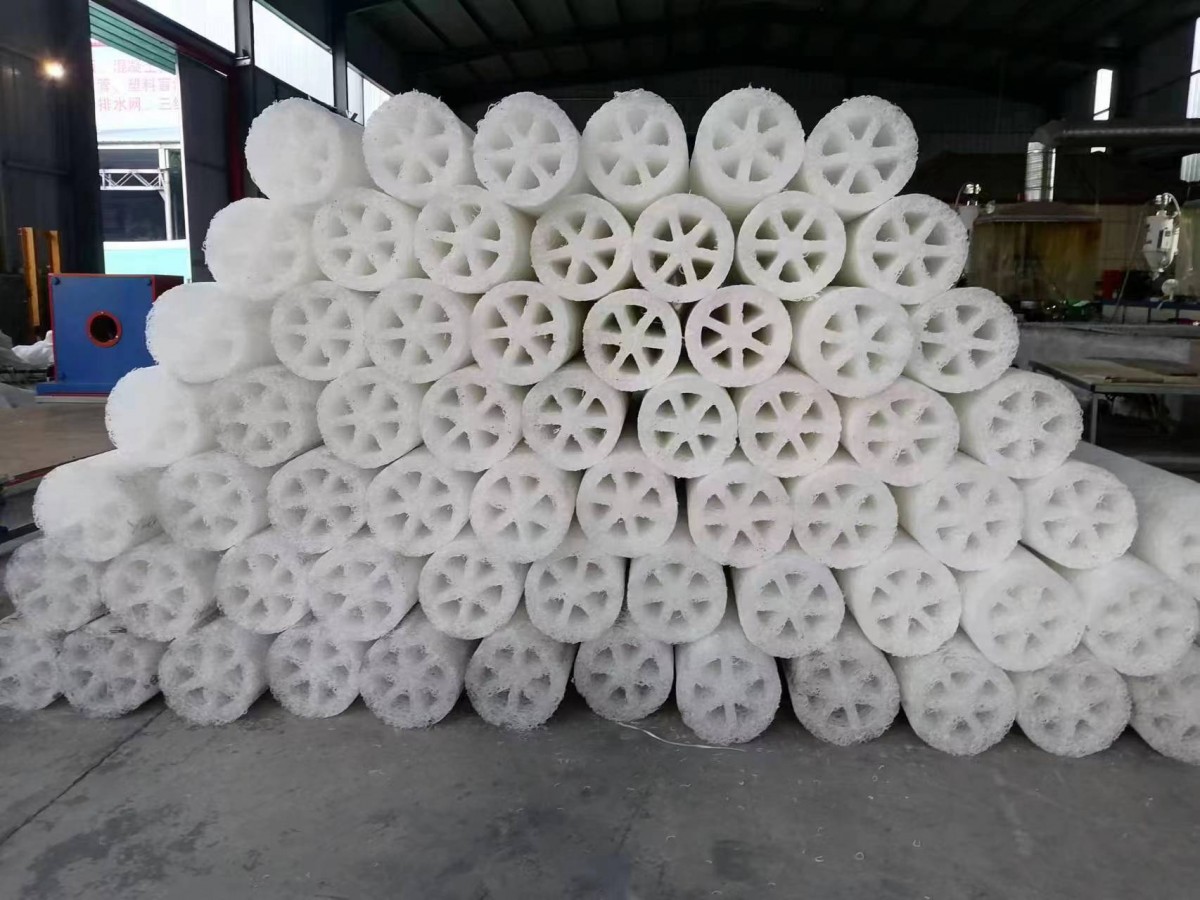
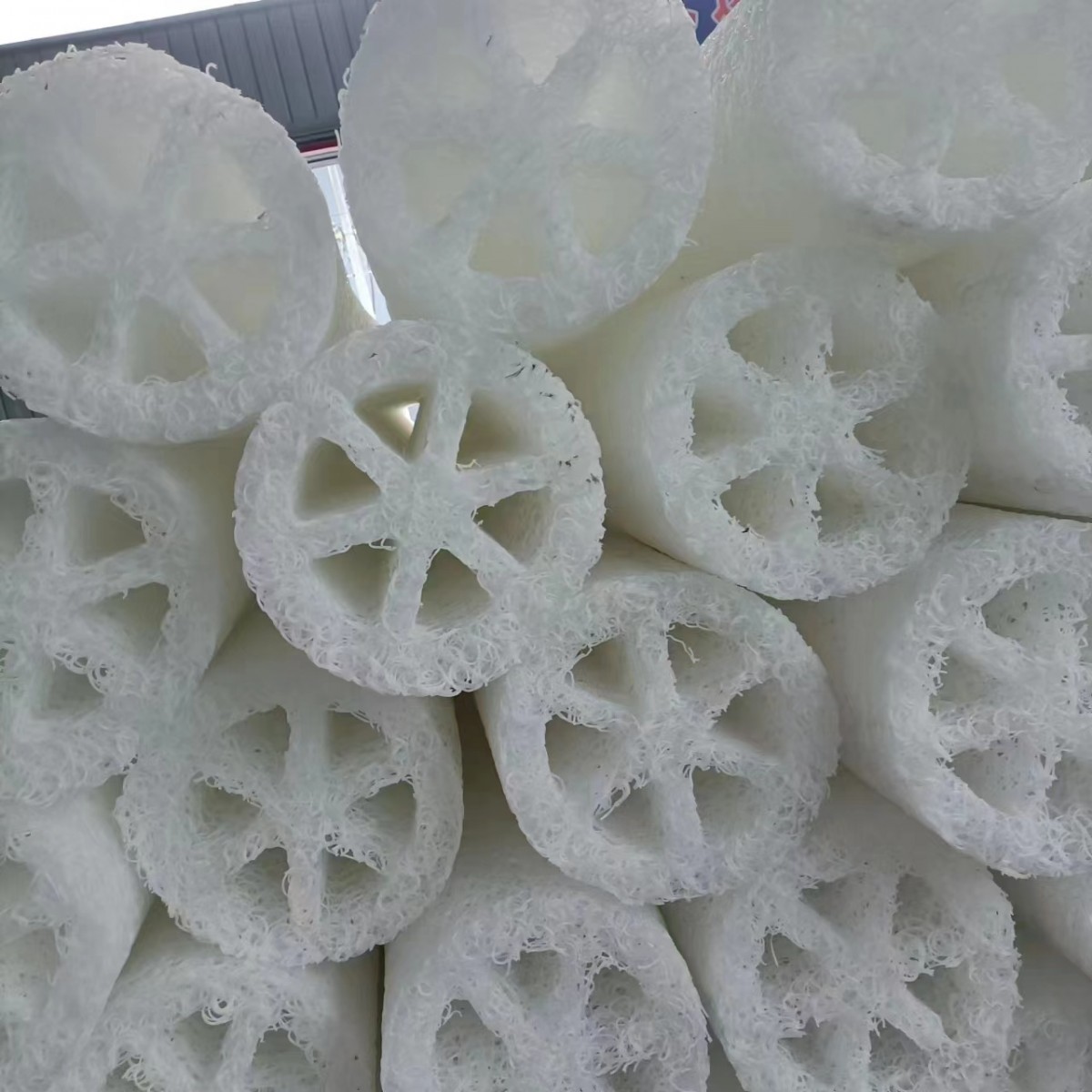
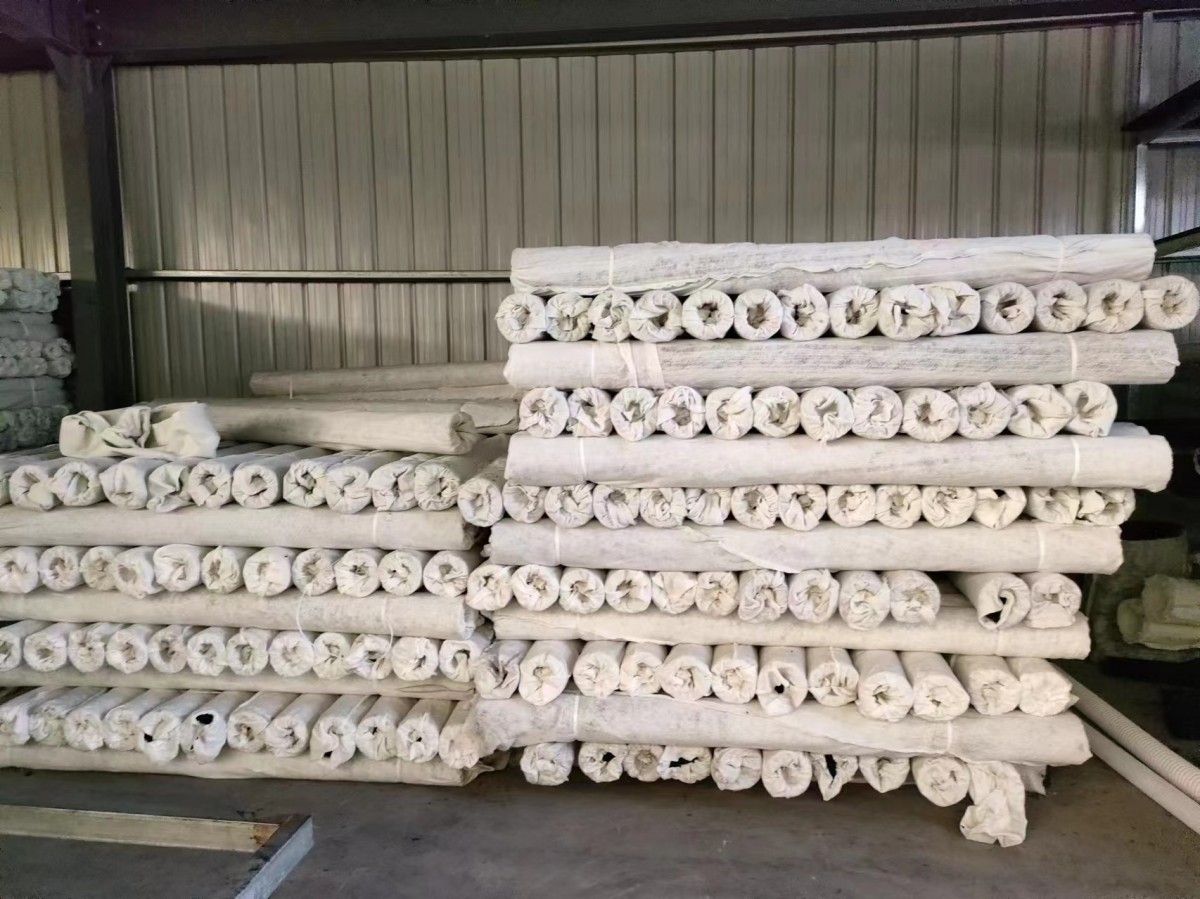
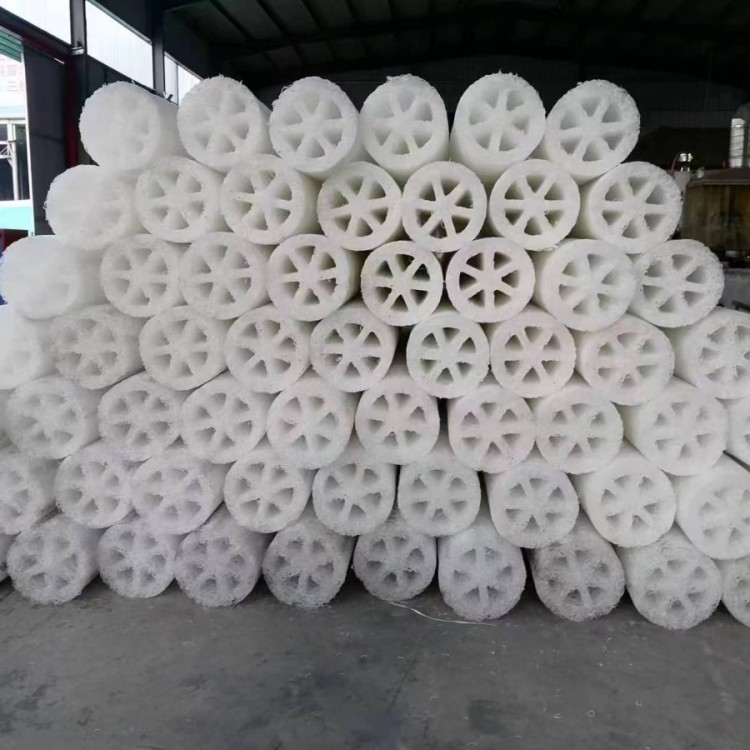
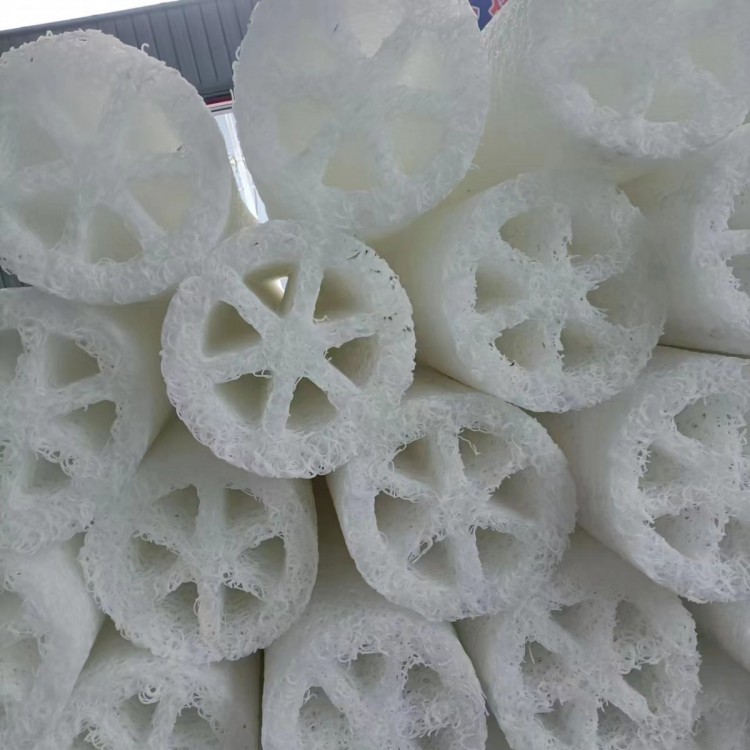
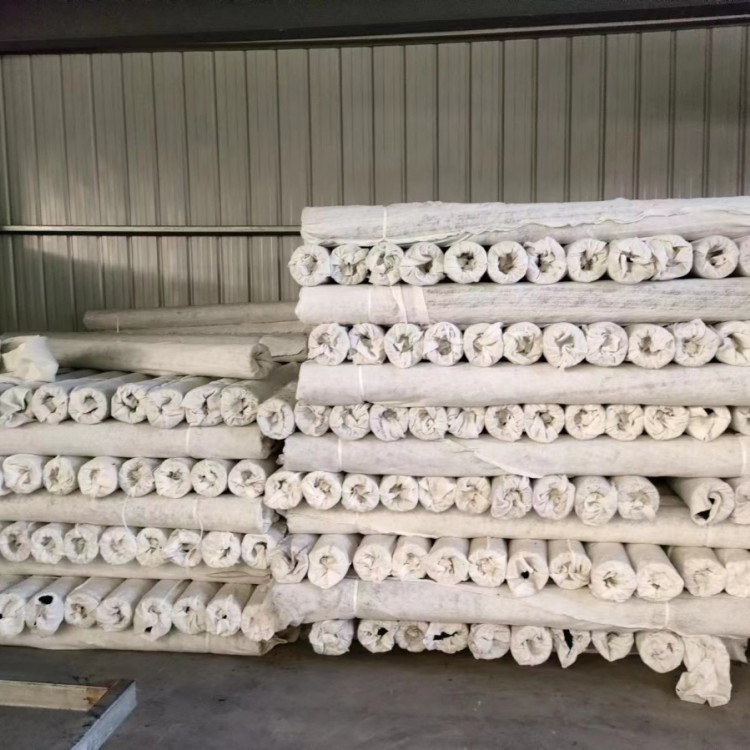
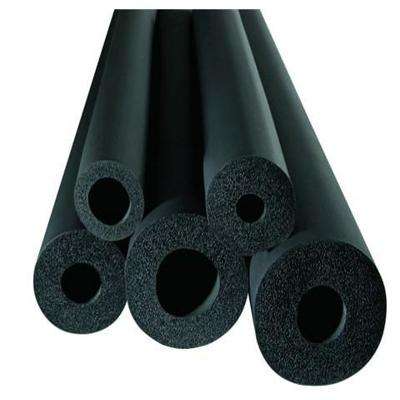
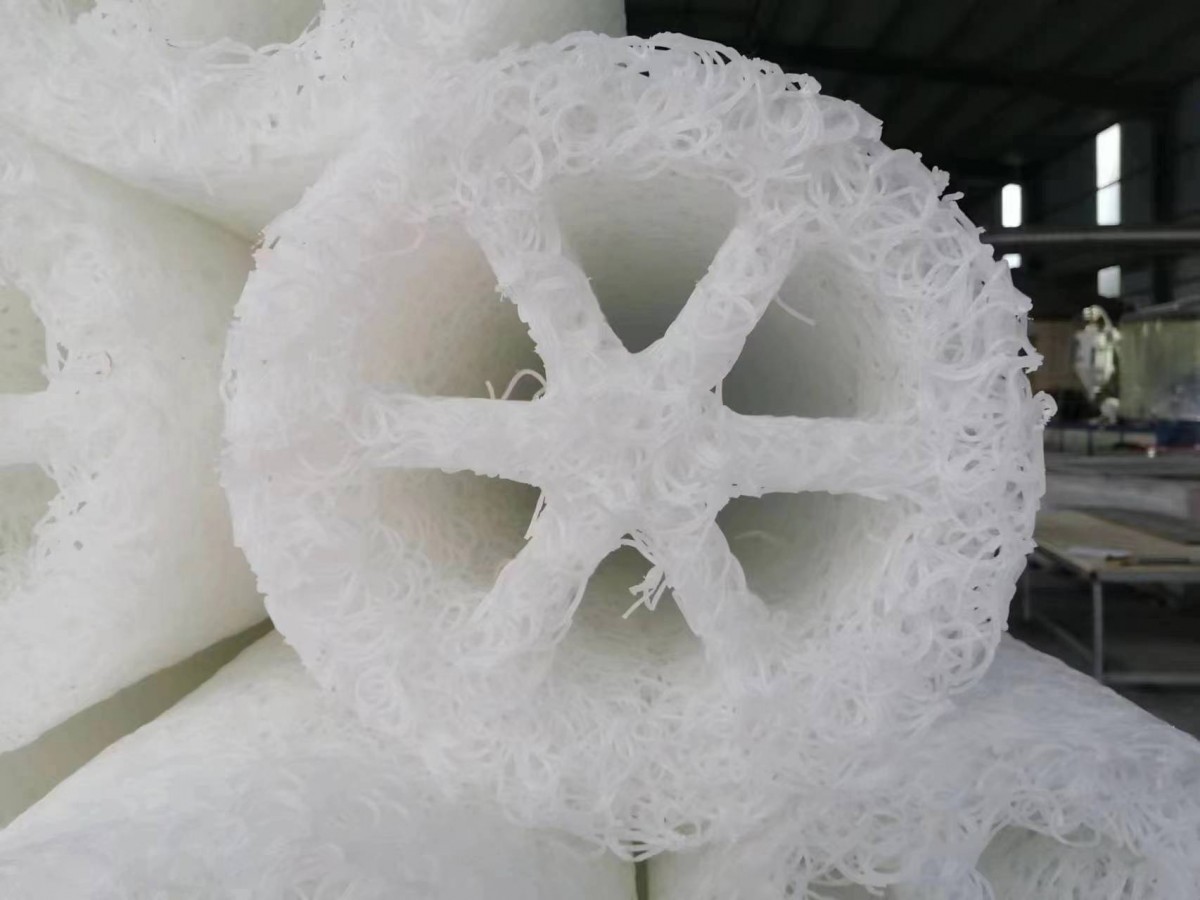
Blind pipes, also known as plastic blind pipes or drainage blind pipes/ducts, are a three-dimensional, porous material formed by stacking fiber filaments melted and extruded through a nozzle from thermoplastic synthetic resin, and then fused at their junction points. They are wrapped with geotextile as a filter membrane and come in various sizes. Used for over twenty years internationally, they have been widely welcomed in the engineering community.
Performance Features
1. Blind pipes have high compressive strength, excellent pressure resistance, and good recovery properties. There is no issue of drainage failure due to overloading or other causes.
2. The blind pipe features uniformly distributed surface openings, significantly exceeding those of other similar products. It effectively collects seepage water from the soil and promptly channels it away.
3. Features include degradation in soil and water, resistance to aging and ultraviolet radiation, high-temperature resistance, corrosion resistance, and retention of material integrity over time.
4. The filter membranes for blind pipes can be selected according to different soil conditions, fully meeting engineering requirements and avoiding the drawbacks of single product filters being uneconomical.
5. Field installation and construction of blind pipes is extremely convenient, reducing labor intensity and significantly accelerating construction efficiency.
6. High flexibility and strong ability to adapt to soil deformation, preventing accidents such as failure of collection and drainage due to overloading, severe foundation deformation, and uneven settlement.
7. Under the same drainage effect, the material, transportation, and construction costs of blind pipes are all lower than those of other types of blind ditches, resulting in a lower overall cost.
Application Scope
Road and rail embankment/shoulder reinforcement and drainage.
Landscaping green areas, parks, sports fields, golf courses, garage roofs, etc., for rest and drainage of green spaces.
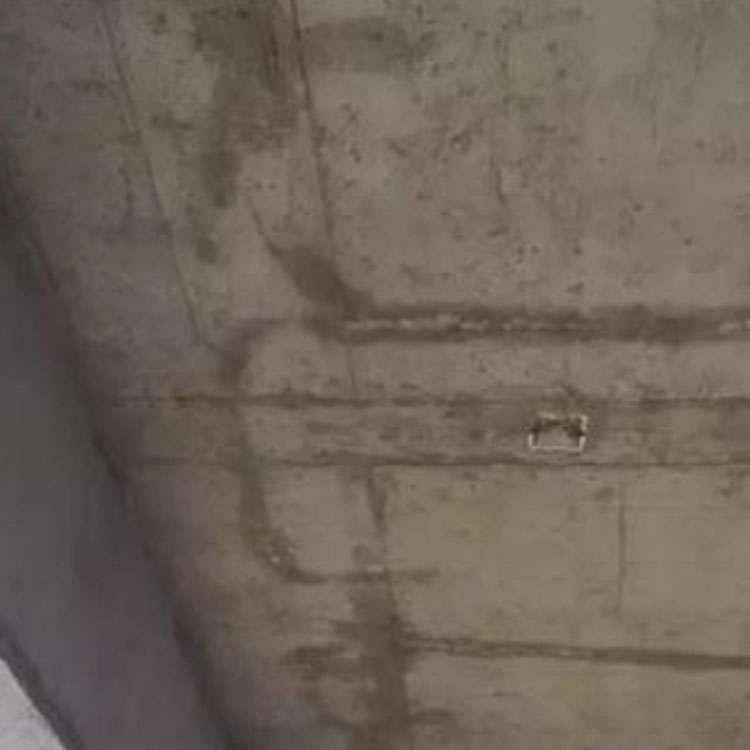
Tunnel, subway underpasses, and underground warehouse drainage.
Soil and water conservation for slope and embankment development.
Construction foundation drainage works.
Agricultural and horticultural underground irrigation and drainage systems.
Coal-fired power plant ash pond drainage, landfill engineering drainage.
Various retaining wall vertical and horizontal drainage.