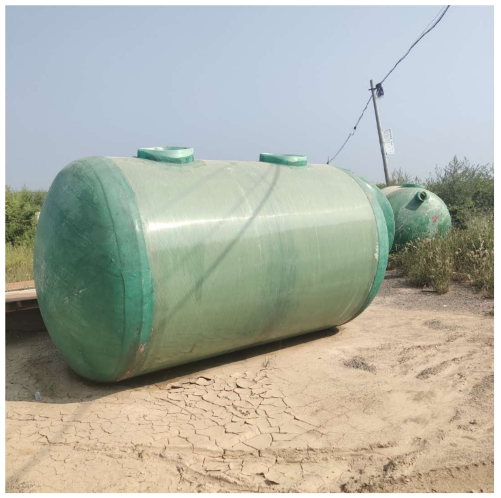














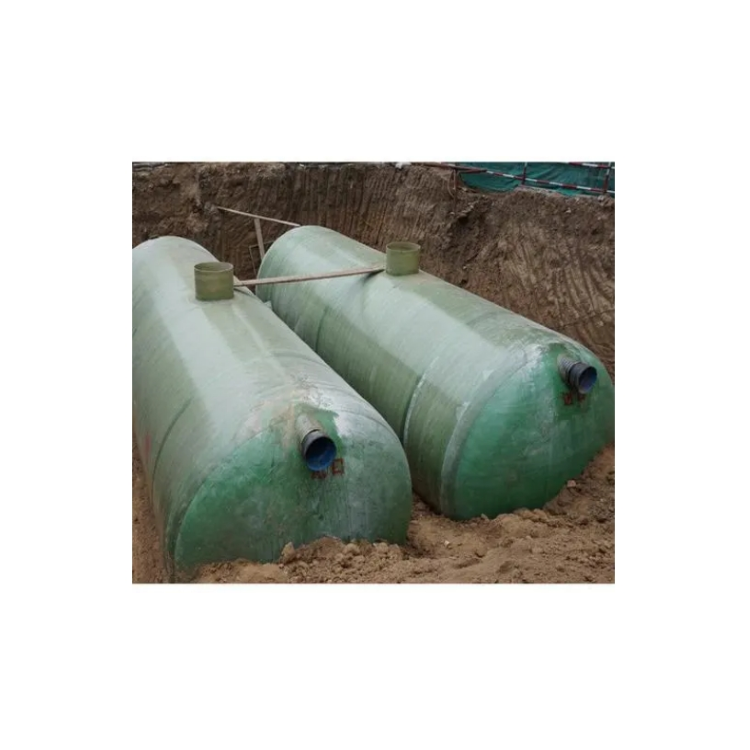
A high-efficiency, lightweight, and cost-effective wastewater treatment equipment, made of high polymer composite materials, boasts numerous advantages and is suitable for use in urban residential areas, townships, office buildings, hotels, schools, scenic spots, and villa communities for wastewater treatment.
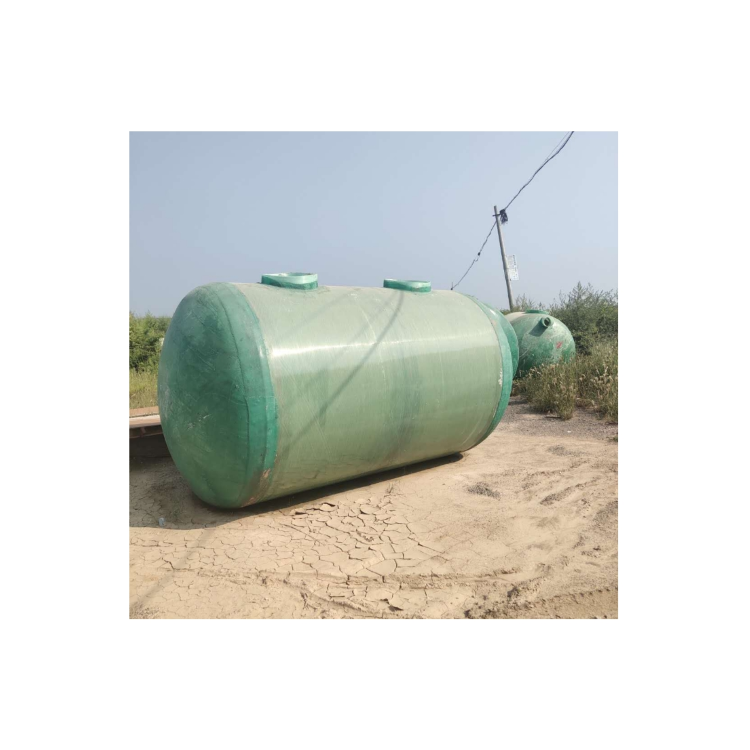
Glass-fiber reinforced concrete septic tanks are designed and used based on sedimentation and anaerobic fermentation principles, specifically for treating domestic wastewater. They require no external power or operational costs, saving energy, are easy to manage, and offer excellent social, environmental, and economic benefits.
The main features of the glass-fiber reinforced septic tank include:
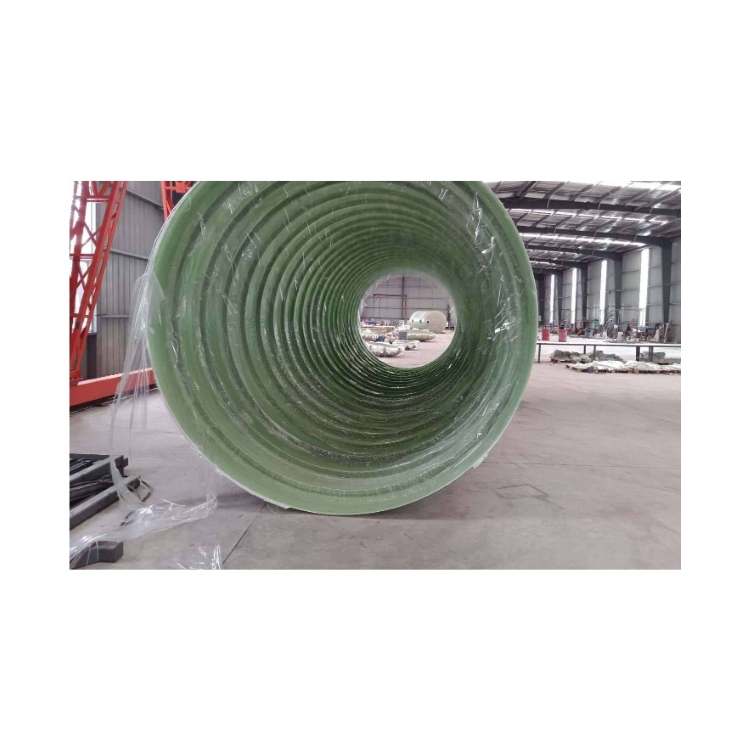
High Strength: Utilizing a design with a circumferential dense corrugated structure, it boasts high compressive and impact resistance. Compared to traditional cylindrical and spherical arch structures, its strength is several times greater, capable of withstanding substantial pressure and impact.
Corrosion-Resistant: Glass fiber material boasts excellent corrosion resistance, capable of withstanding the erosion of acids, alkalis, and other chemicals, ensuring a long service life.
Sealed integrity: Entirely integrated manufacturing process and craftsmanship address the leakage and crack issues prevalent in traditional septic tanks, preventing groundwater pollution and environmental hazards.
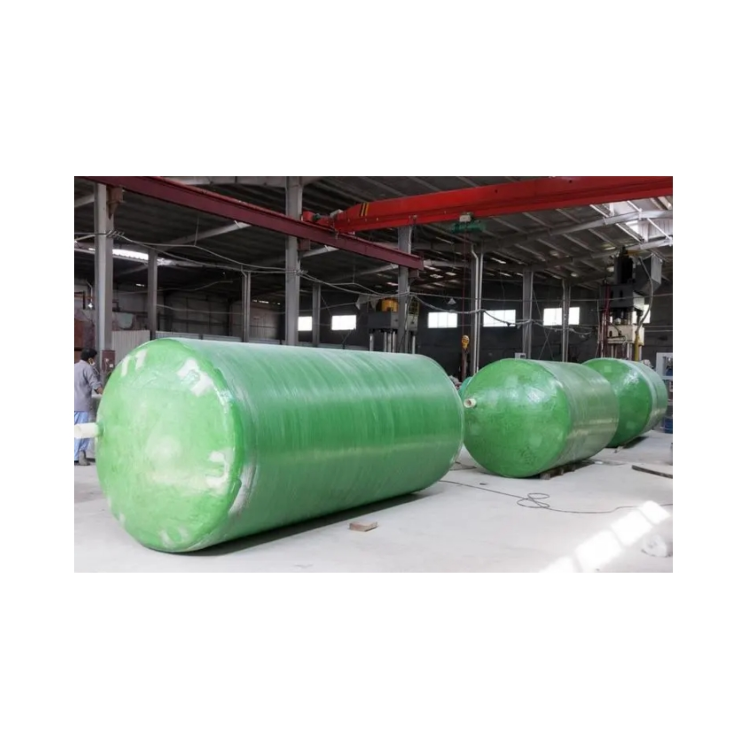
Low Cost: Utilizing mass production, factory automation, and mechanization, we save on labor and materials, resulting in a comprehensive low cost.
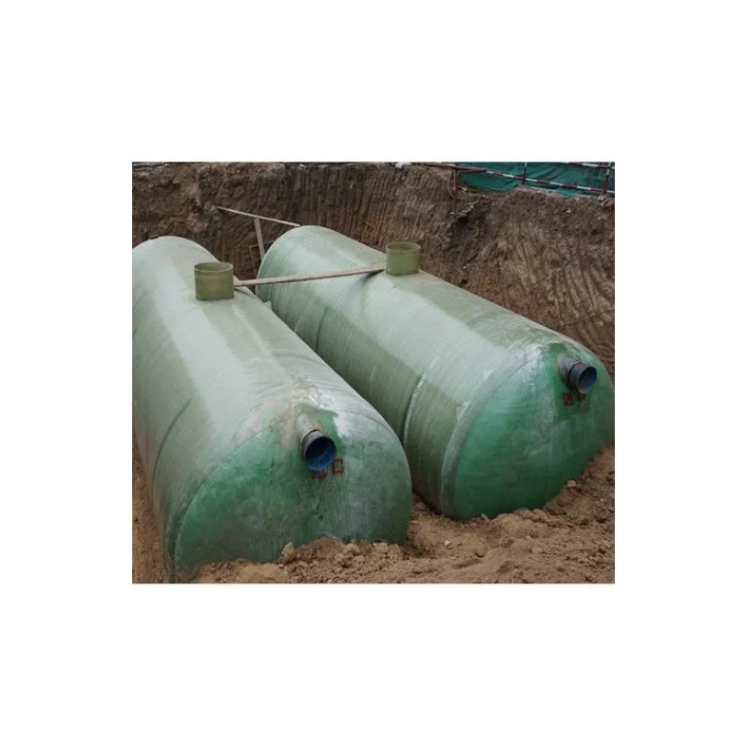
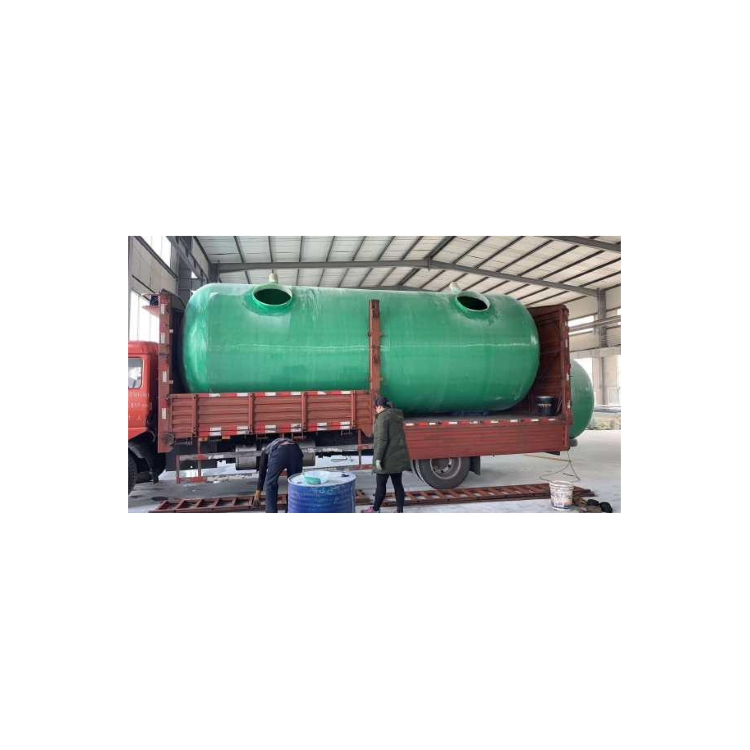
Easy Installation: Factory-fabricated with complete production and transportation, installation is quick and convenient, with a short construction period and low costs.
The structural design of the glass-fiber septic tank is also unique, featuring a horizontal cylindrical shape.
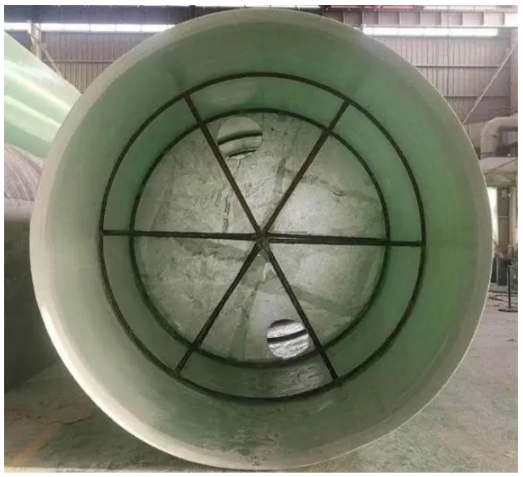
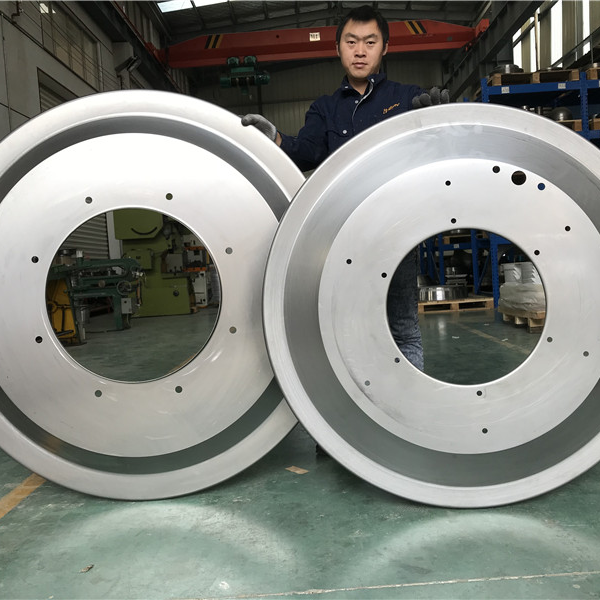
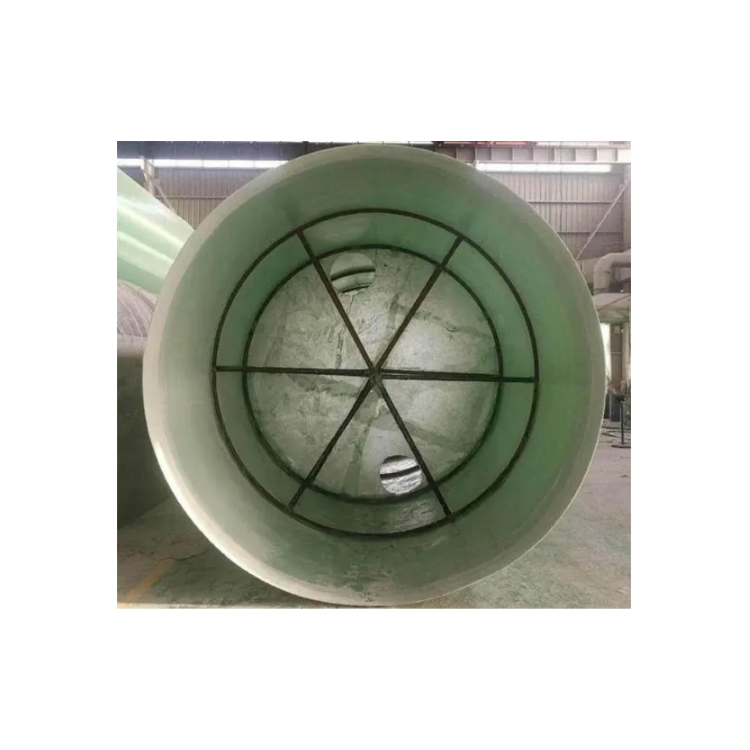
End caps typically feature a concave-convex surface design for mechanical properties, internally equipped with baffles. The holes in the baffles are misaligned vertically, preventing short circuit flows and dividing the tank into multiple sections.
First-tier anaerobic chamber, second-tier anaerobic chamber, and clarification chamber, etc., degrade and purify organic pollutants in wastewater through the microorganisms on the biofiller, significantly enhancing the reaction efficiency.
In addition, glass fiber reinforced septic tanks also offer advantages such as a small footprint, making them one of the representatives of environmentally friendly wastewater treatment equipment.