








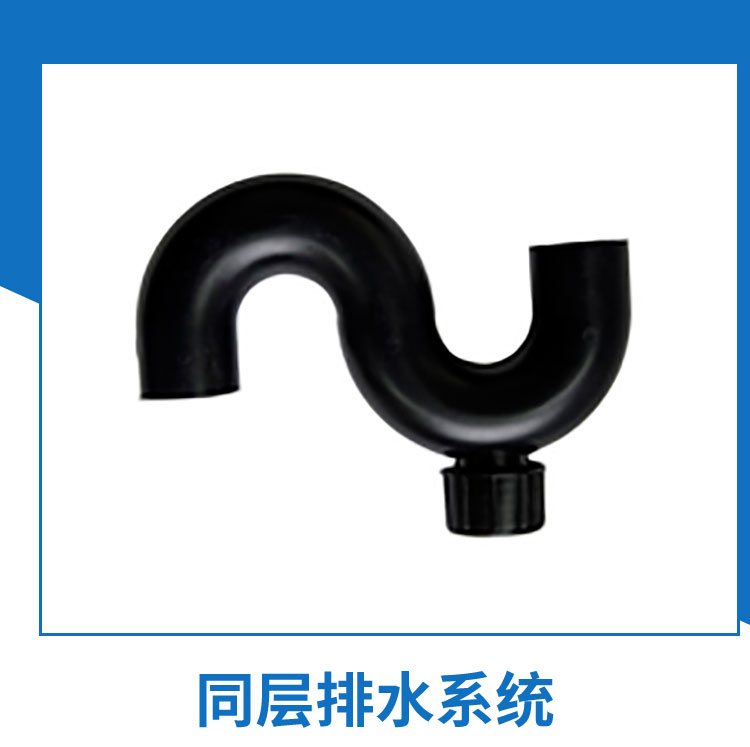
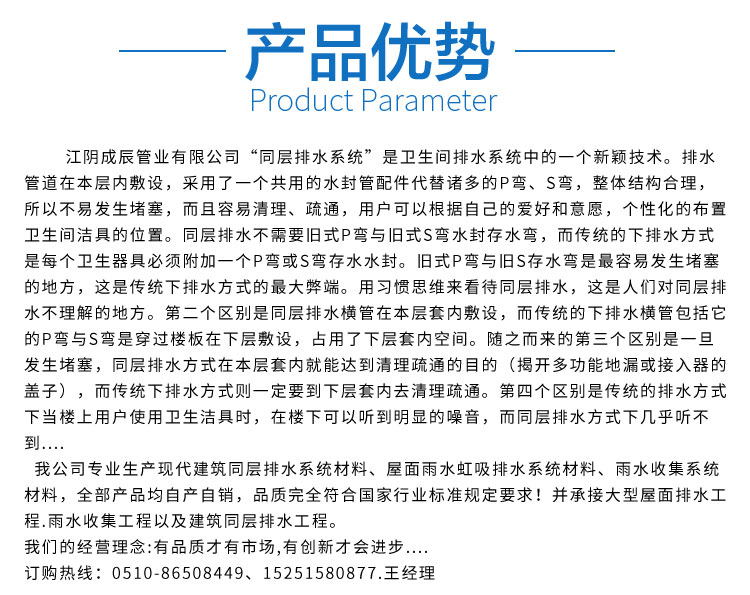
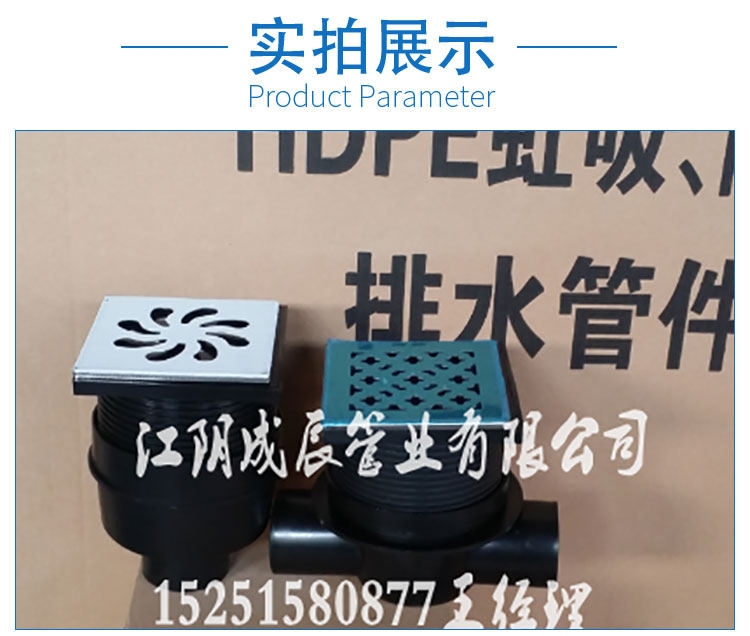
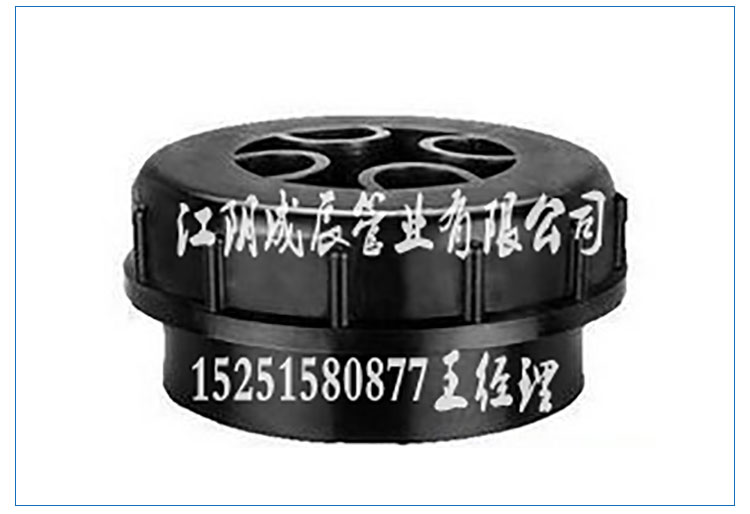
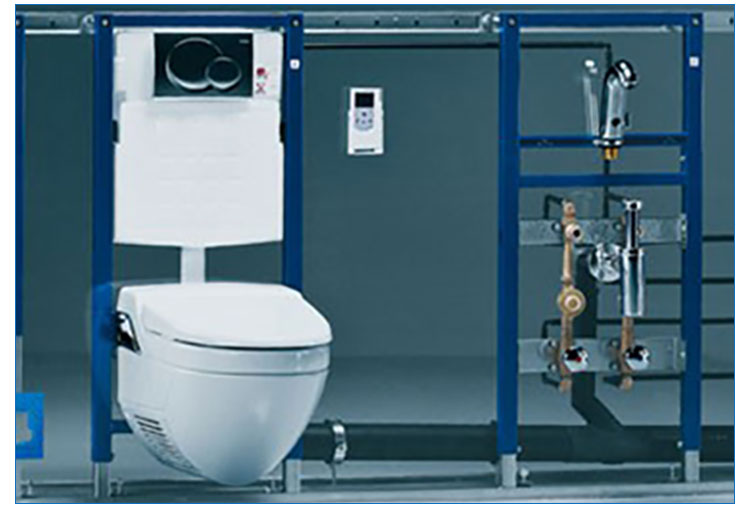
Jiangyin Chengchen Pipe Industry Co., Ltd.'s "Same-level Drainage System" is a novel technology in the bathroom drainage system. The drainage pipes are laid within the same level, using a common water seal pipe fitting instead of numerous P-bends and S-bends. The overall structure is reasonable, making it less prone to clogs and easier to clean and unblock. Users can personalize the placement of bathroom fixtures according to their preferences. The same-level drainage does not require old-style P-bends and S-bends for water seal traps, whereas traditional downward drainage requires each fixture to have a P-bend or S-bend water seal. Old-style P-bends and S-bends are the most prone to clogs, which is the biggest drawback of the traditional downward drainage method. Viewing the same-level drainage with conventional thinking is where many misunderstand it. The second distinction is that the horizontal pipes for same-level drainage are laid within the same level, while traditional downward drainage pipes, including their P-bends and S-bends, pass through the floor to be laid in the lower level, occupying the space within the lower unit. The third distinction follows: in the event of a clog, the same-level drainage method can be cleared and unblocked within the same level unit (by removing the cover of the multi-functional floor drain or the connector), whereas the traditional downward drainage method requires clearing and unblocking in the lower unit. The fourth distinction is that under the traditional drainage method, when the upper-level user uses the toilet fixtures, there is noticeable noise in the lower level, whereas under the same-level drainage method, almost no noise is heard....
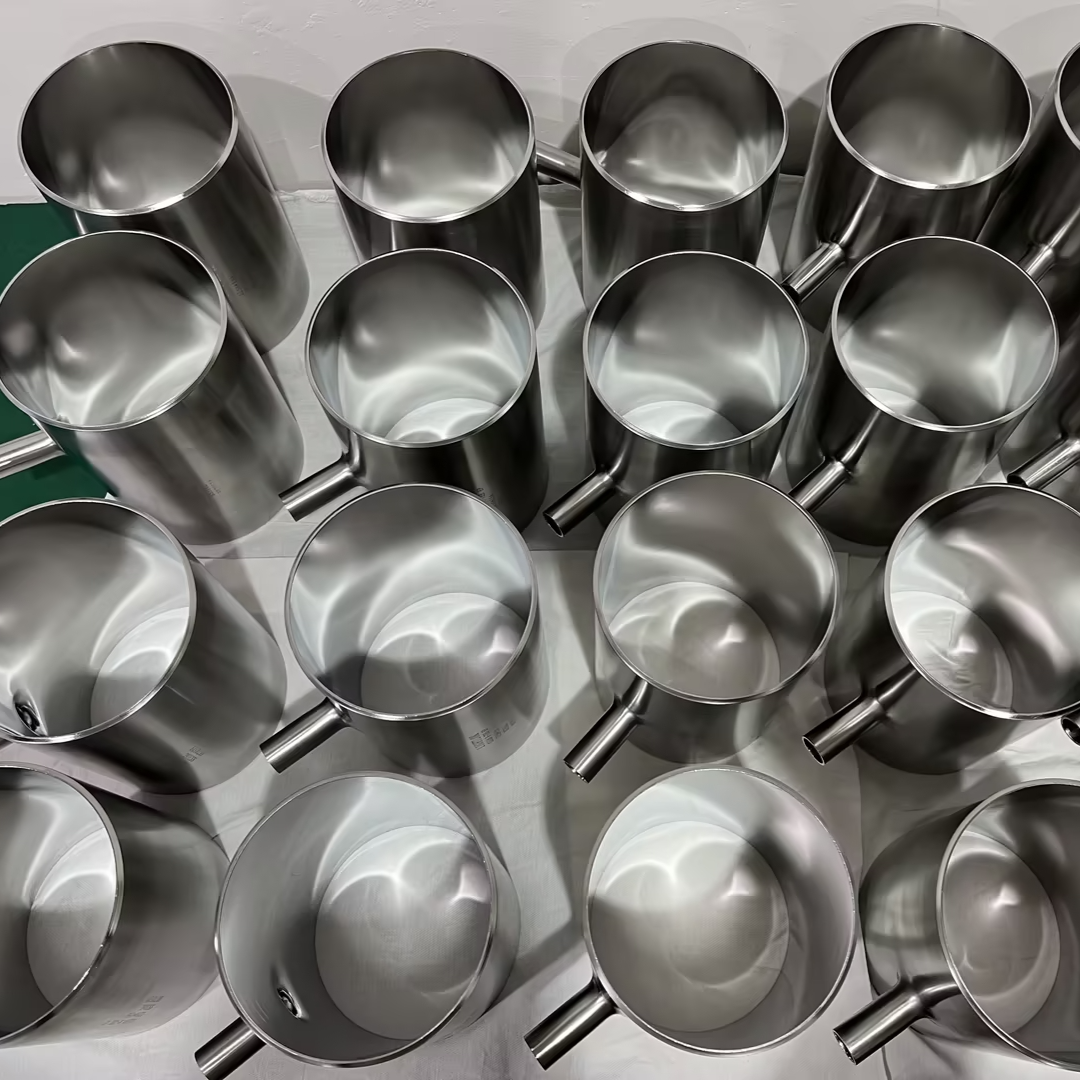
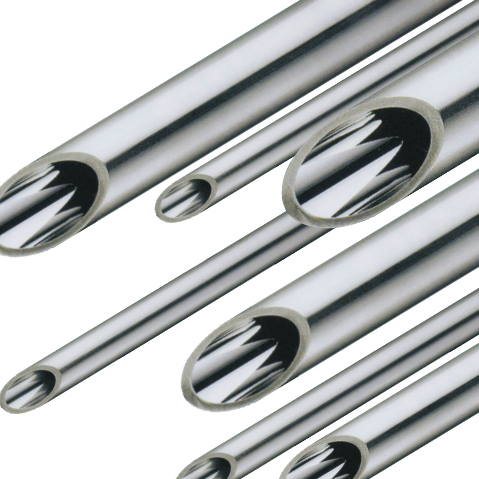
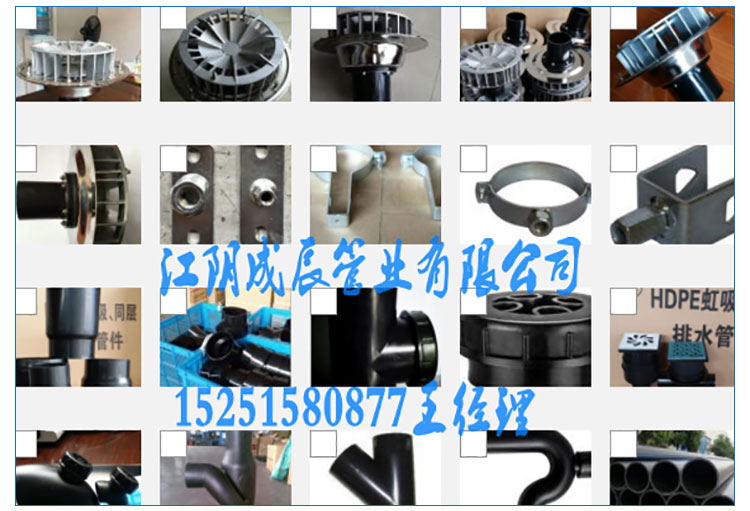
Our company specializes in manufacturing materials for modern building's same-level drainage systems, roof rainwater siphon drainage systems, and rainwater collection systems. All products are produced and sold in-house, fully compliant with national and industry standard requirements. We also undertake large-scale roof drainage projects, rainwater collection projects, and building same-level drainage projects.