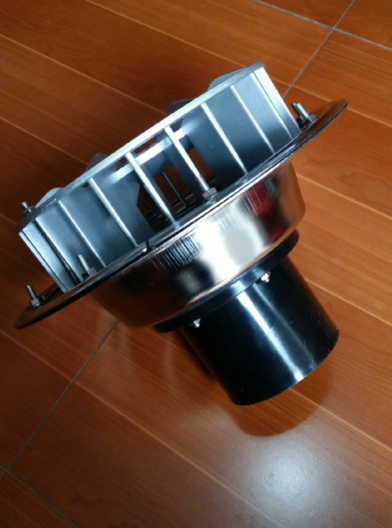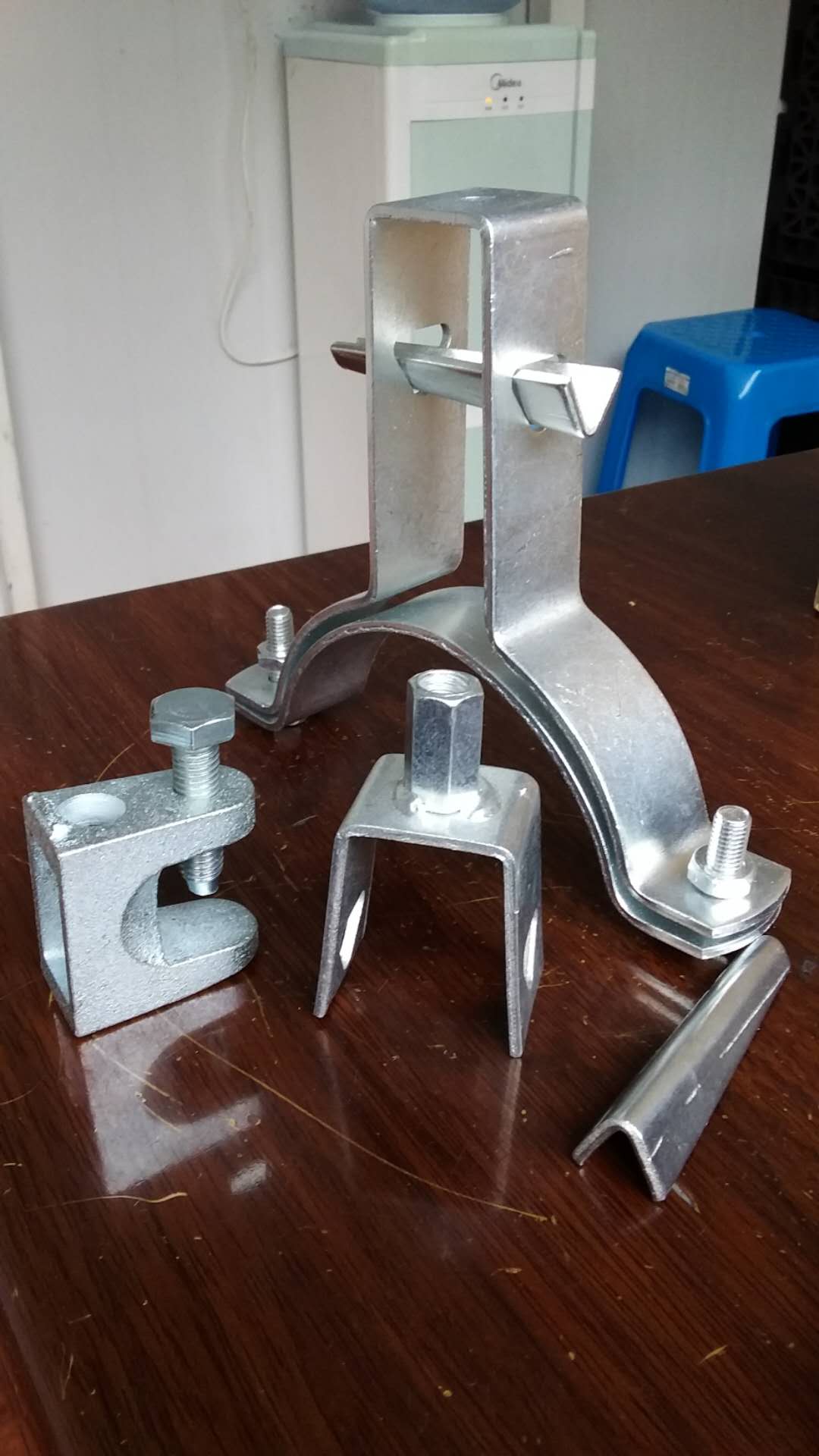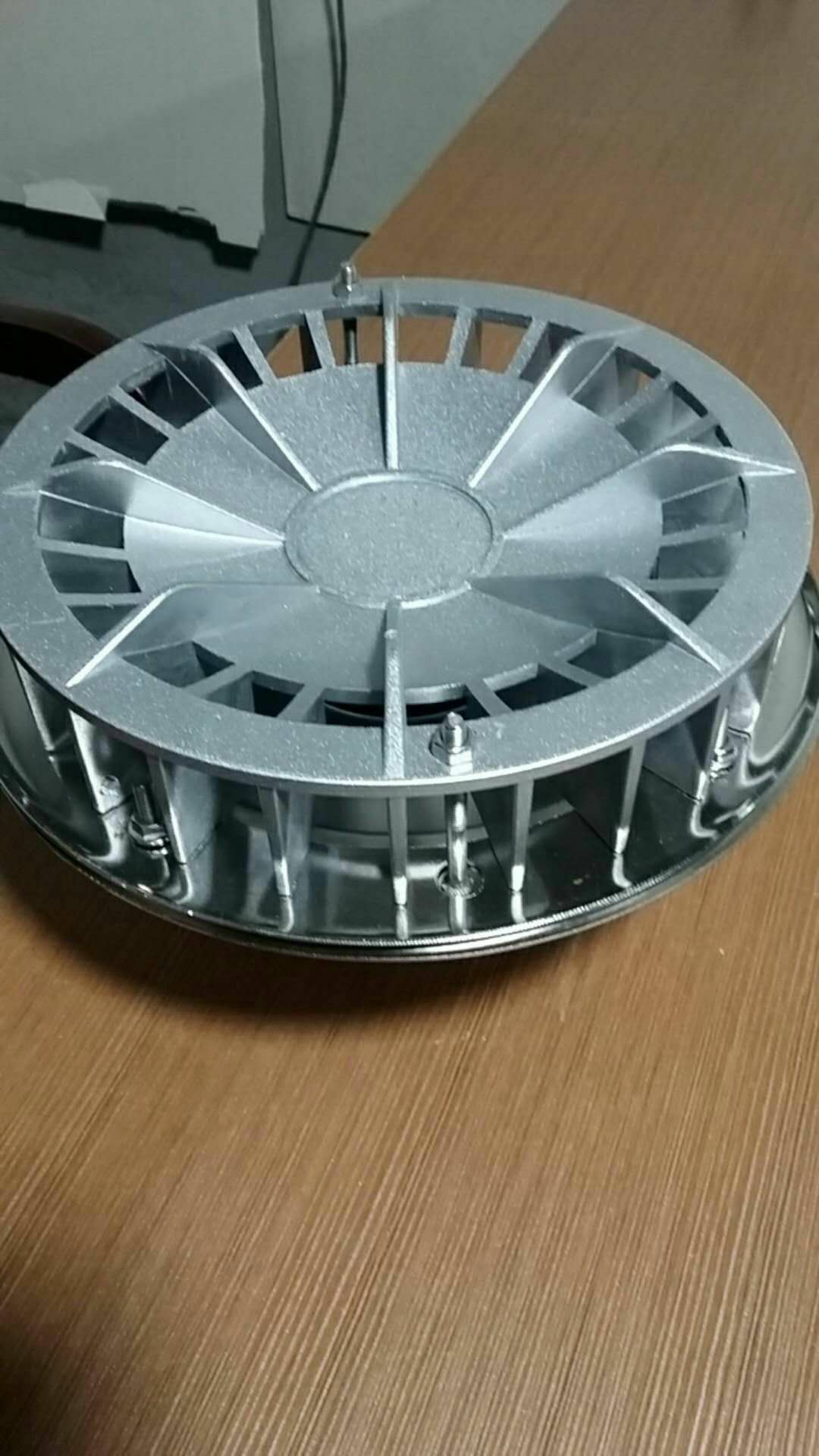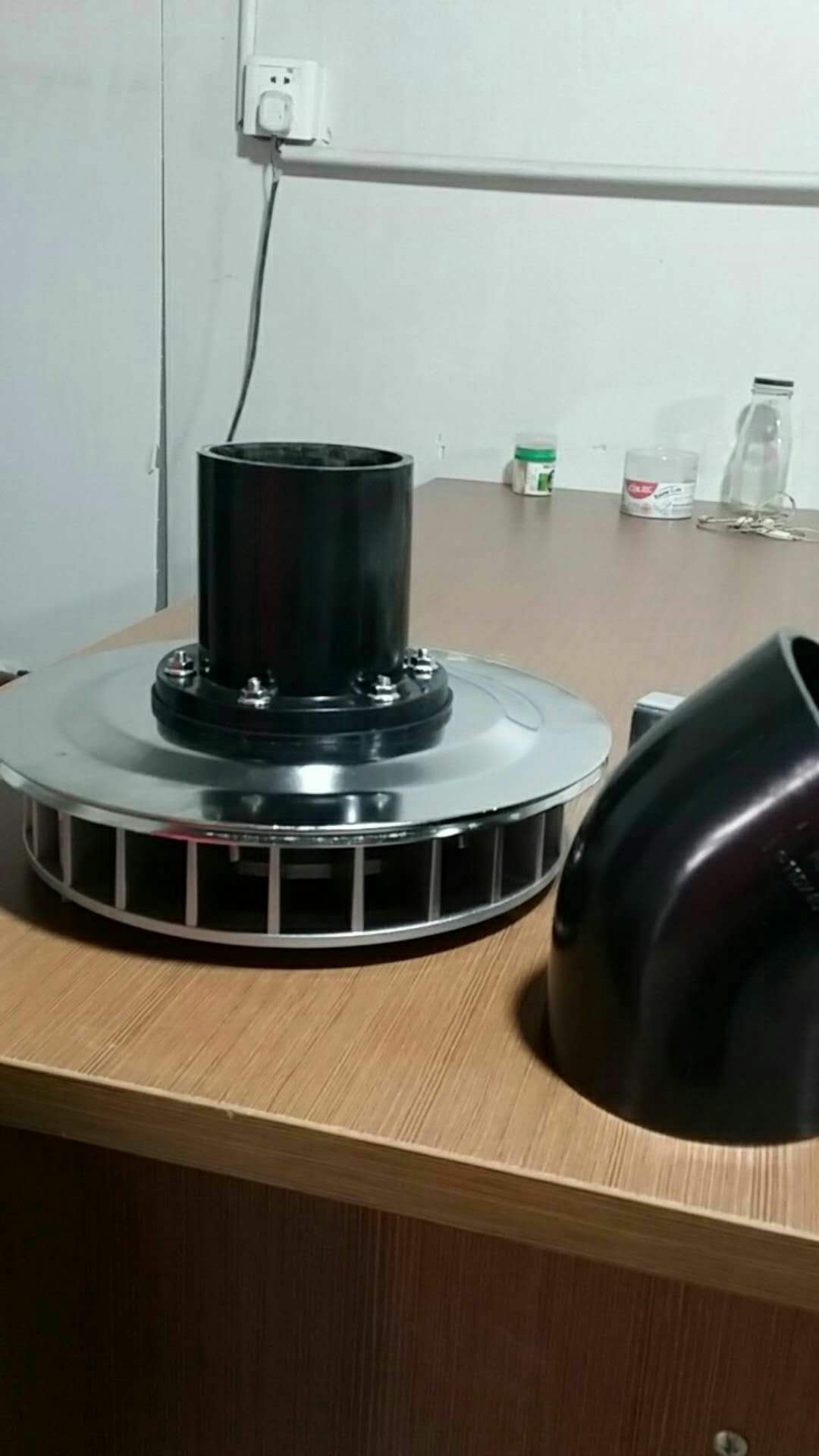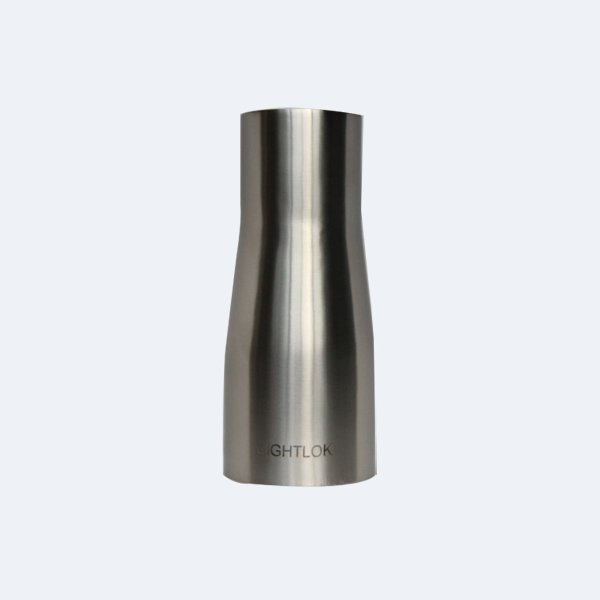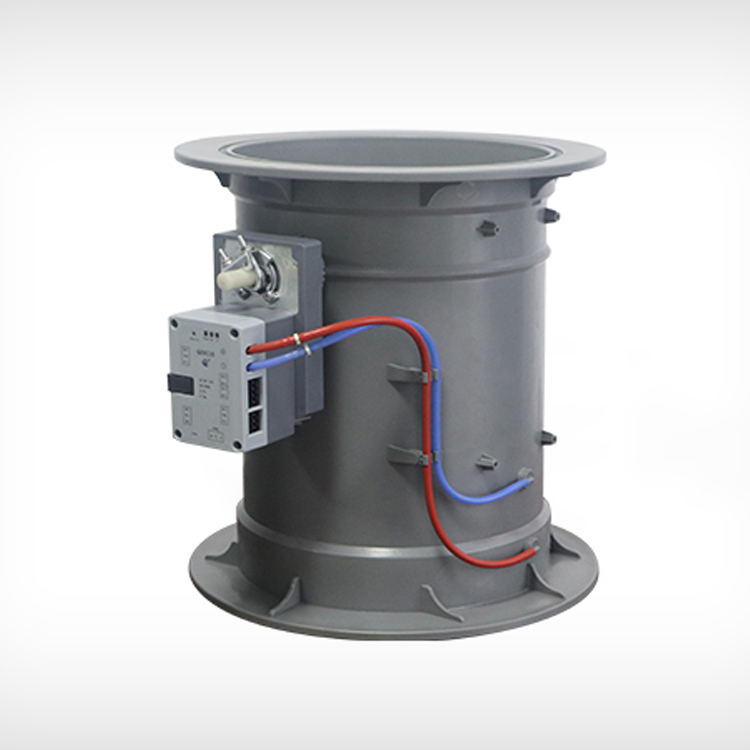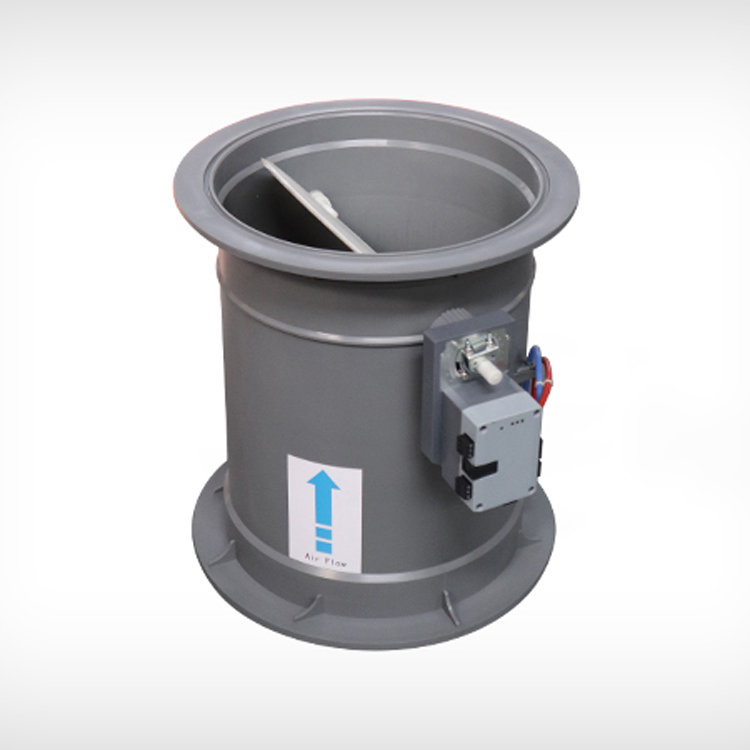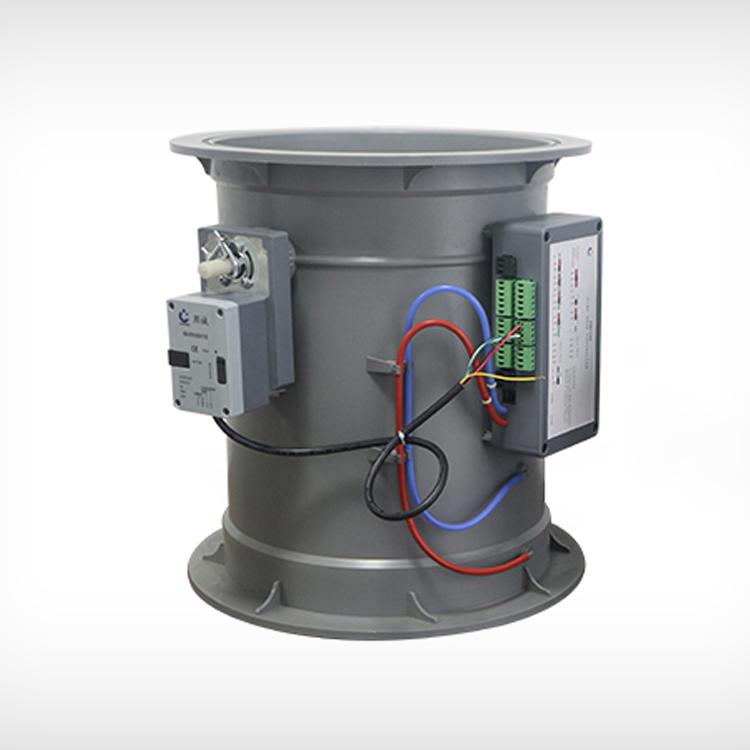


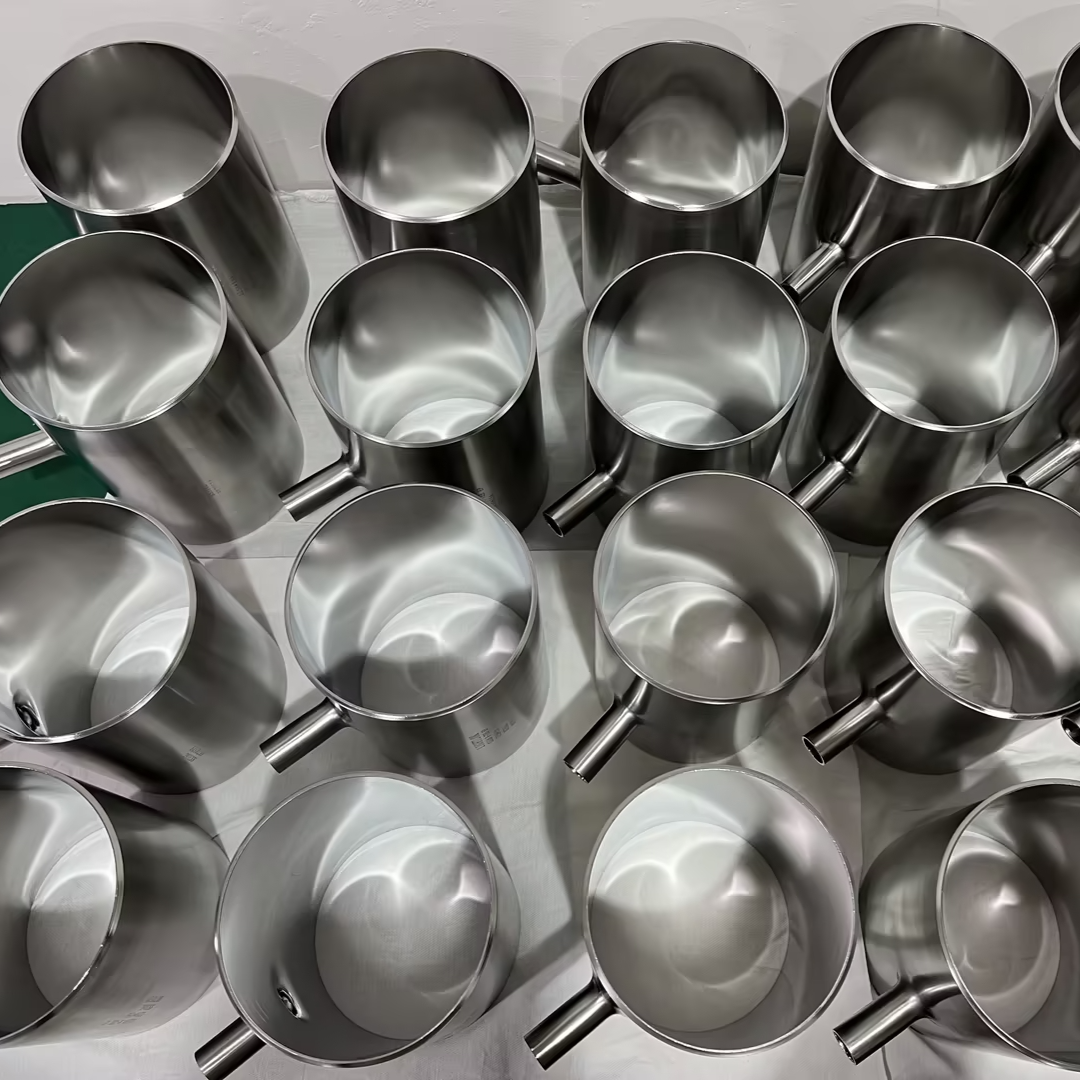
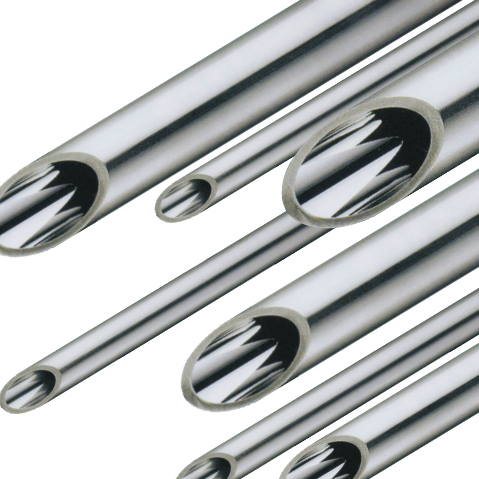
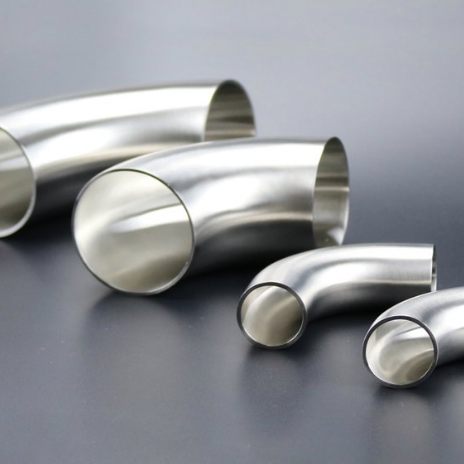
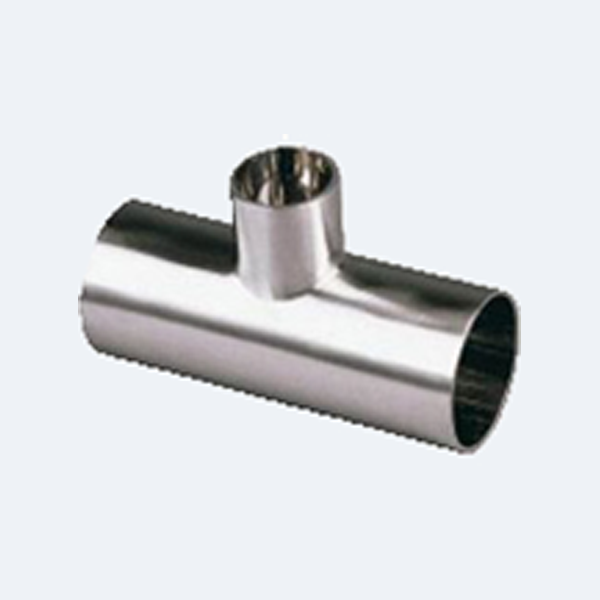







Chongqing, Sichuan, Hunan, Jiangxi, Chendu Siphon Rainwater System Materials Sales, Siphon Roof Rainwater Drainage System Manufacturer - Jiangsu Jiangyin Chengchen Pipe Industry Co., Ltd. - [Self-Manufactured and Self-Sold] Complete Siphon Rainwater (Siphon Drainage, Pressure Flow Drainage) System Materials: Siphon Drainage Pipes, Siphon Special Fittings, Siphon Special Clips, Square Steel Hanger Clips, Square Steel Connecting Parts, Vertical Inspection Ports, Expansion Joints, Fixed Pipe Clips, Adjustable Pipe Clips, Stainless Steel Siphon Rainwater Heads - Made from pure new materials, quality fully meets industry standards: CJ/T250-2007 and CJ/T245-2007 requirements! Suitable for key engineering projects.
The siphon roof rainwater drainage system utilizes the water head generated by the height difference between the building and the ground. Through precise calculations, it adjusts the pipeline configuration to balance the pressure and flow rate of the network. In the design state, the pipeline is filled with water, creating a siphon effect for rapid rainwater discharge.The system primarily operates based on a unique rainhead design. Initially, during the early stages of rainfall when the roof rainwater level does not exceed the rainhead height, the entire drainage system functions similarly to a gravity flow drainage system. As the rainfall continues and the roof rainwater level surpasses the rainhead height, the scientifically designed vortex-preventing rainhead controls the flow rate of rainwater entering the rainhead and adjusts the flow pattern to minimize vortices, significantly reducing the amount of air carried by the rainwater into the drainage system. This results in the drainage pipes being full and utilizing the height of the building's roof and the potential energy of the rain to create a siphon effect as the continuous rainwater flows through the suspended rainwater pipes into the vertical rainwater pipes and falls. This generates the maximum negative pressure within the pipe at that location. The roof rainwater is then expelled to the outside at a higher velocity due to the suction effect of the negative pressure within the pipes.