










Product Advantages:
The product design is compact, with every millimeter meticulously accounted for.
Multiple installation options simplify the structure of rotational movement, making your design more compact.
This product can withstand high axial and radial loads.
Optional rotation angles from 90° to 360° to meet your diverse needs.
The balancing valve can act as a protective measure against excessive reverse load, preventing mechanical damage.
The product is meticulously crafted with zero internal leakage.
A balance valve allows the product to stop at a fixed position within its travel and maintain torque.
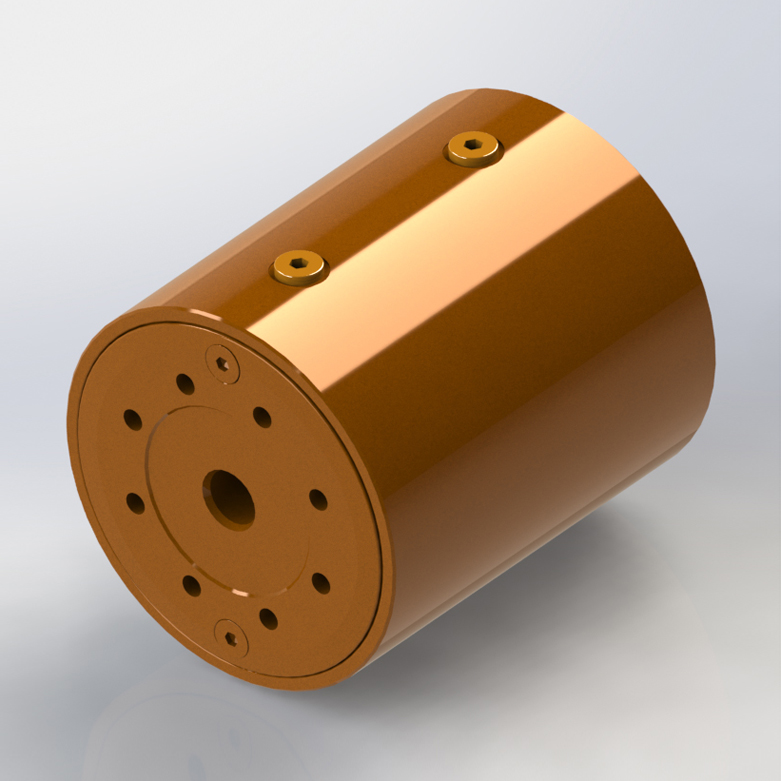
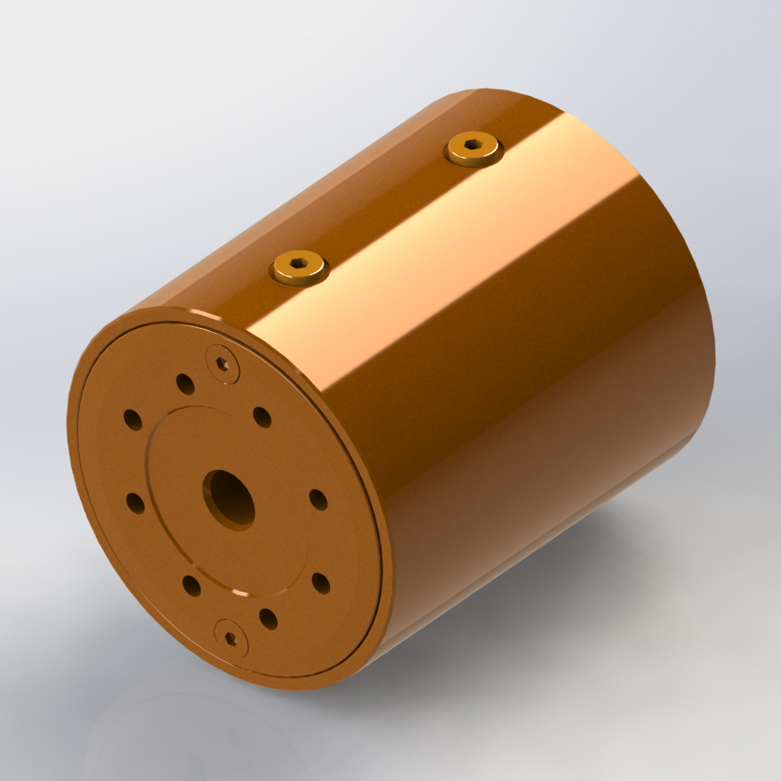
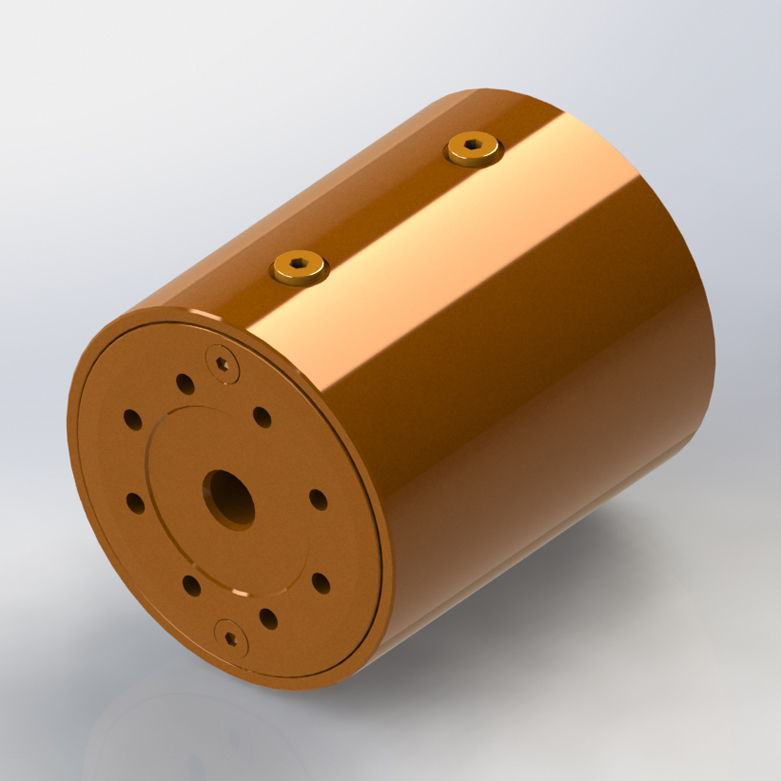
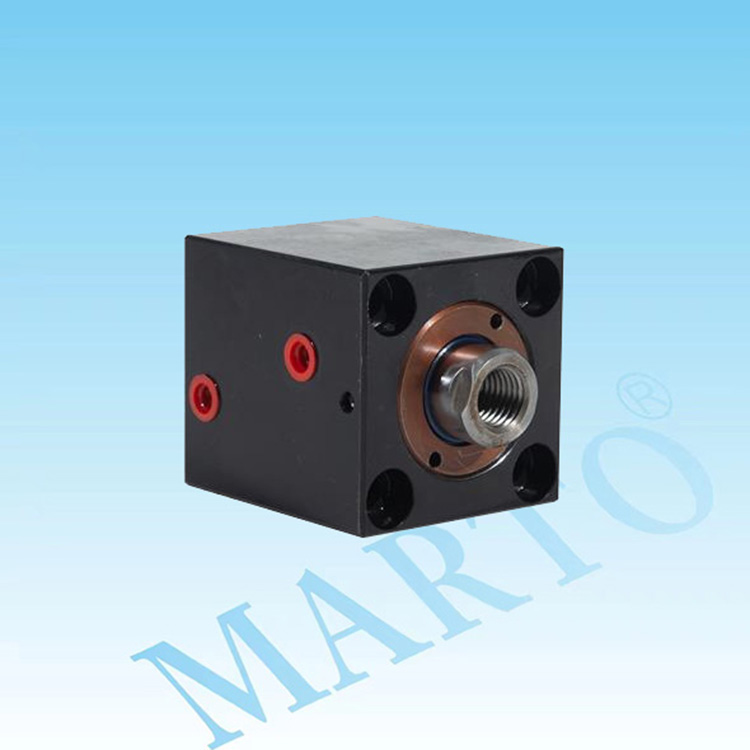
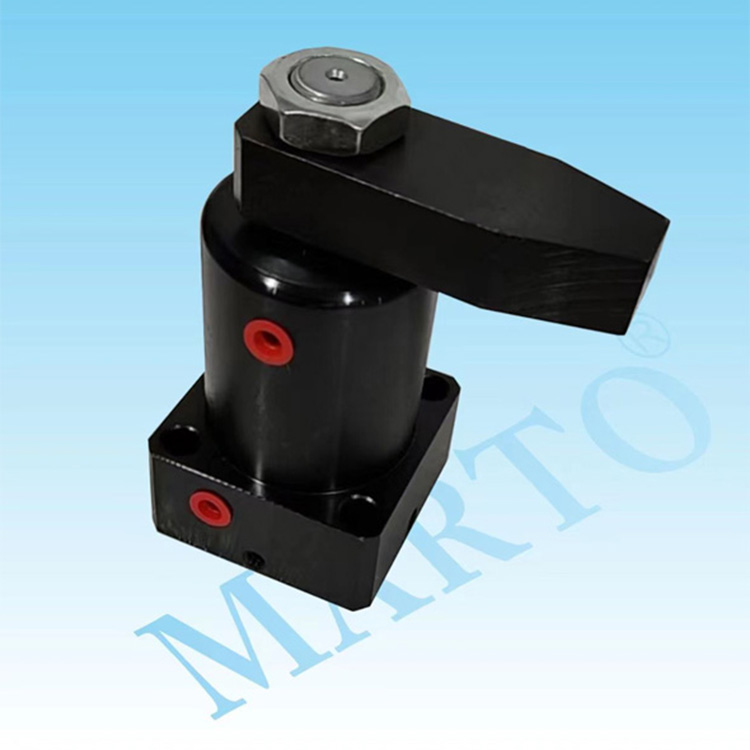
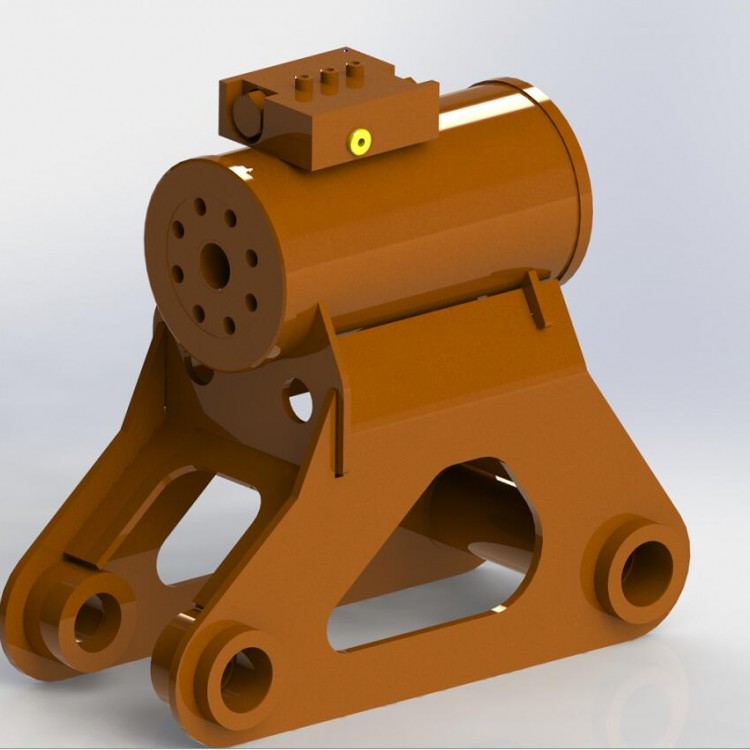
The helical swing cylinder is currently a product with a high torque output per unit volume.
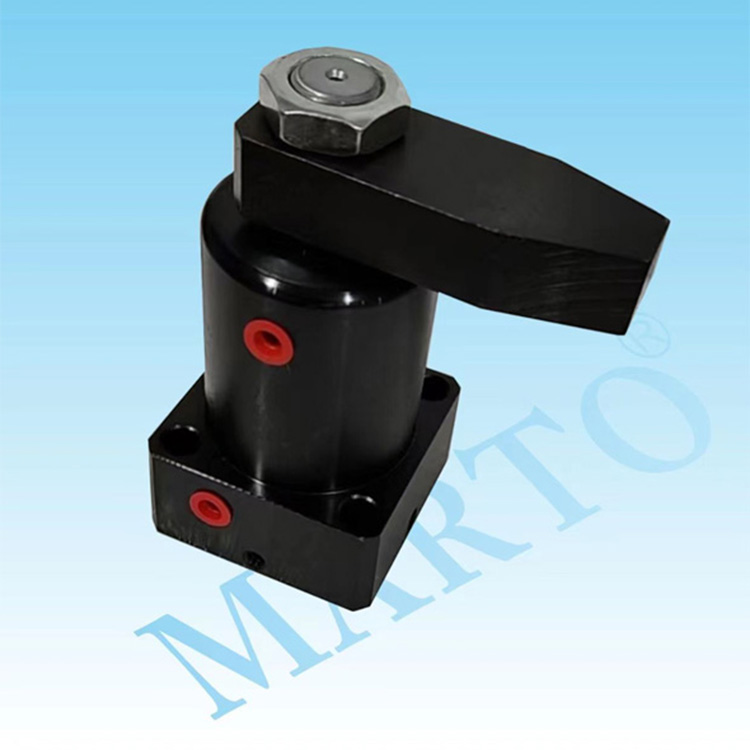
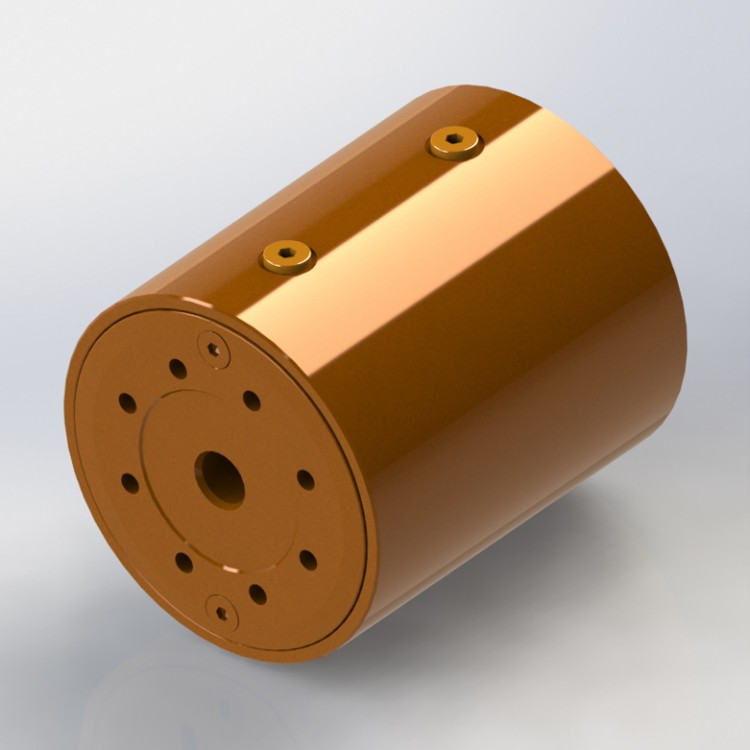
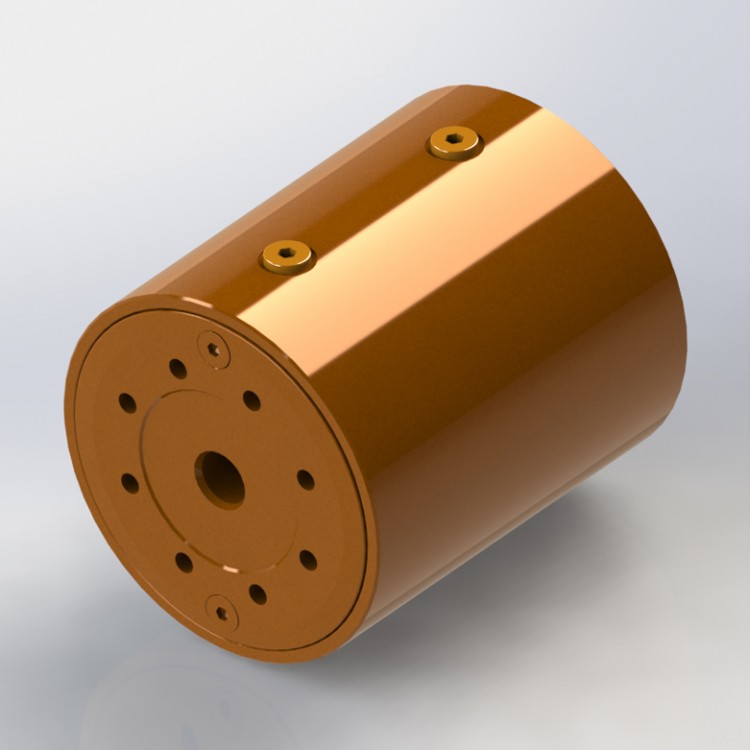
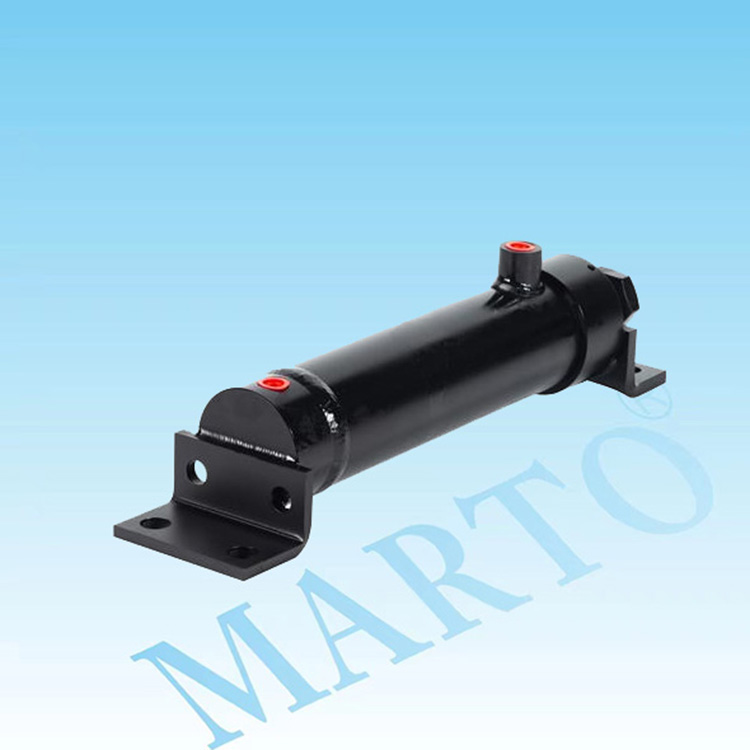
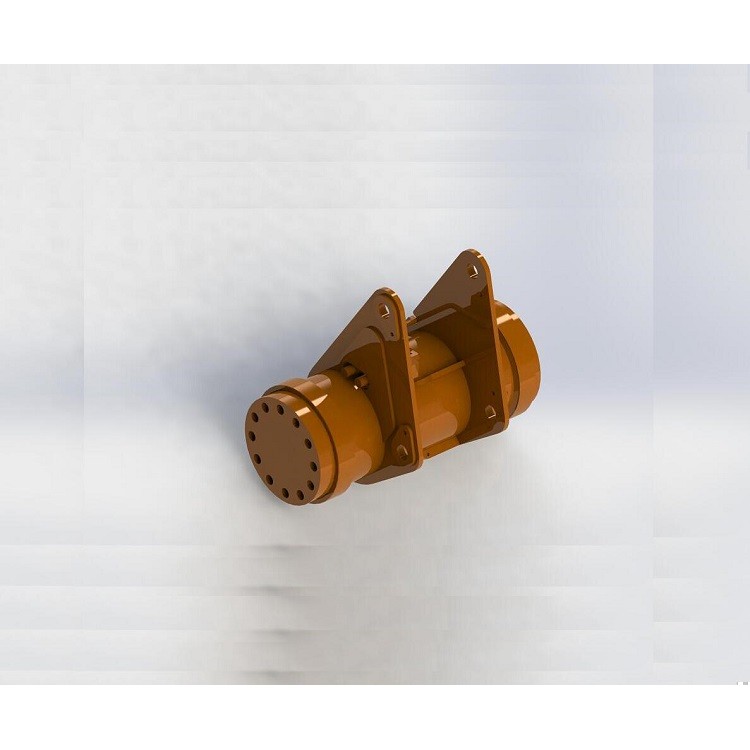
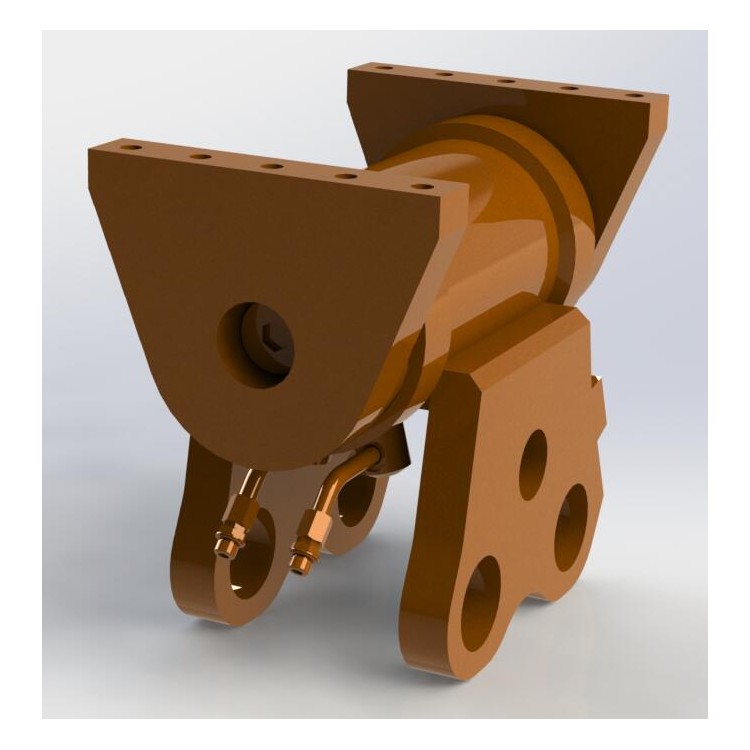
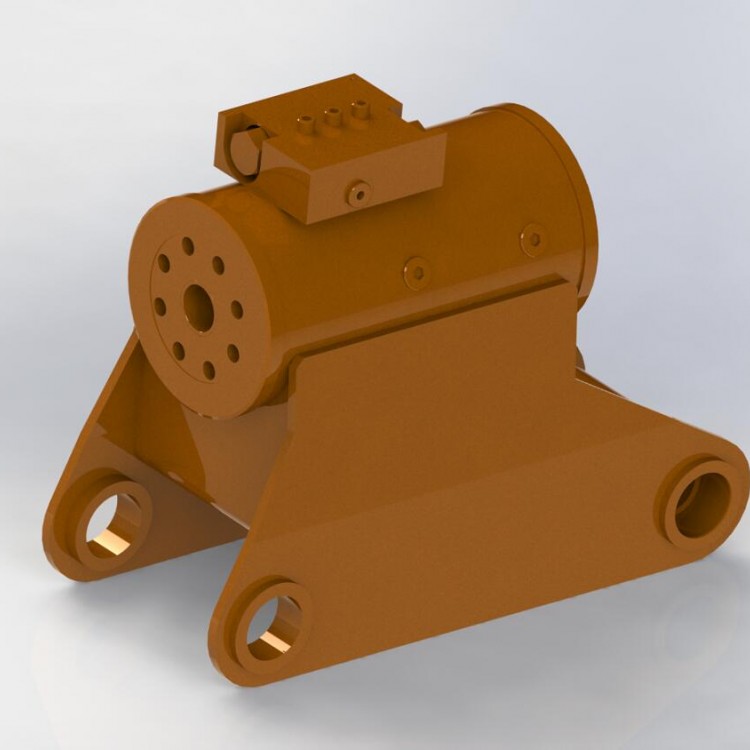
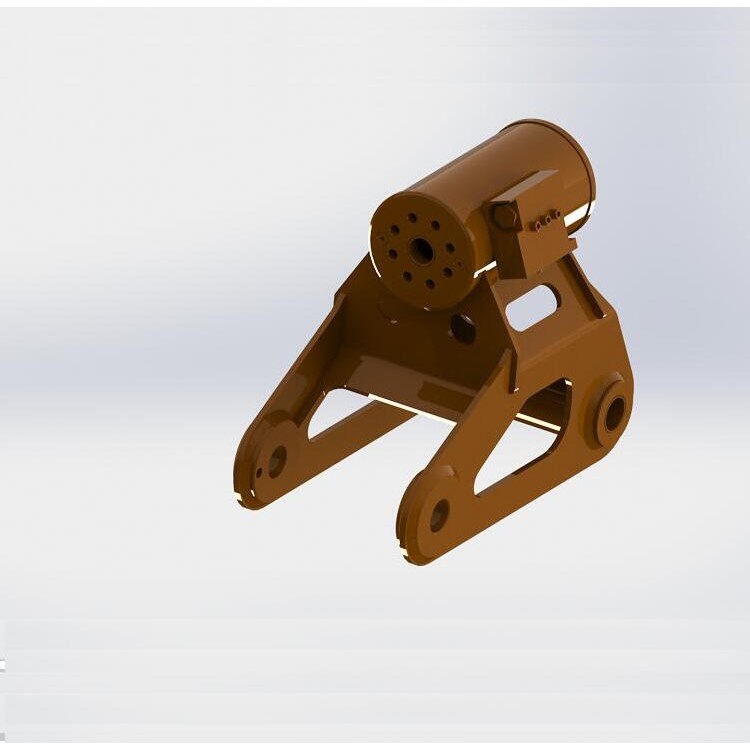
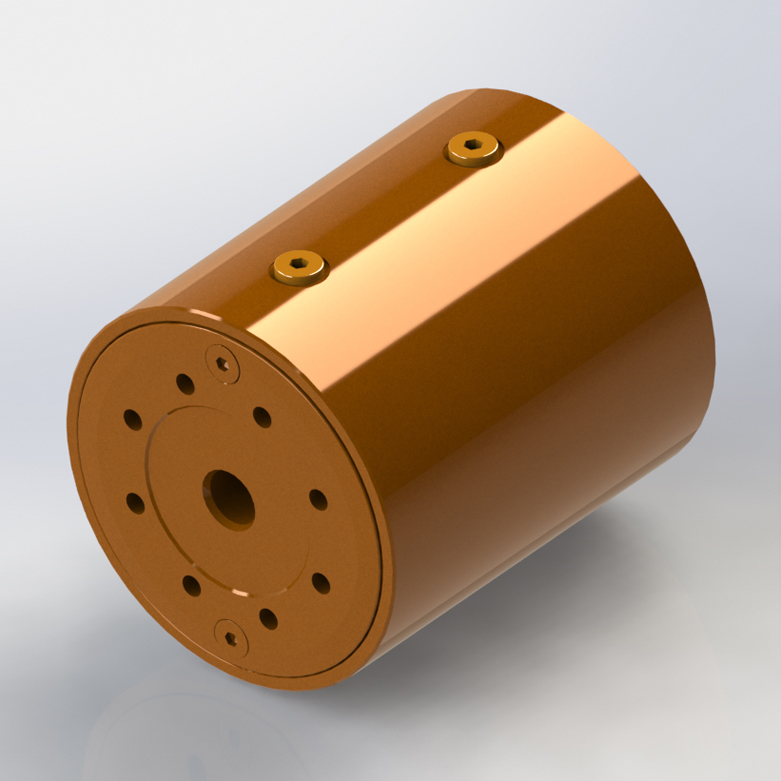
The oscillating hydraulic cylinder is a compact component that utilizes hydraulic power to generate a high torque in a very small space. It features a combined helical gear structure, allowing the entire oscillating hydraulic cylinder to produce greater torque within a smaller space. Despite its high power, it is still easy to control. The oscillating hydraulic cylinder has been successfully applied in almost all fields that require limited rotational movement and a high torque.


The helical oscillating cylinder is a structure that converts linear motion into rotational motion through the relative movement of the helical gears, available in both single helix and double helix designs.
For example, with the double helix structure.

Assuming the housing ① remains stationary, when hydraulic oil passes through the P2 port and acts on the piston sleeve ③, the piston sleeve ③ will move axially to the right. This is because the spiral gears mesh with the piston sleeve ③ and shaft ②, causing them to rotate simultaneously. Shaft ② will rotate clockwise as indicated by the arrow in the diagram. Note that shaft ② has no axial movement; the piston sleeve ③ rotates while also moving axially. The housing ① is fixed to the gear ring, with no relative motion.

Assuming the housing ① is stationary. As hydraulic oil passes through the P1 port and acts on the piston sleeve ③, the piston sleeve ③ will move axially to the left. This is because the spiral gears mesh with the piston sleeve ③ and shaft ②, causing them to rotate simultaneously. The shaft ② will rotate counterclockwise as indicated by the arrow in the diagram. Note that shaft ② has no axial movement, while the piston sleeve ③ rotates and moves axially. The housing ① is fixed to the gear ring and there is no relative motion.