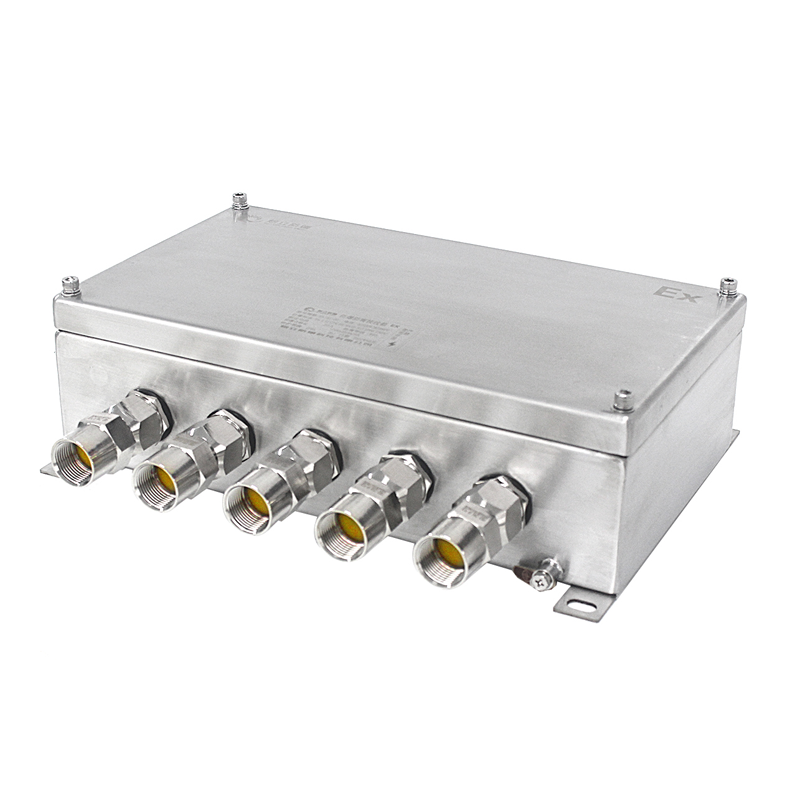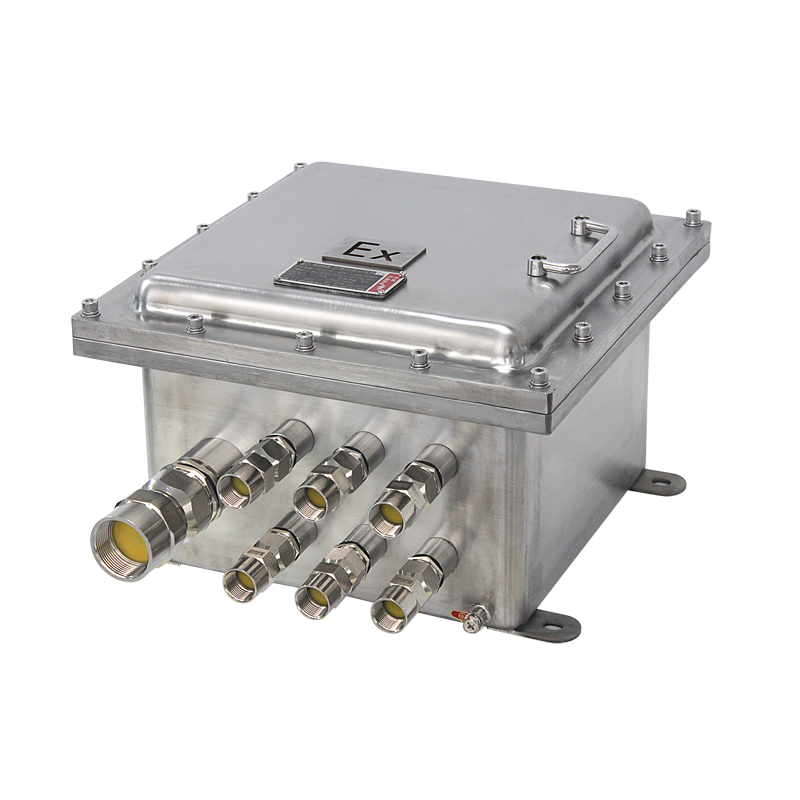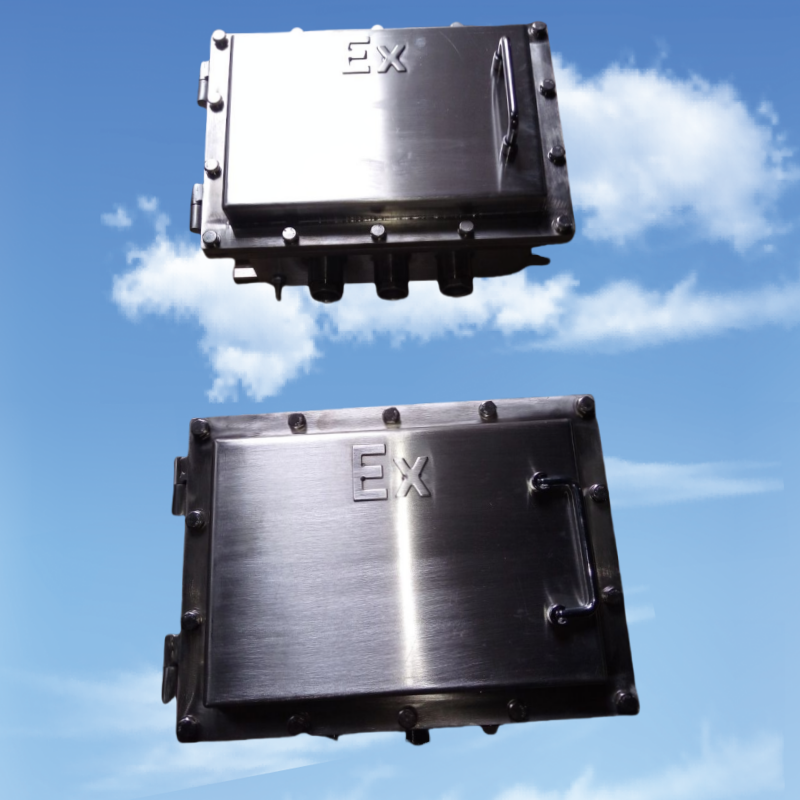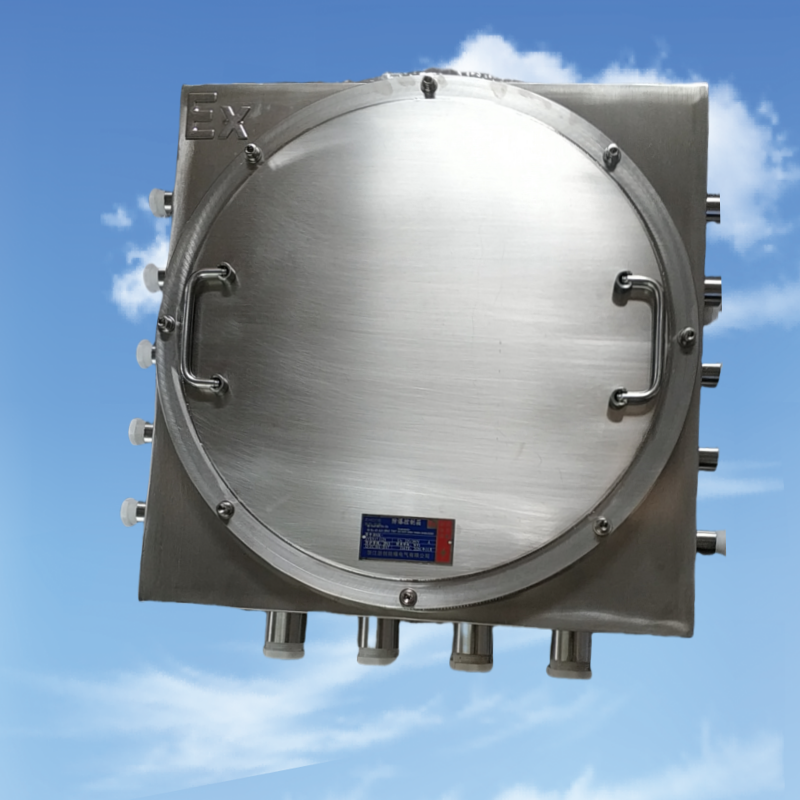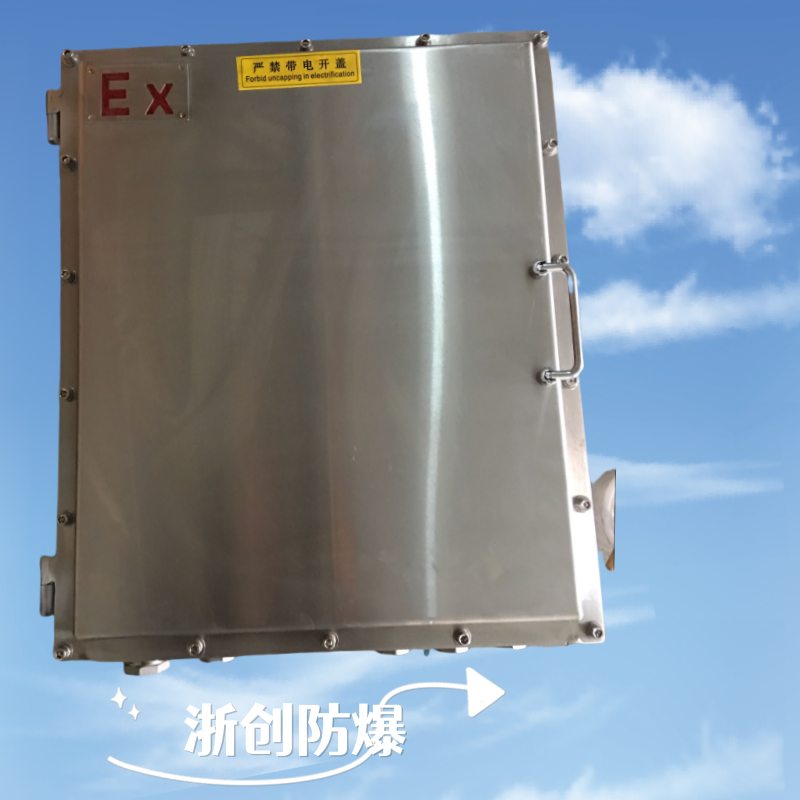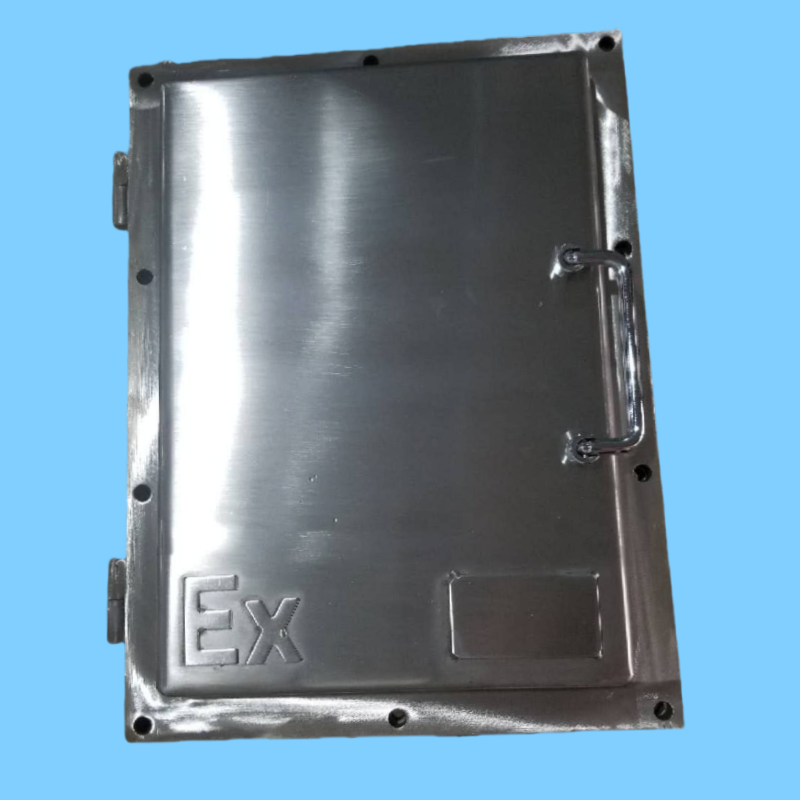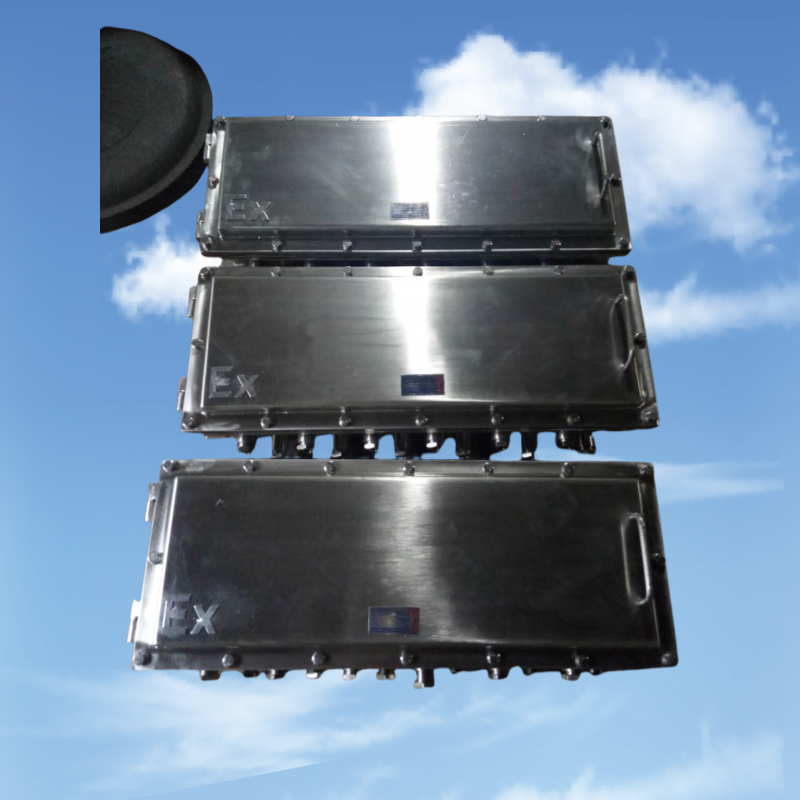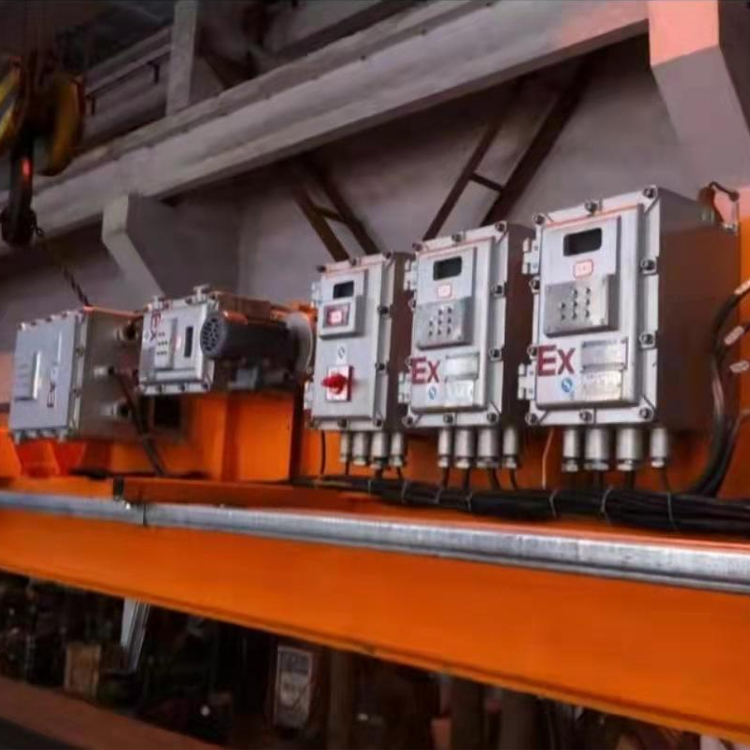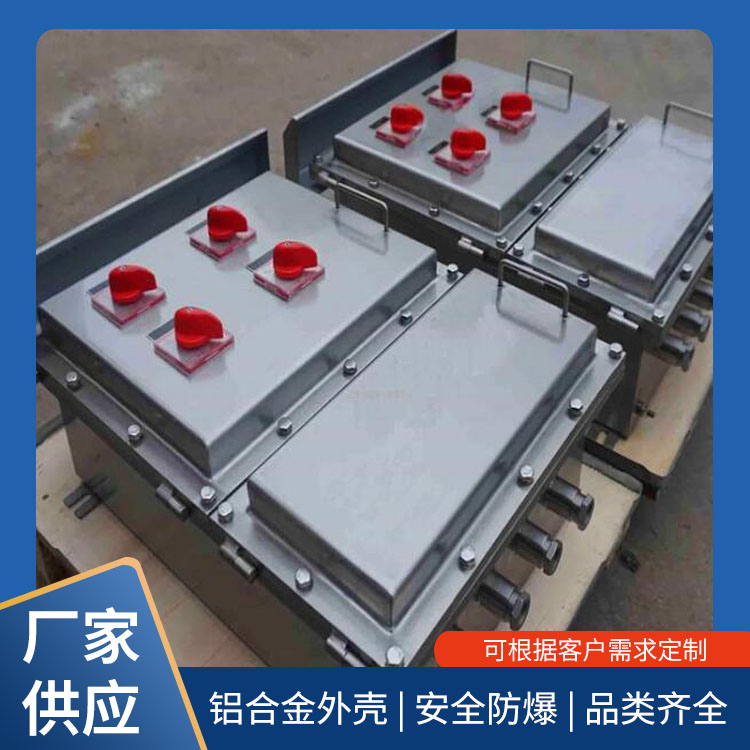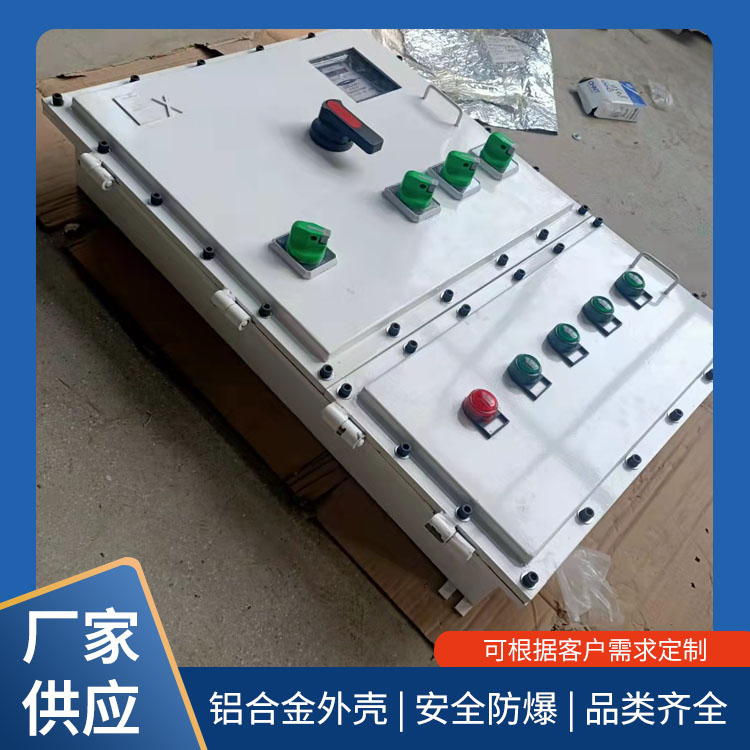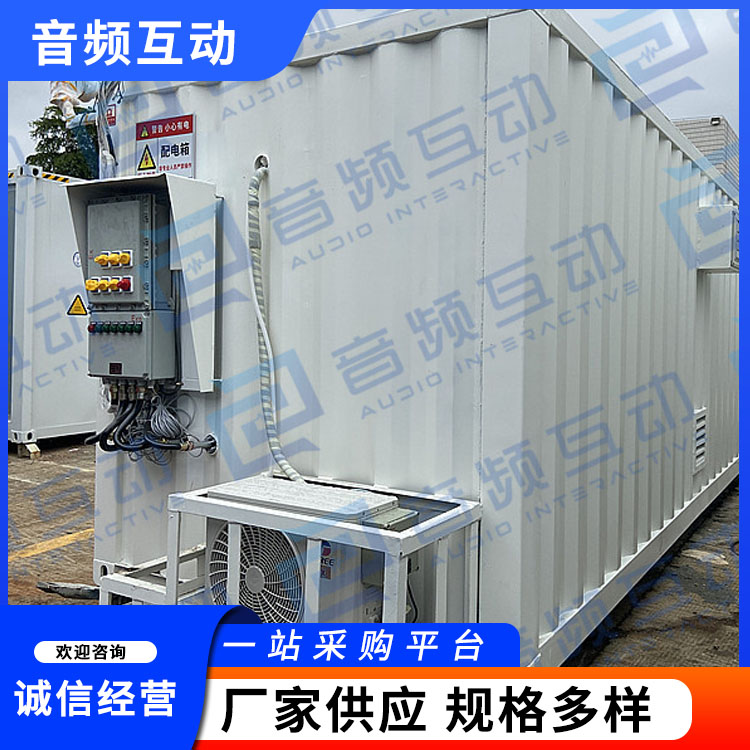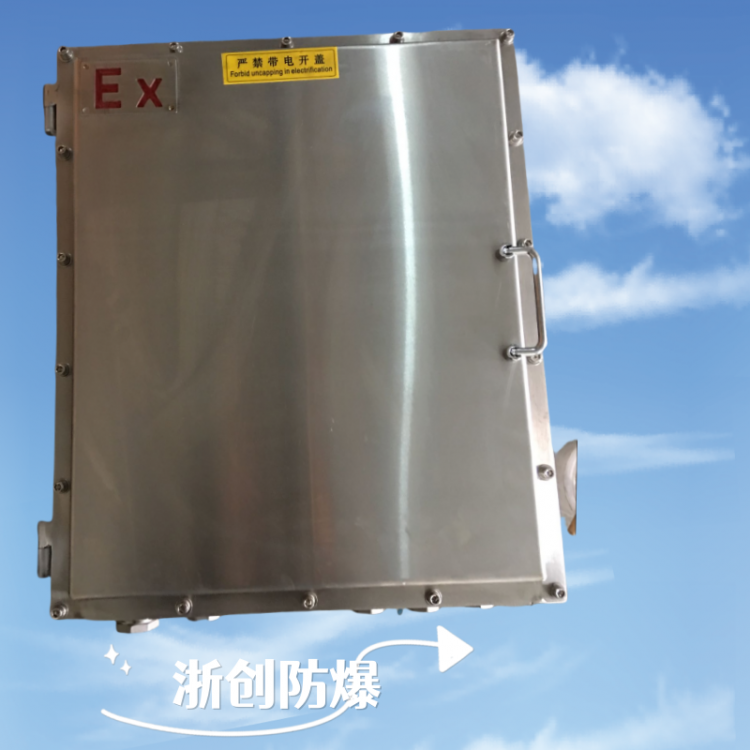

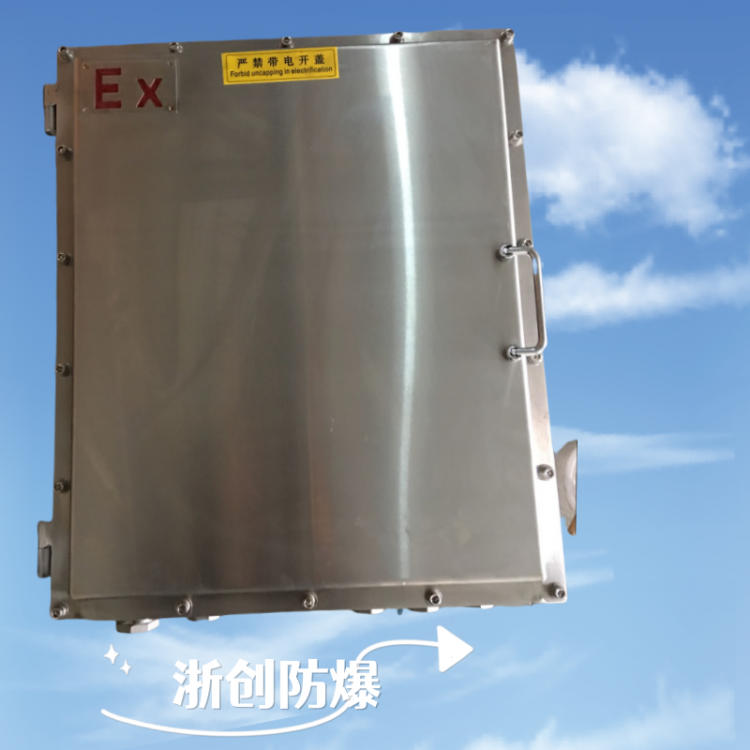
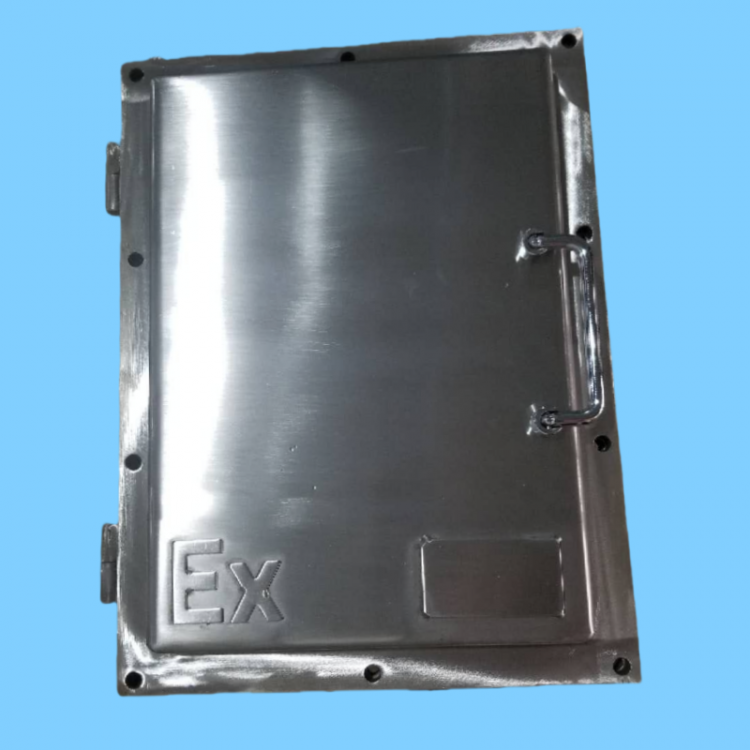


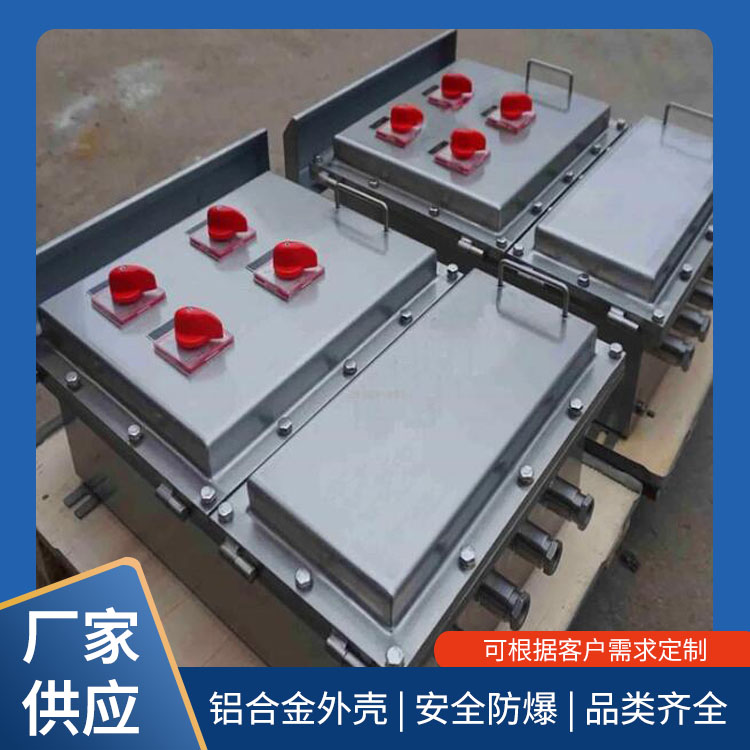
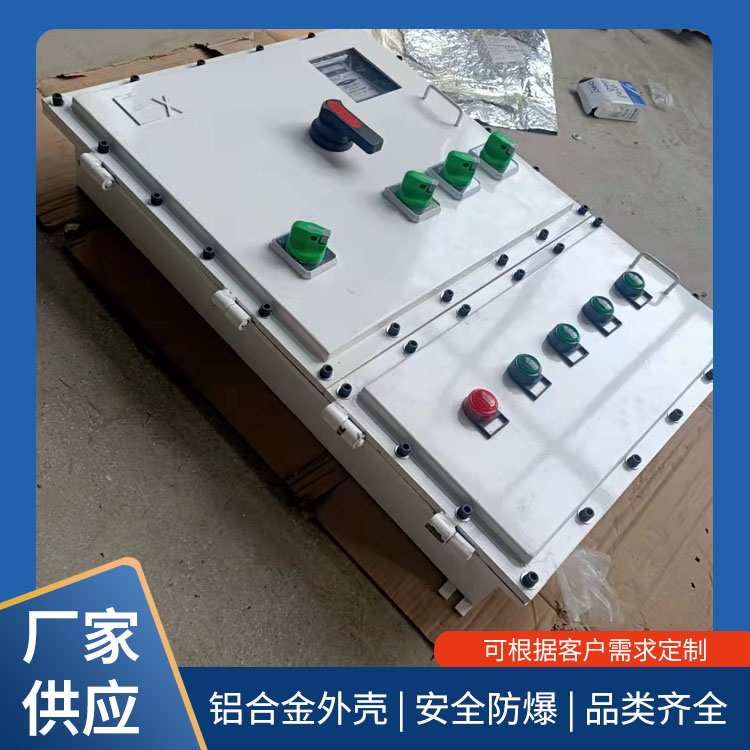






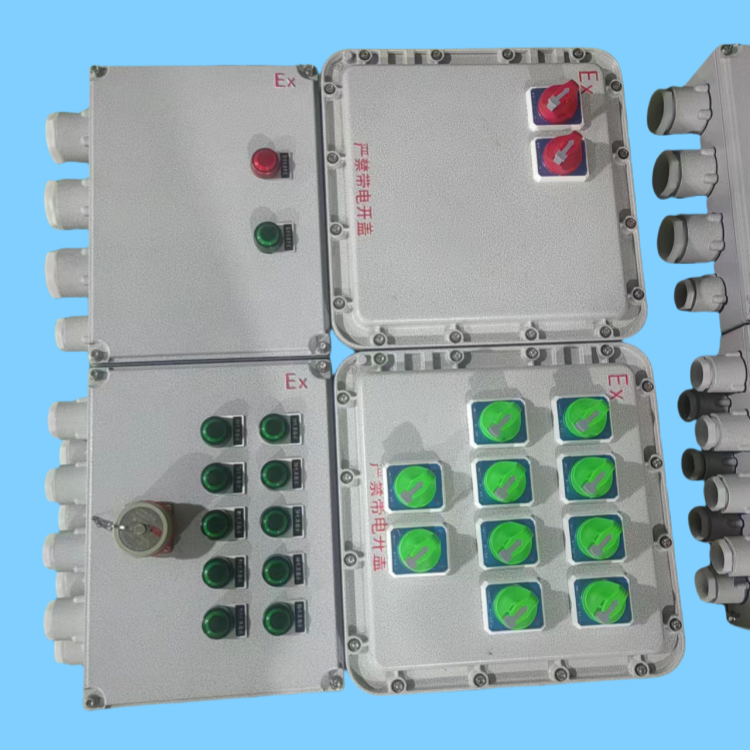
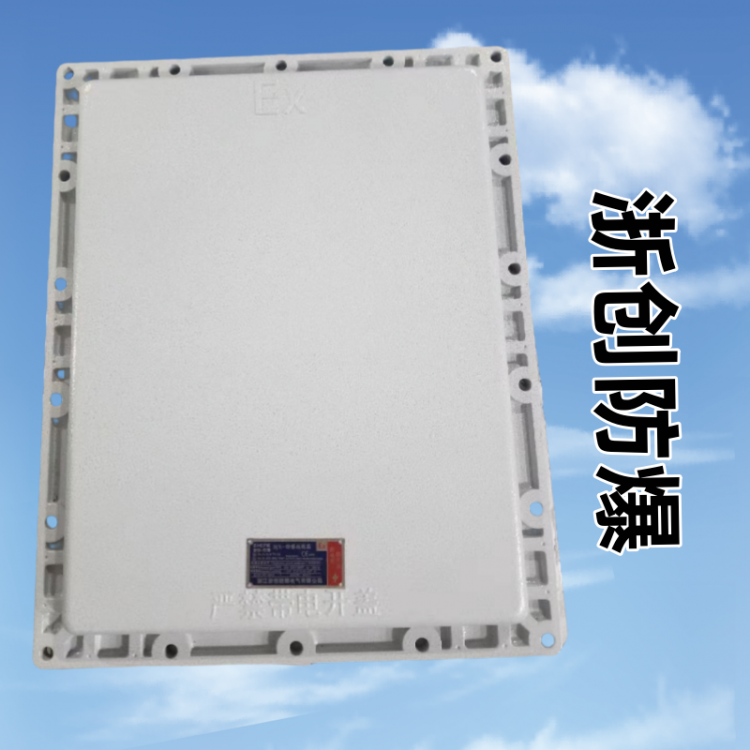

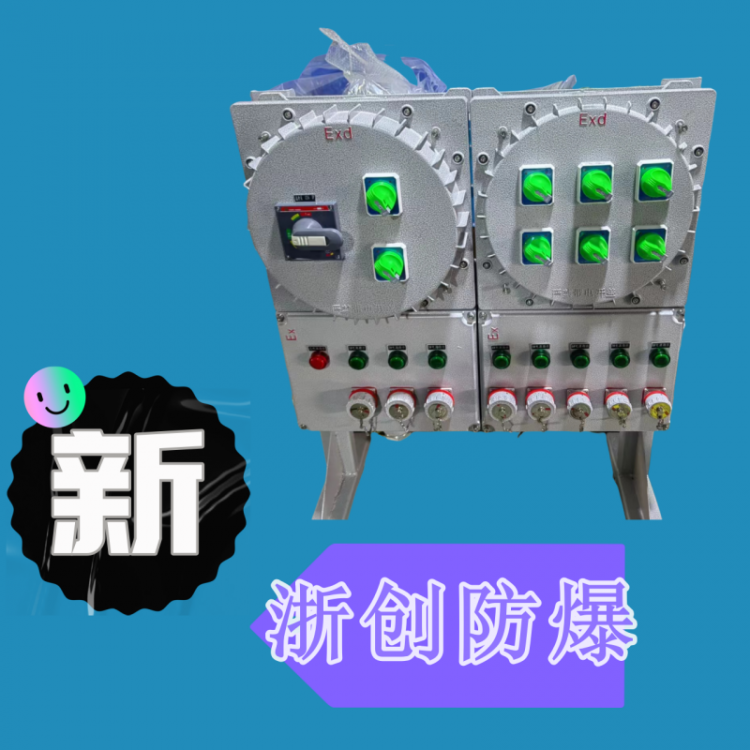
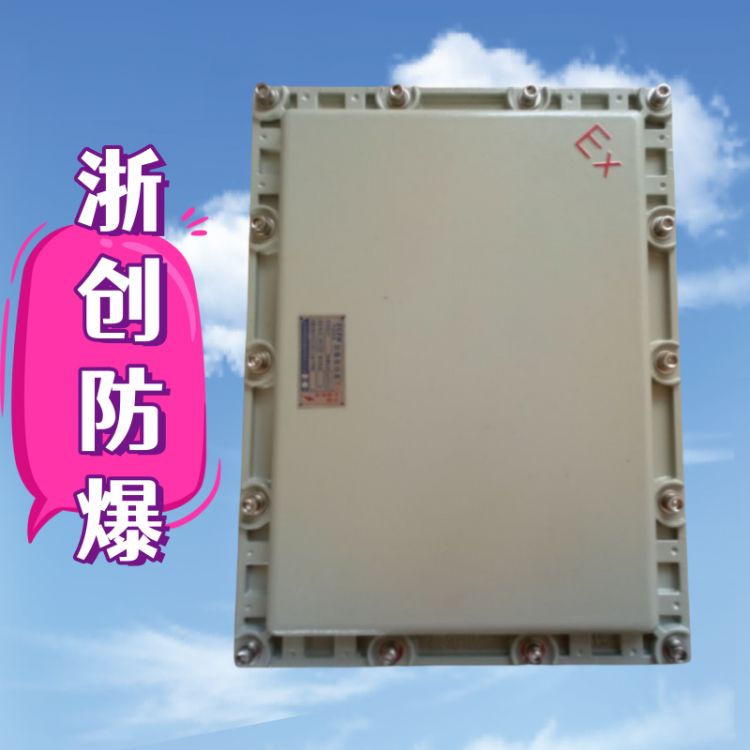

An explosion-proof junction box is a specially designed electrical equipment, primarily used in environments prone to flammability and explosiveness to ensure the safety of electrical connections. Below are some basic information about explosion-proof junction boxes:
Material and Structure: Explosion-proof junction boxes can be made of aluminum alloy die-casting or stainless steel welding, with an outer shell made of glass fiber reinforced polyester material for shock resistance. They typically feature a combination surface of convex and concave covers and bases, and are equipped with silicone rubber sealing structures to ensure an IP65 protection rating.
Categories: Explosion-proof junction boxes can be divided into intrinsic safety type, aluminum alloy, stainless steel, and steel plate explosion-proof junction boxes based on their functions, materials, and shapes. They can also be categorized into wall-mounted and vertical explosion-proof junction boxes according to their usage structures.
Specs and Terminals: The junction box comes in various specifications, equipped with screw-type self-locking terminals, ranging from 2.5 to 3.5 square millimeters, for securing the incoming lead wires.
Cable Sealing Sleeves: Different models and specifications of cable sealing sleeves cater to various cable entry requirements. The plastic cable sealing sleeve has a metric thread and is equipped with anti-loosening clamps. Unused cable entries can be sealed with a plug cap.
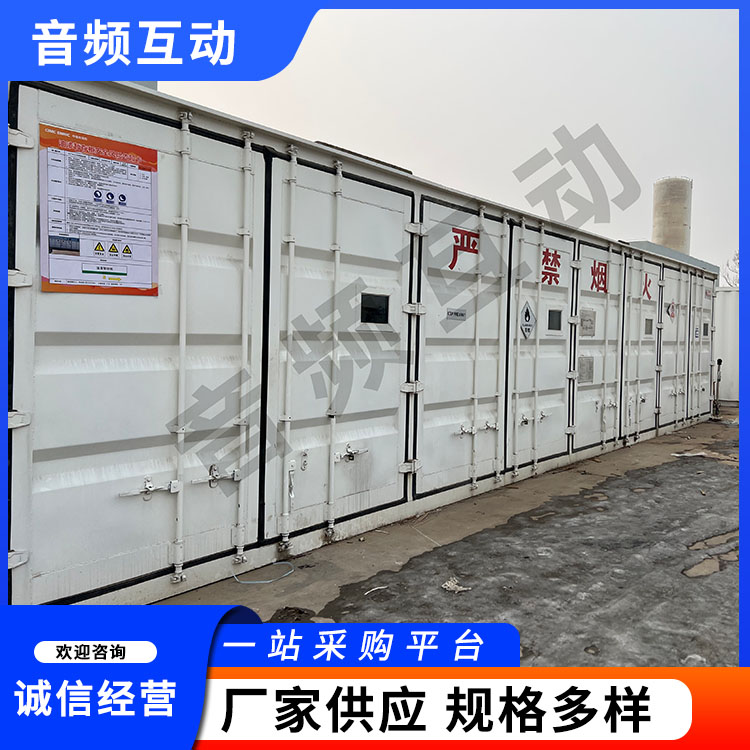
Application: Explosion-proof junction boxes are widely used in explosion-prone environments in petrochemical and other enterprises, serving for multipoint wiring and junctions involving multiple cables.
Environmental Requirements: The operating environment must meet certain conditions, such as an altitude not exceeding 2,000m, ambient air temperature not higher than +60℃ and not lower than -40℃, relative humidity not exceeding 90% at +20℃, with no significant shaking or strong impact vibrations, no corrosive gases or vapors, and no dripping or liquid intrusion.
Installation and Maintenance: Prior to installation, verify that technical data matches actual usage, check for loose fasteners, and ensure the grounding of the junction box is good and reliable. When conducting maintenance checks, the power must be disconnected before the cover can be opened.