








Physical Properties Table
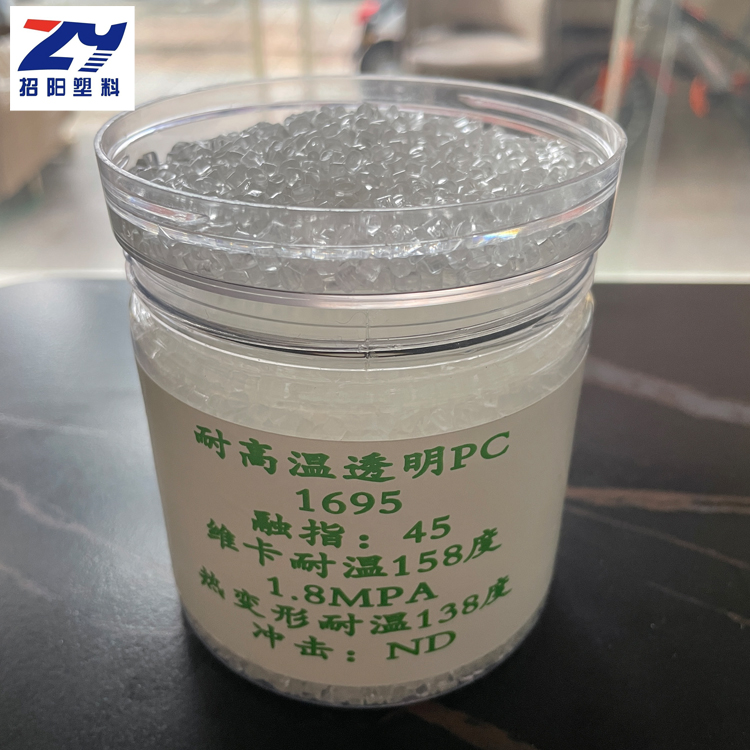
Density | 1.18 | g/cm3 | ASTM D792, ISO 1183 |
Melt Flow Rate (260°C/2.16 kg) | 22 | g/10 min | ASTM D1238 |
Melting Volume Flow Rate (MVR) (260°C/2.16 kg) | 23.5 | cm3/10min | ISO 1133 |
Shrinkage - Flow | 0.40 to 0.60 | % | ASTM D955 |
Water Absorption Rate (23°C, 24 hr) | 0.40 | % | ASTM D570 |
- | Rated Value | Unit | Testing Method |
Specific Gravity | 1.14 | g/cm3 | ASTM D792, ISO 1183 |
Melting Rate (260°C/5.0 kg) | 20 | g/10 min | ASTM D1238 |
Melting Volume Flow Rate (MVR) (260°C/3.8 kg) | 13.0 | cm3/10min | ISO 1133 |
Synthetic
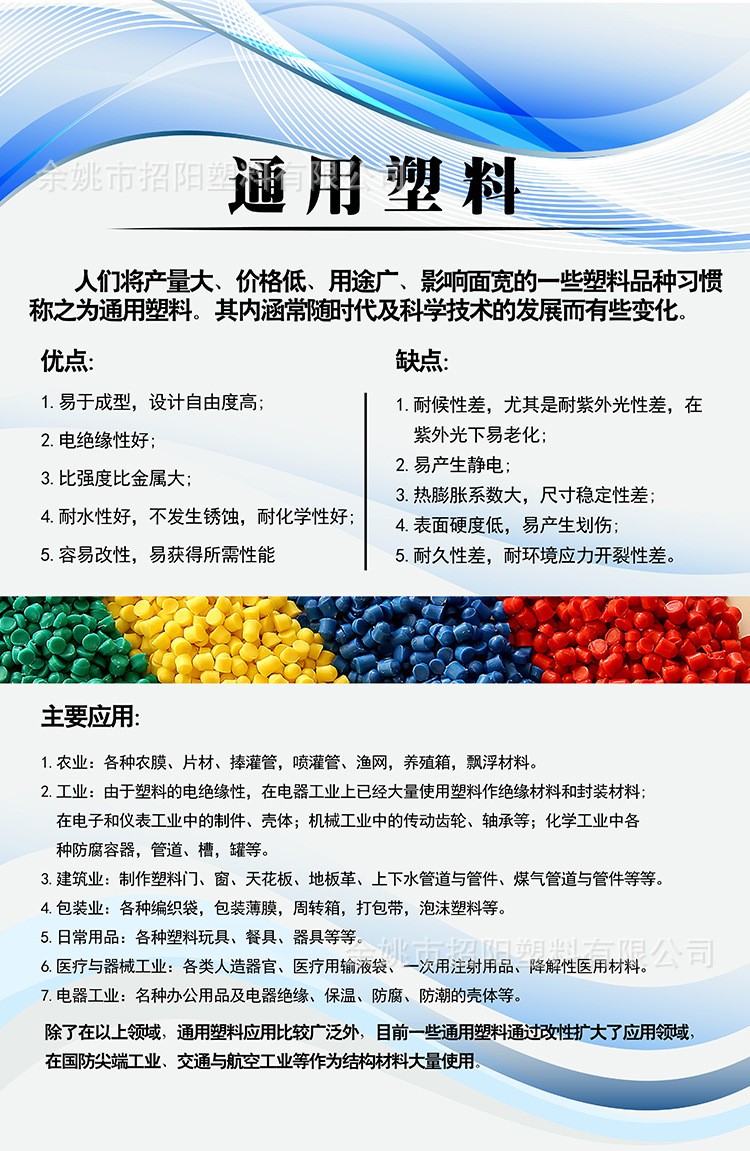
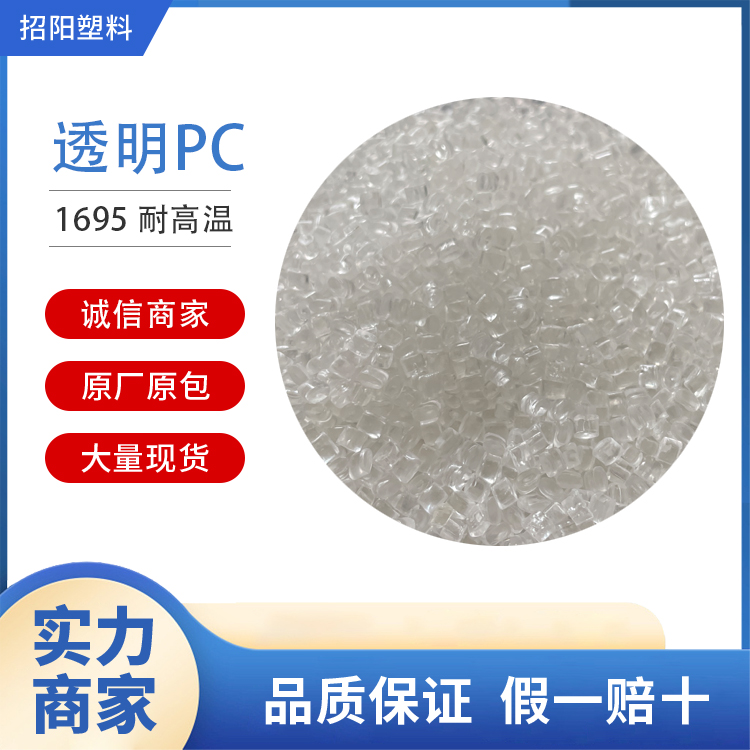
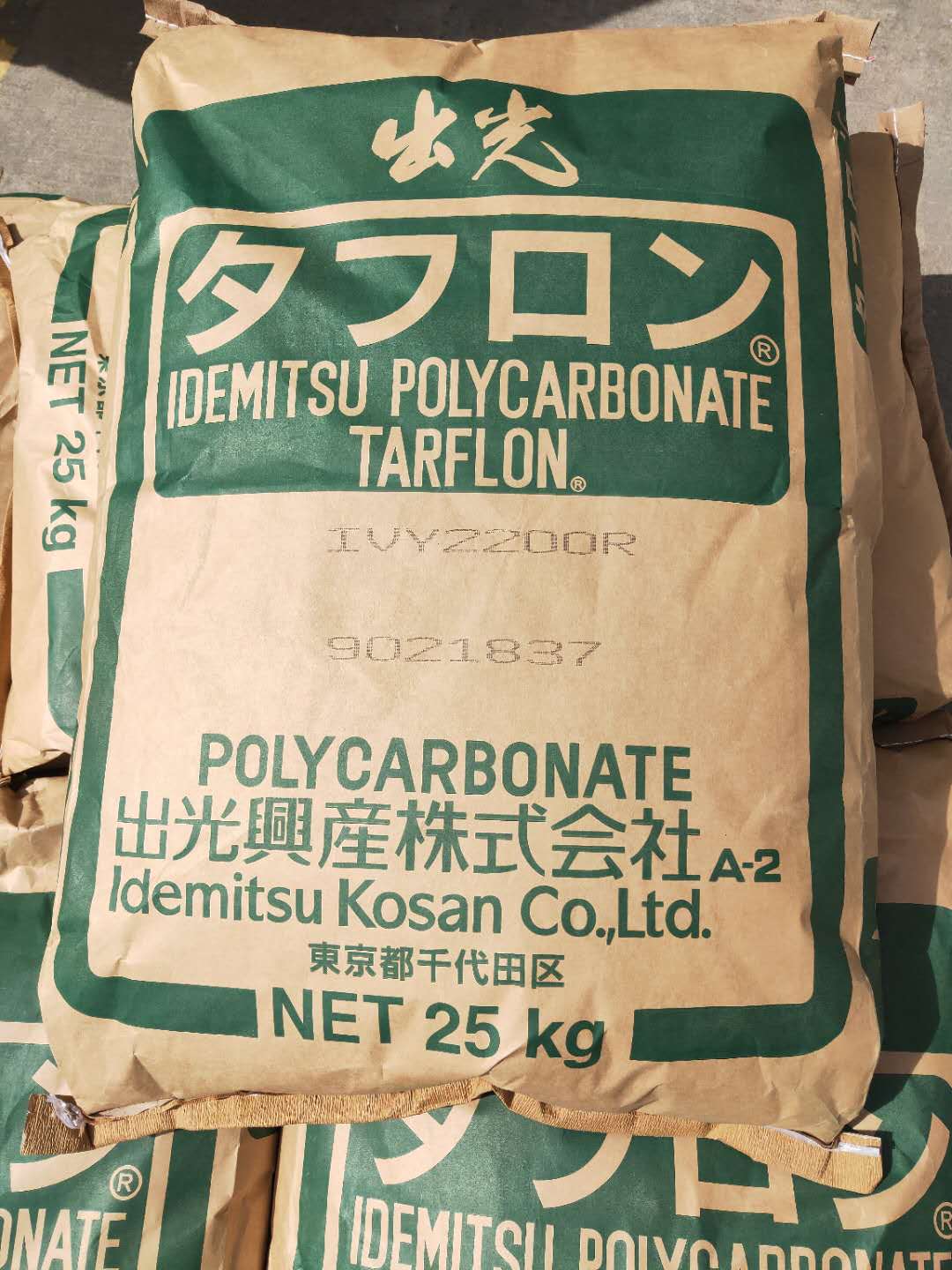
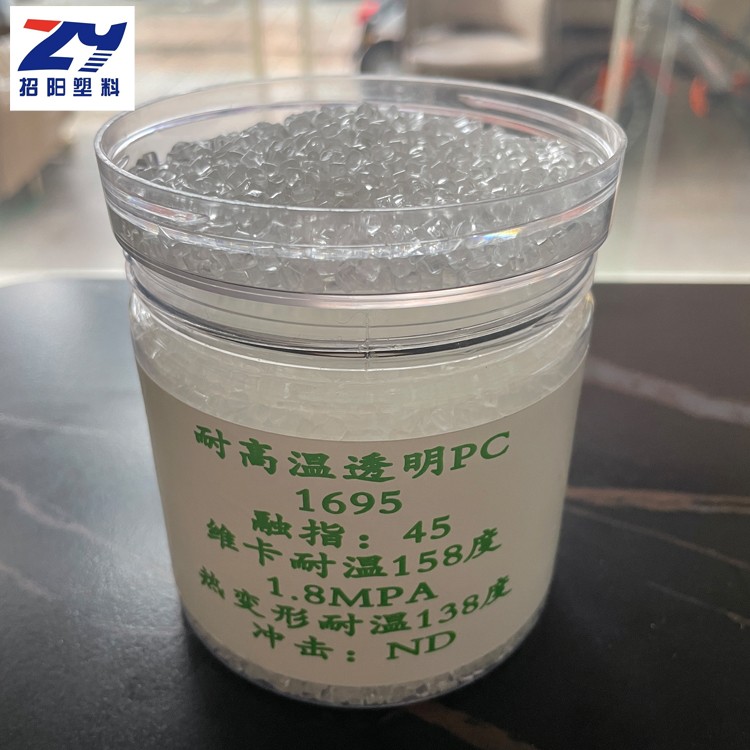
Polycarbonate used industrially is mainly synthesized from bisphenol A, featuring a main chain with a benzene ring and a tetrasubstituted quaternary carbon atom, which enhances rigidity and heat resistance. Its melting point (Tm) is 265-270°C, glass transition temperature (Tg) is 149°C, and it maintains excellent mechanical properties, impact resistance, and transparency within a temperature range of 15-130°C. It is dimensionally stable, resistant to creep, and outperforms polyester in terms of performance, making it a crucial engineering plastic. However, polycarbonate is prone to stress cracking and is easily hydrolyzed when heated, so it should be thoroughly dried before processing.
Manufacturing Process
PC is suitable for injection molding, extrusion, molding, blow molding, thermoforming, printing, bonding, coating, and machining, with injection molding being a key processing method. It must be pre-dried before forming, with moisture content below 0.02%. Trace moisture during high-temperature processing can cause the product to have a cloudy appearance, silver streaks, and bubbles. PC has a significant ability for forced high elastic deformation at room temperature. It has high impact toughness, allowing for cold forming processes such as cold pressing, cold drawing, and cold rolling. The molecular weight of PC for extrusion should be greater than 30,000, and a variable compression screw with a length-to-diameter ratio of 1:18-24 and a compression ratio of 1:2.5 should be used. Extrusion blow molding, injection-blow, and injection-pull-blow methods can be employed to form high-quality, high-transparent bottles. There are many types of PC alloys. To improve the disadvantages of PC, such as its high melt viscosity (processing) and tendency to crack under stress, PC is formed into alloys or blends with different polymers to enhance material properties.
We offer various materials including PC/ABS alloys, PC/ASA alloys, PC/PBT alloys, PC/PET alloys, PC/PET/elastic blends, PC/MBS blends, PC/PTFE alloys, and PC/PA alloys. These combinations leverage the advantages of two materials, reducing costs. For instance, in PC/ABS alloys, PC primarily contributes high thermal resistance, good toughness, and impact strength, while ABS enhances moldability, surface quality, and reduces density.
Density | 1.18~1.20 | Mold Temperature | 50~80 | - | |
Shrinkage rate | 0.5~0.8 | Injection Pressure | 80~130 | ||
Preheat | Temperature/°C | 110~120 | Work Art Please provide the Chinese content you would like to be translated into American English. Numbers | Injection Time | 20~90 |
Time/h | 8~10 | High-pressure time | 0~5 | - | - |
Barrel Temperature/°C | Back-end | 210~240 | Cooling time | 20~90 | |
Mid-section | 230~280 | Total cycle | 40~190 | - | |
Previous section | 240~285 | Screw rotation speed | 28 | ||
Nozzle Temperature | 240~250 | Use injection molding machine type | Screw-type | ||