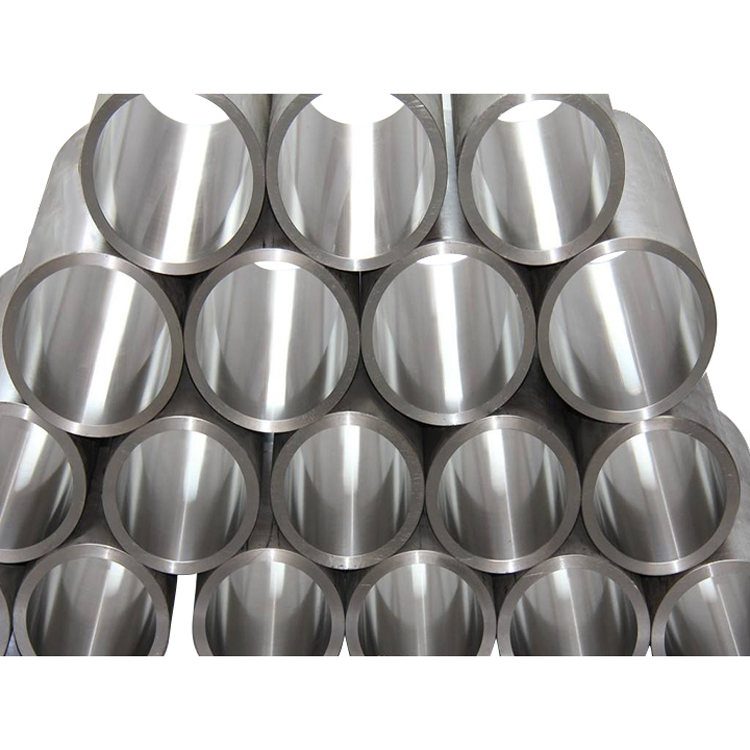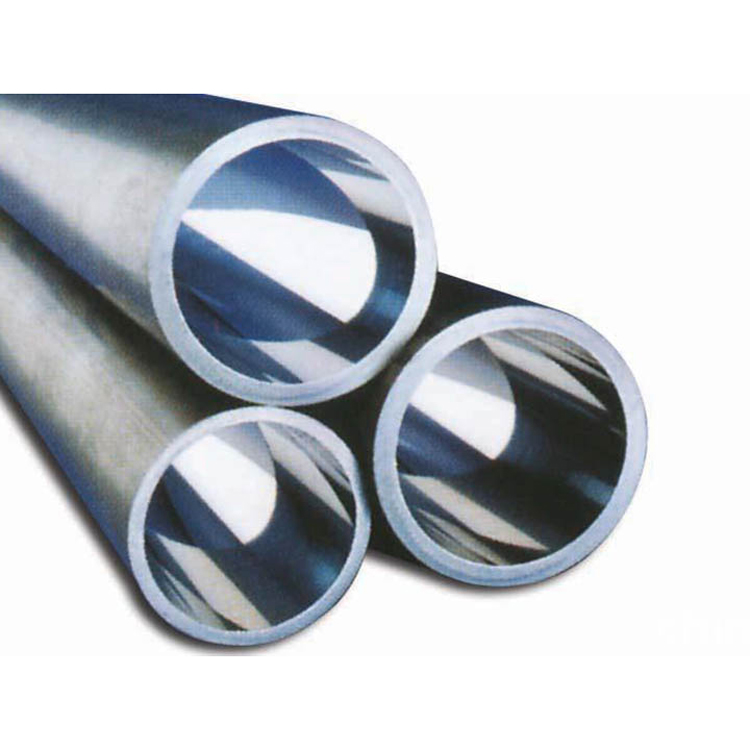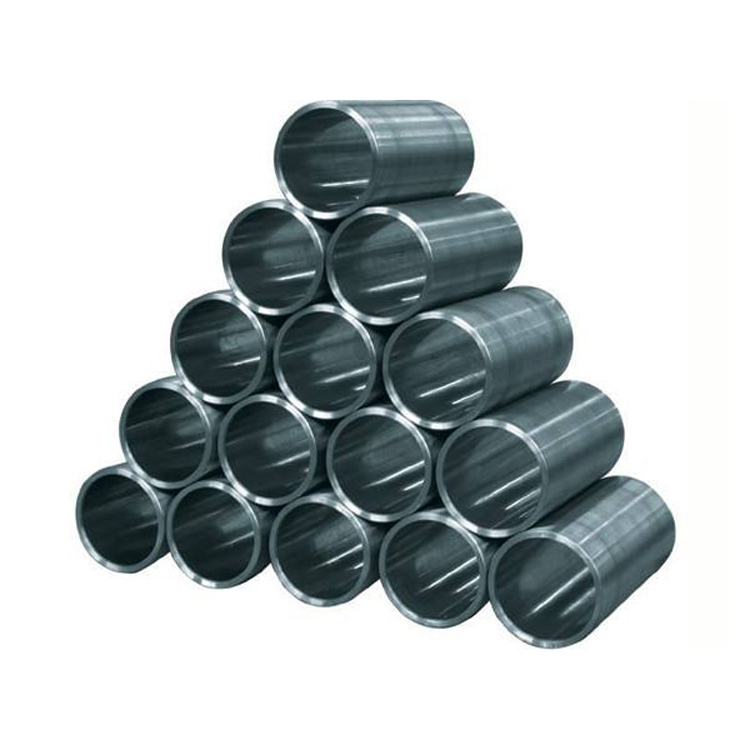

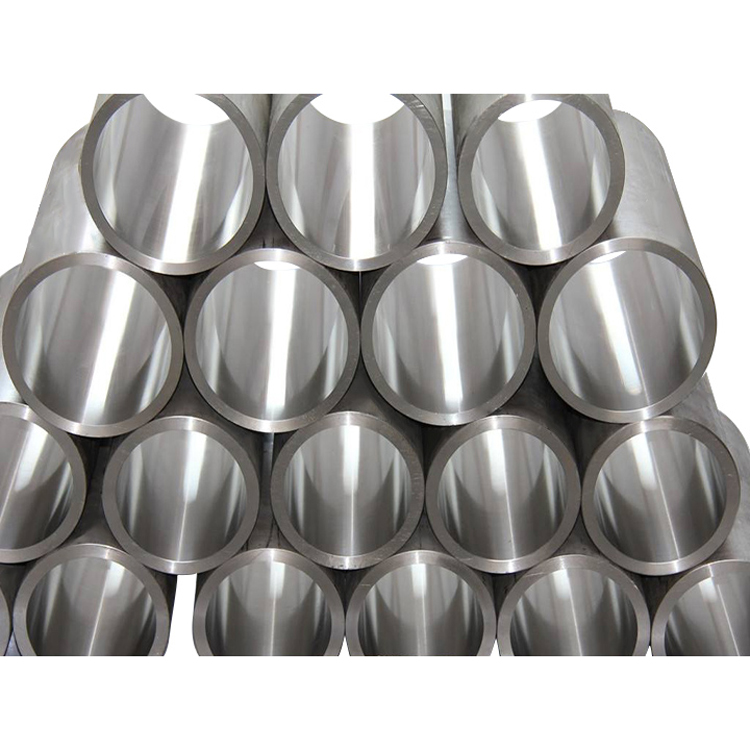


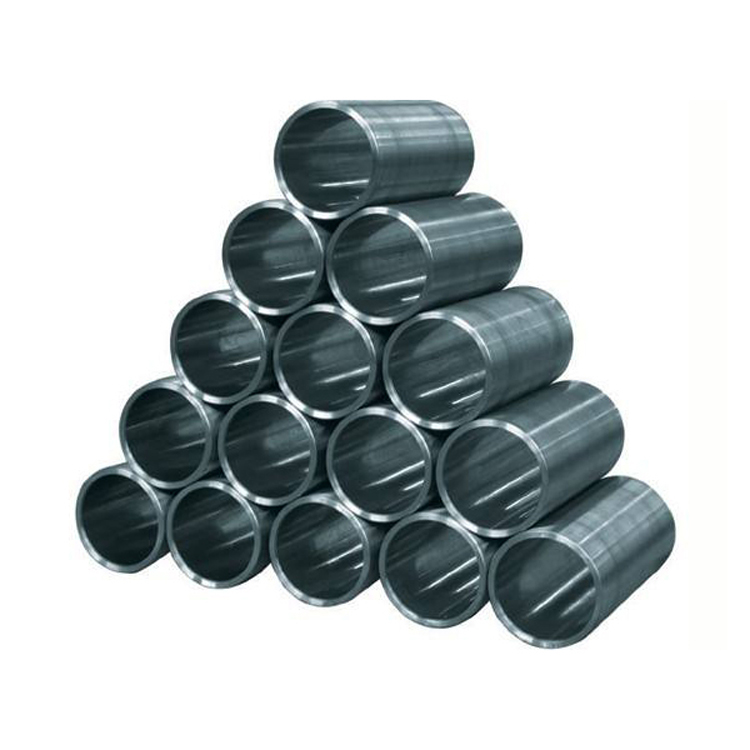












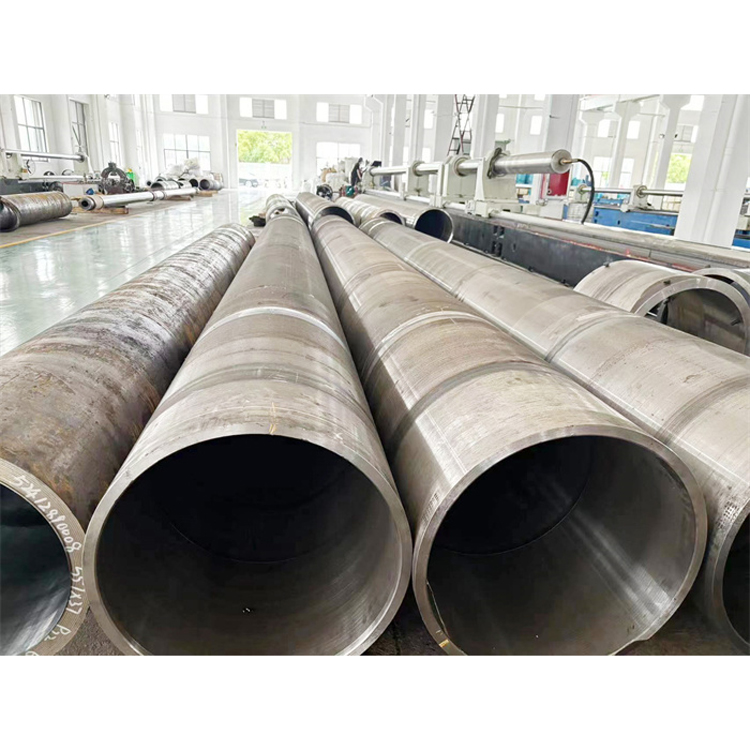
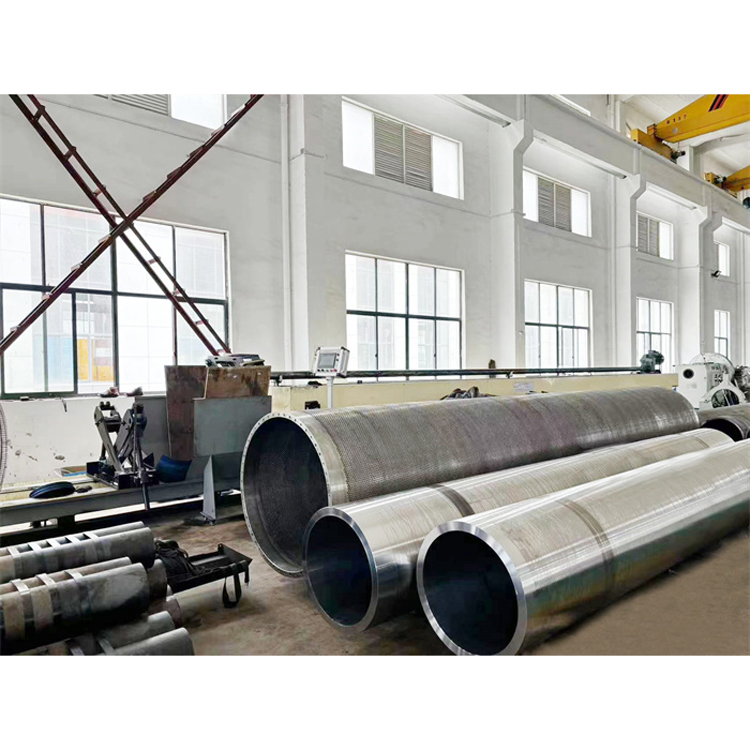
Honoring precision grinding processing
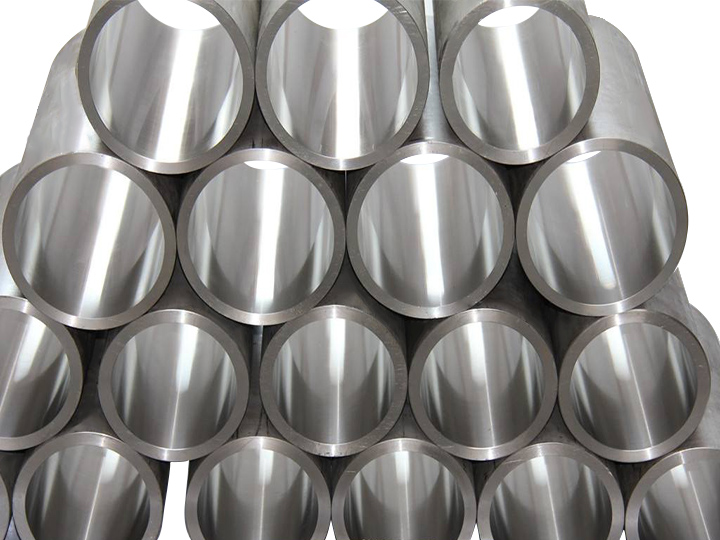
The advantages of honing processing:
(1) Wide range of processing, mainly for precision finishing of holes such as cylindrical, stepped, blind, and conical holes. Also suitable for flat, spherical, and shaped surfaces, as well as outer cylindrical surfaces. Honing diameter ranges from 1 to 1,200mm or more, with hole lengths up to 12,000mm. Virtually all workpiece materials are suitable for honing processing.
(2) Excellent surface quality after processing; the honed surface features a cross-hatched pattern, which is beneficial for the storage of lubricating oil and maintenance of the lubricating film, with high wear resistance and a long service life. Moreover, due to the honing speed being only a fraction of the general grinding speed, the grinding force and heat are minimal, preventing the workpiece surface from developing burns, cracks, changes in material properties, or hardening layers.
(3) High machining accuracy - Honing process for internal holes achieves roundness and cylindricity of 0.005~0.01mm, surface roughness Ra of 0.05~0.2μm, but does not enhance positional accuracy. It can replace some grinding processes and has a processing efficiency comparable to grinding.
(4) Low machining accuracy requirements; Honing processing can be performed on special honing machines, as well as on turning, boring, and drilling machines.