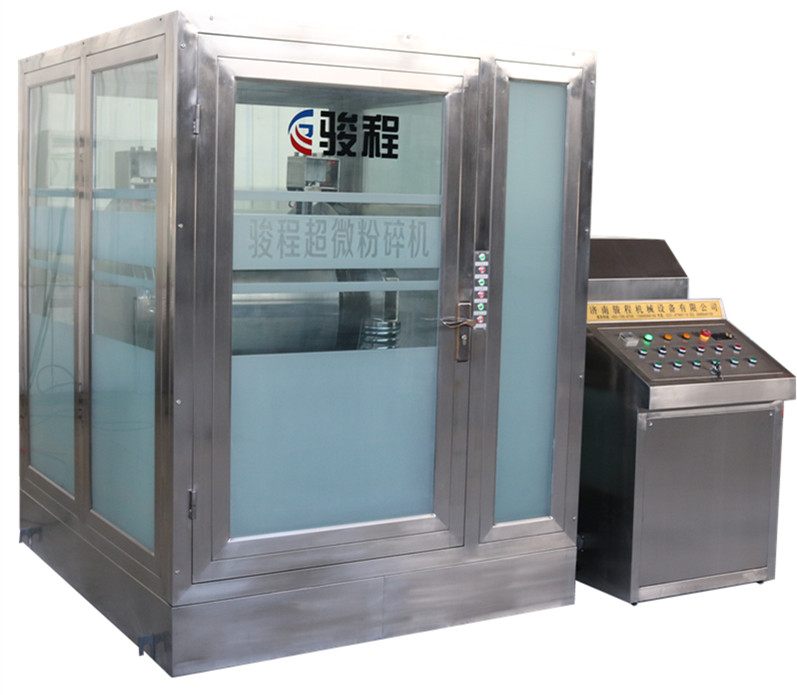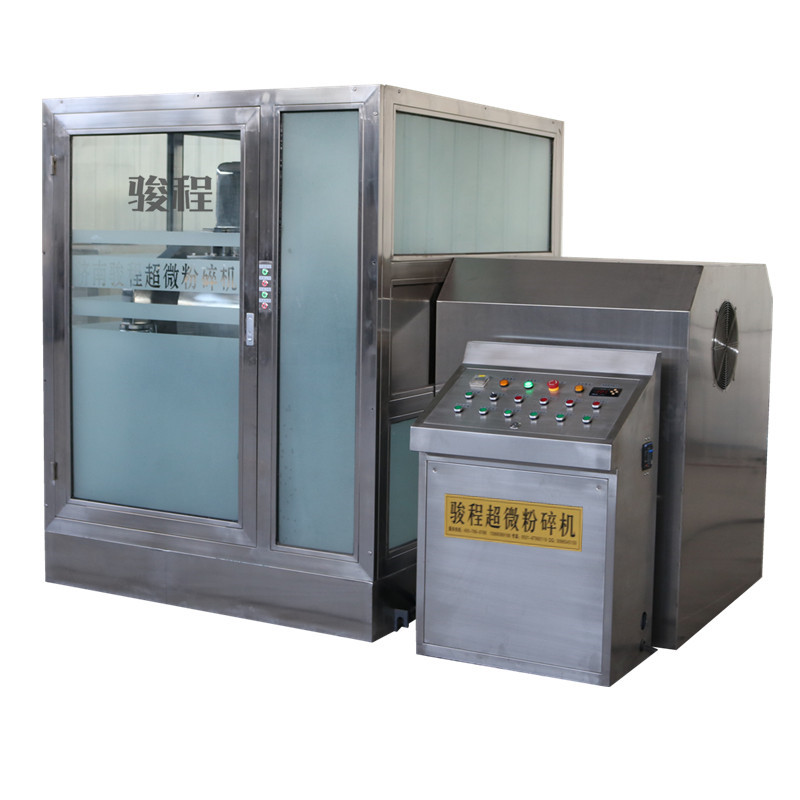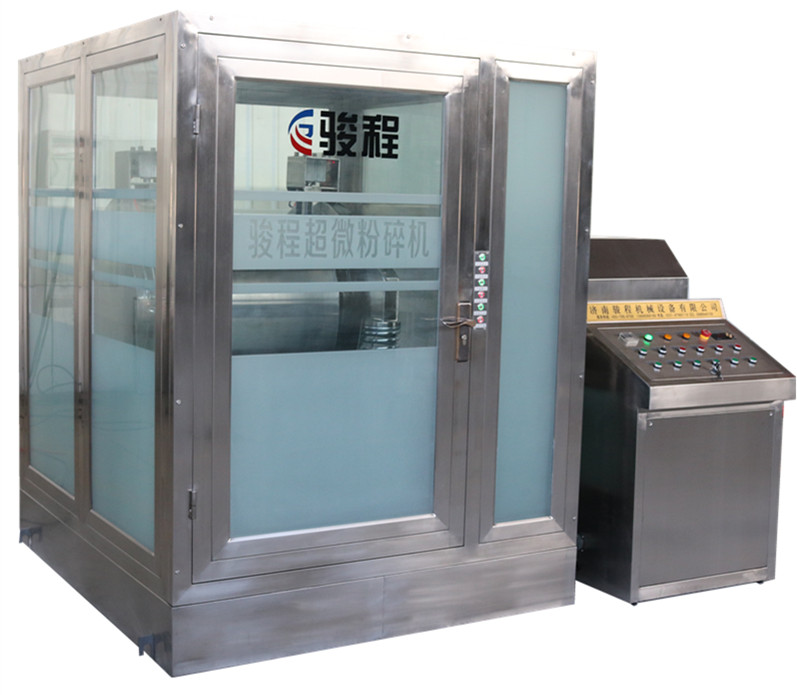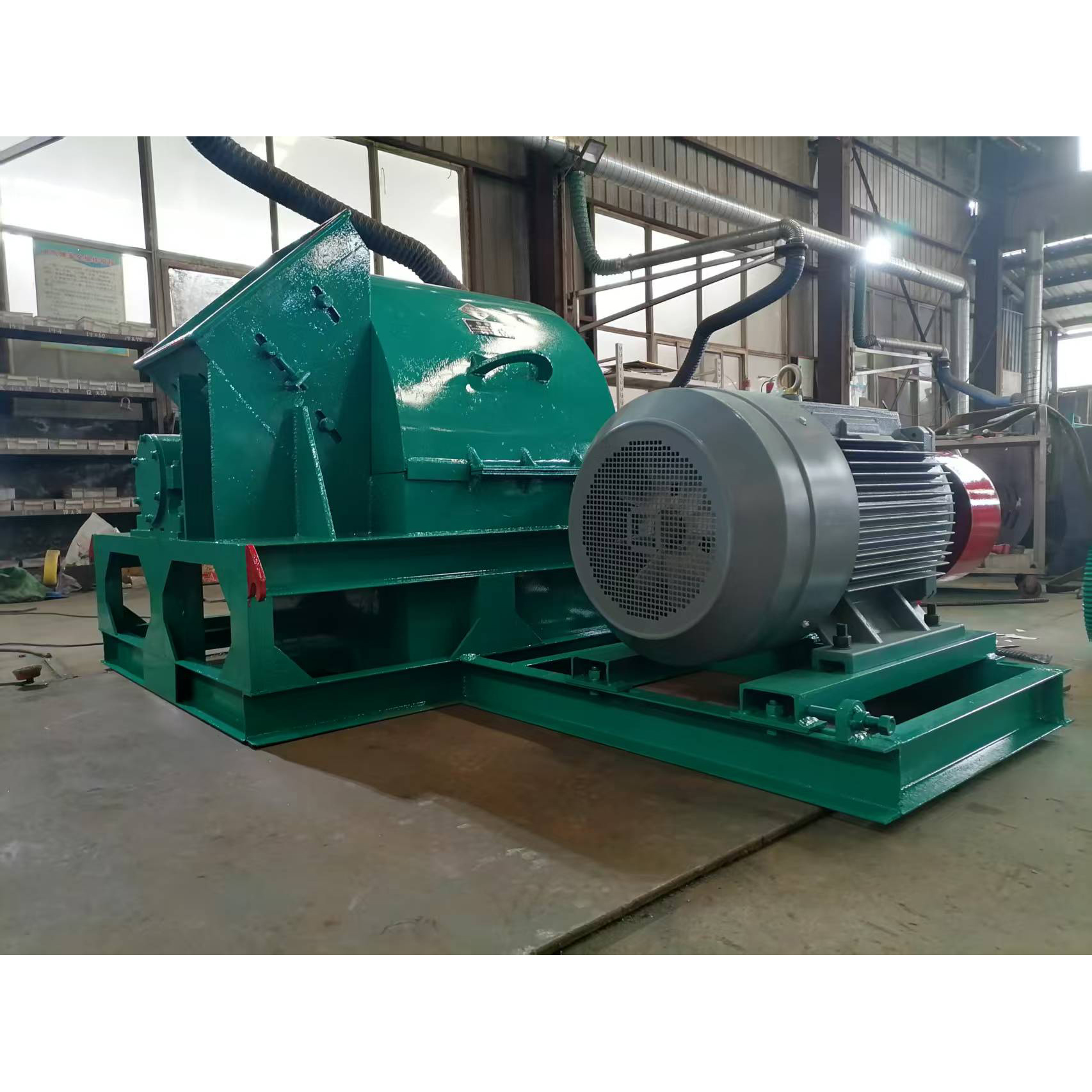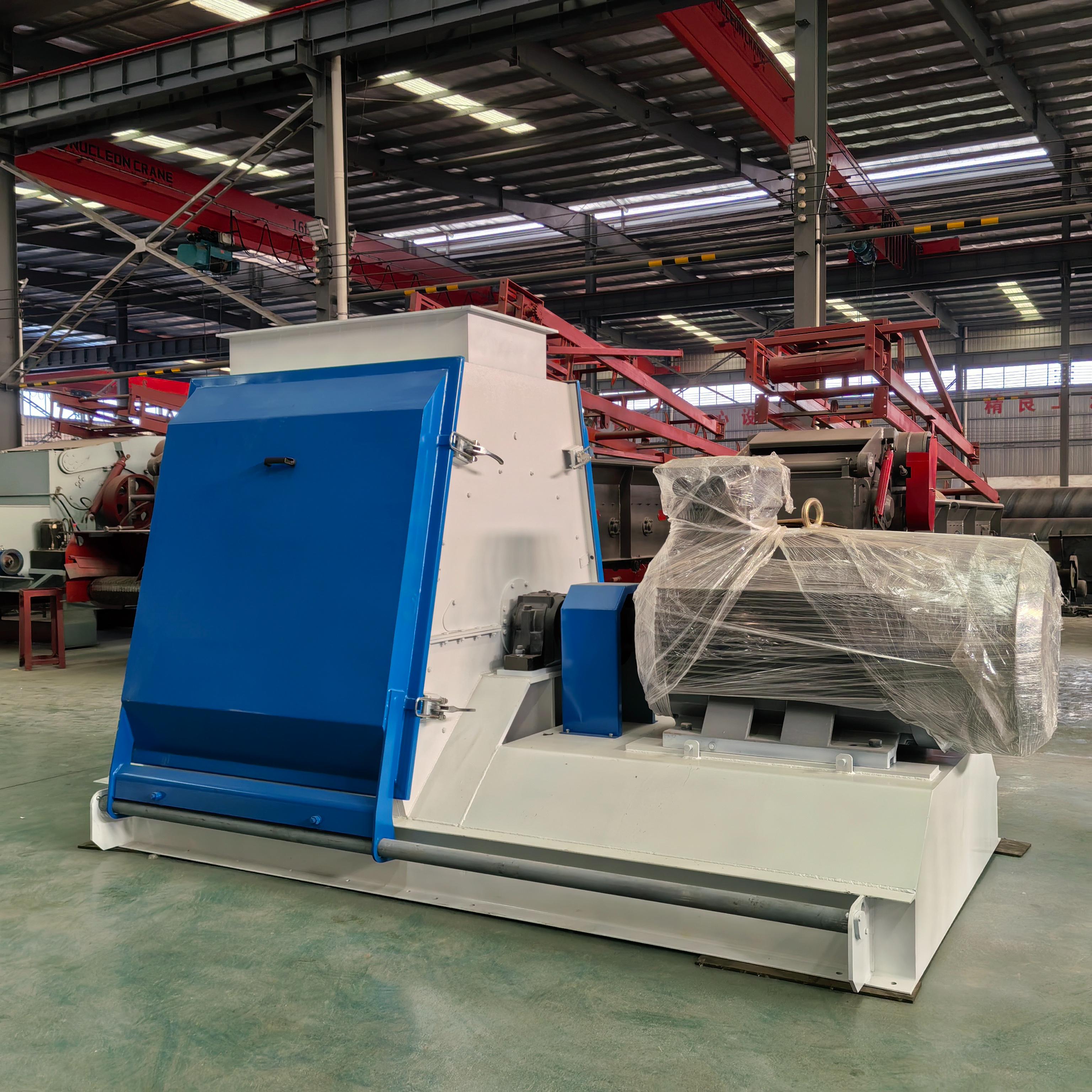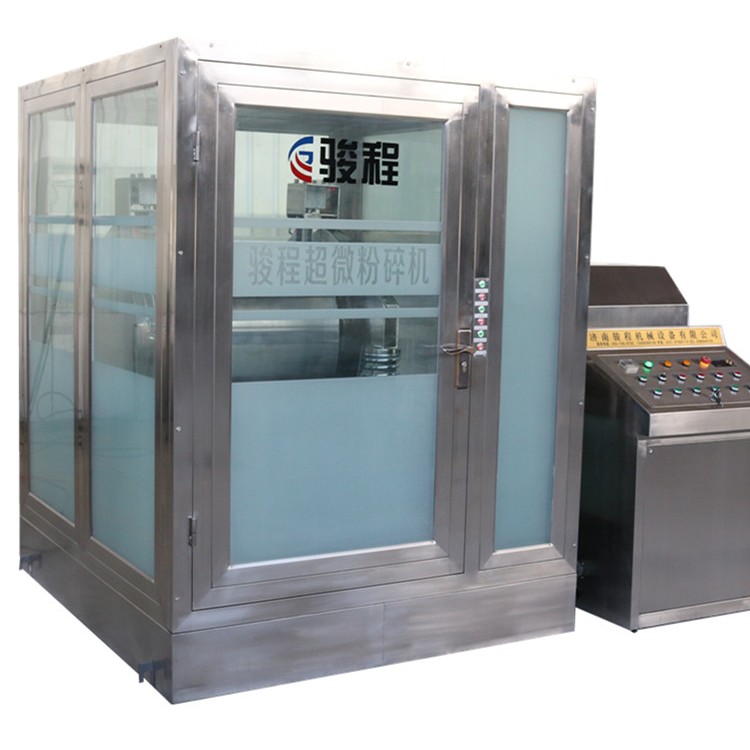

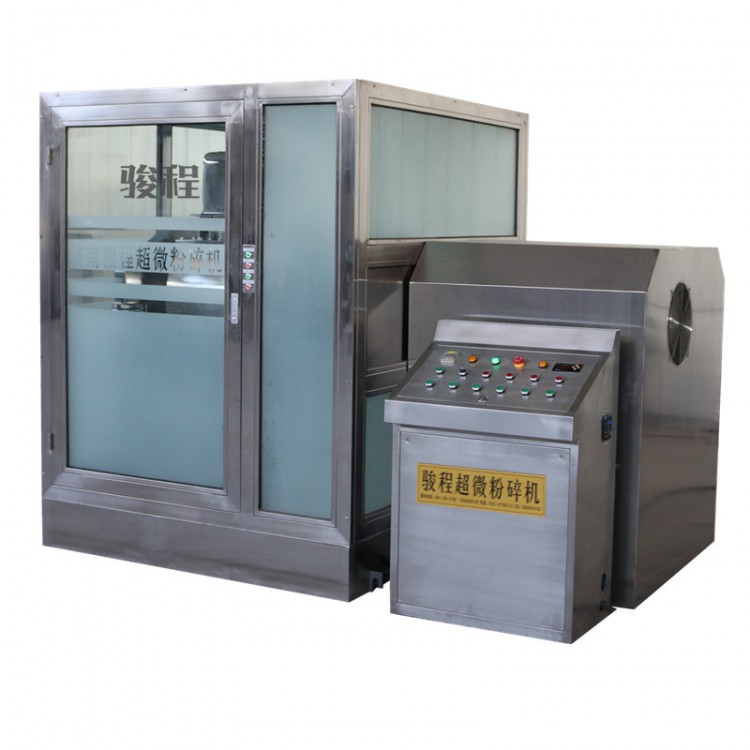
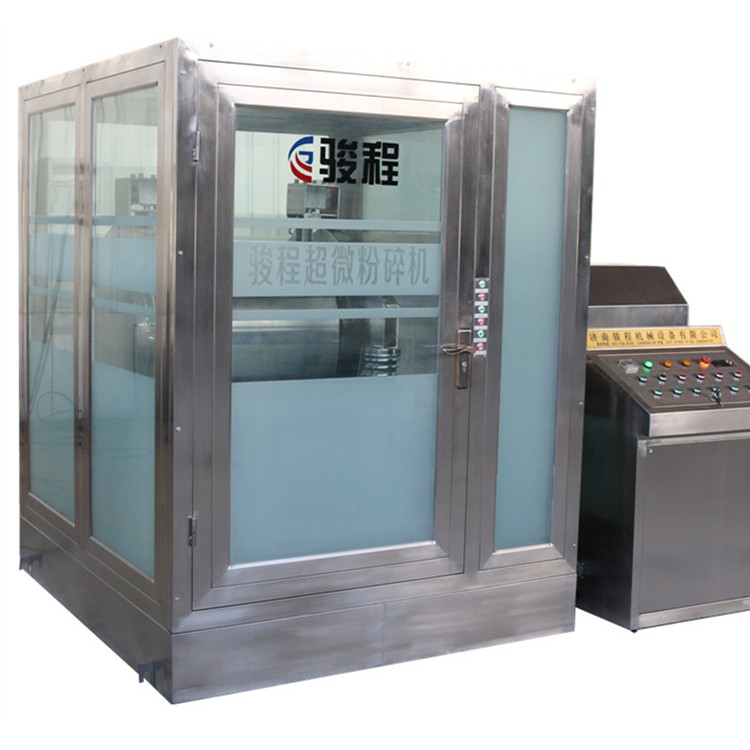









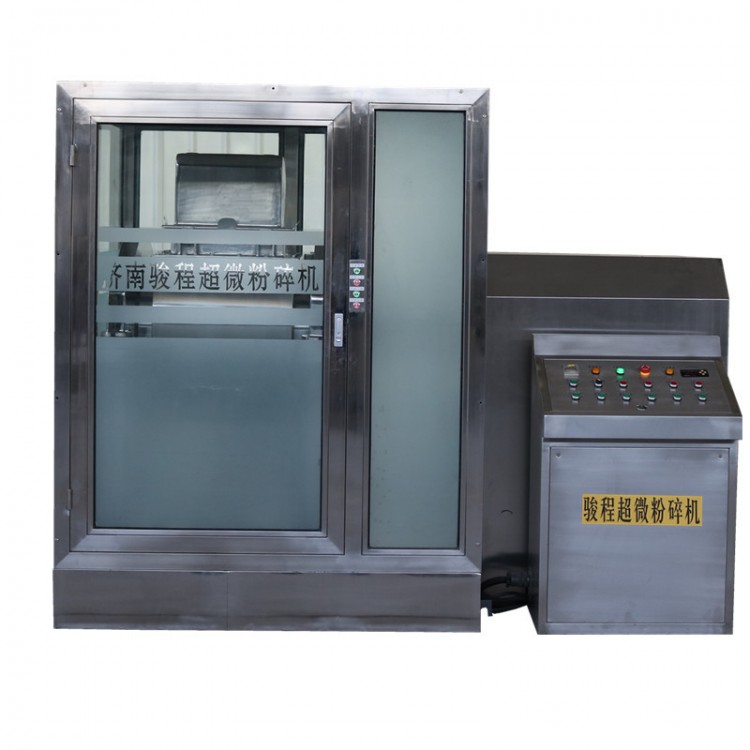
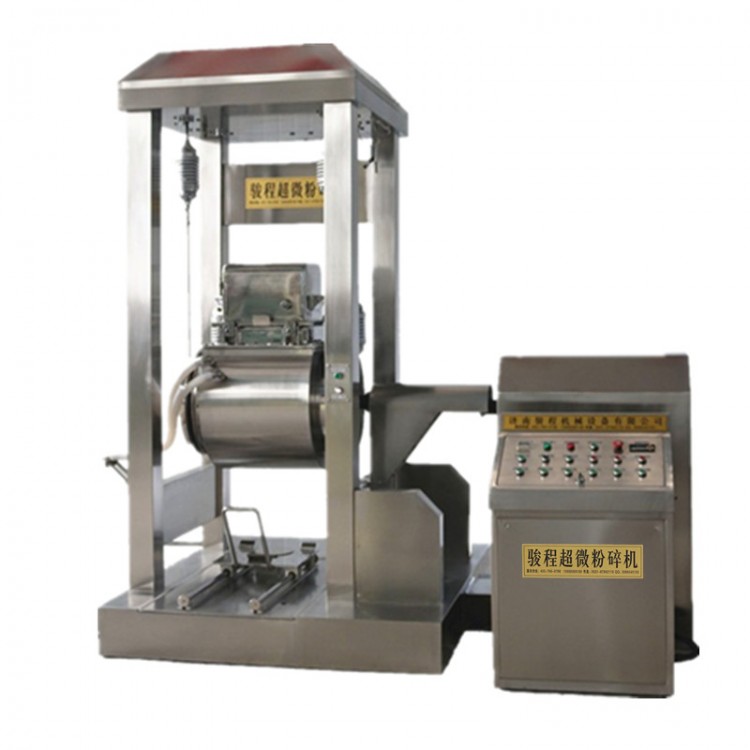
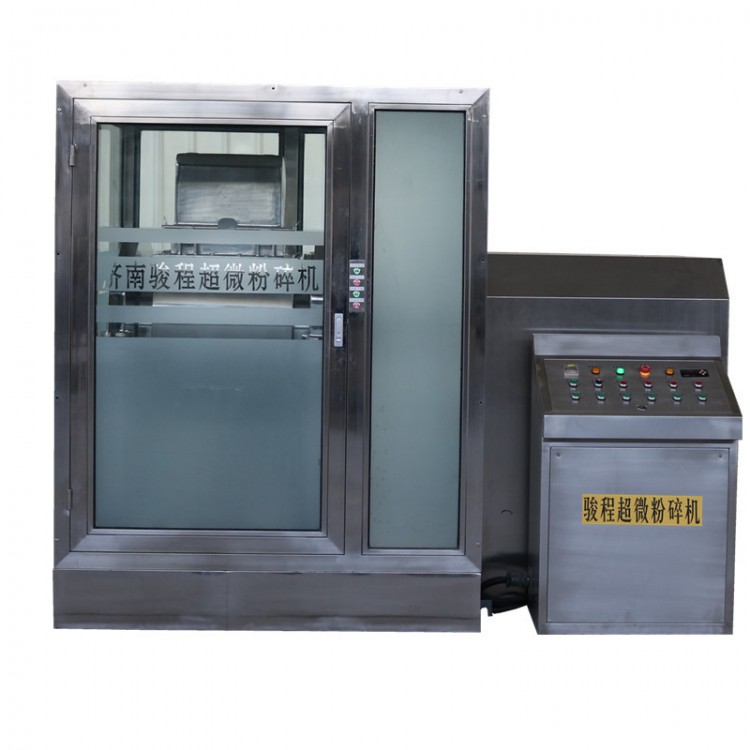
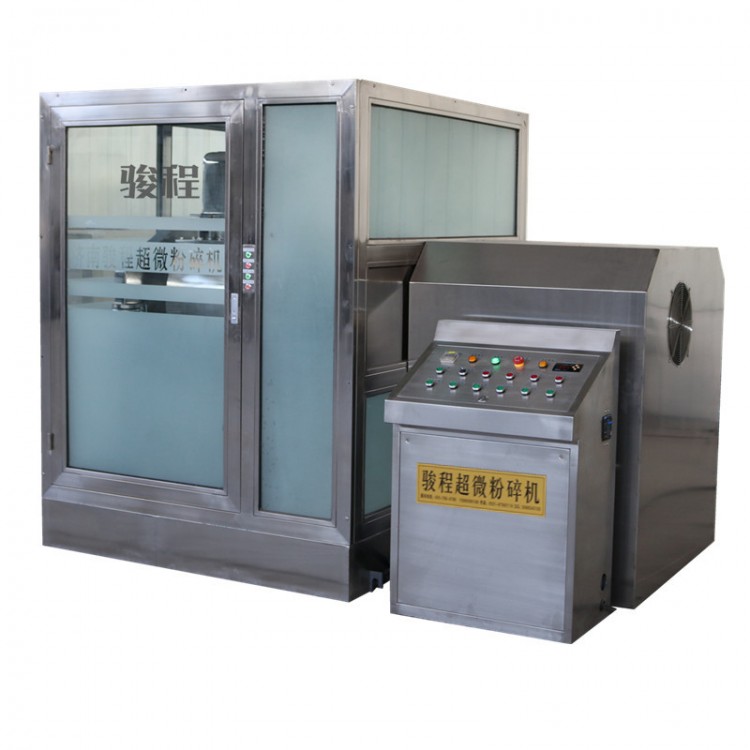
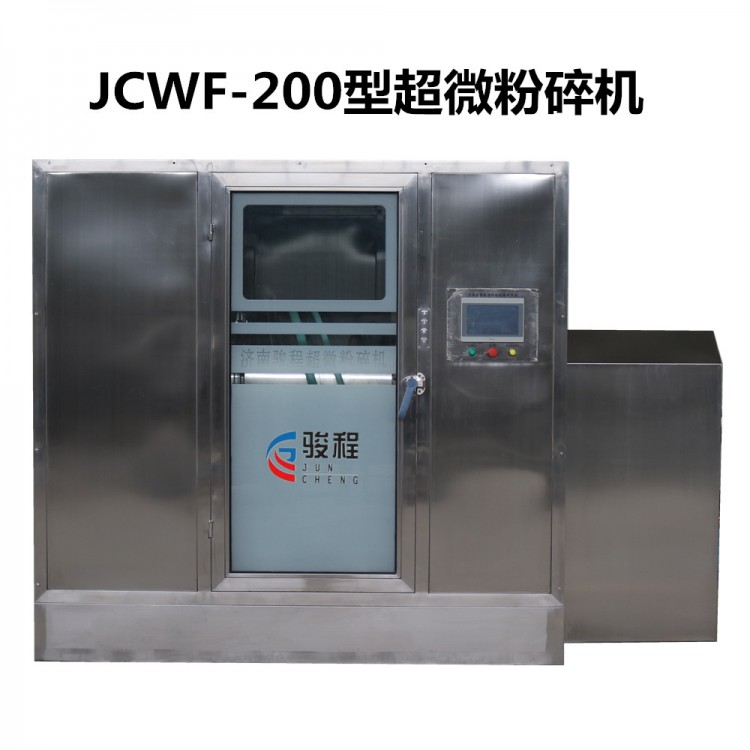
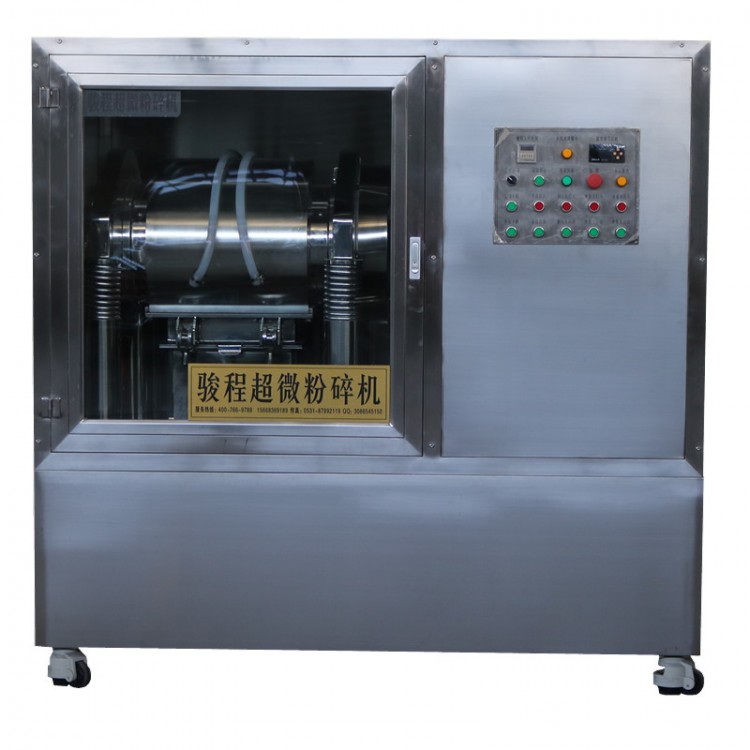
Large Reishi Spore Powder Cell Wall Breaking MachineThis vibratory ultra-fine mill is suitable for high-fiber materials like Lingzhi spore powder, which also possesses certain tenacity. Standard crushing machines struggle to achieve cell wall disruption, and while some equipment can break the cell walls, the rates are low and the efficiency is poor. This machine achieves cell wall disruption through vibration ultra-fine crushing, with a fineness up to over 2000 mesh and high disruption rates. The equipment consists of a vibrating cylinder containing grinding media and material, which rapidly vibrates along an elliptical path. The cylinder's vibration suspends the grinding media and material, creating small projectile impacts. Under spring pressure (or centrifugal force) and the weight of the grinding media, the material is compressed and ground, resulting in fine powder. It utilizes high-frequency continuous vibration to crush materials, processing them through a series of actions like grinding, impact, and shearing, reducing particles larger than 150 micrometers to less than 1-10 micrometers. This produces a product with high surface activity and unique functionalities. Compared to traditional crushing, breaking, and grinding techniques, ultra-fine crushing yields particles that are much finer. The ultra-fine grinding technology offers excellent cell wall disruption, high disruption volume, and rapid processing. The disruption makes nutrients more easily absorbed in a micro-molecular state, enhancing production efficiency significantly. Its advantages include high media filling rates and action frequencies per unit time, along with low energy consumption. This multi-functional machine requires only one step to produce the product, greatly simplifying the production process and significantly reducing costs.
The machine employs compression and crushing methods, where the material is compressed, torn, and broken under the combined force of high acceleration impact and shearing forces. The magnitude of the crushing force is not affected by the material's mass, meaning even small quantities of material are subjected to a strong force. Both air-stream and rotor crushing methods exert unidirectional forces, resulting in poor crushing effectiveness for very light materials. Moreover, due to their unidirectional impact force, these methods can cause yielding in tough and elastic materials during crushing, leading to inefficient crushing. Since the majority of traditional Chinese medicines possess toughness and elasticity, using air-stream and rotor crushing methods will result in low crushing efficiency.
To substantiate the aforementioned claim, our analysis of Ganoderma lucidum polysaccharides extracted from the same batch, after being micro-pulverized using two different force methods, reveals that the polysaccharide extraction from the crushed Ganoderma is 40% higher than that from roller-milled Ganoderma. Electron microscopy images also show a significant difference. This type of pulverization method causes material crystal lattice damage, whereas air jet and rotor pulverization, regardless of the fineness, do not disrupt crystal shapes. Taking theophylline as an example, after air jet and rotor pulverization, the fineness increases, but the crystal shape remains unchanged. However, using this pulverizer, the original crystal shape is not visible, presenting as an amorphous micro-particle complex, with a significantly higher specific surface area compared to the previous method.
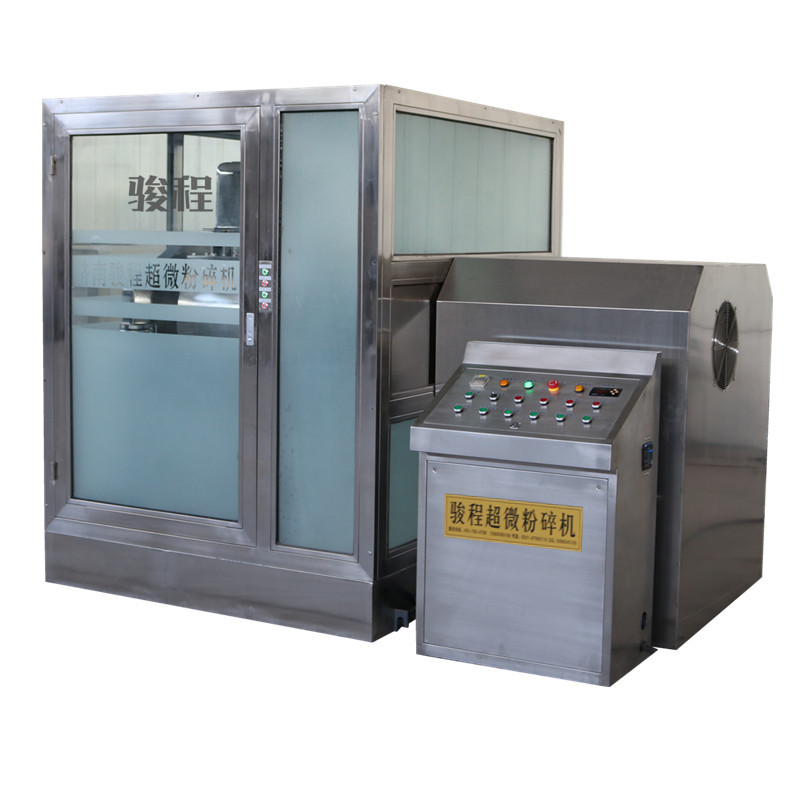
TheDuring operation, please note the following points:
1. The impact of medium filling rate on crushing effectiveness: Some customers, in a bid to increase production volume, arbitrarily reduce the amount of medium, unaware that when the filling rate of the medium is too low, its movement is confined only to the lower half of the drum, resulting in incomplete force on the material and poor crushing results. Moreover, some customers believe that the more medium there is, the better the crushing effectiveness.
The machine's amplitude and medium filling rate exhibit an optimal matching relationship, with the grinding medium filling rate between 60%-70%.
2. Neglecting the impact of moisture on the crushing effect, the strong impact during the crushing process causes moisture in the material to migrate out, forming liquid bridges between the powder particles and significantly enhancing the bonding force, which severely affects the dispersibility of the material within the grinding chamber. The higher the moisture content during the crushing process, the lower the energy transfer and utilization, and the greater the impact on the particle size and specific surface area of the powder. Moisture often affects the material properties; for example, in traditional Chinese medicine, high moisture content greatly increases its toughness, making crushing difficult.
Always test the moisture content of the material before crushing, and dry the materials appropriately for different types. Control the moisture content of the material to be around 2% to 5%.
3. Overloading the material can cause the powder particles to agglomerate into secondary granules, increasing the particle size. The amount of material added varies depending on the properties of the drug, with some materials expanding in volume after crushing; in such cases, only two-thirds of the container should be filled. For lighter materials that shrink in volume after crushing, the pre-crushed material should be as fine as possible to form smaller particles, and the container should be filled to capacity.
4. Without low-temperature refrigeration units, the equipment's temperature increase affects the crushing effect. This is because during the crushing process, there is intense friction and impact between the filling medium and the medium, between the medium and the medicine, and between the medicines themselves, which generates a large amount of heat, causing the temperature to rise sharply. This leads to the medicine softening and increases the difficulty of crushing. Therefore, for manufacturing companies, when purchasing equipment, we always recommend equipping it with dedicated refrigeration units. For crushing equipment, this means installing refrigeration to keep the crushing temperature below 10 degrees. The medicine becomes relatively脆, allowing for better control over the particle size of the powder.
In addition to the aforementioned points, the equipment's crushing effect also depends on vibration intensity, amplitude, and frequency. These parameters have been pre-adjusted and qualified prior to shipment. Customers are not permitted to make any arbitrary changes to these settings, as it may affect the equipment's crushing performance and lifespan.
The灵芝Spore Powder Cell Wall Breaker is widely recognized by customers, mainly due to:
1. Product Process:
This machine is a vibration-type ultra-fine pulverizer, which uses high-frequency vibration of grinding media to produce shock shearing, friction, and compression to crush particles. The finished product has an average particle size of less than 2-3 micrometers, with high crushing efficiency and strong crushing power. It employs a fully enclosed multi-grinding non-screening technology to preserve the efficacy components, effectively preventing the segregation and loss of efficacy components, as well as environmental pollution due to dust overflow. Particularly important is the application of ultra-low temperature crushing technology, especially suitable for fibrous, thermosensitive, and heat-sensitive Chinese medicinal materials. It is beneficial for retaining the bioactive components of Chinese medicinal materials.
2. Product upgrade and transformation:
Small and medium-sized equipment are equipped with foot pedal lifting devices for easy loading and unloading. Large ultra-fine pulverizers use pneumatic lifting mechanisms, which are simple and easy to operate. Both medium and large ultra-fine pulverizers feature a full water jacket cooling system, with cooling water circuits on the inside, outside, and sides for enhanced refrigeration efficiency. Small and medium-sized ultra-fine pulverizers previously used belt-driven flexible connections, but have been upgraded to shaft-driven connections, maintaining the amplitude and stabilizing the vibration frequency for uniform crushing. As customer requirements for products continue to rise, we can customize ultra-fine pulverizers with different materials, models, and specifications according to customer needs. We develop crushing equipment, innovate pharmaceutical pulverizing technology, and enhance the digital quality control level of traditional Chinese medicine products.
3. Product Processing:
A wide range of product models is available, allowing us to customize ultra-fine crushers in different models, specifications, and materials to meet customer needs, providing greater flexibility in selection.
4. Product Pricing:
This equipment is sold directly by the manufacturer, specializing in the professional design, research and development, and production of low-temperature ultra-fine pulverizers and low-temperature cell wall breakers. The company integrates research and development, manufacturing, sales, and service, and has specially established R&D teams, sales teams, installation and debugging departments, technical training, and parts supply and service departments. We offer professional technical guidance, reliable parts supply, and after-sales service. As a manufacturer, we save consumers the cost of intermediaries, resulting in lower prices.
5. Crushing processing technology implementation:
Our company has been dedicated to the research and production of ultra-fine pulverizers since early on. During our development and production processes, we have conducted practical粉碎 techniques on over a thousand materials, proficiently mastering the粉碎 time, temperature, and methods for different materials. We can provide process support to our clients.
In addition to being used for breaking the cell wall of Ling Zhi spore powder, it is primarily applied in the ultra-fine pulverization of traditional Chinese medicinal materials. This employs a single-pass, non-graded pulverization method, where the material is instantly shattered upon external impact, achieving powder form in one go. The technique is highly sophisticated, achieving precise blending (dispersion and emulsification) during the pulverization process, and is simple to operate. Prepared using a physical method, no chemical reactions occur, preserving the original chemical properties of the material.