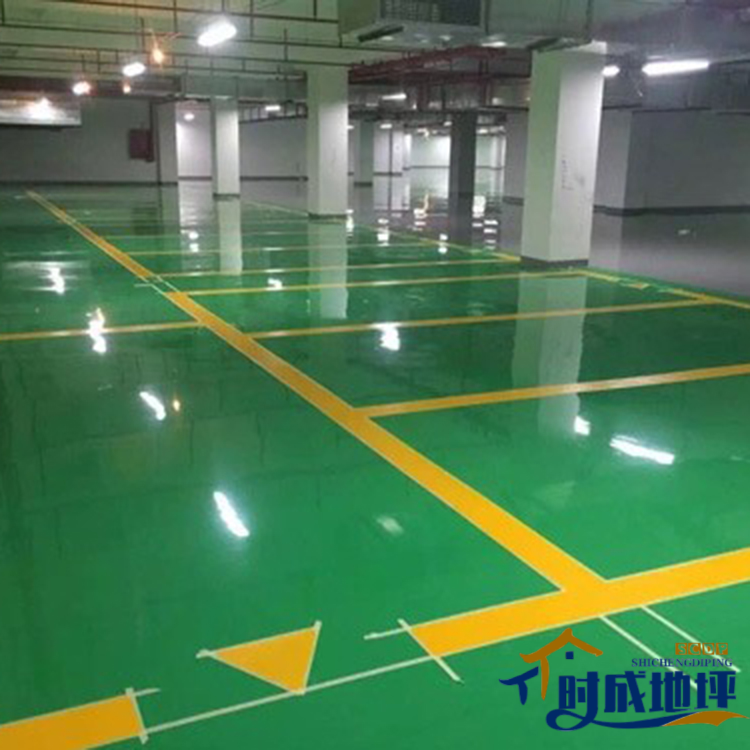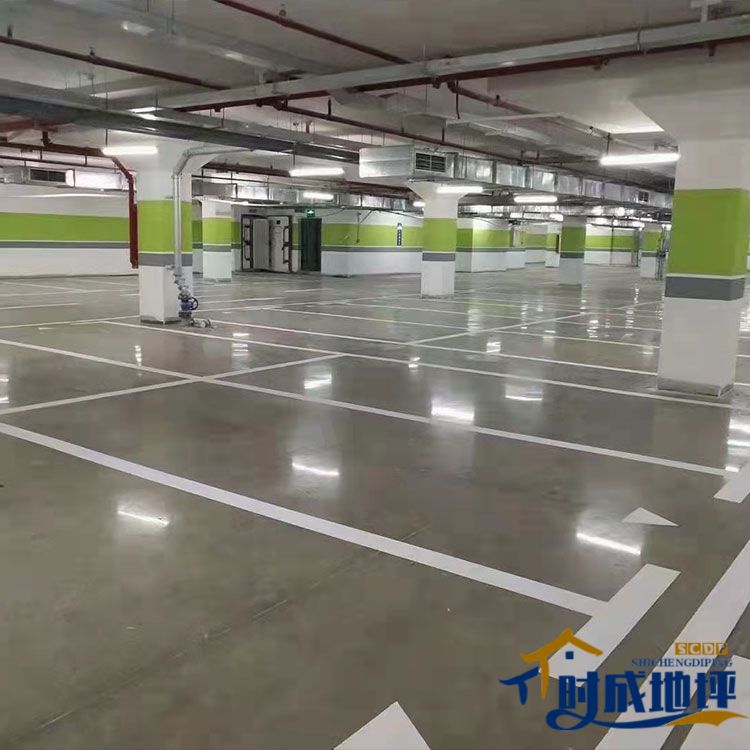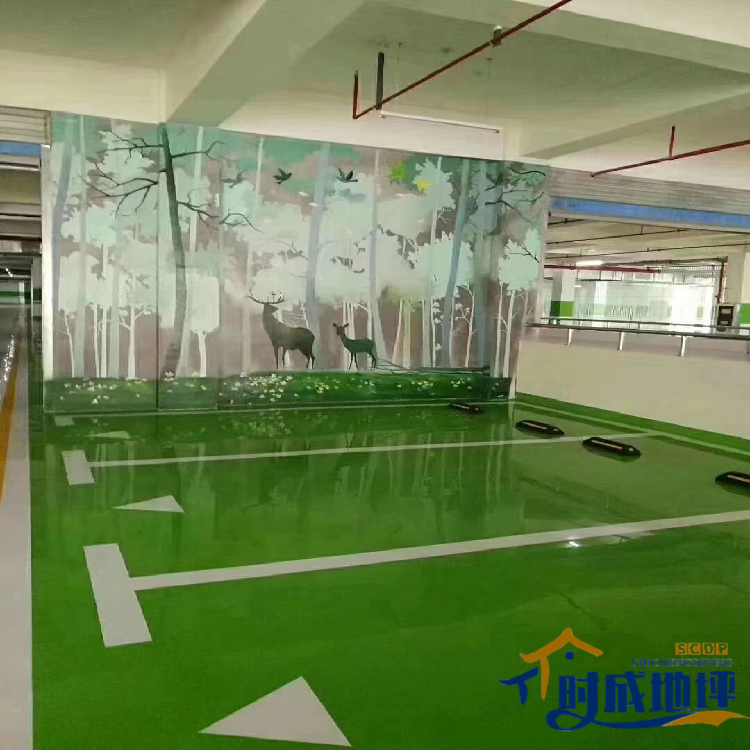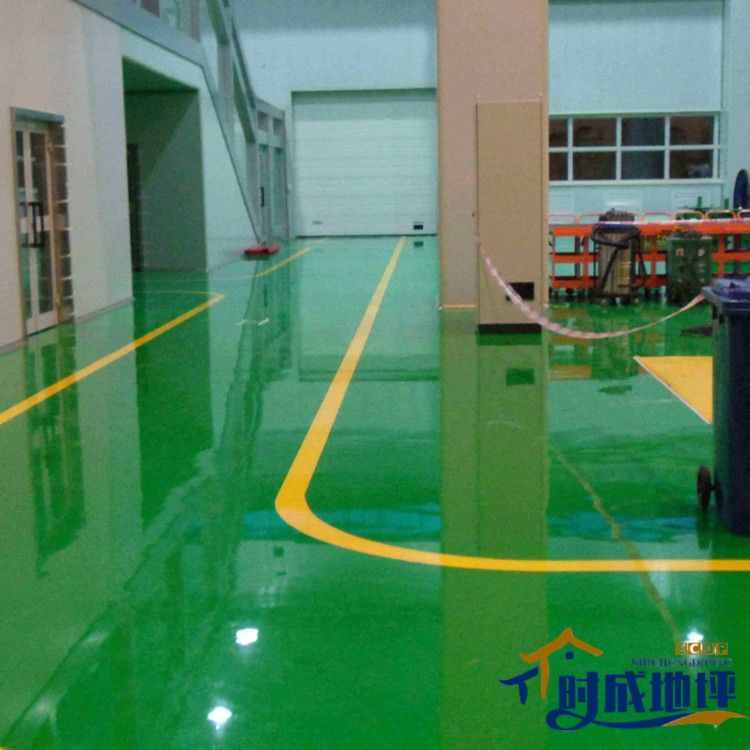












Porous concrete
1. Definition
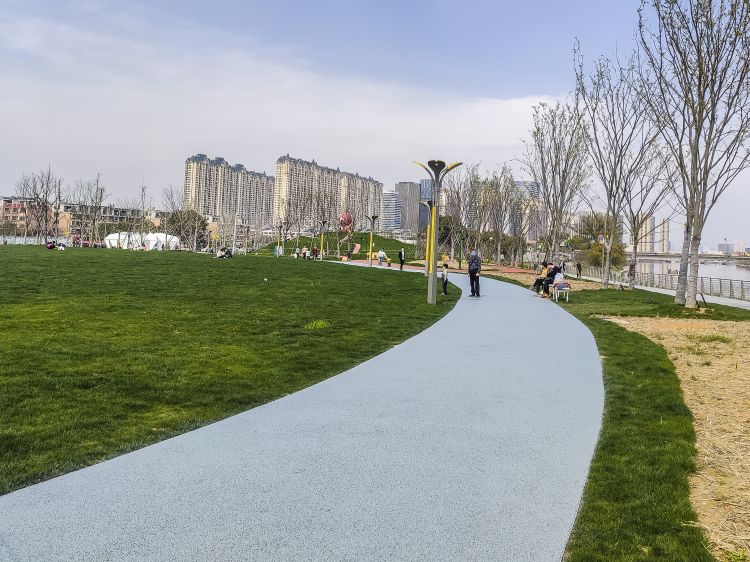
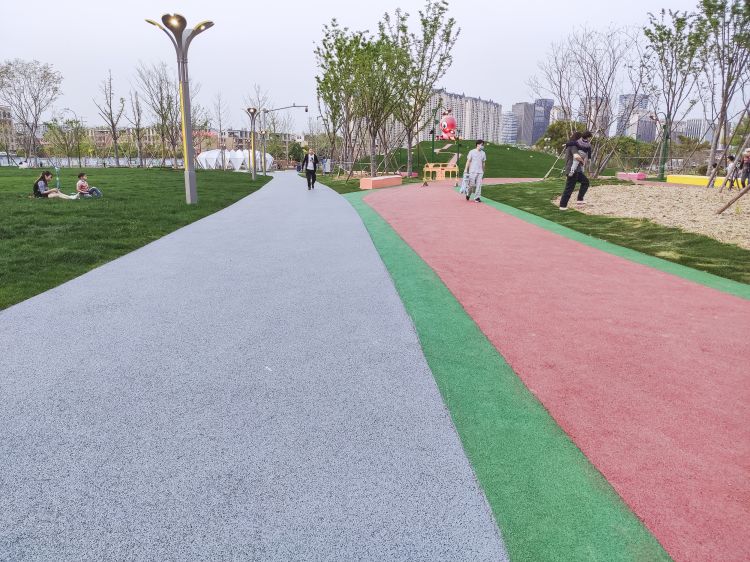
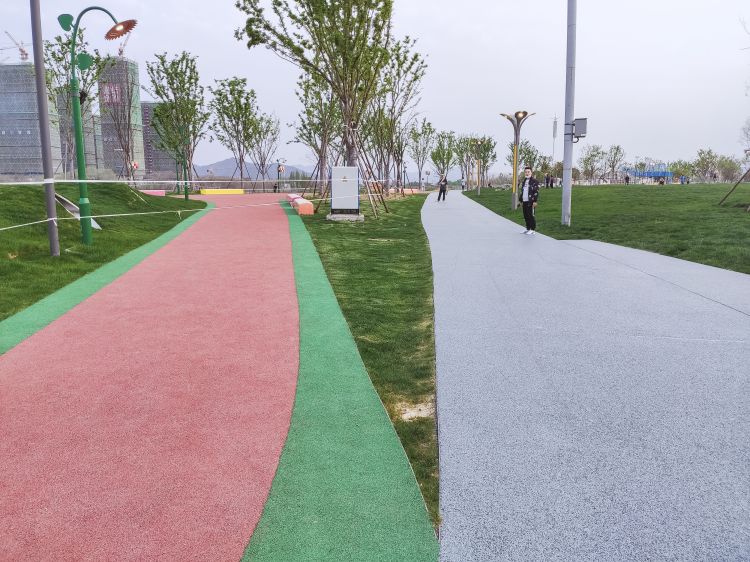
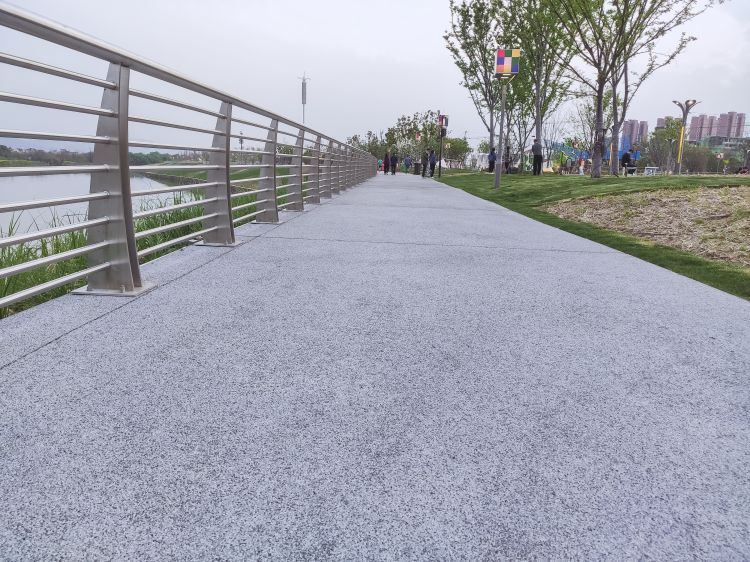
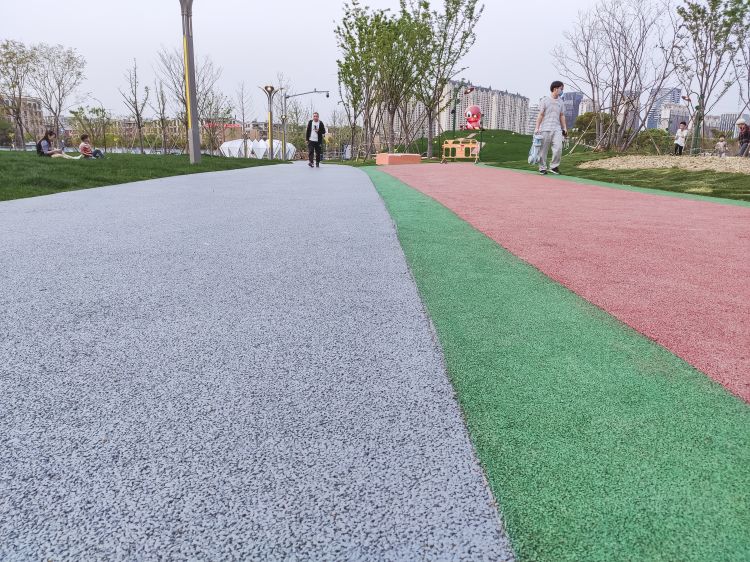
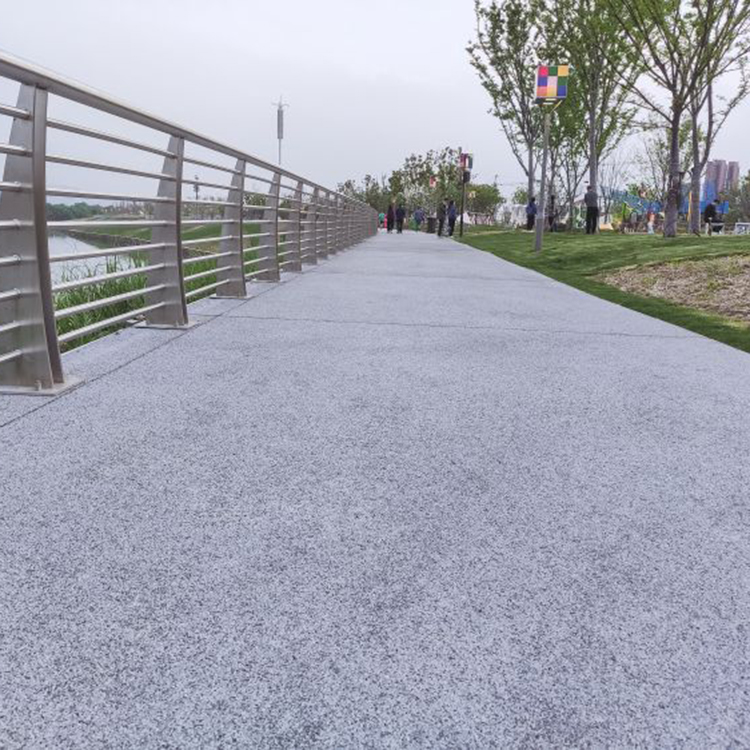
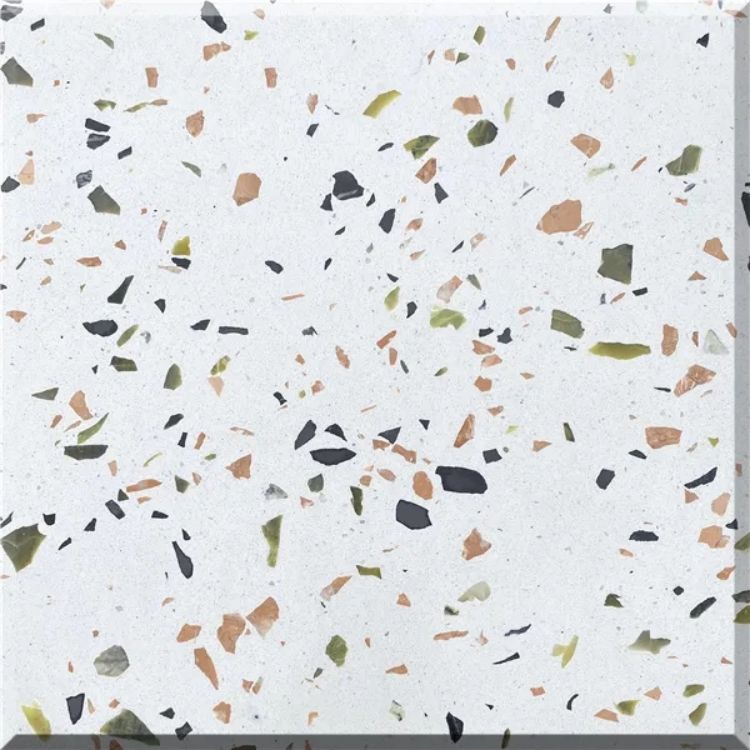
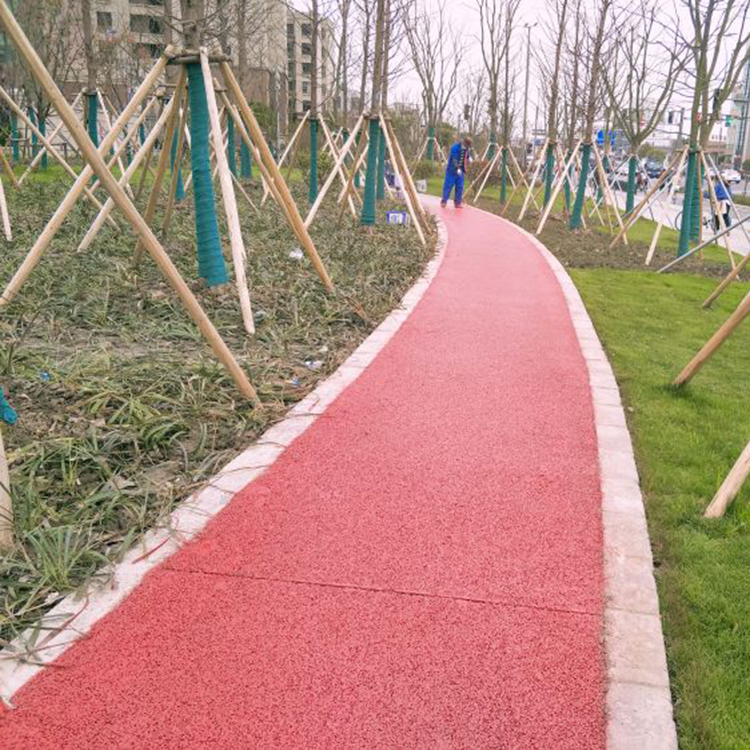
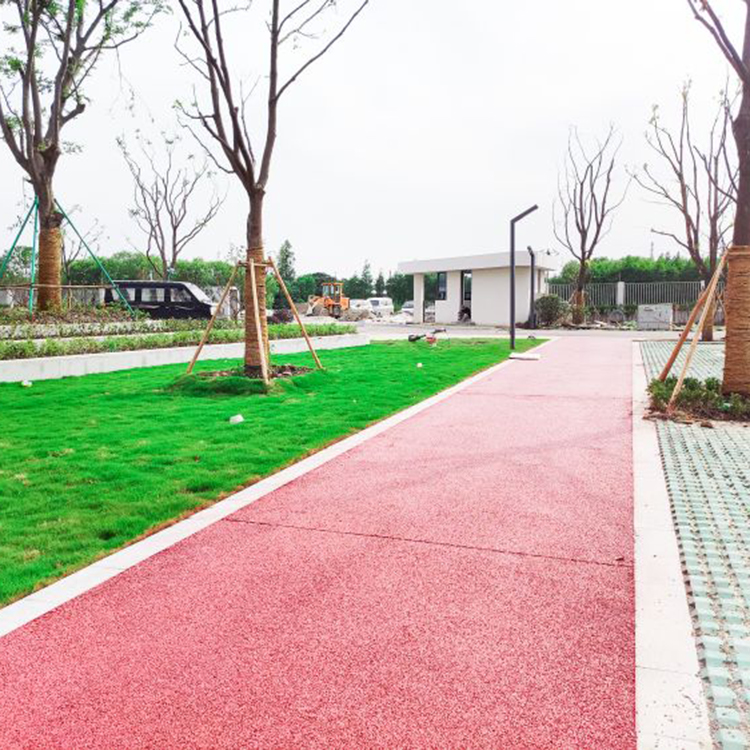
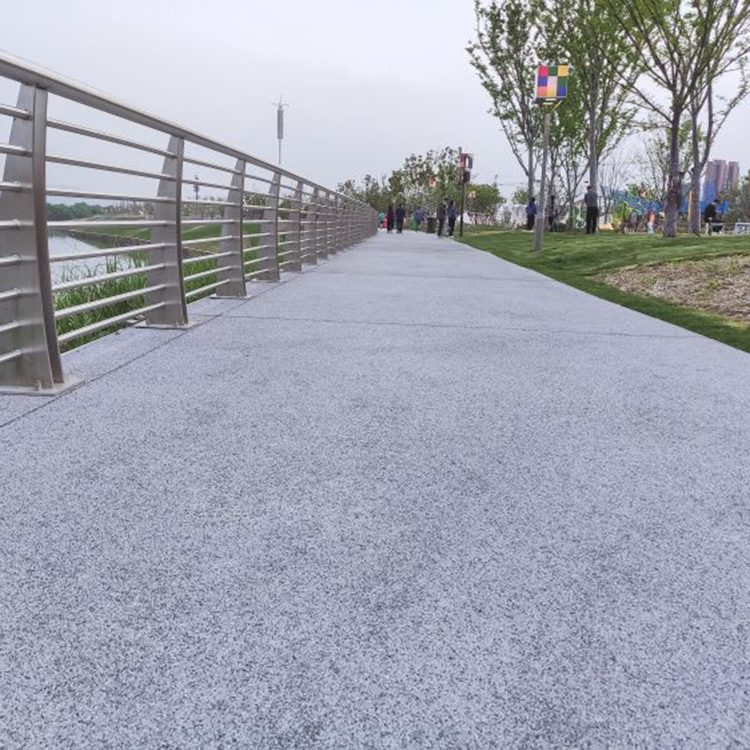
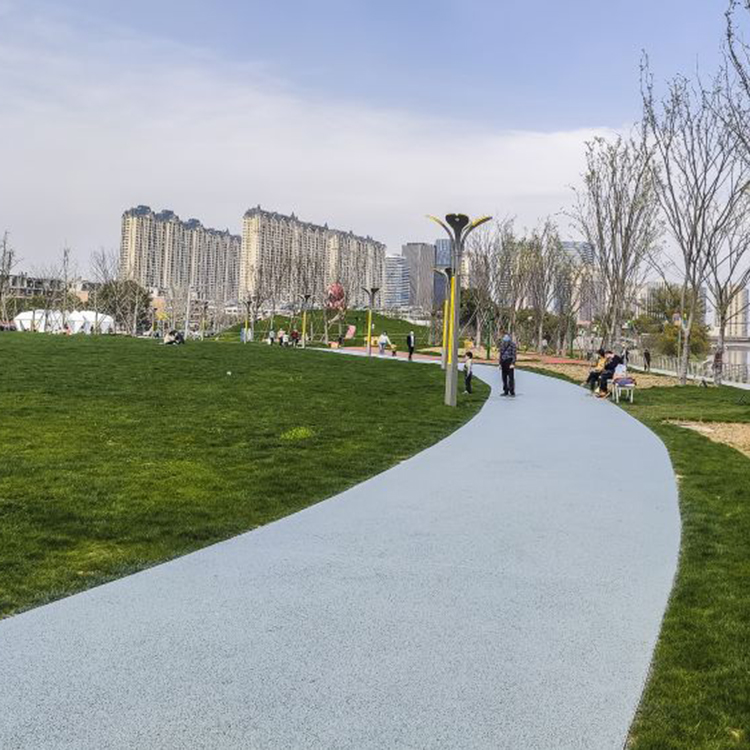
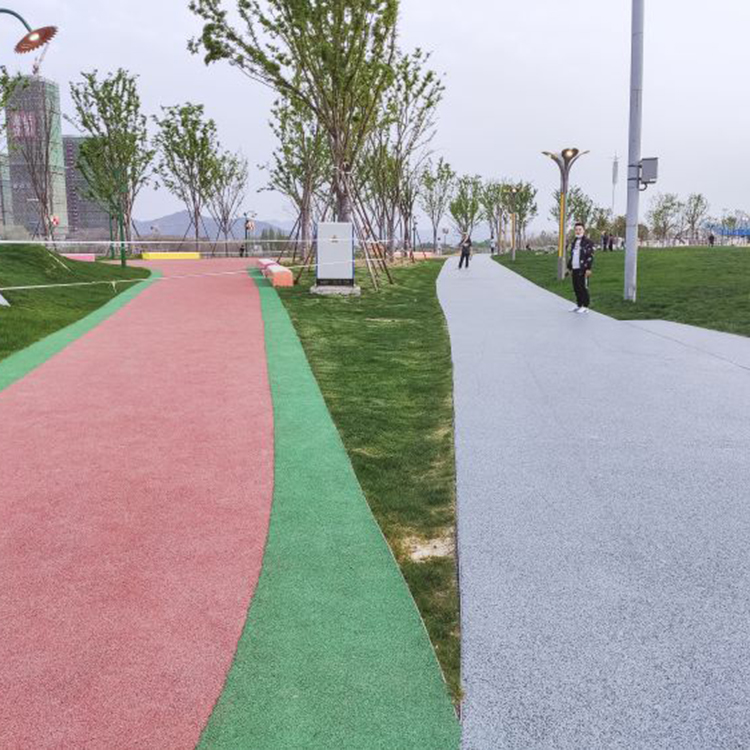
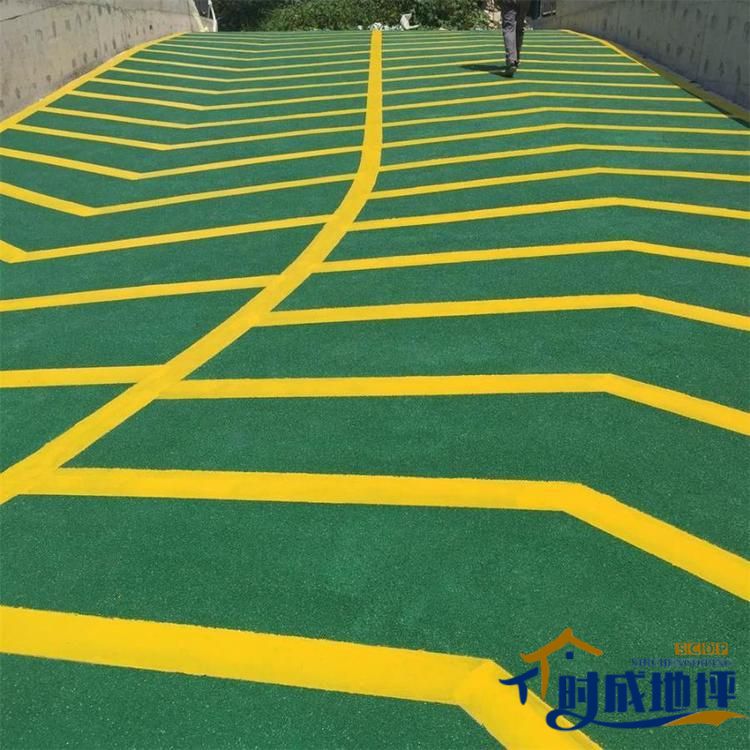
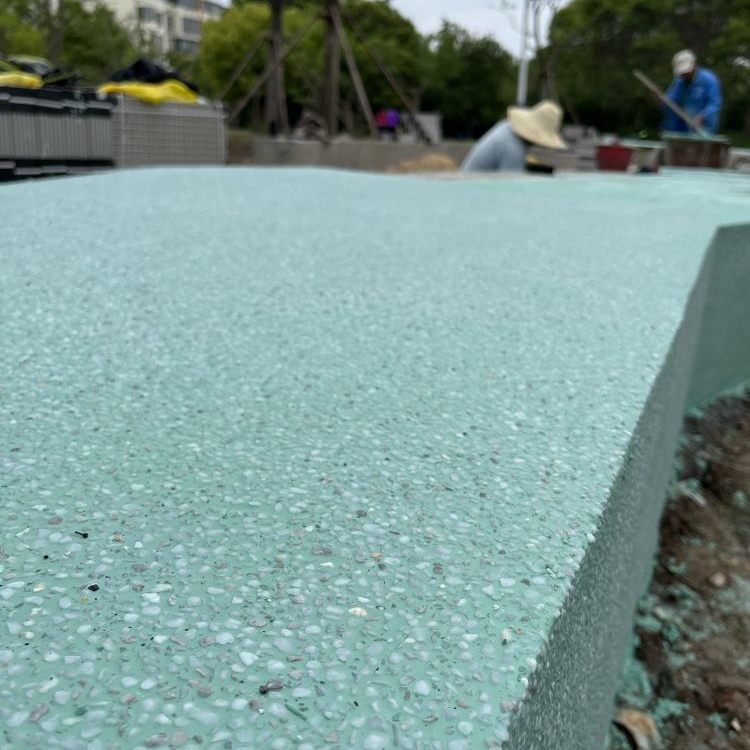
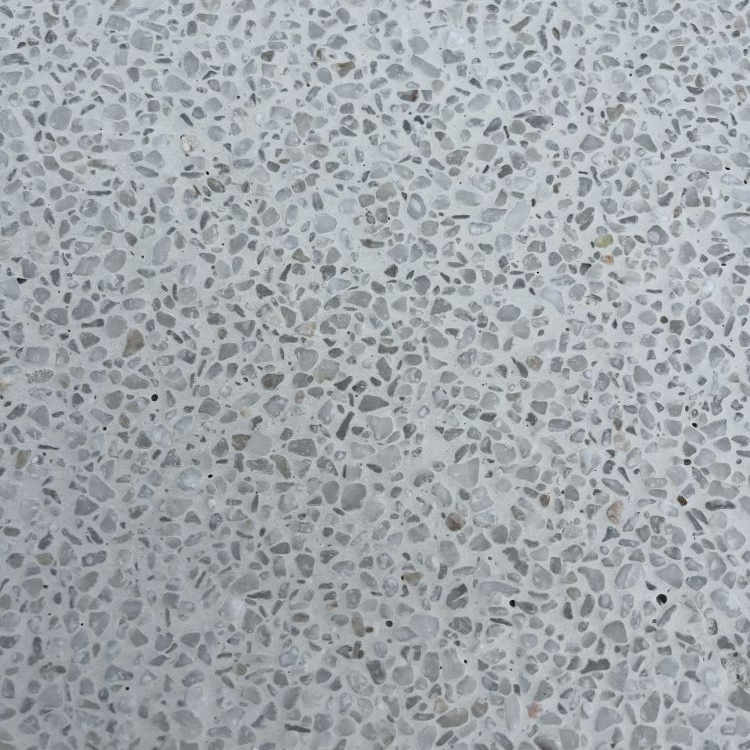
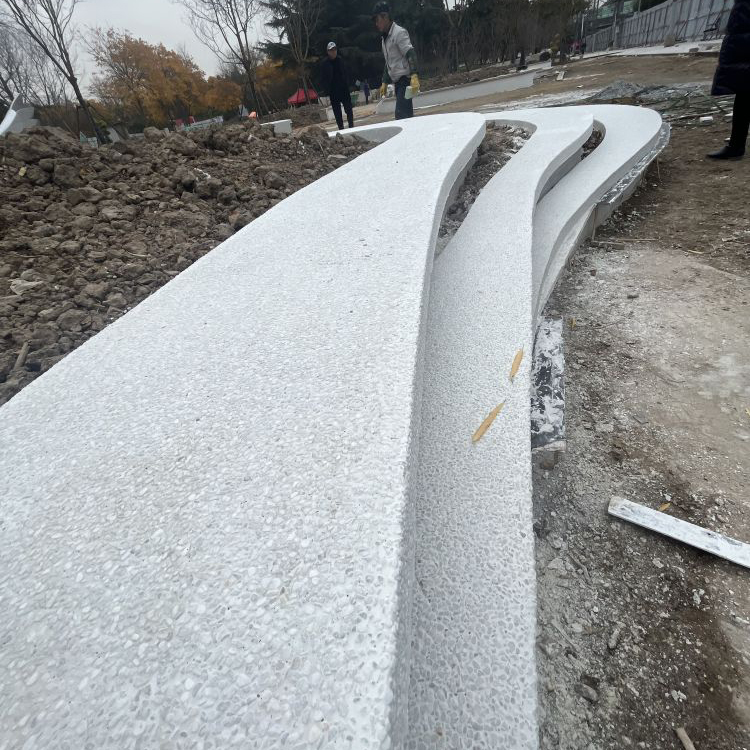
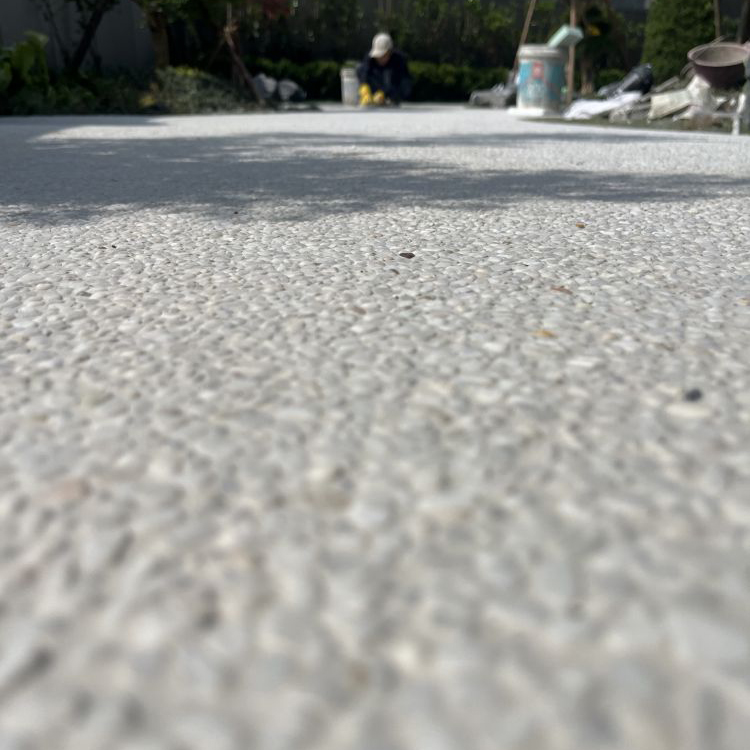
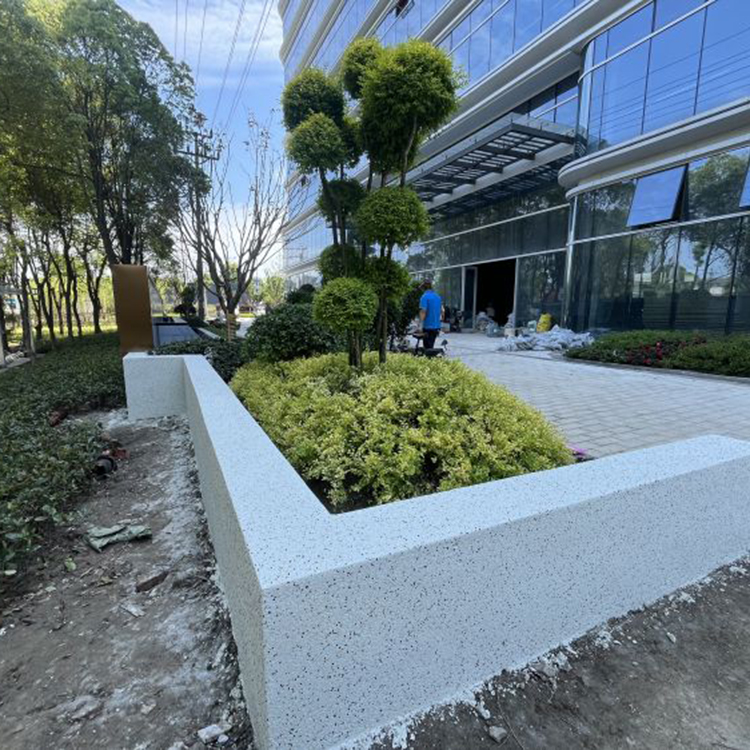
Ecological permeable concrete, also known as drainage concrete, is a new type of environmentally friendly paving material made by mixing a certain proportion of small gravel, high-grade concrete, permeable admixtures, water, colored reinforcing agents, and stabilizers. It features a honeycomb structure formed by coarse aggregates bonded together with a thin slurry coating, allowing rainwater to infiltrate the ground and effectively replenish groundwater. It also effectively eliminates the environmental hazards caused by oil compounds on the ground. With its vibrant colors and landscape integration, it contributes to a more harmonious urban environment, protecting nature, maintaining ecological balance, and alleviating the urban heat island effect.
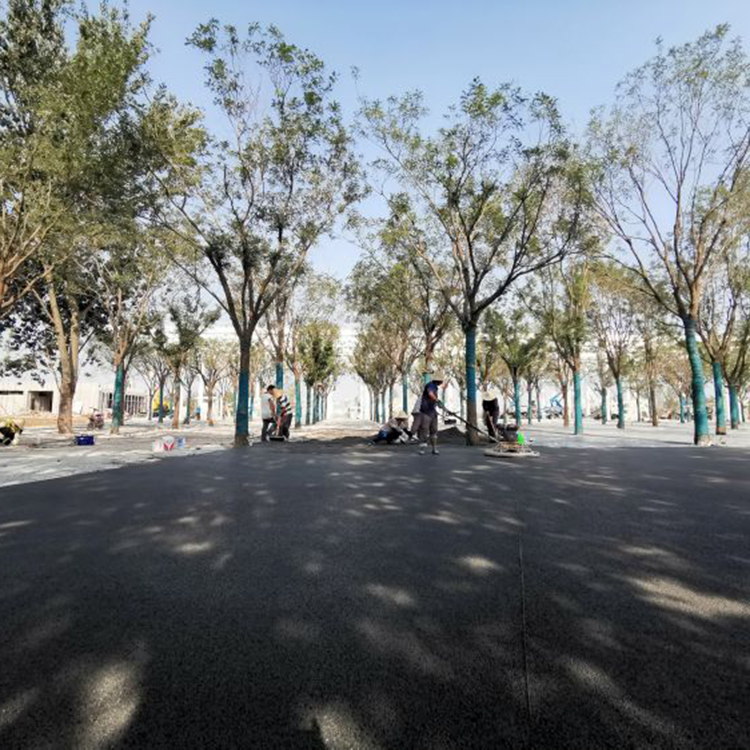
2. Permeable Concrete Construction Process
1. Mixing: Blend cement and aggregates in a mixer according to the specified proportions to achieve a well-mixed material.
2. Pouring: Prior to pouring, the subgrade must be moistened with water. Otherwise, the rapid water loss of the permeable concrete will reduce the bonding strength between aggregates. Simply lay the materials flat on the subgrade.
3. Vibration: Avoid excessive vibration and compaction during pouring.
4. Compaction: After vibration, further compaction should be achieved using solid steel pipes or light compaction rollers, flattening, and permeable concrete mixing material.
5. Maintenance: Due to the large number of pores, permeable concrete is prone to water loss and dries quickly, thus requiring film covering for maintenance.
6. Product: The wet curing time for the permeable concrete membrane should be no less than 7 days, followed by applying a layer of specialized permeable concrete sealant.