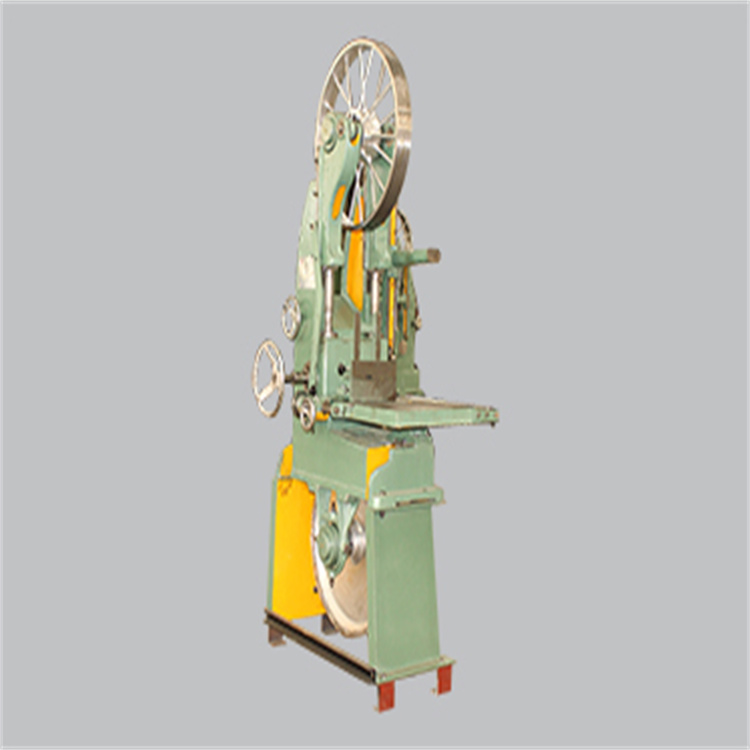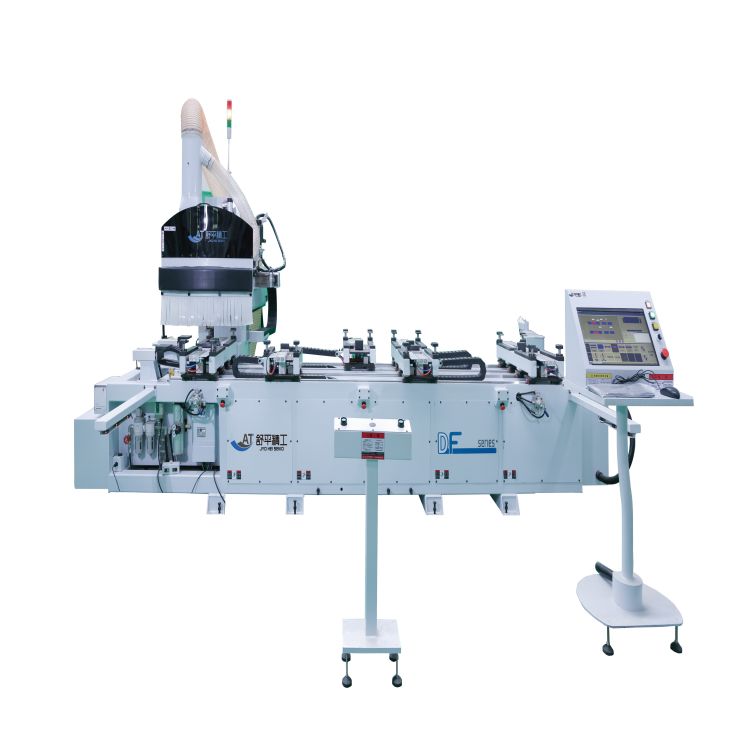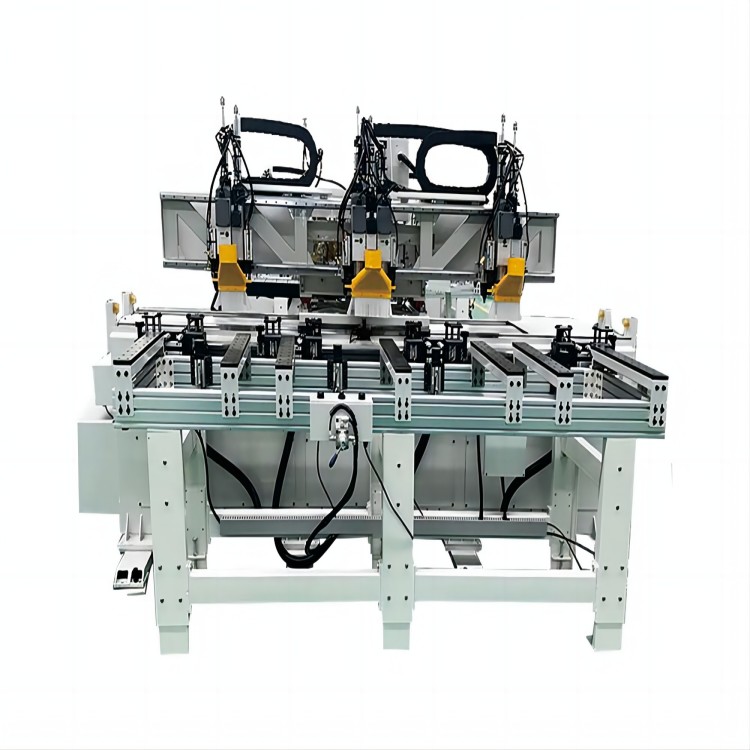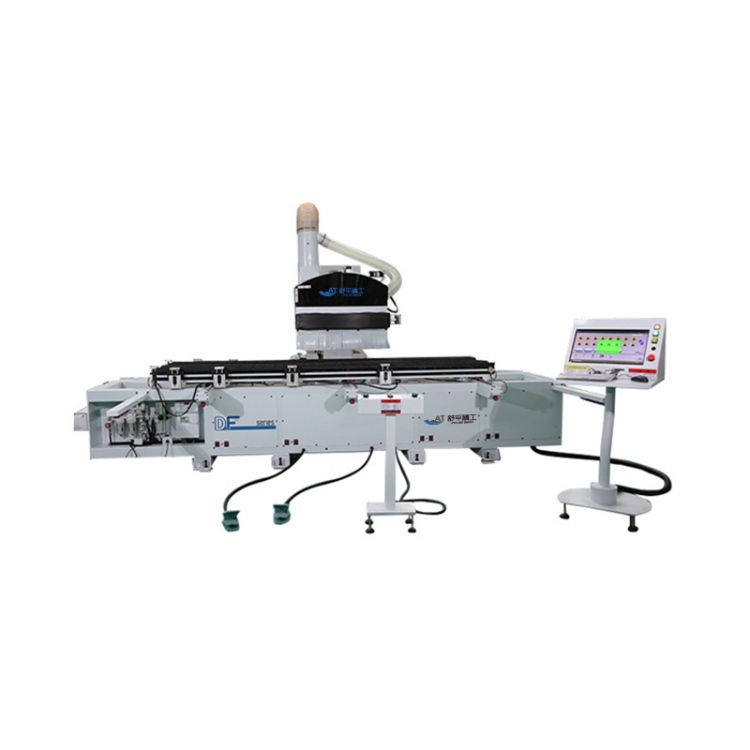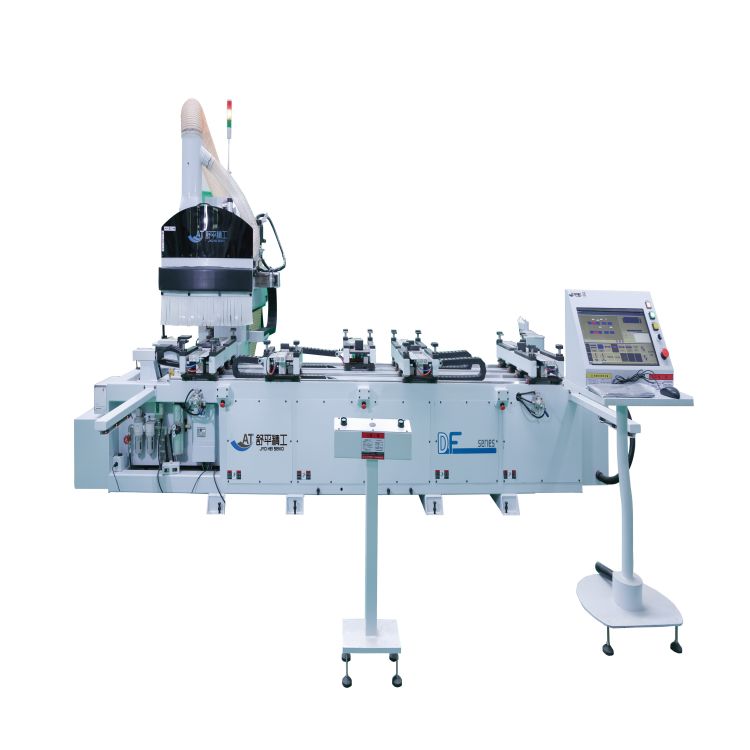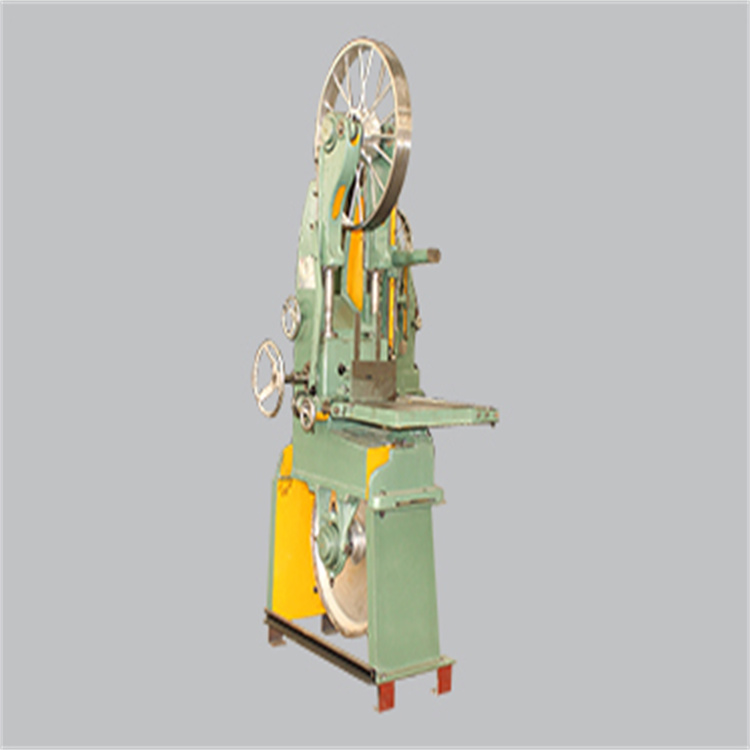

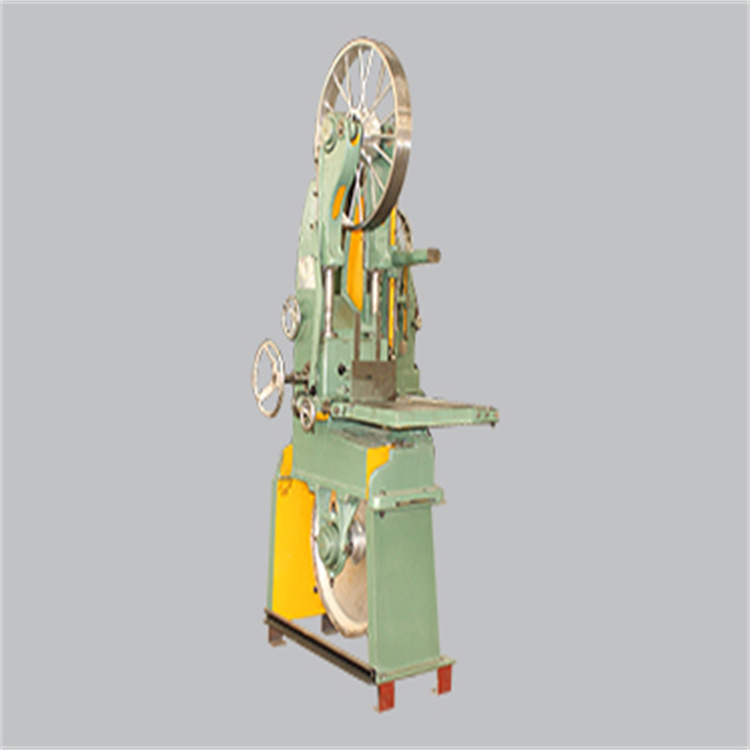
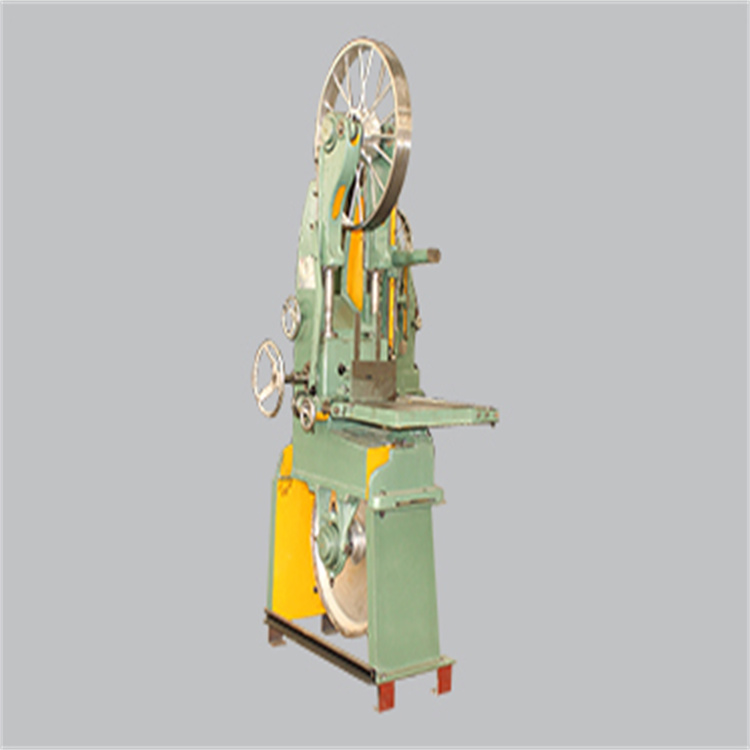
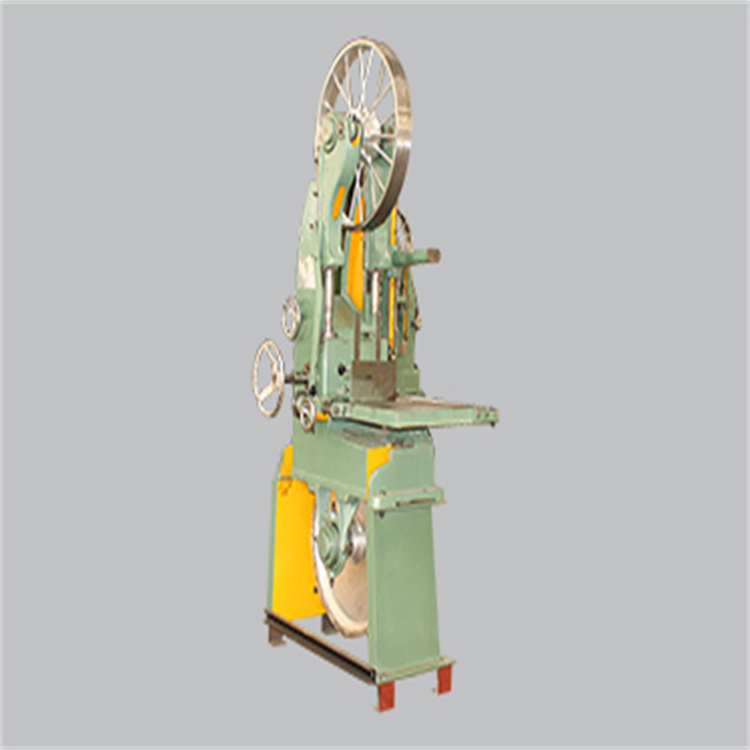







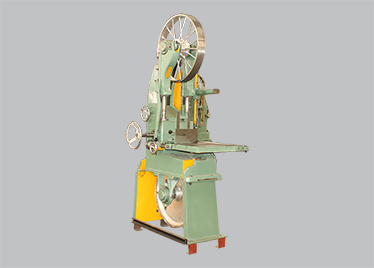
Woodworking Band Saw
Troubleshooting
During sawing, common issues with machine tools include blade breakage, blade dropping, and warped wood being sawn out.
(1) During the operation of the machine tool, the saw blade moves forward and backward abnormally with cracking sounds and other irregular phenomena. The saw blade may have a significant crack and should be stopped immediately for inspection. The general causes of saw blade breakage include:
Saw Machine Issues: ① Saw machine vibration, bearing wear. Reinforce the machine tool and replace the bearings for stability.
② The tensioning device is malfunctioning, and the heavy hammer is too heavy. Check the tensioning device and adjust the heavy hammer to an appropriate weight.
③ Saw blade wheel surface is uneven. The wheel edge surface should be level.
④ Upper and lower saw wheels are twisted, not on the same "vertical plane." Adjust and align the upper and lower saw wheels.
2. Blade Reason: ① The blade steel is brittle with low toughness. Choose a blade with good toughness.
② Small saw blade, thick saw teeth. Use saw blades suitable for the saw wheels. Saw blade thickness = (0.0007-0.001) x saw wheel diameter.
③ Over or under-tension. Moderate tension adjustment.
④ Poor joint, improper trimming. Joint welded securely, trimmed properly.
⑤ Jagged edges, excessive use. Sharpen the teeth, limit use to two hours.
⑥ The blade has cracks, barely usable. Drill a small hole at the root of the crack to prevent expansion; if it's too large, it should be cut and reconnected.
3. Operation Reason: ①Excessive raw material intake speed; the intake speed should be flexibly controlled based on specific circumstances.
② Feed material too aggressively or do not decelerate at junctions. Feed material smoothly, decelerate at junctions.
③ Resin on saw blade, sawdust is too thick. Remove resin and sawdust promptly.
(2) When the blade moves with the saw wheel, it shifts forward and backward or suddenly in and out, which is referred to as "jumping off the blade." There are several causes for this:
Adjust the upper wheel.
② The saw blade outer diameter has excessive taper and is uneven. Precision turning and grinding to achieve a flat rim surface.
③If wood splits and gets stuck during re-materializing, pull it off. Be mindful of wood defects during the operation.
④ Heat generation in gang saws, reduced tension, and even complete disappearance. Clean the resin and sawdust from the saw wheels and saw blades, as well as debris from the saw guides, and oil frequently.
(S) Reasons for warped wood after sawing typically include:
Saw Machine Issue: ①Tension device not functioning properly, heavy hammer too light. Generally, repair the tension device and increase the weight of the heavy hammer.
② Saw blade wheel rim face wear, uneven diameter front and back, machine grind the rim face.
2. Blade Issue: ① Incorrect tooth shape, too small blade chamber, narrow and skewed blade. Correct tooth shape, enlarge the blade chamber, and adjust the widened kerf.
② Uneven tension, loose fit; adjust tension.
③ Too many joints, improper trimming. Minimize the number of saw blade joints as much as possible, or provide special repair for saw blades with many joints.
3. Operation Reason: ①Inconsistent handover between the upper and lower hands. The upper and lower hands should focus on their thoughts and march in unison.
②Saw card too loose or misaligned; adjust the saw card properly.
③ Feed rate too fast and uneven. Maintain steady feeding, slow down during holidays.
④ Resin and sawdust adhering to saw blades and wheels should be removed promptly.
⑤The teeth are dull and cannot be used further; the blade is defective, do not force its use.