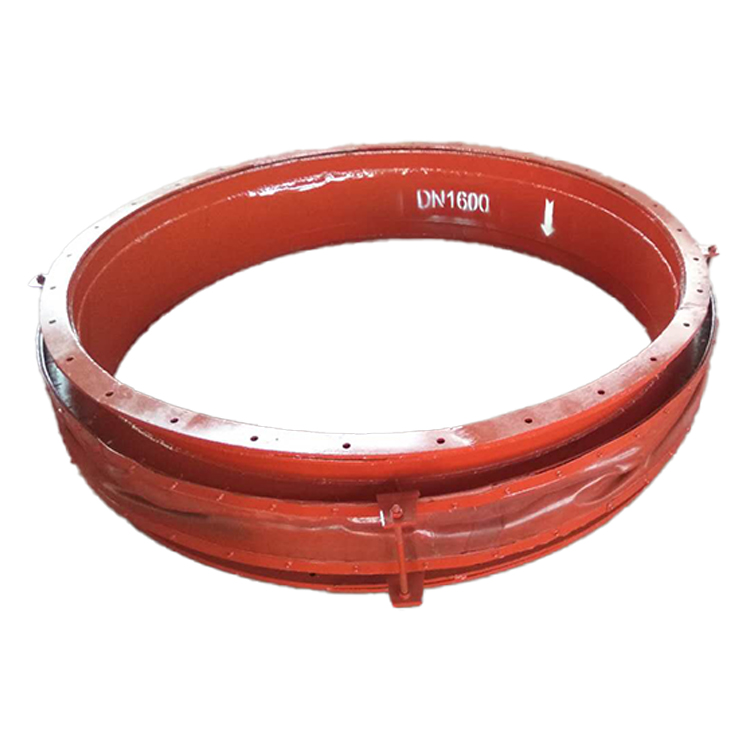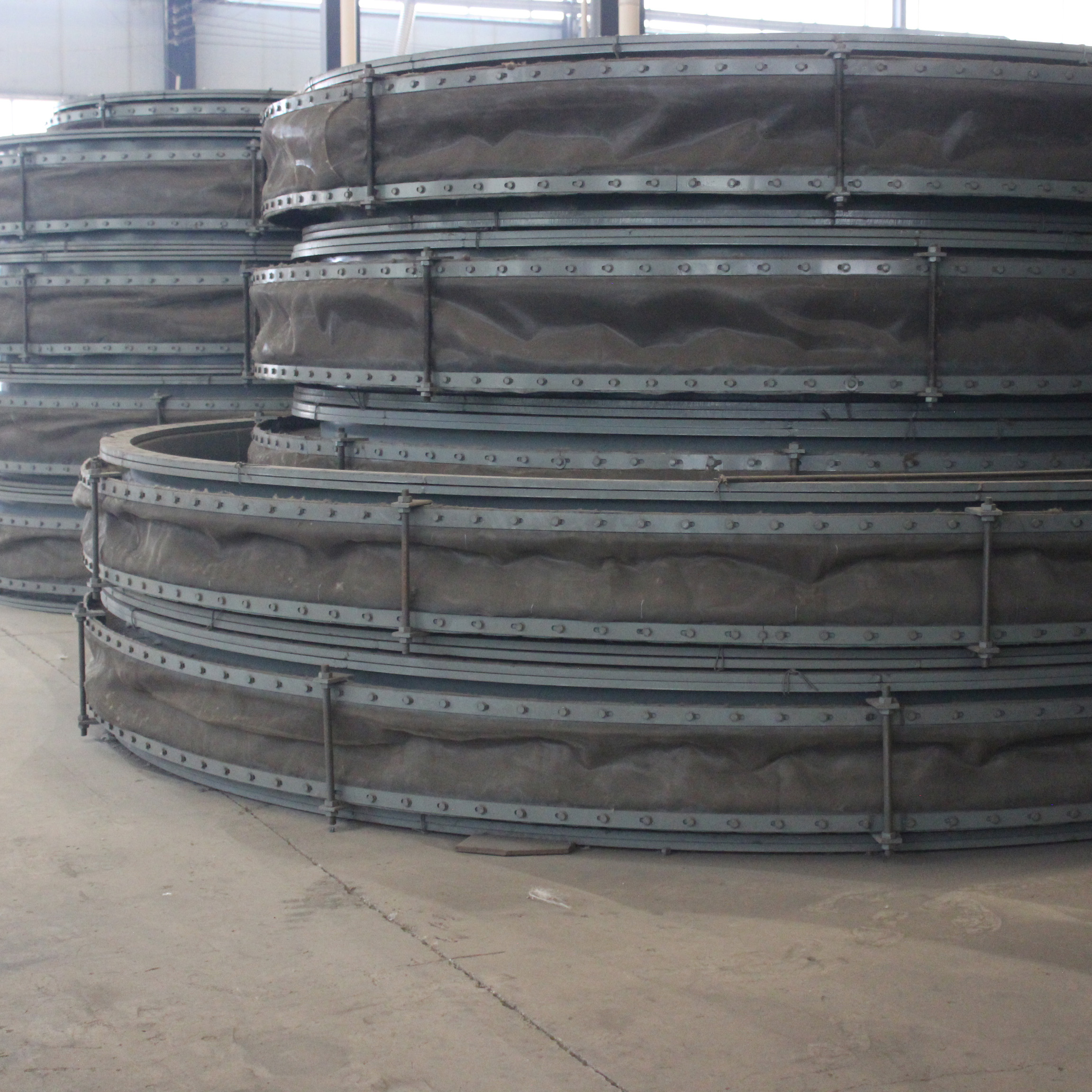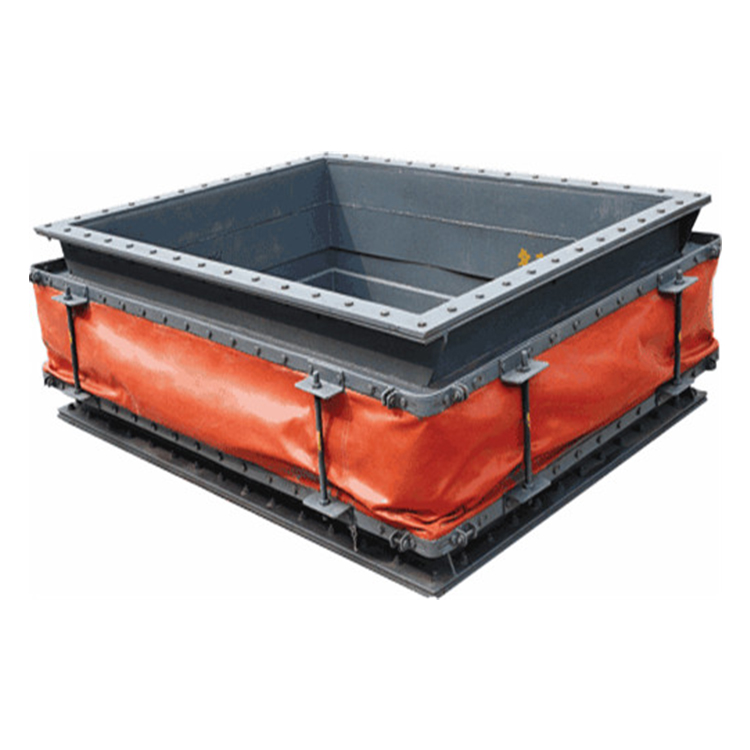

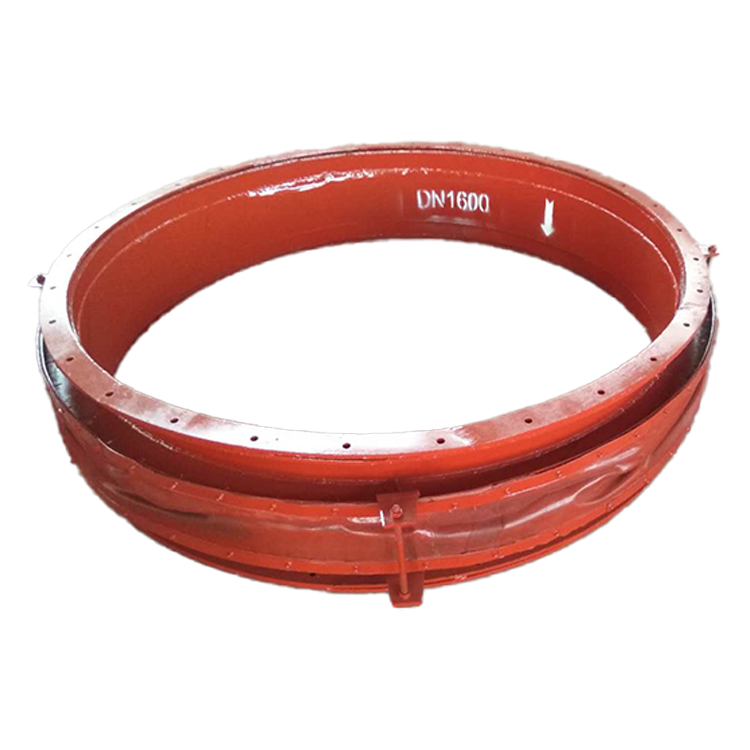

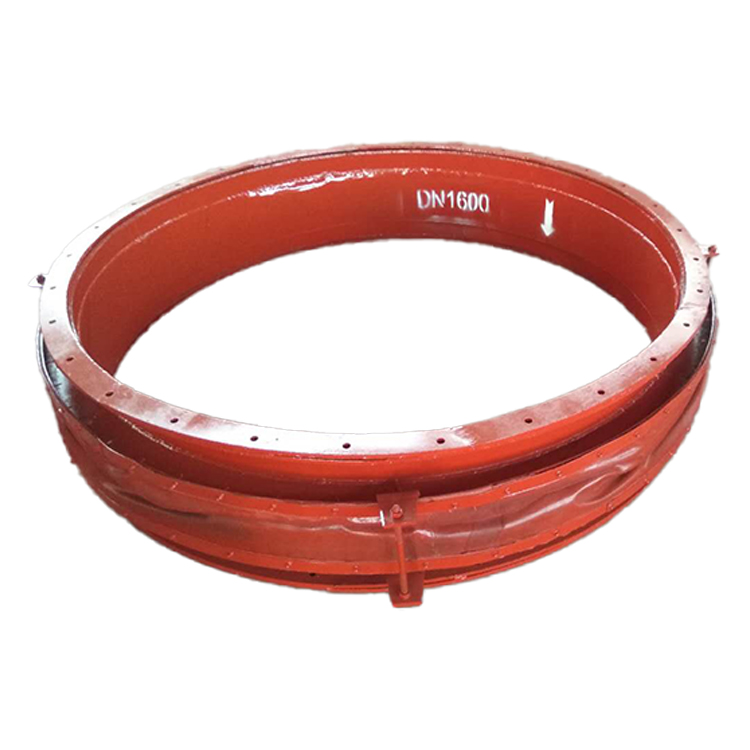
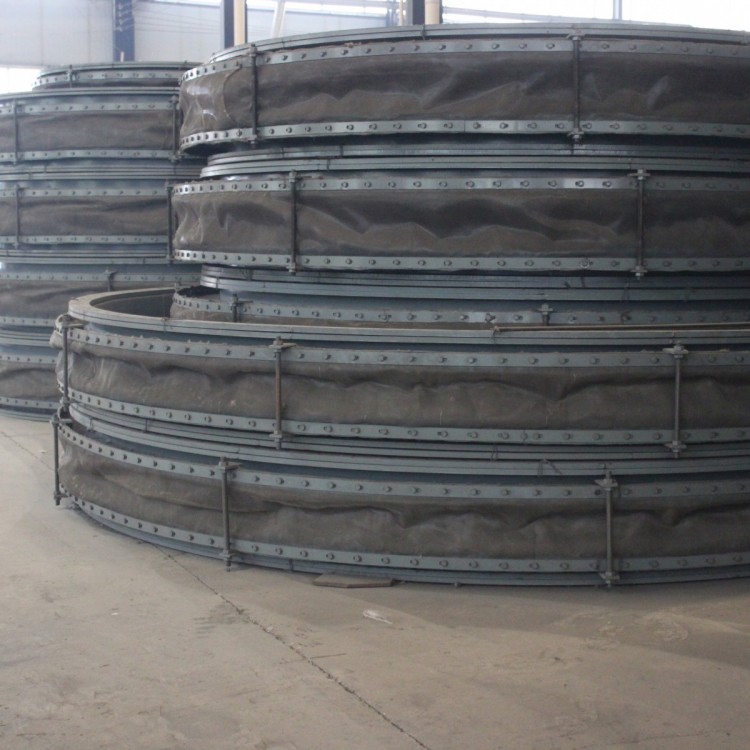
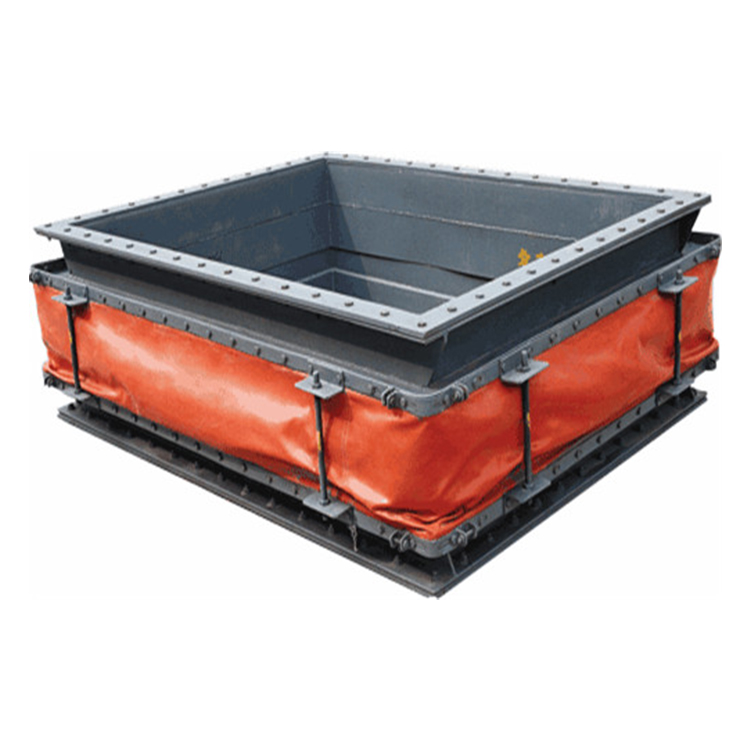


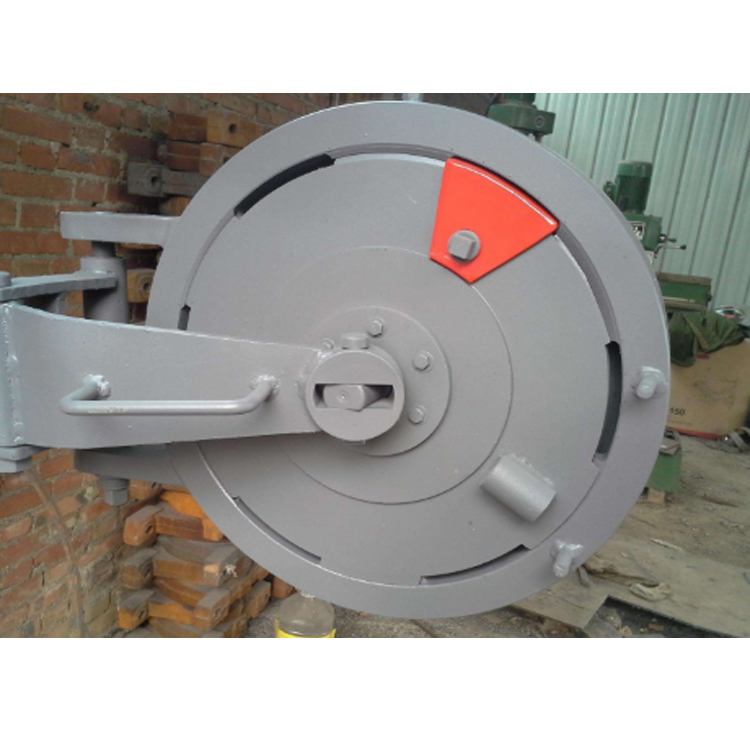
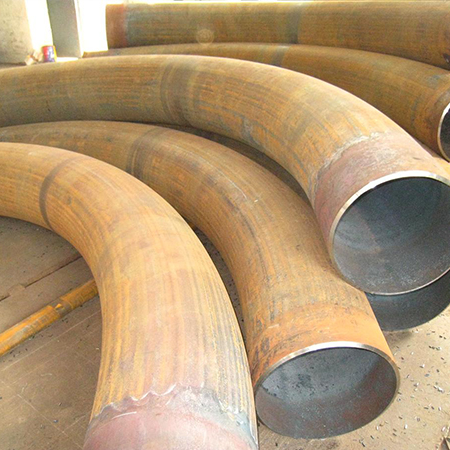





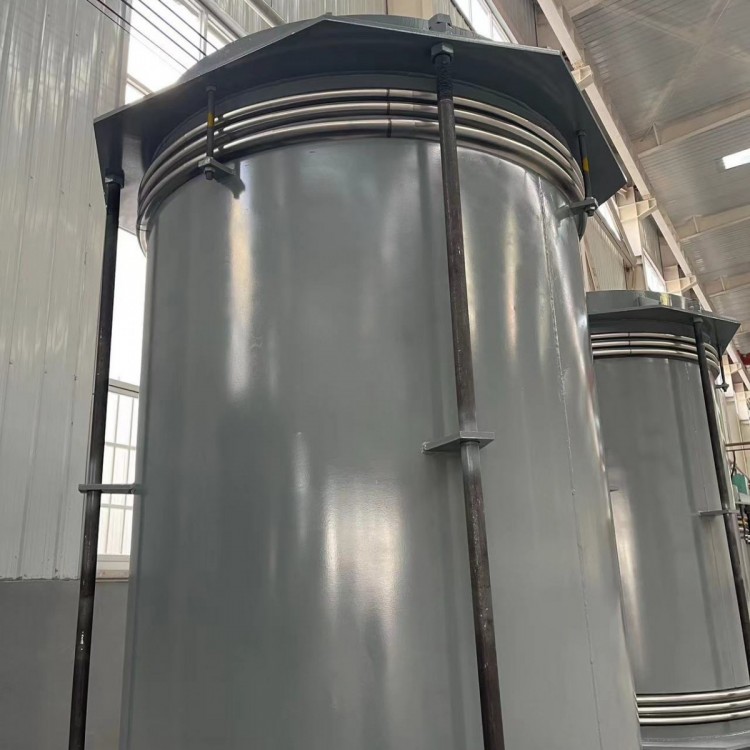
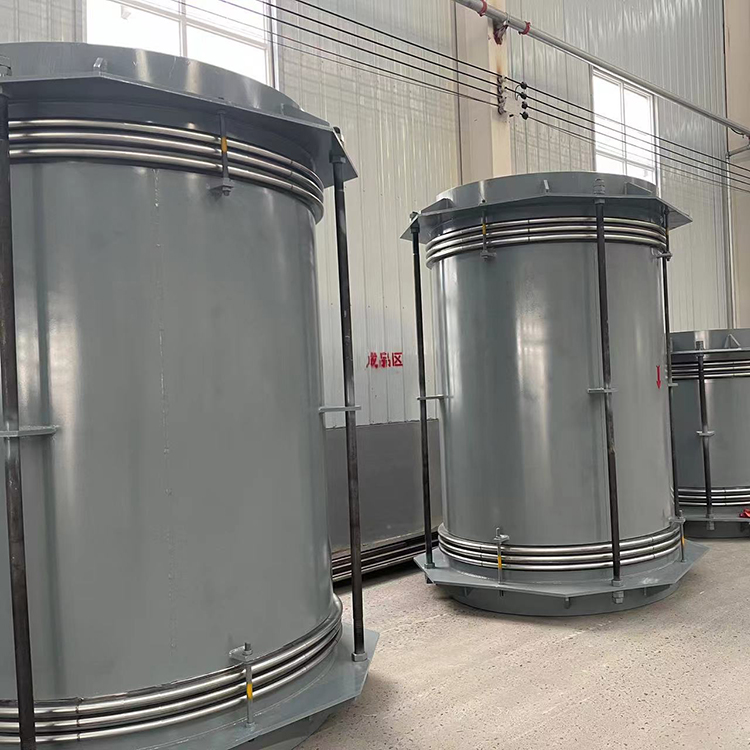
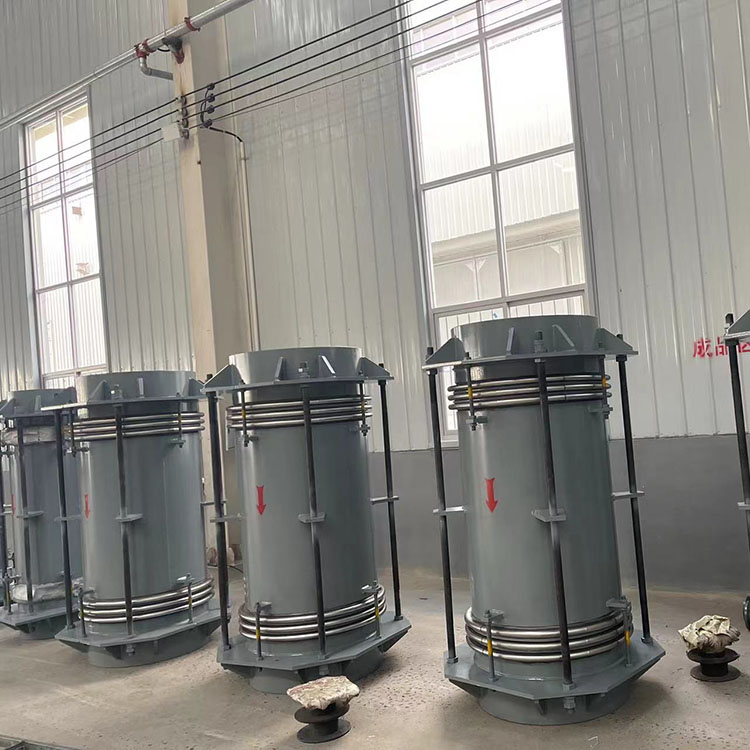
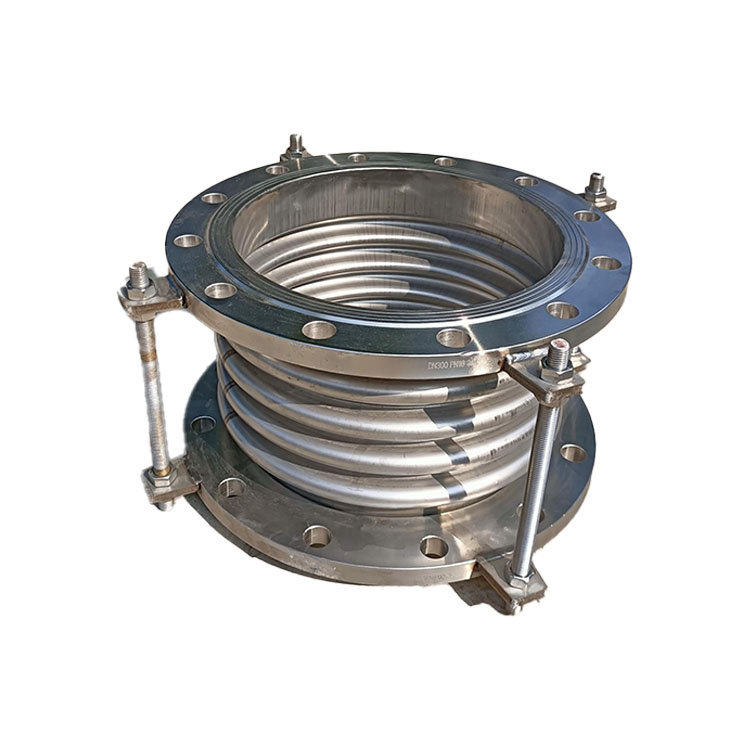
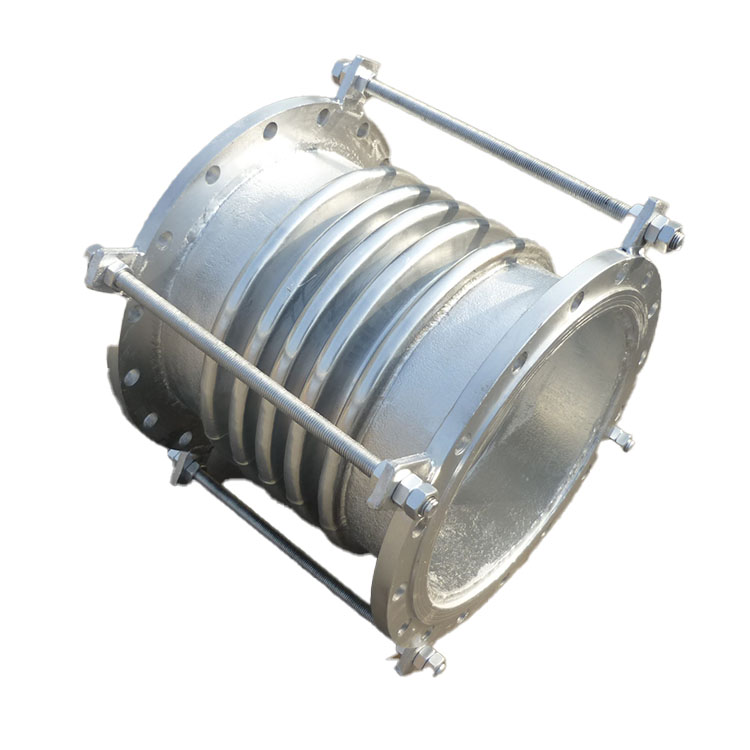
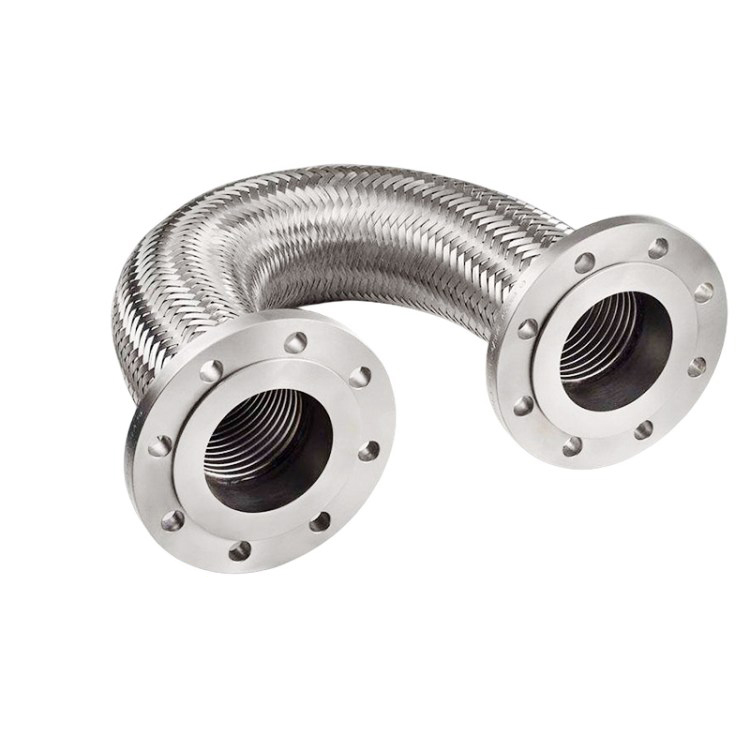
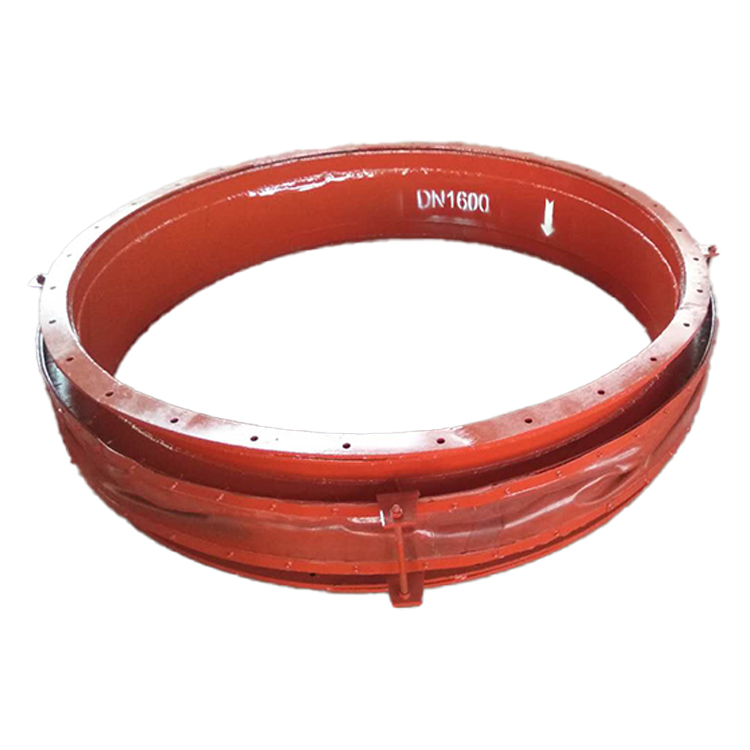
Non-metallic compensators are primarily composed of flexible compensating elements, flanges or connectors, thermal insulation materials, and bolts and rods. The flexible compensating elements are made of non-metallic materials such as fiber fabrics and rubber, offering excellent elasticity and corrosion resistance. Flanges or connectors are used for pipe connection, ensuring stable installation of the compensator. The thermal insulation materials effectively reduce heat loss and enhance the efficiency of the piping system.
II. Product Features
Multi-dimensional Compensation Capability: Non-metallic compensators can provide larger axial, angular, and lateral displacements within a smaller size range, effectively compensating for pipe displacements caused by factors such as temperature changes, mechanical vibrations, and foundation settlement.
Simplified Design: The use of non-metallic compensators simplifies the design of the pipeline system, eliminates the need for large supports, and saves on material and labor costs.
Sound and vibration reduction: Fiber fabrics and thermal insulation cotton inherently possess sound-absorbing and vibration-reducing properties, significantly reducing noise and vibration in systems such as boilers and fans.
High temperature and corrosion-resistant: The non-metallic compensator is coated with high polymer materials like silicone and fluorine, offering excellent resistance to high temperatures and corrosion, suitable for various harsh environments.
Good sealing performance: Non-metallic compensators are produced with advanced manufacturing processes and a complete assembly system, ensuring no leakage and guaranteeing the safe operation of the pipeline system.
Easy installation and maintenance: The non-metallic compensator has a simple structure, making it easy to install and maintain, thus reducing maintenance costs.
Section 3: Application Fields
Non-metallic compensators are widely used in industries such as oil, chemical, and food, particularly in high-temperature, high-pressure, and corrosive environments. Their excellent adaptability ensures the safe operation of pipeline systems. Additionally, they are suitable for scenarios like hot air ducts and dust exhaust pipes, effectively compensating for pipeline deformation and extending the service life of pipelines.
Section 4: Selection Recommendations
When selecting a non-metallic compensator, the following factors should be considered:
Pipe Medium: Different mediums require different materials to accommodate their corrosiveness. Therefore, when selecting a non-metallic compensator, the characteristics of the pipe medium should be fully considered to choose the appropriate material.
Operating Temperature: Non-metallic compensators have a wide range of operating temperatures, but their performance under high temperatures varies depending on the material. Therefore, when selecting a non-metallic compensator, the appropriate material should be chosen based on the actual operating temperature.
Displacement Amount: The displacement amount of non-metallic compensators should be determined based on the actual conditions of the pipeline system. Either excessive or insufficient displacement amounts may affect the service life and performance of the non-metallic compensators.
Pipe Diameter and Connection: The diameter and connection method of the non-metallic compensator should match the pipeline system to ensure stable installation and normal operation.