








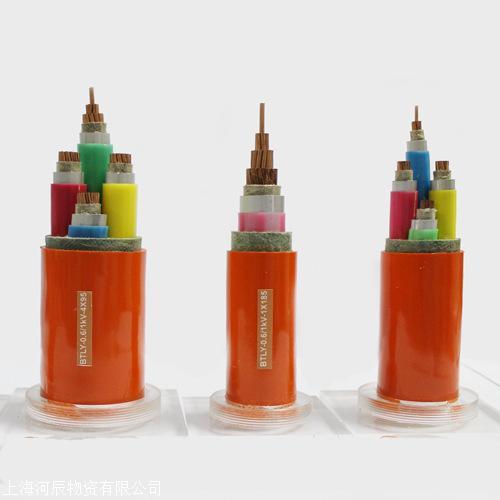
Jiading used cable wire recycling, coaxial cable recycling, with vehicle pick-up service
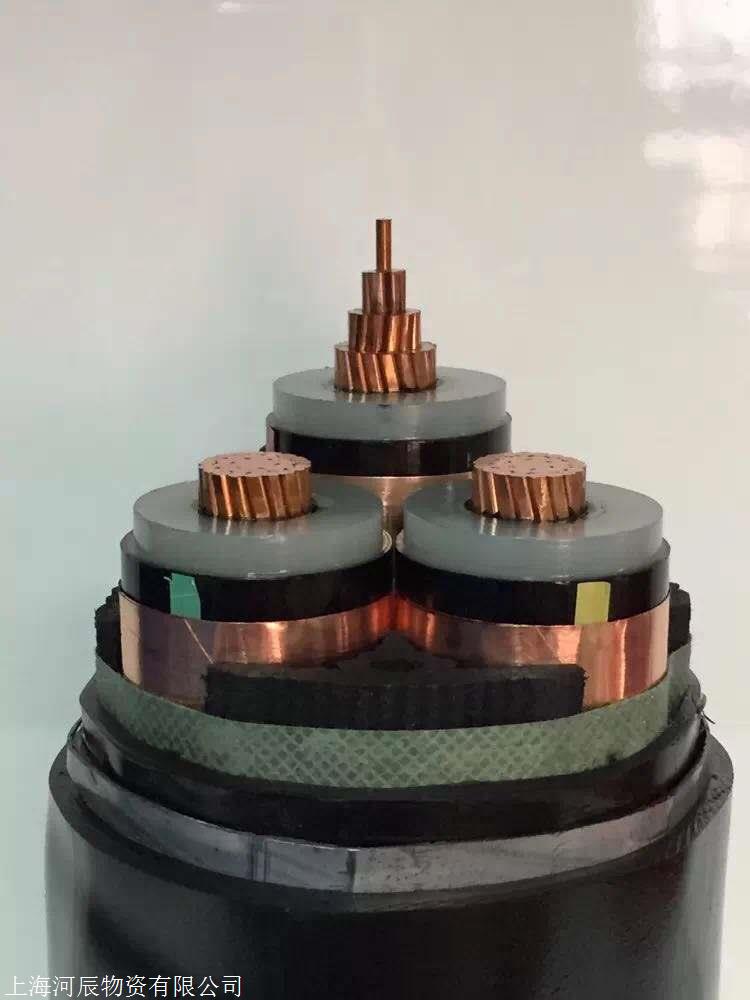
Cable and Wire Recycling: Used power cables, communication cables, control cables, medium and low-voltage power cables, high-voltage cables, ultra-high-voltage cables, oil-impregnated, plastic, and rubber-insulated power cables, compensating cables, shielded cables, computer cables, coaxial cables, marine cables, control cables, photovoltaic cables, industrial cables, oil-resistant/cold-resistant/temperature-resistant/wear-resistant cables, copper busbars, bus ducts, factory cables, fire-resistant cables, communication cables, marine cables, special cables, and used network cables with free dismantling service included.
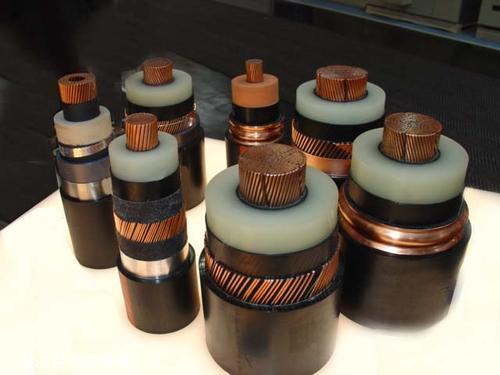
Jiading used cable wire recycling, coaxial cable recycling with vehicle pick-up service
In 1958, various wire and cable factories across the country competed in development. Simultaneously with the establishment of five larger-scale cable factories in Zhengzhou, Xi'an, Lanxi, Baiyin, and Guiyang, the Xiangtan, Kunming, and three other factories underwent large-scale expansions. The Zhengzhou Cable Factory commenced construction of the civil engineering for the***line workshop in 1959 and continued to build after modifying the design scale in 1963. The Xi'an Cable Factory, with personnel transferred from the Harbin Wire Factory, completed the civil engineering for communication cables and electromagnetic wire workshops in 1959, produced some products, and then suspended production and reconstruction in 1962. It later reconstructed and produced copper wire mesh. In 1965, the communication cable workshop was transferred from the Shenyang Cable Factory and started production that year, clearly indicating communication cables as the product development direction. Between 1958 and 1962, the cable factories constructed new rolling workshops, cable workshops, communication cable workshops, and expanded the***line workshop, significantly increasing production capacity. The Xiangtan Cable Factory expanded at a new location in 1959, the electromagnetic wire and***line workshops, and in 1964, it developed***line, electromagnetic wire, plastic, rubber-sheathed, mining, and marine cables. The Kunming Cable Factory expanded the***line, electromagnetic wire, and cable workshops in 1958 but suspended construction in 1961. The Shenyang Cable Factory completed the speech cable workshop in 1960, and the Harbin Wire Factory expanded the rolling and***aluminum wire workshops. Factory 609 also expanded during this period. A batch of small and medium-sized wire factories, such as those in Wuxi, Wuhan, Tianjin, Beijing, Qingdao, and other places, were established on the basis of joint ventures and reorganization. Some expanded, while others moved to build new factories. In addition, many wire, electromagnetic wire, and material factories were established in Chongqing, Hengyang, Foshan, Nanning, Kaifeng, Suzhou, Hangzhou, Xi'an, Wuhu, Beijing, Xingtai, Yucheng, Liaoyuan, and Harbin. The Ministry of Posts and Telecommunications and the Ministry of Railways also established some wire and cable factories.
【Communication Cables】Utilizing various materials such as flame-retardant cables, low-smoke halogen-free/halogen-reduced cables, ant-termite/ant-mouse cables, oil-resistant/cold-resistant/temperature-resistant cables, etc., altering product structures like fire-resistant cables, enhancing process requirements like cables, combining products like OPGW, facilitating installation and reducing equipment costs like pre-fabricated branch cables. 【Cable Wire Applications in Power Systems】Electrical systems primarily use wire and cable products including overhead bare conductors, busbars, power cables (plastic cables, oil-paper insulated cables, largely replaced by plastic power cables), rubber-sheathed cables, overhead insulated cables, branch cables (replacing part of busbars), electromagnetic wires, and electrical equipment cables. For information transmission, cables used in information transmission systems include local loop cables, television cables, electronic cables, radio frequency cables, fiber optic cables, data cables, electromagnetic wires, power communication cables, or other composite cables. Instrumentation Systems, almost all products except overhead bare conductors are applied here, but mainly power cables, electromagnetic wires, data cables, and instrumentation cables. Process Flow, the manufacturing of wire and cable is completely different from that of most electromechanical products. Electromechanical products usually assemble components into parts, then multiple parts into a single product, measured by the number of units or pieces. Wire and cable products are measured by length. All wire and cable products start with conductor processing, adding insulation, shielding, cabling, sheathing, etc., layer by layer on the conductor. The more complex the product structure, the more layers are stacked. Process Characteristics, 1,