









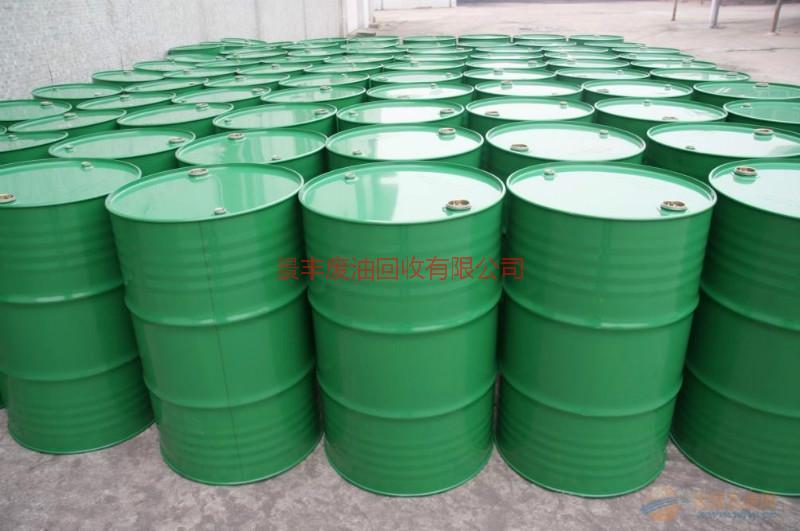
Our company specializes in Hubei waste oil collection, Hubei waste hydraulic oil recovery, Hubei cleaning oil recovery, Hubei waste diesel oil collection, Hubei waste transformer oil recovery, Hubei industrial waste oil collection, Hubei thermal oil recovery, and Hubei transmission oil recovery.
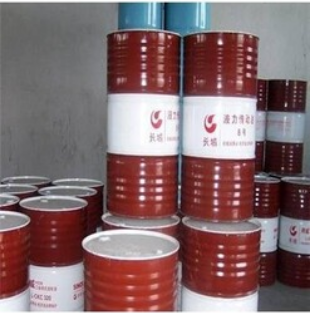
What is waste oil?
Waste oil refers to deteriorated, expired, surplus, or excess paint and coatings in inventory. These oils, whether due to deterioration or expiration, if used improperly...
Quality issues are prone during normal use. However, these waste oils still hold value; waste paint can be recycled and processed.
Reprocessing and recycling waste oil, which can be reprocessed for reuse, is the material.
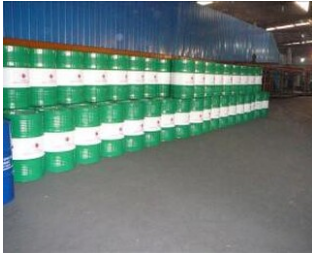
Waste oil recycling is something we're all familiar with. Regardless of the condition of the waste oil, with the full utilization of current technology, it can be effectively recycled and reused. Therefore, it requires the participation of every Earthling in waste oil recycling. By employing humanized waste oil recycling solutions, we can truly make the best use of resources, transform waste into treasure, and promote circular application. In this way, the capabilities of the waste oil industry can truly take off, and genuine resource conservation can be achieved.
Actually, there are numerous types of waste oil. Common waste oil recycling in daily life includes waste engine oil, waste lubricating oil, waste diesel oil, waste hydraulic oil, and waste heavy oil, among others. Waste oil recycling needs to be determined based on the oil usage environment, oil usage level, and sequence, etc., to assess the applicability of the waste oil. There is a significant difference between good waste oil and poor waste oil, so it is essential to differentiate between waste oil and substandard waste oil. Only then
Sampled waste oil is crucial for achieving better recycling and reuse.
So, the identification of waste oil is necessary, and this identification requires technical expertise. The methods for identifying waste oil are also multifaceted. The quality grade of waste oil is determined through various indicators, such as moisture content, which is a very common identification criterion. One important aspect of waste oil indicators is to check for the presence of moisture. Generally, the lower the moisture content, the better, and the higher the price. There are some moisture measurement instruments in the industry that can assist people.
Enhance the identification of waste oil.