








15202798980 / 15000612668 Contact Manager Yu for Wuhan Waste Oil Recycling, Waste Hydraulic Oil Recycling, Waste Thermal Oil Recycling, Waste Guide Rail Oil Recycling, Waste Cleaning Oil Recycling, Waste Transformer Oil Recycling
Wuhan waste oil recycling/thermic oil recycling for mechanical lubrication
Hydraulic OilInvert means utilizing the energy of liquid pressure.Hydraulic SystemThe hydraulic medium used in the hydraulic system serves various functions, including energy transmission, system lubrication, corrosion and rust prevention, and cooling. For hydraulic oil, it should first meet the requirements of the hydraulic unit at both working and start-up temperatures for the fluidViscosityThe requirements, due to the direct correlation between oil viscosity changes and hydraulic action, transmission efficiency, and transmissionAccuracyRegarding, the oil's viscosity-temperature properties and shear stability should meet the various demands posed by different applications.
The company specializes in Hubei waste oil collection, Hubei waste hydraulic oil collection, Hubei cleaning oil collection, Hubei waste diesel oil collection, Hubei waste transformer oil collection, Hubei industrial waste oil collection, Hubei thermal oil collection, and Hubei transmission oil collection.
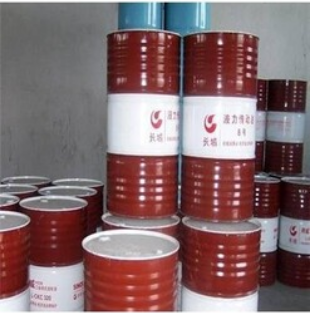
What is waste oil?
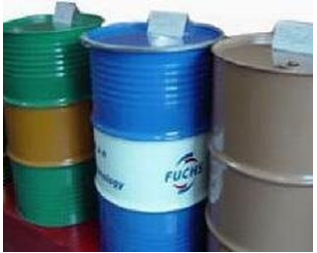
Waste oil refers to deteriorated, expired, surplus paint coatings, and inventory. These oils are either due to deterioration or expiration, and if they are disposed of improperly,
Quality issues may arise during normal use. However, these waste oils still have recyclable value; the waste paint can be recycled and processed.
Refined and reused materials, where waste oil is recycled and then reprocessed for reuse, are the materials we offer.
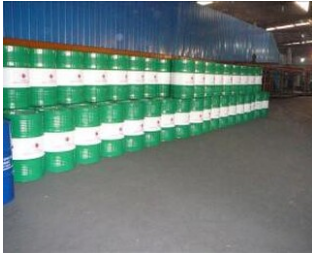
For waste oil recycling, everyone is familiar with it. Regardless of the condition of the waste oil, with the full utilization of current technology levels, it can be effectively recycled and reused. Therefore, it requires the participation of every inhabitant of the Earth in waste oil recycling. By implementing humanized waste oil recycling, we can truly make the best use of resources, turn waste into treasure, and promote circular application. In this way, the capabilities of the waste oil industry can truly take off and effectively conserve resources.
Actually, there are many types of waste oil. Common waste oil recycling in daily life includes waste engine oil, waste gear oil, waste diesel oil, waste hydraulic oil, and waste heavy oil, among others. Waste oil recycling needs to be determined based on the oil usage environment, oil usage level, and sequence, etc., to assess the applicability of the waste oil. There is a significant difference between good waste oil and poor waste oil, so it is essential to differentiate between waste oil and substandard waste oil. Only then
Waste oil is essential for achieving better recycling and reuse.
So, the identification of waste oil is necessary, and this identification requires technical expertise. The methods for identifying waste oil are also multifaceted. The quality grade of waste oil is determined through various indicators, such as moisture content, which is a very common identification criterion. One important aspect of waste oil indicators is to check for the presence of moisture. Generally, the lower the moisture content, the better, and the higher the price. There are some moisture measurement instruments in the industry that can assist people.
Enhance the identification of waste oil.