






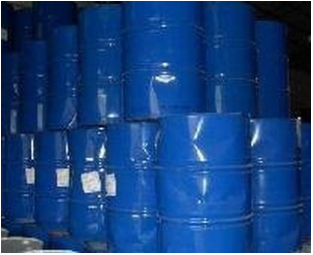
Hubei Wuhan Caidian District Waste Oil Recycling Quotation Hubei Wuhan Caidian District Waste Oil Recycling Contact Information How Much is Waste Oil Recycling in Hubei Wuhan Caidian District Everyone is familiar with waste oil recycling. Regardless of the condition, with the current technology, waste oil can be effectively recycled and reused. Therefore, it requires the participation of every global citizen in waste oil recycling and circular use, so that the waste oil industry can truly develop, truly save energy and protect the environment, and contribute to the country's environmental protection and energy cause. In fact, there are also many types of waste oil. Common types of waste oil recycling in daily life include waste engine oil, waste hydraulic oil, and waste heavy oil. Waste oil recycling needs to be determined based on the oil usage environment, level, and sequence. Good waste oil differs significantly from poor quality waste oil, so it is crucial to differentiate between the two. Only then can waste oil achieve better recycling and reuse. It is said that waste oil requires identification, and the technology level is also needed. Other methods are multifaceted, and the quality grades vary. Water content is an important indicator, and it's not necessarily the better the water content, the more expensive the price. There are moisture measurement instruments in the industry that can assist people in better identifying waste oil. Generally, an oil change is recommended every 50 miles for a vehicle, and the oil that comes out is considered "spent." This spent oil, according to the National List of Hazardous Substances, is classified as CN-M08. Improper handling can pollute 1 million liters of water, equivalent to the annual drinking water of 14 people. Conversely, if waste oil is properly disposed of and its resources are utilized rationally, it can be repurposed into bio防水 materials, detergents, rubber products, and more. Where has all the waste oil from Wuhan gone? Most of it has flowed into unqualified underground channels, with only a small portion being recycled by companies with waste oil processing qualifications in Wuhan and other places. The production of products in these underground facilities, due to the lack of qualifications, produces products that do not meet national standards. Additionally, the improper handling of hazardous waste by "black factories" can even result in随意 discharge, causing severe pollution to water and soil.