






Jiangsu HDPE Pipe Wholesale_Factory Direct Sales_Quotation Sheet_Supplier_Which is the Best[Zhenjiang Xingyang Electrical Pipe Industry Co., Ltd.]
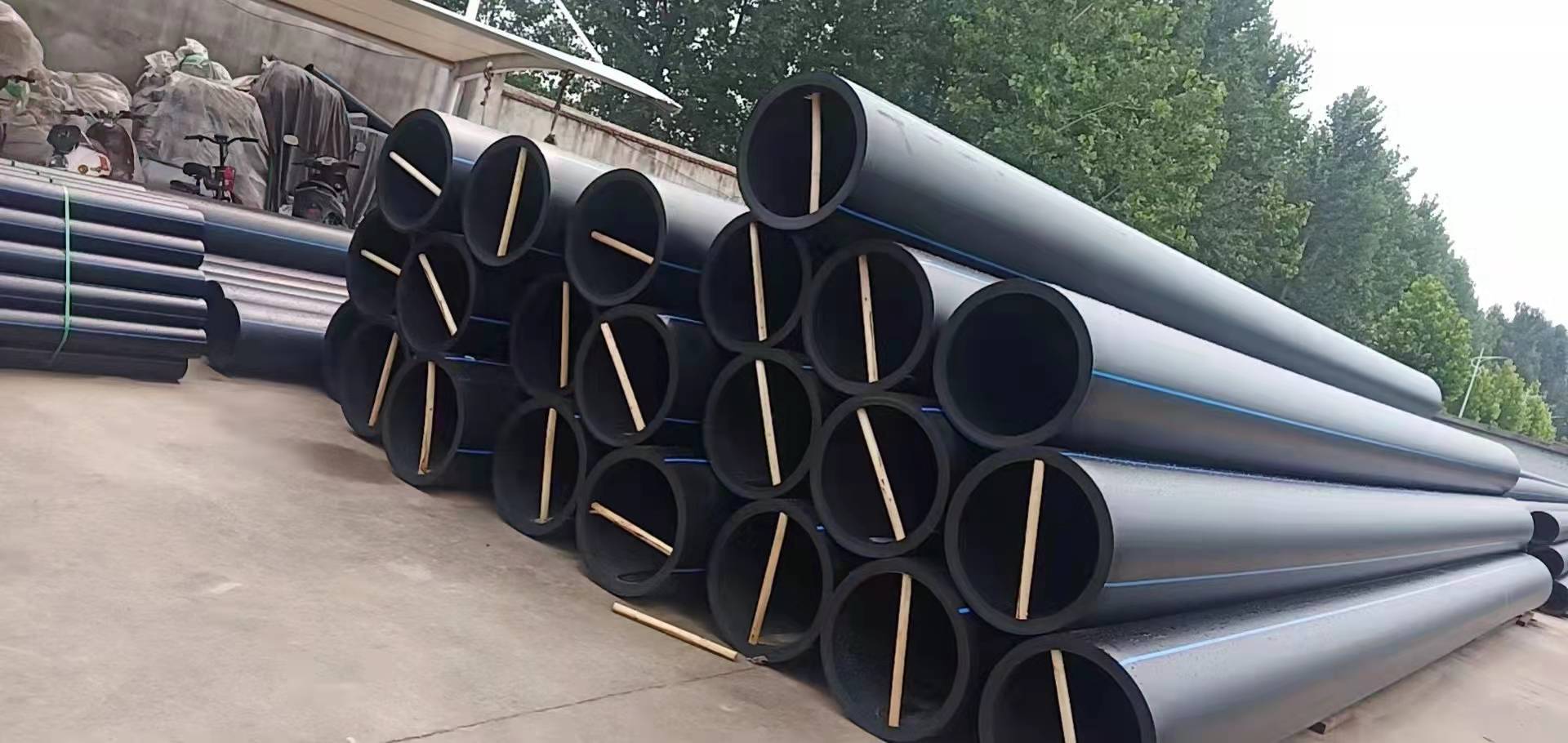
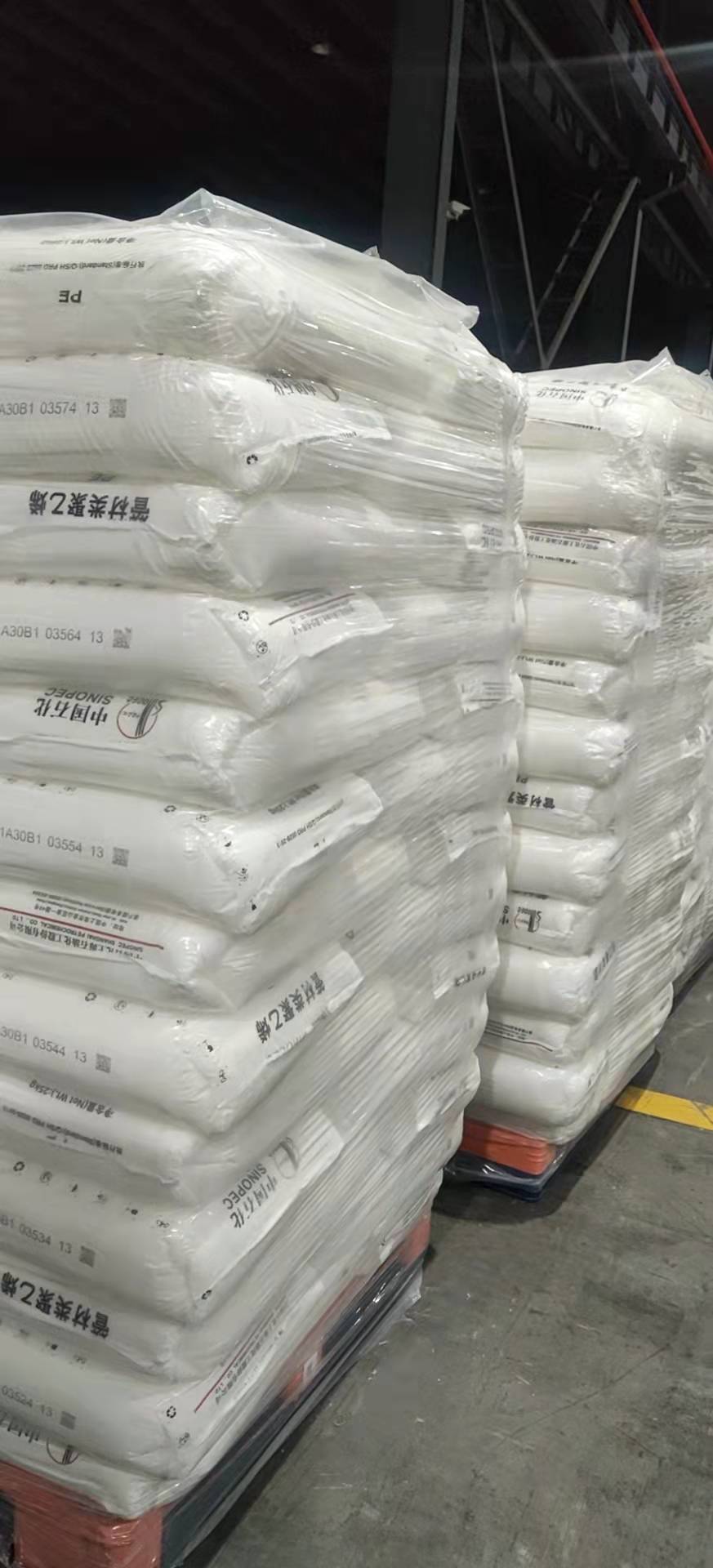
HDPE pipes must withstand certain pressure, usually requiring the use of PE resins with high molecular weight and good mechanical properties, such as HDPE resins. LDPE resins have low tensile strength, poor pressure resistance, and poor rigidity. They exhibit poor dimensional stability during molding and are difficult to connect, making them unsuitable as materials for water supply pressure pipes. However, due to their high hygiene standards, LDPE, especially LLDPE resins, have become commonly used materials for producing drinking water pipes. HDPE pipe specifications and connection methods: The diameter of HDPE pipes ranges from DN32 to DN1000, divided into 26 grades in total.

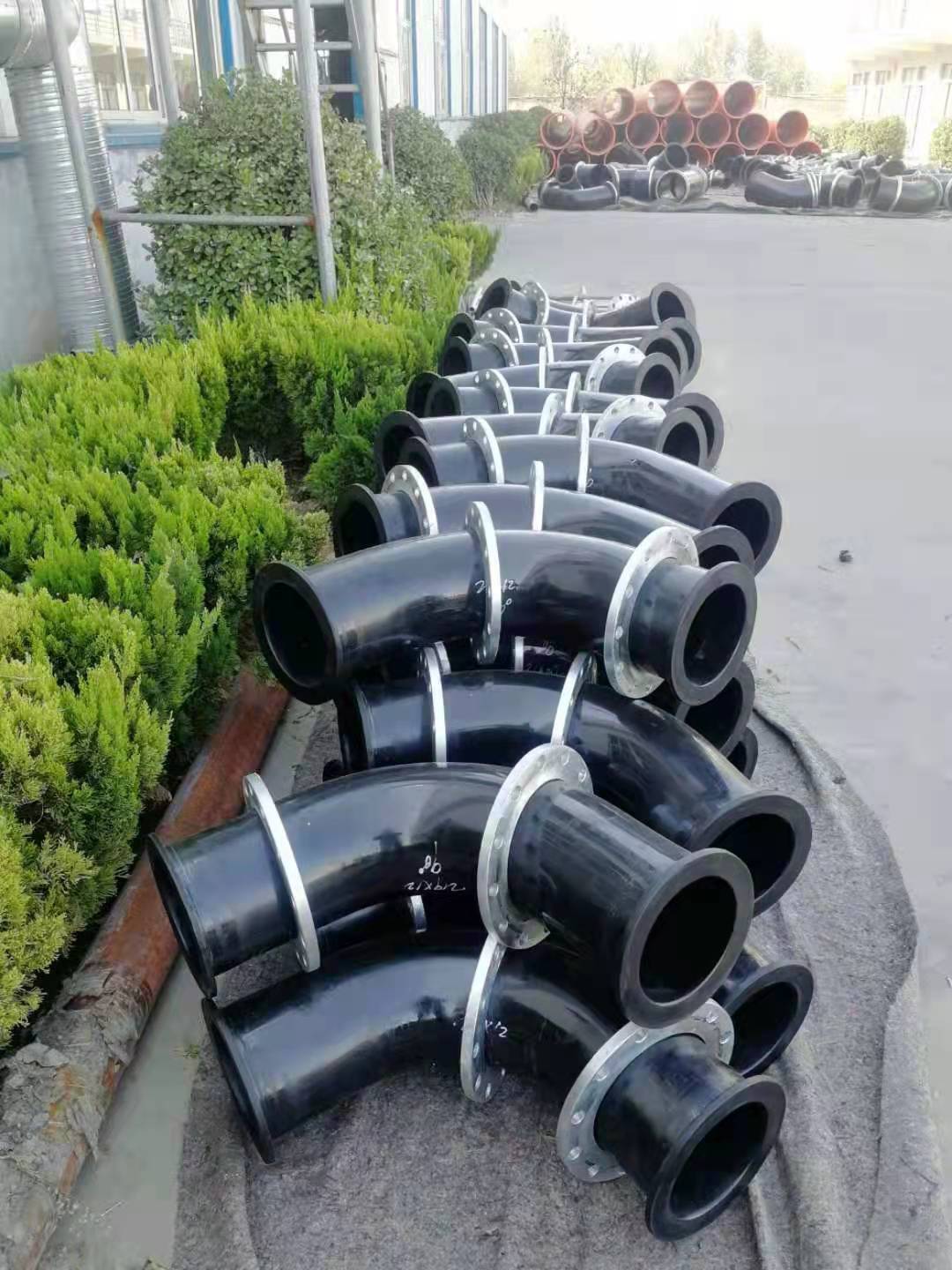
Pressure ratings range from 0.6Mpa to 1.6Mpa, with a total of 5 grades. HDPE pipes will melt at temperatures between 190℃ and 240℃. Utilizing this characteristic, the melted portions of the pipe (or fittings) are fully contacted while maintaining an appropriate pressure, and upon cooling, they fuse together securely. Therefore, the connection method for PE pipes differs from that of U-PVC pipes, typically using electrical heat fusion and hot melt butt jointing. Depending on the pipe size, it can be further categorized as: for DN≤63, injection molding hot melt socket and spigot connection is used; for DN≥75, hot melt butt jointing or electric fusion socket and spigot connection is used; and for connections with different materials, flange or threaded connections are employed. In terms of pipe repair methods, there are expansion pipe construction and HDPE lining methods.