






Product Specifications
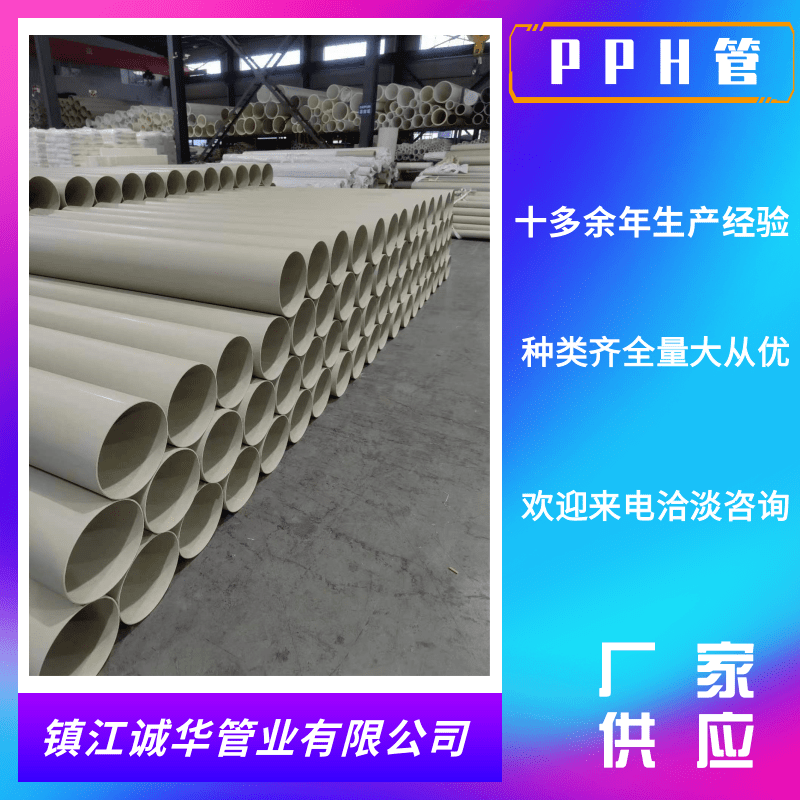
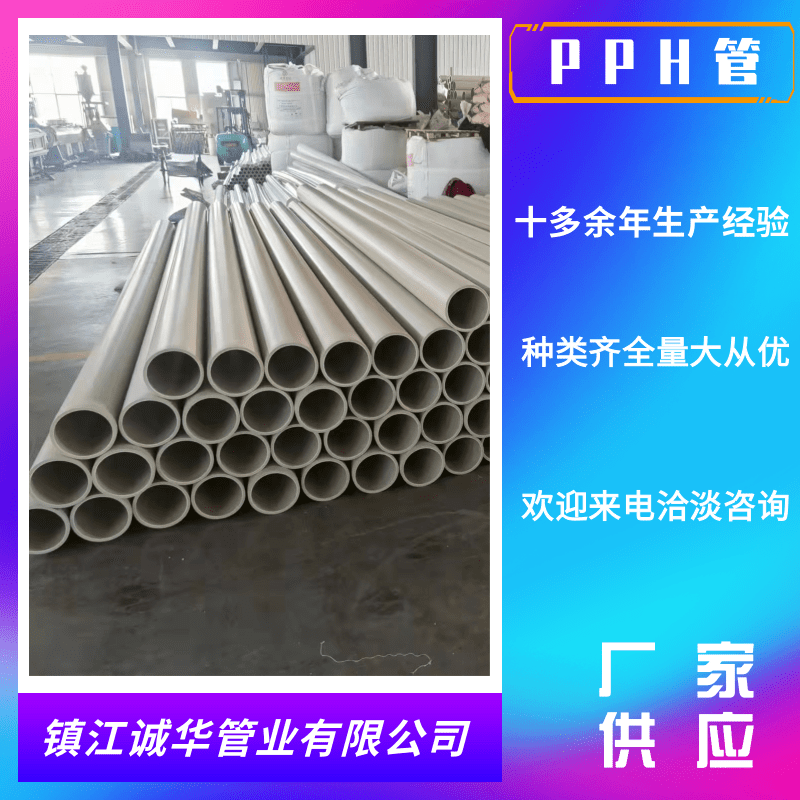
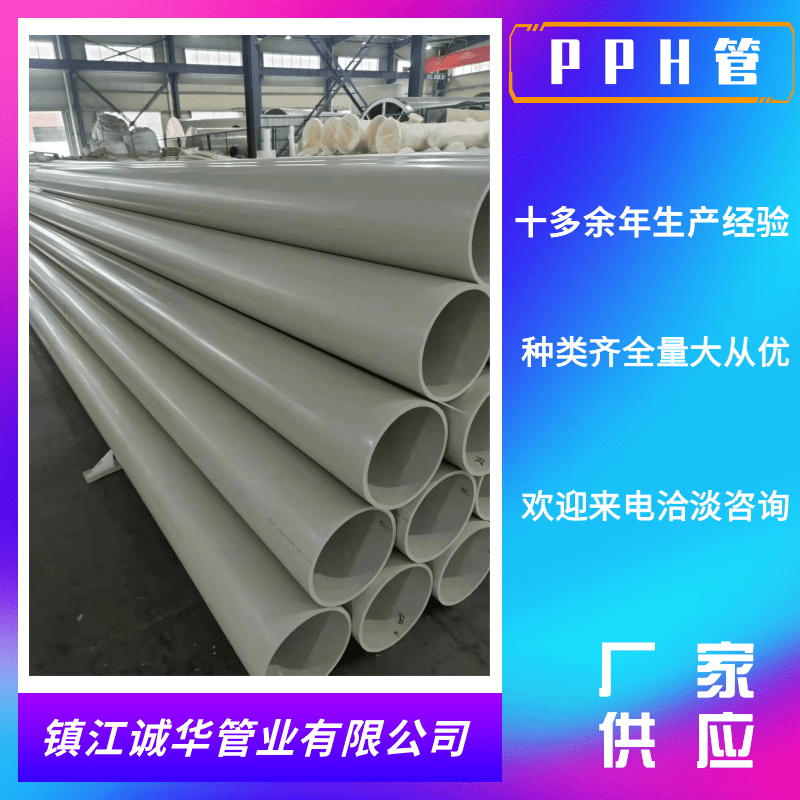
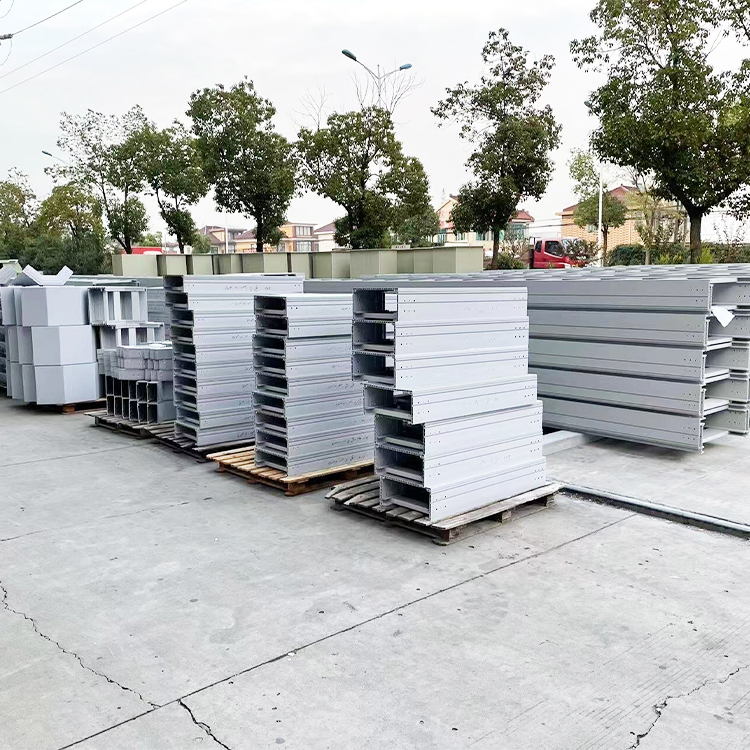
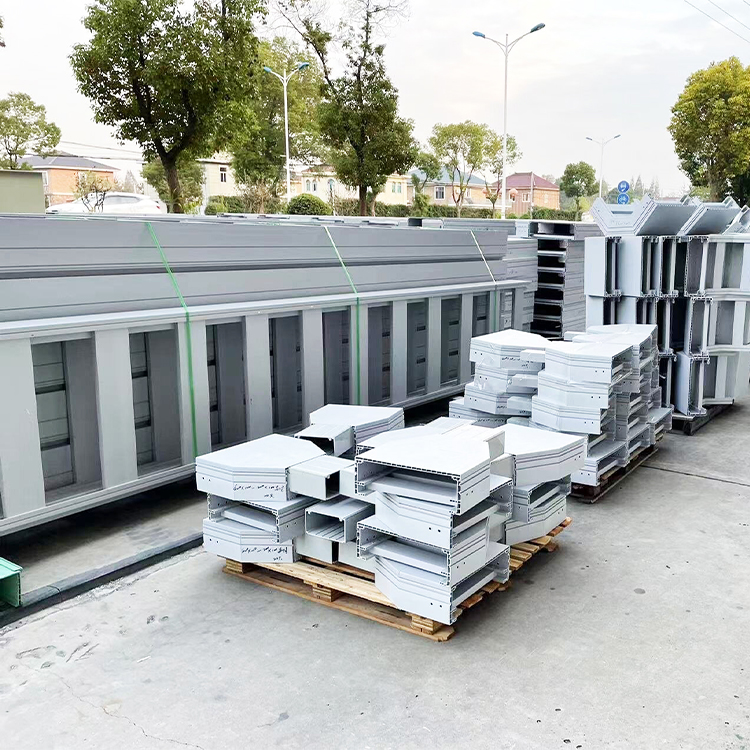
Usage:Chemical Pipeline Nominal Outer Diameter:Negotiable by electric means. Wall thickness:Electric negotiation Color:As shown in the figure Length:Customizable Nominal Pressure:Φ25-225 Continuous Humidity Use:Negotiable by electric means Origin:Zhenjiang
Product Features
Anhui PPH Pipe Wholesale _ Manufacturer _ Factory Price _ Price _ Supplier [Zhenjiang Xingyang Electrical Pipe Industry Co., Ltd.]
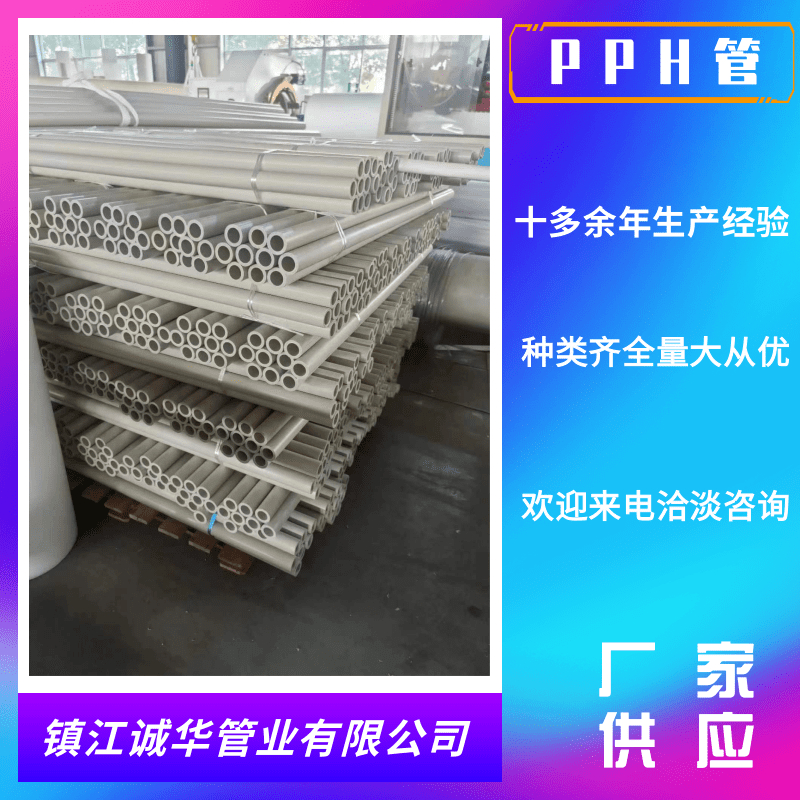
PPH piping (homopolymer polypropylene pipe) undergoes β-modification of the standard PP material, resulting in a uniform and fine Beta crystalline structure. It boasts excellent resistance to chemical corrosion, abrasion, and insulation, as well as high-temperature resistance, with operating temperatures up to 100°C. It is non-toxic, lightweight, and easy to transport and install. This is a high-quality product that offers superior resistance to high temperatures, corrosion, and aging compared to standard PP pipes.
Product Features:
1. Sanitary & Non-Toxic: This product is a green building material, suitable for potable water piping systems.
2. Low-temperature resistance: The cold脆ification temperature of polypropylene is (-70℃), under normal conditions, special protective measures are not required for construction, and it is convenient for winter construction. Excellent impact resistance ensures that the pipes will not crack.
3. Corrosion-resistant and Scale-free: PE molecules are non-polar, offering good chemical stability. Apart from a few strong oxidizers, most chemical media do not cause damage. It does not breed bacteria and scale, and its flow area does not decrease over time.
4. Stress Resistance: PPH pipes feature low notch sensitivity, high shear strength, and excellent scratch resistance, with outstanding resistance to environmental stress cracking.
5. Abrasion Resistance: The abrasion resistance of PPH pipes is four times that of steel pipes.
6. Flexibility: The flexibility of PPH piping allows for easy bending, enabling it to navigate around obstacles by altering the piping layout in engineering applications.
7. Flow Resistance: PE pipes feature a smooth inner surface, resulting in low flow resistance, allowing for greater flow rates compared to other materials of the same diameter.
PPH piping (homopolymer polypropylene pipe) undergoes β-modification of the standard PP material, resulting in a uniform and fine Beta crystalline structure. It boasts excellent resistance to chemical corrosion, abrasion, and insulation, as well as high-temperature resistance, with operating temperatures up to 100°C. It is non-toxic, lightweight, and easy to transport and install. This is a high-quality product that offers superior resistance to high temperatures, corrosion, and aging compared to standard PP pipes.
Product Features:
1. Sanitary & Non-Toxic: This product is a green building material, suitable for potable water piping systems.
2. Low-temperature resistance: The cold脆ification temperature of polypropylene is (-70℃), under normal conditions, special protective measures are not required for construction, and it is convenient for winter construction. Excellent impact resistance ensures that the pipes will not crack.
3. Corrosion-resistant and Scale-free: PE molecules are non-polar, offering good chemical stability. Apart from a few strong oxidizers, most chemical media do not cause damage. It does not breed bacteria and scale, and its flow area does not decrease over time.
4. Stress Resistance: PPH pipes feature low notch sensitivity, high shear strength, and excellent scratch resistance, with outstanding resistance to environmental stress cracking.
5. Abrasion Resistance: The abrasion resistance of PPH pipes is four times that of steel pipes.
6. Flexibility: The flexibility of PPH piping allows for easy bending, enabling it to navigate around obstacles by altering the piping layout in engineering applications.
7. Flow Resistance: PE pipes feature a smooth inner surface, resulting in low flow resistance, allowing for greater flow rates compared to other materials of the same diameter.
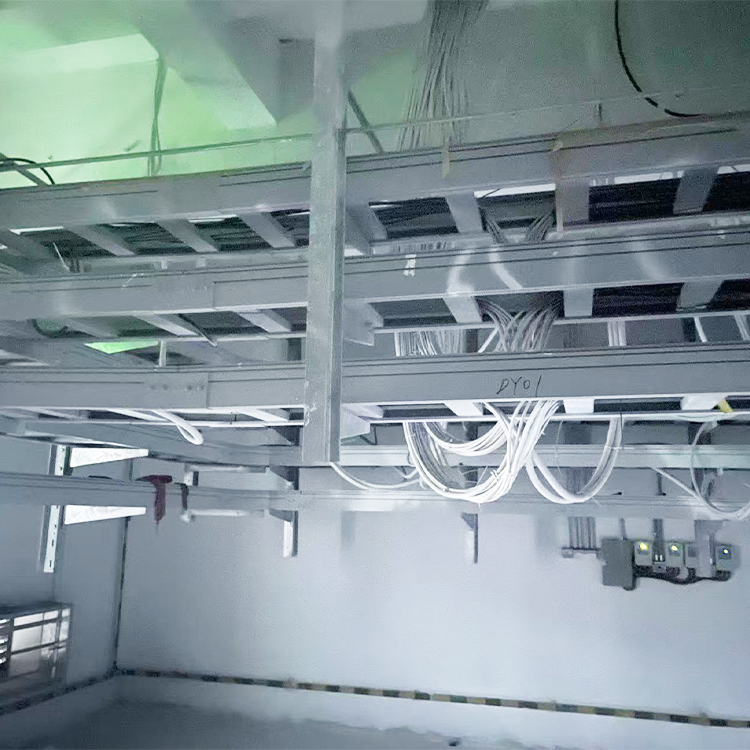
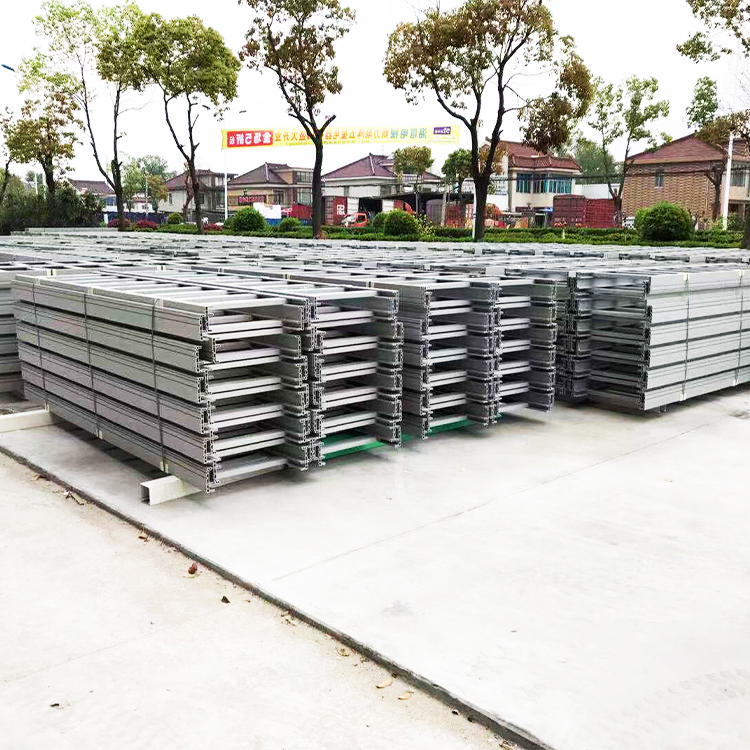
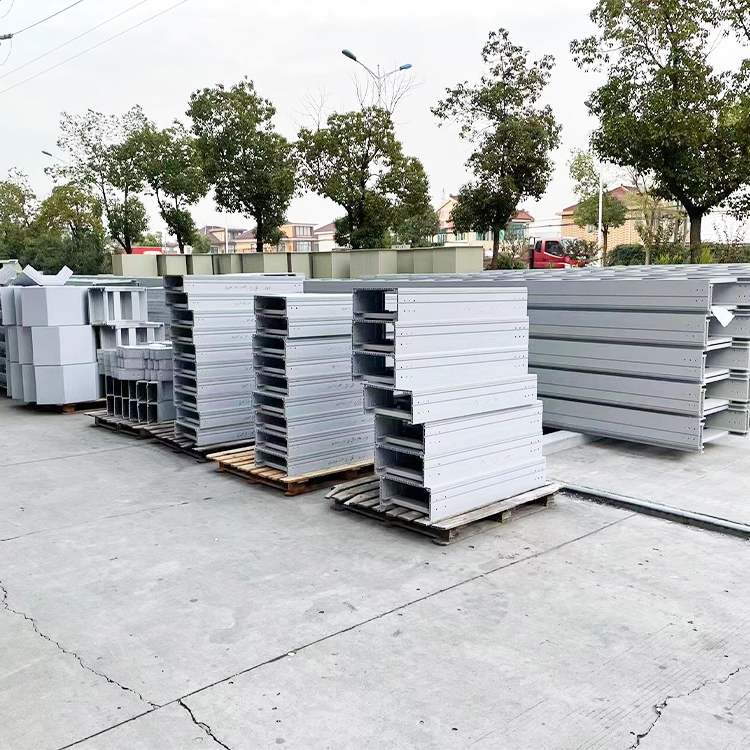
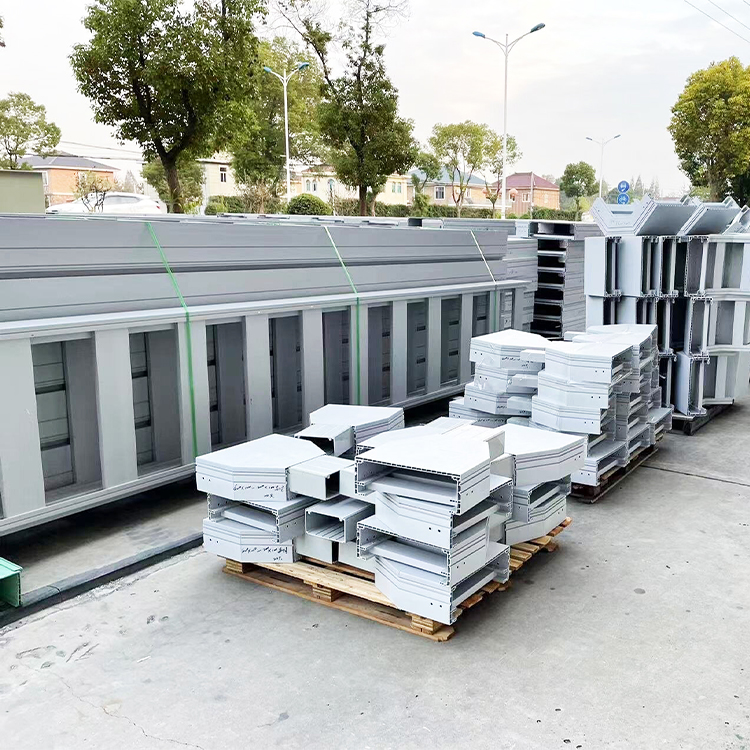
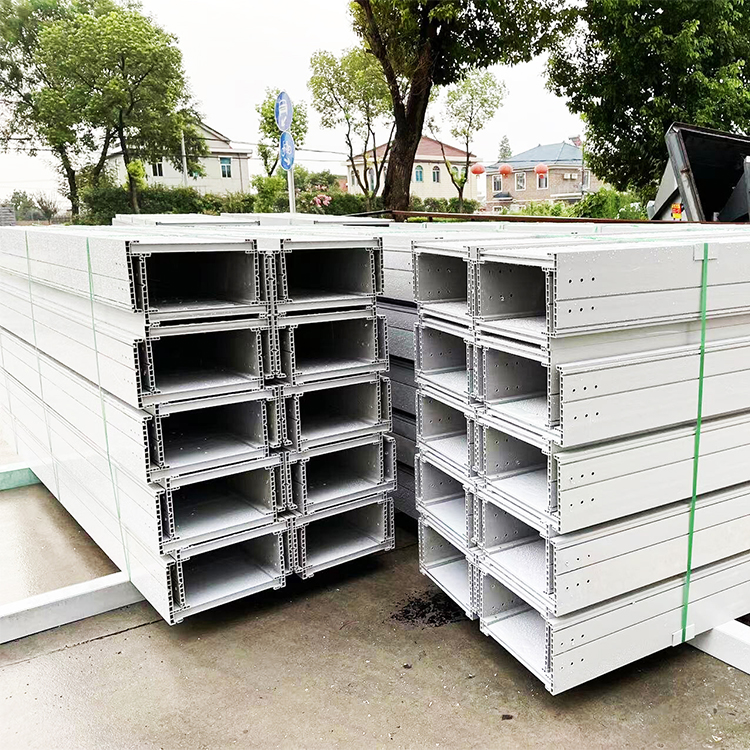
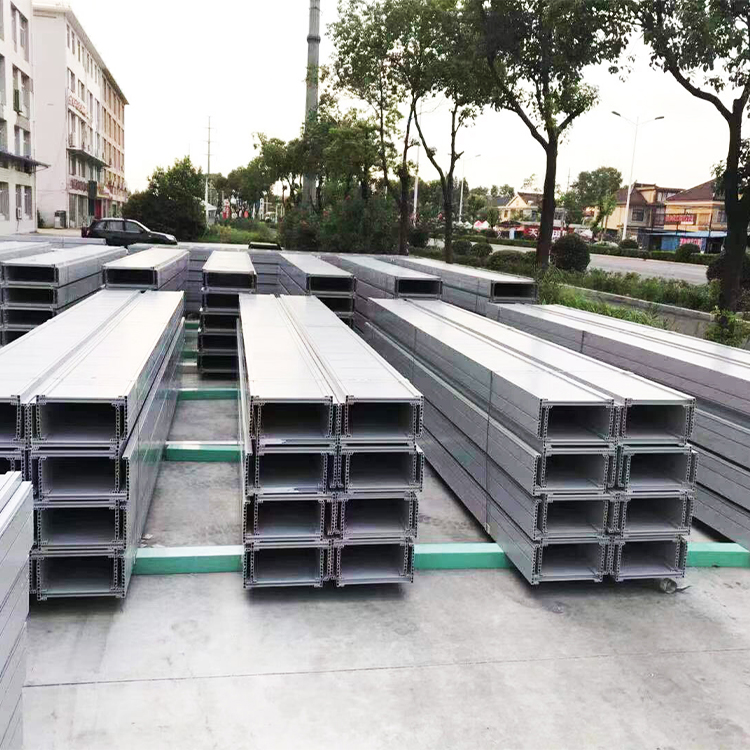
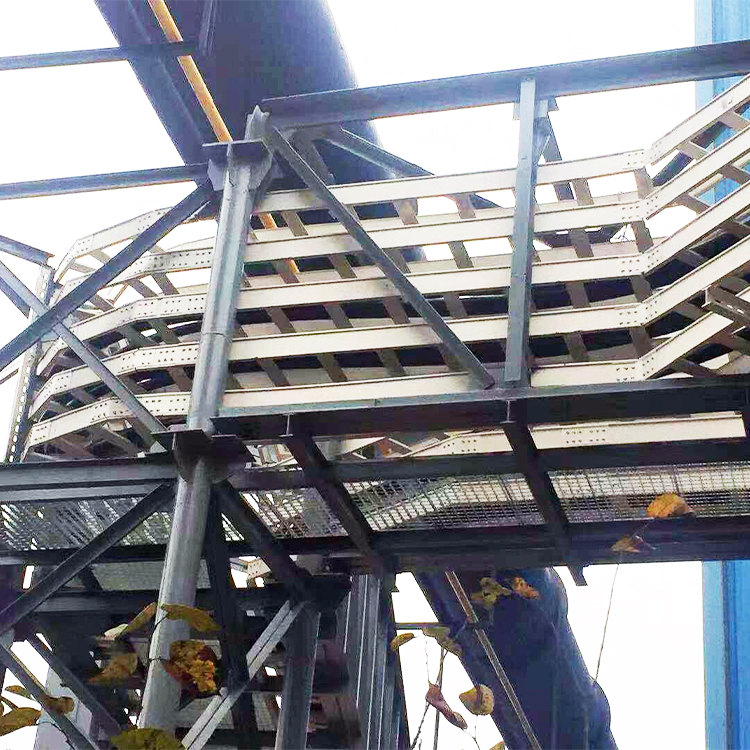
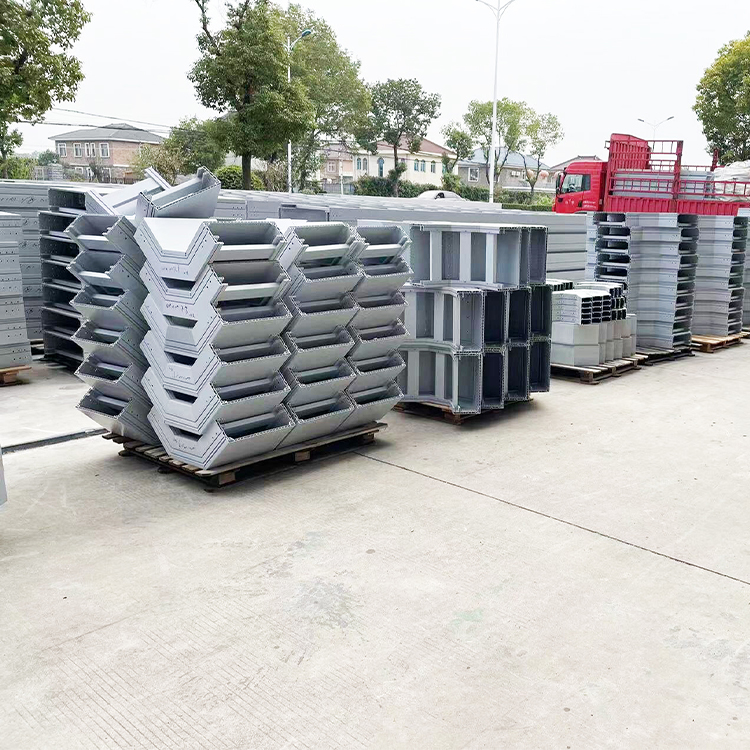
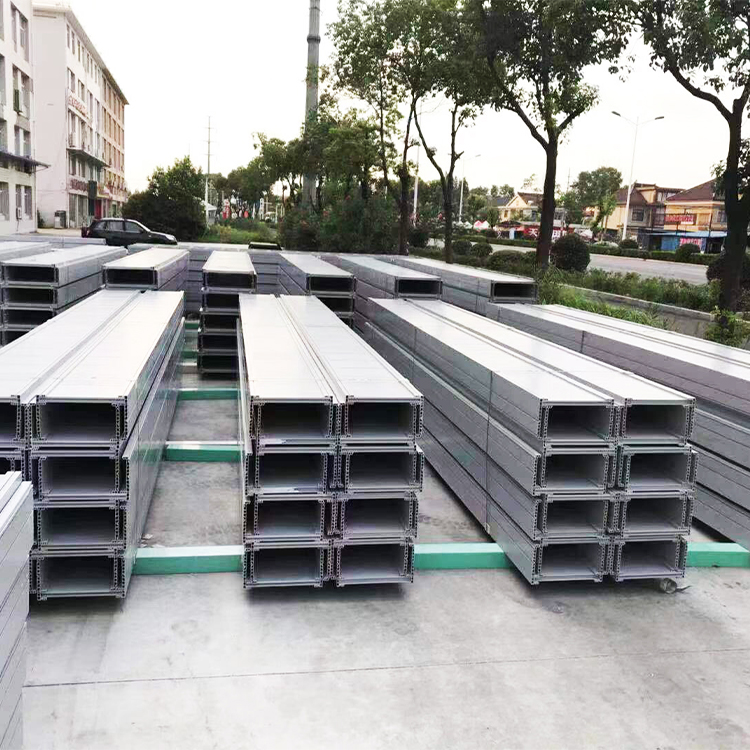
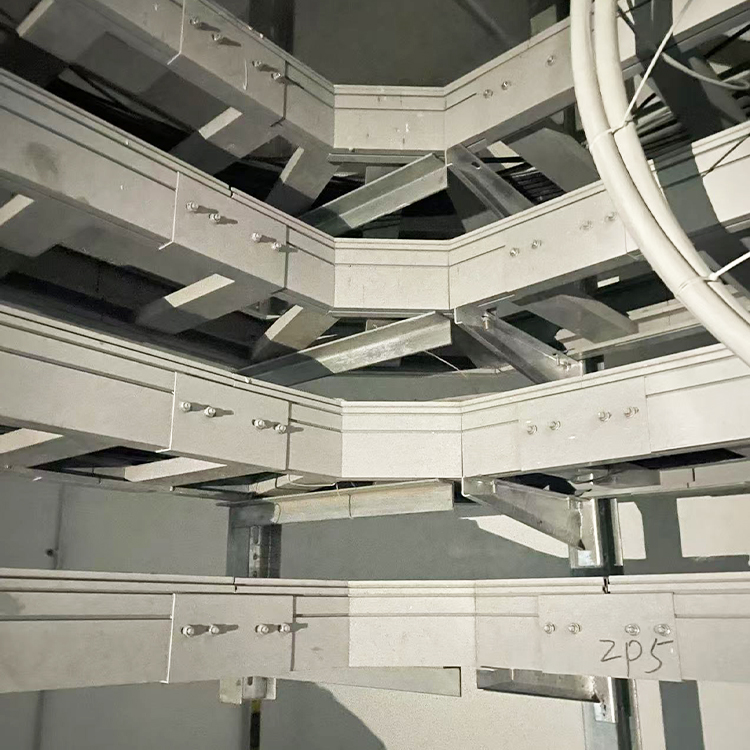
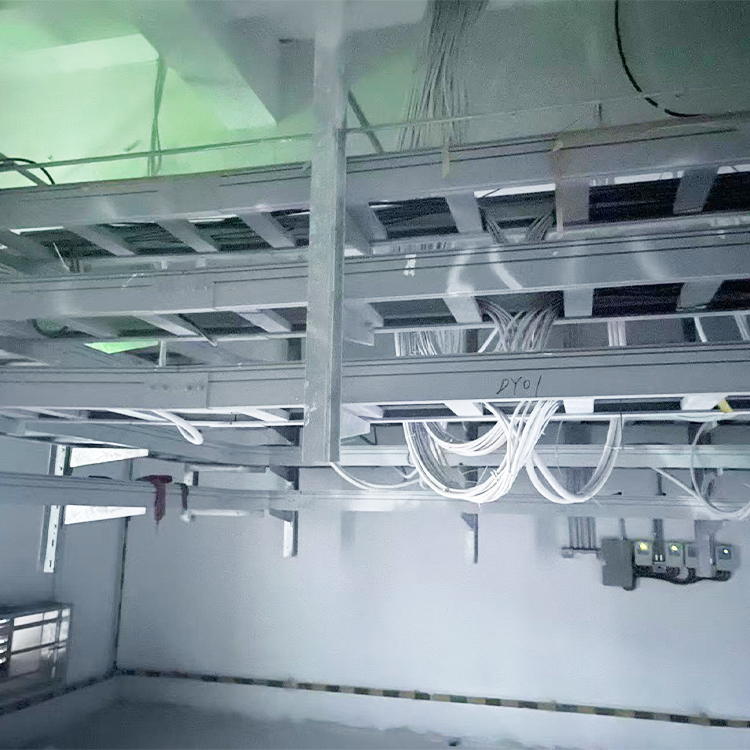
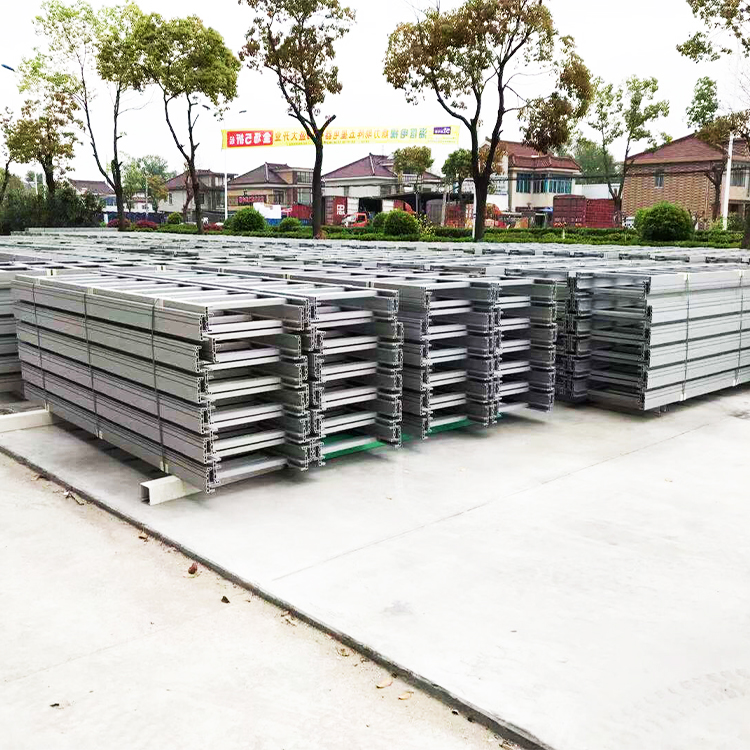
Product Real Photos