






Nanjing PPH Pipe Supplier _ Factory Direct Sale _ Wholesale _ Price _ Order【Zhenjiang Chenghua Pipeline Industry Co., Ltd.】
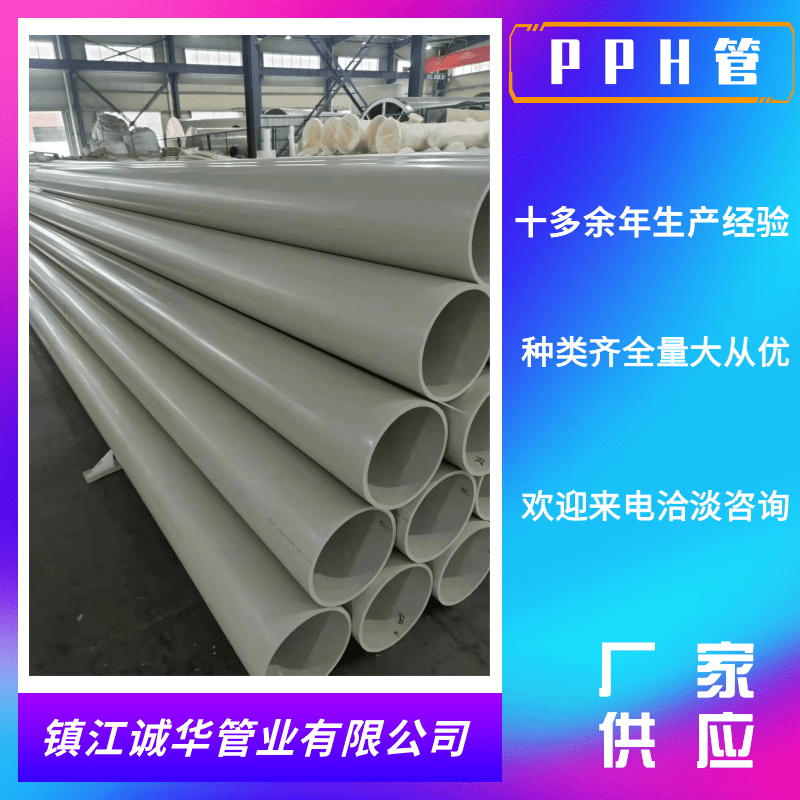
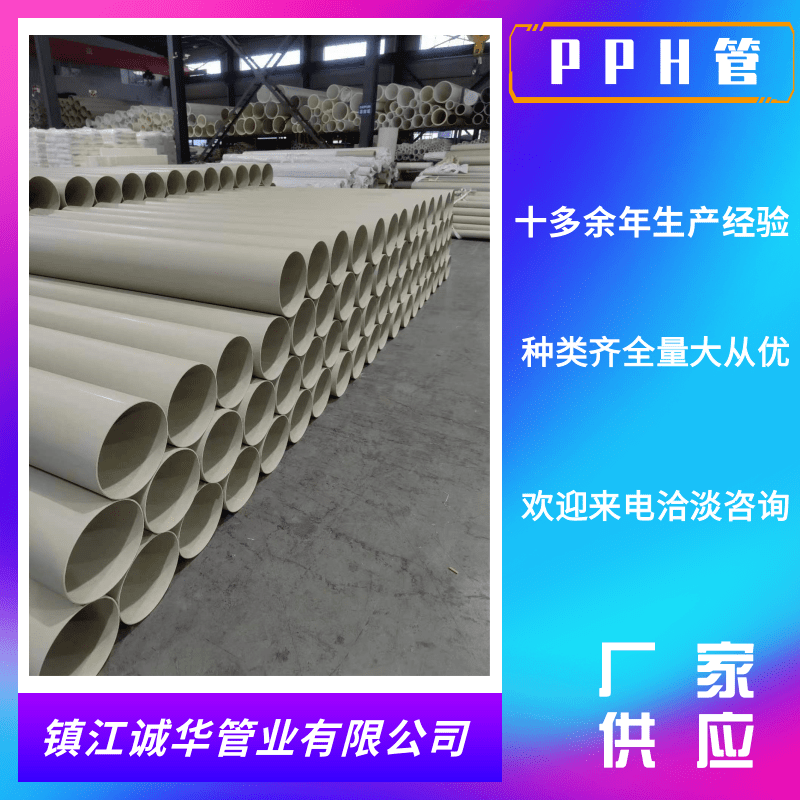
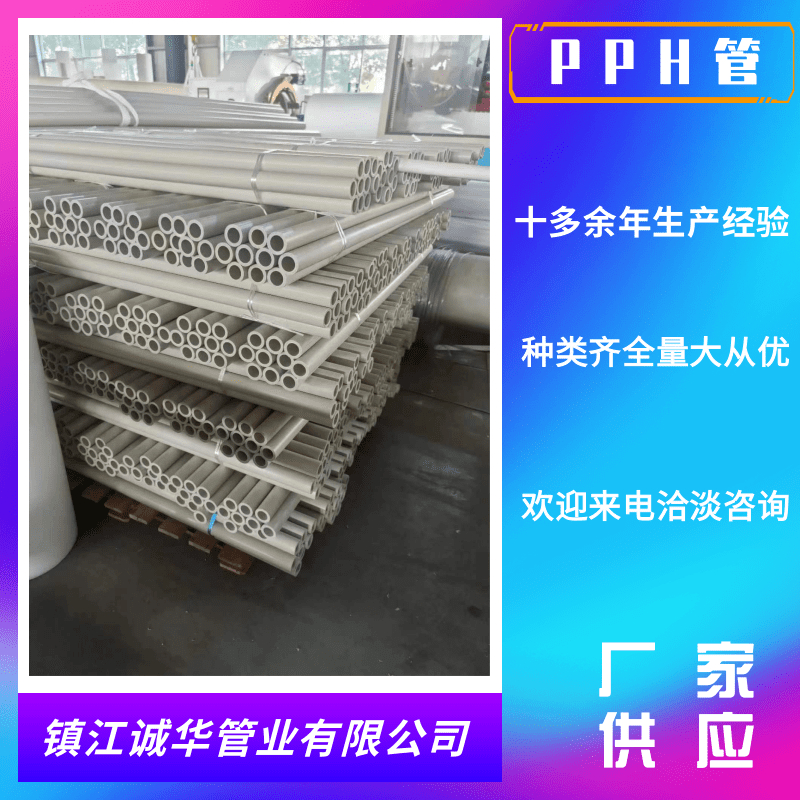
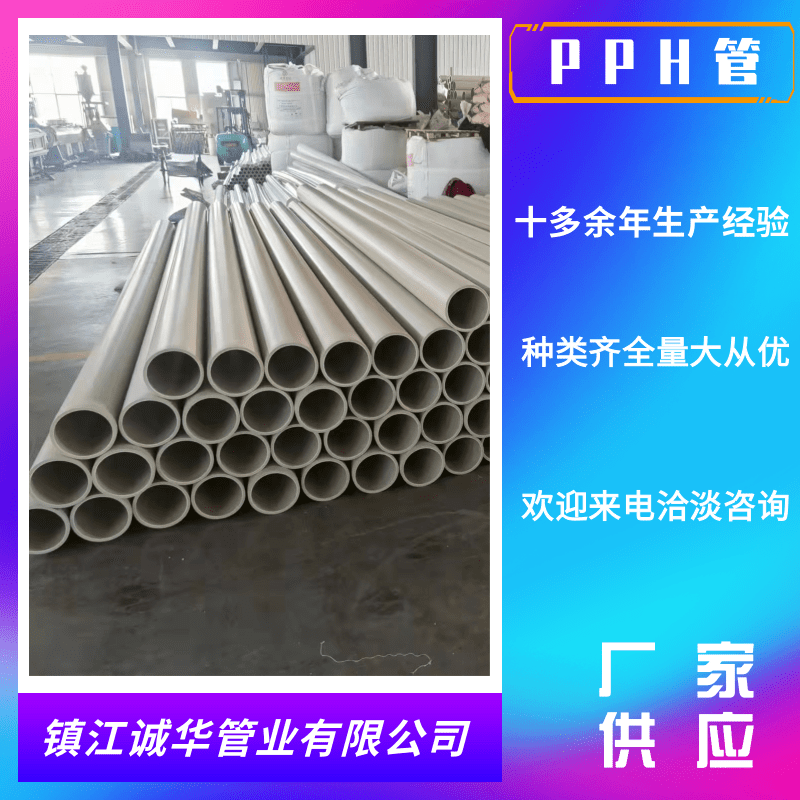
PPH Pipe (Homopolymer Polypropylene Pipe) is a β-modified version of standard PP material, featuring a uniform and fine Beta crystalline structure. It boasts excellent chemical corrosion resistance, wear resistance, good insulation properties, high temperature resistance, with operating temperatures up to 100°C, non-toxicity, lightweight, easy for transportation and installation. This is a high-quality product that outperforms PP pipes in terms of high-temperature resistance, corrosion resistance, and aging resistance.
Product Features:
1. Sanitary and Non-Toxic: This product is a green building material, suitable for potable water pipeline systems.
2. Low-temperature resistance: The cold brittleness temperature of polypropylene is (-70℃), under normal conditions, special protective measures are not required during construction, making winter construction convenient. Excellent impact resistance ensures that the pipes will not crack.
3. Corrosion-resistant and Non-Fouling: The PE molecule is non-polar, offering good chemical stability. It is unaffected by most chemical media, except for a few strong oxidizers. It does not promote bacterial growth or scaling, and its flow area does not decrease over time with operation.
4. Stress Resistance: PPH pipes feature low notch sensitivity, high shear strength, and excellent scratch resistance. Their performance against environmental stress cracking is also outstanding.
5. Abrasion Resistance: The abrasion resistance of PPH piping is four times that of steel pipes.
6. Flexibility: The flexibility of the pph pipeline allows for easy bending, enabling obstacles to be bypassed by altering the pipeline's direction in engineering applications.
7. Flow Resistance: PE pipes feature a smooth inner surface, resulting in low flow resistance, allowing for greater flow rates than other materials of the same diameter.
The welding of PPH pipes is by thermal fusion, utilizing various sizes of hydraulic or manual plastic pipe thermal fusion machines. For instance, in the case of hydraulic plastic pipe thermal fusion machines, the welding process primarily consists of three main components: the welding machine control platform, the fusion operation platform, and the tool holder.