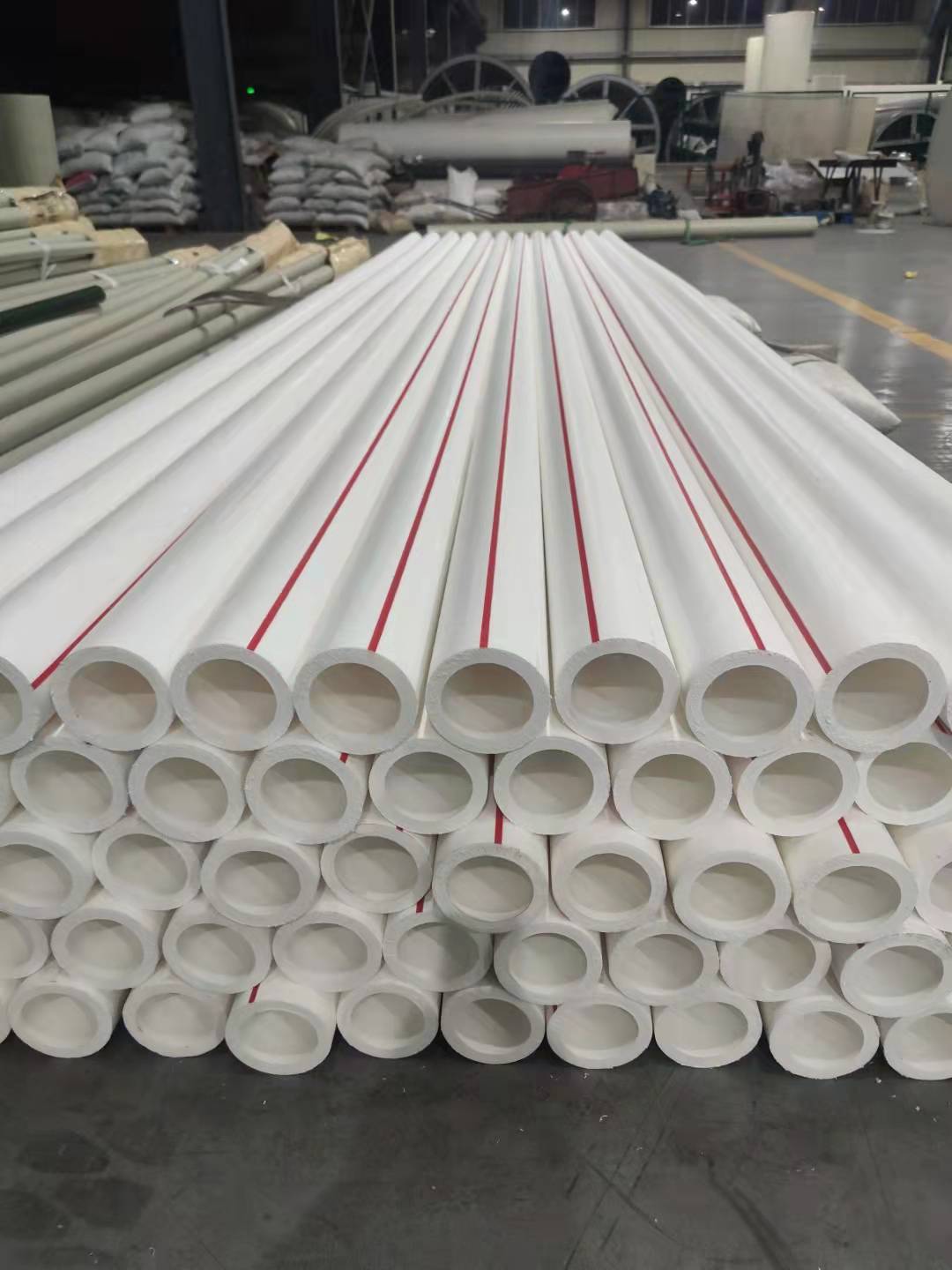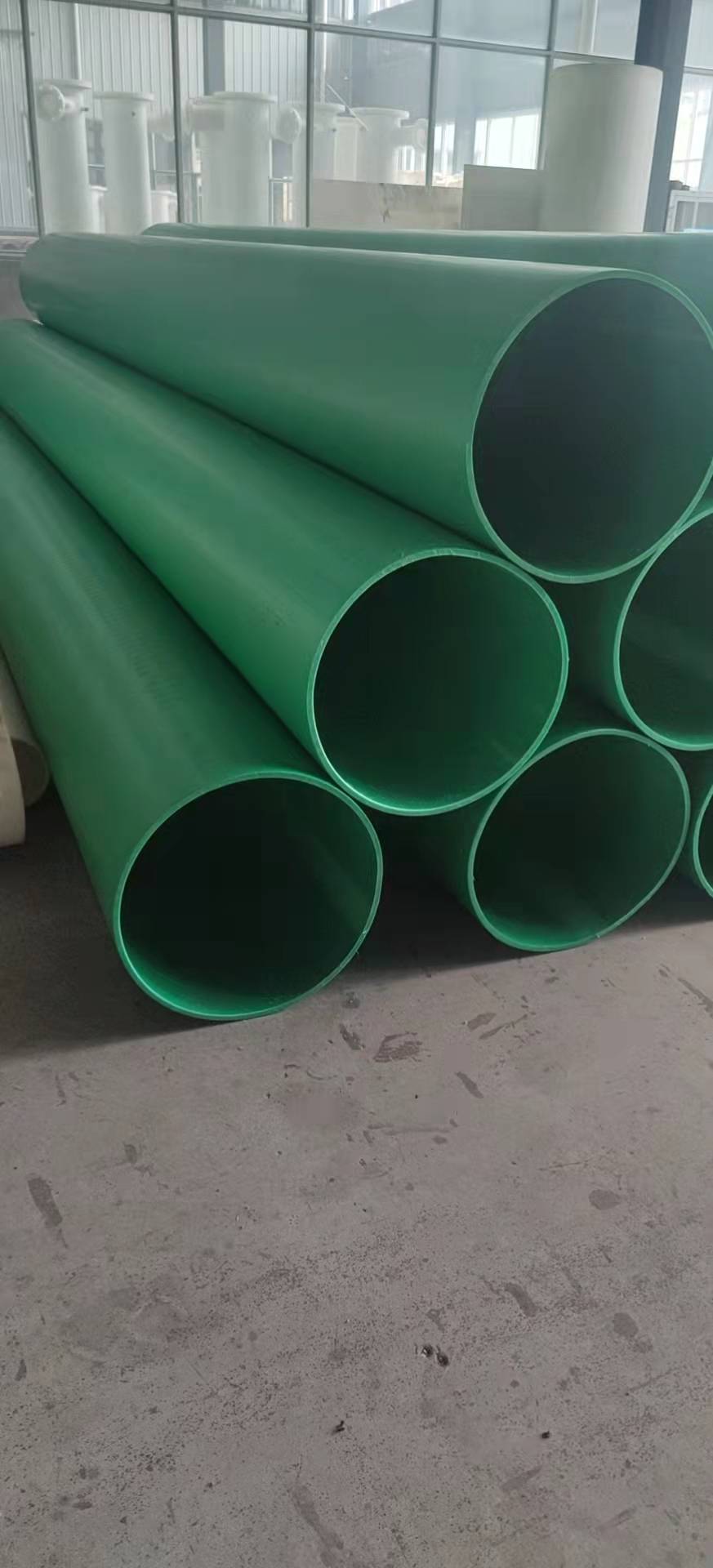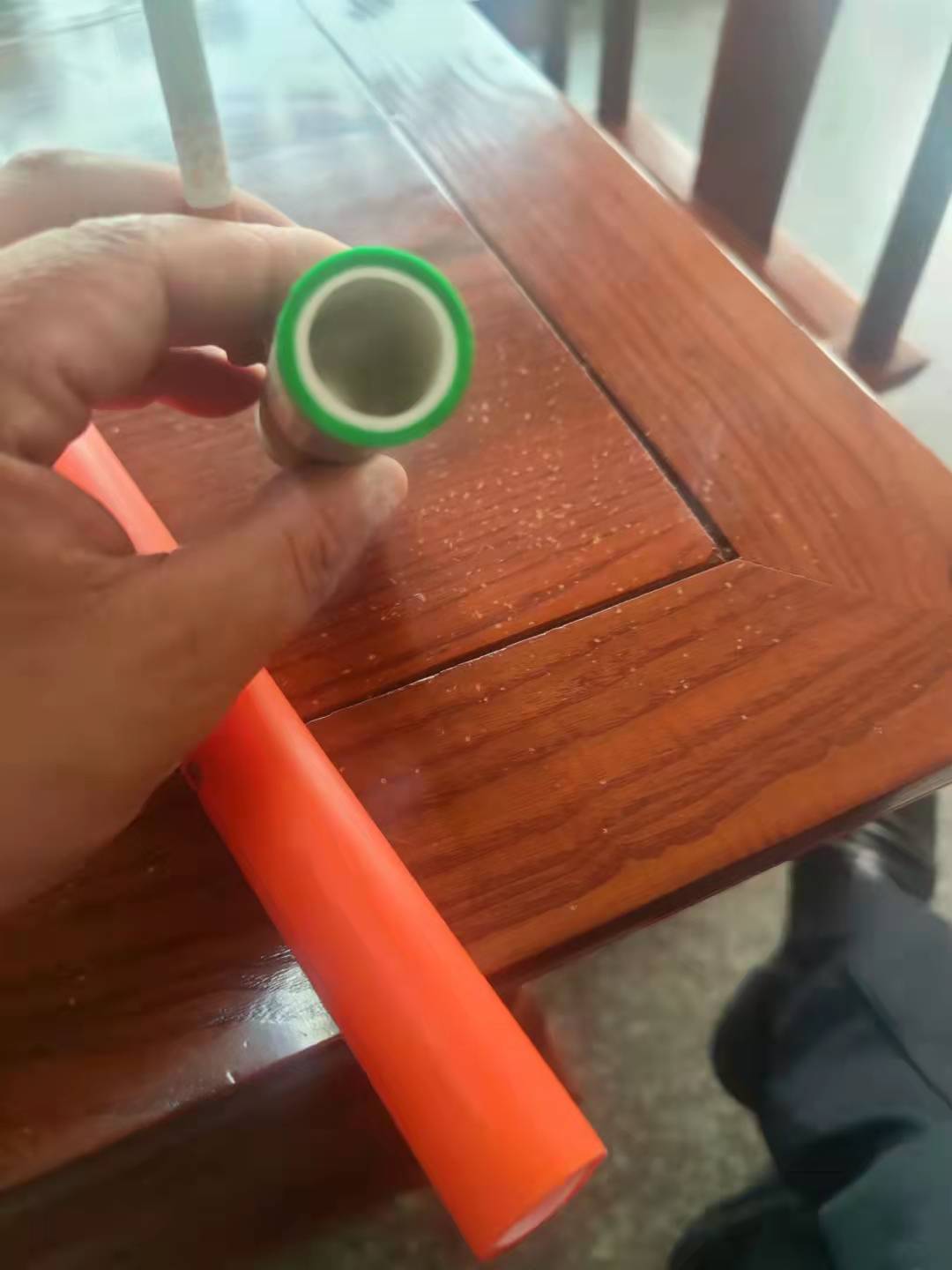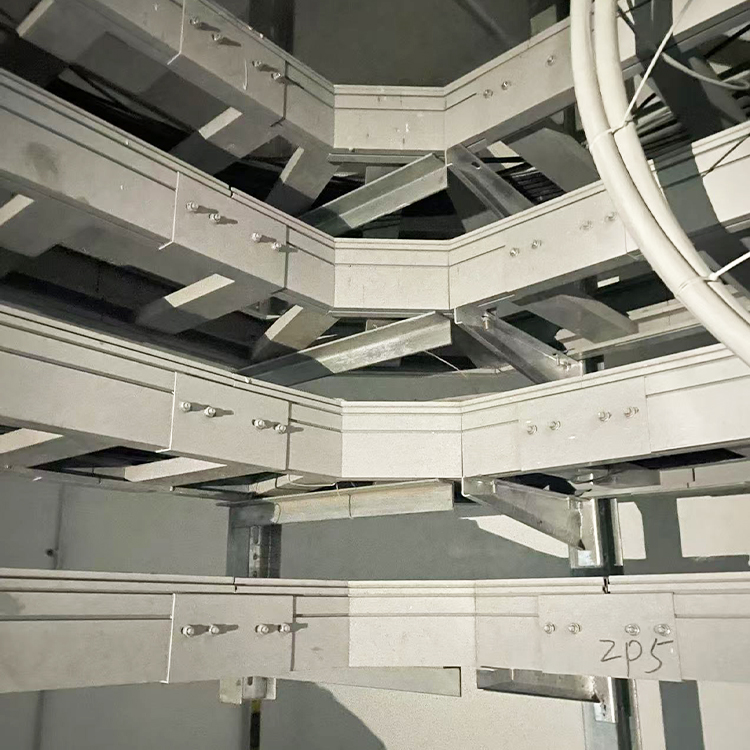








Nanjing PPR Pipe Manufacturer Supplies, Sells, Customizes, Processes, Prices【Zhenjiang Chenghua Pipe Industry Co., Ltd.】PPR pipes, compared to traditional cast iron pipes, galvanized steel pipes, and cement pipes, offer advantages such as energy and material savings, environmental protection, lightweight strength, corrosion resistance, smooth inner walls to prevent scaling, easy installation and maintenance, and long service life. They are widely used in construction fields such as building water supply and drainage, urban and rural water supply and drainage, city gas, power and cable sheath, industrial fluid transportation, and agricultural irrigation. PPR Pipe Installation Recommendations: Generally, during water and electricity renovations, the old pipes are replaced. When home improvement companies and merchants recommend installing PPR pipes, they suggest using hot water pipes exclusively, even in areas where cold water flows. Their rationale is that hot water pipes have higher technical specifications than cold water pipes, and the price difference is minimal, so waterway renovations use hot water pipes. Pipe Diameter: The diameter of PPR pipes (measured by outer diameter) ranges from 20mm to 160mm. In home renovations, the main diameters used are 20mm (PPR 1/2 inch, different from galvanized pipe) and 25mm (PPR 3/4 inch, different from galvanized pipe), with 20mm being more commonly used. If the budget allows, we recommend using 25mm outer diameter PPR pipes, especially for cold water supply pipes, as modern residential buildings are highly concentrated, with an increasing number of water-using appliances and a high probability of simultaneous water use, which can minimize the problems of low water pressure and low flow rate.