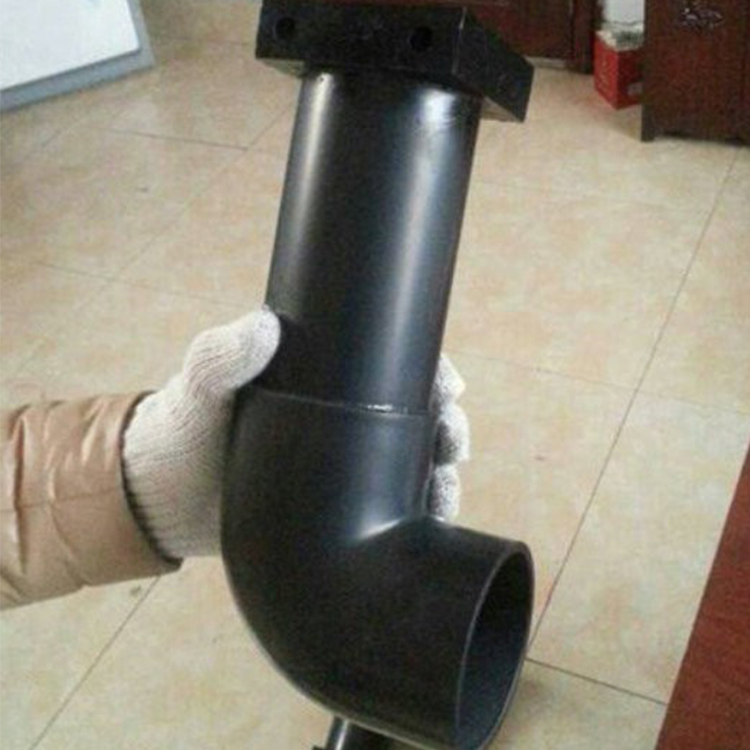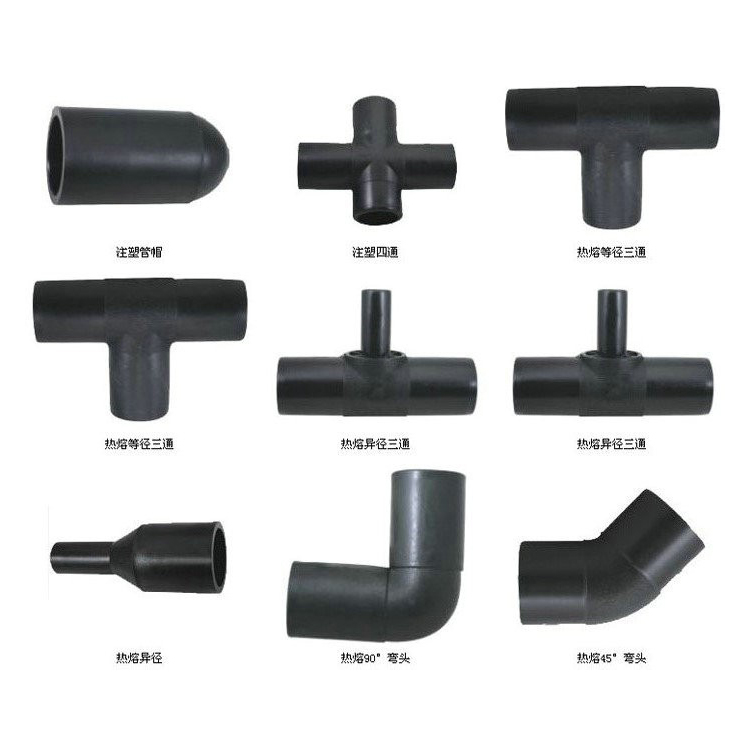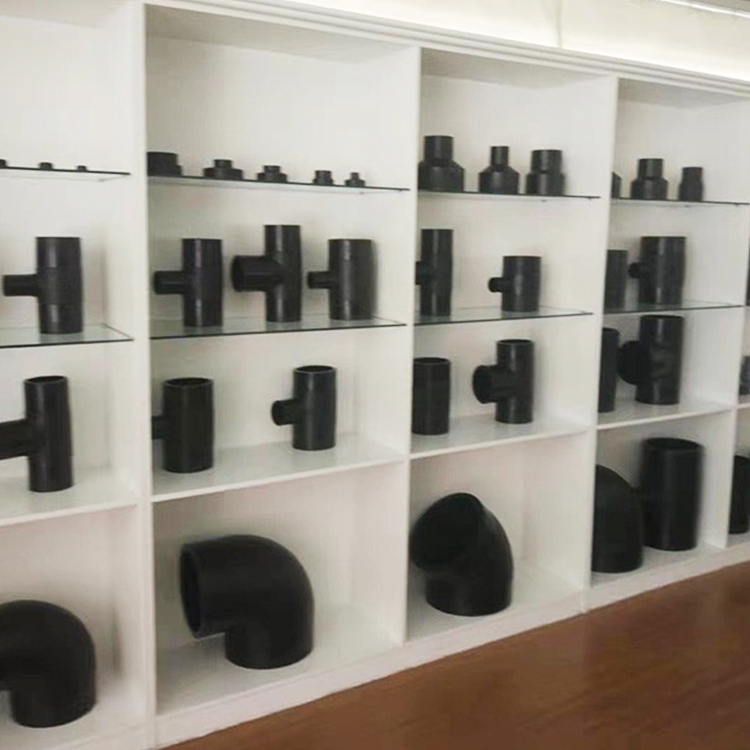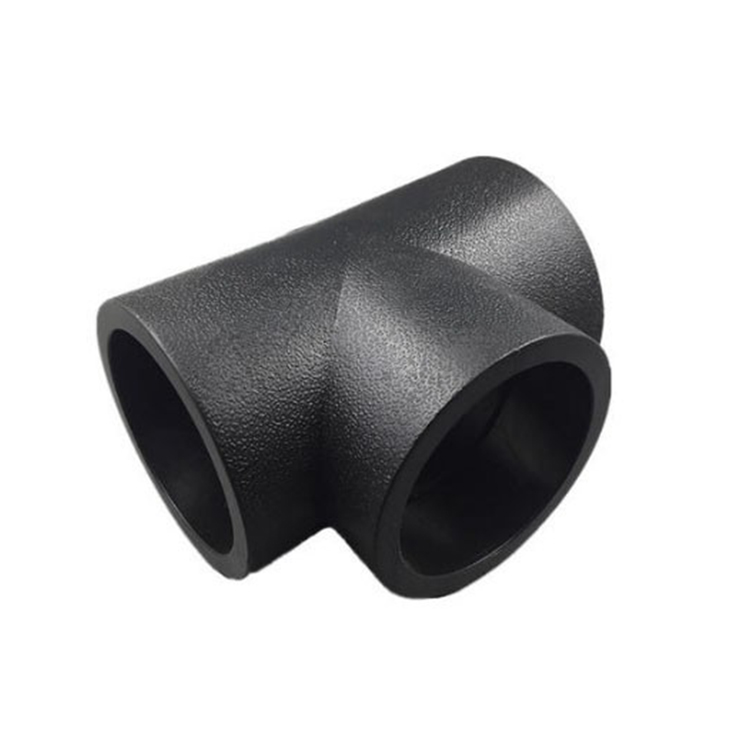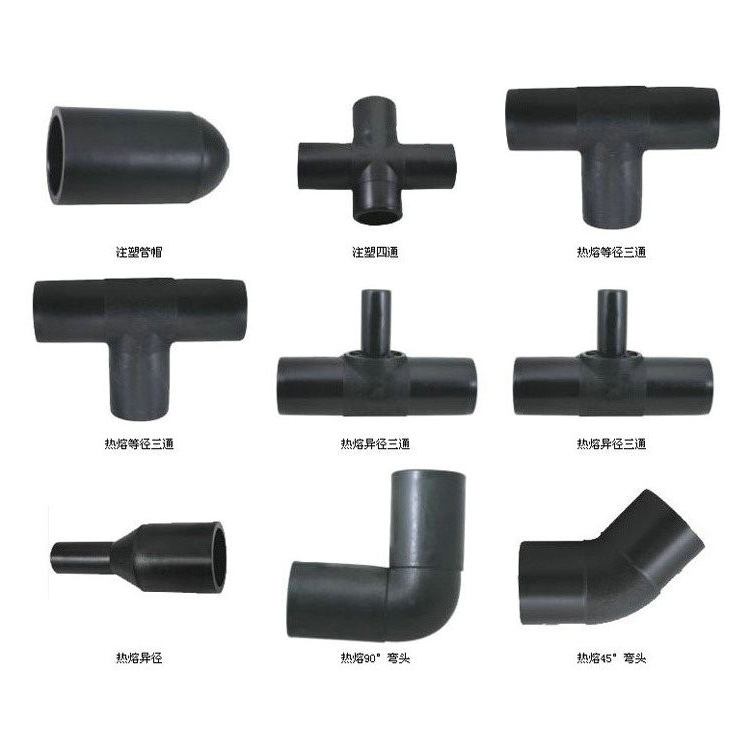
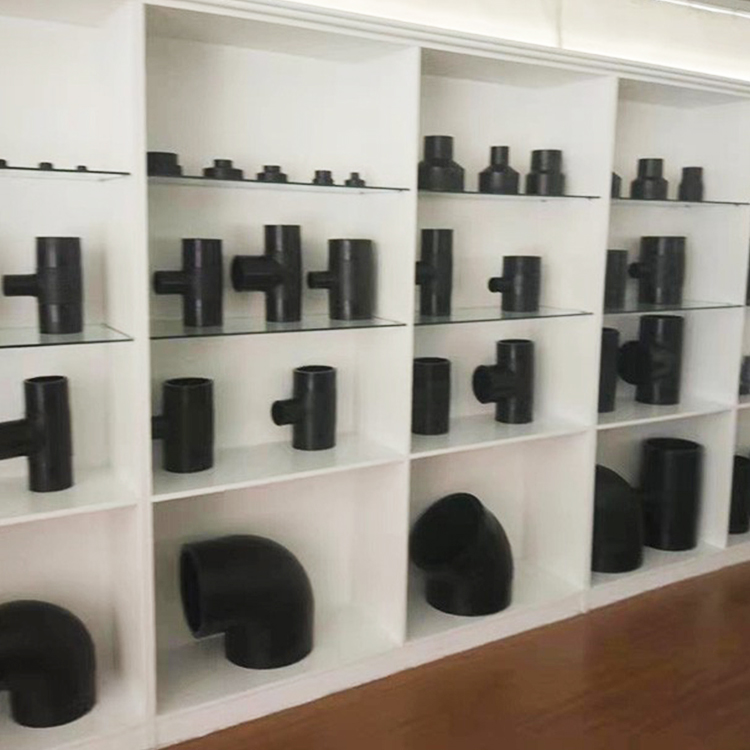








In piping systems, elbows are fittings used to change the direction of the pipeline. Commonly, there are three angles available: 45°, 90°, and 180°. Additionally, other non-standard angles like 60° are included based on engineering requirements. Elbow materials include cast iron, stainless steel, alloy steel, malleable cast iron, carbon steel, non-ferrous metals, and plastics.
Connection methods to pipes include: direct welding (common method), flange connection, hot melt connection, electric melt connection, threaded connection, and socket connection, etc. Production processes can be categorized as: welded elbows, stamped elbows, expanded elbows, cast elbows, and socket-welded elbows, etc. Other names: 90-degree elbows, right-angle elbows, etc.
Elbows are a commonly used pipe fitting in plumbing installations, designed for connecting at pipe bends to change the direction of the pipeline.
Other Names: 90° Elbow, Right-Angle Bend,爱尔弯, Pressed Elbow, Forged Elbow, Machined Elbow, Welded Elbow, etc.
Application: Connects two pipes with the same or different nominal diameters, allowing the pipeline to make 90°, 45°, 180°, and various degrees of turns.
Bends with a radius less than or equal to 1.5 times the pipe diameter are considered elbows, while those with a radius greater than 1.5 times the pipe diameter are classified as bends.
A commonly used connecting fitting in pipeline installation, connecting two pipes with the same or different nominal diameters, allowing the pipeline to make a certain angle turn, with a nominal pressure of 1-1.6 Mpa.